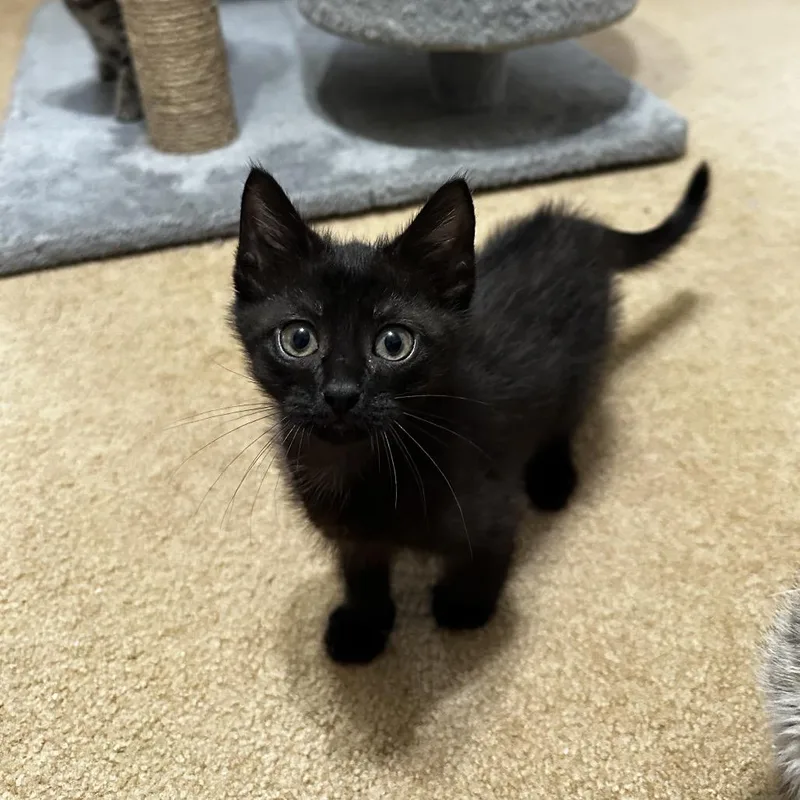
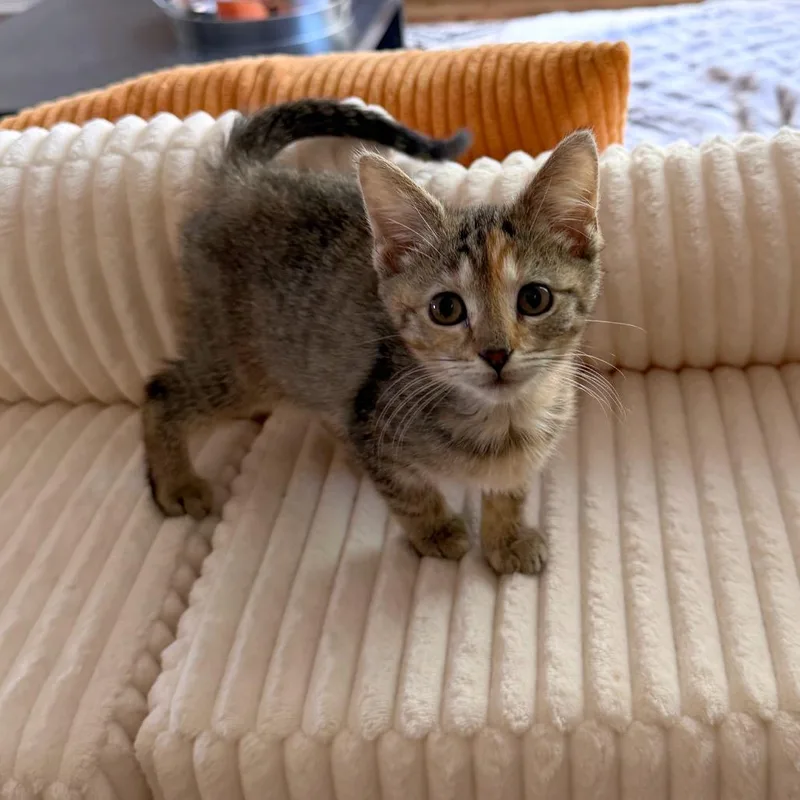
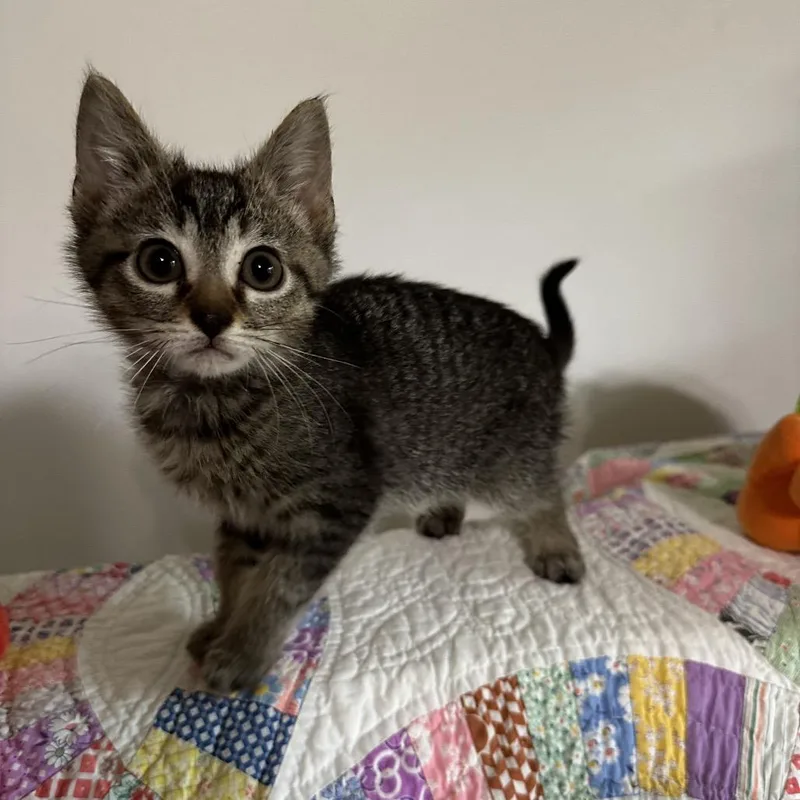
Domestic Short Hair Cats for Adoption in Georgetown, KY

Your guide to finding and caring for a Domestic Short Hair in Georgetown

Domestic Short Hairs suit Georgetown's mix of older streets and newer neighborhoods. Picture a cat watching from a window in the East Main Street Residential District, or stretched out in a sunny spot on the newer northwest side near Champion Way. DSH isn't a breed but a type of short-coated cat, so ages, colors and personalities run the whole range. That makes it easy to find a kitten for a busy household or a settled adult for a quiet one, and most are happy with a window and some play.

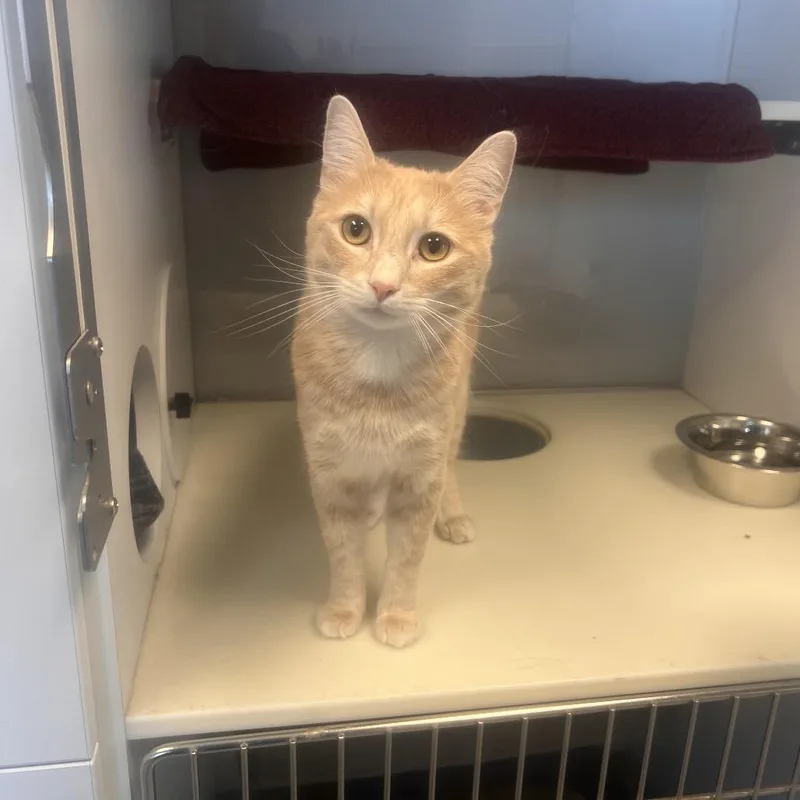
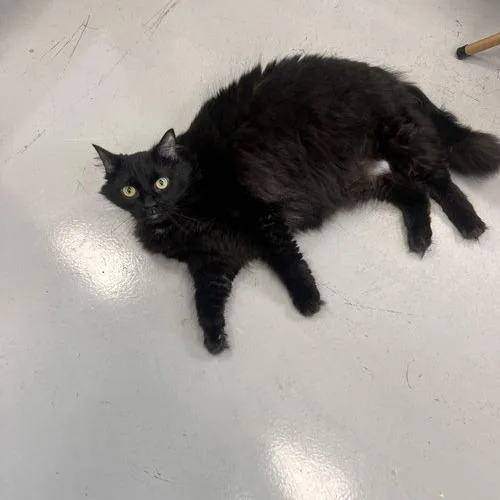
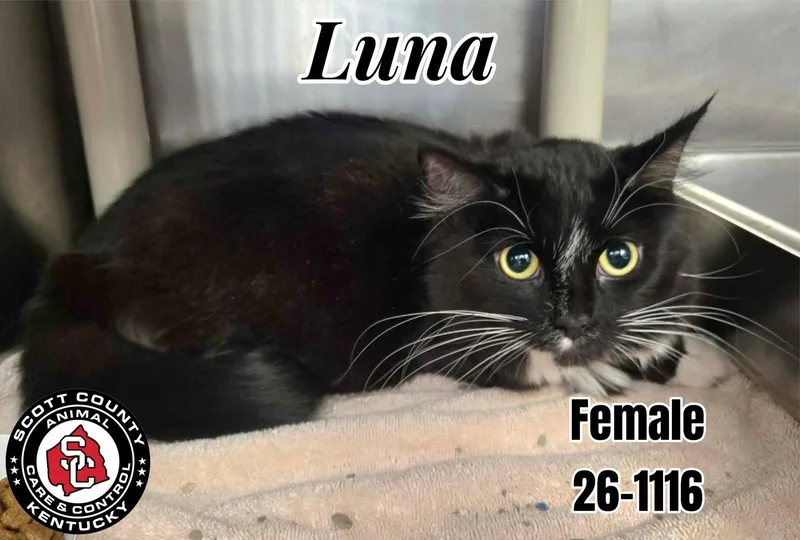
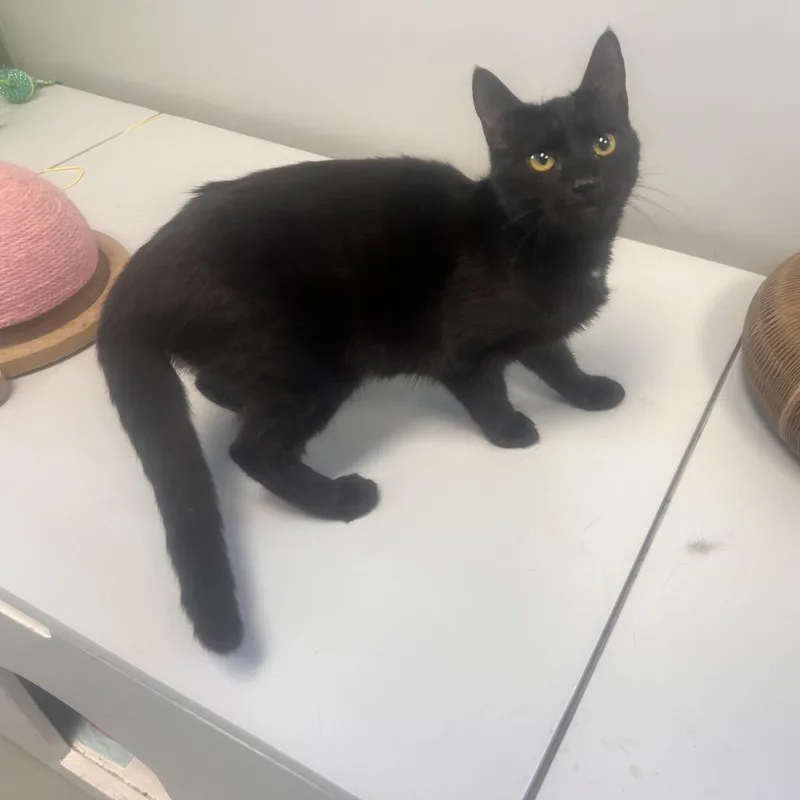
67 Domestic Short Hairs available for adoption in Georgetown

Find your Domestic Short Hair

Domestic Short Hairs Available for Adoption in Georgetown

About the Domestic Short Hair breed

Domestic Short Hair is the record label for a short-coated cat of mixed or unknown ancestry, often shortened to DSH. It's the most common kind of cat in American homes, and it shouldn't be confused with pedigreed breeds like the American Shorthair. Coats come in tabby, tuxedo, calico, solid black and everything between, and most of these cats land in the medium range of roughly 6 to 14 pounds.

Because the gene pool is so wide, personalities vary. Some DSH cats are lap cats, some are talkative, and some prefer watching from a perch. That adaptability helps in Georgetown, where the same cat can do well in a rental or a house. The short coat needs only a weekly brush, though shedding is moderate year-round. Age, energy and social history say more about a cat than coat does, so spend time with the cat before deciding.

Weight
6–14 lbs
Height
8–10 in
Lifespan
12–18 yrs
Temperament
Adaptable, Curious, Affectionate
Shedding
Moderate

Owning a Domestic Short Hair in Georgetown

Having a Domestic Short Hair in Georgetown

A DSH has a practical coat and a wide genetic mix, but little else is fixed. In Georgetown, the useful questions are how much play a cat wants, how it handles quiet or busy rooms, and whether your home offers perches and hiding spots.

Temperament

DSH cats range from outgoing lap cats to shy observers, and past experiences shape behavior more than coat does. Many adapt well to new homes and other pets with slow introductions. In Georgetown's mix of quiet rentals and busy family houses, watch how a cat reacts to noise and handling to find the right fit.

Exercise Needs

Plan on daily interactive play: wand toys, chase games and food puzzles in a couple of short bursts. Kittens want more, seniors less. Window perches and cat trees give indoor cats something to watch. A harness-trained cat can explore a county park path, but indoor play covers most needs.

Health Considerations

Common concerns include obesity, dental disease, urinary problems and, in older cats, kidney disease, hyperthyroidism and diabetes. A veterinarian can check weight, teeth and overall condition at a first visit, which helps catch problems early. Kentucky requires rabies vaccination by four months of age, so keep the certificate handy.

Living Space

Climbing shelves, a clean litter box, scratching posts and a quiet hiding spot matter more than square footage, so a Domestic Short Hair can do well in a Georgetown rental or a house. Keep cats indoors or in a secure enclosure, and put screens on windows to prevent falls.

What it costs to own a Domestic Short Hair in Georgetown

ExpenseTypical costPer year
Adoption fee$30 to $123, one time$30 to $123 in year one
Food$25 to $50 per month$300 to $600
Pet insurance$20 to $45 per month$240 to $540
Routine vet care$150 to $350 per year$150 to $350
Other*$450 to $1,150 per year$450 to $1,150
Estimated yearly total (after year one)$1,140 to $2,640
First-year total (with adoption fee)$1,170 to $2,763

Adoption fee is the range of fees on Domestic Short Hair listings in Georgetown on GetBuddy today. Other costs are estimates and vary with size, age and health.

* Litter, flea prevention, a dental cleaning allowance, toys, scratchers and other supplies, and minimal home grooming.

Adopt a Domestic Short Hair in Georgetown.

Now that you know more, let’s find you a new best friend. These rescues and shelters below currently have Domestic Short Hairs available.

Rescues in Georgetown with Domestic Short Hairs Available

Georgetown's rescue community includes the county's open-admission shelter and a volunteer-run humane society with foster and adoption programs. Here are the rescues & shelters in the Georgetown area where you can find Domestic Short Hairs and other cats available for adoption.

Frequently Asked Questions

Yes, you can get a Domestic Short Hair in Georgetown. No breed-specific rules are known in the city, and DSH is a type of cat rather than a breed anyway. Kentucky requires rabies vaccination by four months of age, with proof available on request. If you rent, confirm your landlord's pet policy first, then browse the cats listed on this page.

Yes, a Domestic Short Hair can live happily in an apartment in Georgetown. Cats care more about vertical space, scratching posts, a clean litter box and a quiet retreat than square footage. Get pet permission in writing, find out about any pet deposit, and keep screens secure on windows and balconies so a curious cat can't fall.

Yes, Domestic Short Hairs handle Georgetown winters well as indoor cats. Lows near 25°F and regular snow are too cold for a short coat to manage for long outside, so keep cats inside, offer warm bedding away from drafts, check under car hoods before starting the engine, and keep water bowls fresh and unfrozen.

A Domestic Short Hair needs only light grooming in Georgetown: a weekly brush, and a bit more often during spring and fall shedding. Dry winter indoor air can add dander, so brushing helps then too. Professional grooming is rarely needed, and the small cost fits inside the $450 to $1,150 yearly Other budget alongside litter and parasite prevention.

Yes, Domestic Short Hairs can ride Bluegrass RIDE buses in Georgetown, but only in a secured pet carrier. Non-service animals aren't allowed loose or on a harness. The local buses are fare-free Monday through Saturday on two routes, and the city has no subway or rail, so a sturdy carrier is all a cat needs.

For a harness-trained Domestic Short Hair, Charles Brooking Park's 1.2-mile Mollie Graves track, the 1.08 miles of McCracken Creek Trail and Great Crossing Park's mile-plus of asphalt paths are good choices. County parks allow animals on leashes up to eight feet or confined, so a carrier works too. Most cats are happier at home.

Domestic shorthair cats typically live about 12 to 18 years, and many indoor cats reach their late teens or early twenties. Large UK veterinary studies have found mixed-breed cats tend to live slightly longer than pedigreed cats on average. Spaying or neutering, indoor living, a healthy weight, dental care and regular checkups all help a cat enjoy a longer life.

No, domestic shorthair cats are not hypoallergenic. The main cat allergen, a protein called Fel d 1, comes from saliva and skin glands, so short fur does not prevent reactions. Allergen levels vary between individual cats, and some people react less to certain cats. Spending time with a specific cat before adopting is the best way to test your response.

We have 3 rescues with Domestic Short Hairs available: Scott County Humane Society, Scott County Animal Shelter and Saved By Fate Dog Rescue. You can see every rescue with Domestic Short Hairs available in the list above these questions, or scroll to the top to see the Domestic Short Hairs in Georgetown.

A Domestic Short Hair typically costs about $25 to $50 a month for food, $20 to $45 for pet insurance, $150 to $350 a year for routine vet care, and $450 to $1,150 a year for litter, parasite prevention, dental care and supplies. That works out to roughly $1,140 to $2,640 a year.