Tortoiseshell Cats for Adoption in Indianapolis, IN

Your guide to finding and caring for a Tortoiseshell in Indy

A tortoiseshell cat suits Indy's older flats and bungalows well, because coat color says nothing about how much space a cat needs. Torties are a pattern, not a breed, so the ones you'll meet are mostly domestic shorthairs with very different personalities. A cat that likes window time can watch Irvington's tree-lined streets from a bungalow sill, or settle into a Fountain Square flat. Winters run long here, so a sunny perch becomes a daily favorite.

960 Tortoiseshells available in Indianapolis and nationwide

Your Tortoiseshell is waiting

While we don't have enough cats near Indianapolis, keep in mind that many rescues may offer transport.

Tortoiseshells Available for Adoption Near Indianapolis

About the Tortoiseshell breed

Tortoiseshell describes a coat, not a breed. A tortie's fur blends black-based and orange-based colors in patches or a fine mottle, usually with little white, and nearly all are female because the orange gene sits on the X chromosome. The pattern turns up in domestic shorthairs and longhairs as well as in breeds such as Maine Coons and British Shorthairs.

Most torties adopters meet are medium-sized cats of roughly 6 to 14 pounds, and many live 12 to 18 years, so adopting one is a long commitment. The "tortitude" reputation is folklore more than fact. Age, background and socialization shape a cat's personality far more than color does, and moderate shedding means a weekly brush keeps fur off the couch.

Weight
6–14 lbs
Height
8–10 in
Lifespan
12–18 yrs
Temperament
Independent, Affectionate, Playful
Shedding
Moderate

Owning a Tortoiseshell in Indianapolis

Having a Tortoiseshell in Indy

Because tortoiseshell is a coat rather than a breed, these cards describe what is typical of the domestic cats that wear it. Expect a medium-sized, moderately shedding cat whose needs follow its age and background, and who will mostly live indoors in Indianapolis.

Temperament

Torties range from shy to bold and from lap cat to loner, so the tortitude label tells you little. In Indy's flats and bungalows, a confident cat may enjoy a busy household, while a quieter one often prefers a calm room with a hiding spot. Watch how the cat reacts to new people and noises.

Exercise Needs

Plan on daily interactive play, such as wand toys, chase games and puzzle feeders, scaled to the cat's age. Long Indiana winters keep cats indoors, so cat trees, window perches and a short play session morning and evening help burn energy. Young cats usually want more activity, and seniors prefer gentler games.

Health Considerations

Coat color brings no particular health risks for female torties, while the rare males often carry an extra X chromosome and may need extra care. Indiana requires rabies vaccination for cats three months and older, so plan an early vet visit. Dental care, a healthy weight and regular checkups matter most.

Living Space

Tortoiseshells do well in flats and houses alike. A cat tree, scratching posts and a window perch make a room feel bigger, and cats that prefer quiet do best in calm homes. Keep cats indoors: Indiana's wildlife agency notes coyotes live throughout the state, including urban areas, and can kill house cats.

What it costs to own a Tortoiseshell in Indianapolis

ExpenseTypical costPer year
Food$25 to $50 per month$300 to $600
Pet insurance$20 to $45 per month$240 to $540
Routine vet care$150 to $350 per year$150 to $350
Other*$450 to $1,150 per year$450 to $1,150
Estimated yearly total (after year one)$1,140 to $2,640

Other costs are estimates and vary with size, age and health.

* Litter, flea and tick prevention, a dental cleaning allowance, toys and supplies, and home grooming; Indianapolis has no general cat license.

Adopt a Tortoiseshell in Indianapolis.

Now that you know more, let’s find you a new best friend. These rescues and shelters below have cats available in and near Indianapolis.

Frequently Asked Questions

Yes, if the cat travels in a carrier. IndyGo allows pets in a carrying case on its buses, including the Red and Purple Line rapid-transit routes, but Indianapolis has no subway. Choose a sturdy, well-ventilated carrier, keep it closed and on your lap or the floor, and practice carrier time at home first.

Yes, as long as they live indoors. Indy winters bring about 105 freezing nights a year and occasional deep cold snaps, so a cat should never be left outside. Give a warm bed away from drafts, keep antifreeze locked away, and watch older or thin-coated torties for stiffness or reluctance to jump in cold weather.

Yes, tortoiseshells do well in apartments because their needs follow personality, not coat. Provide a cat tree, a window perch and daily play, and add a scratching post to protect the carpet. Get any pet terms in writing before you sign, and consider the neighbors if your cat is a talker.

Often, yes, especially for people who can offer an indoor home with daily play. Indy's cold winters and spring storms favor a cat that is comfortable inside, and the city's mix of flats, bungalows and newer apartments suits an indoor cat. A cat's age and temperament matter more than its coat, so match its energy to your routine.

Most need little: a weekly brush for shorthairs and a few times a week for longhairs, since torties are moderate shedders. Brush more in spring and fall when coats change. Grooming is mostly a home task, so it adds little to the yearly Other costs, apart from an occasional trim or professional session for a longhaired cat.

A tortoiseshell cat is a cat with a coat pattern of black-based and orange-based colors blended or patched together, usually with little or no white. It is not a breed; the pattern appears in many breeds and most often in domestic shorthairs. Nearly all tortoiseshells are female because the genes for orange and black are carried on the X chromosome.

Almost all tortoiseshell cats are female, but not all. A female has two X chromosomes and can carry both orange and black color genes, producing the mixed coat. Males normally have only one X. Rare male torties usually have an extra X chromosome or are genetic chimeras, and they are estimated at roughly 1 in 3,000 tortoiseshells.

No, tortoiseshell cats are not rare. They are common among domestic cats and are regularly found in shelters and rescues. What is rare is a male tortoiseshell, since the pattern almost always requires two X chromosomes. Certain variations, such as long-haired or dilute torties, are less common simply because they require additional recessive genes.

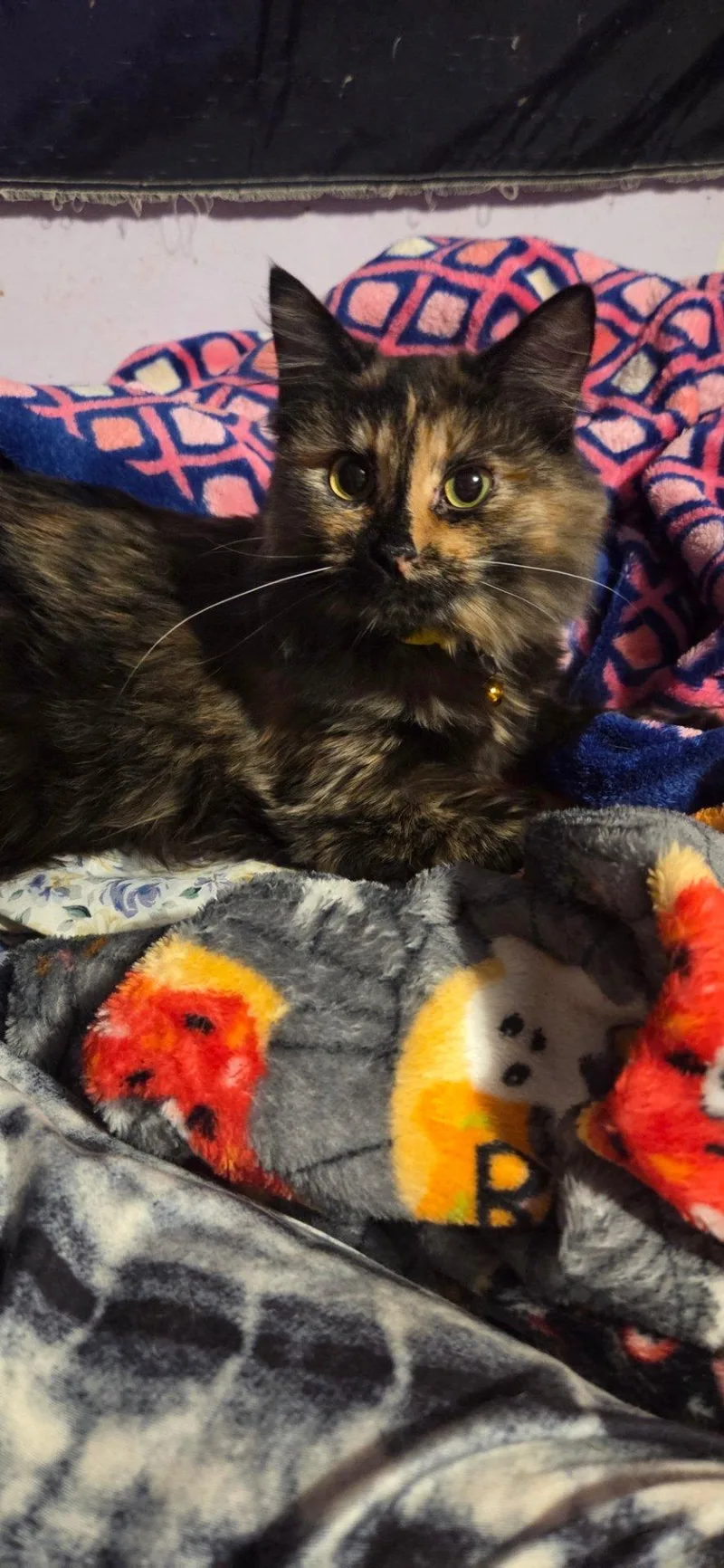
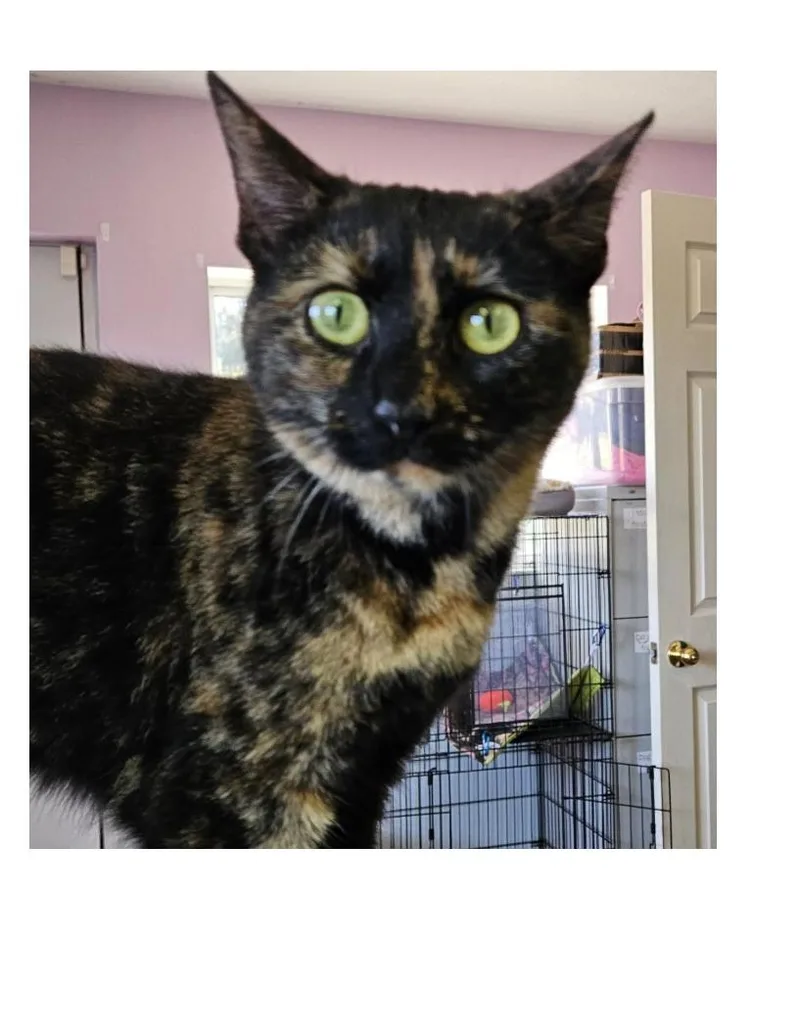
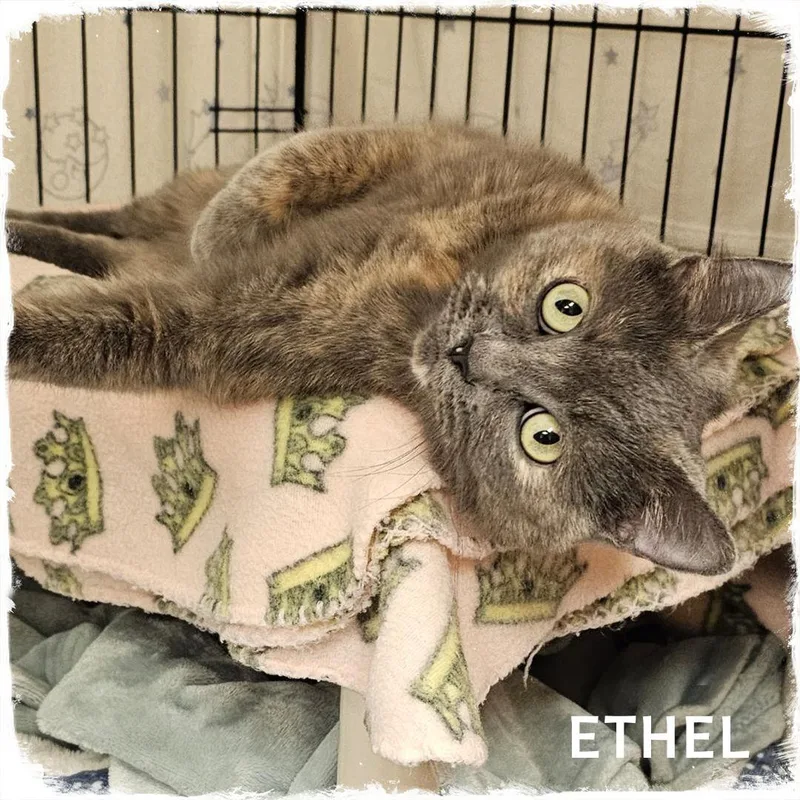
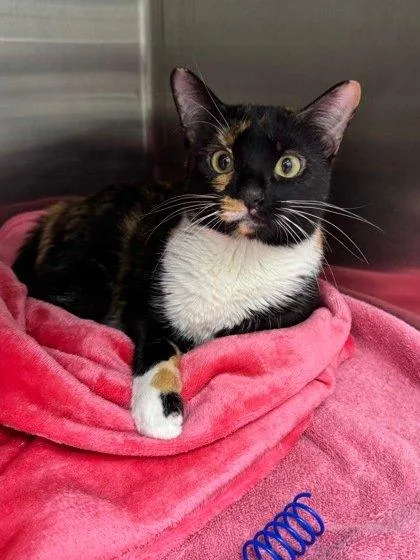
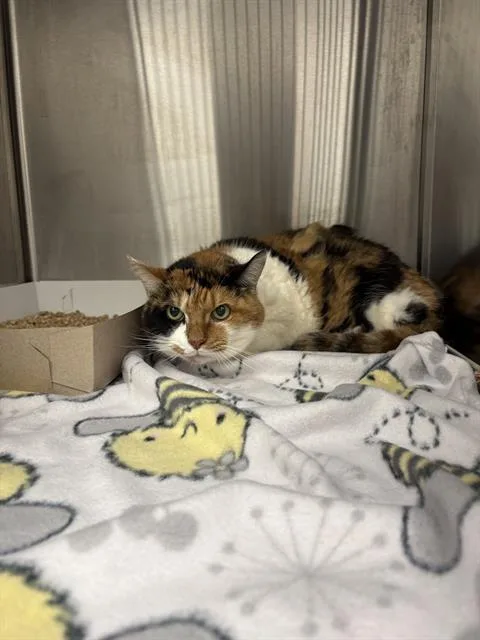
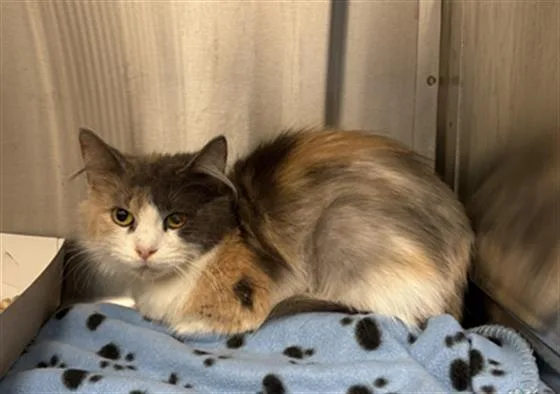
A tortoiseshell cat has a coat of black or chocolate mixed with orange, red or gold, either in a fine brindled blend or in distinct patches. There is usually little or no white. Many have a split or blazed face, and eye colors range from gold and copper to green. Dilute versions show gray and cream instead.

Expect about $25 to $50 a month for food, $20 to $45 a month for pet insurance if you choose it, and $150 to $350 a year for routine vet care. Other yearly costs, including litter, parasite prevention, dental care and supplies, run roughly $450 to $1,150. Indianapolis has no cat license fee.