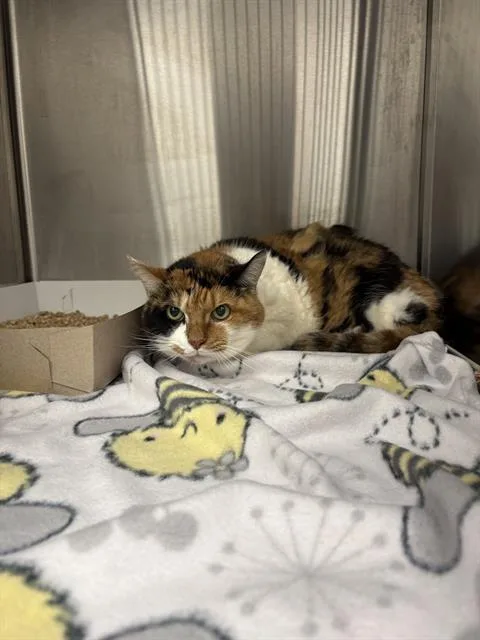
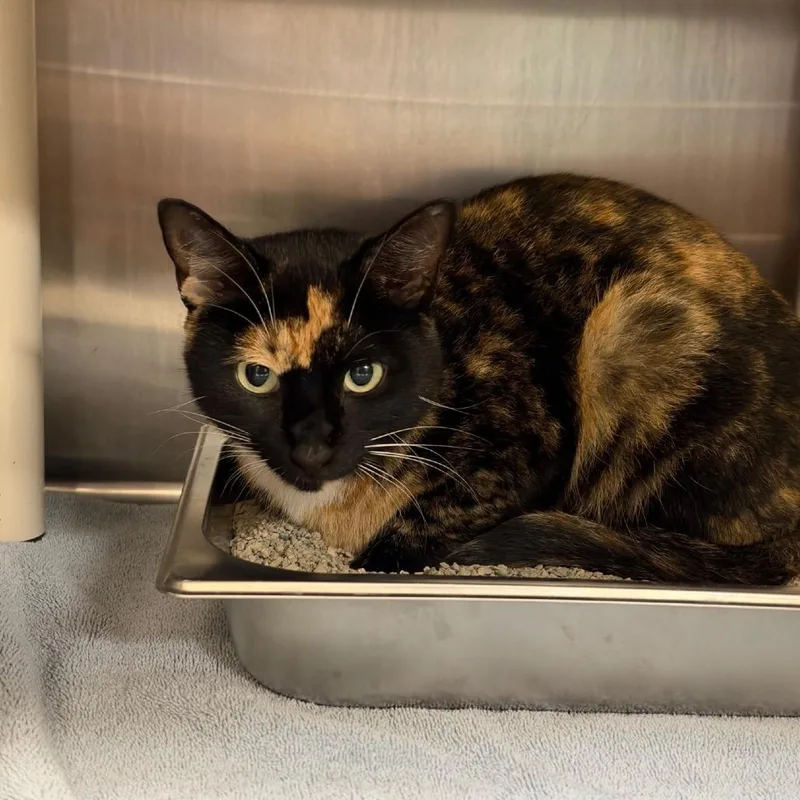
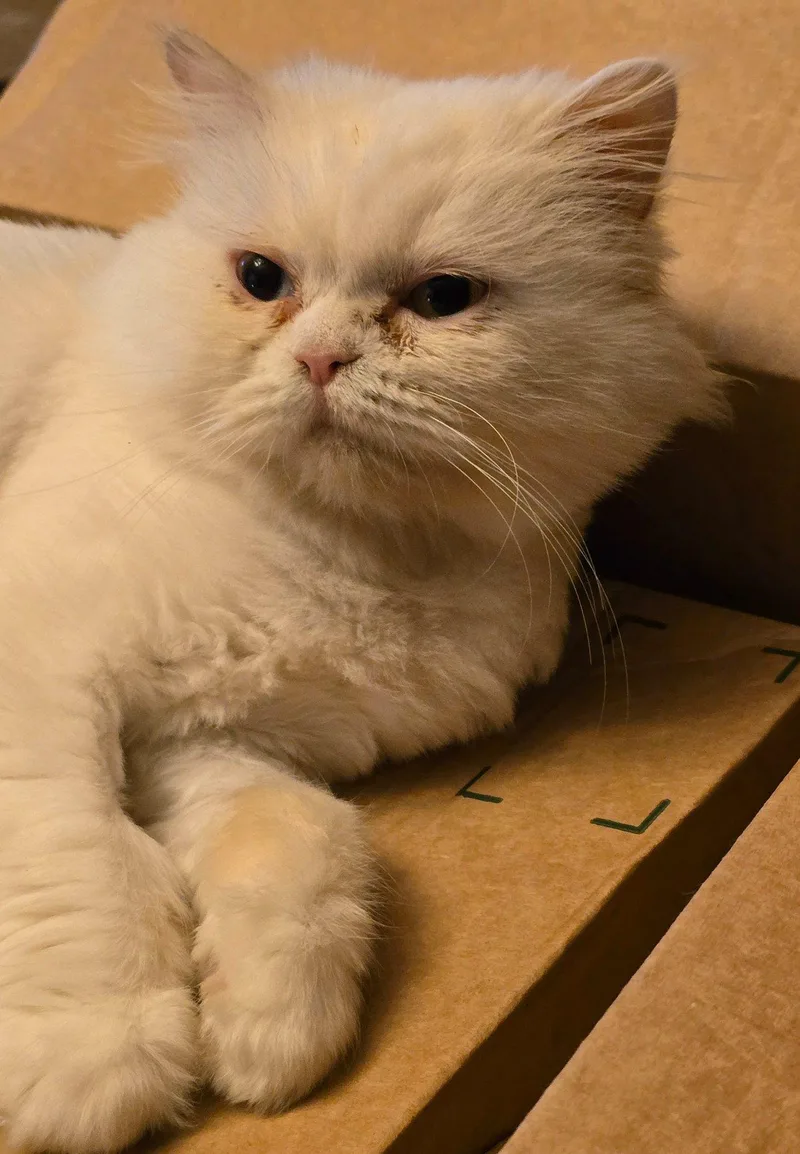
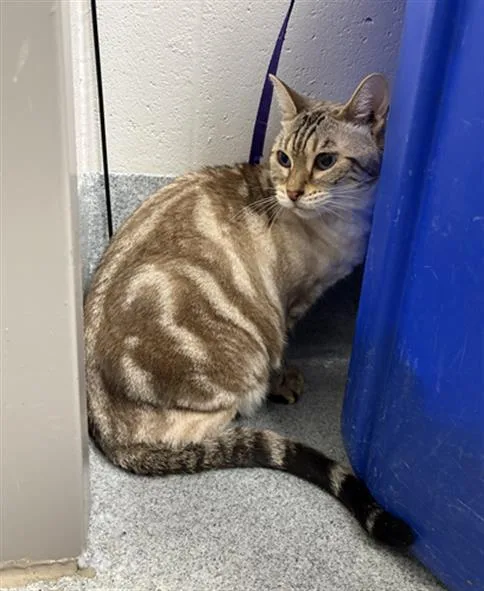
Dilute Calico Cats for Adoption in Indianapolis, IN

Your guide to finding and caring for a Dilute Calico in Indy

Dilute calicos are an easy match for Indianapolis apartments and older brick-and-bungalow neighborhoods alike. Picture one on a sunny sill in a Mapleton-Fall Creek duplex or a Meridian-Kessler Four-Square, watching the street. Coat color doesn't decide personality, so some of these blue-gray and cream cats are lap-seekers and others take their time. Most do well with a window perch and a daily play session with a wand toy. Indiana winters keep most cats inside anyway, which suits them fine.

252 Dilute Calicos available in Indianapolis and nationwide

Say hello to your Dilute Calico

While we don't have enough cats near Indianapolis, keep in mind that many rescues may offer transport.

Dilute Calicos Available for Adoption Near Indianapolis

About the Dilute Calico breed

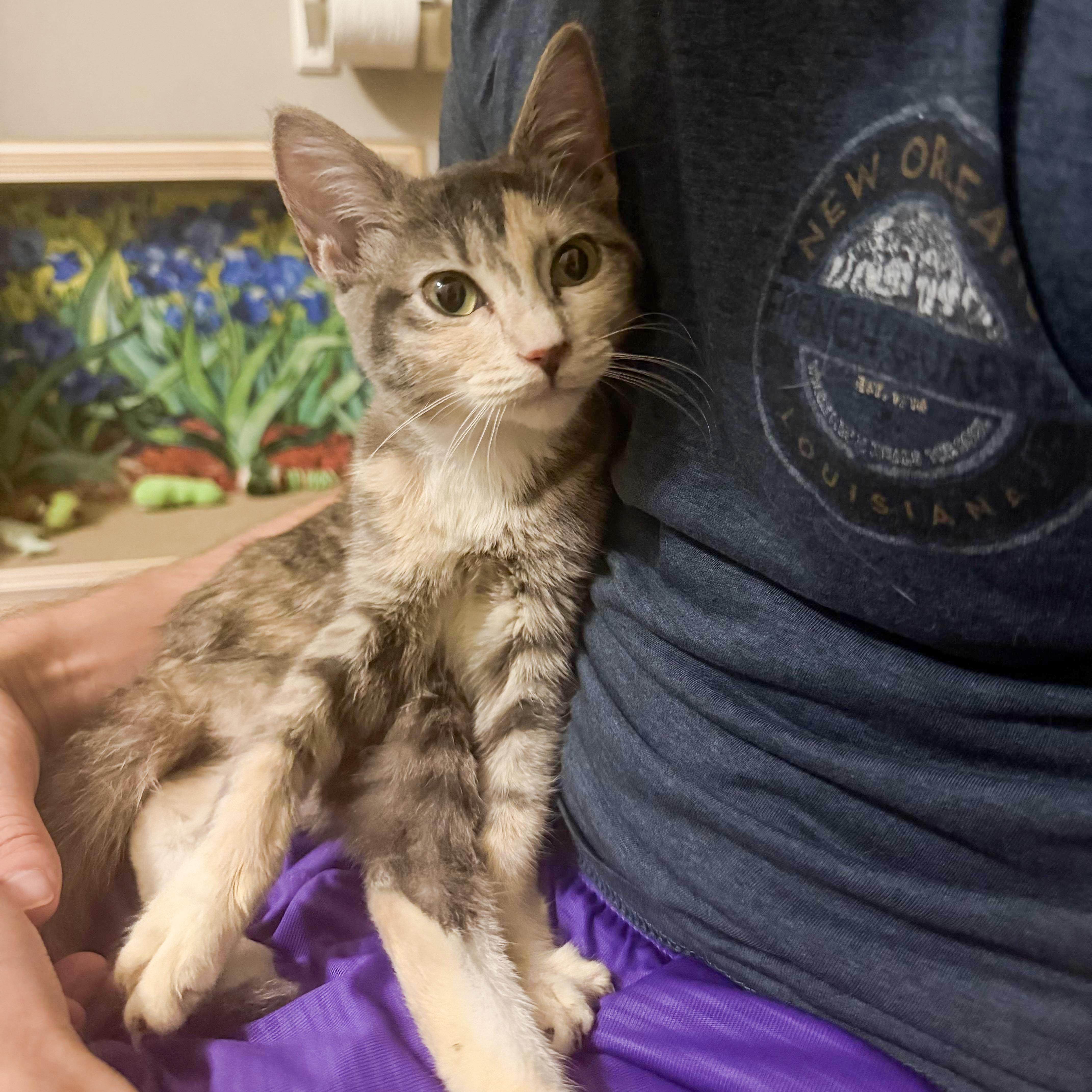
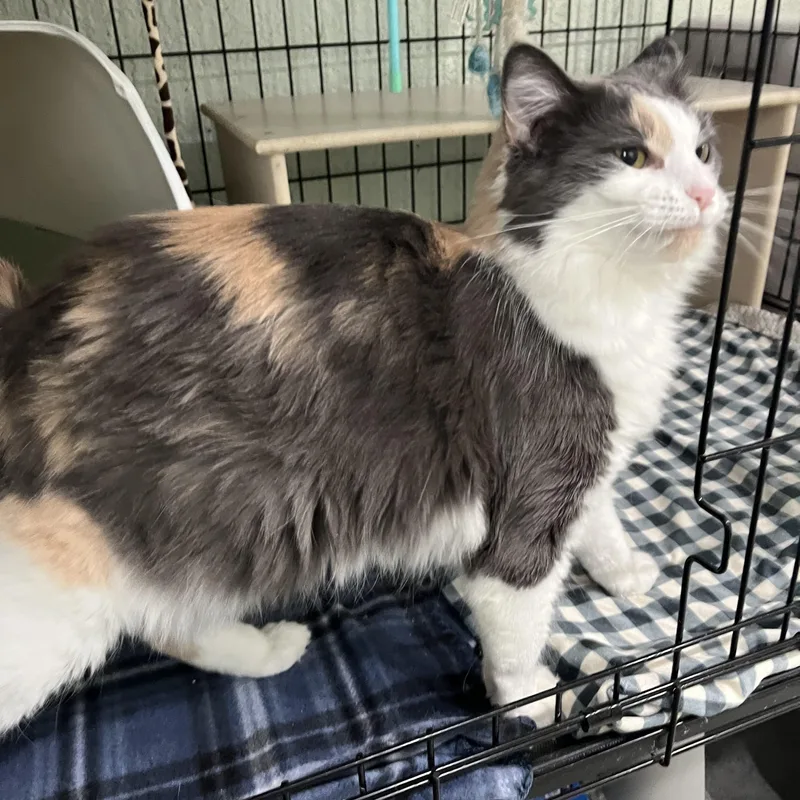
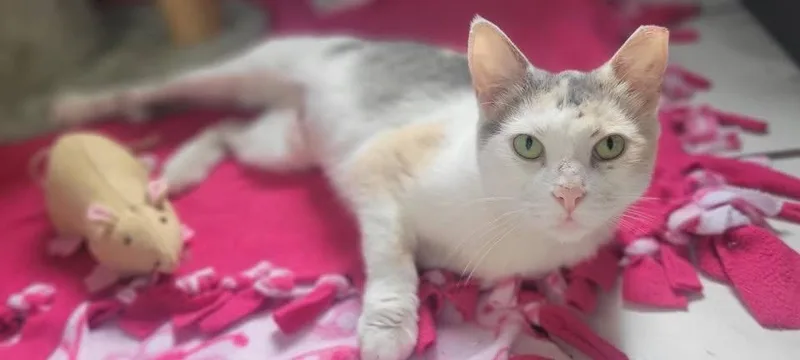
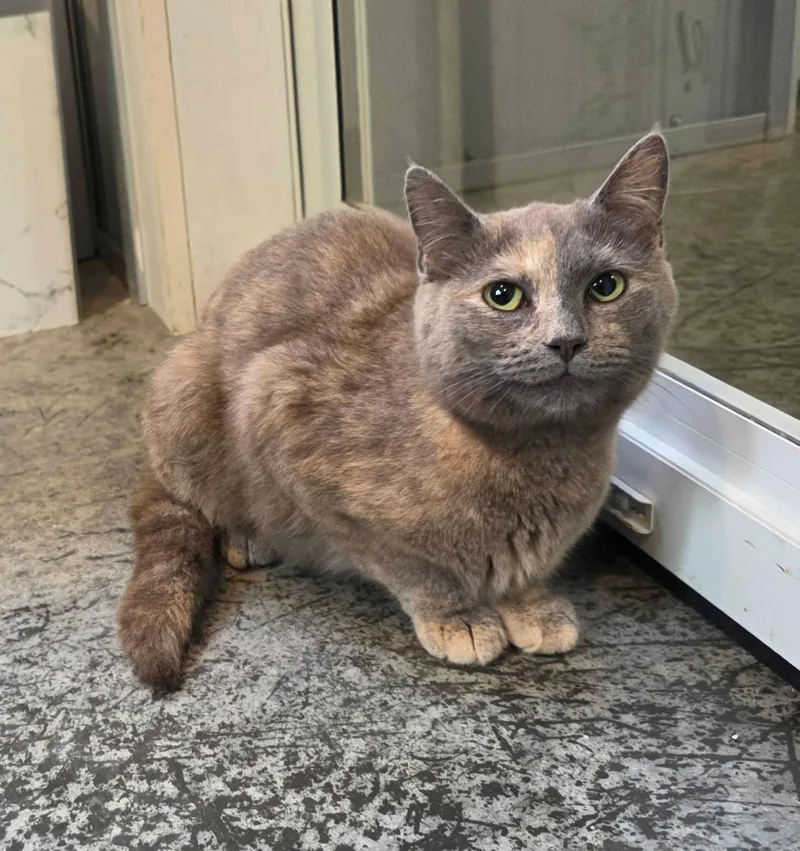
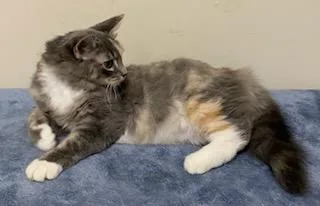
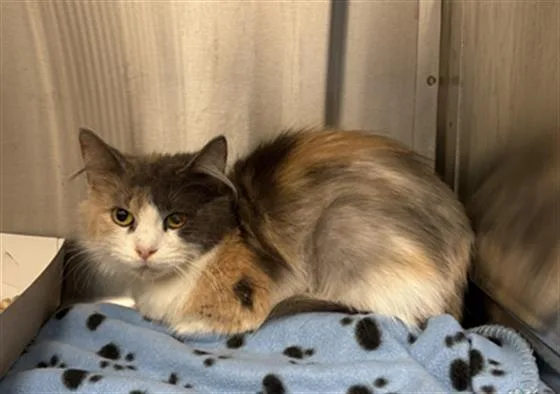
Dilute calico is a coat pattern, not a breed: white with patches of blue-gray and cream, the softer cousin of the black, orange and white calico. The look comes from a recessive dilution gene, and the amount of white ranges from a few spots to most of the body. Nearly all are female, because the orange color gene sits on the X chromosome.

Most dilute calicos are domestic shorthairs or longhairs, though the pattern also shows up in Persians, Maine Coons and other breeds. Size, coat length and energy follow ancestry, so a longhair needs more brushing than a shorthair. Age tells you more than color: kittens are busy, adults tend to be settled. Plan on a 12 to 18 year companion who lives indoors.

Weight
6–14 lbs
Height
8–10 in
Lifespan
12–18 yrs
Temperament
Affectionate, Curious, Independent
Shedding
Moderate

Owning a Dilute Calico in Indianapolis

Having a Dilute Calico in Indy

Coat color is the one thing these cats share. Everything else depends on ancestry, age and upbringing, so treat the cards below as common patterns, then see how Indianapolis housing, weather and rules shape daily life.

Temperament

Dilute calicos get a spirited "calico" reputation, but there's no solid evidence that coat color sets personality. Many are affectionate and curious, some are reserved, and a few stay independent. In an Indy apartment, a shy cat may prefer a quiet room to hide in, while a confident one will happily supervise the street from a window.

Exercise Needs

Most dilute calicos burn energy through short daily play: wand toys, chasing balls and puzzle feeders. Kittens and young adults want more, while older cats like gentler sessions. Because Indianapolis winters keep play indoors for months, a tall perch, a scratching post and two or three 10-minute sessions a day help prevent boredom and weight gain.

Health Considerations

The pattern itself causes no health problems in female cats, so care follows age and ancestry: yearly exams, dental care and weight control. The rare male calicos often have an extra X chromosome and may need more veterinary attention. Indiana requires rabies vaccination for cats three months and older, and a veterinarian can confirm it's current.

Living Space

Dilute calicos adapt to apartments and houses alike, as long as there's something to climb, scratch and hide in. That makes them a practical match for Indianapolis rentals. Longhaired cats need room for regular brushing. Keep window screens secure, since cats watching from a sill can slip out or fall.

What it costs to own a Dilute Calico in Indianapolis

ExpenseTypical costPer year
Food$25 to $50 per month$300 to $600
Pet insurance$20 to $45 per month$240 to $540
Routine vet care$150 to $350 per year$150 to $350
Other*$450 to $1,150 per year$450 to $1,150
Estimated yearly total (after year one)$1,140 to $2,640

Other costs are estimates and vary with size, age and health.

* Litter, flea and tick prevention, a dental cleaning allowance, toys and supplies, and home grooming.

Adopt a Dilute Calico in Indianapolis.

Now that you know more, let’s find you a new best friend. These rescues and shelters below have cats available in and near Indianapolis.

Frequently Asked Questions

Yes. Indianapolis has no breed restrictions, and a dilute calico is a coat pattern rather than a breed, so no rule targets her. You'll need permanent identification such as a microchip and a current rabies vaccination, and there's no general cat license. Your landlord's pet policy is usually the bigger hurdle, so confirm it before you adopt.

Yes, most dilute calicos do well in apartments, since their needs come from age and personality rather than coat color. Give her a window perch, a scratching post and a hiding spot, plus daily play. Busy buildings can stress shy cats, so a quiet corner helps. Longhaired cats also need space for brushing.

Often, yes, especially for people who want an indoor companion and are home enough for daily play. Winters keep cats inside for months, so enrichment matters more than yard space. Because personality varies widely, spend time with the cat in front of you and judge her energy and confidence rather than her coat.

Yes, in a carrier. IndyGo allows service animals and other pets in a carrying case, which suits a cat. It runs buses, including the Red and Purple Line rapid-transit routes, and has no subway. Keep the carrier closed and secure on your lap or by your feet, and expect a nervous cat to want a cover over it.

For an indoor cat, yes. Indianapolis winters are cold and snowy, and summers are humid, so a dilute calico does best kept inside year-round with heat in winter and cool, ventilated rooms in summer. Spring storms are the main surprise, so keep a carrier ready and make sure her microchip details are current.

It depends on coat length. Shorthaired dilute calicos need a quick weekly brushing, while longhairs need it several times a week to prevent mats, especially during humid summers and seasonal sheds. Most grooming happens at home, so it falls within the low end of the "other" costs, with a professional trim only if she's a longhair who tolerates it.

Almost all calico cats are female. The genes for orange and black coat color sit on the X chromosome, and a cat needs two X chromosomes to show both colors at once. Females have two X chromosomes; males normally have one. Rare male calicos usually carry an extra X chromosome and are estimated at roughly 1 in 3,000 calicos.

A calico cat is a cat with a three-color coat of white plus patches of black-based and orange-based color. Calico is a color pattern, not a breed, and it appears in domestic cats and many purebred breeds. Dilute calicos show blue-gray and cream instead of black and orange. Nearly all calicos are female.

Yes, calico cats can be male, but it is very rare. Most male calicos have an extra X chromosome, written XXY, which lets them carry both orange and black color genes. A few are chimeras, formed when two embryos fuse. Male calicos are almost always sterile and may have additional health concerns.

Budget roughly $1,140 to $2,640 a year for a dilute calico in Indianapolis. That covers food at $25 to $50 a month, insurance at $20 to $45 a month, routine vet care at $150 to $350 a year, and $450 to $1,150 a year in other costs such as litter and dental care.

Find Dilute Calicos in Nearby Cities

Expand your search to find Dilute Calicos available for adoption near Indianapolis.