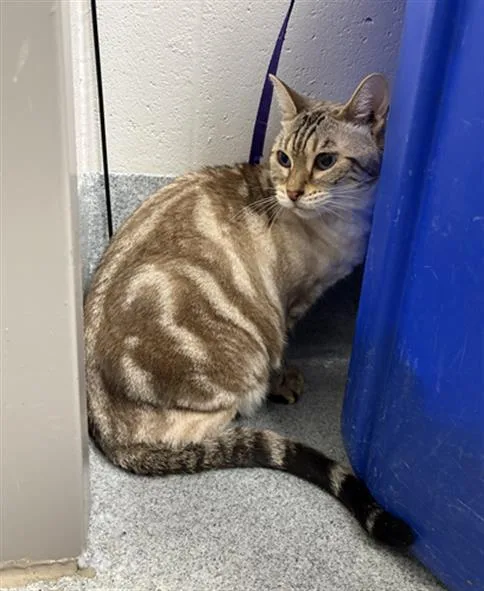
Balinese Cats for Adoption in Indianapolis, IN

Your guide to finding and caring for a Balinese in Indy

A Balinese suits Indianapolis best as an indoor cat with a good window perch. Whether you're in a Fountain Square flat or a Victorian house in Fall Creek Place, this silky, talkative cat will happily supervise the street from a sill and follow you from room to room. Indy winters keep cats inside anyway, so a warm, busy home is easy to give one. Balinese like company, so they do best where someone is around much of the day.

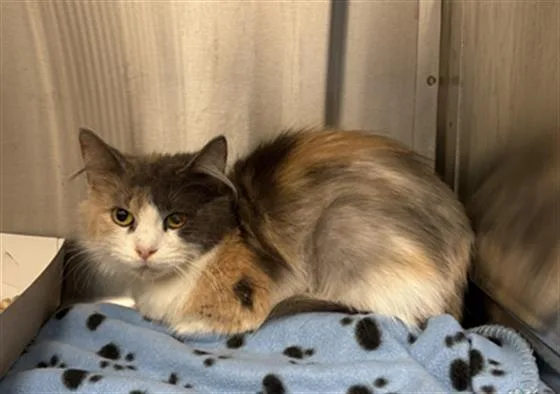
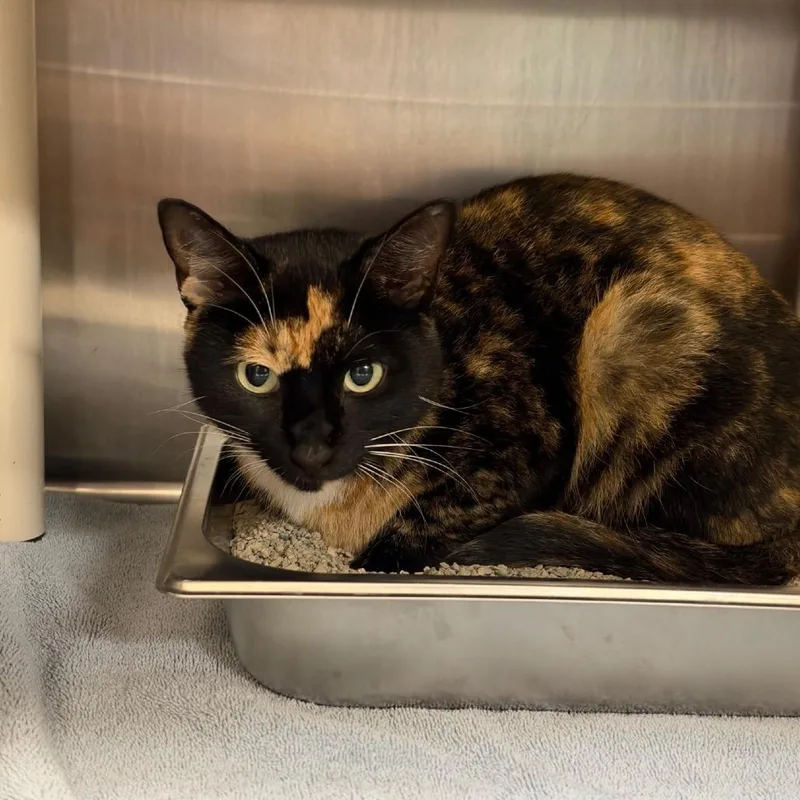
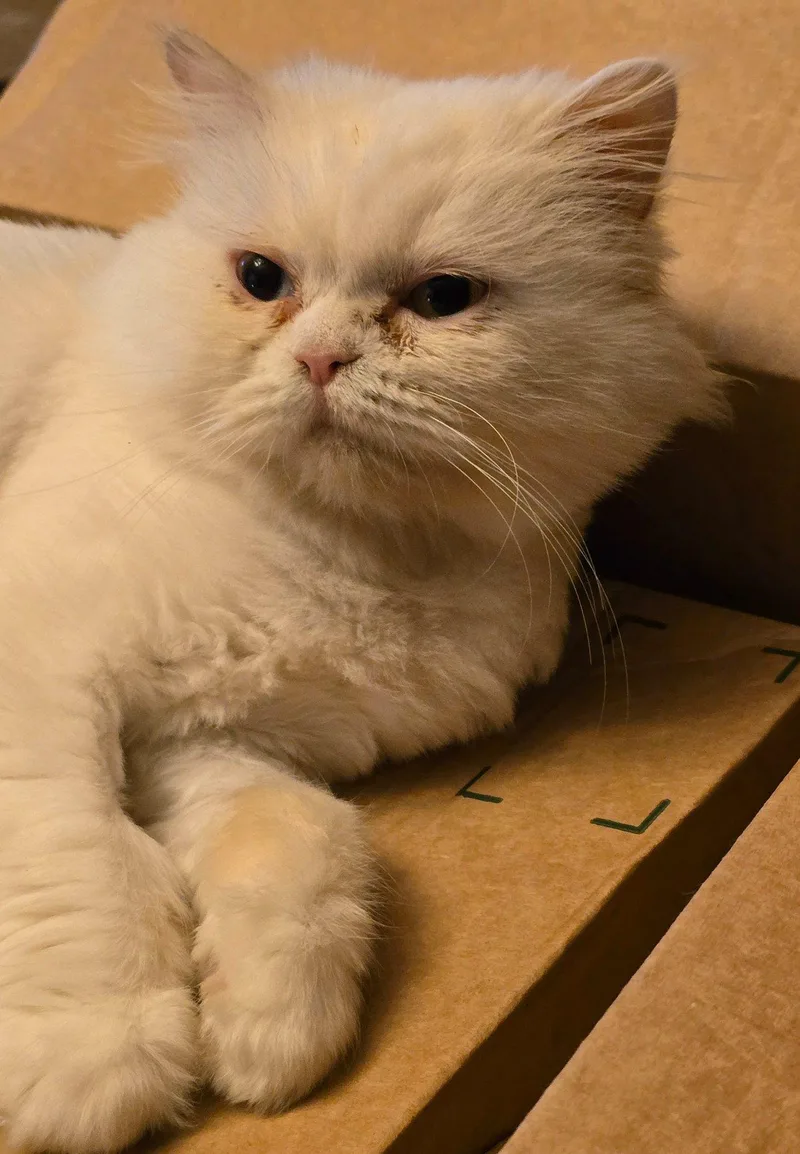
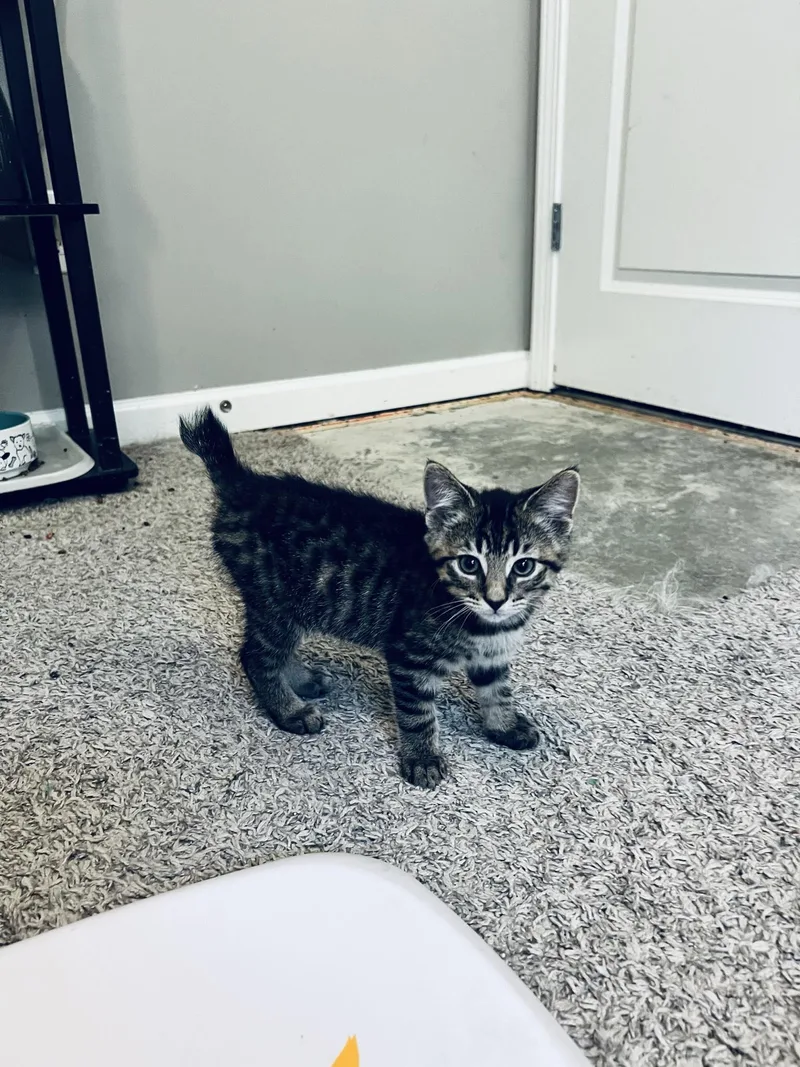
2368 cats similar to Balinese available in Indianapolis and nationwide

Fall for a Balinese

While we don't have enough cats near Indianapolis, keep in mind that many rescues may offer transport.

Balinese and Similar Breeds Available for Adoption Near Indianapolis

About the Balinese breed

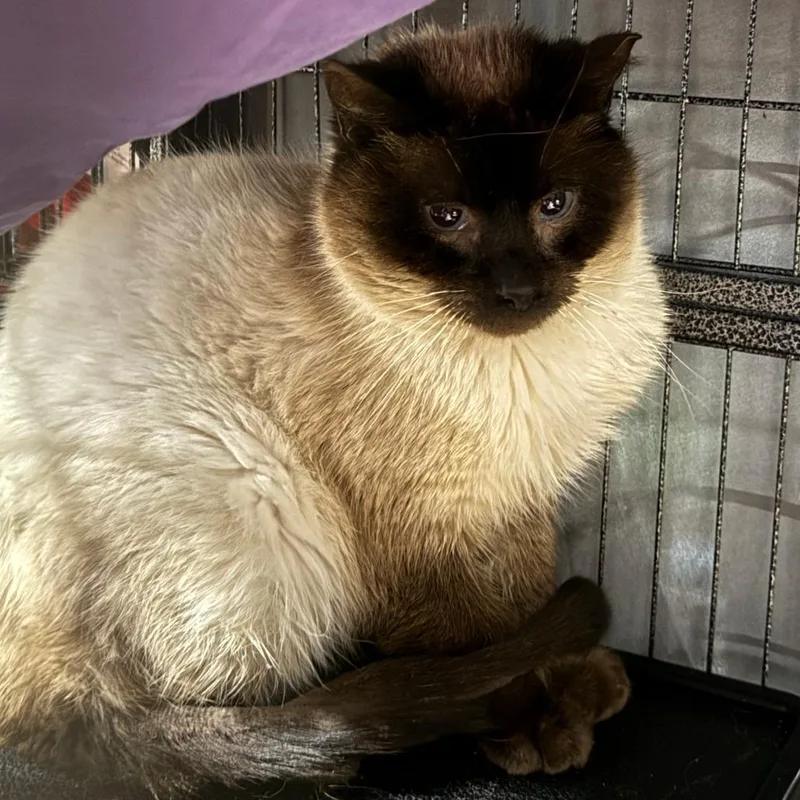
Despite the name, the Balinese has no link to Indonesia. It is essentially a longhaired Siamese, developed in the United States in the 1940s and 1950s and named for the graceful movement of Balinese dancers. It has the colorpoint pattern and blue eyes of a Siamese, a slender, medium-sized body that usually weighs 5 to 10 pounds, and a silky single coat ending in a plumed tail.

Many Balinese are bright, playful and chatty, though usually a little quieter than Siamese. They like fetch, puzzle toys and high perches, and they tend to want a role in whatever you're doing. With no dense undercoat, the coat is simple to keep up. That makes this a cat that fits a rental or a house as long as it gets daily company and play. Personalities vary, especially in adult cats.

Weight
5–10 lbs
Height
8–11 in
Lifespan
12–20 yrs
Temperament
Affectionate, Intelligent, Playful, Vocal
Shedding
Low to Moderate

Owning a Balinese in Indianapolis

Having a Balinese in Indy

Balinese pair Siamese-style intelligence and sociability with an easy-care coat. Company, conversation, active play, vertical space and some inherited eye and liver concerns shape daily life, and in Indianapolis most of that happens indoors.

Temperament

Many Balinese bond closely with their people, follow them around and comment on the day in a softer voice than most Siamese. They're curious, clever and often clownish. In an Indy apartment, that chatter can be noticeable to neighbors, and some cats get bored or clingy when left alone. Personalities vary, especially in adult cats.
Exercise Needs

Expect several short play sessions a day with wand toys, fetch, climbing and puzzle feeders. Snowy Indianapolis winters keep cats indoors, so build activity into the home with a tall cat tree and rotating toys. Coyotes live in the city, so keep any outdoor time on a harness or in an enclosure.

Health Considerations

Balinese can be prone to progressive retinal atrophy, liver amyloidosis, dental disease and crossed eyes, which is usually harmless, though not every cat develops these. Schedule a full veterinary exam after adopting, keep up dental care, and see a vet about vision changes or weight loss. Indiana requires rabies vaccination for cats three months and older.

Living Space

A Balinese adapts to an apartment or a house in Indy as long as it has window perches, shelves and a tall cat tree. Vertical space matters more than square footage, so a Fountain Square flat can work as well as a bungalow in Irvington. Plan on an indoor life with company, since a quiet, empty home suits this cat poorly.

What it costs to own a Balinese in Indianapolis

ExpenseTypical costPer year
Food$25 to $50 per month$300 to $600
Pet insurance$25 to $50 per month$300 to $600
Routine vet care$150 to $350 per year$150 to $350
Other*$450 to $1,150 per year$450 to $1,150
Estimated yearly total (after year one)$1,200 to $2,700

Other costs are estimates and vary with size, age and health.

* Litter, flea prevention, a dental cleaning allowance, toys, scratchers and cat trees, and minimal grooming for a single coat.

Adopt a Balinese in Indianapolis.

Now that you know more, let’s find you a new best friend. These rescues and shelters below have cats available in and near Indianapolis.

Frequently Asked Questions

Yes, in a carrier. IndyGo allows service animals and other pets in a carrying case, which suits a Balinese at 5 to 10 pounds. Use a well-ventilated carrier that fits on your lap or beside your feet, keep the cat inside it for the whole ride, and check current fares and rules with IndyGo. Indianapolis has buses and rapid-transit lines, not a subway.

Yes, as long as a Balinese lives indoors. Indianapolis gets about 25 inches of snow a year, and this cat's silky single coat offers little insulation. Give it a warm bed away from drafts, a sunny perch and plenty of play, and keep it inside on icy days. Salt on sidewalks can irritate paws, so wipe them after any harness walk.

Yes. Indianapolis has no breed restrictions, and its dangerous-animal rules are based on behavior, not breed. Your Balinese will need permanent ID such as a microchip, plus rabies vaccination. The city sets no fixed cap on pets, but a landlord may, so read your lease before adopting, and book a full vet exam soon after the cat comes home.

Yes, a Balinese usually does well in an apartment if it has enough to do. Window perches, shelves and daily play matter more than square footage. Because Balinese are social and vocal, plan on morning and evening play sessions, and consider a compatible second cat if your workdays are long, especially in a building where noise carries.

It can be, if you're home often and enjoy a talkative cat. Indianapolis's cold winters and humid summers keep a Balinese indoors, where it gets climbing, play and conversation from you. It's a weaker fit if the home is empty most of the day. Adult cats vary, so watch how a cat's personality matches your routine.

Very little. The silky single coat has no dense undercoat and rarely mats, so brushing a few times a month is usually enough. Dry indoor winter air and seasonal shedding may call for a bit more, while humid summers need nothing special. Professional grooming is rarely necessary, so it adds little to the Other costs line.

No, Balinese cats are not hypoallergenic. Claims that they produce less of the main cat allergen, Fel d 1, are widely repeated but not supported by solid research. Their single coat sheds less than many longhaired breeds, which some allergic people find easier. Reactions vary between people and cats, so spend time with the individual cat before adopting.

Balinese is usually pronounced BAH-lih-neez, with the stress on the first syllable, the same way people say the word for something from Bali. Some people say BAL-ih-neez instead, and both are understood. The name was chosen to evoke the grace of Balinese dancers, not because the cats come from Bali.

Balinese cats shed, but usually less than you might expect from a longhaired cat. Their fine, silky coat has no dense undercoat, so it sheds lightly year-round with modest seasonal increases. The coat rarely mats. Brushing or combing once or twice a week removes loose hair and helps reduce hairballs.

Plan on roughly $1,200 to $2,700 a year for a Balinese in Indianapolis. That covers food at $25 to $50 a month, insurance at $25 to $50 a month, routine vet care at $150 to $350 a year, and other costs such as litter, dental care and supplies at $450 to $1,150 a year.