Tuxedo Cats for Adoption in Chicago, IL

Your guide to finding and caring for a Tuxedo in Chicago

Tuxedo cats fit a Logan Square greystone or a Portage Park two-flat as easily as any other cat, because the coat says nothing about personality. You'll meet window-watching homebodies and hallway sprinters in the same black-and-white pattern. Most are domestic shorthairs, so size, age and energy vary a lot. Chicago winters keep cats inside for months, which makes a sunny sill, a tall scratching post and daily play the real checklist.

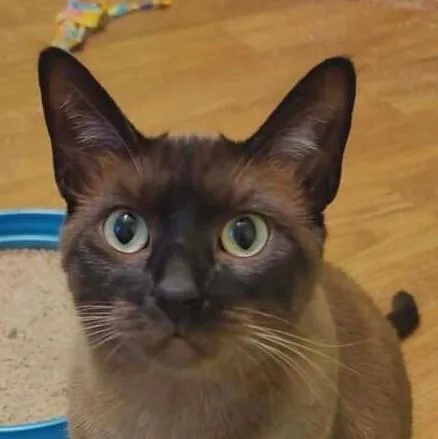
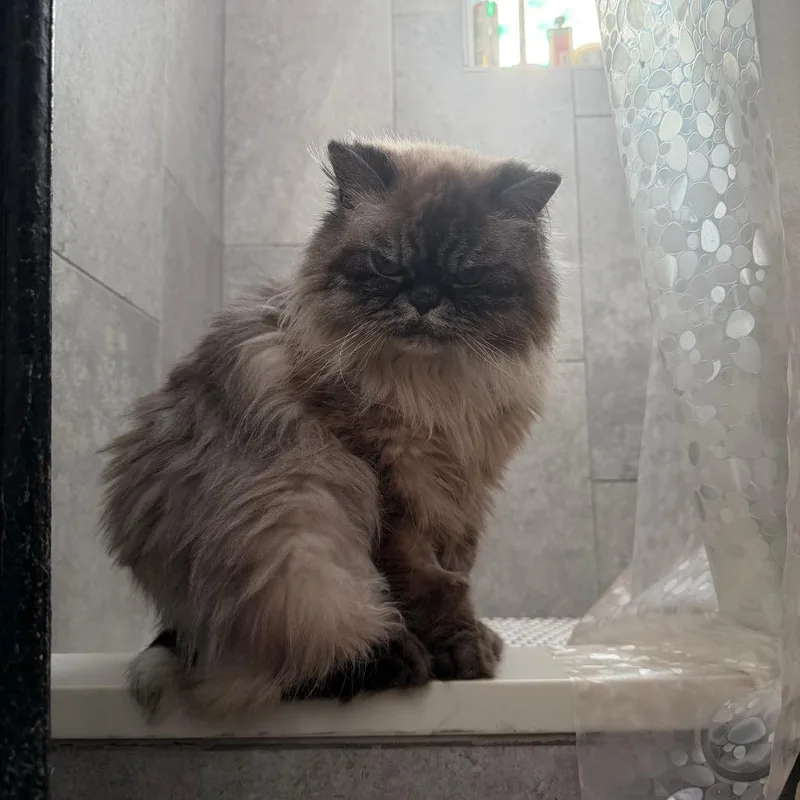
11 Tuxedos available for adoption in Chicago

Say hello to your Tuxedo cat

Tuxedos Available for Adoption in Chicago

About the Tuxedo breed

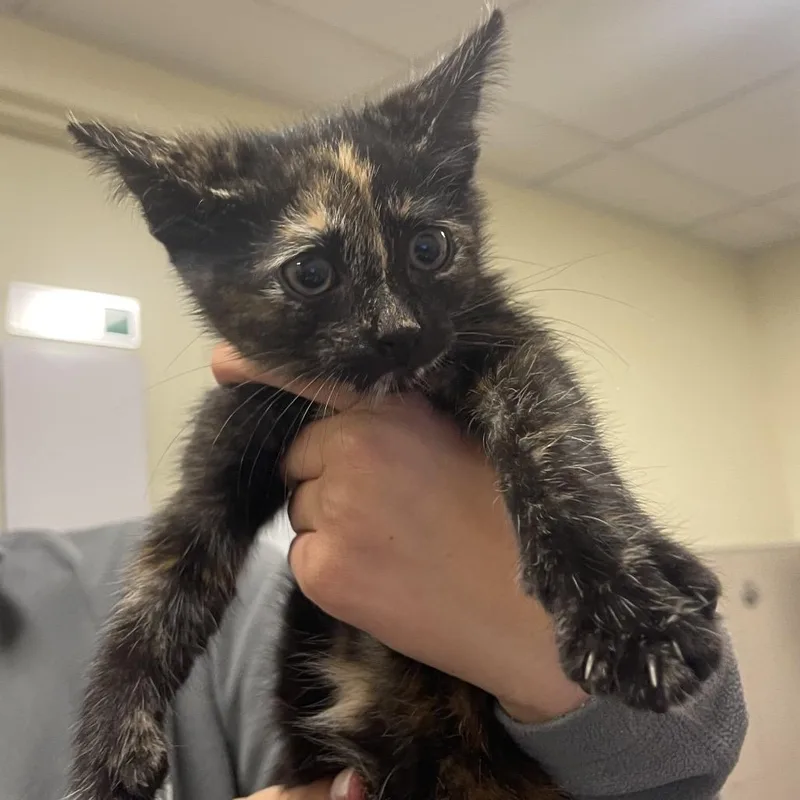
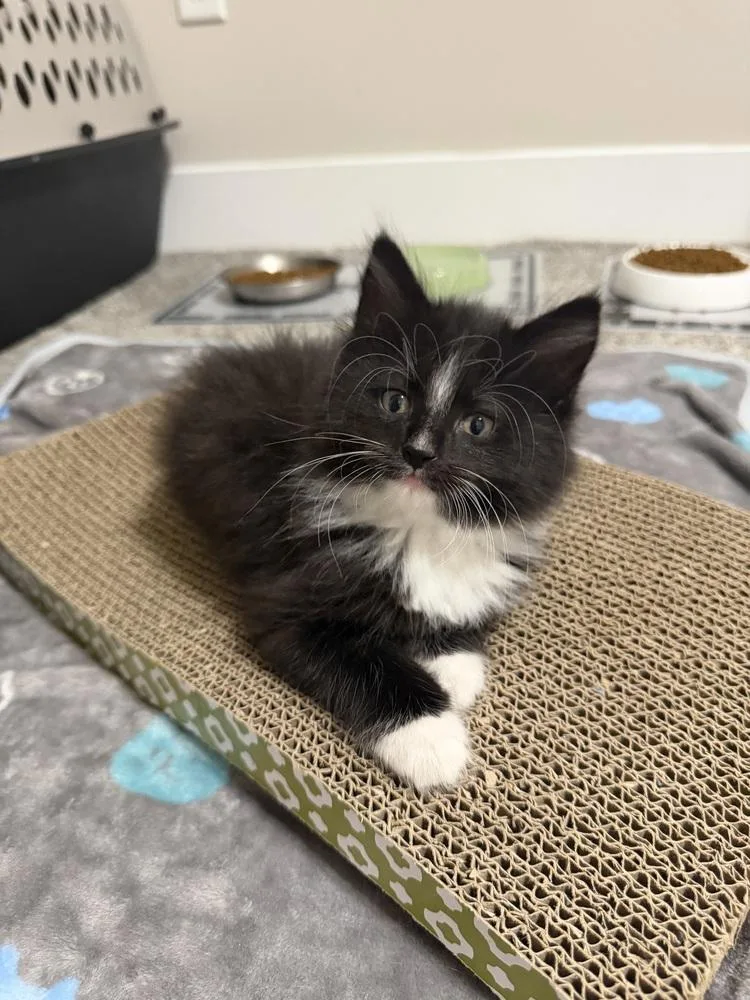
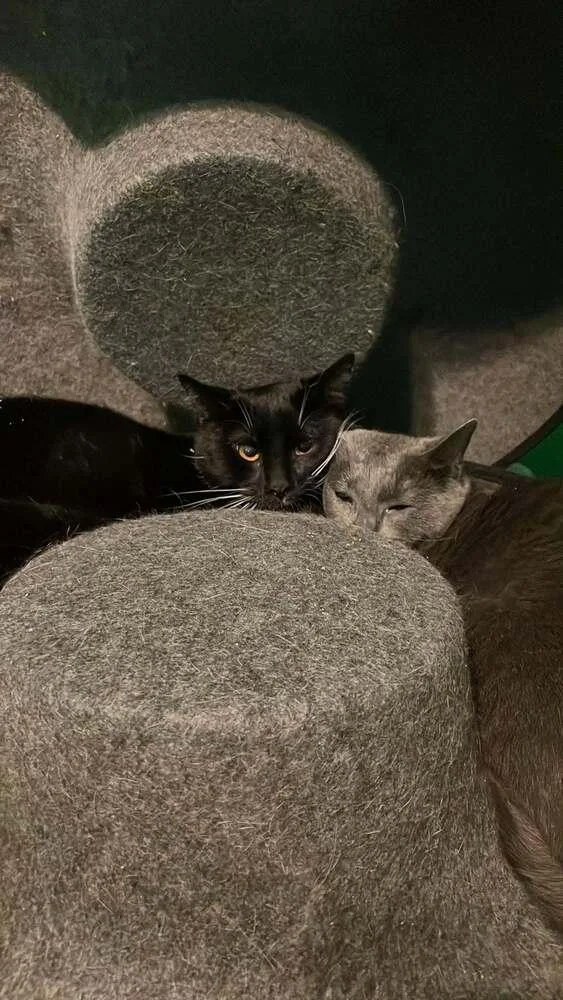
Tuxedo is a coat pattern, not a breed. These bicolor cats are usually black and white, with a white chest that looks like a shirtfront and often white paws, chin or a facial blaze. Grey-and-white tuxedos exist too. The pattern comes from white spotting in the KIT gene, and it isn't sex-linked, so males and females are about equally common.

Most tuxedos are domestic shorthairs, though the pattern also shows up in breeds like the Maine Coon, British Shorthair and Persian. Stories about tuxedos being smarter or bolder aren't backed by evidence, so expect every temperament and energy level. Shedding is moderate, and weekly brushing keeps most shorthairs comfortable, while longer coats need more frequent attention.

Weight
6–14 lbs
Height
8–10 in
Lifespan
12–18 yrs
Temperament
Adaptable, Playful, Affectionate
Shedding
Moderate

Owning a Tuxedo in Chicago

Having a Tuxedo in Chicago

A tuxedo coat is a pattern, not a breed, so age, coat length, energy and history tell you more than the markings do. In Chicago, that mostly means matching a cat's needs to your space, schedule and winters.

Temperament

Tuxedos range from chatty lap cats to reserved ones who prefer a quiet corner, and coat color doesn't predict which. In a Chicago apartment, notice how a cat reacts to hallway noise, neighbors and street sounds. Most adjust well to new homes, children and other pets with patient introductions.

Exercise Needs

Plan daily interactive play with wand toys, chasing games and puzzle feeders, since long winters keep most cats indoors for months. Young cats may want several sessions a day, while older cats prefer short games and comfortable perches. A window seat overlooking the street adds stimulation between play sessions.

Health Considerations

The pattern carries no known health risk, but tuxedos share common cat concerns: dental disease, obesity, urinary problems and, later in life, kidney disease, diabetes or hyperthyroidism. Indoor cats can gain weight in cold months, so watch portions. Your vet can also give the rabies vaccine and county tag during a first checkup.

Living Space

Tuxedos usually do well in Chicago's apartments, greystones and two-flats when they have vertical space, scratching posts, hiding spots and a clean litter box. On upper floors of high-rises, sturdy window screens prevent falls. Cats are also safer indoors or on a secure balcony enclosure than loose in the city.

What it costs to own a Tuxedo in Chicago

ExpenseTypical costPer year
Adoption fee$175 to $300, one time$175 to $300 in year one
Food$25 to $50 per month$300 to $600
Pet insurance$20 to $45 per month$240 to $540
Routine vet care$150 to $350 per year$150 to $350
Other*$450 to $1,150 per year$450 to $1,150
Estimated yearly total (after year one)$1,140 to $2,640
First-year total (with adoption fee)$1,315 to $2,940

Adoption fee is the range of fees on Tuxedo listings in Chicago on GetBuddy today. Other costs are estimates and vary with size, age and health.

* Litter, flea and tick prevention, a dental cleaning allowance, toys and supplies, and home grooming.

Adopt a Tuxedo in Chicago.

Now that you know more, let’s find you a new best friend. These rescues and shelters below currently have Tuxedos available.

Frequently Asked Questions

Yes, you can own a Tuxedo in Chicago, and no breed rules stand in the way. Your cat needs a rabies vaccine and a Cook County rabies tag, $6 for one year or $18 for three, from your vet once it's four months old. The city's registration rule covers dogs. Your landlord may still set its own pet rules.

Yes, as long as the cat is in a carrier. CTA allows small pets in a closed, protective carrier that one person can carry, and it must fit under a seat or on your lap. The carrier can't take up a seat or block an aisle, and you stay responsible for the cat's behavior. Most Tuxedos fit comfortably.

Yes, indoor Tuxedos handle Chicago winters well. The city averages 106 to 121 freezing nights a year and about 38 inches of snow, but a heated home is all most short-coated cats need. Offer warm beds away from drafts, keep them off balconies and out of the cold, and add extra play on dark days.

Yes, a Tuxedo can live happily in a Chicago apartment, since vertical space and enrichment matter more than square footage. Add a tall cat tree, scratching posts, a window perch and daily wand-toy play. On higher floors, make sure window screens are sturdy so a curious cat can't push through or fall.

A Tuxedo can fit Chicago life well if you can give it indoor play and company. Long winters mean more time inside, and coyotes living throughout the city make indoor living safer. Since coat color doesn't predict personality, think about the cat's age and energy against your daily routine, rather than the tuxedo markings.

Most Tuxedos are shorthairs that need a brush about once a week, with extra sessions during heavier shedding, often as seasons change. Longer-coated cats need brushing several times a week. Occasional nail trims and ear checks round it out. Home grooming costs little and falls within the Other costs of $450 to $1,150 a year.

We have 6 rescues with Tuxedos available, including Feline Friends Chicago, Friends of Petraits and Hi Kitty Kitty. You can see every rescue with Tuxedos available in the list above these questions, or scroll to the top to see the Tuxedos in Chicago.

Expect roughly $1,140 to $2,640 a year for a tuxedo in Chicago. Food runs $25 to $50 a month and insurance $20 to $45 a month. Routine vet care costs $150 to $350 a year, and litter, prevention, dental care and supplies add $450 to $1,150 a year. Landlord pet fees come on top.