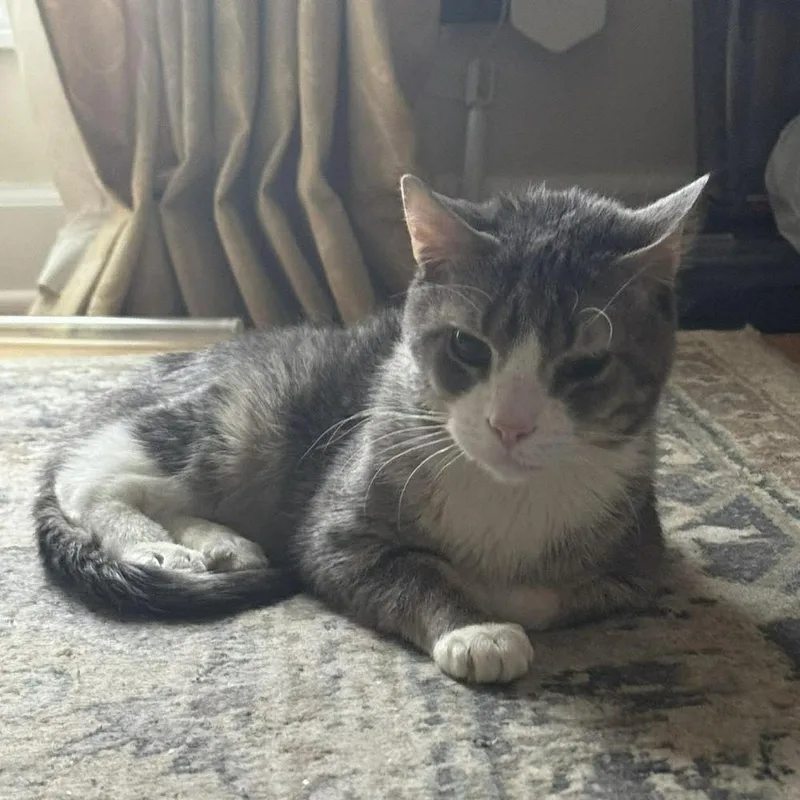
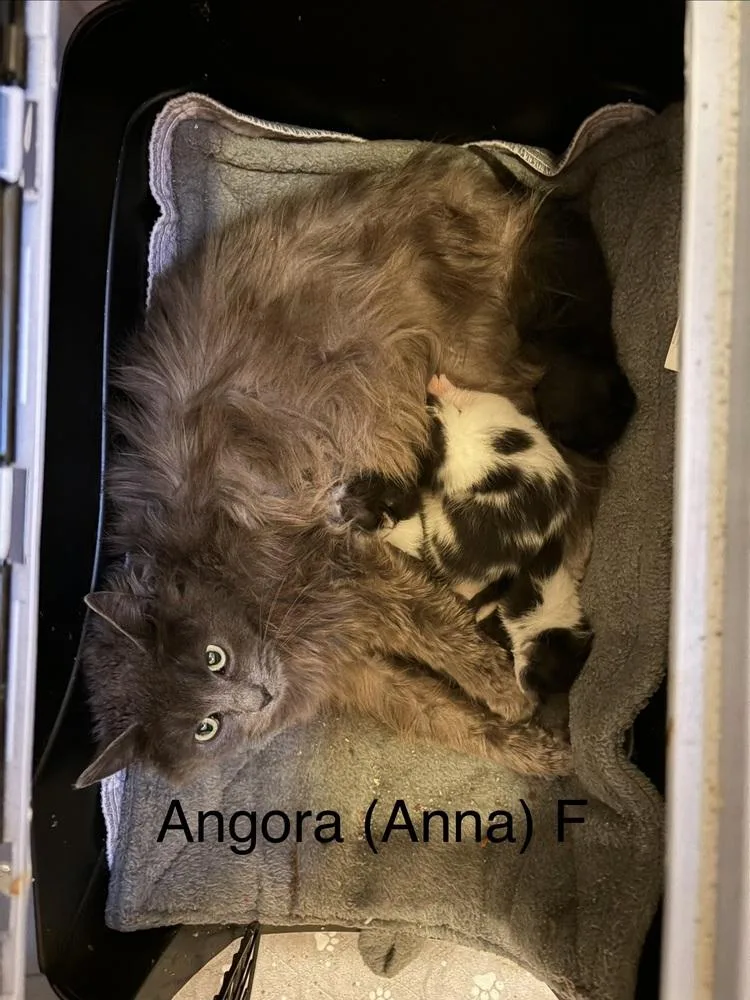
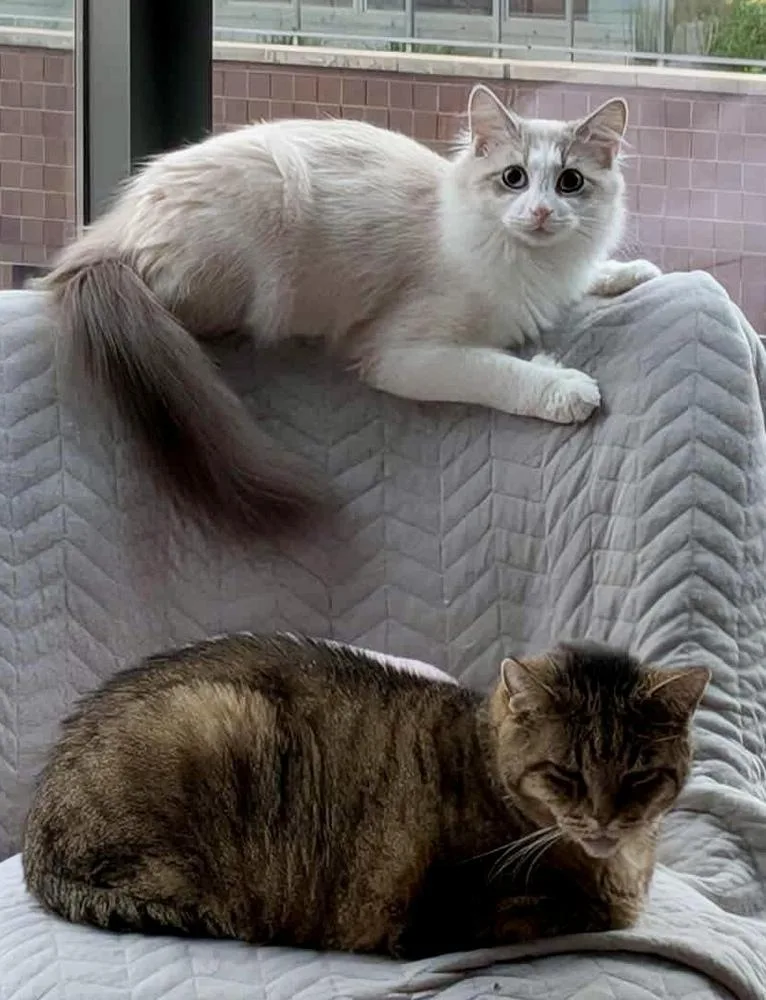
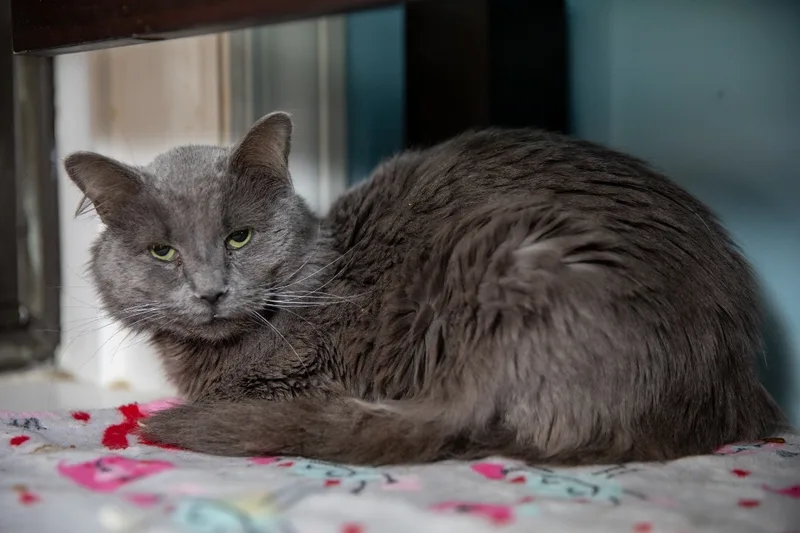
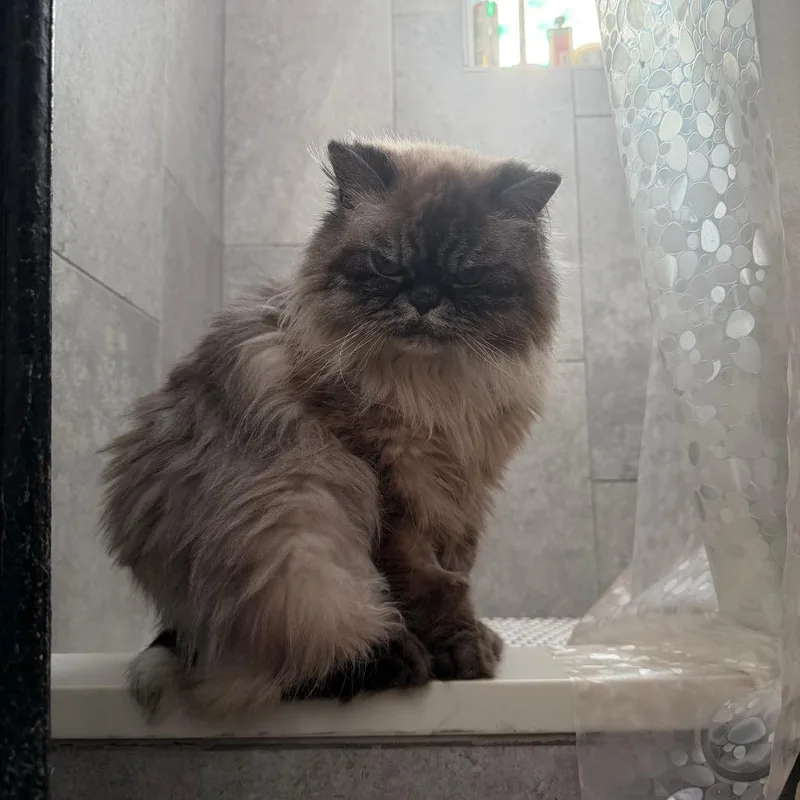
Manx Cats for Adoption in Chicago, IL

Your guide to finding and caring for a Manx in Chicago

A Manx fits Chicago apartment life well, from the Sheridan Road high-rises in Edgewater to a Logan Square greystone. These medium-sized cats are content indoors with a tall cat tree and a window to watch, which suits a city where more than half of households rent. Manx tend to bond hard with their people, so a home where someone is around in the evenings works best. Some will follow you from room to room and bring a toy to play fetch.

291 Manxes available in Chicago and nationwide

Find your Manx

While we don't have enough cats near Chicago, keep in mind that many rescues may offer transport.

Manxes Available for Adoption Near Chicago

About the Manx breed

The Manx comes from the Isle of Man, where a natural genetic mutation produced cats with no tail or a short one. Tail length varies widely, and some Manx have full tails. They're round and solid, with a short back, longer hind legs and a thick double coat in many colors. Weekly brushing keeps the coat in shape, with extra sessions during heavy shedding.

Many Manx are gentle, devoted and playful in bursts, and they're often called dog-like for following their people and fetching toys. They usually trill softly instead of meowing loudly. The tailless gene can cause spinal, bowel and bladder problems known as Manx syndrome, usually apparent in kittenhood, so a veterinary check soon after adoption is worthwhile.


Weight
8–12 lbs
Height
8–10 in
Lifespan
10–14 yrs
Temperament
Playful, Devoted, Gentle
Shedding
Moderate

Owning a Manx in Chicago

Having a Manx in Chicago

Manx cats are medium-sized, round and sturdy, with a tail that ranges from absent to full. In Chicago, what matters most is a calm indoor home, sturdy climbing space and a veterinary check that looks at the spine, bowels and bladder.

Temperament

Manx cats are usually gentle and devoted, often picking a favorite person and trailing them around the apartment. They play in bursts, then settle into long naps. Some are wary of strangers at first, which can be a factor in a building with lots of visitors. Each cat differs, so watch how a cat responds to new people.

Exercise Needs

Expect moderate activity: short sprints and big leaps, then rest. In a Chicago apartment, a tall cat tree by a window, a few shelves and daily play sessions with wand toys or fetch cover most of it. Play also keeps this heavy-boned, solid breed from gaining weight, which matters when winter keeps everyone indoors.

Health Considerations

Manx syndrome, tied to the tailless gene, can affect the spine, hind legs, bladder and bowel, usually before four months of age. Stumpy tails may develop arthritis, and some Manx have constipation or megacolon. A veterinarian can check a new cat's gait, tail base, and bowel and bladder function, and yearly exams catch changes early.

Living Space

Manx do well in the apartments where most Chicagoans live, as long as there's climbing furniture, a sunny window perch and a quiet place to rest. Keep them indoors, since coyotes live throughout the city. A cat with mobility or continence trouble may need a low-sided litter box and ramps, plus food and water within easy reach.

What it costs to own a Manx in Chicago

ExpenseTypical costPer year
Food$25 to $50 per month$300 to $600
Pet insurance$30 to $60 per month$360 to $720
Routine vet care$150 to $350 per year$150 to $350
Other*$450 to $1,150 per year$450 to $1,150
Estimated yearly total (after year one)$1,260 to $2,820

Other costs are estimates and vary with size, age and health.

* Litter, parasite prevention, a dental cleaning allowance, toys and scratchers, and basic brushing supplies for the double coat.

Adopt a Manx in Chicago.

Now that you know more, let’s find you a new best friend. These rescues and shelters below currently have Manxes available.

Frequently Asked Questions

Yes, a Manx adapts well to Chicago apartments, including high-rises and walk-ups, because it's a medium-sized, moderately active indoor cat. Provide a tall cat tree, a window perch and daily play. Since most Chicagoans rent, confirm your landlord's pet fee or pet rent in writing, as Illinois doesn't cap either one.

Yes, an indoor Manx handles Chicago winters comfortably, since its thick double coat suits cold. The city sees roughly 106 to 121 freezing nights and about 38 inches of snow a year, so keep the cat inside, away from drafty windows, and keep up play. If a harnessed cat walks on salted sidewalks, wipe its paws.

Yes, you can. Illinois law prohibits breed-specific rules, so there are no Manx restrictions. Chicago's city registration applies to dogs, but your cat needs a rabies vaccination and a Cook County rabies tag, $6 for one year or $18 for three. Watch the listings on this page, and save a search to hear about new Manx.

Yes, as long as the cat is in a closed carrier. CTA buses and 'L' trains allow small pets in a protective carrier that one person can carry, kept under the seat or on your lap and out of the aisles. A Manx at 8 to 12 pounds usually fits a standard carrier. Metra allows carriers on weekends and off-peak trains.

Often, yes, especially for people who are home regularly. A Manx is devoted, playful and happy indoors, which suits Chicago apartment living. The trade-offs are a coat that needs weekly brushing and the chance of Manx syndrome, so schedule a veterinary exam soon after adoption. Cats vary, so judge each cat on its own temperament.

Plan on brushing a Manx about once a week, more often for longhaired cats and during spring and fall shedding when the double coat loosens. Chicago's dry indoor winter air and humid summers don't change the routine much. Brushing supplies fall under the Other costs of $450 to $1,150 a year, which also cover litter.

A Manx is a medium-sized cat breed from the Isle of Man, best known for having no tail or a short tail due to a natural genetic mutation. Manx cats are round and sturdy, with longer hind legs, a thick double coat and a gentle, playful personality. Some Manx have full-length tails, since tail length varies even within litters.

Manx cats look round and compact, with a short back, a rounded rump and hind legs longer than the front legs, giving them a rabbit-like stance. They have round heads, big round eyes and a dense double coat in many colors. Most famously, they may be completely tailless, have a stub, or carry a short or full tail.

We have 1 rescue with Manxes available: Feline Friends Chicago. You can see every rescue with Manxes available in the list above these questions, or scroll to the top to see the Manxes near Chicago.

Plan on roughly $1,260 to $2,820 a year for a Manx, or about $105 to $235 a month. That covers food ($25–$50 a month), insurance ($30–$60 a month), routine vet care ($150–$350 a year) and other costs of $450–$1,150 a year, including litter. Insurance is worth pricing for a breed with a known inherited condition.

Find Manxes in Nearby Cities

Expand your search to find Manxes available for adoption near Chicago.