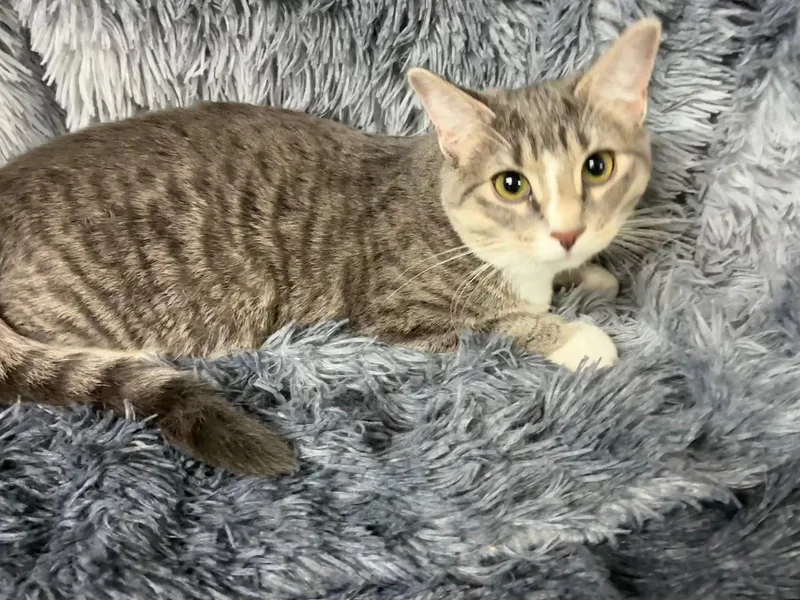
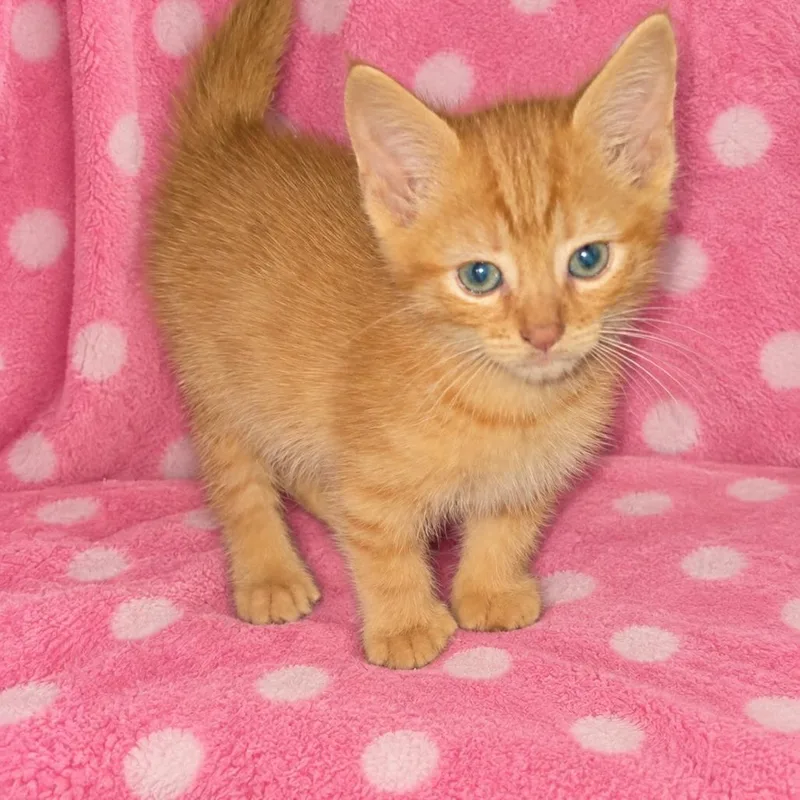
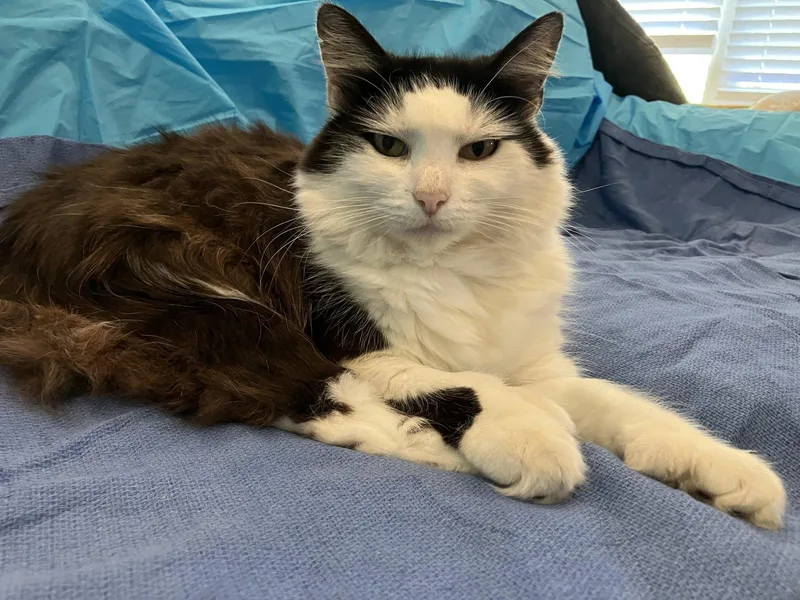
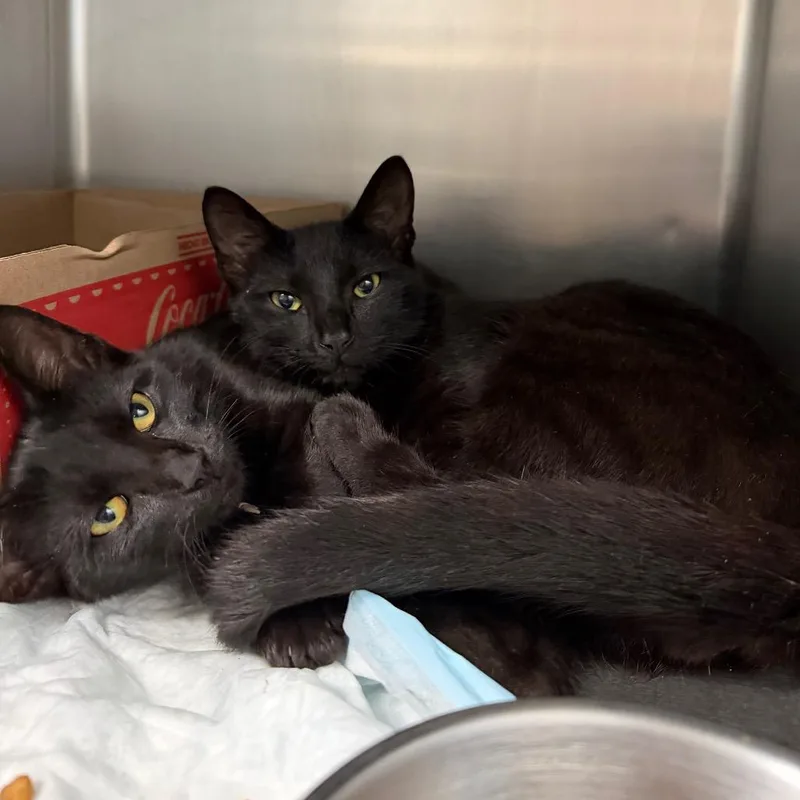
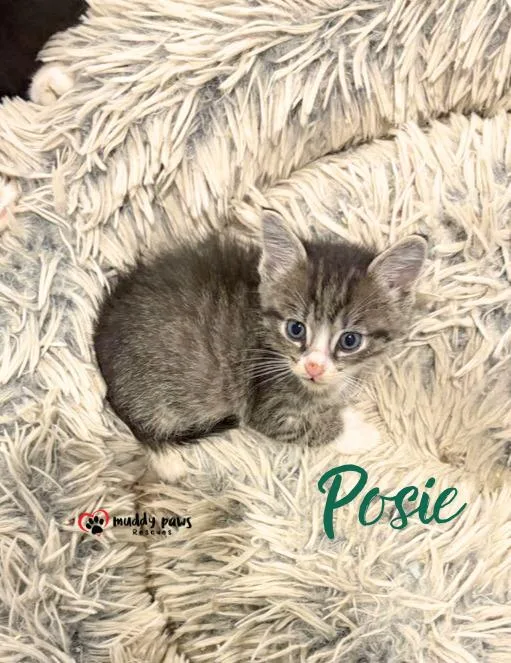
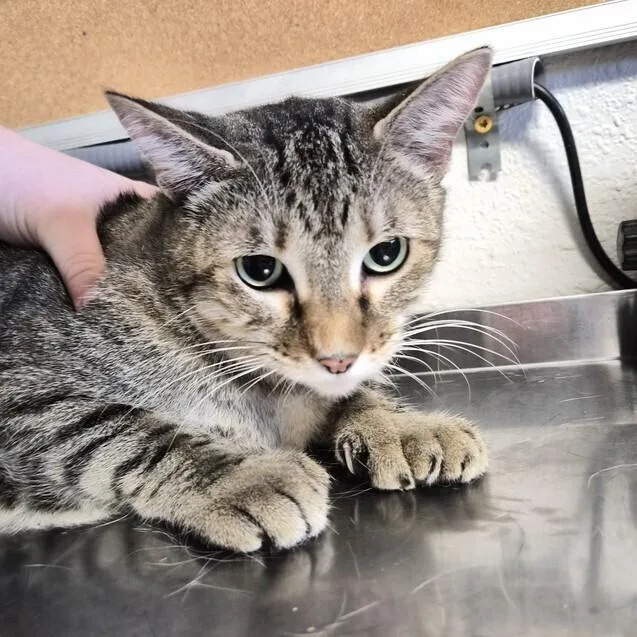
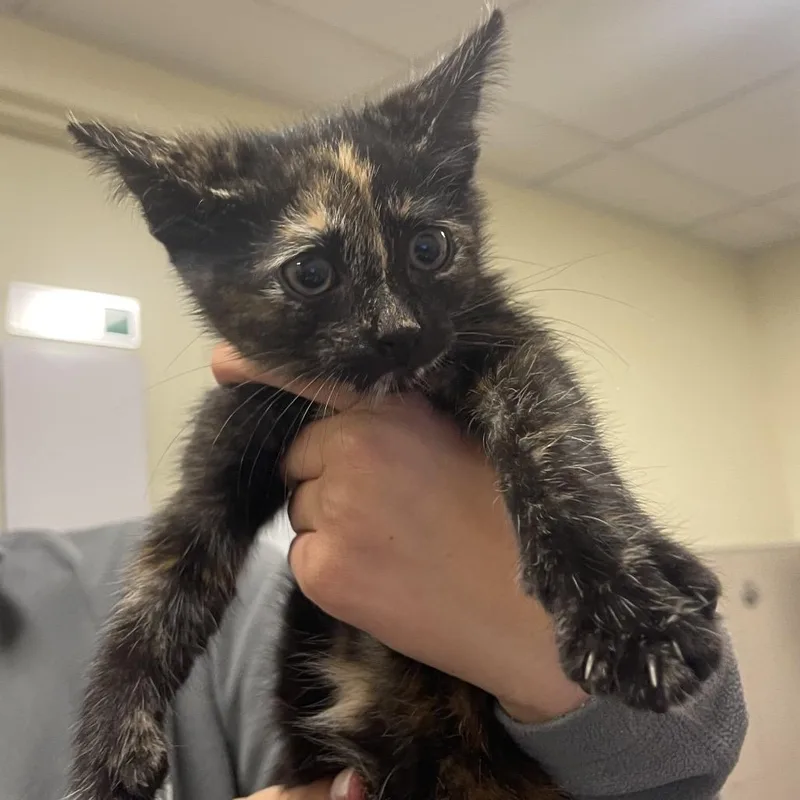
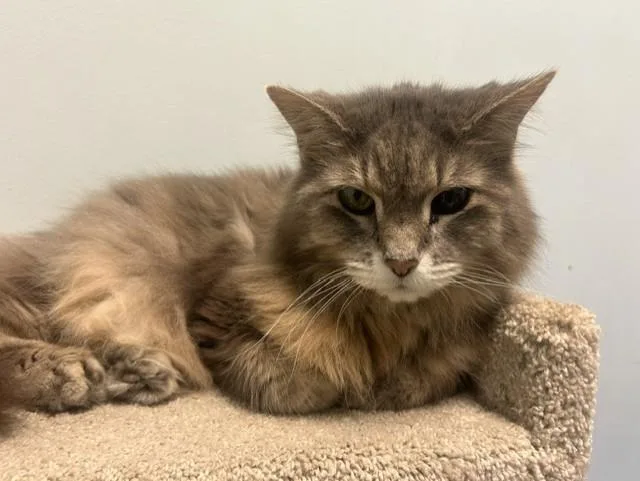
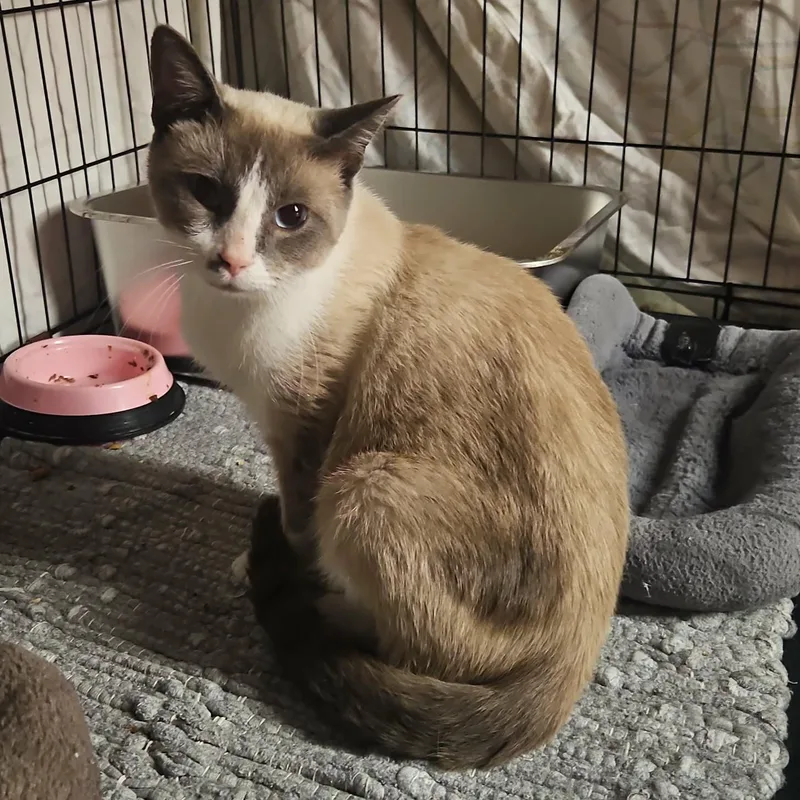
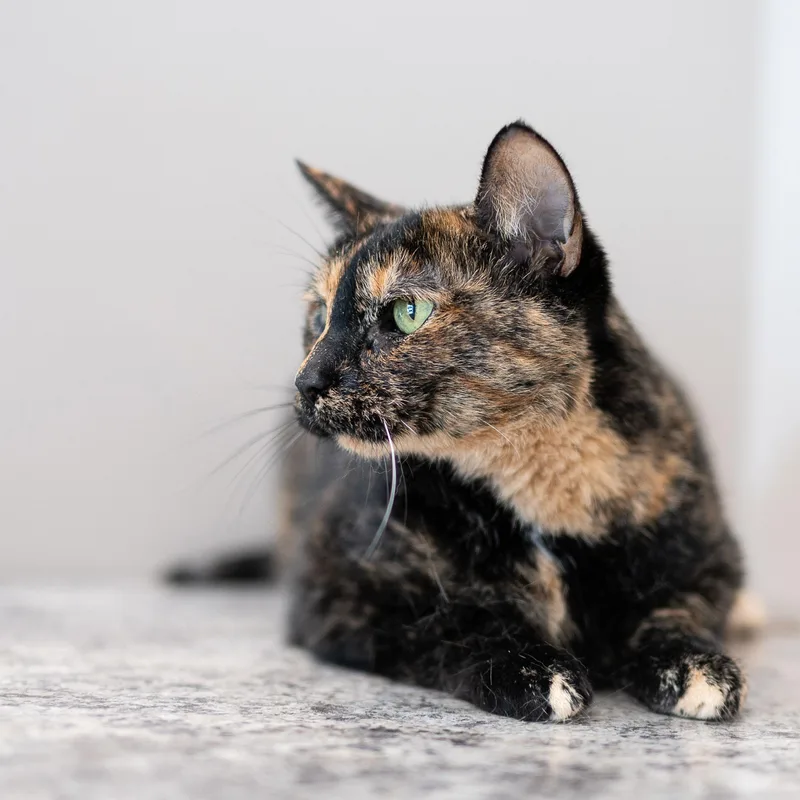
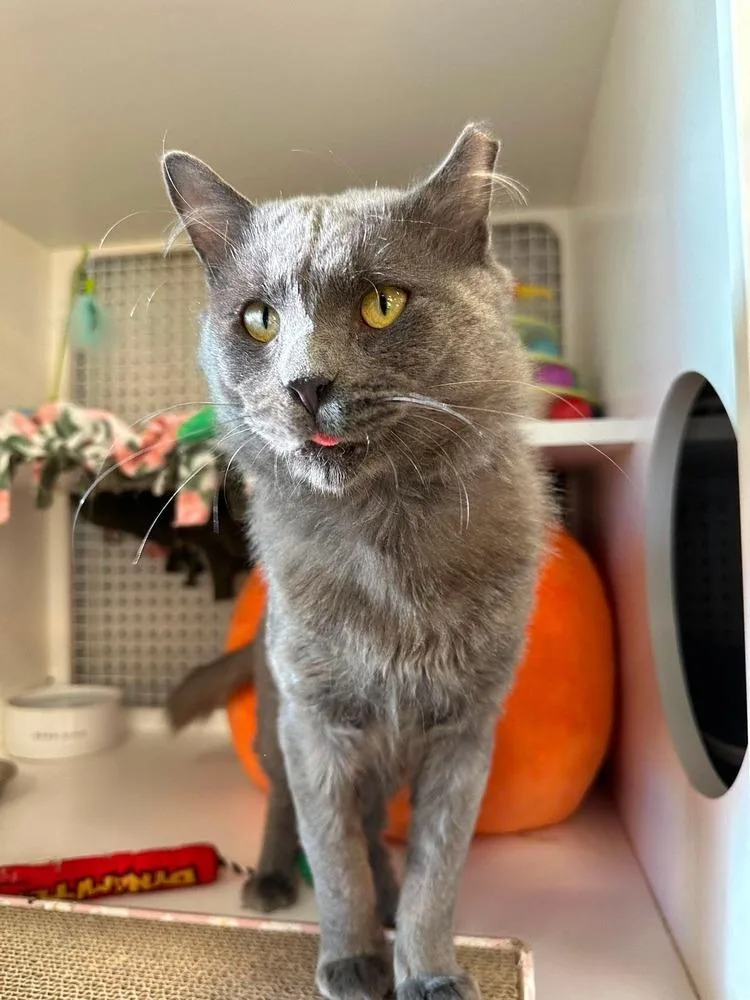
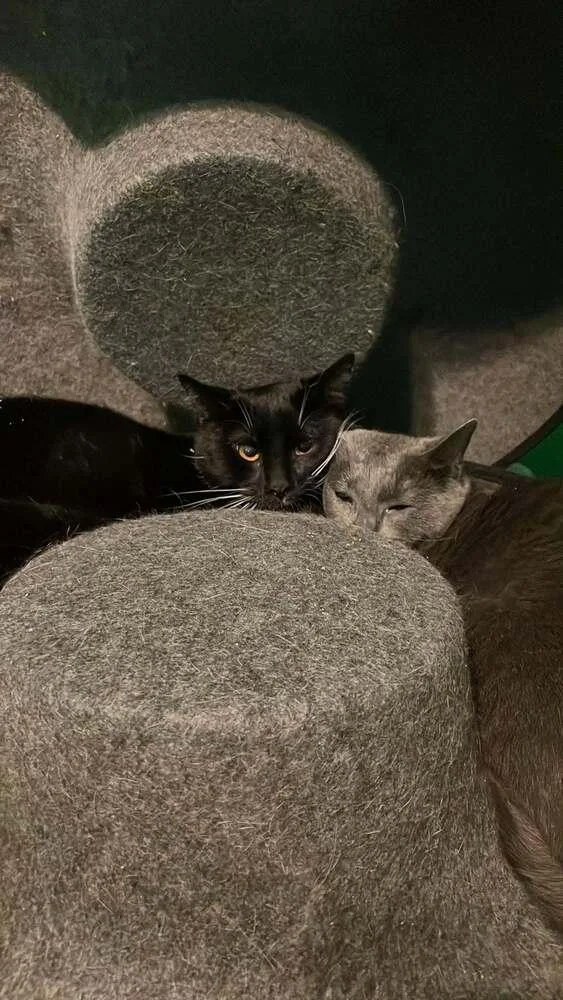
Extra-Toes Cat / Hemingway Polydactyls for Adoption in Chicago, IL

Your guide to finding and caring for an Extra-Toes Cat / Hemingway Polydactyl in Chicago

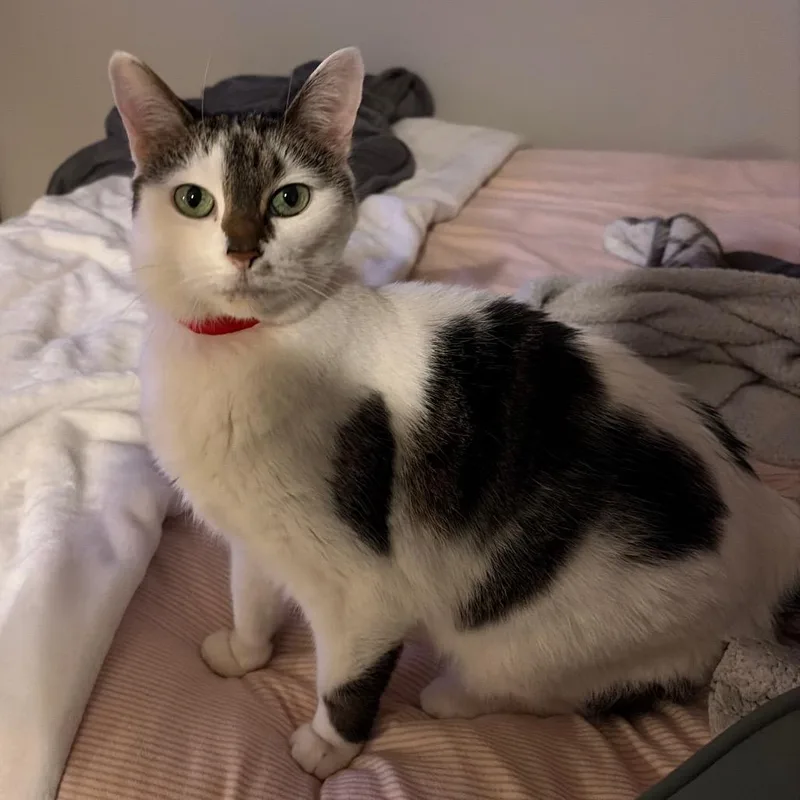
An extra-toed cat is a natural fit for Chicago's walk-ups and two-flats. In a Hyde Park walk-up or a Portage Park bungalow, these cats claim a window perch, chase wand toys and nap beside the radiator. Personalities run from chatty to shy, so the toes tell you little about the cat. What they add is a bit of claw upkeep, since extra claws can curl into the paw pads. Plan on a sturdy scratching post by the front window.

197 Extra-Toes Cat / Hemingway Polydactyls available in Chicago and nationwide

Adopt a Polydactyl cat today

While we don't have enough cats near Chicago, keep in mind that many rescues may offer transport.

Extra-Toes Cat / Hemingway Polydactyls Available for Adoption Near Chicago

About the Extra-Toes Cat / Hemingway Polydactyl breed

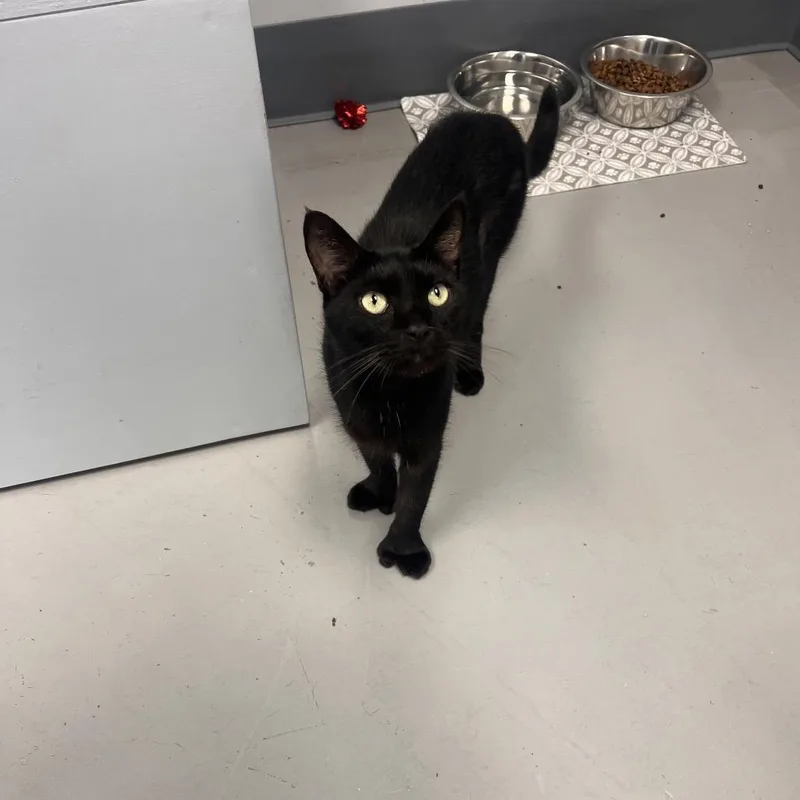
Extra-Toes Cat is the name for any cat born with polydactyly, not a breed, so most of the cats you'll meet in Chicago are domestic shorthairs and longhairs with a mitten-like paw or two. Six or seven toes on a front paw is common, and in its usual form the trait is harmless. Size, coat and personality vary as widely as in any other cat, with adults typically weighing 6 to 15 pounds.

The Hemingway nickname comes from Ernest Hemingway's six-toed cats in Key West. Because coat, age and energy differ so much from cat to cat, think about shedding, grooming and play needs the way you would with any cat. In a Chicago apartment, that means a cat who can climb, scratch and play indoors through a long winter.

Weight
6–15 lbs
Height
8–10 in
Lifespan
12–18 yrs
Temperament
Adaptable, Curious, Affectionate
Shedding
Moderate

Owning an Extra-Toes Cat / Hemingway Polydactyl in Chicago

Having an Extra-Toes Cat / Hemingway Polydactyl in Chicago

Extra toes make for charming paws, but they don't decide personality or health. What matters most for a Chicago household is the cat's age, coat and energy level, plus a little extra attention to claw care in a home that's heated half the year.

Temperament

Extra-toed cats range from bold, chatty companions to shy ones who warm up slowly, just like other domestic cats. Tales of extra friendliness are charming but unproven. In a Chicago apartment, a confident cat may greet visitors at the door while a shy one prefers a quiet shelf in the bedroom, so watch how the cat behaves.

Exercise Needs

Daily interactive play with wand toys, balls and puzzle feeders keeps these cats fit, and many are agile climbers. Chicago's long winters mean most of that exercise happens indoors, so tall cat trees and window perches help. Kittens and young adults usually want more play than seniors, and indoor cats gain weight easily without it.

Health Considerations

The common form of polydactyly usually causes no health problems. Extra claws may not wear down and can grow into the paw pads, so a veterinarian can check them at each visit. A rare, unrelated limb condition is sometimes confused with polydactyly. Otherwise, watch for typical feline issues such as dental disease, obesity and kidney disease, and keep rabies vaccination current.

Living Space

These cats adapt equally well to a Chicago studio, a greystone or a bungalow. Give them vertical space, sturdy scratching posts that help keep extra claws in shape, hiding spots and clean litter boxes. Keep window screens secure in upper-floor apartments to prevent falls, and keep the cat indoors or in a secure enclosure.

What it costs to own an Extra-Toes Cat / Hemingway Polydactyl in Chicago

ExpenseTypical costPer year
Food$25 to $50 per month$300 to $600
Pet insurance$20 to $45 per month$240 to $540
Routine vet care$150 to $350 per year$150 to $350
Other*$450 to $1,150 per year$450 to $1,150
Estimated yearly total (after year one)$1,140 to $2,640

Other costs are estimates and vary with size, age and health.

* Litter, flea prevention, a dental cleaning allowance, toys and scratching posts, and home grooming and claw trims.

Adopt an Extra-Toes Cat / Hemingway Polydactyl in Chicago.

Now that you know more, let’s find you a new best friend. These rescues and shelters below currently have Extra-Toes Cat / Hemingway Polydactyls available.

Frequently Asked Questions

Yes, as long as the cat travels in a closed, protective carrier that one person can carry and that fits under a seat. CTA buses and 'L' trains allow small pets this way, and the carrier can't take up a seat or block an aisle. Metra also allows carriers, but only on weekends and off-peak weekday trains.

Yes, when they live indoors, which is the safest setup for any cat in Chicago. Winter brings 106 to 121 freezing nights a year and about 38 inches of snow, and short-haired cats are especially vulnerable outside. Indoors, offer a warm perch, fresh water and a humidifier if the heat dries the air. Extra toes don't change how a cat handles cold.

Yes. Chicago has no breed-specific rules, and Illinois law bars cities from making them, which wouldn't matter here anyway because polydactyly is a trait, not a breed. Your cat will need rabies vaccination and a Cook County tag. Landlords set their own pet rules, so confirm your lease allows cats before you adopt.

Yes, they're as apartment-friendly as any domestic cat, and apartments are where most Chicago cats live. Give the cat a tall cat tree, a sturdy scratching post for the extra claws, hiding spots and a clean litter box. In upper-floor units, keep window screens secure so a curious climber doesn't fall.

Usually, yes, for people who want an indoor cat and can offer daily play. Chicago's long winters keep cats inside, so a household with time for play, climbing space and attention suits them well. Personalities run from chatty to shy, so fit depends on the cat's age and energy, not the toes. Expect a little claw upkeep.

Most need only a weekly brushing, and longhaired cats may need it more often. Shedding is moderate and picks up in spring, and dry heated air in winter can leave skin flaky. Check the extra claws and trim them every few weeks at home. A professional groomer is rarely needed, so costs stay within the yearly Other range.

A cat normally has 18 toes: five on each front paw and four on each back paw. The fifth front toe is the dewclaw, set higher on the inside of the leg like a thumb, so it doesn't touch the ground when the cat walks. Polydactyl cats have more than 18, most often an extra one or two per front paw.

Cats don't have true thumbs. The dewclaw on each front paw sits in a similar position to a human thumb and helps a cat grip prey and climb, but it isn't opposable. Some polydactyl cats have extra toes on the inner side of the paw that look like a thumb, which is where the nickname thumb cat comes from.

We have 1 rescue with Extra-Toes Cat / Hemingway Polydactyls available: Forever Fortunate Felines. You can see every rescue with Extra-Toes Cat / Hemingway Polydactyls available in the list above these questions, or scroll to the top to see the Extra-Toes Cat / Hemingway Polydactyls near Chicago.

Plan on roughly $1,140 to $2,640 a year for an adult extra-toed cat in Chicago: food at $25 to $50 a month, insurance at $20 to $45 a month, routine vet care at $150 to $350 a year, and $450 to $1,150 a year for litter, flea prevention, dental care and supplies. Claw trims are done at home.