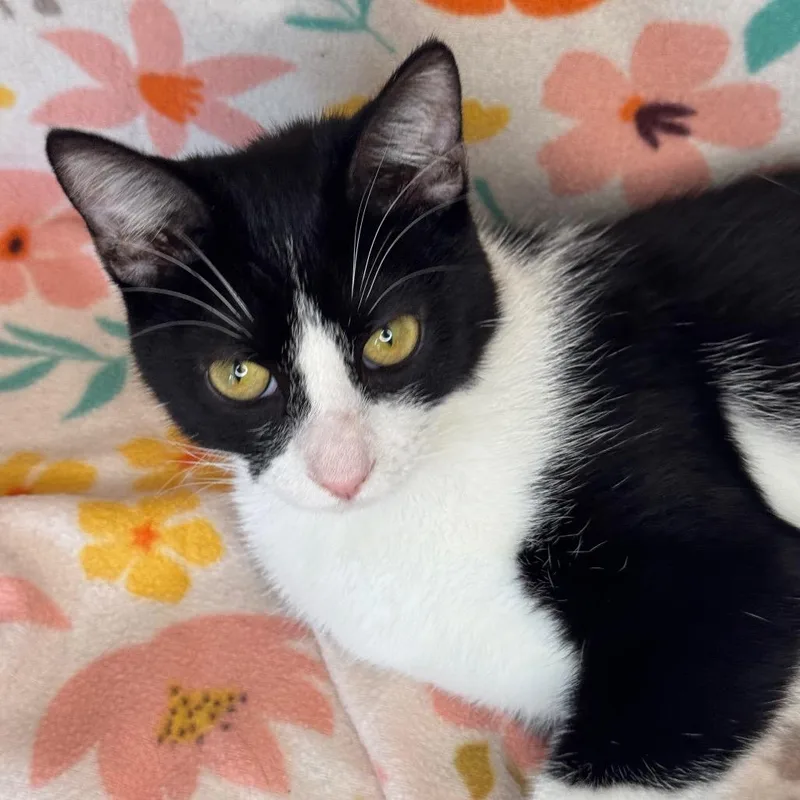
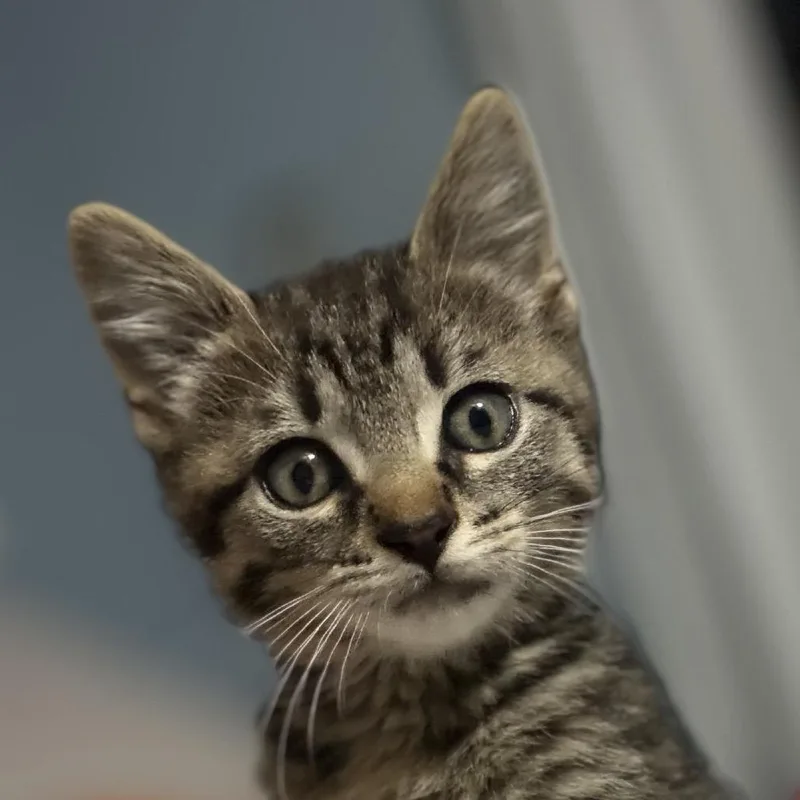
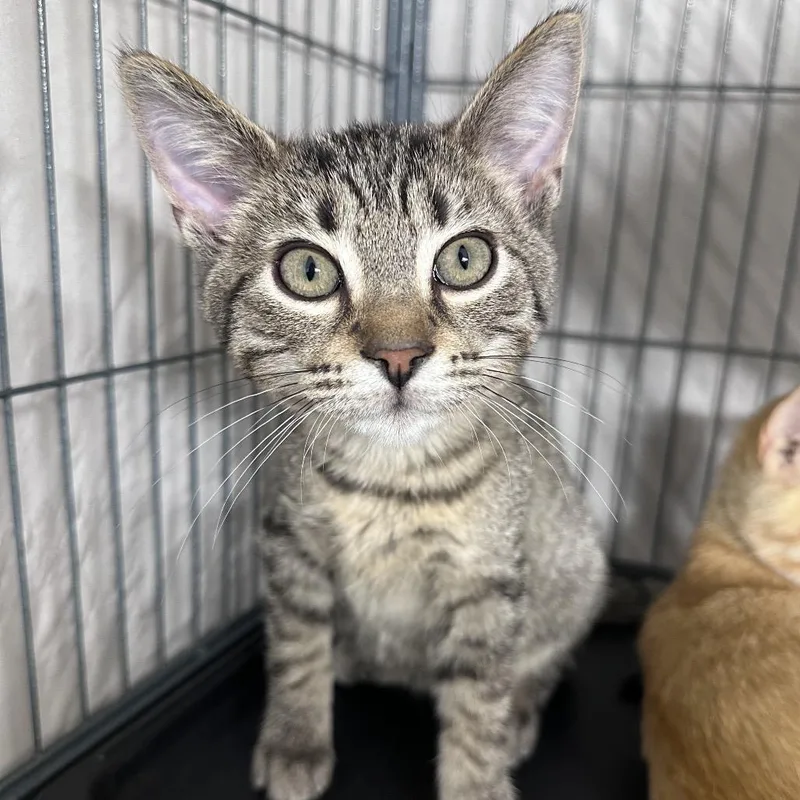
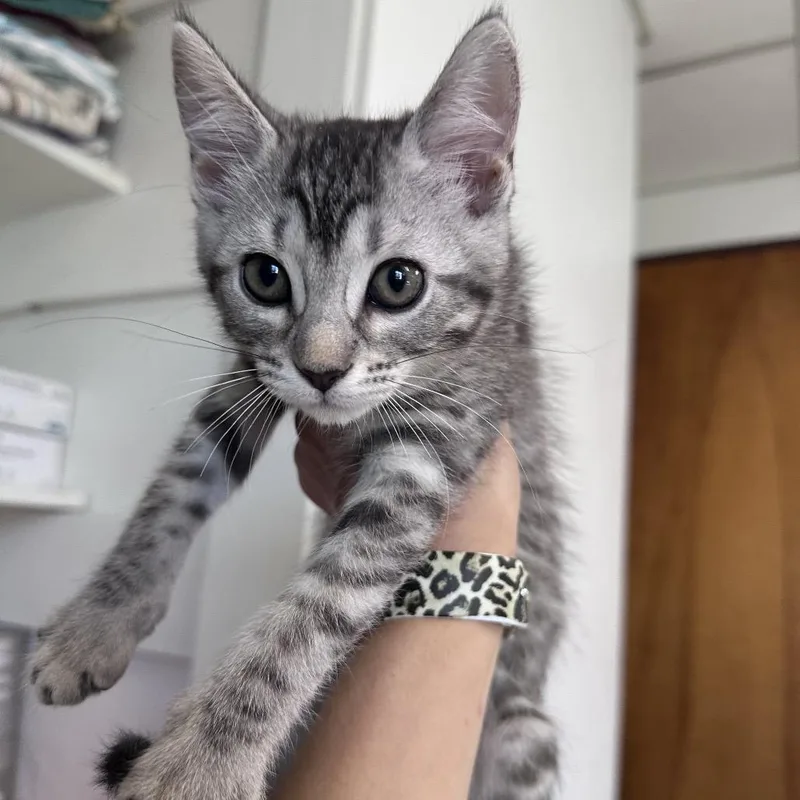
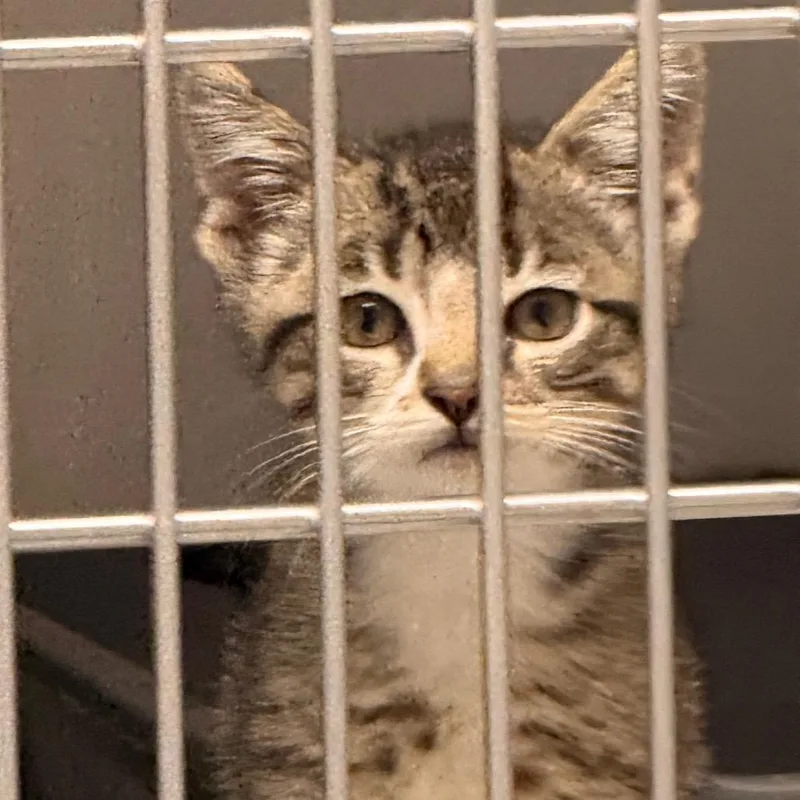
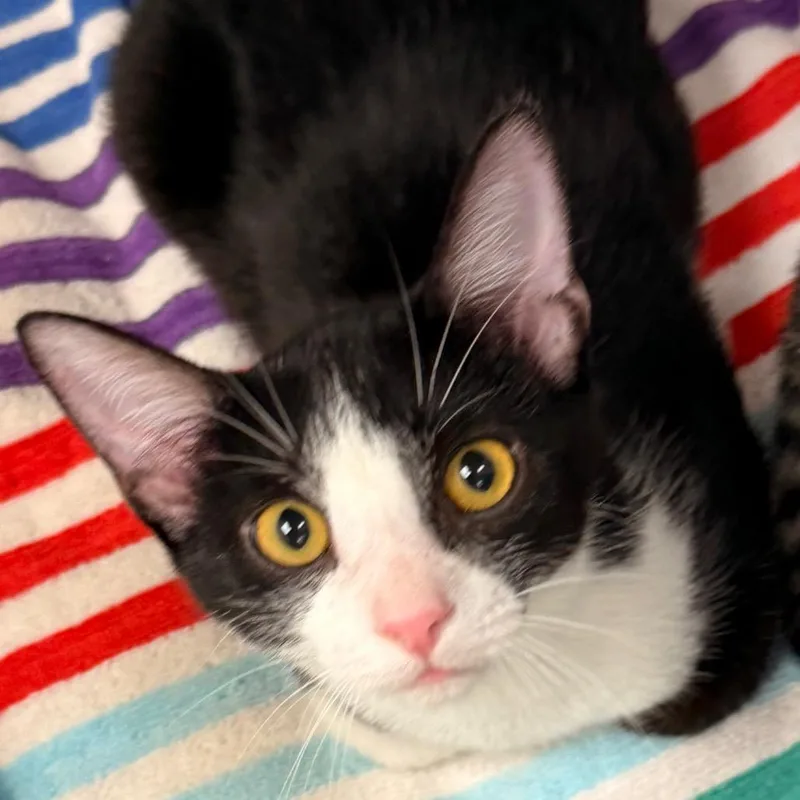
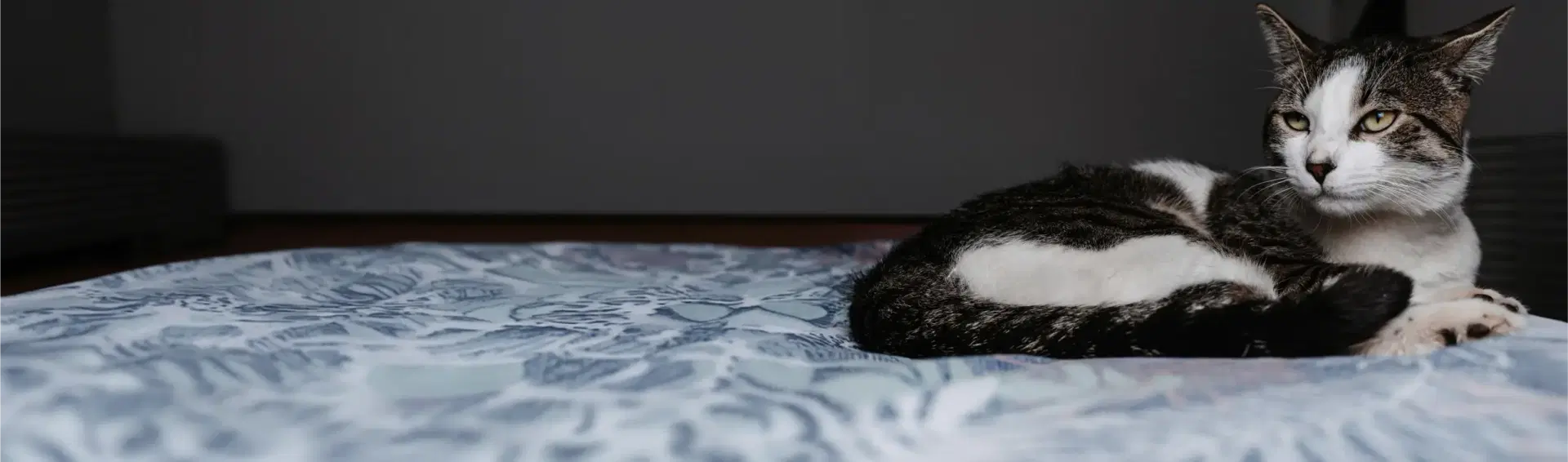
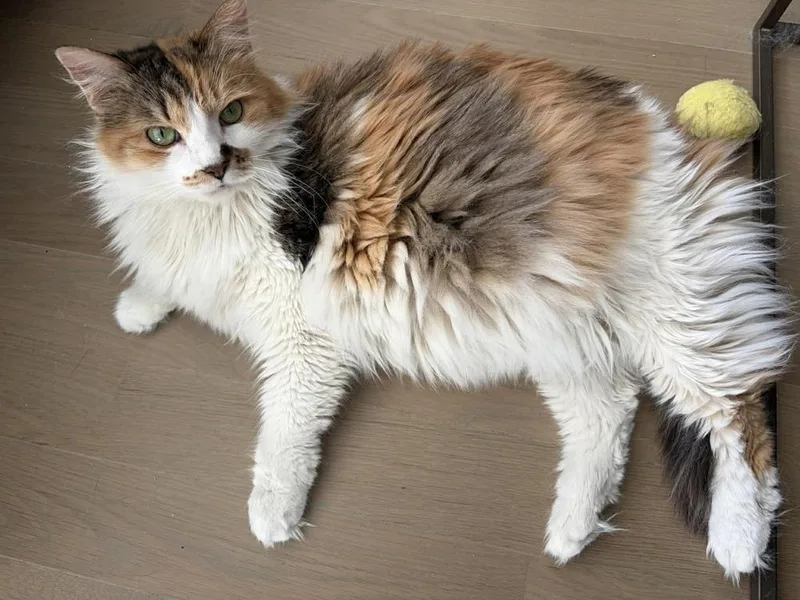
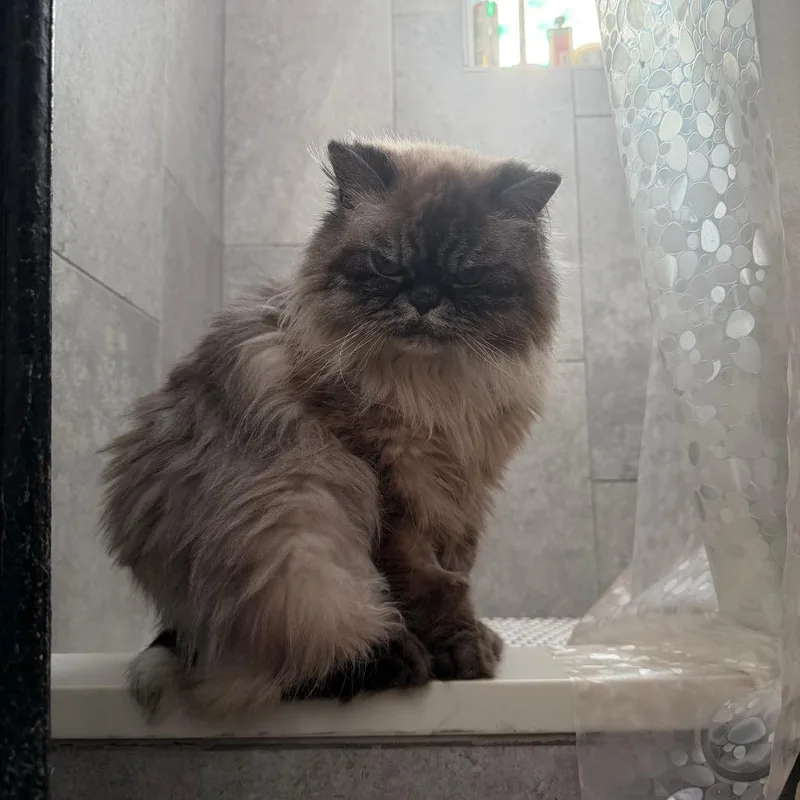
American Shorthair cat

American Shorthair Cats for Adoption in Chicago, IL

Your guide to finding and caring for an American Shorthair in Chicago

American Shorthairs fit Chicago's apartment life easily, whether that's an Edgewater high-rise or a two-flat in Portage Park. They're calm, sturdy cats that are happy with a window perch and a daily play session, so a one-bedroom is plenty of room. Most don't demand constant attention, which helps when you're commuting on the Blue Line. That dense coat also helps when January sets in, though these cats mostly nap through it on a sunny windowsill.

3776 American Shorthairs available in Chicago and nationwide

Adopt an American Shorthair today

American Shorthairs Available for Adoption Near Chicago

About the American Shorthair breed

The American Shorthair descends from working cats that traveled with European settlers to keep rodents off ships and cargo, then guarded barns and homesteads. Early in the twentieth century the sturdiest of these cats became a recognized breed, first shown as the Domestic Shorthair and renamed in the mid-1960s. Today it's a medium-to-large, muscular cat with a broad face, full cheeks and a thick, hard-textured coat in many colors, with the silver tabby as the classic look.

Many American Shorthairs are easygoing, quietly affectionate and happy to supervise from a nearby chair. Most enjoy hunting-style play and gain weight without it, which matters in a Chicago apartment where there's little room to roam. Plenty of shorthaired cats in shelters are random-bred domestic shorthairs with the same look, so adopters may meet cats with similar traits under either name.

Weight
6–15 lbs
Height
8–10 in
Lifespan
12–17 yrs
Temperament
Easygoing, Adaptable, Quiet
Shedding
Moderate

Owning an American Shorthair in Chicago

Having an American Shorthair in Chicago

Hunting instincts, a dense coat and a healthy appetite shape daily life with an American Shorthair. In Chicago, that mostly means apartment-friendly routines: scheduled play, measured meals and a safe window perch. Traits vary from cat to cat, so treat these as tendencies.

Temperament

American Shorthairs are often even-tempered and sociable without being clingy, which suits a Chicago schedule of work and commuting. Many do well with respectful kids and calm dogs after slow introductions. They tend to be quiet, so thin apartment walls are rarely an issue. A cat's history and socialization matter as much as breed.

Exercise Needs

Aim for a couple of short play sessions a day: wand toys, chase games and food puzzles all use their hunting instinct. In a Chicago apartment, a cat tree by a window and a hallway for chasing games go a long way. Structured play keeps weight in check, especially in indoor and older cats.

Health Considerations

American Shorthairs are generally robust, and obesity is the most common preventable problem. Hypertrophic cardiomyopathy and polycystic kidney disease have been reported in the breed, so a veterinarian can check the heart and kidneys at the first exam. Cook County requires a rabies vaccine and tag for cats. Measured meals and dental care help.

Living Space

Apartments, bungalows and greystones all work if the cat has scratching posts, perches, hiding spots and daily play. Indoor living suits Chicago well, since coyotes live throughout the city and traffic and winter cold are hazards outside. Secure window screens and balcony doors, especially in high-rise buildings.

What it costs to own an American Shorthair in Chicago

ExpenseTypical costPer year
Food$25 to $50 per month$300 to $600
Pet insurance$25 to $50 per month$300 to $600
Routine vet care$150 to $350 per year$150 to $350
Other*$450 to $1,150 per year$450 to $1,150
Estimated yearly total (after year one)$1,200 to $2,700

Other costs are estimates and vary with size, age and health.

* Cat litter, flea prevention, a dental cleaning allowance, toys, scratching posts and other supplies, and simple brushing at home for a short coat.

American Shorthair cat

Adopt an American Shorthair in Chicago.

Now that you know more, let’s find you a new best friend. These rescues and shelters below currently have American Shorthairs available.

Frequently Asked Questions

Yes, but only in a closed, protective carrier. The CTA allows small pets in a carrier that one person can carry and that fits under a seat or on a lap, without blocking seats or aisles. A larger American Shorthair may be a snug fit, so practice with the carrier first. Riders are responsible for the cat's behavior.

Yes, indoor American Shorthairs handle Chicago summers well with some planning. Highs average in the low 80s, and about 17 to 20 days a year reach 90°F or more, so keep rooms ventilated, water fresh and blinds closed on sunny windows. Top-floor apartments heat up fastest. Never leave a cat in a parked car.

Yes, Chicago has no breed-specific rules, and Illinois law bars cities from regulating by breed. The city's registration applies to dogs, but cats need a rabies vaccine and a Cook County rabies tag. Your landlord or condo association may set its own pet rules, so confirm the terms for cats in your lease.

Yes, American Shorthairs usually adapt well to Chicago apartments, from high-rise condos to two-flats. They're calm and quiet, and vertical space matters more than square footage: a tall cat tree beside a window gives even a studio plenty to explore. Add scratching posts and daily play, and secure windows and balcony doors.

Often, yes. Chicago's cold winters and hot summers are easy on an indoor cat, and an American Shorthair is usually content with a window view and an evening play session. The main thing to plan for is keeping the cat active through long indoor winters, since extra weight is the breed's most common preventable problem.

Very little: a weekly brush with a comb or rubber brush handles most American Shorthairs. In Chicago, brush a few times a week in spring, when the undercoat sheds, and again during the lighter fall shed. Grooming is mostly done at home, so it adds little beyond the Other costs shown above.

An American Shorthair is a pedigreed North American cat breed descended from the working cats that came over with European settlers to control rodents. It is a sturdy, muscular, medium-to-large cat with a round face, full cheeks and a thick short coat in many colors, most famously silver tabby. Many are calm, adaptable and quietly affectionate.

American Shorthairs shed a moderate amount. Their dense coat drops hair year-round, with a heavier shed in spring when the undercoat thins and a lighter one in fall. Brushing a few times a week with a slicker brush or grooming mitt keeps loose hair under control and reduces hairballs. Sudden bald patches or excessive shedding deserve a veterinary visit.

We have 2 rescues with American Shorthairs available: Chicago Cat Rescue and Famous Fido Rescue and Adoption Alliance. You can see every rescue with American Shorthairs available in the list above these questions, or scroll to the top to see the American Shorthairs near Chicago.

Plan on roughly $1,200 to $2,700 a year for an American Shorthair. Food runs about $25 to $50 a month and insurance $25 to $50 a month. Routine vet care adds $150 to $350 a year, and other costs such as litter, flea prevention, dental care and supplies add $450 to $1,150 a year.