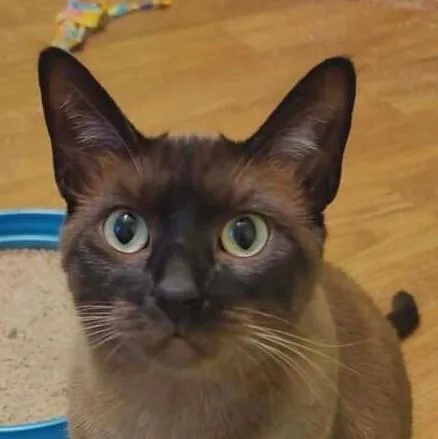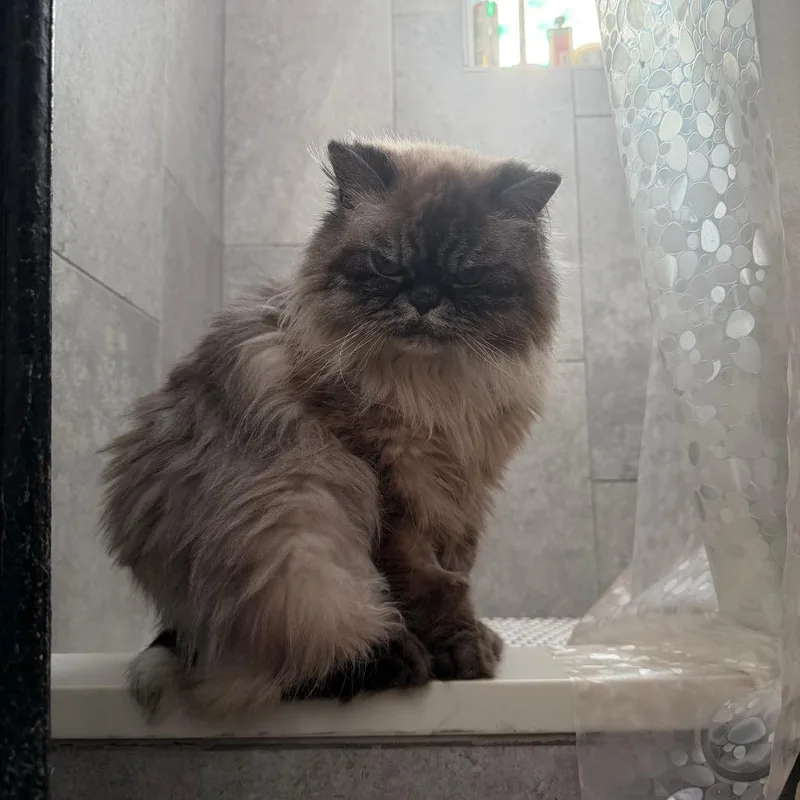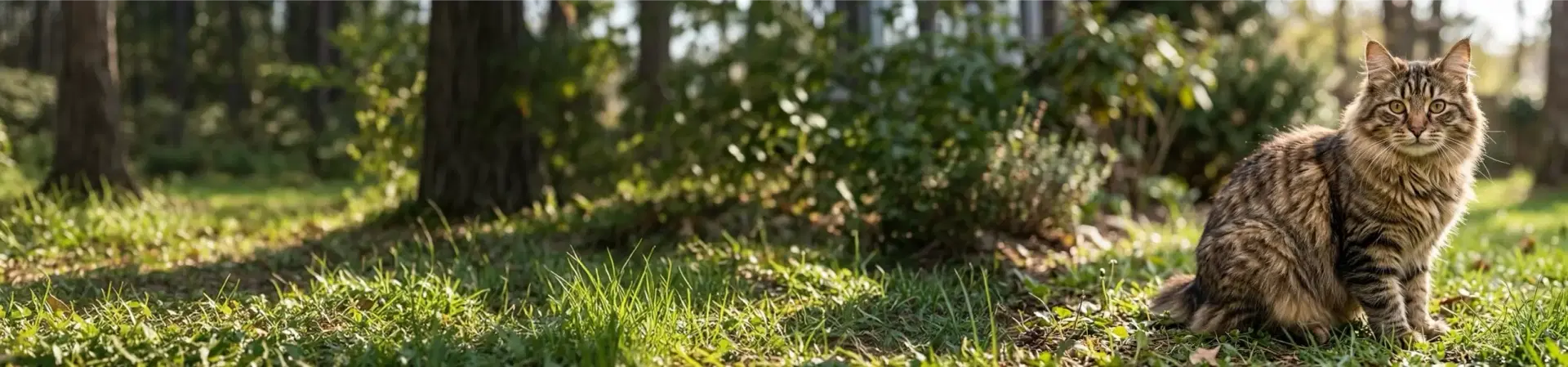
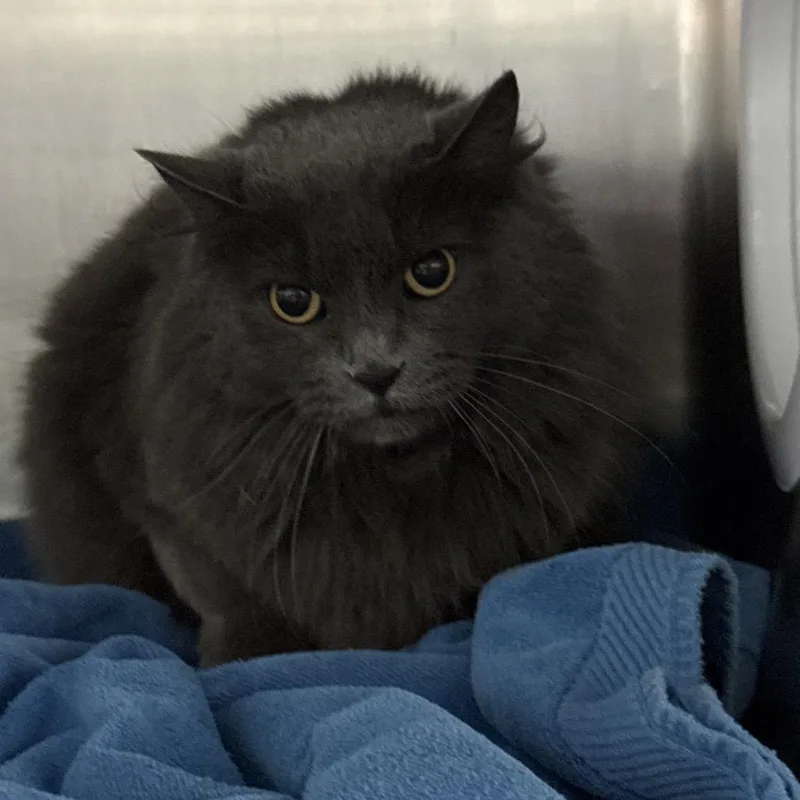
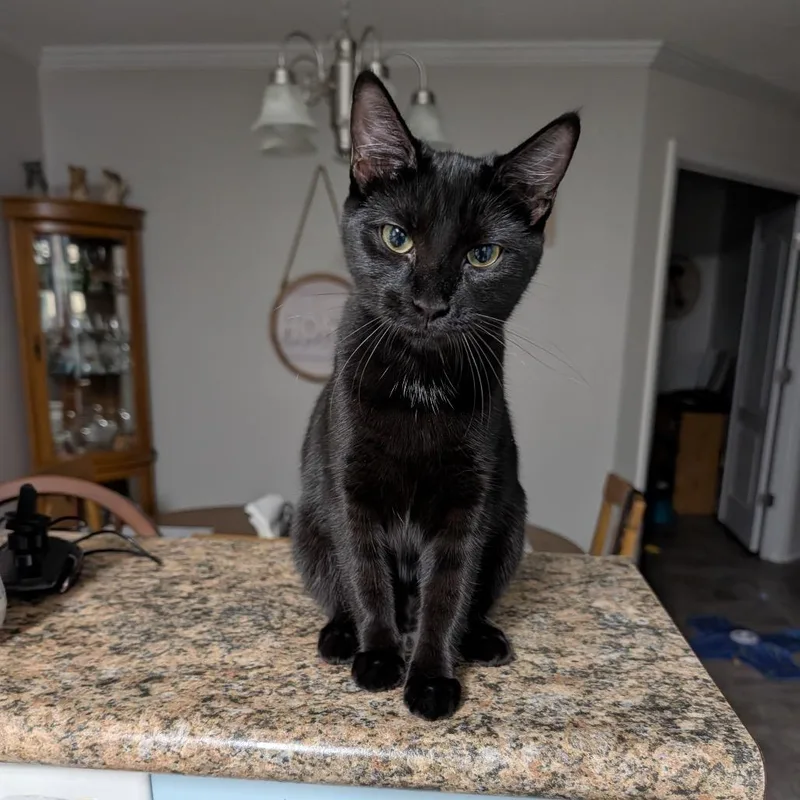
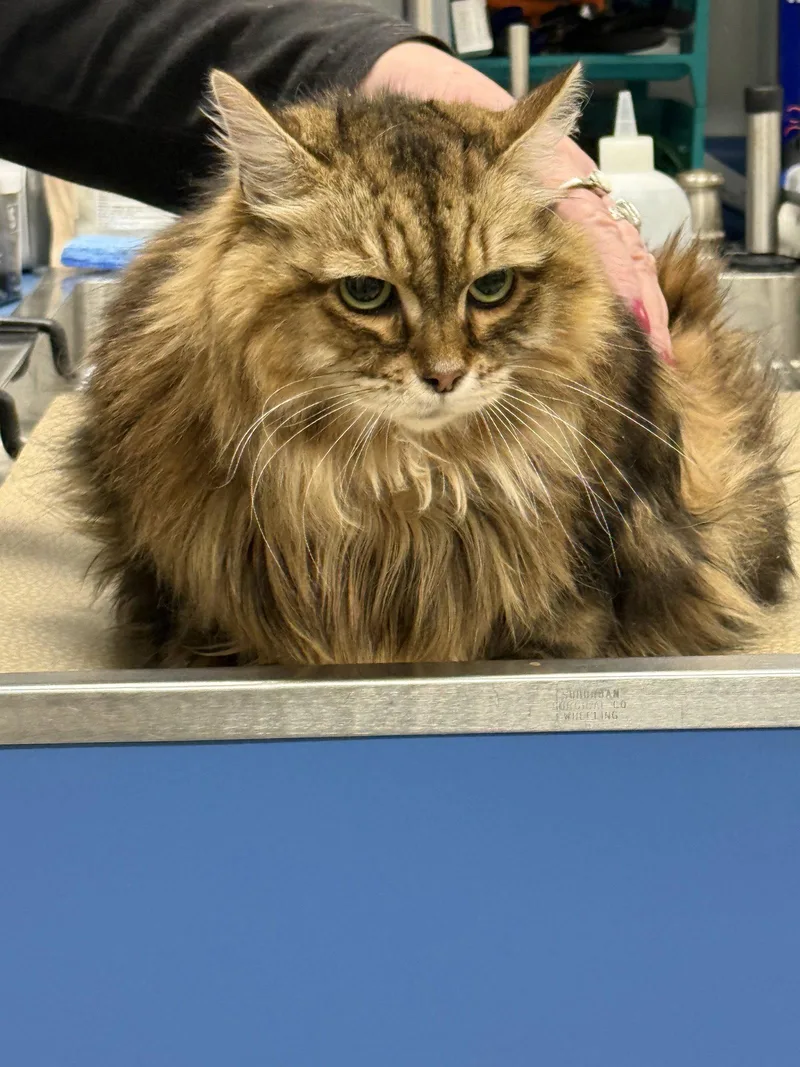
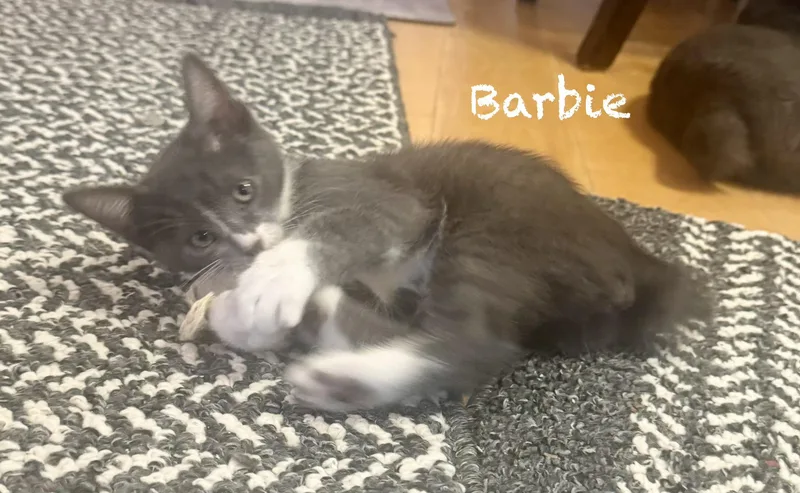
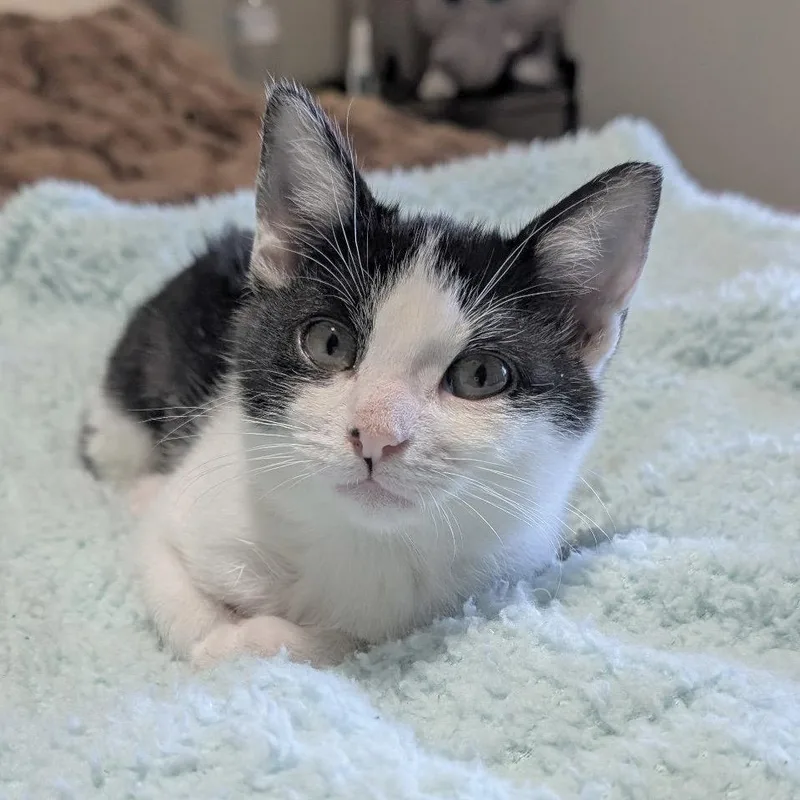
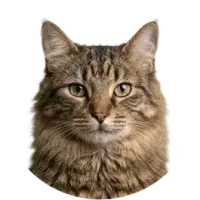
American Bobtail cat

American Bobtail Cats for Adoption in Chicago, IL

Your guide to finding and caring for an American Bobtail in Chicago

American Bobtails suit Chicago apartment life well, especially the Sheridan Road high-rises in Edgewater. They're social, adaptable cats that like a window to watch and a person to follow from room to room, and a busy building rarely bothers them. Give one a tall cat tree by the glass, a few play sessions a day, and a harness if it takes to walks. Plan on indoor living or a catio, since coyotes live all over the city.

172 American Bobtails available in Chicago and nationwide

Bring home an American Bobtail

While we don't have enough cats near Chicago, keep in mind that many rescues may offer transport.

American Bobtails Available for Adoption Near Chicago

About the American Bobtail breed

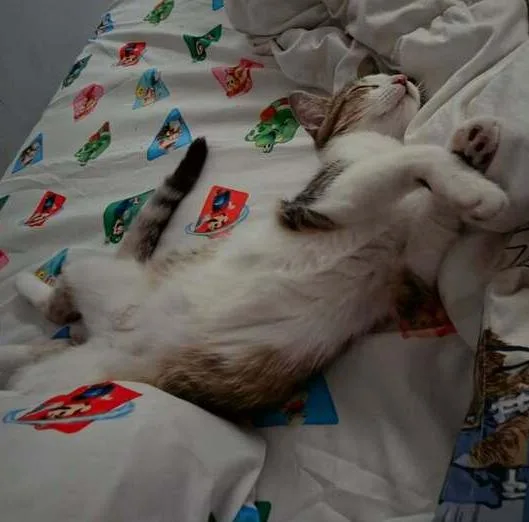
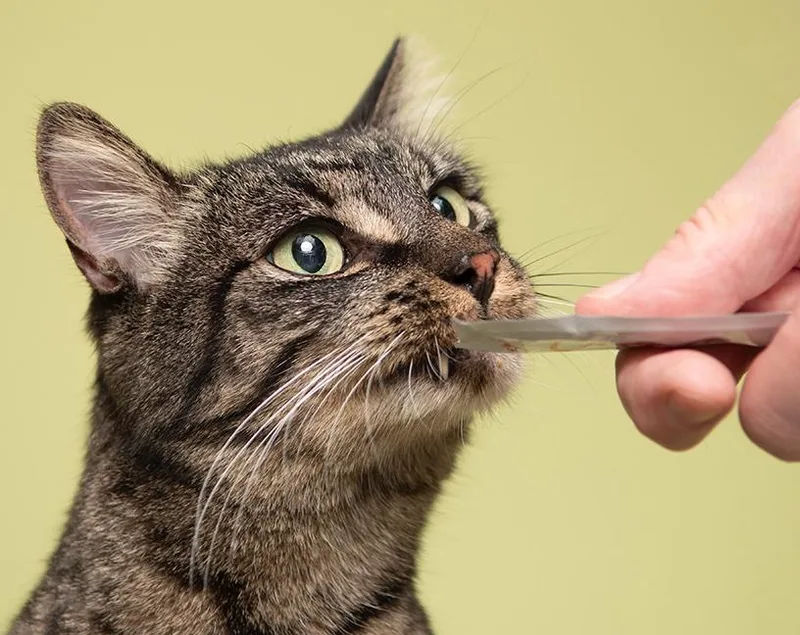
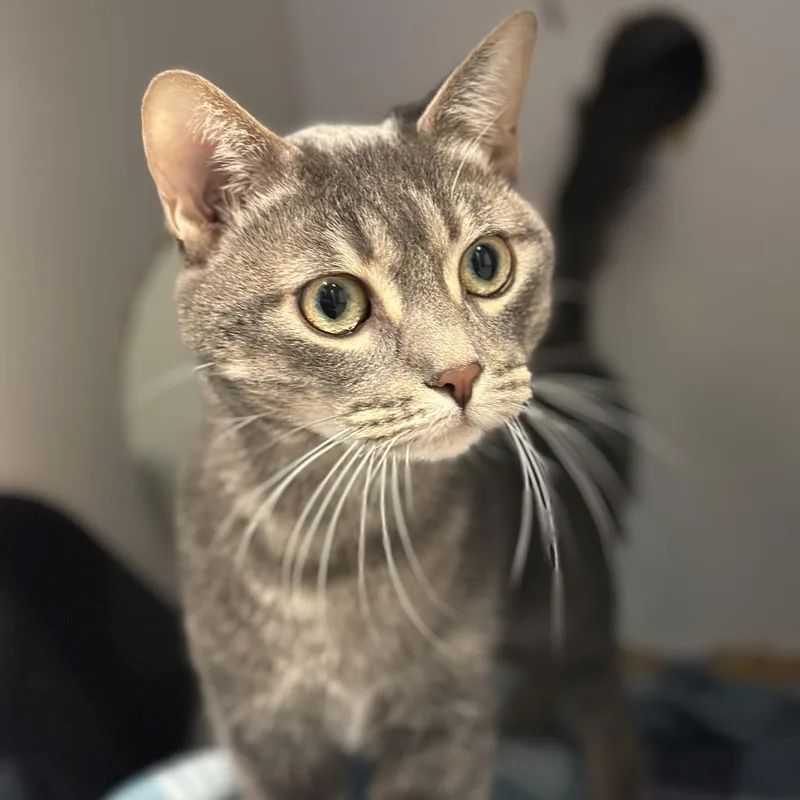
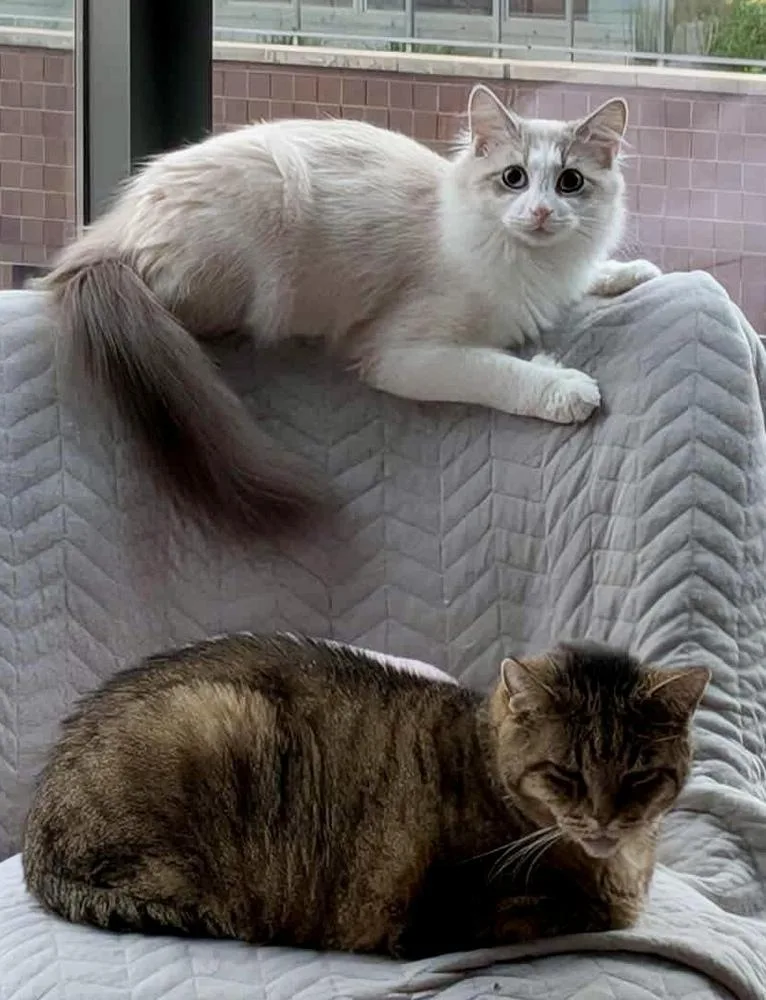
The American Bobtail goes back to the late 1960s and Yodie, a short-tailed brown tabby found in Arizona. Its tail, usually a third to half of normal length, comes from a dominant gene unrelated to the Manx or Japanese Bobtail. The body is muscular and medium-sized, typically 7 to 16 pounds, with a shorthair or medium-long coat in nearly any color.

Many Bobtails are playful, clever and people-oriented, and some will fetch or walk on a leash. They mature slowly, over two to three years, so a young adult may still act like a kitten. That mix of energy and sociability suits Chicago homes where someone is around for play. A short tail can occasionally come with spine or hip problems, which a veterinarian can check.

Weight
7–16 lbs
Height
9–12 in
Lifespan
11–15 yrs
Temperament
Playful, Affectionate, Adaptable, Intelligent
Shedding
Moderate

Owning an American Bobtail in Chicago

Having an American Bobtail in Chicago

Bobtails are sturdy, athletic cats that need play and climbing more than floor space. In Chicago, the questions that matter most are how much time you're home, how you'll keep a cat busy through the long indoor winter, and whether you'd like a harness or catio.

Temperament

Bobtails tend to be affectionate and curious, following their people around and joining in games without being demanding. That suits Chicago households with busy schedules and regular visitors, and many get along with children and calm dogs. Cats vary, so watch how a Bobtail reacts to handling, noise and new people, since apartment life brings plenty of all three.
Exercise Needs

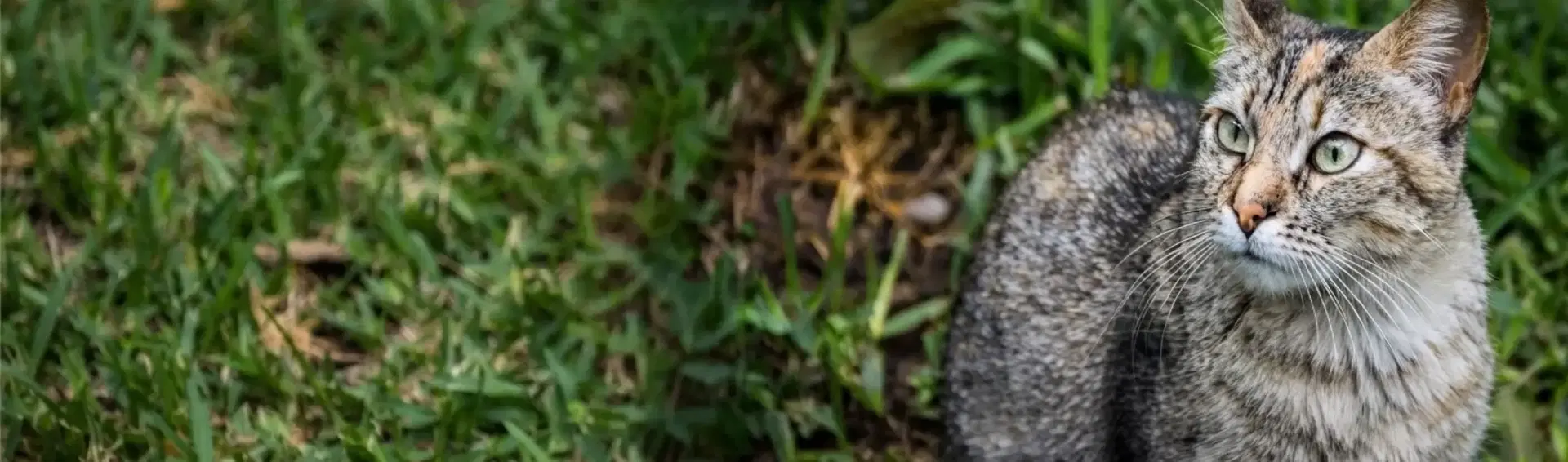
Plan on several short play sessions a day with wand toys, balls, fetch and food puzzles. Chicago winters keep cats indoors for months, so tall perches and a sturdy cat tree matter. A harness-trained Bobtail can explore on calm days, but keep outings short and close to you, since coyotes live throughout the city.

Health Considerations

Bobtails are generally sturdy, but the short-tail gene can occasionally bring spine or hip trouble. Watch for stiffness, tail pain or litter box changes, and have a veterinarian examine a newly adopted cat early. Yearly exams, dental care and weight control cover most prevention, and measured meals help when winter keeps a cat less active.

Living Space

Bobtails adapt to a Chicago one-bedroom, a bungalow or a high-rise condo as long as they have vertical space, scratching posts and a window to watch. Their sociable nature suits busy households. Keeping them indoors, with a catio or harness walks for confident cats, is safest in a city with heavy traffic and coyotes.

What it costs to own an American Bobtail in Chicago

ExpenseTypical costPer year
Food$25 to $50 per month$300 to $600
Pet insurance$25 to $50 per month$300 to $600
Routine vet care$150 to $350 per year$150 to $350
Other*$450 to $1,250 per year$450 to $1,250
Estimated yearly total (after year one)$1,200 to $2,800

Other costs are estimates and vary with size, age and health.

* Litter, flea prevention, a dental cleaning allowance, toys, a harness and other supplies, and home brushing, with more for longhaired cats.

American Bobtail cat

Adopt an American Bobtail in Chicago.

Now that you know more, let’s find you a new best friend. These rescues and shelters below currently have American Bobtails available.

Frequently Asked Questions

Yes, you can. Illinois law bars breed-specific rules, so Chicago has no restrictions on American Bobtails as a breed. Your landlord or condo association can still set its own pet rules, so confirm them before you apply. Cats adopted from Illinois shelters also come spayed or neutered and microchipped, which keeps the paperwork simple.

Yes, an American Bobtail usually does well in a Chicago apartment. Enrichment matters more than square footage: a tall cat tree, a window perch, daily play and puzzle feeders. Secure screens and balcony railings, since Bobtails climb, and expect playful bursts. Their quiet chirps and trills rather than yowling generally keep neighbors happy through shared walls.

Often, yes, for adopters who are home enough to play. Bobtails are sociable and adaptable, but they want daily interaction, so very long days away can leave one bored. Chicago's winters, traffic and coyotes favor indoor living, which Bobtails handle well with climbing spaces and toys. Cats vary, so watch how each one handles new people.

Yes, as indoor cats, American Bobtails handle Chicago winters well. Their coat is protective, but they aren't meant to be left outside in freezing weather. Add window perches in sunny spots, rotate toys, and schedule extra play so a winter-bound cat burns energy. Keep meals measured, since less activity can mean weight gain.

Yes, but only in a carrier. CTA buses and 'L' trains allow small pets in a closed, protective carrier that one person can carry. It has to fit under a seat or on your lap and can't block aisles. Most Bobtails, at 7 to 16 pounds, fit a good carrier. Metra has its own pet rules, so check its current policy.

Plan on weekly brushing, a little more for longhaired cats and during seasonal sheds. Bobtail coats are medium-length and don't mat easily, so most owners groom at home and trim nails every few weeks. A professional groomer is optional, and any grooming spending falls within the yearly Other costs of $450 to $1,250 on this page.

A bobbed tail is a short tail, either naturally short from birth or, in some dogs, shortened by docking. In cats, natural bobtails come from several different gene mutations found in breeds like the American Bobtail, Japanese Bobtail and Manx. The tail may be straight, curved or kinked and is usually fully mobile and expressive despite its length.

A bobtail cat is any cat with a naturally short tail, from a stub to roughly half normal length. The term covers several breeds, including the American Bobtail, Japanese Bobtail, Kurilian Bobtail and Pixie-Bob, each with its own gene, as well as domestic cats born with short or kinked tails. Shelters often list these cats simply as bobtails.

We have 1 rescue with American Bobtails available: Hi Kitty Kitty. You can see every rescue with American Bobtails available in the list above these questions, or scroll to the top to see the American Bobtails near Chicago.

A year with an American Bobtail in Chicago typically runs about $1,200 to $2,800. That covers food at $25 to $50 a month, insurance at $25 to $50 a month, routine vet care at $150 to $350 a year, and other costs such as litter, flea prevention, dental care and supplies at $450 to $1,250 a year.

Find American Bobtails in Nearby Cities

Expand your search to find American Bobtails available for adoption near Chicago.