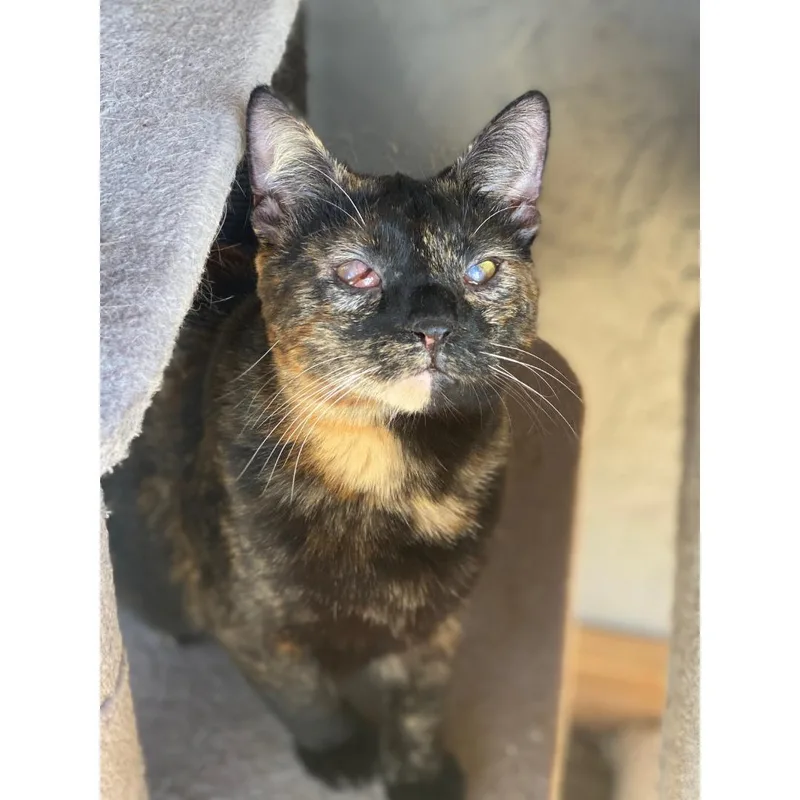
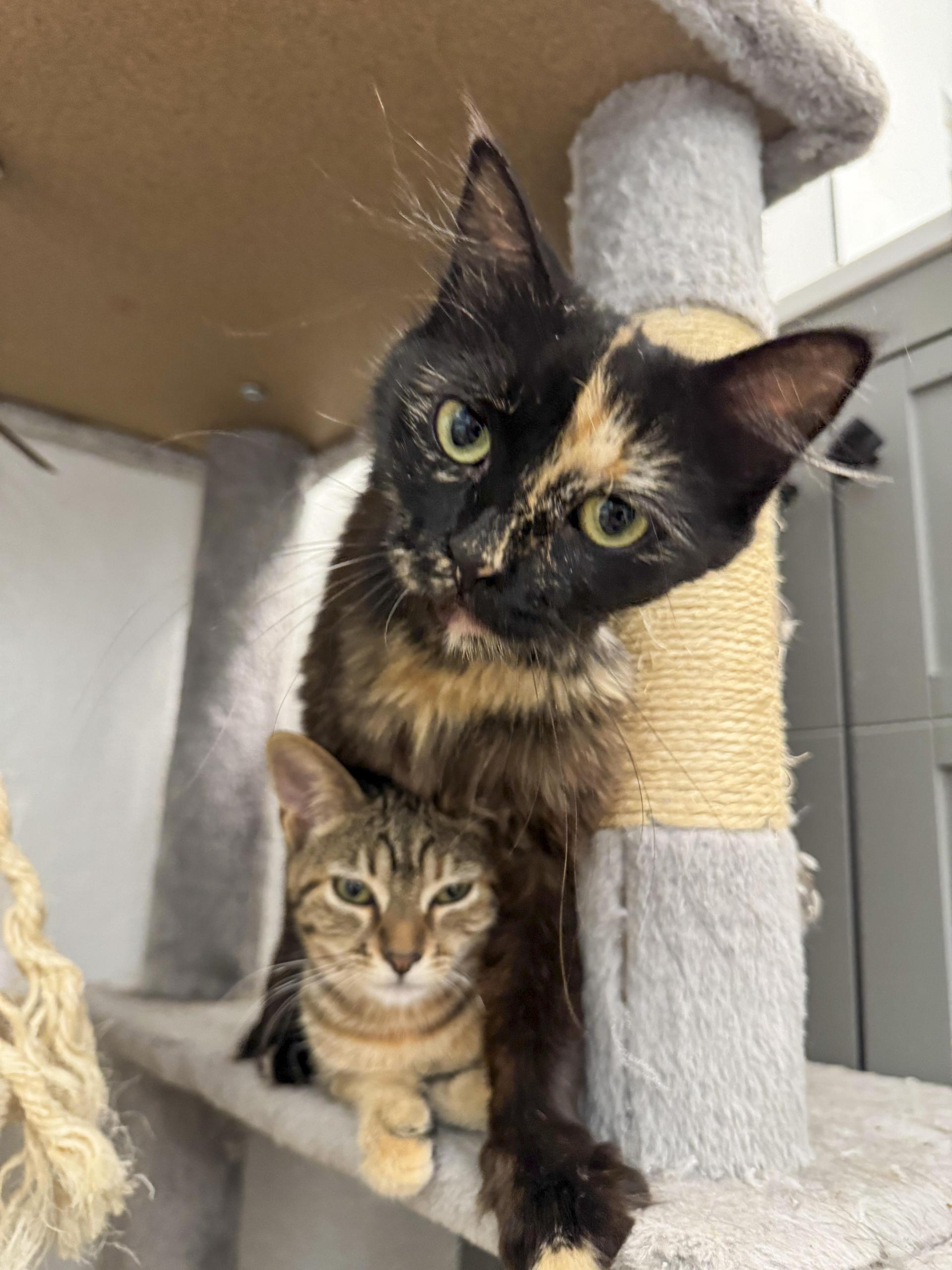
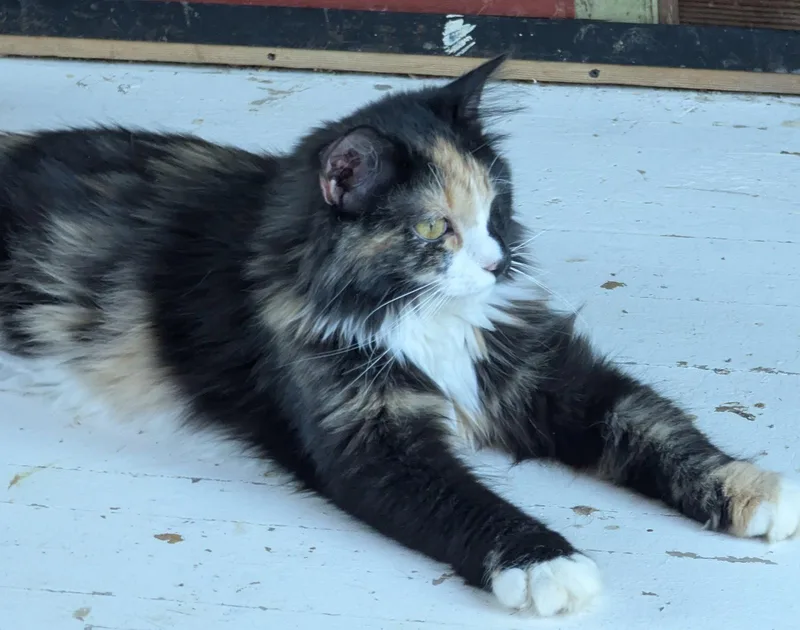
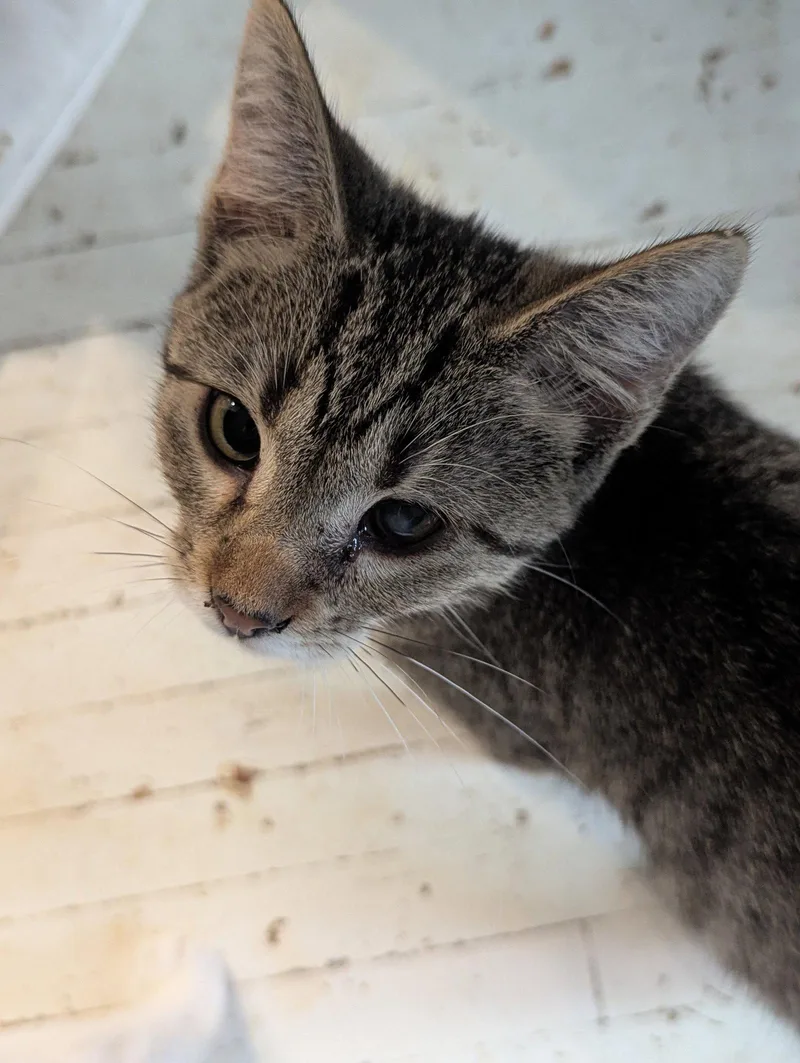
Tortoiseshell Cats for Adoption in Waterloo, IA

Your guide to finding and caring for a Tortoiseshell in Waterloo

A tortoiseshell cat fits easily into a downtown Waterloo apartment or an older house in Highland. Tortie is a coat pattern rather than a breed, so personalities run from shy to bold, and most are domestic shorthairs. Stairs and sunny front windows in older east-side homes make good cat routes and perches, and a downtown flat near the Cedar River works just as well if the cat has a tree to climb. Winters keep Waterloo cats indoors for months, so daily play matters.

982 Tortoiseshells available in Waterloo and nationwide

Your Tortoiseshell is waiting

While we don't have enough cats near Waterloo, keep in mind that many rescues may offer transport.

Tortoiseshells Available for Adoption Near Waterloo

About the Tortoiseshell breed

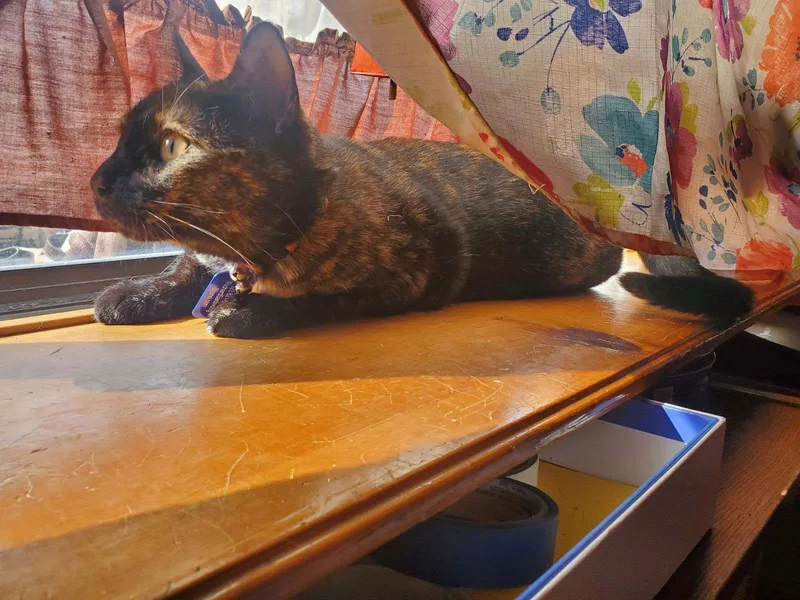
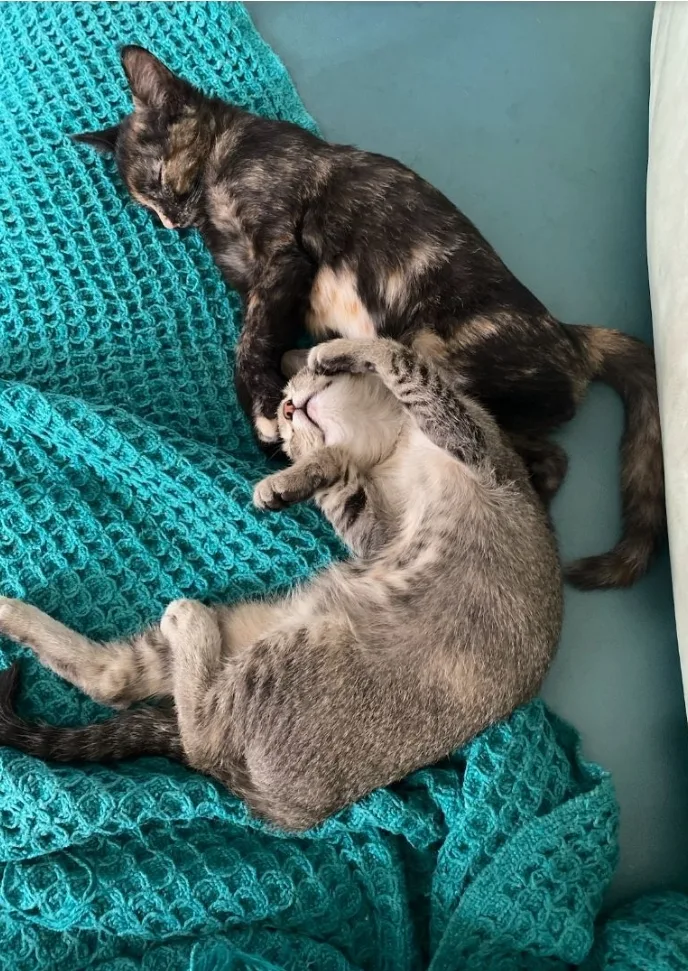
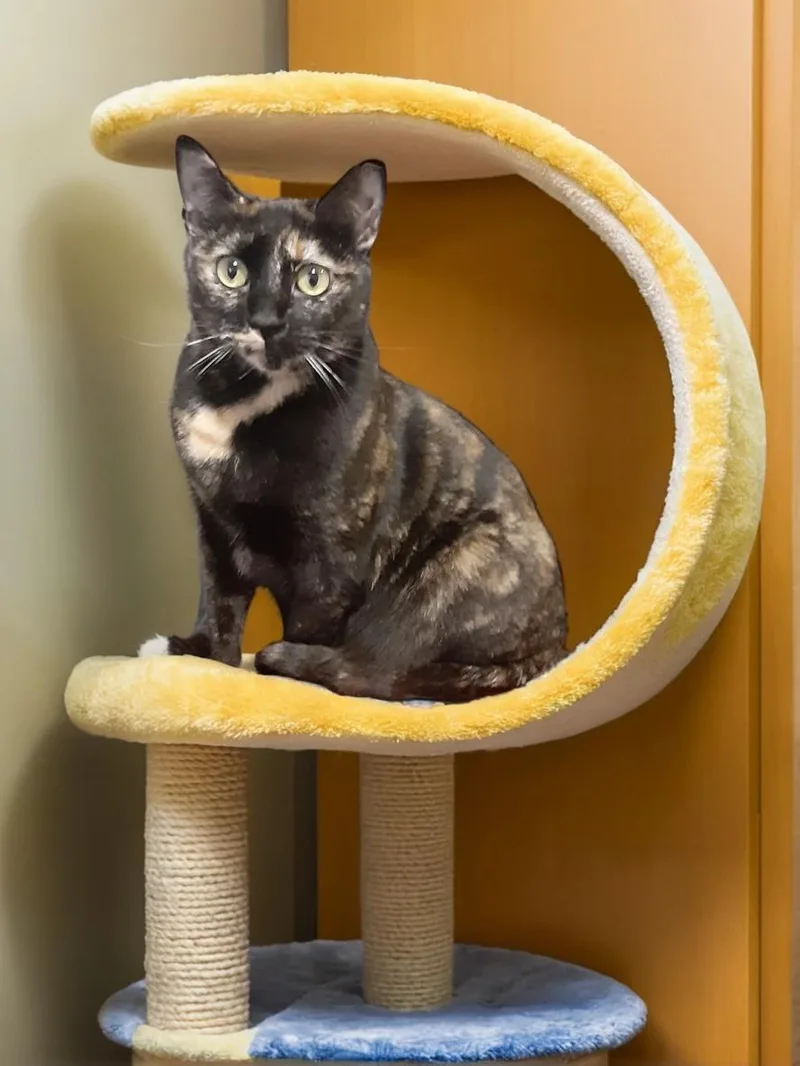
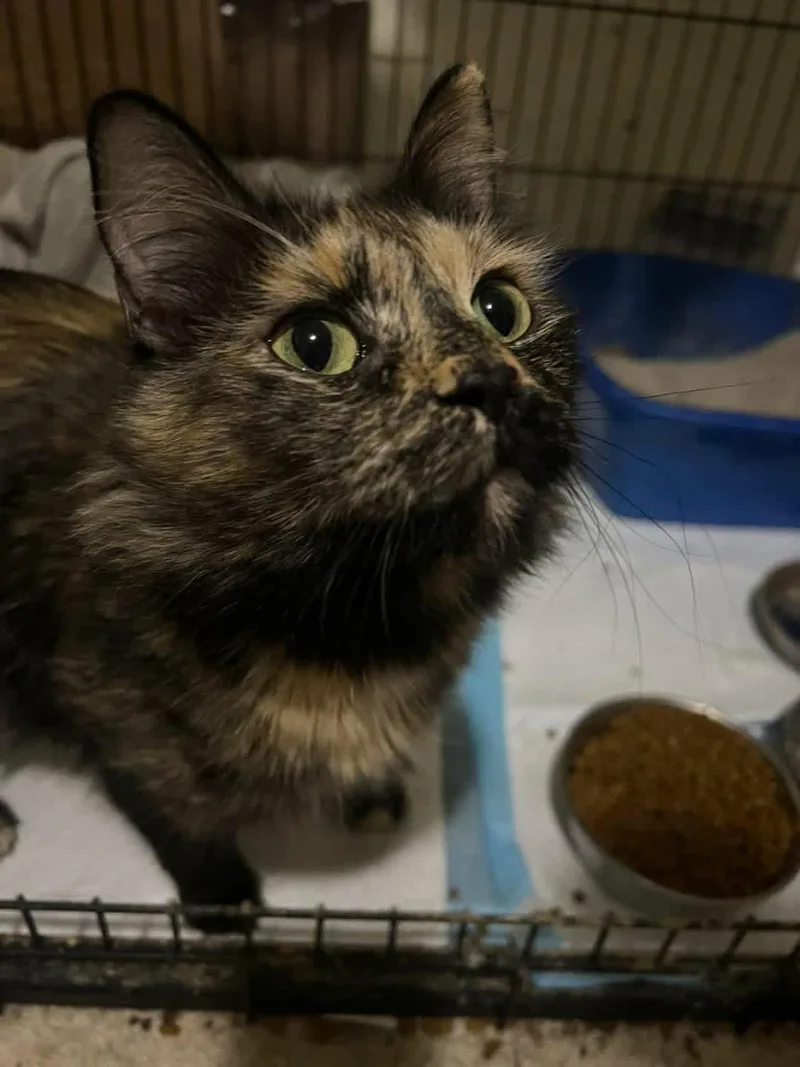
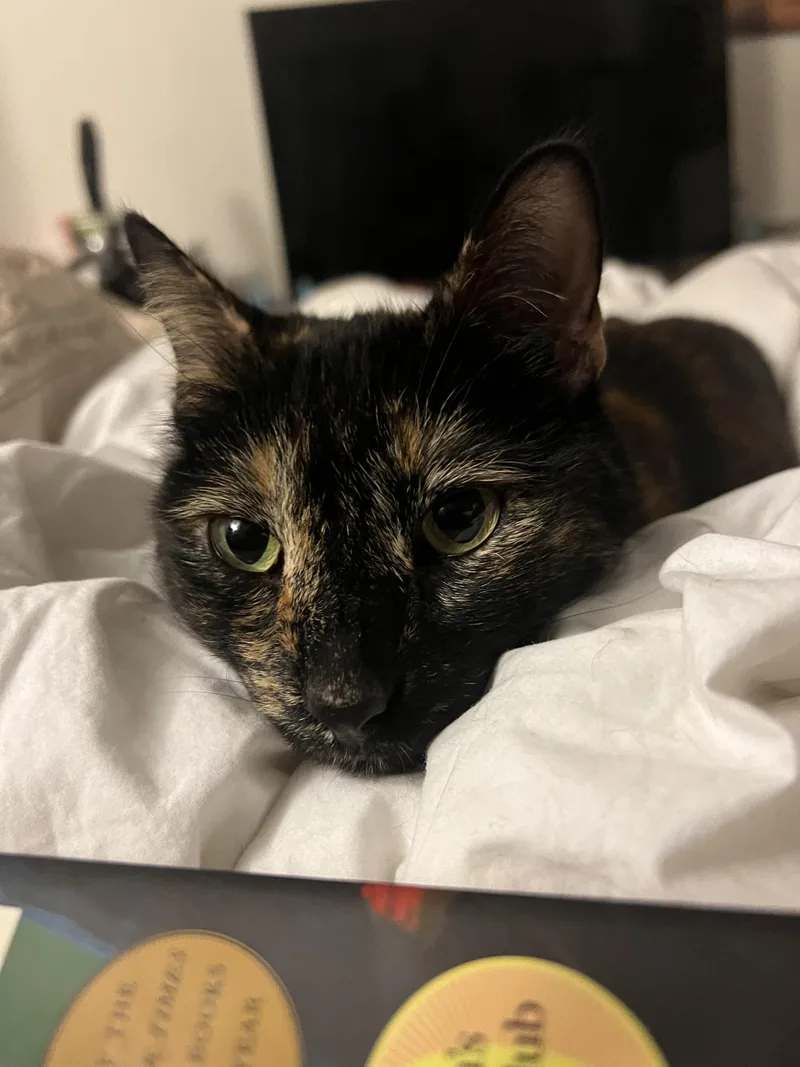
Tortoiseshell describes a coat, not a breed. The pattern mixes black-based and orange-based colors in patches or a fine blend, usually with little or no white, and nearly all torties are female. Dilute torties show soft gray and cream, and torbies add tabby stripes.

Most torties are domestic shorthairs or longhairs, though the pattern turns up in many breeds, so size and coat length vary. Adult weights typically run 6 to 14 pounds. The famous "tortitude" rests mostly on owner impressions, and a cat's age, history and socialization say far more about personality than color does. For Waterloo adopters, plan on daily play, scratching posts and weekly brushing.

Weight
6–14 lbs
Height
8–10 in
Lifespan
12–18 yrs
Temperament
Independent, Affectionate, Playful
Shedding
Moderate

Owning a Tortoiseshell in Waterloo

Having a Tortoiseshell in Waterloo

Because tortoiseshell is a coat rather than a breed, these cards describe what holds for most torties, typically domestic shorthairs of every personality. In Waterloo, long indoor winters and a mix of older houses and apartments shape daily life.

Temperament

Torties have a reputation for being spirited and opinionated, but that comes mostly from owner impressions. Real cats range from shy to bold and from cuddly to aloof. A confident tortie may enjoy a busy Waterloo household, while a quieter one may prefer calm. Notice how a cat reacts to handling and noise.

Exercise Needs

Plan on daily interactive play with wand toys, chase games and puzzle feeders. Long Waterloo winters mean most of it happens indoors, so rotate toys to keep things interesting. Young cats need more activity, while seniors prefer gentler sessions. Cat trees and window perches overlooking a snowy yard give indoor cats plenty to watch.

Health Considerations

The tortoiseshell pattern carries no particular health risks in females. The rare males usually have an extra X chromosome and are typically sterile. Otherwise, health depends on ancestry, age and care, so yearly vet exams, dental care and a healthy weight matter most. A vet can check teeth, weight and overall condition soon after adoption.

Living Space

Tortoiseshells do well in apartments and houses alike, because space needs follow the cat, not the coat. Whether it's a downtown flat or an older house with stairs, vertical space matters most: cat trees, shelves, window perches and a cozy hideaway. Quiet cats suit calm homes, while social torties often adapt to busy ones.

What it costs to own a Tortoiseshell in Waterloo

ExpenseTypical costPer year
Food$25 to $50 per month$300 to $600
Pet insurance$20 to $45 per month$240 to $540
Routine vet care$150 to $350 per year$150 to $350
Other*$467 to $1,167 per year$467 to $1,167
Estimated yearly total (after year one)$1,157 to $2,657

Other costs are estimates and vary with size, age and health.

* The $15 Waterloo cat license for a spayed or neutered cat plus the $2 online fee, litter, flea prevention, a dental cleaning allowance, toys and supplies, and home grooming.

Adopt a Tortoiseshell in Waterloo.

Now that you know more, let’s find you a new best friend. These rescues and shelters below currently have Tortoiseshells available.

Rescues in Waterloo with Tortoiseshells Available

Waterloo-area shelters and rescues care for cats of every color and coat, tortoiseshells included, and their listings change often. Here are the rescues & shelters in the Waterloo area where you can find Tortoiseshells and other cats available for adoption.

Frequently Asked Questions

A Tortoiseshell should ride MET buses only in a fully enclosed carrier. MET runs buses in Waterloo and Cedar Falls with no rail, and its rider guide bans uncaged animals other than trained service animals. Use a secure, ventilated carrier that stays on your lap or the floor, and check current MET rules before your first ride.

Yes, Tortoiseshells handle Waterloo winters well as indoor cats. About 58 days a year never climb above freezing, so plan on keeping the cat inside with a warm bed away from drafts. Add extra play sessions, puzzle feeders and a window perch to fill long snowbound days, since cats left outdoors risk frostbite.

Yes, you can get a Tortoiseshell in Waterloo, and no known breed rules apply to cats here. The city requires cats over six months old to be licensed and vaccinated against rabies, and a household may keep up to four cats. If you're new to town, license your cat within 30 days of moving in.

Yes, a Tortoiseshell can live happily in a Waterloo apartment, because cats need vertical space and daily play more than square footage. Rental pet terms vary by building, so get them in writing before you apply. Set up a cat tree, scratching posts and a window perch, and schedule play sessions to keep an indoor cat busy.

A Tortoiseshell suits Waterloo if you can offer indoor enrichment through the long winters. Tortoiseshell is a coat pattern, so personalities vary from shy to bold. Older houses with stairs and sunny windows and downtown apartments both work. Social cats fit busy households, while quieter cats do better in calm ones, so match the cat's behavior to your home.

Most Tortoiseshells need only a quick brush once or twice a week, and longer-coated cats need it more often. Shedding is moderate and usually picks up in spring as the weather warms. Professional grooming is rarely necessary, so home brushing keeps grooming a small part of the yearly costs listed above.

A tortoiseshell cat is a cat with a coat pattern of black-based and orange-based colors blended or patched together, usually with little or no white. It is not a breed; the pattern appears in many breeds and most often in domestic shorthairs. Nearly all tortoiseshells are female because the genes for orange and black are carried on the X chromosome.

Almost all tortoiseshell cats are female, but not all. A female has two X chromosomes and can carry both orange and black color genes, producing the mixed coat. Males normally have only one X. Rare male torties usually have an extra X chromosome or are genetic chimeras, and they are estimated at roughly 1 in 3,000 tortoiseshells.

We have 1 rescue with Tortoiseshells available: Cedar Valley Pit Bull Rescue. You can see every rescue with Tortoiseshells available in the list above these questions, or scroll to the top to see the Tortoiseshells near Waterloo.

Expect roughly $1,150 to $2,650 a year for a tortie in Waterloo. That covers food at $25 to $50 a month, insurance at $20 to $45 a month, routine vet care at $150 to $350 a year, and other costs of about $467 to $1,167 a year, including litter and the city license. Emergencies are extra.

Find Tortoiseshells in Nearby Cities

Expand your search to find Tortoiseshells available for adoption near Waterloo.

Explore Other Breeds in Waterloo

Looking for a different breed? Browse other cats available for adoption in Waterloo.