Tabby Cats for Adoption in Middletown, DE

Your guide to finding and caring for a Tabby in Middletown

Tabbies suit Middletown's mix of Westown apartments, townhouses and the older streets around Main Street. Tabby is a coat pattern rather than a breed, so these cats run from lap-hungry to shy window-watchers. Most settle in happily indoors, and a perch over a quiet street near downtown or by a Westown sliding door gives them plenty to watch. Winter nights here often dip below freezing, which makes a sunny windowsill a favorite. Meet a cat first and see how it handles your routine.

8536 Tabbies available in Middletown and nationwide

Find your Tabby

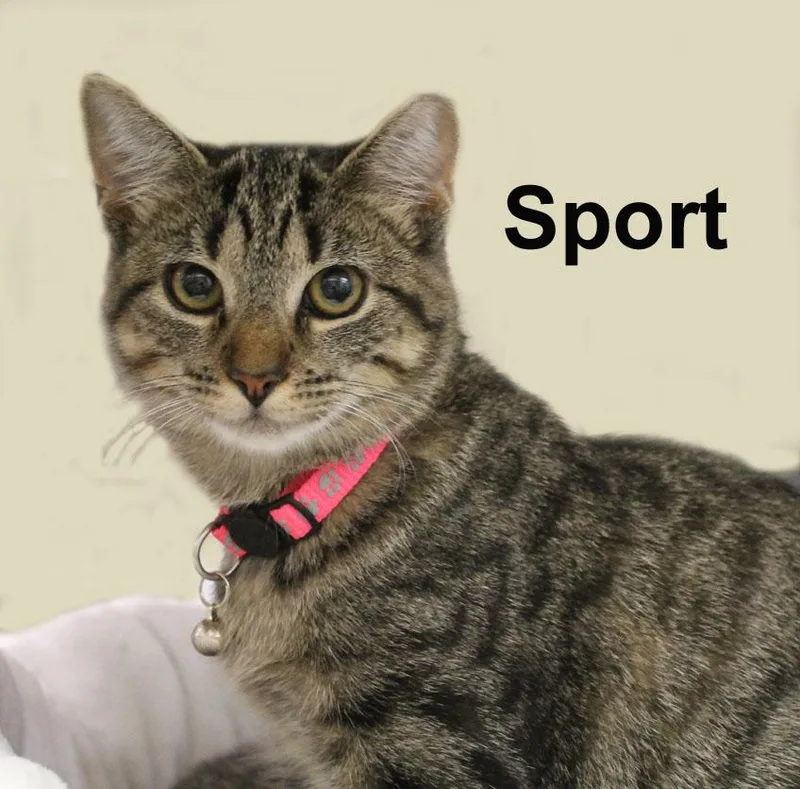
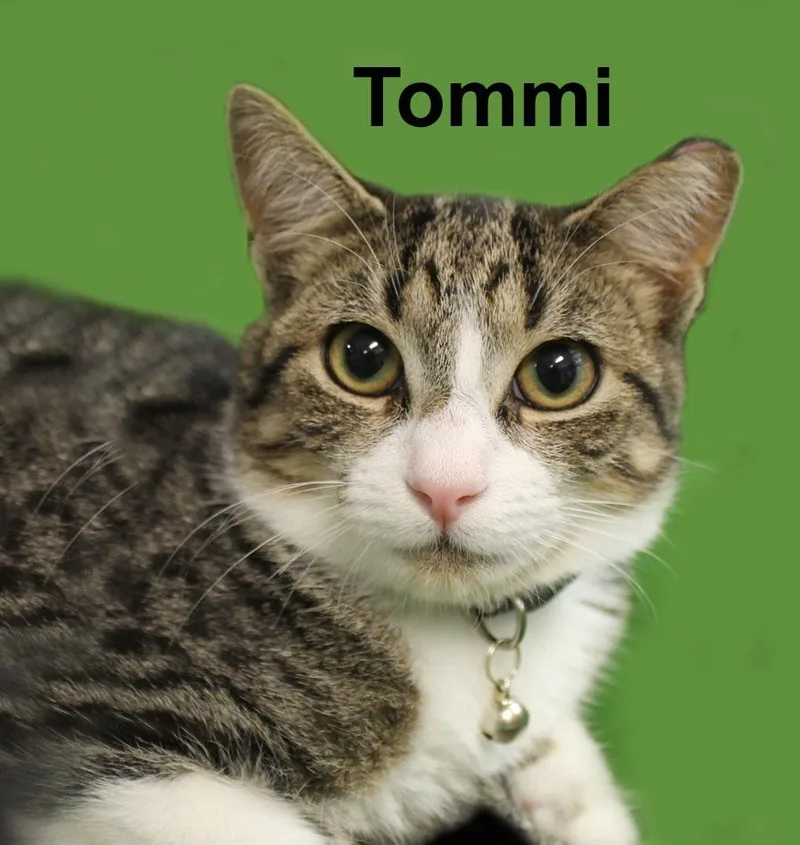
Tabbies Available for Adoption Near Middletown

About the Tabby breed

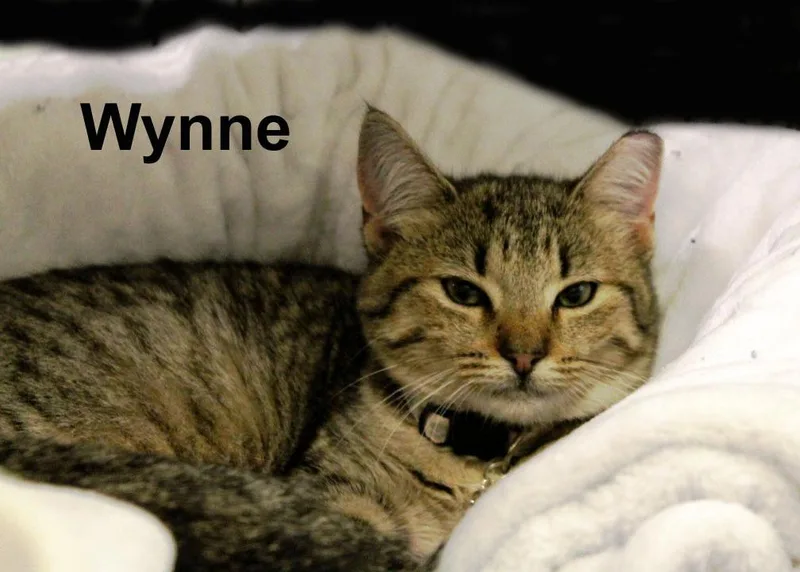
Tabby describes a coat pattern, not a breed. The M-shaped mark on the forehead, plus stripes, swirls, spots or ticked hairs, can appear on a domestic shorthair, a Maine Coon or an American Shorthair. Mackerel, classic, spotted and ticked are the main patterns, in colors from brown and orange to gray, silver and cream.

Most adoptable tabbies are medium-sized domestic shorthairs weighing roughly 6 to 14 pounds, and many live 12 to 18 years. Shedding is moderate year-round, so weekly brushing and a good vacuum keep floors manageable. Personality comes from each cat's genetics and history, not its stripes, so watch how a cat reacts to handling, noise and new spaces before you decide.

Weight
6–14 lbs
Height
8–10 in
Lifespan
12–18 yrs
Temperament
Curious, Adaptable, Affectionate
Shedding
Moderate

Owning a Tabby in Middletown

Having a Tabby in Middletown

Tabby cats share a coat pattern, not a personality, so energy, coat length and health vary from cat to cat. In Middletown, what matters most is how a cat handles indoor living, winter cold and busy event weekends.

Temperament

Tabbies can be outgoing, shy, talkative or aloof, and stripes don't predict which. The friendly reputation of orange tabbies partly reflects that most orange cats are male. A cat that stays calm around doorbells and footsteps suits townhouses and apartments with shared walls. Spend time with a cat before deciding.

Exercise Needs

Plan on daily play that mimics hunting: wand toys, pouncing and chasing, in several short sessions. Climbing trees, scratching posts and window perches add activity for indoor cats. Kittens and young adults need more, while seniors prefer gentler games. Rainy or icy days are easy to cover with indoor play and food puzzles.

Health Considerations

Coat pattern doesn't affect health. Common cat concerns include obesity, dental disease and urinary problems, plus kidney disease and hyperthyroidism in older cats. Ticks are active year-round in Delaware, so a veterinarian can advise on flea and tick prevention, even for mostly indoor cats. Annual wellness exams and a healthy weight go a long way.

Living Space

Tabbies generally adapt to apartments or houses when they have places to climb, scratch, hide and look outside. Middletown's townhouses and detached homes both work, and stairs and windowsills give extra climbing room. Put a litter box on each level, add a quiet retreat, and expect a long-haired tabby to need more grooming space.

What it costs to own a Tabby in Middletown

ExpenseTypical costPer year
Food$25 to $50 per month$300 to $600
Pet insurance$20 to $45 per month$240 to $540
Routine vet care$150 to $350 per year$150 to $350
Other*$450 to $1,150 per year$450 to $1,150
Estimated yearly total (after year one)$1,140 to $2,640

Other costs are estimates and vary with size, age and health.

* Litter, flea and tick prevention, a dental cleaning allowance, toys, scratchers and bedding, and occasional grooming.

Adopt a Tabby in Middletown.

Now that you know more, let’s find you a new best friend. These rescues and shelters below currently have Tabbies available.

Rescues in Middletown with Tabbies Available

Middletown has no town shelter, so adoptable cats come from nearby rescues and the state's shelter partner, Brandywine Valley SPCA. Here are the rescues & shelters in the Middletown area where you can find Tabbies and other cats available for adoption.

Frequently Asked Questions

Yes. Delaware bars towns from passing breed-based rules, and tabby is a coat pattern anyway, so no local rule singles tabbies out. Cats 6 months and older need a rabies vaccine from a veterinarian. Landlords and HOAs set their own pet policies, so confirm yours before adopting. Microchipping is optional but helpful if a cat gets out.

Yes, for tabbies kept indoors. Summers bring about a month of 90-degree days and winters have frequent freezing nights, but a climate-controlled home covers both. Offer warm bedding in winter, cool floors and fresh water in summer, and keep any outdoor time brief and supervised, ideally on a harness or in an enclosure.

Yes, most tabbies do well in apartments. Middletown's newer apartment communities sit along Middletown-Warwick Road in Westown, with older garden-style complexes near Main Street and Route 299. Confirm pet terms in your lease, then add a cat tree, window perch, scratching post and a litter box away from shared walls and noisy hallways.

Often, yes. Middletown is spread out and car-oriented, which suits a cat that needs no daily walks or park trips. A tabby can stay busy at home with play sessions morning and evening. Crowded weekends like the August Peach Festival can stress shy cats, so give them a quiet room and a hiding spot.

Most tabbies are shorthaired and need a weekly brushing, with extra sessions in spring and fall when shedding peaks. Long-haired tabbies need brushing several times a week to prevent mats. Add nail trims and occasional professional grooming if you choose it; that's covered in the yearly Other costs above, and most owners do the basics at home.

DART First State buses ask riders to leave pets at home, with guide dogs the exception, so plan on not bringing a tabby aboard. Middletown has no subway or passenger rail. For veterinary visits, a car and a sturdy, well-secured carrier are the easiest option, and a carrier that the cat is used to keeps trips calmer.

A tabby cat is any cat with a tabby coat pattern, meaning stripes, swirls, spots or ticked hairs plus a distinctive M-shaped marking on the forehead. Tabby is not a breed. The pattern appears in domestic shorthairs and longhairs as well as many pedigreed breeds, such as the American Shorthair, Maine Coon and Abyssinian, and it is one of the most common cat patterns.

A tabby cat isn't any one breed, because tabby is a coat pattern. Cats with the pattern include shelter domestic shorthairs and longhairs as well as breeds such as the American Shorthair, Maine Coon, Bengal and Abyssinian. Most tabbies available for adoption are mixed-breed domestic cats, so browse the cats listed here and look at each one's age and personality.

We have 1 rescue with Tabbies available: The Lone Ranger Cat Rescue. You can see every rescue with Tabbies available in the list above these questions, or scroll to the top to see the Tabbies near Middletown.

A tabby typically costs about $25 to $50 a month for food, $20 to $45 a month for optional pet insurance, $150 to $350 a year for routine vet care and $450 to $1,150 a year for other costs. That totals roughly $1,140 to $2,640 a year, before emergencies. Costs vary with the cat's size, age and coat.

Explore Other Breeds in Middletown

Looking for a different breed? Browse other cats available for adoption in Middletown.