Manx Cats for Adoption in Gunnison, CO

Your guide to finding and caring for a Manx in Gunnison

174 Manxes available in Gunnison and nationwide

Find your Manx

While we don't have enough cats near Gunnison, keep in mind that many rescues may offer transport.

Manxes Available for Adoption Near Gunnison

About the Manx breed

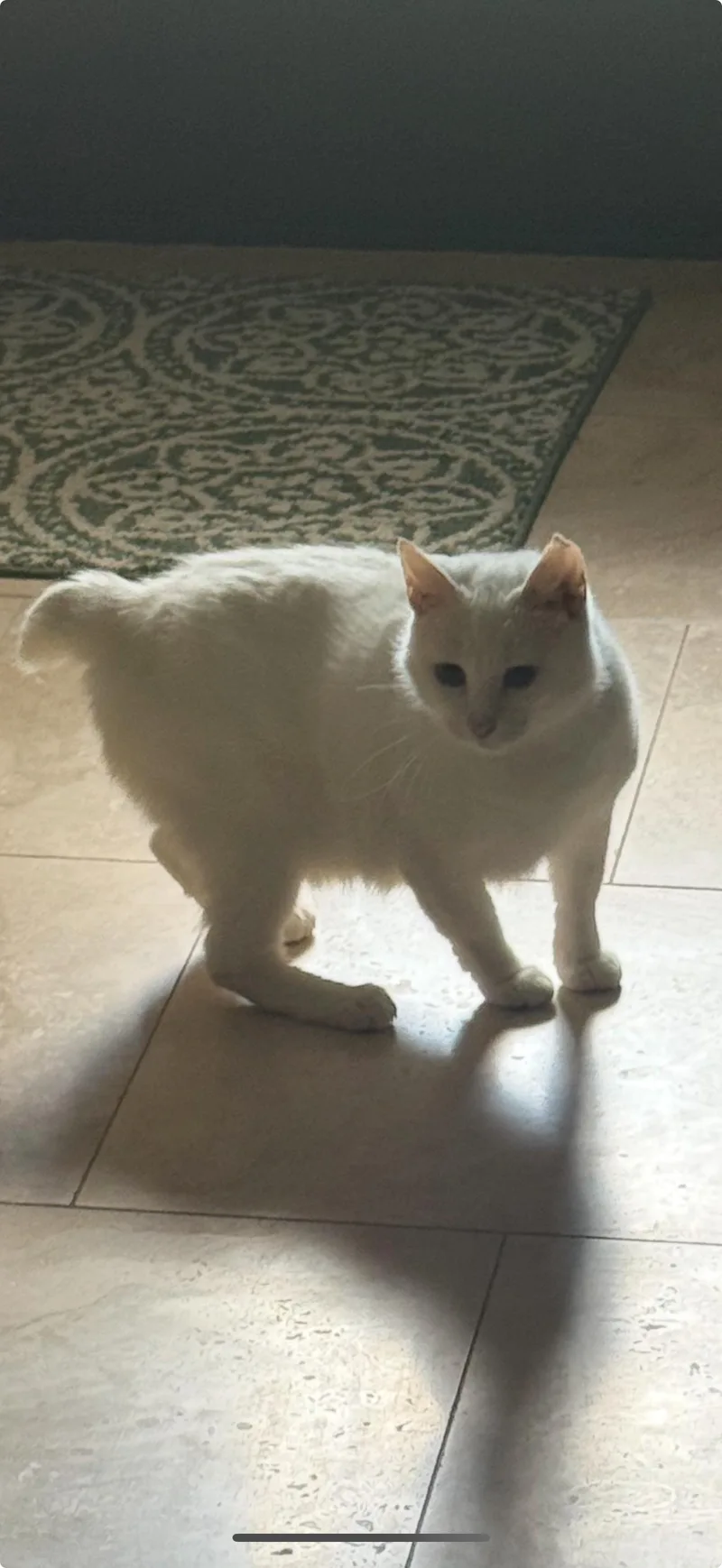
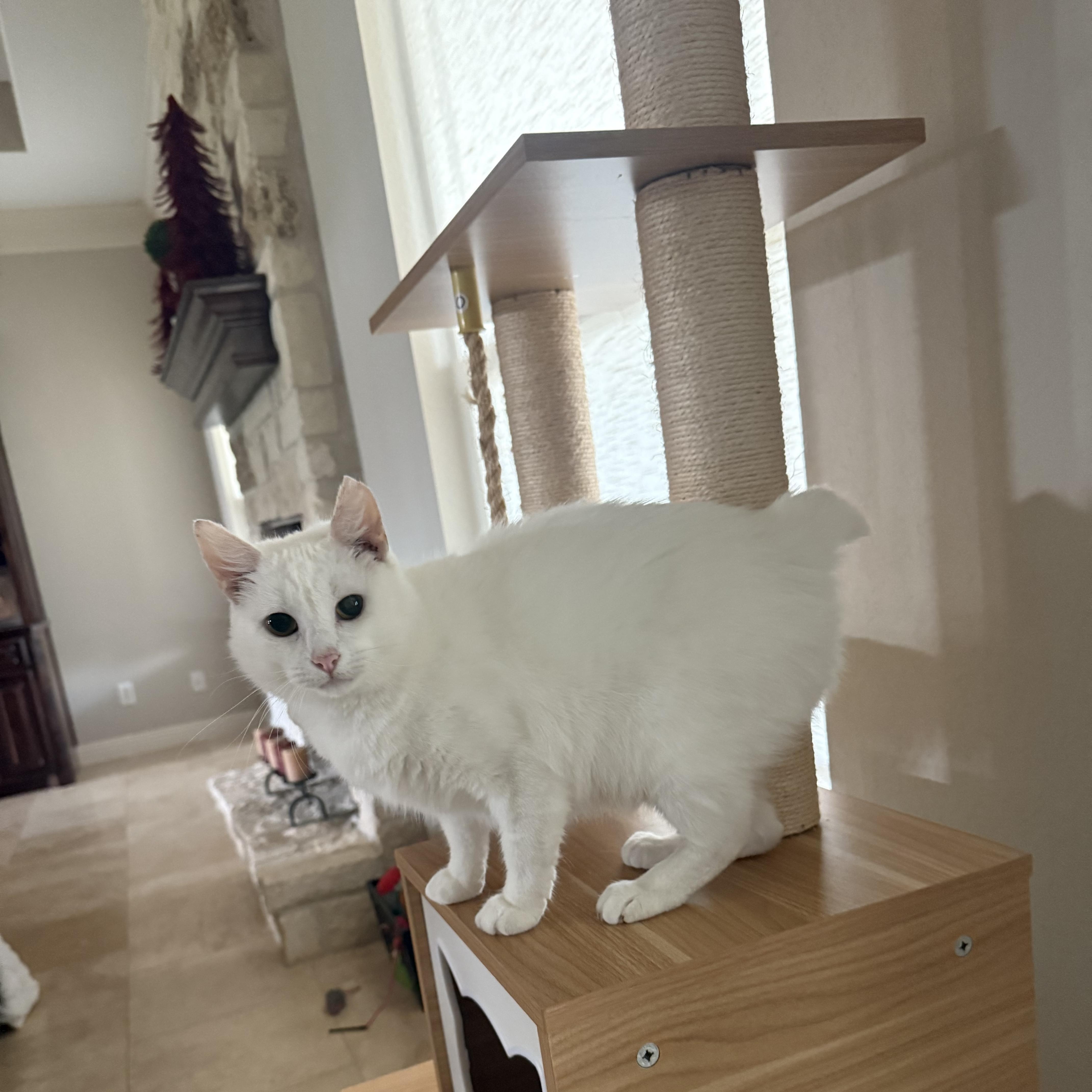
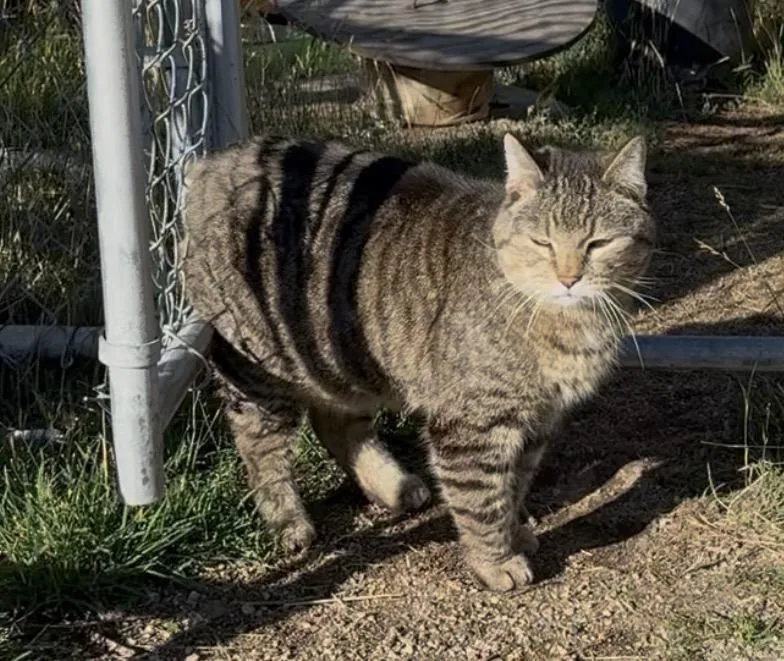
On the Isle of Man, in the Irish Sea between Britain and Ireland, a natural genetic mutation spread through the local cats and produced the Manx, one of the oldest recognized cat breeds. The breed is best known for having no tail or a short one, though tail length varies widely and some Manx have full tails. Manx cats are round and solidly built, with a short back, longer hind legs that give a rounded rump, and a thick double coat in many colors.

Many Manx are gentle, devoted and playful in bursts, and they are often called dog-like for following their people and fetching toys. They tend to communicate with soft trills rather than loud meows. Adopters should know the tailless gene can cause spinal, bowel and bladder problems, known as Manx syndrome, usually apparent in kittenhood, so a health history and veterinary check matter.

Weight
8–12 lbs
Height
8–10 in
Lifespan
10–14 yrs
Temperament
Playful, Devoted, Gentle
Shedding
Moderate

Owning a Manx in Gunnison

Having a Manx in Gunnison

A Manx stands out for its missing or shortened tail, rounded build and powerful hind legs, but its steady, people-oriented personality matters just as much. Understanding the tail gene's health effects and the breed's playful, dog-like habits helps adopters choose well.

Temperament

Manx cats are often calm, affectionate and loyal, bonding closely with their household and sometimes following one favorite person. Many are patient with respectful children and get along with calm dogs after gradual introductions. They may be wary of strangers at first. An adopted Manx's history and comfort level are the best guide to its personality.

Exercise Needs

Most Manx cats are moderately active, mixing relaxed stretches with bursts of energetic play. Their strong hind legs make them good jumpers and quick runners, so cat trees and shelves are appreciated. Many enjoy fetch, wand toys and food puzzles that engage their hunting instincts. Regular play also helps prevent weight gain in this solidly built breed.

Health Considerations

The dominant gene behind taillessness can cause Manx syndrome, which affects the spine, hind legs, bladder and bowel and usually shows before four months of age. Tailless cats are more likely to be affected. Stumpy tails can develop arthritis, and some Manx have constipation or megacolon. Review health records and keep regular veterinary checkups.

Living Space

A Manx can be comfortable in an apartment or house that offers sturdy climbing furniture, cozy resting spots and regular company. Indoor living keeps them safe from traffic and predators. Cats with mobility or continence issues from Manx syndrome may need low-sided litter boxes, ramps and easy-to-reach food and water.

What it costs to own a Manx

ExpenseTypical costPer year
Adoption fee$125, one time$125 in year one
Food$25 to $50 per month$300 to $600
Pet insurance$30 to $60 per month$360 to $720
Routine vet care$150 to $350 per year$150 to $350
Other*$450 to $1,150 per year$450 to $1,150
Estimated yearly total (after year one)$1,260 to $2,820
First-year total (with adoption fee)$1,385 to $2,945

Adoption fee is the fee on Manx listings in Gunnison on GetBuddy today. Other costs are national averages for Manxes; we don't have costs specific to Gunnison yet.

* Litter, parasite prevention, a dental cleaning allowance, toys and scratchers, and basic brushing supplies for the double coat.

Adopt a Manx in Gunnison.

Now that you know more, let’s find you a new best friend. These rescues and shelters below currently have Manxes available.

Rescues in Gunnison with Manxes Available

Here are the rescues & shelters in the Gunnison area where you can find Manxes and other cats available for adoption.

Frequently Asked Questions

A Manx is a medium-sized cat breed from the Isle of Man, best known for having no tail or a short tail due to a natural genetic mutation. Manx cats are round and sturdy, with longer hind legs, a thick double coat and a gentle, playful personality. Some Manx have full-length tails, since tail length varies even within litters.

Manx cats look round and compact, with a short back, a rounded rump and hind legs longer than the front legs, giving them a rabbit-like stance. They have round heads, big round eyes and a dense double coat in many colors. Most famously, they may be completely tailless, have a stub, or carry a short or full tail.

Manx cats are fairly uncommon compared with domestic shorthairs, but they are a long-established breed recognized by major cat registries. Purebred Manx appear in shelters only occasionally, though many tailless or short-tailed cats in shelters are mixes with Manx ancestry. Breed rescues and cat rescues sometimes have Manx available for adoption.

Yes, Manx cats come from the Isle of Man, a small island in the Irish Sea between Great Britain and Ireland. A tailless mutation appeared in the island's cat population and spread because of the limited gene pool. The cat is a national symbol there, and the CFA has registered the breed since 1906.

Manx cats don't have tails because of a natural dominant genetic mutation that shortens the spine. A cat needs only one copy of the gene to be affected, and the amount of tail that develops varies. Inheriting two copies is usually fatal before birth, which is why two tailless Manx are not paired for kittens.

Manx cats are special for their tailless or short-tailed look, rounded build and long hind legs that make them strong jumpers. Many are also affectionate, gentle and dog-like, following people and playing fetch. They are among the oldest show breeds, and their soft trills and chirps give them a distinctive way of communicating.

Manx cats are medium-sized but feel heavy for their size. Most adults weigh about 8 to 12 pounds, with males usually larger than females. Their compact, muscular bodies and rounded shape make them look sturdy. Manx are slow to mature and may not reach full size and muscle until three to five years old.

Yes, Manx cats can have tails. Because the gene causing taillessness varies in its effect, Manx kittens may be born with no tail, a small bump, a short stub or a nearly full tail, sometimes all in one litter. Tailed Manx, often called longies, are still Manx and share the breed's build and personality.

Manx cats eat the same diet as other domestic cats: a complete, balanced commercial cat food that meets AAFCO standards for their life stage. Because their sturdy build makes weight gain easy, measured meals two or three times a day work better than free feeding. Cats with Manx syndrome may need fiber or special diets under veterinary guidance.

We have 1 rescue with Manxes available: Gunnison Valley Animal Welfare League. You can see every rescue with Manxes available in the list above these questions, or scroll to the top to see the Manxes near Gunnison.

Find Manxes in Nearby Cities

Expand your search to find Manxes available for adoption near Gunnison.