Tortoiseshell Cats for Adoption in Santa Barbara, CA

Your guide to finding and caring for a Tortoiseshell in Santa Barbara

Tortoiseshell cats do well in Santa Barbara's Westside duplexes and Eastside apartments, as long as there's a sunny window. Tortoiseshell is a coat pattern, not a breed, so personalities run from shy to bold. Most settle in indoors with a perch above the street, whether that's a Lower Westside duplex or a Milpas apartment. A tortie that seems feistier than expected is usually just looking for play, so keep a wand toy by the window.

1039 Tortoiseshells available in Santa Barbara and nationwide

Your Tortoiseshell is waiting

While we don't have enough cats near Santa Barbara, keep in mind that many rescues may offer transport.

Tortoiseshells Available for Adoption Near Santa Barbara

About the Tortoiseshell breed

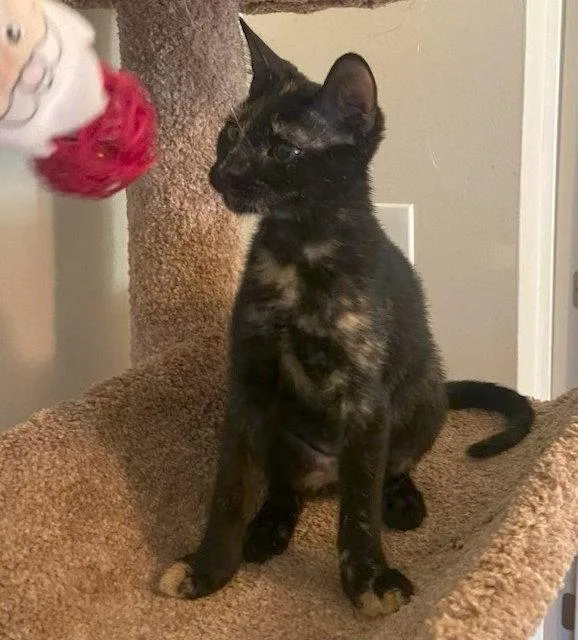
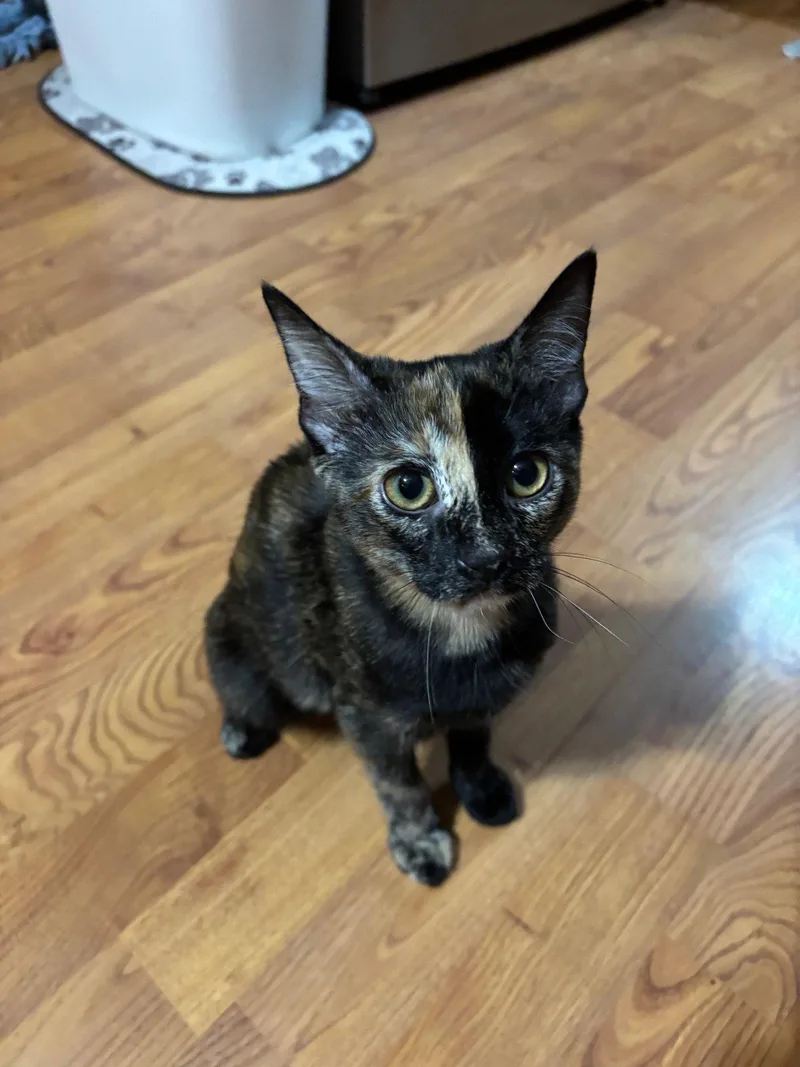
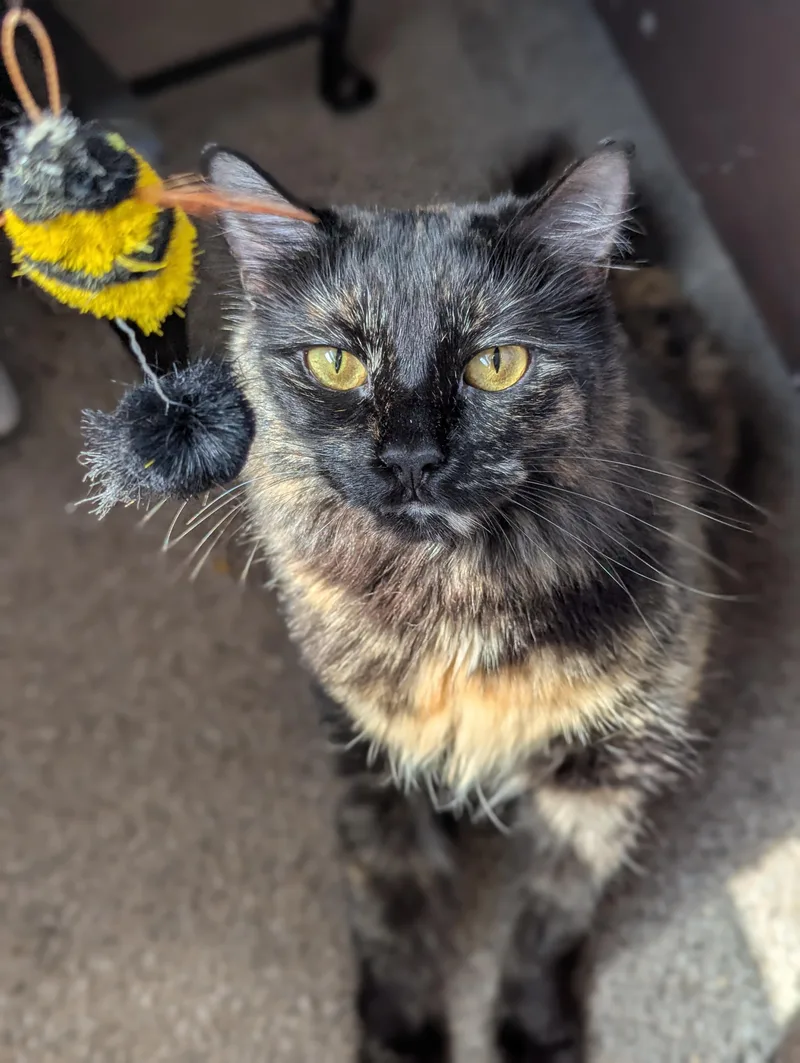
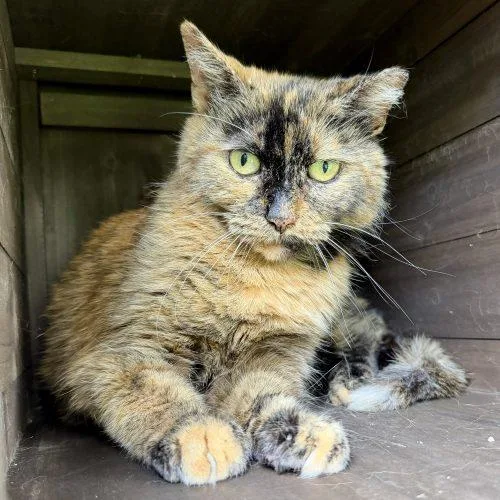
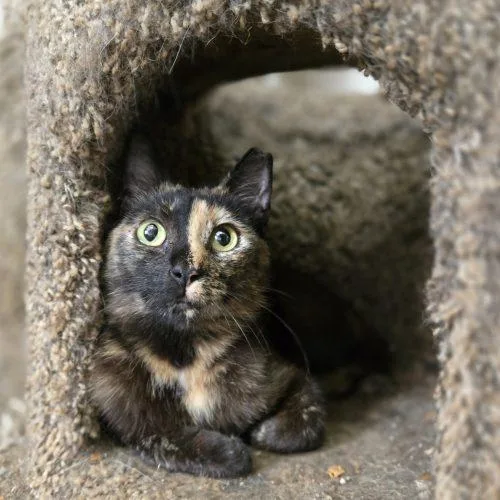
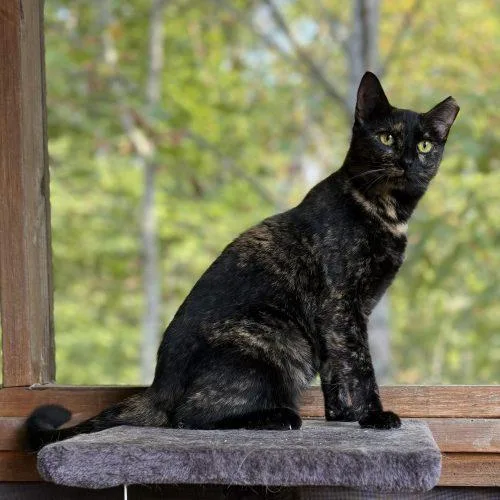
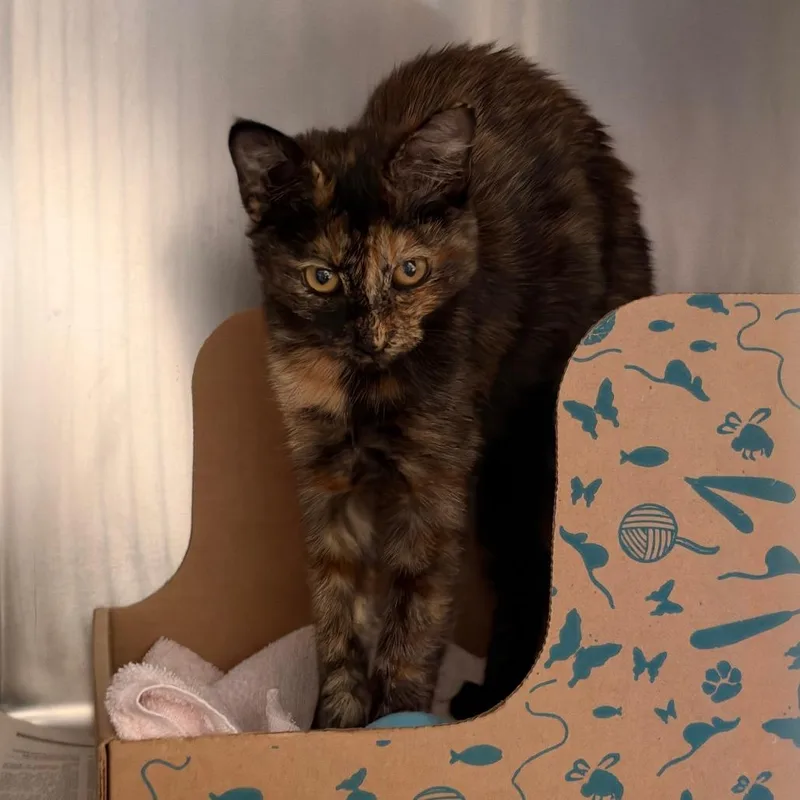
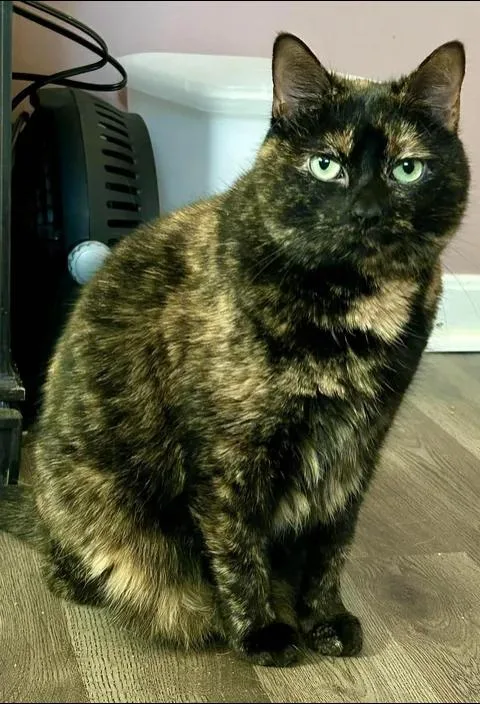
Tortoiseshell describes a coat, not a breed. A tortie's fur mixes black-based and orange-based colors in patches or a fine mottled blend, usually with little or no white; a cat with large white areas is called a calico. Dilute torties show soft gray and cream, and torbies add tabby stripes. Because the orange gene sits on the X chromosome, nearly all torties are female.

Most tortoiseshells you'll meet are domestic shorthairs, though the pattern shows up in many breeds. The reputation for "tortitude" is closer to folklore than proven fact. A cat's history, age and socialization say far more about personality than color does, so expect a range from shy to bold. Shedding is moderate, which in Santa Barbara's mild, dry climate usually means a weekly brushing and a lint roller near the sofa.

Weight
6–14 lbs
Height
8–10 in
Lifespan
12–18 yrs
Temperament
Independent, Affectionate, Playful
Shedding
Moderate

Owning a Tortoiseshell in Santa Barbara

Having a Tortoiseshell in Santa Barbara

Since tortoiseshell is a coat rather than a breed, these traits reflect typical domestic cats. In Santa Barbara, what matters most is indoor enrichment, apartment-friendly routines and being ready for wildfire season.

Temperament

Torties have a reputation for spirited, opinionated personalities, nicknamed tortitude, but the evidence is limited and rests largely on owner impressions. Each cat is different: some are shy, some bold, some cuddly. In a Santa Barbara apartment, a cat's comfort with street noise and visitors matters far more than its color.

Exercise Needs

Most tortoiseshell cats enjoy daily play with wand toys, chase games and puzzle feeders, with kittens needing more and seniors preferring gentler sessions. Santa Barbara's mild weather makes a sunny window perch a good spot for bird-watching, and a cat tree adds climbing room when the apartment is small.

Health Considerations

The tortoiseshell pattern itself carries no particular health risks in females, while the rare males usually have an extra X chromosome and may face added issues. Yearly checkups, dental care and a healthy weight matter most. Long dry seasons bring foxtails and grass seeds, so check ears, paws and eyes if a cat ever slips outside.

Living Space

Tortoiseshell cats fit apartments and houses equally well, since space needs depend on the cat rather than the coat. In a rental, vertical space helps: a cat tree, window perch and scratching post make a one-bedroom feel bigger. Quieter cats suit calmer buildings, while social torties often adapt to busy ones.

What it costs to own a Tortoiseshell in Santa Barbara

ExpenseTypical costPer year
Food$25 to $50 per month$300 to $600
Pet insurance$20 to $45 per month$240 to $540
Routine vet care$150 to $350 per year$150 to $350
Other*$450 to $1,150 per year$450 to $1,150
Estimated yearly total (after year one)$1,140 to $2,640

Other costs are estimates and vary with size, age and health.

* Litter, flea prevention, a dental cleaning allowance, toys and supplies, and home grooming.

Adopt a Tortoiseshell in Santa Barbara.

Now that you know more, let’s find you a new best friend. These rescues and shelters below currently have Tortoiseshells available.

Rescues in Santa Barbara with Tortoiseshells Available

Santa Barbara's shelters and rescues sit mostly along Overpass Road near Goleta, and their listings change often. Here are the rescues & shelters in the Santa Barbara area where you can find Tortoiseshells and other cats available for adoption.

Frequently Asked Questions

Yes, for many households. A tortoiseshell is a coat pattern, not a breed, so fit depends on the cat's age and personality. Santa Barbara's mild weather suits indoor cats, and a sunny window perch goes a long way. The main local task is wildfire readiness: keep a carrier, current ID and a go-bag ready in case of evacuation.

Yes. Most tortoiseshell cats adapt well to apartments when they get daily play, a scratching post and vertical space. Westside and Eastside buildings mix duplexes and apartments, and a window perch above the street gives a cat plenty to watch. Before applying, read the lease for pet rules, since landlords set their own pet fees.

Yes. No breed or color rules are known for cats in Santa Barbara, so a tortie is as simple to own as any cat. Unaltered cats over four months need a City cat license. Watch the listings on this page for tortoiseshells, since availability changes often, or save a search to hear about new ones.

Yes, it's one of the easiest climates for cats. Highs stay in the 60s and 70s year-round, and downtown sees only about five days a year at 90°F or above, most often in October. Offshore sundowner winds can bring hot, dry spells and smoke, so keep fresh water out and an indoor space ready.

Most tortoiseshell cats need little grooming: a weekly brushing for a shorthair and more often for long hair, since shedding is moderate. Santa Barbara's mild, dry climate doesn't change that. Check any cat that goes outside for foxtails and grass seeds in the coat, ears and paws. Home brushing falls under the yearly Other costs.

Yes, in a carrier. Santa Barbara MTD buses allow small pets in approved carriers only, so a cat in a secure carrier can ride, while service animals may sit on the floor or lap. Amtrak's Pacific Surfliner also allows cats up to 20 pounds including the carrier, though pet spots per train are limited.

A tortoiseshell cat is a cat with a coat pattern of black-based and orange-based colors blended or patched together, usually with little or no white. It is not a breed; the pattern appears in many breeds and most often in domestic shorthairs. Nearly all tortoiseshells are female because the genes for orange and black are carried on the X chromosome.

Almost all tortoiseshell cats are female, but not all. A female has two X chromosomes and can carry both orange and black color genes, producing the mixed coat. Males normally have only one X. Rare male torties usually have an extra X chromosome or are genetic chimeras, and they are estimated at roughly 1 in 3,000 tortoiseshells.

We have 1 rescue with Tortoiseshells available: RESQCATS. You can see every rescue with Tortoiseshells available in the list above these questions, or scroll to the top to see the Tortoiseshells near Santa Barbara.

Expect roughly $1,140 to $2,640 a year for a tortoiseshell cat. Food runs $25 to $50 a month, insurance $20 to $45 a month, routine vet care $150 to $350 a year, and other costs such as litter, prevention and dental care $450 to $1,150 a year. Adoption fees appear on each listing.