Dilute Tortoiseshell Cats for Adoption in San Francisco, CA

Your guide to finding and caring for a Dilute Tortoiseshell in SF

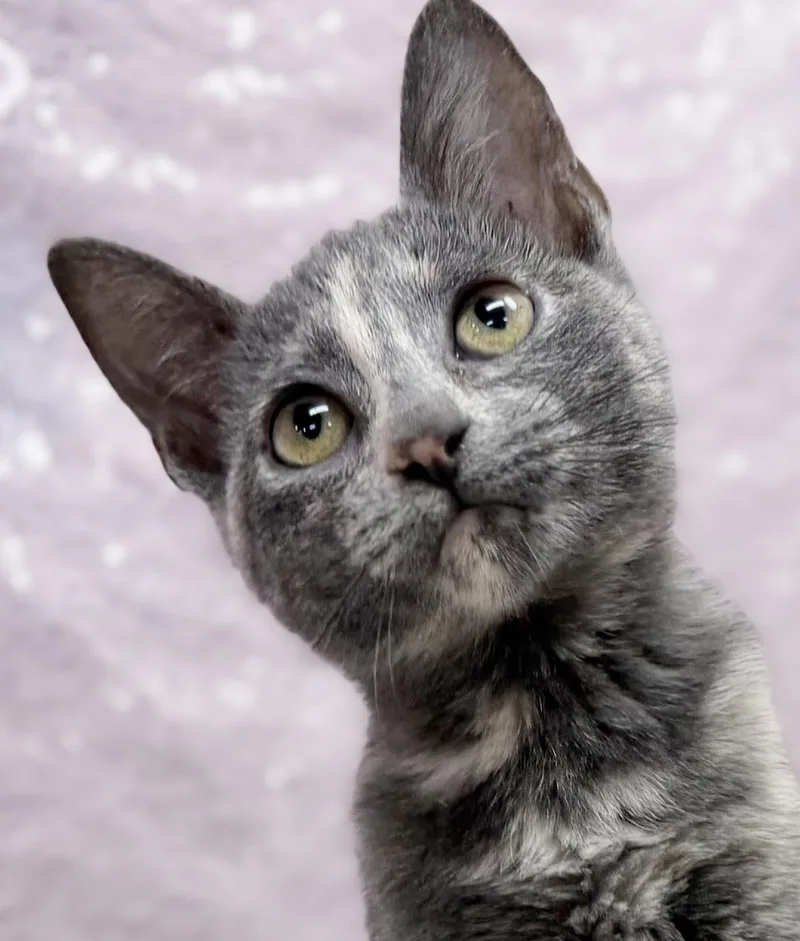
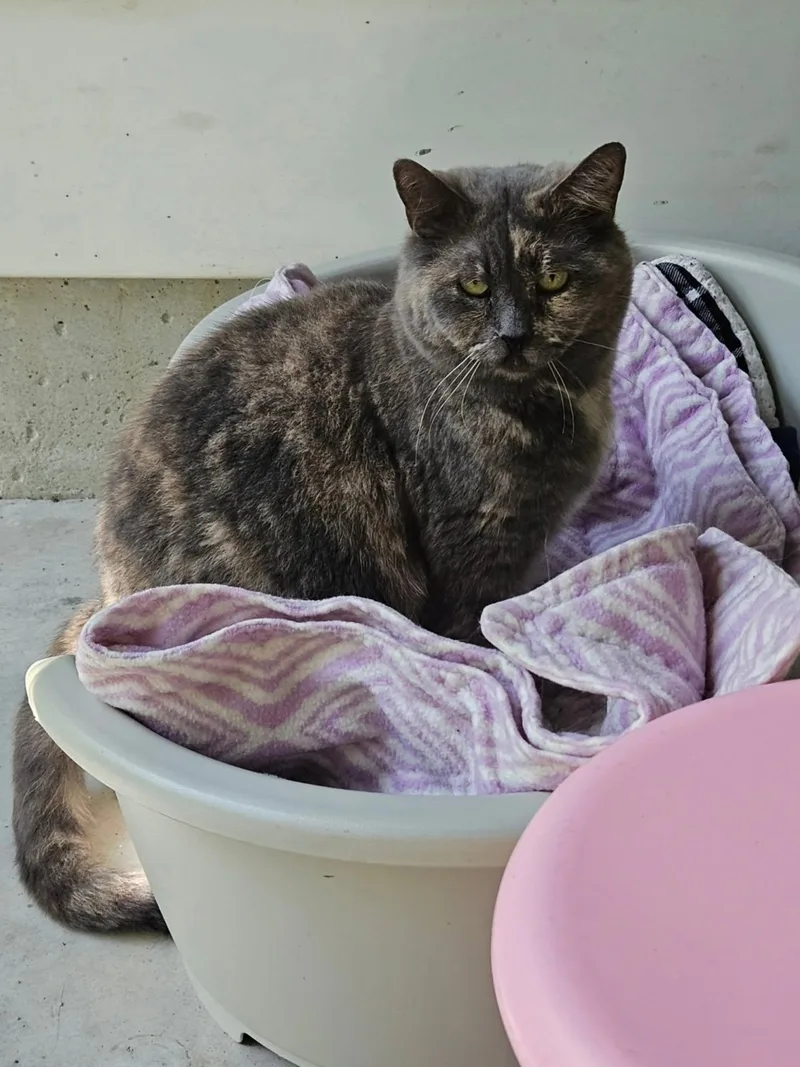
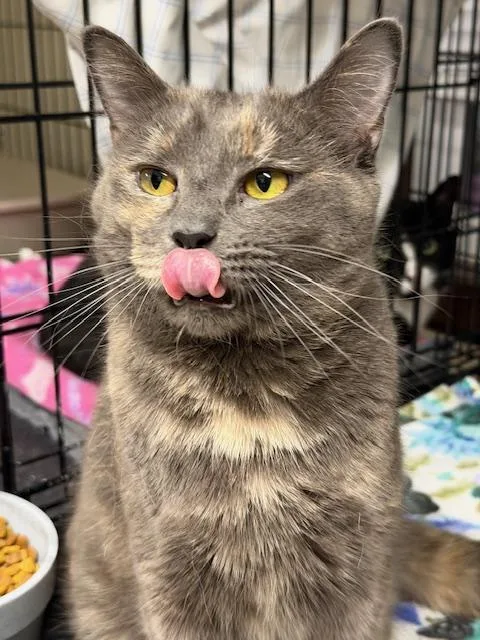
A dilute tortoiseshell fits easily into the Victorian flats of Haight-Ashbury and the row houses of Noe Valley. The blue-gray and cream coat isn't a breed, so these cats vary: some are lap sitters, others would rather watch from a high perch. Either kind does well indoors if there's a sunny bay window to claim and a tall cat tree to climb. Add a few play sessions a day, and a cool San Francisco afternoon becomes a good excuse for a long nap.

243 Dilute Tortoiseshells available in San Francisco and nationwide

Meet your next Dilute Tortie

Dilute Tortoiseshells Available for Adoption Near San Francisco

About the Dilute Tortoiseshell breed

Dilute tortoiseshell describes a coat, not a breed. Where a standard tortie mixes black and orange, a dilute tortie shows blue-gray and cream, in patches or a fine marbled blend. The pastel shades come from a recessive gene a cat has to inherit from both parents, and the patchwork depends on two X chromosomes, which is why nearly all dilute torties are female.

Most are domestic shorthairs or longhairs, though the coloring also turns up in Persians, British Shorthairs and Maine Coons. Coat color says nothing reliable about personality, despite the folklore of tortitude. Dilute torties can be shy, outgoing, cuddly or aloof, so spending time with a cat tells you far more than the color does. In SF, that matters most for apartment living: look for a cat whose energy and comfort with noise match your building.

Weight
6–14 lbs
Height
8–10 in
Lifespan
12–18 yrs
Temperament
Affectionate, Independent, Curious
Shedding
Moderate

Owning a Dilute Tortoiseshell in San Francisco

Having a Dilute Tortoiseshell in SF

Coat color doesn't predict how a cat behaves, so these cards describe what's typical for domestic cats with this coloring. In San Francisco, that mostly means an indoor cat who needs play, vertical space and a calm spot to retreat to.

Temperament

Dilute torties range from timid to confident and from lap cats to independent explorers. Neither the gentle-cat nor the tortitude reputation has solid evidence behind it. In a city apartment, a cat that's comfortable with street noise, neighbors and visitors tends to settle fastest, so watch how a cat reacts to new sounds and people when you meet.

Exercise Needs

Most dilute torties do well with two or three short play sessions a day using wand toys, balls or a puzzle feeder, with younger cats needing the most. In San Francisco, much of that exercise happens at home: a tall cat tree, a window perch and wall shelves give a small apartment plenty of room to climb.

Health Considerations

The dilute tortie coat carries no known health risk in female cats, while the rare males usually have an extra X chromosome and may face added concerns. Health depends mostly on ancestry, age and care, so yearly checkups, dental attention and a healthy weight matter. A veterinarian can check teeth and weight on a new cat's first visit.

Living Space

Dilute torties suit San Francisco's mix of flats, lofts and row houses, since a cat's needs depend on its personality more than its coat. Window perches, scratching posts and a hiding spot matter more than square footage. Long-haired cats also need a brushing routine, and keeping cats indoors guards against coyotes reported in several parts of the city.

What it costs to own a Dilute Tortoiseshell in San Francisco

ExpenseTypical costPer year
Adoption fee$150, one time$150 in year one
Food$25 to $50 per month$300 to $600
Pet insurance$20 to $45 per month$240 to $540
Routine vet care$150 to $350 per year$150 to $350
Other*$450 to $1,150 per year$450 to $1,150
Estimated yearly total (after year one)$1,140 to $2,640
First-year total (with adoption fee)$1,290 to $2,790

Adoption fee is the fee on Dilute Tortoiseshell listings in San Francisco on GetBuddy today. Other costs are estimates and vary with size, age and health.

* Litter, flea and parasite prevention, a dental cleaning allowance, toys and supplies, and occasional home grooming.

Adopt a Dilute Tortoiseshell in San Francisco.

Now that you know more, let’s find you a new best friend. These rescues and shelters below currently have Dilute Tortoiseshells available.

Frequently Asked Questions

Yes, a dilute tortie can live happily in a San Francisco apartment, because a cat's needs depend on its personality, age and health more than its coat. Provide a window perch, a tall cat tree, scratching posts and daily play sessions. Secure the screens on any open window, and look for a cat that stays calm around street noise and neighbors.

Often, yes, especially for people who want an indoor companion in a smaller home. Dilute torties range from cuddly to independent, so fit depends on the cat's temperament more than its color. Look for a cat whose energy matches your schedule, and plan on daily play and a quiet retreat. A cat who enjoys time alone suits long workdays better.

Yes, SF's mild climate suits indoor cats well. Summer highs stay in the mid-to-upper 60s, and a normal winter brings no freezing nights. The main cautions are rare warm spells, mostly in September and October, and occasional wildfire smoke. Provide shade and water on warm days, and keep cats indoors with windows closed when the air is smoky.

Yes, with limits. Muni, including the Market Street subway, allows pets only outside weekday 5–9 a.m. and 3–7 p.m., one pet per vehicle, and a cat must ride in a small closed container on your lap or under the seat. You pay a pet fare equal to your own. BART requires an enclosed carrier.

Yes. San Francisco doesn't ban any breed, and dilute tortoiseshell is a coat pattern, so no rule targets it. The city's leash rule exempts domestic cats, and state law bars pet stores from selling them, so adoption is the way to go. Renters should read their lease's pet terms first, since landlords set their own policies.

Grooming depends on coat length, not color. Short-haired dilute torties need a weekly brush, while long-haired ones do better with brushing several times a week to prevent mats. Cool, damp weather doesn't change the routine, and most cats groom themselves. Home brushing and nail trims fit within the Other costs in the cost table.

A tortoiseshell cat is a cat with a coat pattern, not a breed, that mixes black-based and orange-based colors in patches or a mottled blend with little or no white. The dilute version shows blue-gray and cream instead. The pattern appears in domestic shorthairs and many purebreds, and because of its genetics nearly all tortoiseshells are female.

Almost all tortoiseshell cats are female, but not every single one. The orange and black color genes sit on the X chromosome, and a cat needs two X chromosomes to show both colors together. Females have two, so they can be torties. A tortoiseshell male is possible only through rare genetic exceptions, such as carrying an extra X chromosome.

We have 1 rescue with Dilute Tortoiseshells available: Give Me Shelter Cat Rescue. You can see every rescue with Dilute Tortoiseshells available in the list above these questions, or scroll to the top to see the Dilute Tortoiseshells near San Francisco.

A dilute tortie typically costs about $25–$50 a month for food and $20–$45 for pet insurance, plus $150–$350 a year for routine vet care and $450–$1,150 for everything else. That works out to roughly $1,140–$2,640 a year, before any emergency or illness care.