Torbie Cats for Adoption in Tuscaloosa, AL

Your guide to finding and caring for a Torbie in Tuscaloosa

A torbie fits Tuscaloosa best as an indoor cat with a good window to watch from. Torbie is a coat pattern, so these cats range from shy to outgoing. Near campus, in the University Area's older houses and newer apartment buildings, a cat tree by the window gives a curious cat plenty to look at. Out toward Skyland or Pinehurst, the same setup works. Summers here are long and hot, which is one more reason to keep a cat inside.

329 Torbies available in Tuscaloosa and nationwide

Fall for a Torbie

While we don't have enough cats near Tuscaloosa, keep in mind that many rescues may offer transport.

Torbies Available for Adoption Near Tuscaloosa

About the Torbie breed

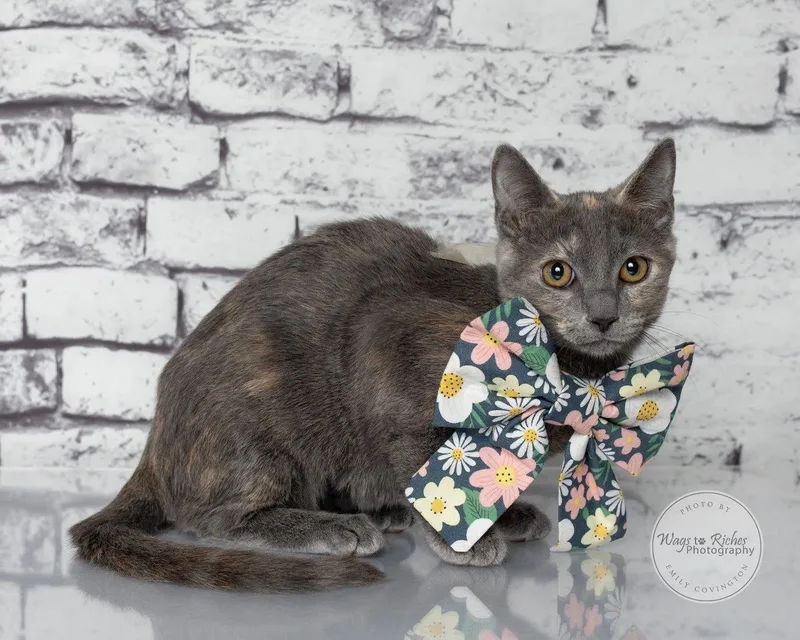
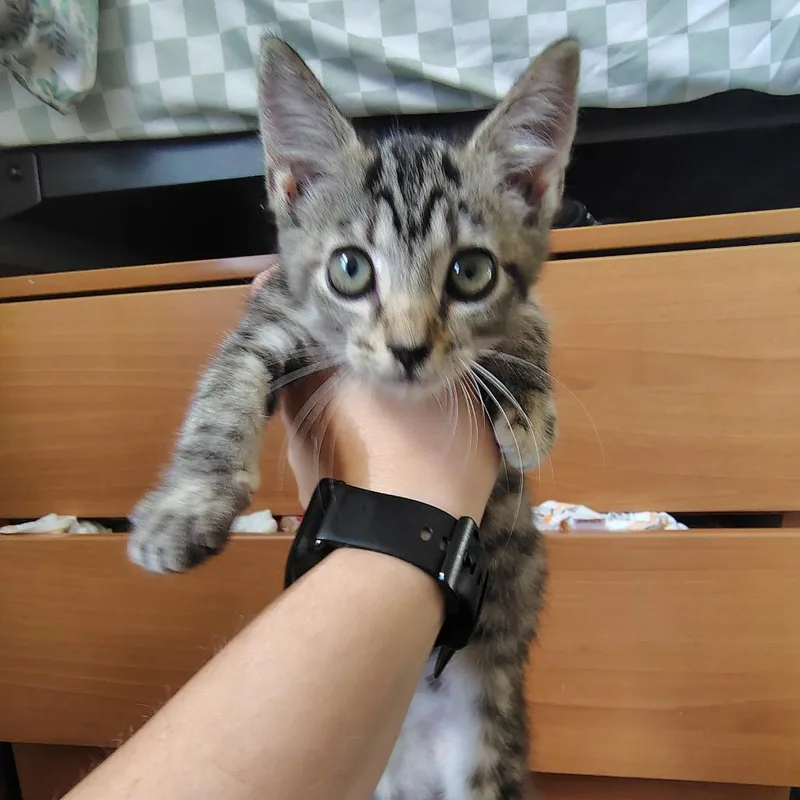
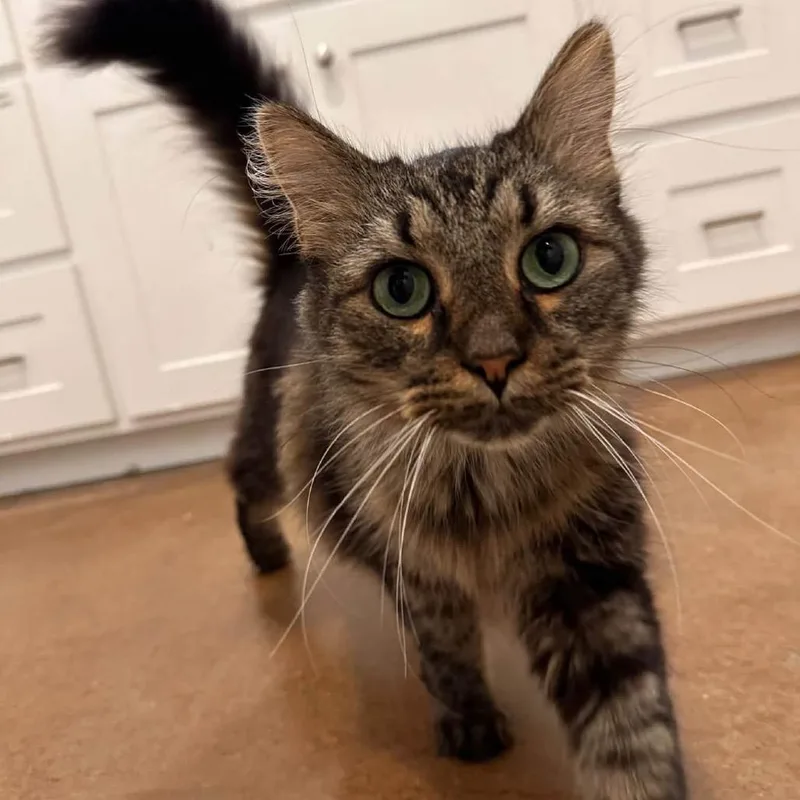
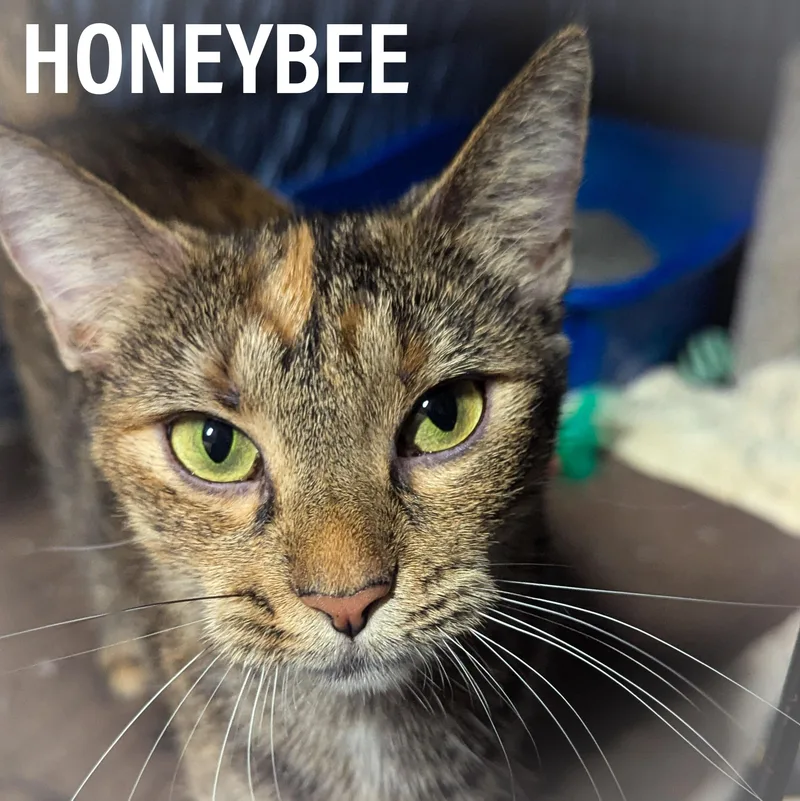
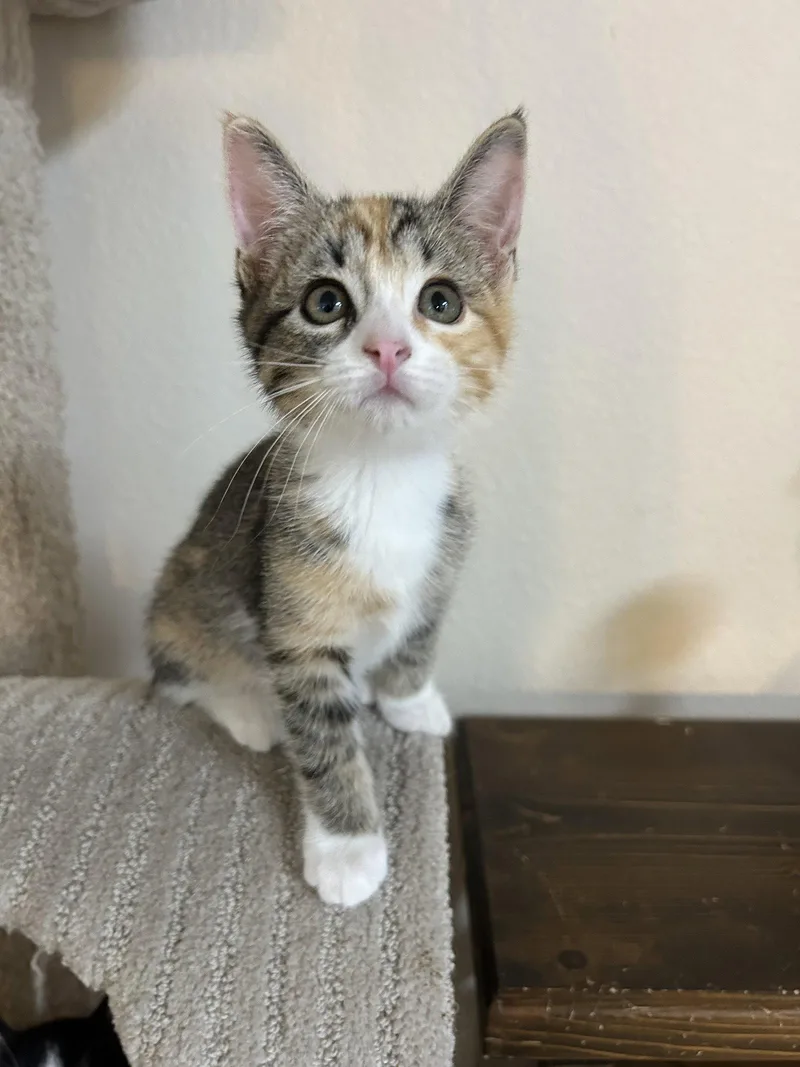
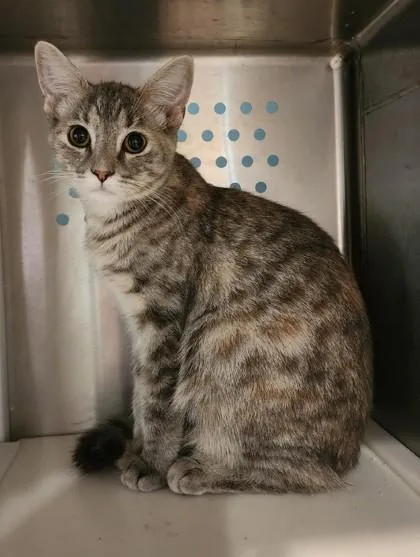
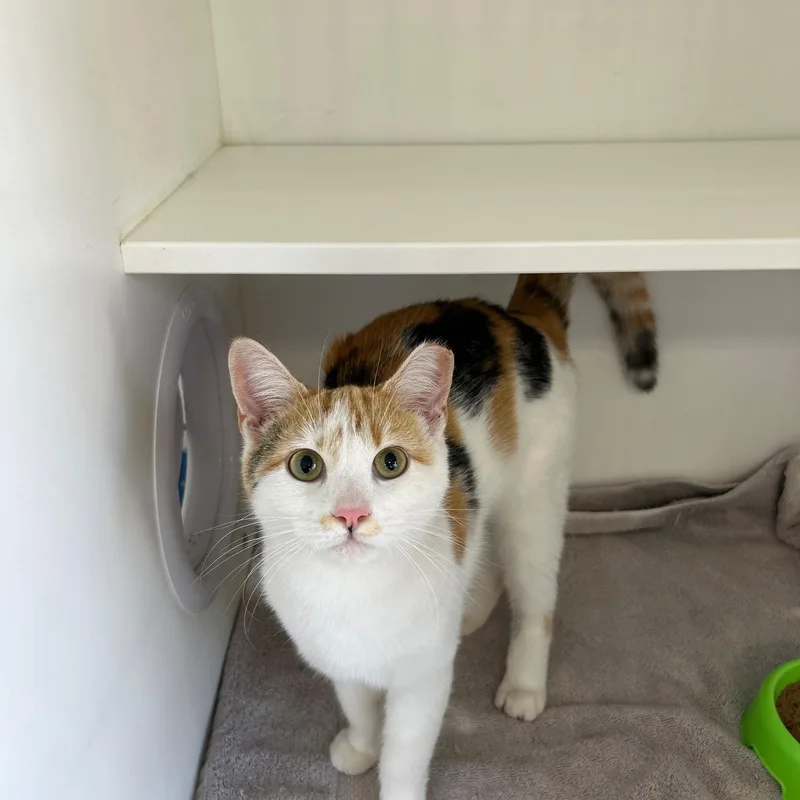
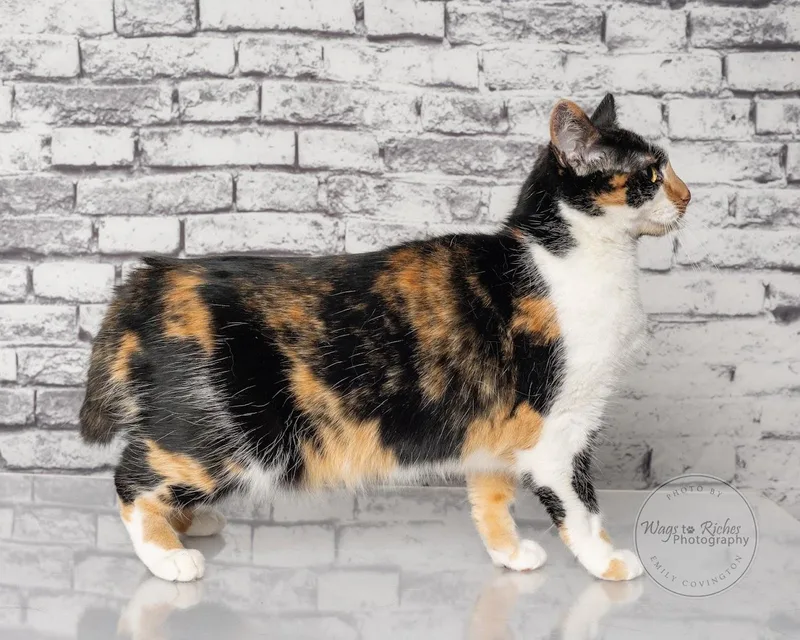
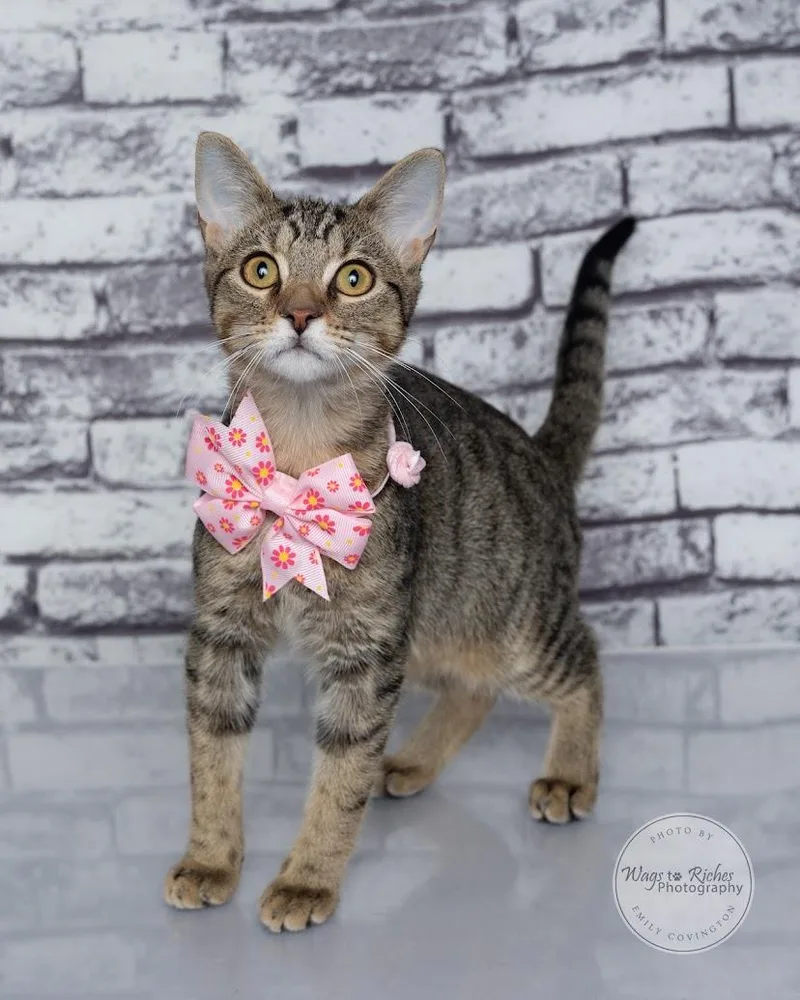
Torbie isn't a breed but a coat pattern, a blend of tortoiseshell and tabby. A torbie has patches of black-based and orange-based color with tabby stripes, swirls or spots running through them, and many wear the tabby M on the forehead. Some are brown, some dilute blue-and-cream, some silver, and a torbie with a lot of white is sometimes called a caliby.

Most torbies in Tuscaloosa homes are domestic shorthairs or longhairs, medium cats of about 6 to 14 pounds that often live 12 to 18 years. Shedding is moderate, so a weekly brushing helps keep hair off the sofa. Torbies have a reputation for spunk, but coat color doesn't predict personality, so spend time with a cat before deciding.

Weight
6–14 lbs
Height
8–10 in
Lifespan
12–18 yrs
Temperament
Playful, Affectionate, Curious
Shedding
Moderate

Owning a Torbie in Tuscaloosa

Having a Torbie in Tuscaloosa

Torbie describes a coat, not a breed, so these cards cover what's generally true of domestic cats with the pattern, plus what it means in Tuscaloosa. A cat's age, history and health shape daily life far more than color does.

Temperament

Torbies are often called playful, affectionate and curious, but that comes from owner stories rather than research. Shy, reserved torbies and outgoing, cuddly ones are equally possible. In a Tuscaloosa apartment, a curious cat usually enjoys window perches and a view of the street, while a shy cat settles best with a quiet room to start.
Exercise Needs

Plan on daily interactive play: wand toys, chase games, puzzle feeders and a tall cat tree. Young torbies may want several short sessions a day, older cats fewer and gentler ones. Because Tuscaloosa summers are hot and humid, indoor play is the easiest way to keep a cat fit year-round, ideally in the cooler morning or evening hours.

Health Considerations

The torbie pattern carries no known health risks for female cats, so care follows the basics: yearly exams, dental care, a healthy weight and vaccines. Alabama law requires rabies vaccination by three months of age, then on the schedule a veterinarian sets. A vet can also check a newly adopted cat for fleas, which do well in warm, humid climates.

Living Space

Torbies adapt to apartments and houses alike. Tuscaloosa has plenty of both, and in either one scratching posts, window perches and hiding spots matter more than square footage. Confident, social cats handle busy student-area buildings well, while shy ones tend to do better in a quieter complex or a calmer house.

What it costs to own a Torbie in Tuscaloosa

ExpenseTypical costPer year
Food$25 to $50 per month$300 to $600
Pet insurance$20 to $45 per month$240 to $540
Routine vet care$150 to $350 per year$150 to $350
Other*$450 to $1,150 per year$450 to $1,150
Estimated yearly total (after year one)$1,140 to $2,640

Other costs are estimates and vary with size, age and health.

* Litter, flea and tick prevention, dental cleanings, toys and supplies, and home grooming tools.

Adopt a Torbie in Tuscaloosa.

Now that you know more, let’s find you a new best friend. These rescues and shelters below currently have Torbies available.

Rescues in Tuscaloosa with Torbies Available

Tuscaloosa's rescue community includes a metro animal shelter and a volunteer-run humane society serving West Alabama. Here are the rescues & shelters in the Tuscaloosa area where you can find Torbies and other cats available for adoption.

Frequently Asked Questions

Yes, you can own a torbie in Tuscaloosa. Torbie is a coat pattern, and no known city rule restricts cats by pattern or breed. The city generally limits households to three cats, and Alabama requires rabies vaccination by three months of age. If you rent, confirm your lease's pet terms before you adopt.

Yes, a torbie can live happily in a Tuscaloosa apartment. Cats adapt to indoor life when they have scratching posts, window perches, hiding spots and daily play. Many local rentals charge pet fees or pet rent, so budget for them. Shy torbies may prefer a quieter building away from game-day traffic.

A torbie can be a good fit for Tuscaloosa if you can offer an indoor home, daily play and some time at home. Torbies vary in energy and sociability, so match the cat's temperament to your schedule and space, whether that's a student apartment or a family house.

Yes, Tuscaloosa's climate works well for indoor torbies, with summer heat the main concern. Summers are long, hot and humid, so keep air conditioning or fans running and fresh water available. Winters are mild, so a warm bed is enough. Spring storms call for a carrier kept ready.

Most torbies need light grooming: a weekly brushing for a shorthair, and two or three times a week for a longhair. Warm weather keeps shedding going much of the year, so brushing helps with loose hair and hairballs. Home grooming costs little and fits within the yearly Other estimate.

Don't assume a torbie can ride Tuscaloosa Transit Authority buses or trolleys. No pet policy is published, so check current rules with TTA before planning a trip. A secured carrier is the safest way to move any cat, and vet visits are usually easier by car.

A torbie cat is a cat whose coat combines tortoiseshell and tabby patterns, with patches of black-based and orange-based color plus tabby stripes, swirls or spots. It is a coat pattern, not a breed, and appears mostly in domestic shorthairs and longhairs. Torbies are also called tortie-tabbies or patched tabbies, and nearly all are female.

No, torbie cats are not especially rare. The pattern appears whenever a tortoiseshell cat also inherits tabby markings, which is common, and shelters regularly have torbies available. Male torbies are a different story: like other male tortoiseshells, they are very rare. Some variations, such as silver or dilute torbies, are seen less often but are still not unusual.

We have 1 rescue with Torbies available: Paws of Dixie Animal Rescue. You can see every rescue with Torbies available in the list above these questions, or scroll to the top to see the Torbies near Tuscaloosa.

Plan on about $25 to $50 a month for food, $20 to $45 for optional insurance, and $150 to $350 a year for routine vet care. Other yearly costs, including litter, flea prevention, dental care and supplies, run roughly $450 to $1,150. Together, that's about $1,140 to $2,640 a year for an adult torbie, before one-time costs like a pet deposit.