Russian Blue Cats for Adoption in Tuscaloosa, AL

Your guide to finding and caring for a Russian Blue in Tuscaloosa

A Russian Blue suits a quiet Tuscaloosa home better than a loud one. In a leafy neighborhood like Pinehurst or The Downs, a window perch gives a cat plenty to watch, from squirrels to neighbors out for a walk. Russian Blues often do well in apartments near campus, as long as they have a hiding spot and a steady routine. On football Saturdays, the noise and crowds can be a lot for a shy cat, so set up a quiet back room.

746 Russian Blues available in Tuscaloosa and nationwide

Find your Russian Blue

While we don't have enough cats near Tuscaloosa, keep in mind that many rescues may offer transport.

Russian Blues Available for Adoption Near Tuscaloosa

About the Russian Blue breed

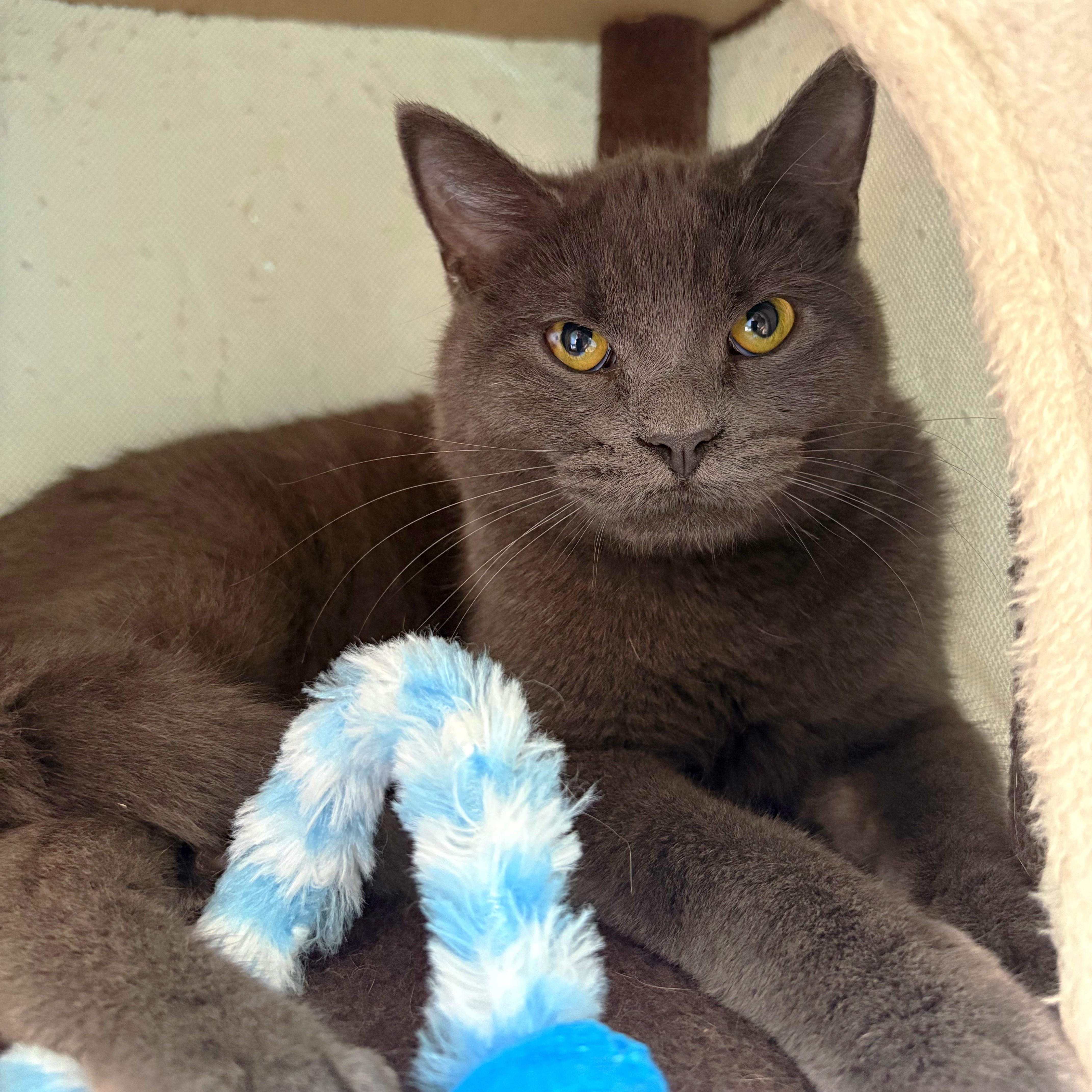
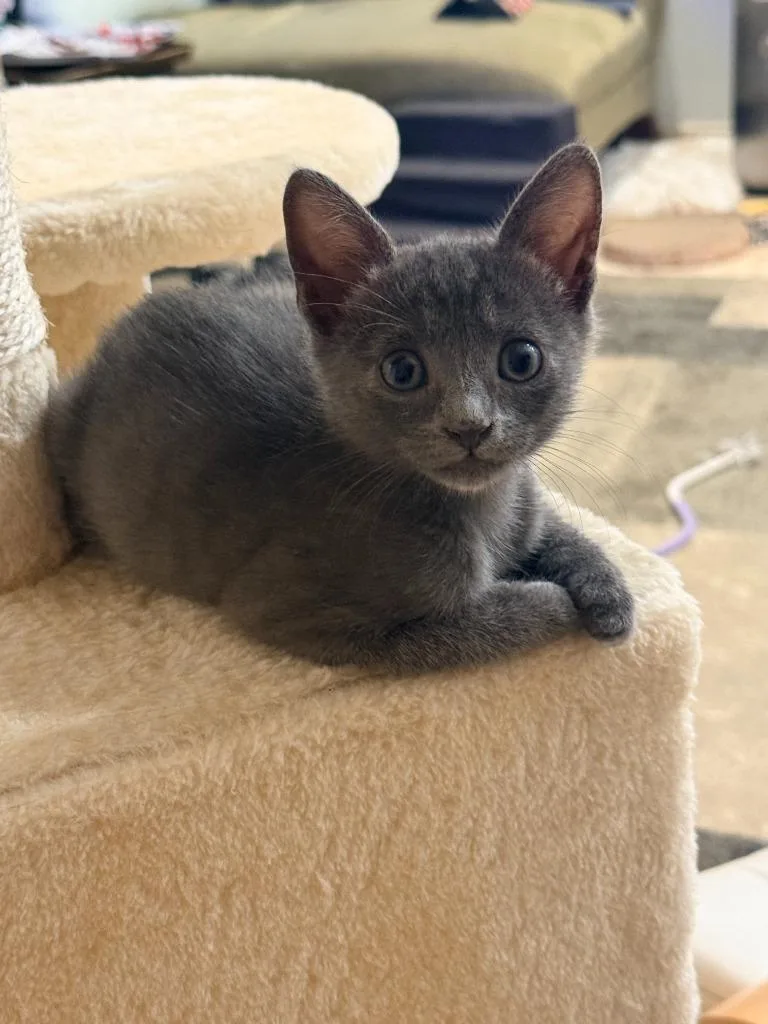
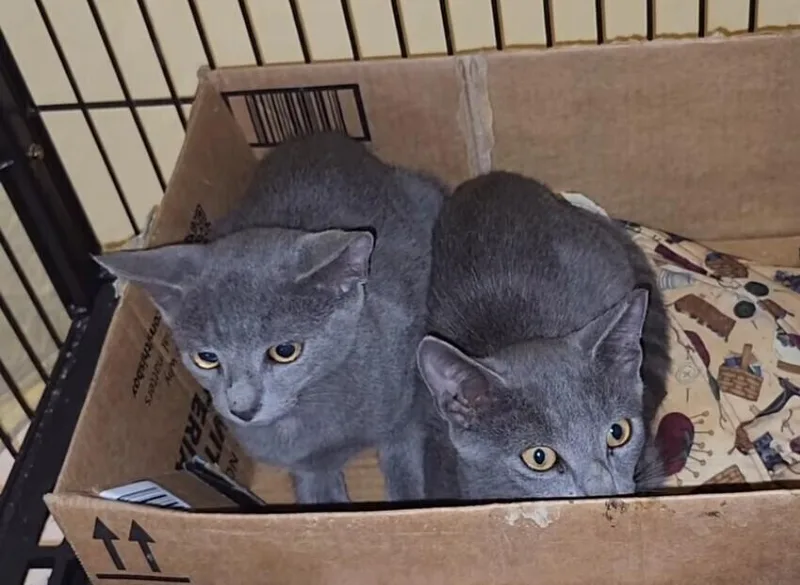
Russian Blues are slender, fine-boned shorthairs with a dense, plush double coat of even blue-grey tipped in silver, and vivid green eyes. The breed is believed to come from the Archangel region of northern Russia, and sailors carried cats to Britain in the 1800s. Most weigh between 6 and 12 pounds, and many live 12 to 16 years.

Many Russian Blues are gentle, quiet and devoted to their own people while staying reserved with strangers. They like routine, notice shifts in mood, and enjoy games that challenge them. In Tuscaloosa, that calm streak suits a steady household, whether that's a rental near campus or a house north of the river. The coat is easy to keep, but a healthy appetite means portions matter. Cats of any breed vary, so go by the cat in front of you.

Weight
6–12 lbs
Height
8–10 in
Lifespan
12–16 yrs
Temperament
Gentle, Quiet, Intelligent
Shedding
Low to Moderate

Owning a Russian Blue in Tuscaloosa

Having a Russian Blue in Tuscaloosa

Russian Blues pair an easy coat with a sensitive streak. Routine, visitors and noise affect how settled a cat feels, which matters in a city with busy game days and spring storms. Each cat differs, so treat these as tendencies, not promises.

Temperament

Russian Blues are often gentle and loyal with family but cautious with newcomers, watching from a distance before approaching. Many prefer predictable households and can be rattled by sudden noise, which in Tuscaloosa can mean thunder, game-day crowds or fireworks around July 4. A cat's past shapes how fast it builds trust, so patience pays off.

Exercise Needs

Most Russian Blues are agile and playful, so aim for a couple of short sessions a day with wand toys, chase games or puzzle feeders. Indoors, a cat tree by a window gives them somewhere to climb and watch. Because they love food, steady play helps keep them lean through Tuscaloosa's long, hot summers indoors.

Health Considerations

Russian Blues have no widely recognized breed-specific inherited disease, but they can get dental disease, bladder stones, kidney disease and heart conditions like any cat. Their appetite makes weight gain a common, preventable problem. Alabama requires rabies vaccination by three months, then on the schedule a vet sets, and a vet can also advise on dental care and parasite prevention.

Living Space

Russian Blues often do well in apartments, which fits a city where many people rent. They value cozy retreats and calm routines more than square footage, so a hiding spot, window perch and cat tree matter most. Keeping a cat indoors also suits Tuscaloosa's summer heat and spring storms, and a quiet room helps on loud days.

What it costs to own a Russian Blue in Tuscaloosa

ExpenseTypical costPer year
Food$25 to $50 per month$300 to $600
Pet insurance$25 to $50 per month$300 to $600
Routine vet care$150 to $350 per year$150 to $350
Other*$450 to $1,150 per year$450 to $1,150
Estimated yearly total (after year one)$1,200 to $2,700

Other costs are estimates and vary with size, age and health.

* Litter, flea and parasite prevention, a dental cleaning allowance, toys, scratchers and other supplies, and minimal home grooming for the short coat.

Adopt a Russian Blue in Tuscaloosa.

Now that you know more, let’s find you a new best friend. These rescues and shelters below currently have Russian Blues available.

Rescues in Tuscaloosa with Russian Blues Available

Tuscaloosa's adoptable cats are listed by a metro animal shelter and volunteer-run rescues, and the listings change often. Here are the rescues & shelters in the Tuscaloosa area where you can find Russian Blues and other cats available for adoption.

Frequently Asked Questions

Yes. No breed-specific cat rules are known in Tuscaloosa, and the city generally allows three cats per household, with kittens under three months exempt. Alabama requires rabies vaccination by three months. Rules differ in Northport and unincorporated Tuscaloosa County, so confirm which jurisdiction your address falls under, and get your landlord's okay if you rent.

Yes, Russian Blues are often a good fit for apartments, since they prefer calm routines over space. In Tuscaloosa, where many people rent, read the lease for pet fees, pet rent and any limits, and get permission in writing. Add a window perch, hiding spot and cat tree, and use a back room for loud game days.

Often, if you can offer a calm, steady home. A Russian Blue tends to bond closely and dislike chaos, so it suits people who are home regularly better than a busy, noisy household. Tuscaloosa's long summers and game-day noise mean air conditioning and a quiet retreat matter. Each cat differs, so watch how a cat reacts to new people.

Generally yes, for an indoor cat. Winters are mild, so cold is rarely an issue. Summer is the harder season, with about 85 days a year at 90°F or higher and warm nights, which can be tough on a dense double coat. Keep the home cool, offer plenty of water, and plan a quiet room for spring thunderstorms.

Very little. The short, dense coat needs a brush about once a week, and a bit more during seasonal shedding. Tuscaloosa's warm weather can mean more loose hair around the house, but professional grooming is rarely needed. That's why the Other cost line counts only minimal home grooming alongside litter, prevention and dental care.

Russian Blue cats are often gentle, quiet and deeply attached to their families, while staying reserved with strangers. Many like predictable routines, follow favorite people around and enjoy interactive games that test their intelligence. They tend to be sensitive to household mood and noise. Personality varies, so a foster's description of an individual cat is the best guide.

A Russian Blue is a medium-sized shorthaired cat with a dense, plush blue-grey coat tipped in silver, vivid green eyes and a slender, graceful build. The breed is thought to come from northern Russia. Many Russian Blues are quiet, intelligent and loyal to their people, though often shy around visitors until they feel comfortable.

No, Russian Blue cats are not hypoallergenic. They produce the Fel d 1 allergen like other cats, even though their dense coat may shed less noticeably than some breeds. Claims that they cause fewer allergy symptoms are anecdotal rather than proven. People with allergies should spend extended time with the specific cat before adopting.

We have 1 rescue with Russian Blues available: Paws of Dixie Animal Rescue. You can see every rescue with Russian Blues available in the list above these questions, or scroll to the top to see the Russian Blues near Tuscaloosa.

Plan on roughly $1,200 to $2,700 a year for a Russian Blue in Tuscaloosa. That covers food at $25 to $50 a month, insurance at $25 to $50 a month, routine vet care at $150 to $350 a year, and other costs at $450 to $1,150 a year, including litter. Emergencies and illness are extra.

Find Russian Blues in Nearby Cities

Expand your search to find Russian Blues available for adoption near Tuscaloosa.