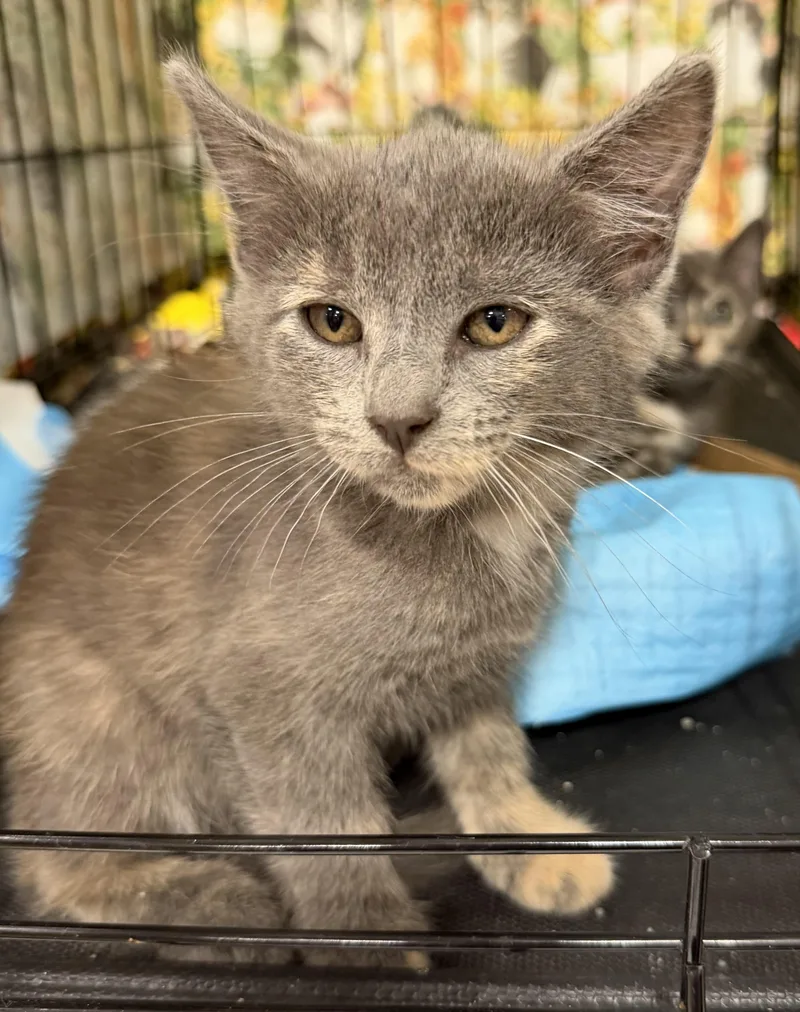
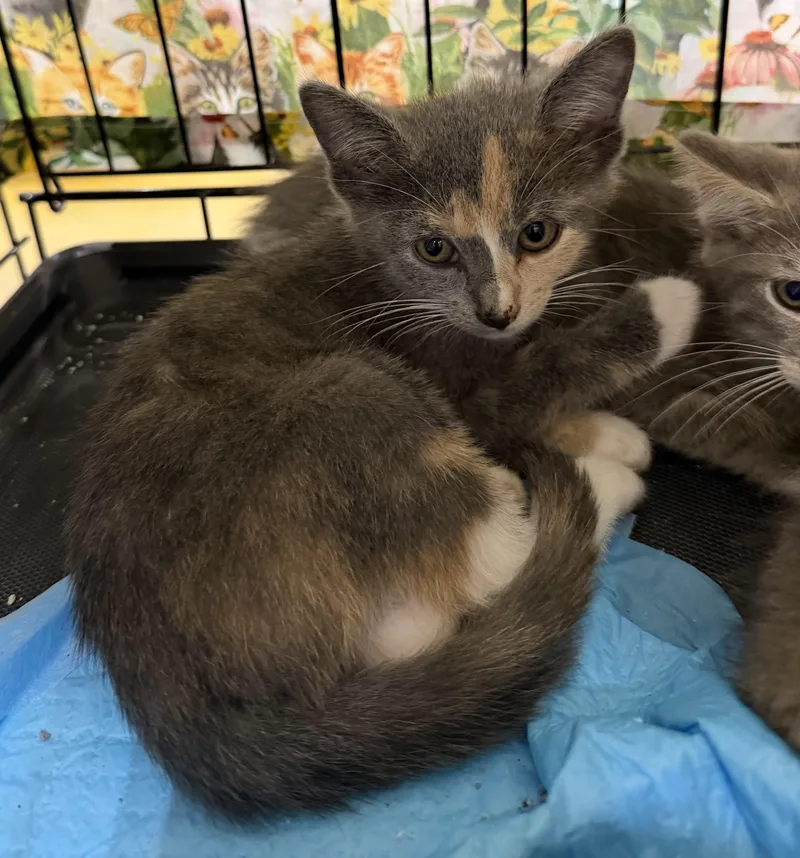
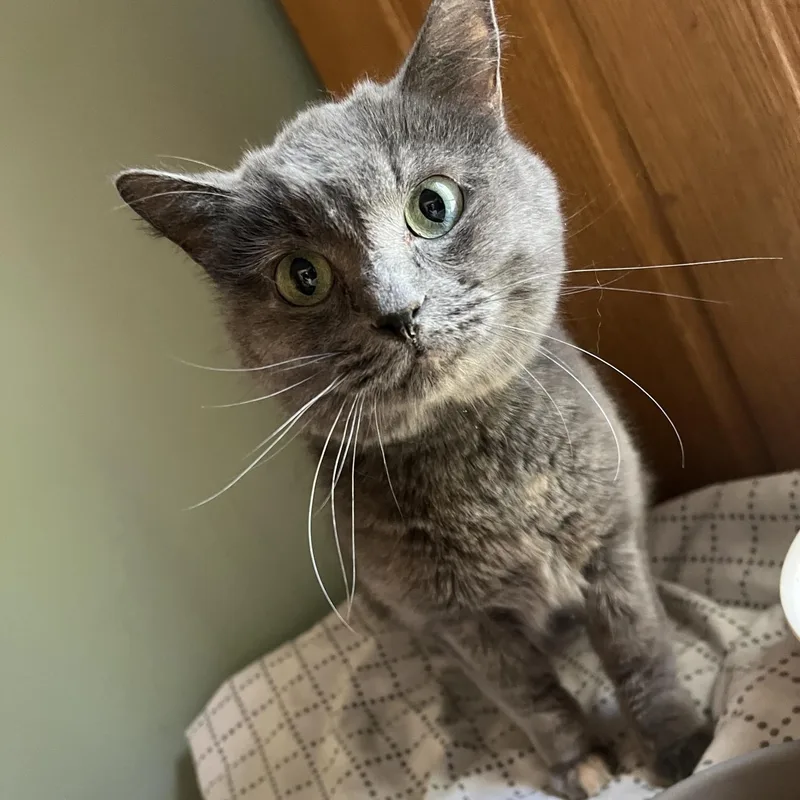
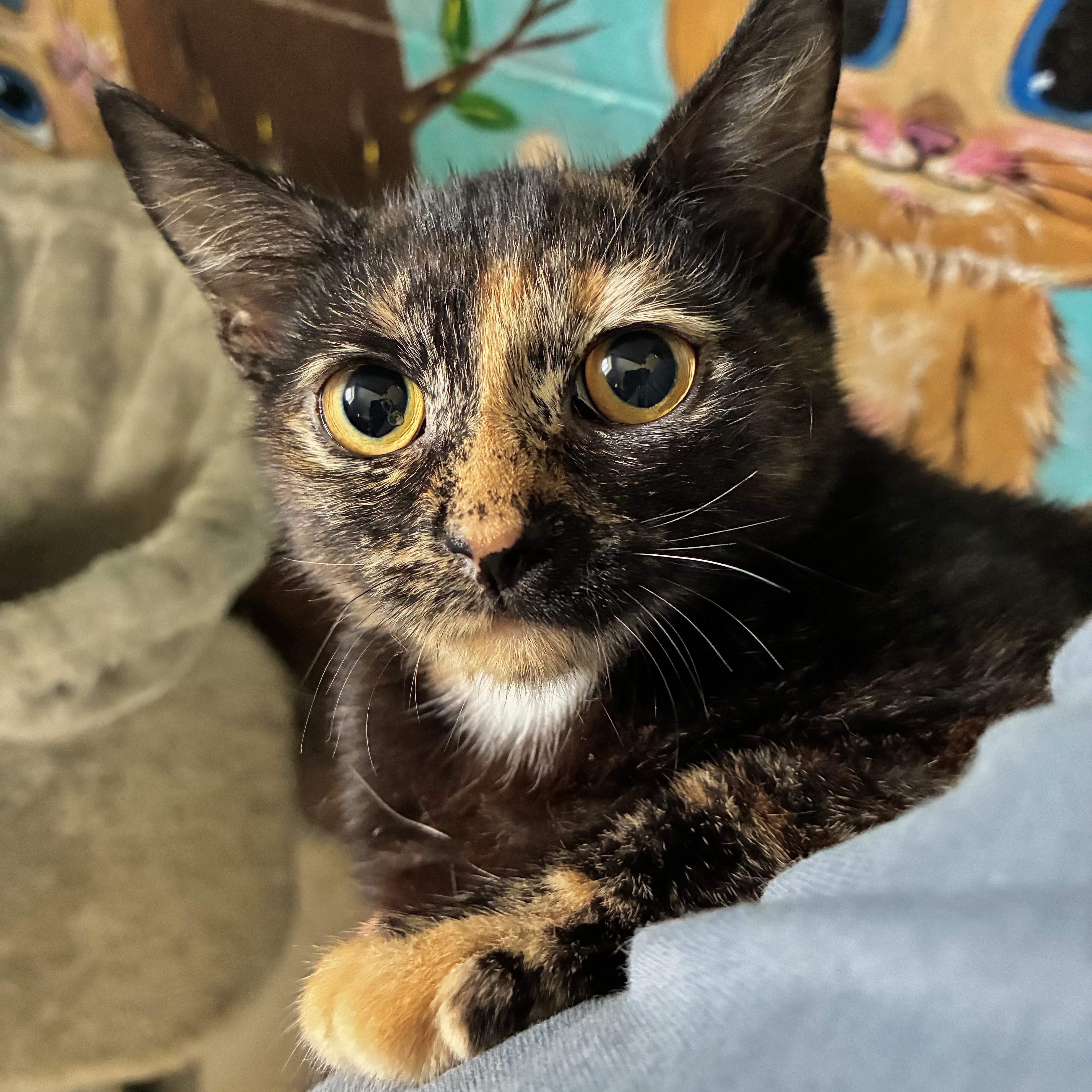
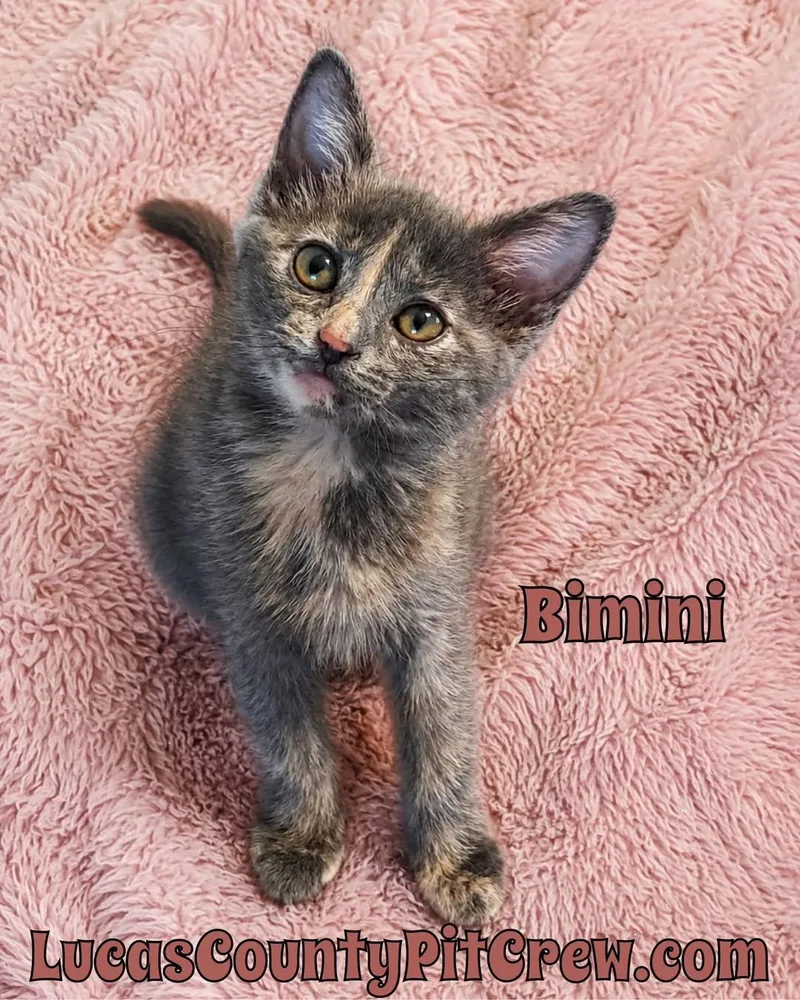
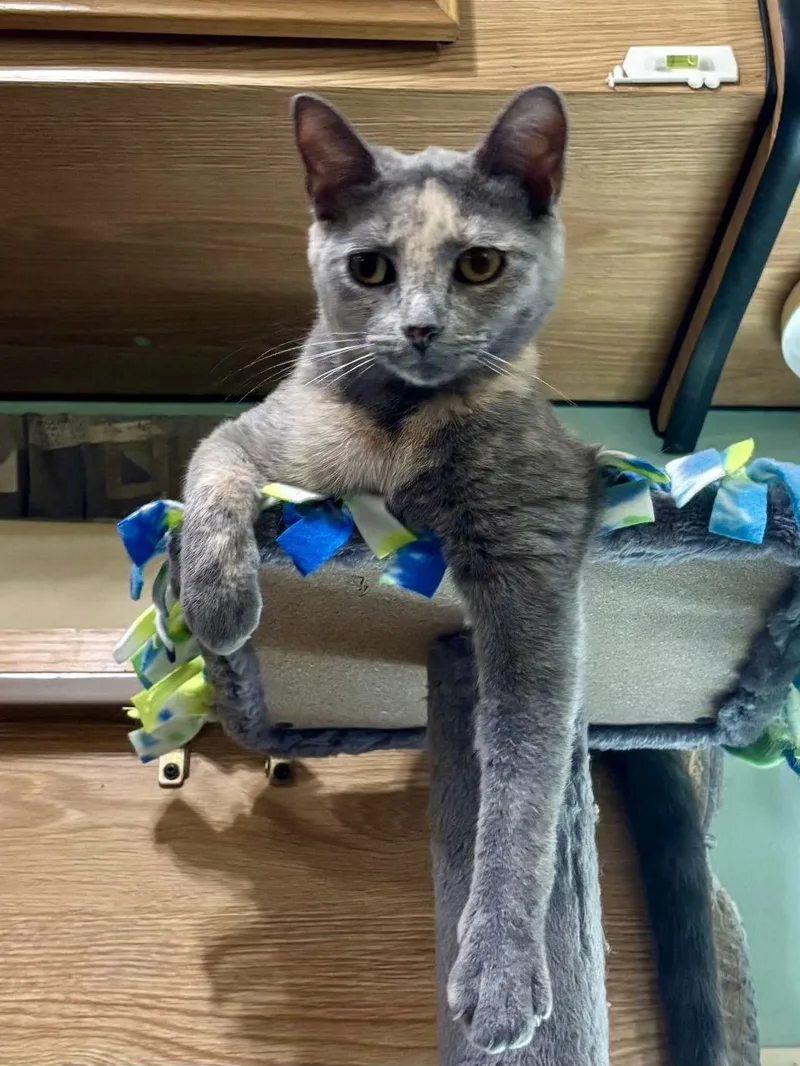
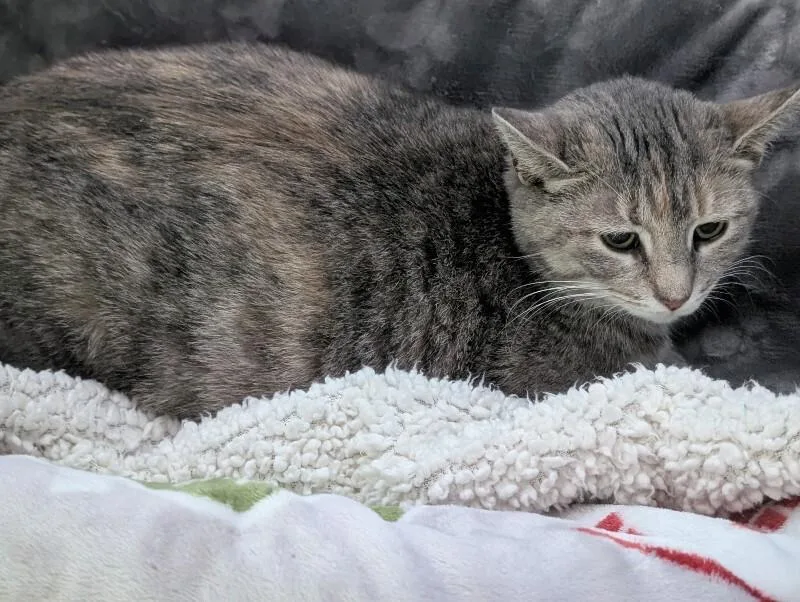
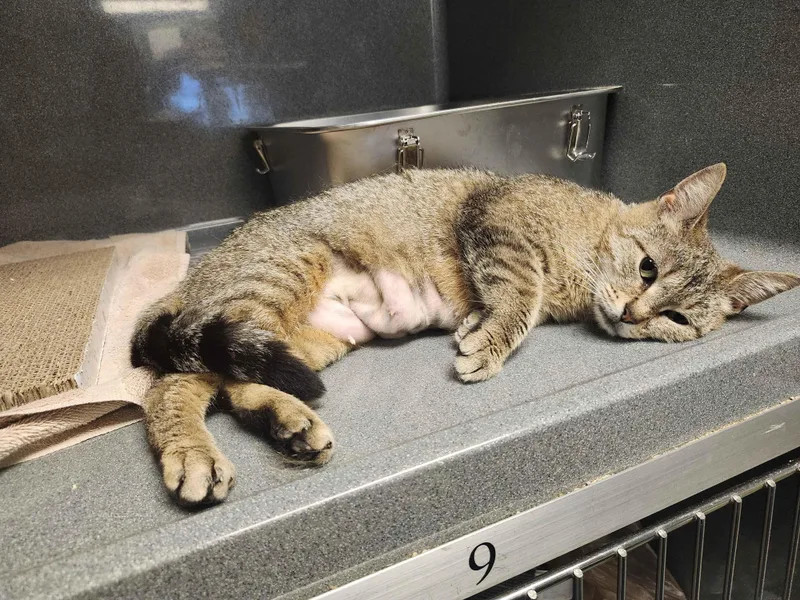
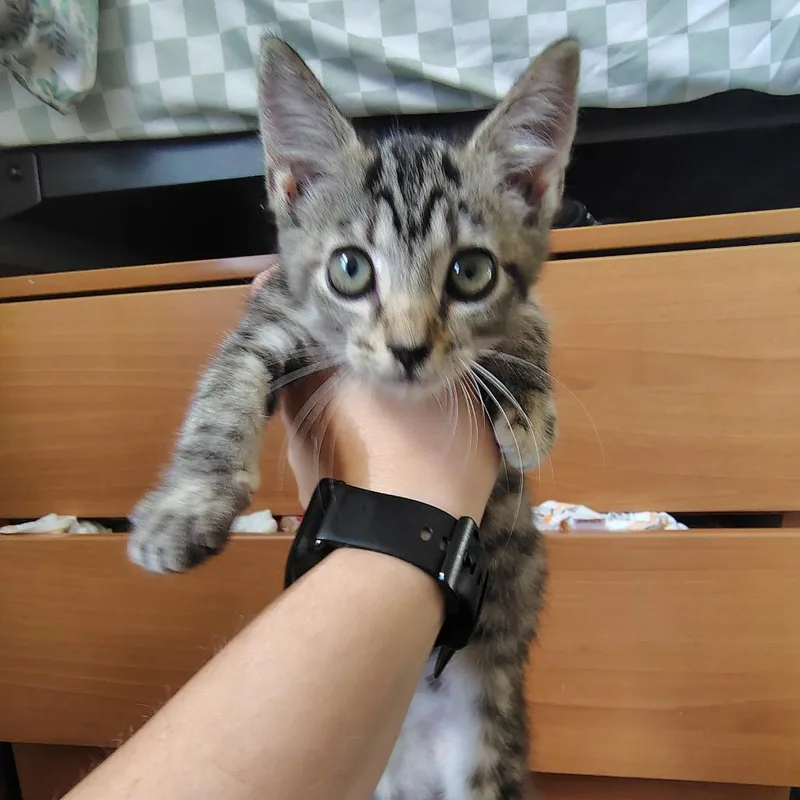
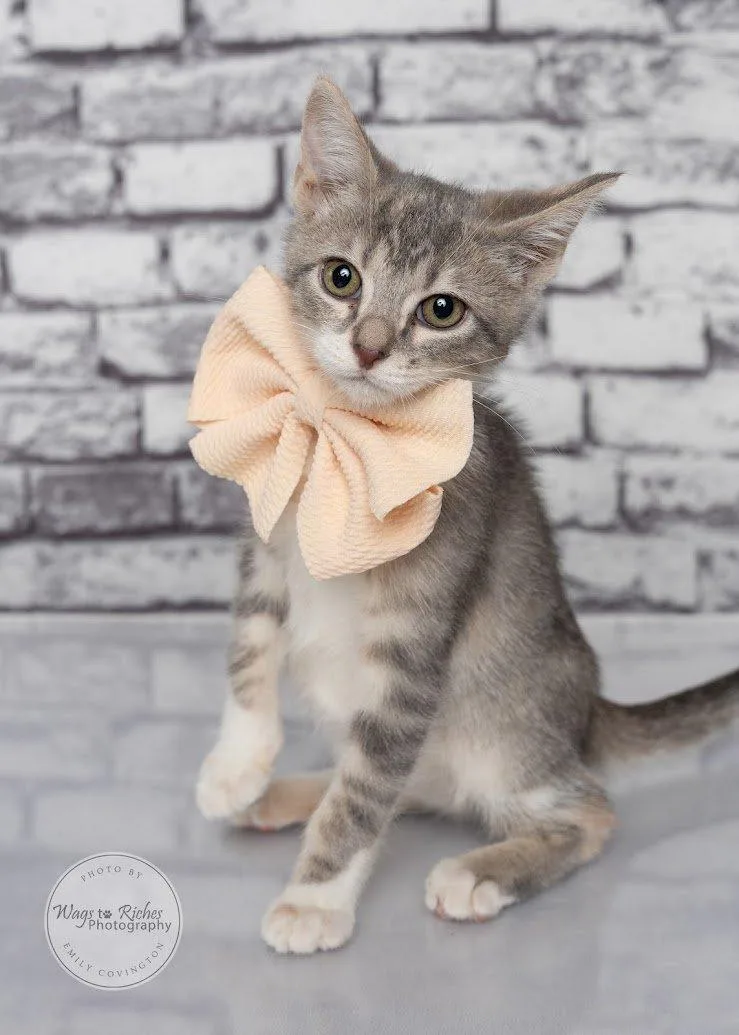
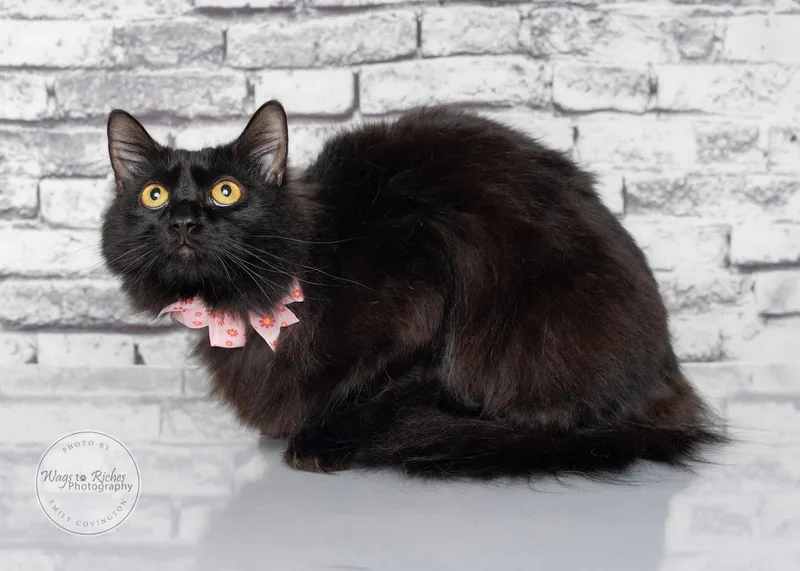
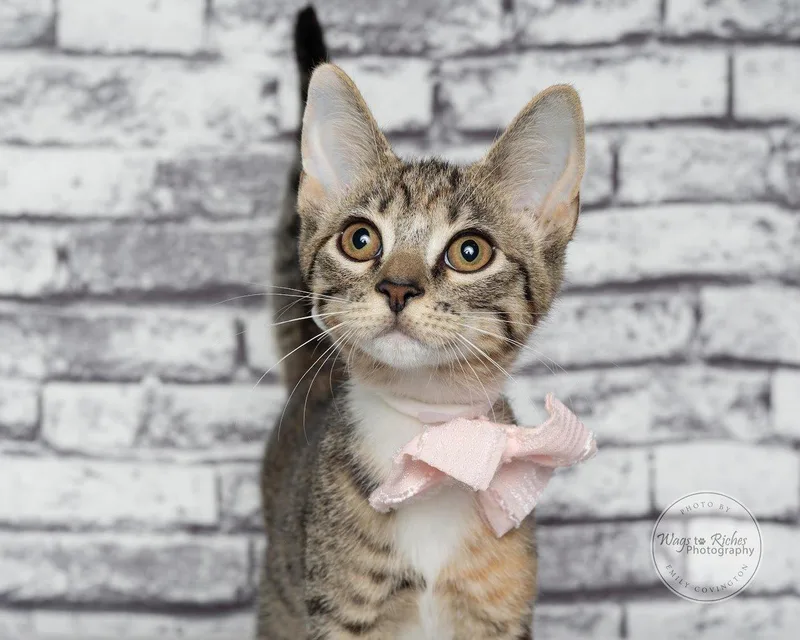
Dilute Tortoiseshell Cats for Adoption in Tuscaloosa, AL

Your guide to finding and caring for a Dilute Tortoiseshell in Tuscaloosa

Dilute Tortoiseshells suit Tuscaloosa's apartments and older rental houses well, since most of these cats are happy indoors. In the University Area or on a tree-lined street in Pinehurst, a blue-cream cat can spend the day watching squirrels from a window perch. Dilute tortie is a coat pattern, not a breed, so personalities run from shy to bold, and you'll want to meet a cat before deciding. Plan on daily play sessions and a scratching post near the couch.

301 Dilute Tortoiseshells available in Tuscaloosa and nationwide

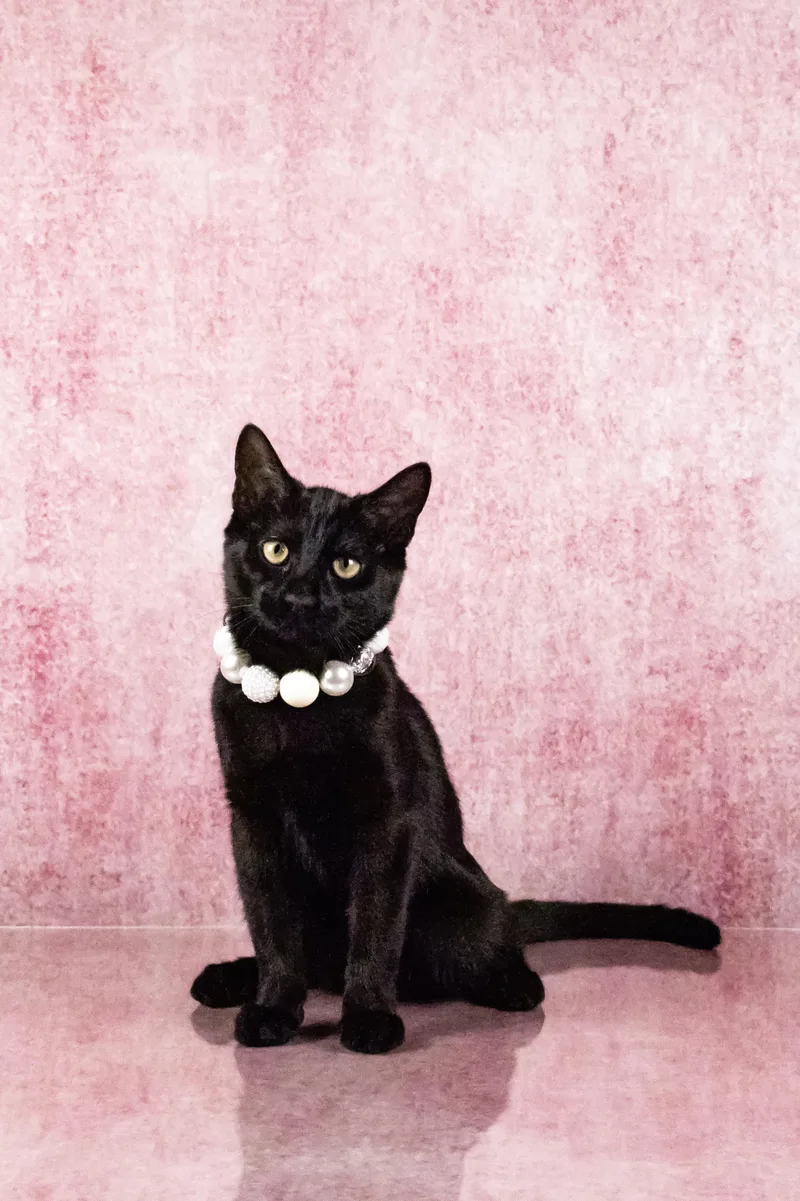
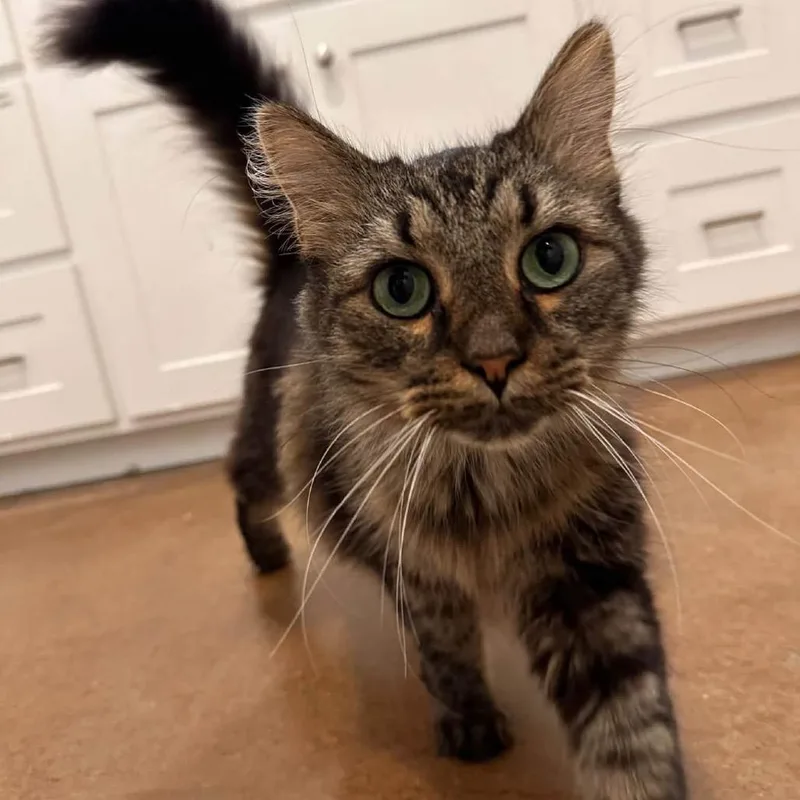
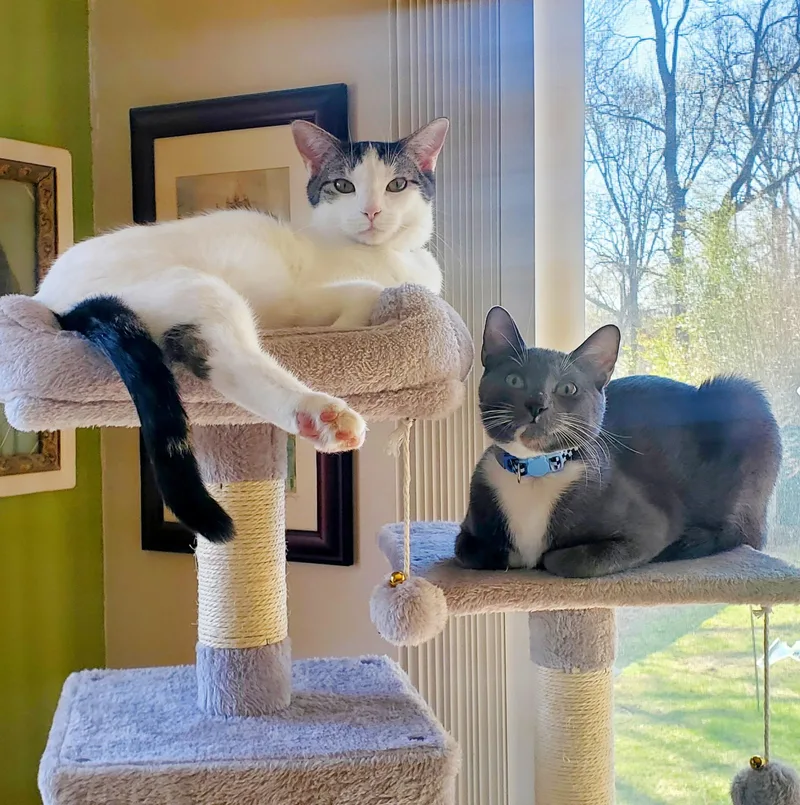
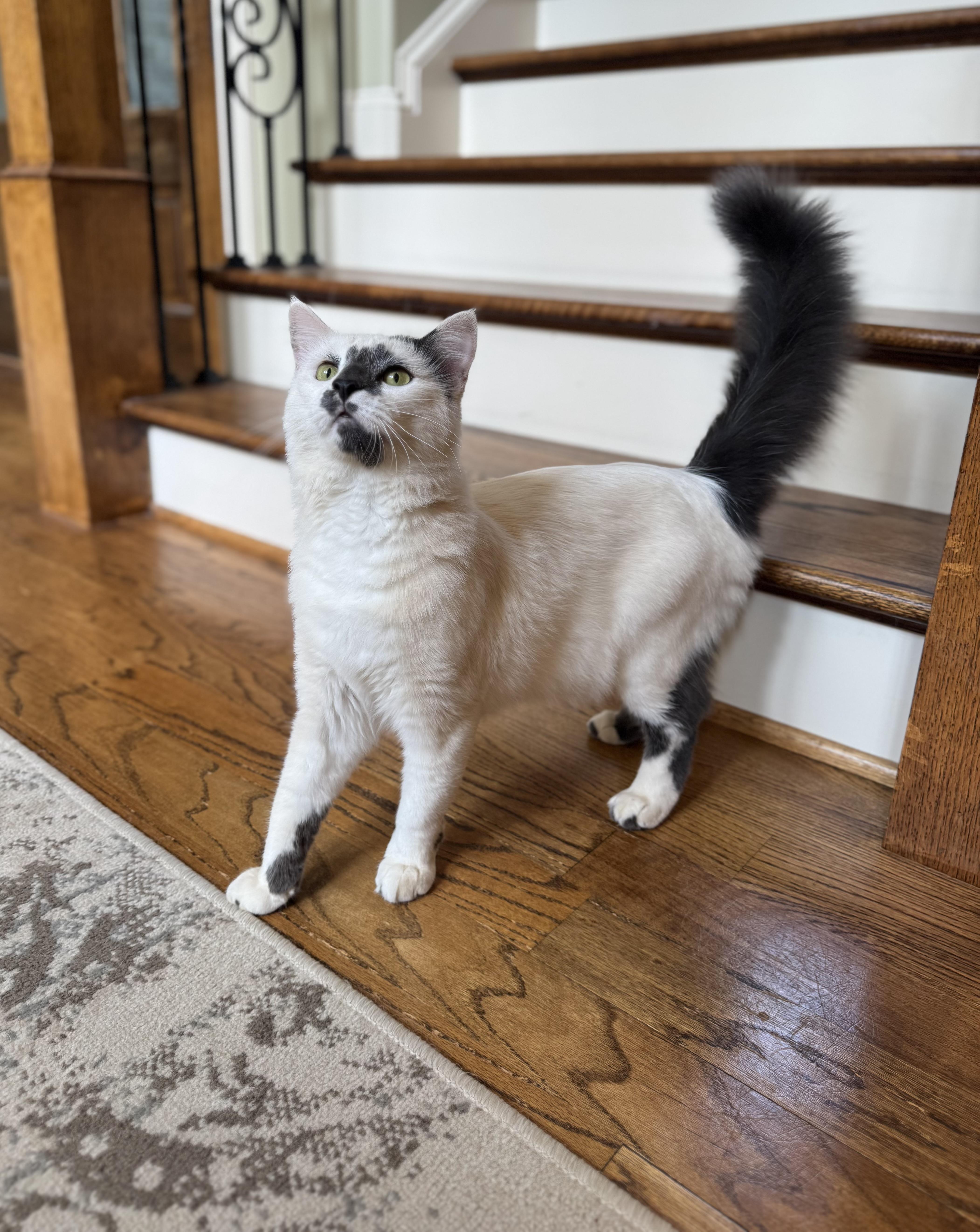
Meet your next Dilute Tortie

While we don't have enough cats near Tuscaloosa, keep in mind that many rescues may offer transport.

Dilute Tortoiseshells Available for Adoption Near Tuscaloosa

About the Dilute Tortoiseshell breed

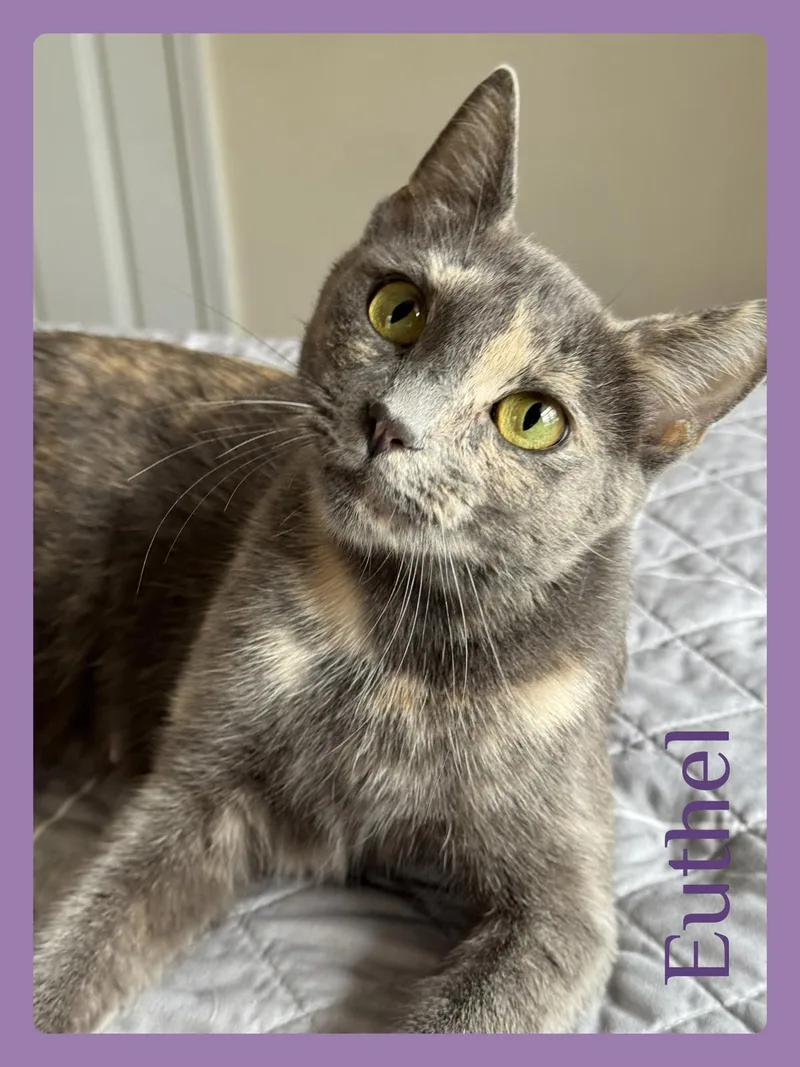
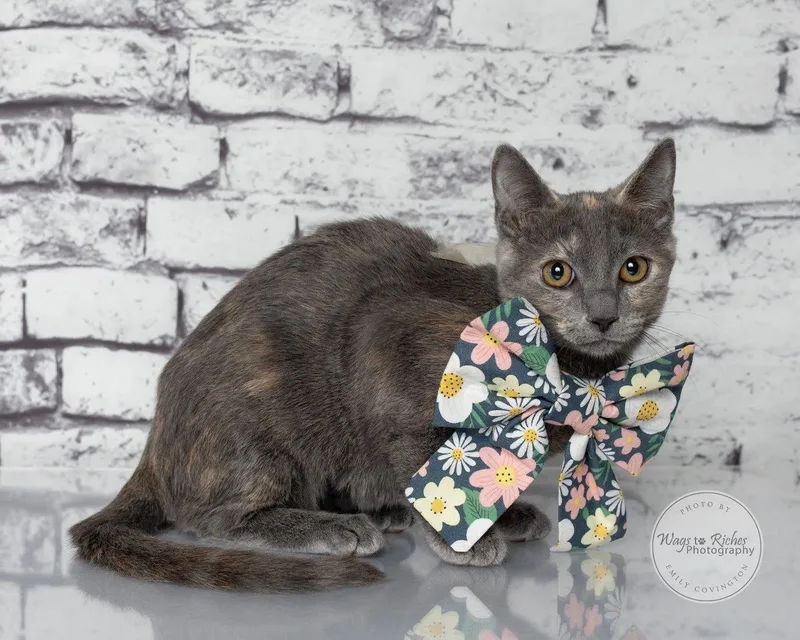
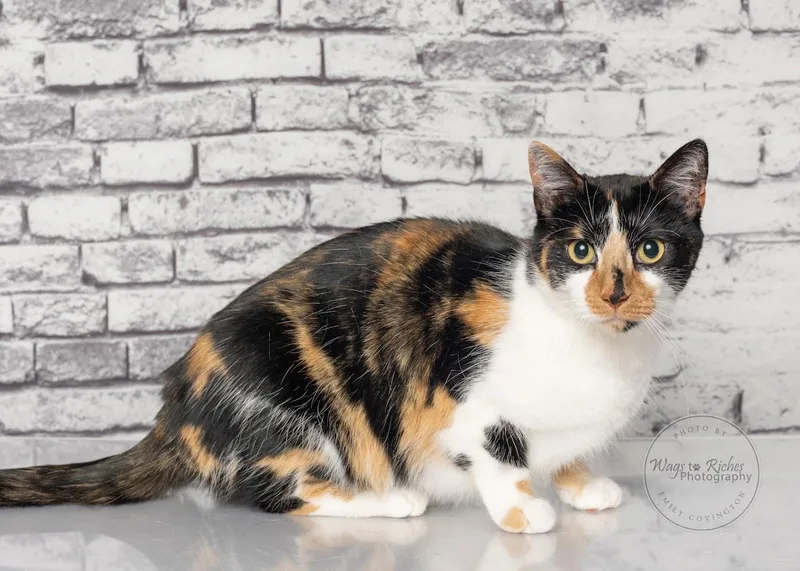
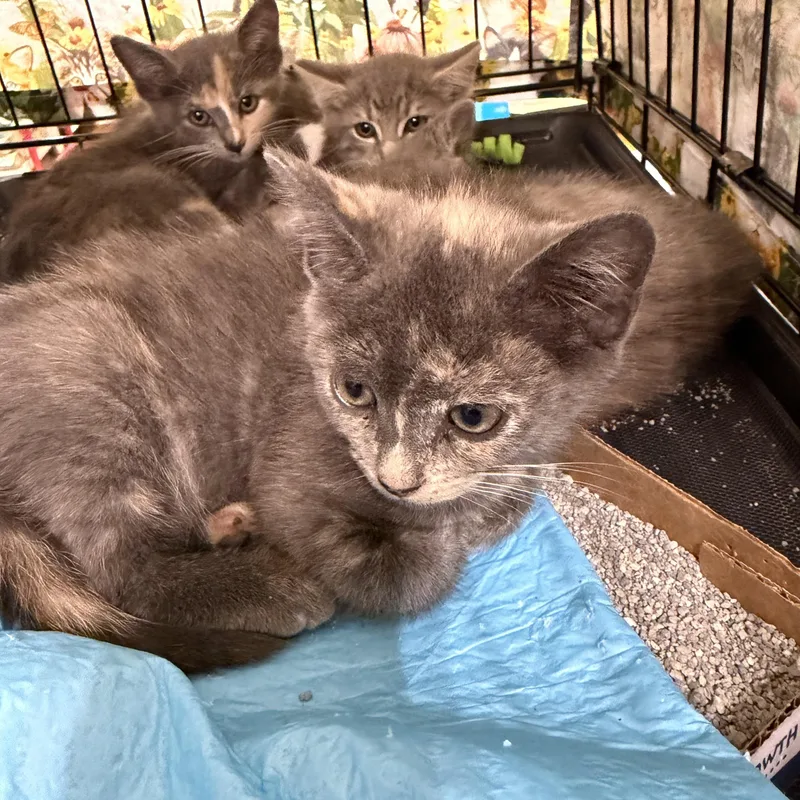
A dilute tortoiseshell is a coat pattern rather than a breed. Where a standard tortie mixes black and orange, a dilute shows blue-gray and cream in patches or a soft marbled blend. The pattern depends on two X chromosomes, so nearly all of these cats are female.

Most are domestic shorthairs or longhairs, though the coloring also turns up in breeds like Persians and Maine Coons. Weight is usually 6 to 14 pounds, lifespan 12 to 18 years, and shedding moderate. Expect a cat that's affectionate, curious and sometimes independent, but coat color doesn't predict personality. In Tuscaloosa, where many households rent and schedules follow the university calendar, choose a cat by how it behaves and how it fits your routine.

Weight
6–14 lbs
Height
8–10 in
Lifespan
12–18 yrs
Temperament
Affectionate, Independent, Curious
Shedding
Moderate

Owning a Dilute Tortoiseshell in Tuscaloosa

Having a Dilute Tortoiseshell in Tuscaloosa

Dilute tortoiseshell describes coloring, not ancestry, so these cards cover what's typical of domestic cats in Tuscaloosa homes. Every cat varies with age, coat length and history, so treat the details as a starting point rather than a promise.

Temperament

Dilute torties range from timid to confident and from lap cats to independent explorers. The "tortitude" reputation has little evidence behind it, so judge the cat in front of you. In a Tuscaloosa rental with neighbors close by, a calm cat may settle faster, while a bold one will enjoy window-watching and a busy household.

Exercise Needs

Most indoor cats do well with two or three short play sessions a day using wand toys, balls and puzzle feeders. Kittens and young adults need the most, while seniors prefer gentler games. Because Tuscaloosa summer afternoons are hot, an indoor routine with climbing spots and a window perch keeps a cat active without outdoor risks.

Health Considerations

The coat pattern carries no known health risk in female cats, though the rare males often have an extra X chromosome and added concerns. Health mostly follows age and breed mix, so plan on yearly checkups, dental care and a healthy weight. Alabama requires rabies vaccination by three months, then on the schedule a vet sets.

Living Space

These cats do well in apartments and houses alike, which suits Tuscaloosa's many renters. Give them a scratching post, a perch by a window and a quiet hiding spot. Quieter cats often prefer calm households, while confident ones handle busier homes. Long-haired dilute torties also need a regular brushing routine.

What it costs to own a Dilute Tortoiseshell in Tuscaloosa

ExpenseTypical costPer year
Food$25 to $50 per month$300 to $600
Pet insurance$20 to $45 per month$240 to $540
Routine vet care$150 to $350 per year$150 to $350
Other*$450 to $1,150 per year$450 to $1,150
Estimated yearly total (after year one)$1,140 to $2,640

Other costs are estimates and vary with size, age and health.

* Litter, flea and tick prevention, a dental cleaning allowance, toys and supplies, and occasional home grooming.

Adopt a Dilute Tortoiseshell in Tuscaloosa.

Now that you know more, let’s find you a new best friend. These rescues and shelters below currently have Dilute Tortoiseshells available.

Rescues in Tuscaloosa with Dilute Tortoiseshells Available

Tuscaloosa's rescue community includes a metro animal shelter serving the area and a volunteer-run, no-kill adoption center. Here are the rescues & shelters in the Tuscaloosa area where you can find Dilute Tortoiseshells and other cats available for adoption.

Frequently Asked Questions

Yes, nothing in Tuscaloosa limits adopting a Dilute Tortoiseshell, since the coat is a color pattern and no known city rule targets cats by coat or breed. Plan for rabies vaccination by three months and keep to the usual household limit of about three cats. Check your lease first, because rentals often add pet fees or monthly pet rent.

Mostly yes, for indoor cats. Winters are mild, but summers are long, hot and humid, with warm nights that give little relief. Keep your cat inside with air conditioning and plenty of fresh water, and have a carrier ready for spring storms. Long-haired dilute torties may need extra brushing in the heat.

Yes, most do well in apartments because their needs depend on age, health and temperament, not coat color. Give the cat a window perch, a scratching post and daily play. Tuscaloosa has many rentals, so read the lease for pet fees, pet rent and any limits on the number of pets before you commit.

Often, if you can offer an indoor home with daily play. The university calendar means some households travel in summer, so line up a trusted sitter before trips. Keep ID current and a carrier handy for storm season, and set up a quiet room for noise around July 4, even though fireworks are illegal in city limits.

Shorthaired dilute torties need a weekly brushing, while long-haired cats do better with brushing several times a week to prevent mats, especially in humid weather. Shedding is moderate and rises with the seasons. Home grooming costs little and sits within the $450 to $1,150 yearly Other costs, though a long-haired cat may need occasional professional grooming.

A tortoiseshell cat is a cat with a coat pattern, not a breed, that mixes black-based and orange-based colors in patches or a mottled blend with little or no white. The dilute version shows blue-gray and cream instead. The pattern appears in domestic shorthairs and many purebreds, and because of its genetics nearly all tortoiseshells are female.

Almost all tortoiseshell cats are female, but not every single one. The orange and black color genes sit on the X chromosome, and a cat needs two X chromosomes to show both colors together. Females have two, so they can be torties. A tortoiseshell male is possible only through rare genetic exceptions, such as carrying an extra X chromosome.

No, tortoiseshell cats are not rare. The pattern is common among domestic cats, and shelters regularly have torties available for adoption. What is rare is a male tortoiseshell, which occurs in only about one in every few thousand. Dilute torties are less common than standard black-and-orange ones because dilution is recessive, but they are far from unusual.

We have 1 rescue with Dilute Tortoiseshells available: Paws of Dixie Animal Rescue. You can see every rescue with Dilute Tortoiseshells available in the list above these questions, or scroll to the top to see the Dilute Tortoiseshells near Tuscaloosa.

Expect roughly $1,140 to $2,640 a year for a Dilute Tortoiseshell, depending on food, insurance and care choices. Food runs $25 to $50 a month, insurance $20 to $45, routine vet care $150 to $350 a year, and other costs $450 to $1,150 a year. Adoption fees are shown on each listing.

Find Dilute Tortoiseshells in Nearby Cities

Expand your search to find Dilute Tortoiseshells available for adoption near Tuscaloosa.