
Marshall
Available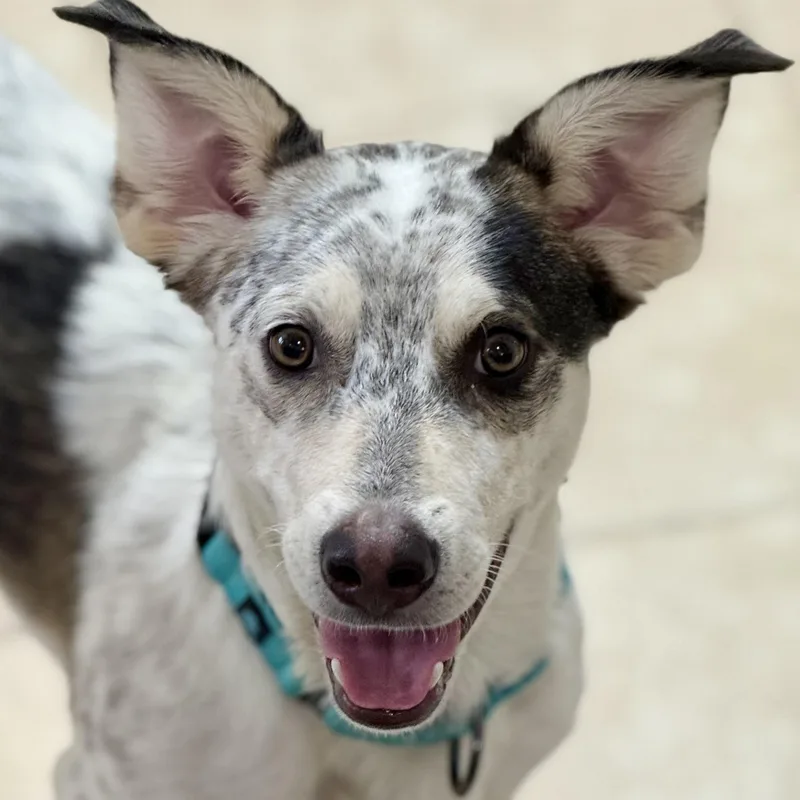
Marshall
AvailableMarshall is a young, neutered male who blends Australian Cattle Dog/Blue Heeler and Corgi traits into a medium-sized package. He weighs about 35 lbs and is current on all his vaccinations. Marshall is currently waiting in Gallatin, TN.
About Marshall
Marshall is a one-year-old Australian Cattle Dog/Blue Heeler and Corgi mix, sporting a sturdy medium-sized frame. At 35 lbs, he’s well-sized for someone looking for a companion that's not overwhelming but far from fragile. Marshall is up to date on his vaccinations and has been neutered, making him ready to slot into his forever home without missing a beat. His youthful energy should make him a lively addition for adopters who can offer playtime and active engagement. Marshall's mix of herding instincts and classic Corgi personality means he’ll keep things interesting—expect both sharp focus and a spirited sense of humor. He’s waiting in Gallatin, TN for the right fit. Start your journey together! Apply now.

Adoption Fee
$250Payment after application.
Help Marshall find his forever home. Pay easily via credit card or other convenient payment methods.
Rescues & Shelters
Questions about Marshall
What type of living environment is this breed usually best suited for?
Marshall, being an Australian Cattle Dog/Blue Heeler and Corgi mix, thrives in homes where he can be active and engaged. A house with a yard or access to outdoor space works well for his breed mix.
How much outdoor space does this breed typically need?
Marshall's breed mix enjoys a decent amount of outdoor space—ideally a backyard or frequent outings to give him room to burn off energy and stay mentally stimulated.
Is this breed typically suitable for homes with children?
Australian Cattle Dog and Corgi mixes like Marshall often do well with children, especially when supervised. Their playful and sturdy nature makes them good companions for active households.
More pets matching your search
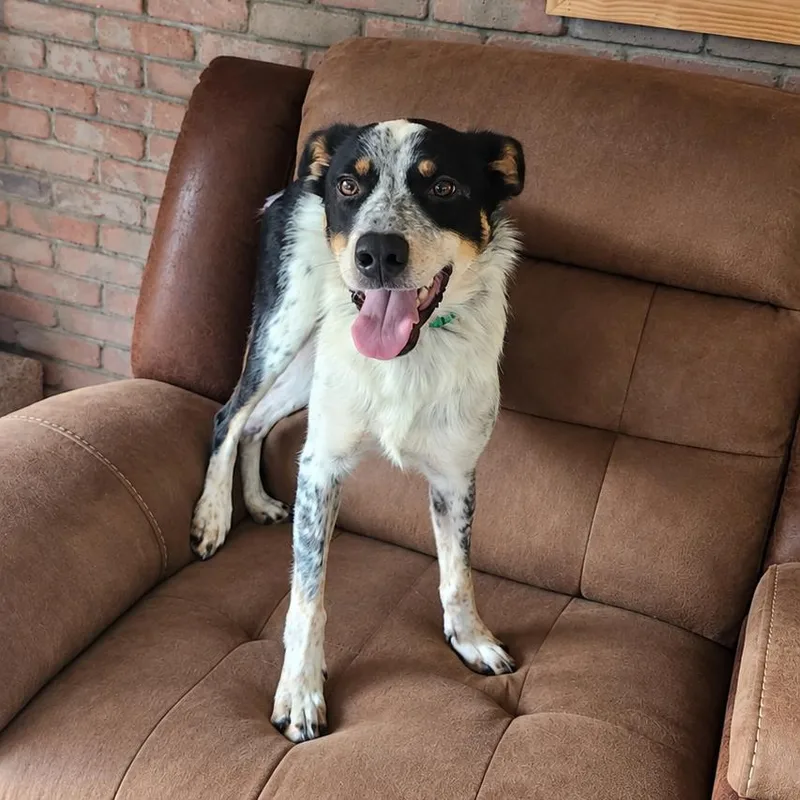
Goose
M, 1 y., 32 miles
Border Collie, Australian Cattle Dog / Blue Heeler
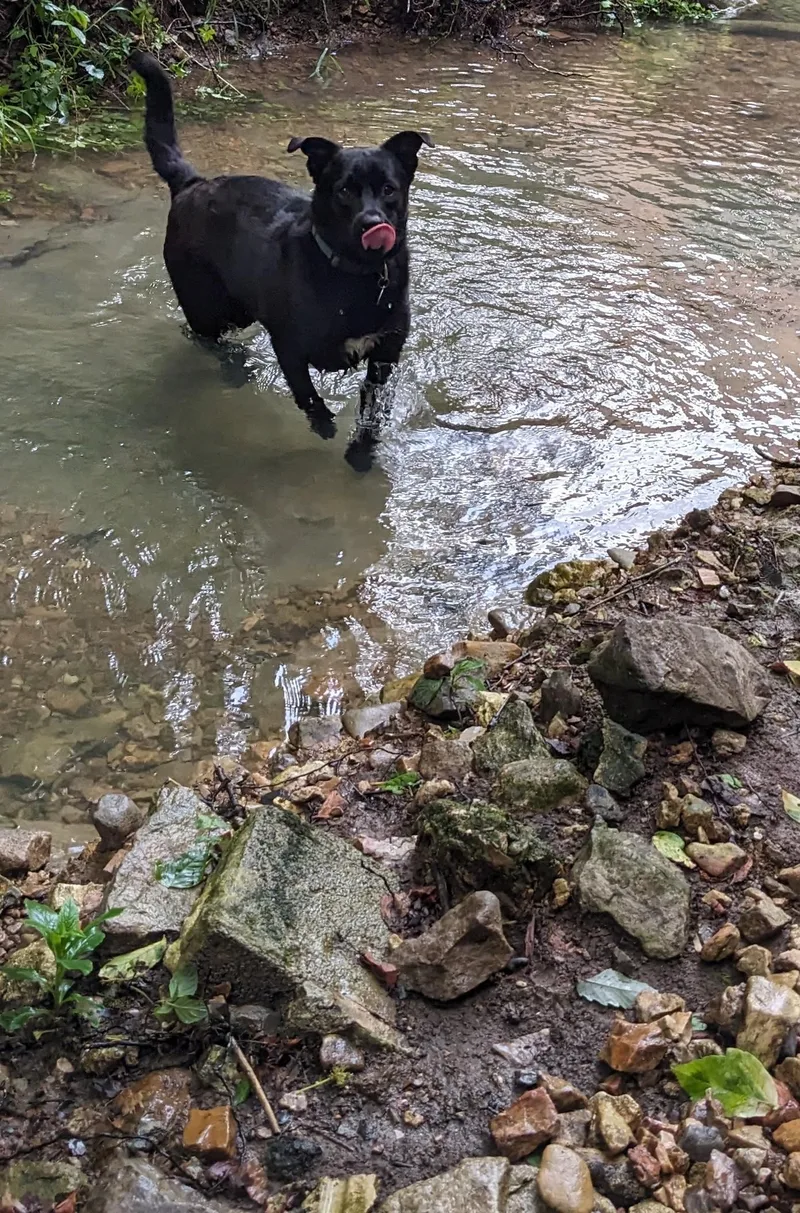
Margaret
F, 6 mo.-2 y., 39 miles
Australian Cattle Dog / Blue Heeler
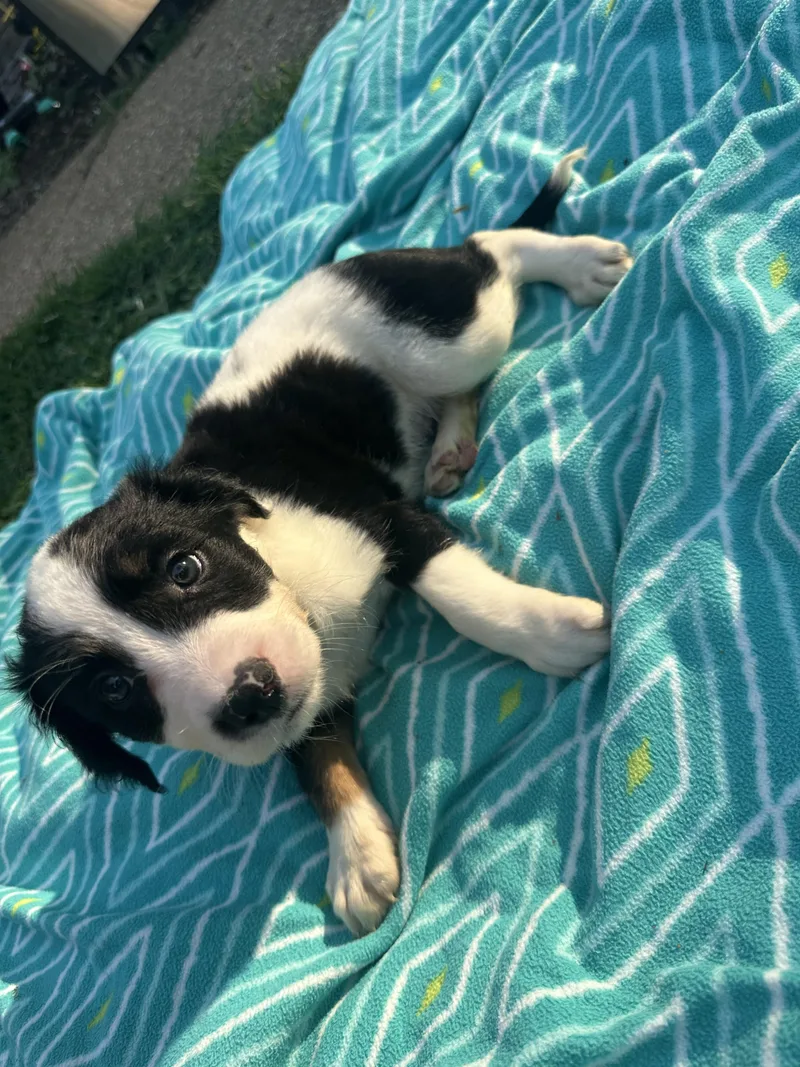
Huckleberry
M, 7 mo., 14 miles
Australian Cattle Dog / Blue Heeler, American Staffordshire Terrier
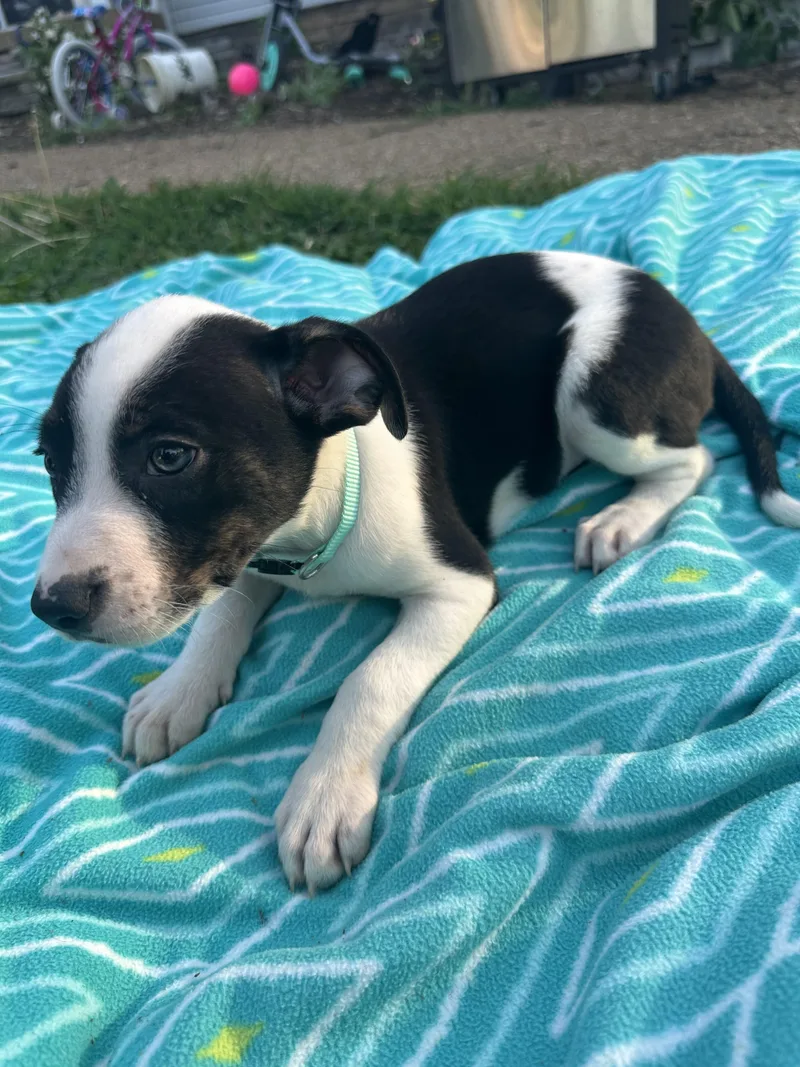
Kate
F, 7 mo., 14 miles
Australian Cattle Dog / Blue Heeler, American Staffordshire Terrier
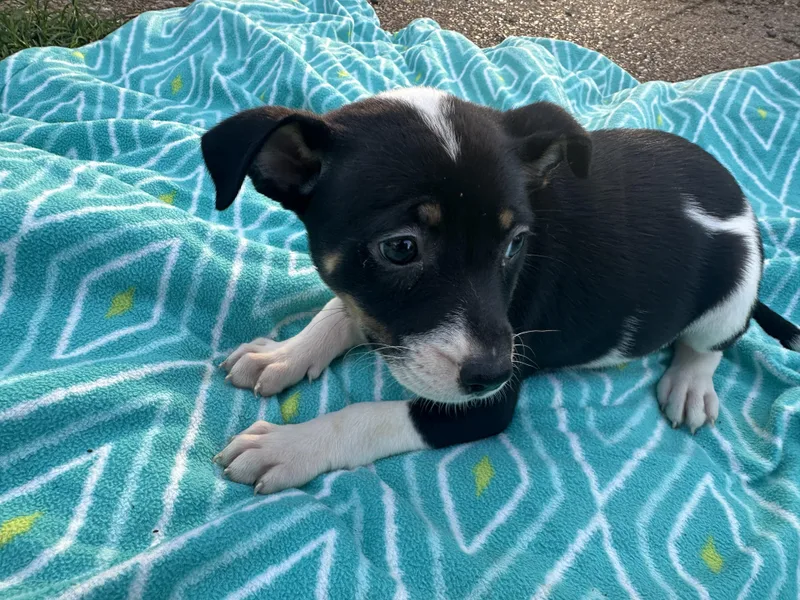
Allie
F, 7 mo., 14 miles
Australian Cattle Dog / Blue Heeler, American Staffordshire Terrier
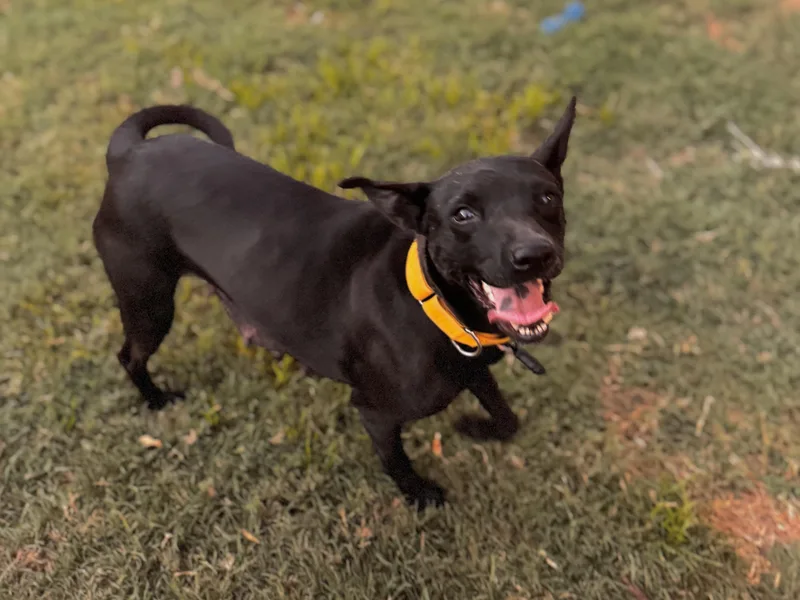
Lady
F, 3-7 y., 14 miles
Black Labrador Retriever, Australian Cattle Dog / Blue Heeler
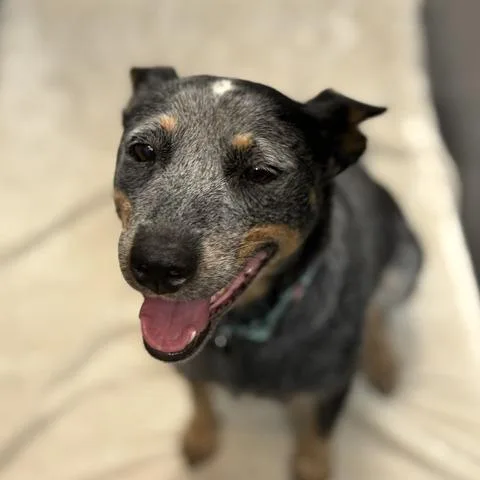
Colby D
F, 2 y., 15 miles
Australian Cattle Dog / Blue Heeler
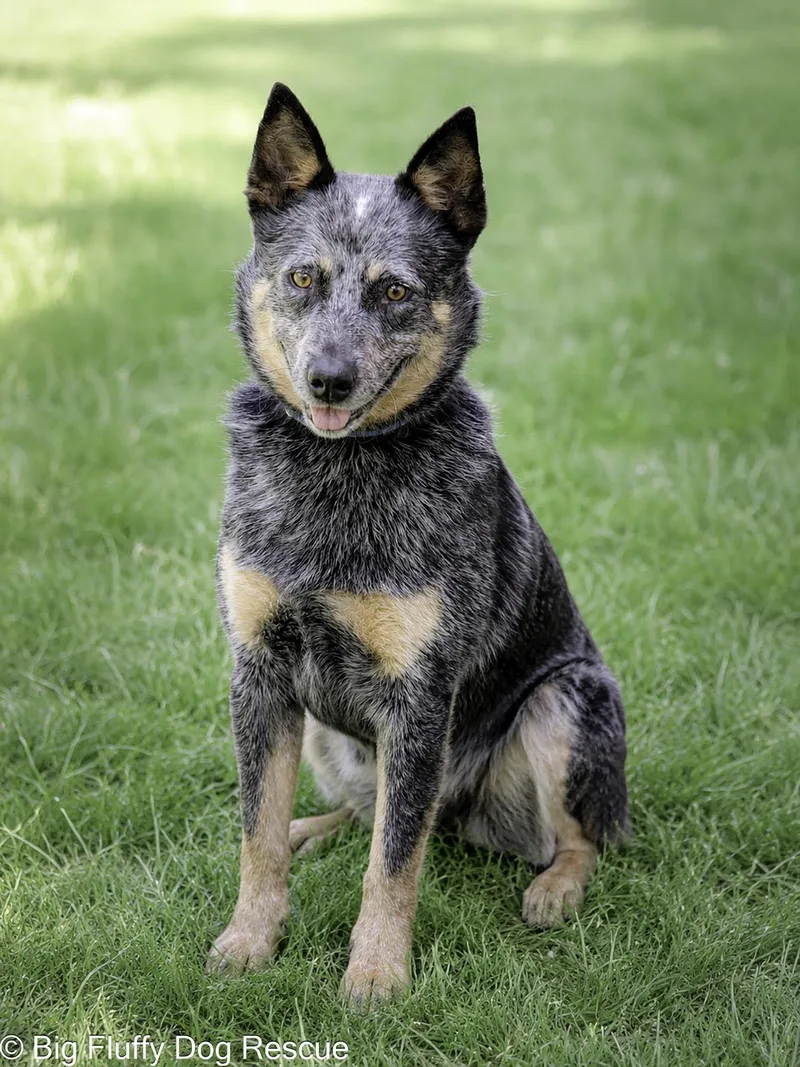
Merlin
M, 3-7 y., 18 miles
Australian Cattle Dog / Blue Heeler
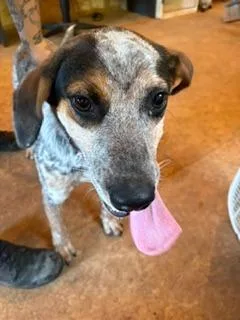
Jumper
M, 8 mo., 25 miles
Australian Cattle Dog / Blue Heeler, Bluetick Coonhound
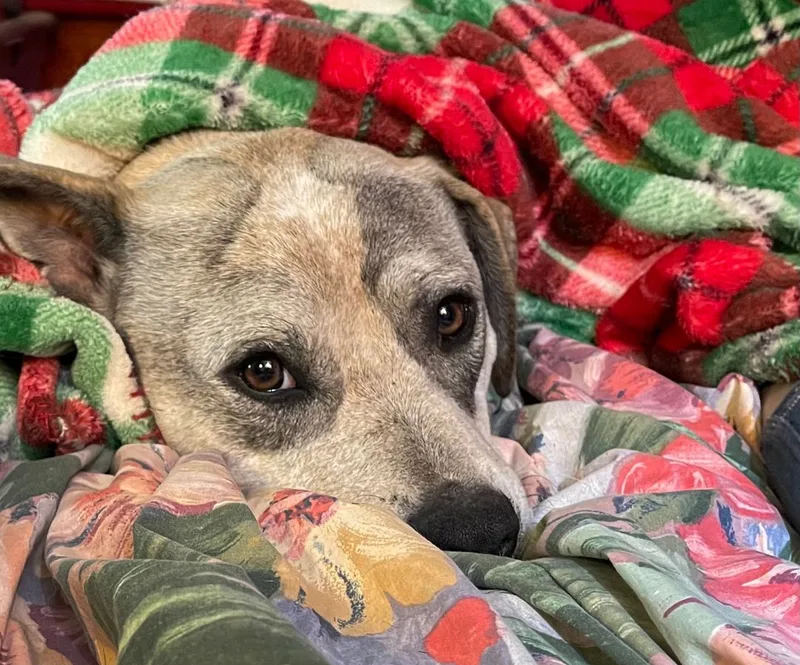
Bonnie Rosenickname Rosie Or
F, 5 y., 25 miles
Australian Cattle Dog / Blue Heeler, Terrier
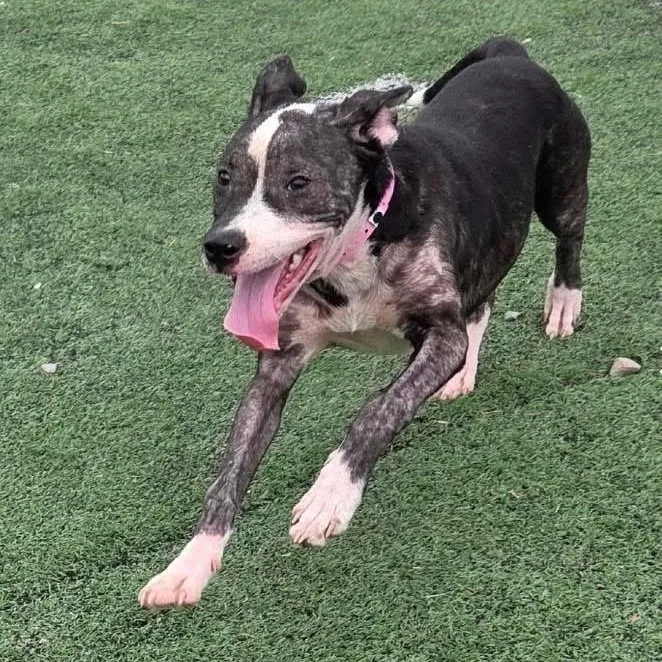
Phoebe
F, 6 mo.-2 y., 29 miles
Australian Cattle Dog / Blue Heeler, Terrier
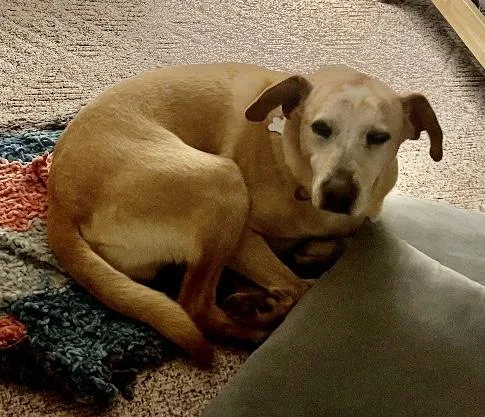
Sweetest Sawyer
M, 8 y. +, 31 miles
Yellow Labrador Retriever, Australian Cattle Dog / Blue Heeler