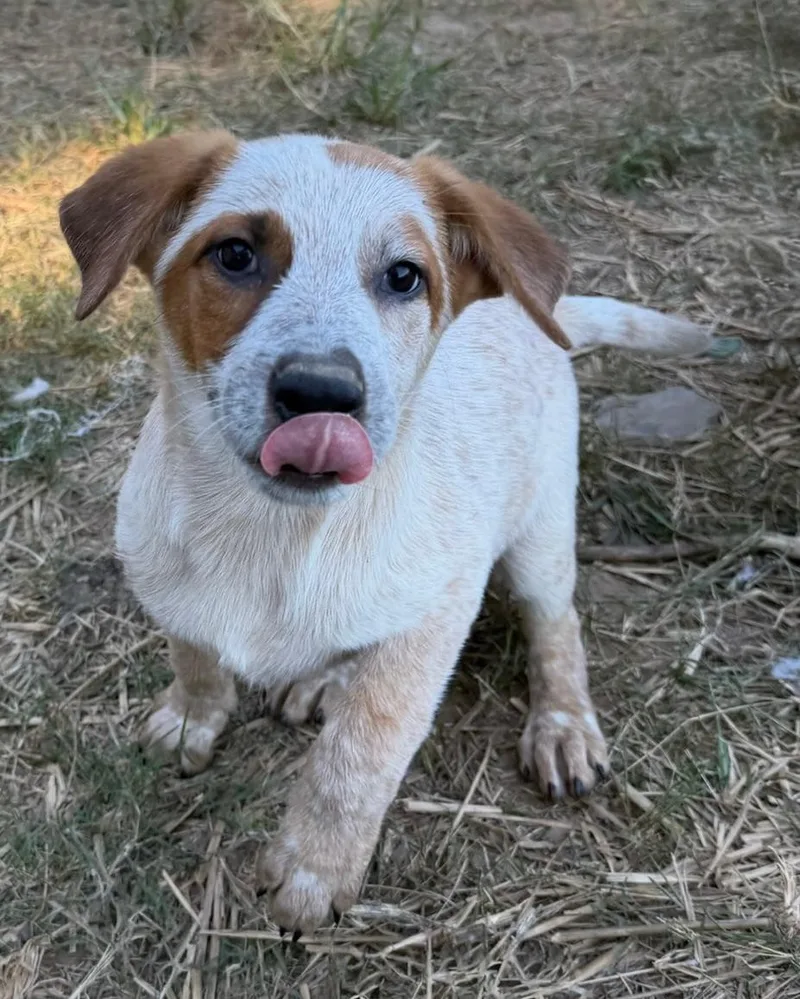
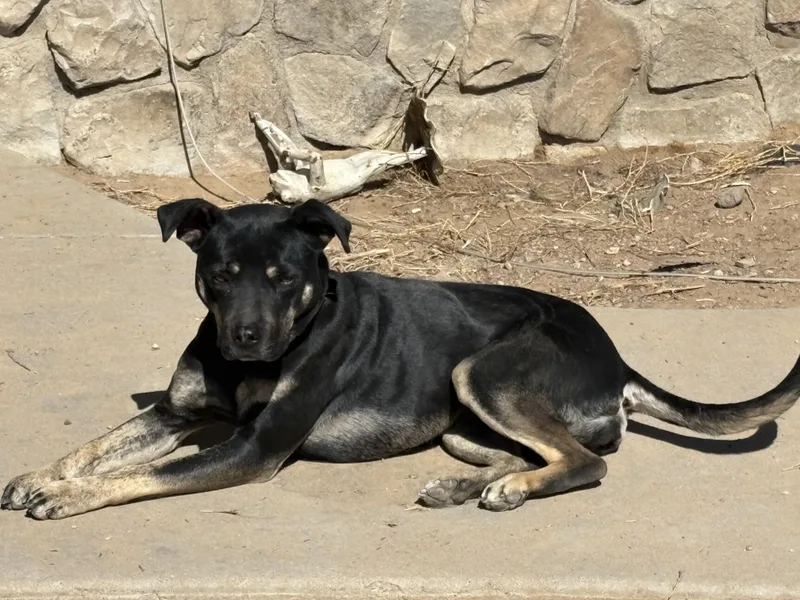
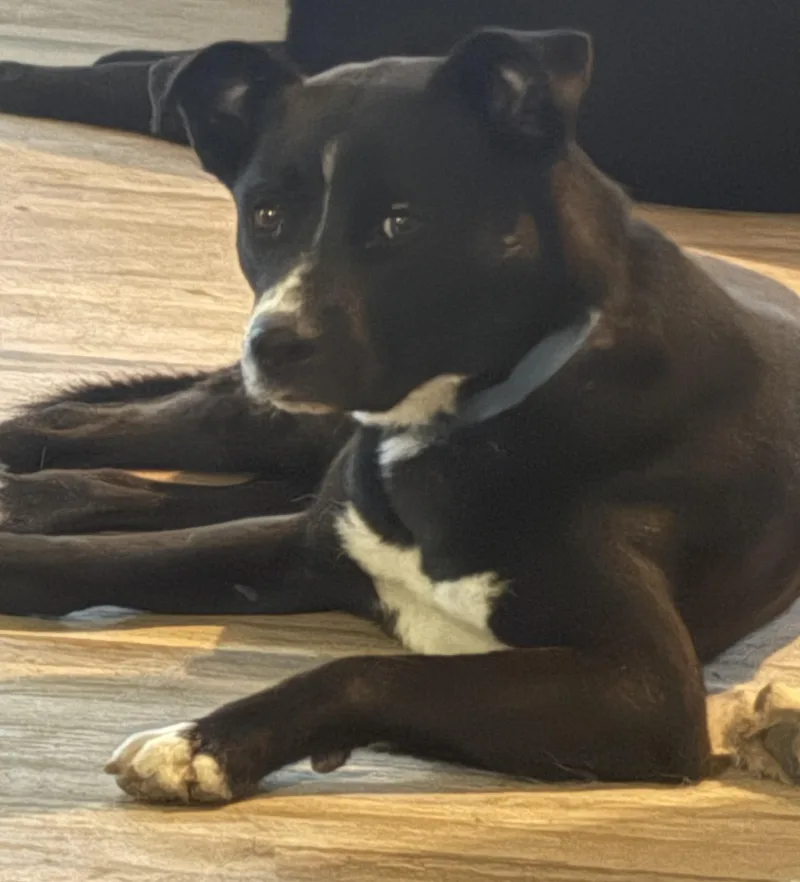
Lancashire Heeler Dogs for Adoption in Cheyenne, WY

Your guide to finding and caring for a Lancashire Heeler in Cheyenne

Lancashire Heelers fit Cheyenne's older neighborhoods well, especially the small bungalows around Lakeview and the brick ranches of Moore Haven Heights. A Heeler's compact size works in a modest house, and a fenced yard gives that busy, alert dog somewhere to patrol. Walks on the Greenway burn off energy, though a leash is required there. They're talkative, so expect a bark when the neighbors come home. If you're adopting one in Cheyenne, plan on a daily routine with games and training, since boredom shows up fast.

26 Lancashire Heelers available in Cheyenne and nationwide

Find your forever Lancashire Heeler

While we don't have enough dogs near Cheyenne, keep in mind that many rescues may offer transport.

Lancashire Heelers Available for Adoption Near Cheyenne

About the Lancashire Heeler breed

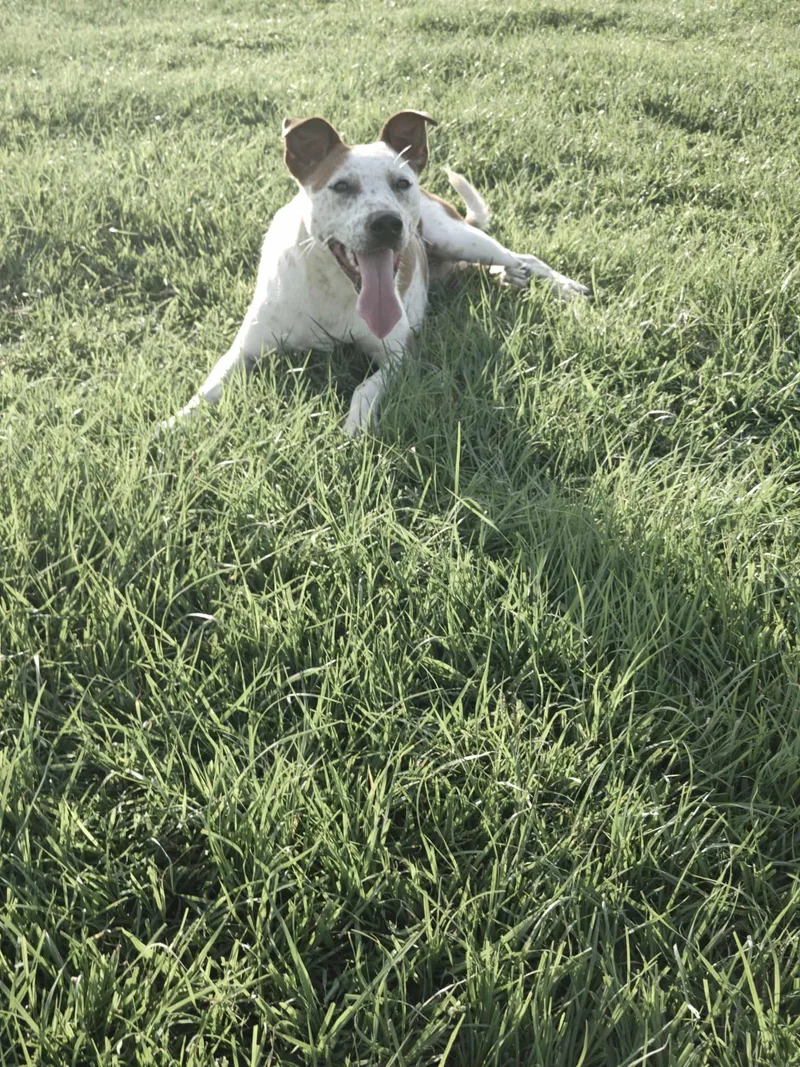
The Lancashire Heeler is a small herding dog from northwest England, bred to drive cattle by nipping at their heels and to clear barns of rats. It's thought to descend from Welsh Corgis and Manchester Terriers, which shows in the sturdy, short-legged body and the smooth, weather-resistant black-and-tan or liver-and-tan coat. Adults weigh roughly 9 to 17 pounds and stand 10 to 12 inches tall.

Many Heelers are cheerful and affectionate with their families, sometimes showing a lip-parting smile. They're quick learners with a herder's urge to chase and a ratter's prey drive. Shedding is low to moderate, and a weekly brush handles most coats. In Cheyenne, where open prairie and wind are part of daily life, a secure fence and a leash matter more than size.

Weight
9–17 lbs
Height
10–12 in
Lifespan
12–16 yrs
Temperament
Alert, Energetic, Affectionate, Intelligent
Group
Herding
Shedding
Low to Moderate

Owning a Lancashire Heeler in Cheyenne

Having a Lancashire Heeler in Cheyenne

Heelers pair a cattle dog's drive with a terrier's spark in a compact body. In Cheyenne, their energy, brains and inherited eye conditions matter most, along with long, windy winters that call for some thought about coats and paws.

Temperament

Many Heelers are alert, affectionate and devoted to their families, and they can be reserved with strangers. They're vocal, so expect announcements whenever someone passes the window. Heel-nipping and chasing can show up, and some chase small pets. Reward-based training and early socialization help, and each dog's temperament varies.

Exercise Needs

Plan on a daily walk plus active play like fetch, tug or a flirt pole. Greenway paths are good for leashed walks. Add scent games or short training sessions, since a bored Heeler may bark, dig or herd the family. On windy or icy days, indoor games and puzzle toys can fill the gap.

Health Considerations

Heelers are often long-lived, but they can inherit eye conditions such as primary lens luxation, collie eye anomaly and persistent pupillary membranes. DNA tests and eye exams can screen for them, and a veterinarian can check the eyes at a first visit. Keep up with dental care and the yearly rabies tag Cheyenne requires.

Living Space

A Heeler's size fits a small house, duplex or apartment, as long as it gets exercise and enrichment. Barking may matter more to neighbors than space does. A securely fenced yard helps, because prey drive can override recall, and the dog does best living indoors with the family, with puzzle toys to stay busy.

What it costs to own a Lancashire Heeler in Cheyenne

ExpenseTypical costPer year
Food$20 to $45 per month$240 to $540
Pet insurance$35 to $70 per month$420 to $840
Routine vet care$200 to $400 per year$200 to $400
Other*$375 to $1,050 per year$375 to $1,050
Estimated yearly total (after year one)$1,235 to $2,830

Other costs are estimates and vary with size, age and health.

* Flea, tick and heartworm prevention, a dental cleaning allowance, toys and bedding, and light grooming for a short coat.

Adopt a Lancashire Heeler in Cheyenne.

Now that you know more, let’s find you a new best friend. These rescues and shelters below have dogs available in and near Cheyenne.

Rescues and Shelters in or near Cheyenne

Cheyenne has a large nonprofit shelter and foster-based rescues, and listings for a rare breed like this change often. Here are the rescues & shelters in the Cheyenne area with dogs available for adoption, worth asking whether a Lancashire Heeler is coming in.

Frequently Asked Questions

Yes. Cheyenne's animal code has no breed-specific rules, so a Heeler is treated like any other dog. Your dog needs a rabies vaccine at four months old and a new rabies tag on the collar every year, and each home can have up to four dogs. Keep the dog restrained whenever it's off your property.

Often, yes, for an active household. Cheyenne's mostly detached homes and paved Greenway suit a small, busy dog, and a Heeler's weather-resistant coat copes with the dry climate. The tradeoffs are wind, long cold winters and a talkative dog's barking. A Heeler that gets daily exercise and training generally settles in well.

Usually, with some help. The weather-resistant double coat handles cold well, but a Heeler is small and low to the ground, so deep snow and wind chill hit harder. Use a coat or sweater on sub-zero or windy days, shorten outings, and wipe paws after walks to remove ice-melt and packed snow.

The Greater Cheyenne Greenway is the top pick, with nearly 50 miles of paved trail, though dogs must stay leashed. Lions Park beside Sloans Lake, Holliday Park and North Cheyenne Community Park also work for leashed walks. No off-leash park is open right now, so use a fenced yard or a training session for fetch.

Very little. The short, harsh coat needs a brush about once a week, more often during the seasonal undercoat shed in spring and fall. Dry, windy weather can leave skin flaky, so bathe only when needed. Trim nails and wipe paws after winter walks. Most owners handle this at home, so it fits the light grooming budget.

No. Cheyenne Transit Program buses are free to ride, but they allow only service animals, not pets, and there's no Sunday service. Plan on driving to vet visits and outings. Never leave your Heeler in a parked car, since city code bars leaving animals in vehicles without ventilation or in extreme temperatures.

Sometimes, on a patio. Dog policies are set by each restaurant, and indoor dining rooms generally don't admit pet dogs. Some Cheyenne breweries and cafes have been listed as dog-friendly, but policies change. Bring a leash and a mat, and only settle in where the patio is clearly dog-friendly.

A Lancashire Heeler is a small, sturdy herding dog from northwest England, about 10 to 12 inches tall and 9 to 17 pounds, originally used to drive cattle and catch rats on farms. It has a short black-and-tan or liver-and-tan coat, an alert, cheerful personality and plenty of energy. The AKC recognized the breed in 2024.

The Lancashire Heeler's roots likely go back several centuries in Lancashire, England, with some accounts dating it to the 1600s, when farmers and butchers used small heelers to drive cattle. The modern breed was revived in the 1960s, its club formed in 1978, and The Kennel Club recognized it in 1981. The AKC followed in 2024.

Expect roughly $20 to $45 a month for food, $35 to $70 for optional insurance, $200 to $400 a year for routine vet care, and $375 to $1,050 a year for other costs such as parasite prevention and dental cleanings. Together that's about $1,200 to $2,800 a year, with no annual city license fee.

Explore Other Breeds in Cheyenne

Looking for a different breed? Browse other dogs available for adoption in Cheyenne.