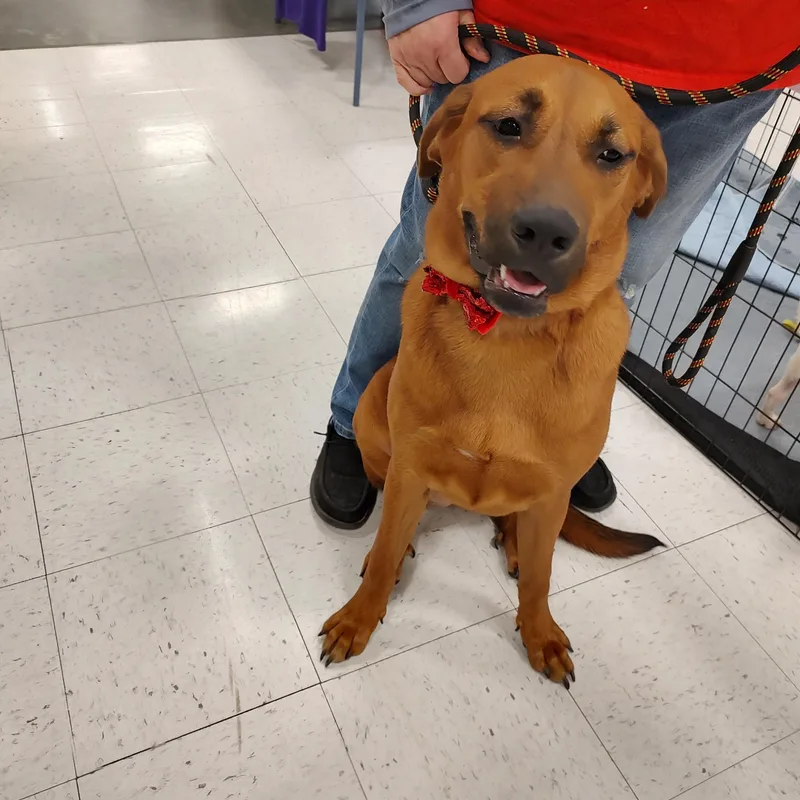
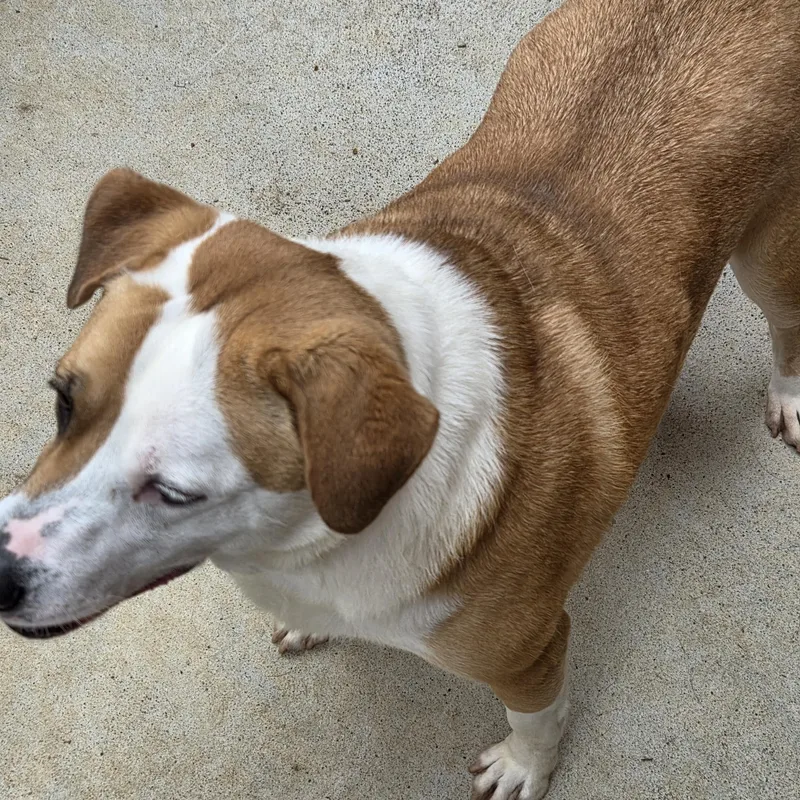
White German Shepherd Dogs for Adoption in Charleston, WV

Your guide to finding and caring for a White German Shepherd in Charleston

A White German Shepherd suits Charleston's hillside streets, where even a short walk gives a big working dog some real exercise. In Edgewood or South Hills, sloped yards and tree-lined blocks make daily loops more interesting, and a securely fenced backyard handles the rest. Expect white hair on everything and a loyal dog that wants to stay close. It does best with people who are home a good part of the day and like to be outdoors.

97 White German Shepherds available in Charleston and nationwide

Give a White German Shepherd a home

While we don't have enough dogs near Charleston, keep in mind that many rescues may offer transport.

White German Shepherds Available for Adoption Near Charleston

About the White German Shepherd breed

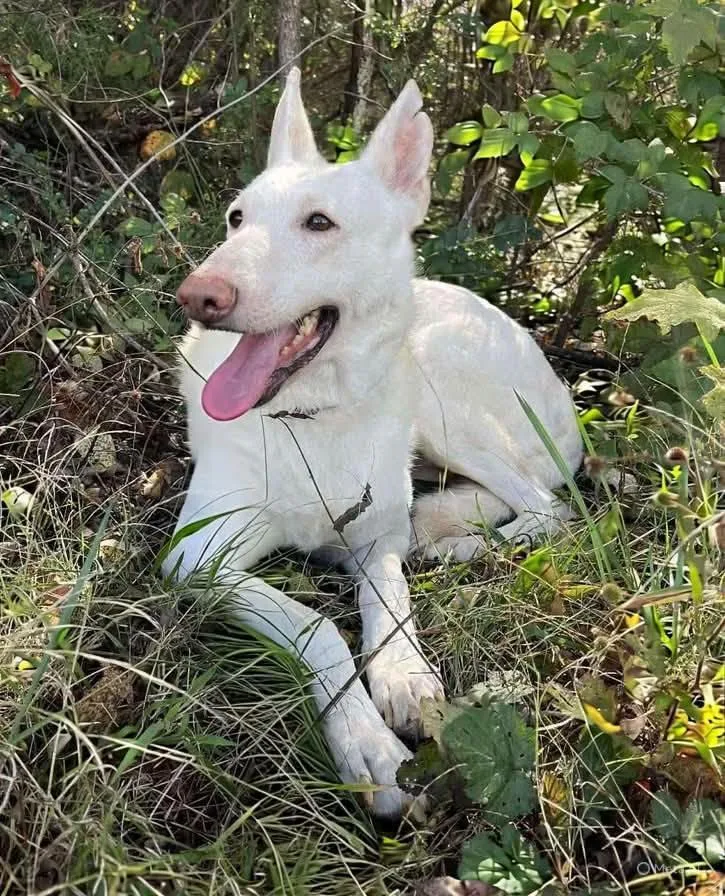
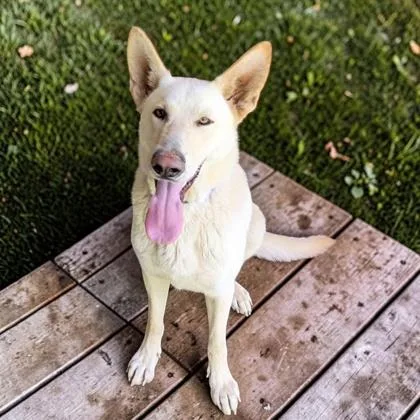
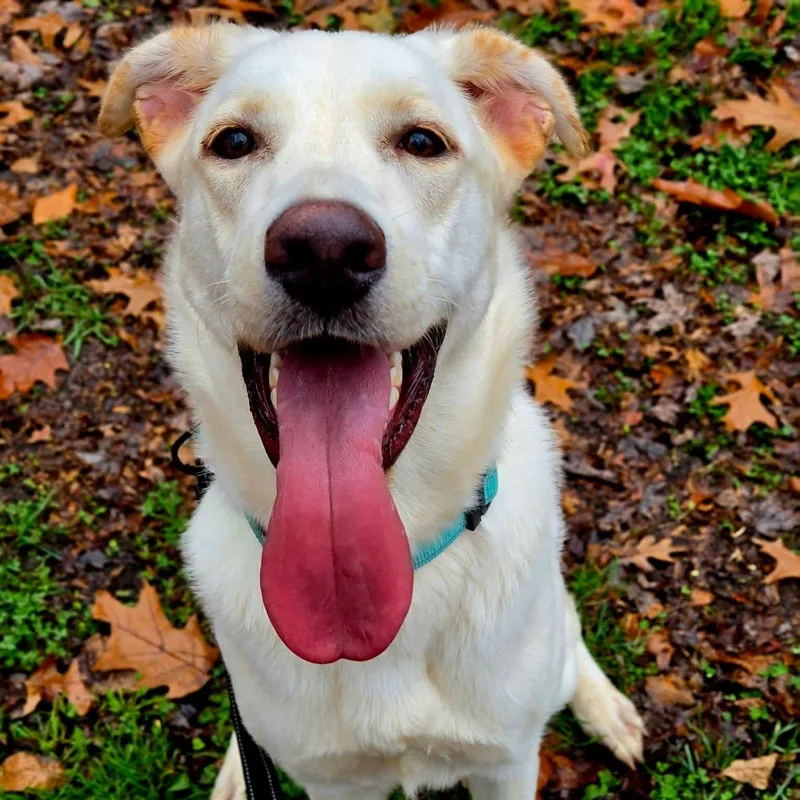
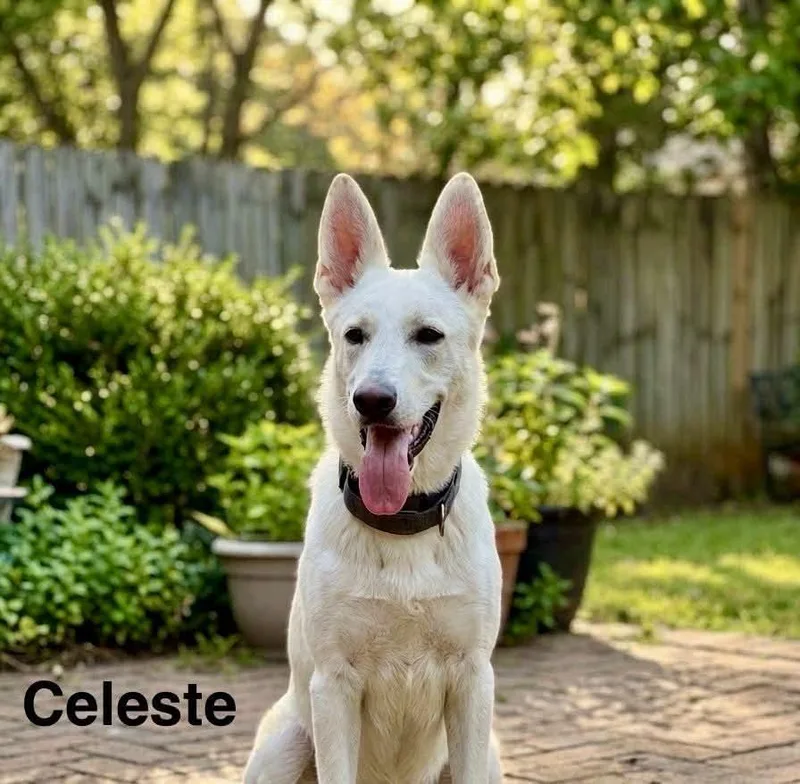
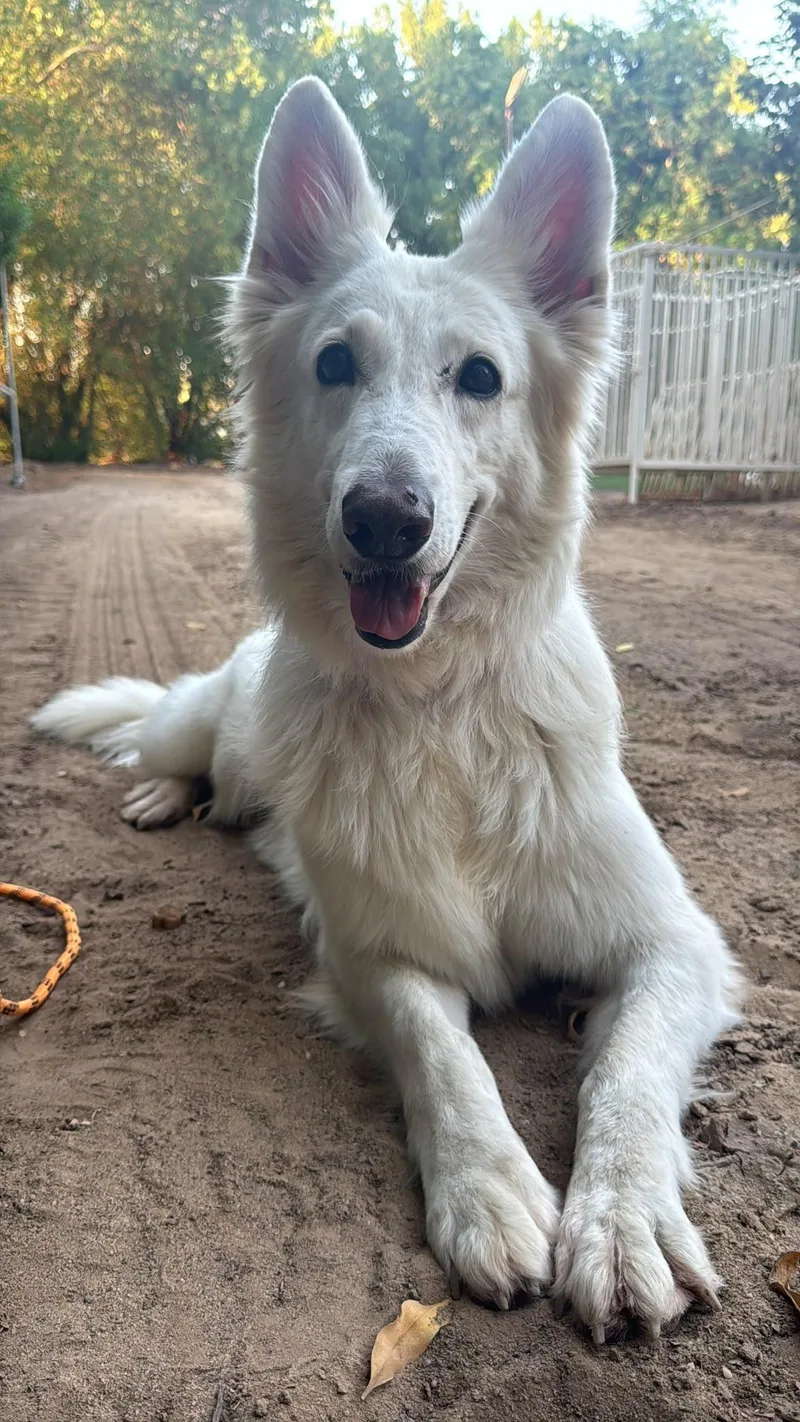
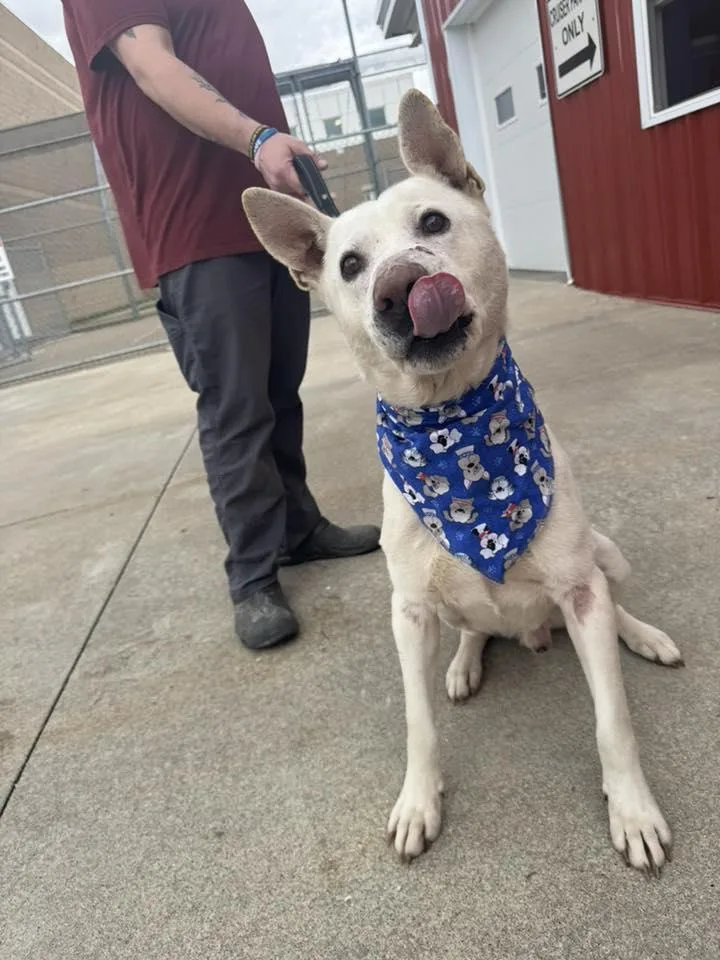
A White German Shepherd is a German Shepherd with an all-white coat caused by a recessive gene, not albinism, so the nose, eye rims and brown eyes stay dark. White dogs have appeared since the breed's early days, but Germany barred them in 1933 and the AKC show standard still disqualifies the color. The United Kennel Club recognizes the White Shepherd as its own breed.

Underneath the coat, these are large, athletic, intelligent dogs, usually 60 to 85 pounds, that bond closely with their people and are often reserved with strangers. They need daily exercise, training and a job for their minds, and the double coat sheds heavily year-round. In Charleston, that means regular brushing, a good vacuum and a plan for the hills. Each dog varies, and a dog's upbringing matters more than coat color.

Weight
60–85 lbs
Height
22–26 in
Lifespan
9–13 yrs
Temperament
Loyal, Intelligent, Alert
Group
Herding
Shedding
High

Owning a White German Shepherd in Charleston

Having a White German Shepherd in Charleston

Beyond the white coat, this is a German Shepherd: big, smart and driven. In Charleston, the hills, humid summers and heavy shedding shape daily life with one as much as personality does.

Temperament

Loyal, watchful and closely attached to family, White German Shepherds are often reserved with strangers rather than hostile. That can suit quiet residential streets in places like Kanawha City, but early socialization and reward-based training matter. A dog's background and upbringing shape behavior more than coat color, so expect variation from dog to dog.

Exercise Needs

Plan on an hour or more of vigorous activity daily, plus mental work like scent games or obedience practice. Charleston's hills turn ordinary walks into a workout, and Cato Park's trails or leashed hikes in Kanawha State Forest add variety. Puppies should avoid repetitive high-impact running while their joints develop.

Health Considerations

Hip and elbow dysplasia, degenerative myelopathy, bloat, allergies and digestive or perianal problems are the usual German Shepherd concerns. White coat color itself isn't tied to deafness or blindness. A veterinarian can check hips and joints early, and a lean weight protects them, which helps on Charleston's steep streets.

Living Space

Charleston has plenty of single-family homes with yards, which suit this large shepherd well. A well-exercised dog can manage an apartment, but expect white hair everywhere and a dog that wants to live indoors with its family. Fence hillside yards securely, since slopes can hide gaps a determined dog will find.

What it costs to own a White German Shepherd in Charleston

ExpenseTypical costPer year
Food$55 to $110 per month$660 to $1,320
Pet insurance$65 to $130 per month$780 to $1,560
Routine vet care$250 to $500 per year$250 to $500
Other*$578 to $1,456 per year$578 to $1,456
Estimated yearly total (after year one)$2,268 to $4,836

Other costs are estimates and vary with size, age and health.

* The Charleston dog tag (about $3), flea, tick and heartworm prevention, a dental cleaning allowance, toys and bedding, and brushing and baths for a heavy-shedding double coat.

Adopt a White German Shepherd in Charleston.

Now that you know more, let’s find you a new best friend. These rescues and shelters below have dogs available in and near Charleston.

Rescues and Shelters in or near Charleston

The Kanawha-Charleston Humane Association has served the Charleston area since 1935, and its adoptions include spay/neuter and a microchip. Here are the rescues & shelters in the Charleston area with dogs available for adoption, worth asking whether a White German Shepherd is coming in.

Frequently Asked Questions

Yes. Charleston has no known breed-specific rule, and its dangerous-dog rules are based on a dog's behavior. You'll need to keep your dog leashed or contained off your property, vaccinate for rabies by six months, buy a yearly dog tag, and stay within the two-dog-per-home limit unless you get a city permit.

It can be, for active people who are home often. Charleston's hills, trails and fenced yards suit a big, energetic shepherd, while humid summers and heavy shedding take planning. Fence hillside yards well, since bears wander some neighborhoods. Dogs vary, so judge each dog's energy and manners rather than coat color or breed.

Possibly, if the dog gets an hour or more of exercise daily and the landlord allows large dogs. Landlords set their own pet rules, so confirm size limits and pet fees before signing. Without enough exercise, a bored shepherd tends toward barking and chewing, and you'll find white hair on every surface.

Yes. The thick double coat copes well with Charleston's cold and snow. Wipe salt and ice from paws and have an indoor plan for ice-storm outages. Humid summers are the harder season for a heavy-coated shepherd, so exercise early or late, offer shade and water, and never leave a dog in a parked car.

Emma's Place, the fenced dog park in Cato Park, is a good start for play, and Dunbar Street and North Charleston also have city dog parks. For hiking, Kanawha State Forest has about 14 miles of foot trails where dogs must stay leashed. Haddad Riverfront Park offers easy downtown walks along the river.

No. Charleston has KRT buses rather than a subway, and KRT rider rules say no pets, though federal law makes an exception for service animals. A large shepherd is better off traveling by car, so plan on a crate or a seat-belt harness for trips to trails and the vet.

Plan on brushing several times a week, and daily during the heavy sheds in spring and fall. Humid summers and muddy spring trails mean occasional baths, but frequent bathing can dry the skin. Most owners can handle this at home, and grooming supplies and baths count toward the Other line in the cost table.

Only where a restaurant chooses to allow it. West Virginia has no state law on dogs in outdoor dining, so each restaurant sets its own policy, and downtown has patios that welcome dogs. Indoor dining rooms generally don't admit pet dogs. A large shepherd should settle calmly under the table before you try.

Yes, German Shepherds can be white. A recessive gene that masks the usual coat pigment produces an all-white or cream coat, and white puppies have appeared since the breed's early history. The AKC still registers white German Shepherds but disqualifies them in conformation shows, while the United Kennel Club recognizes them as a separate breed, the White Shepherd.

Budget roughly $2,270 to $4,840 a year for a White German Shepherd in Charleston. That covers food at $55 to $110 a month, insurance at $65 to $130 a month, routine vet care of $250 to $500 a year, and $578 to $1,456 a year in other costs such as prevention, dental care and coat care.