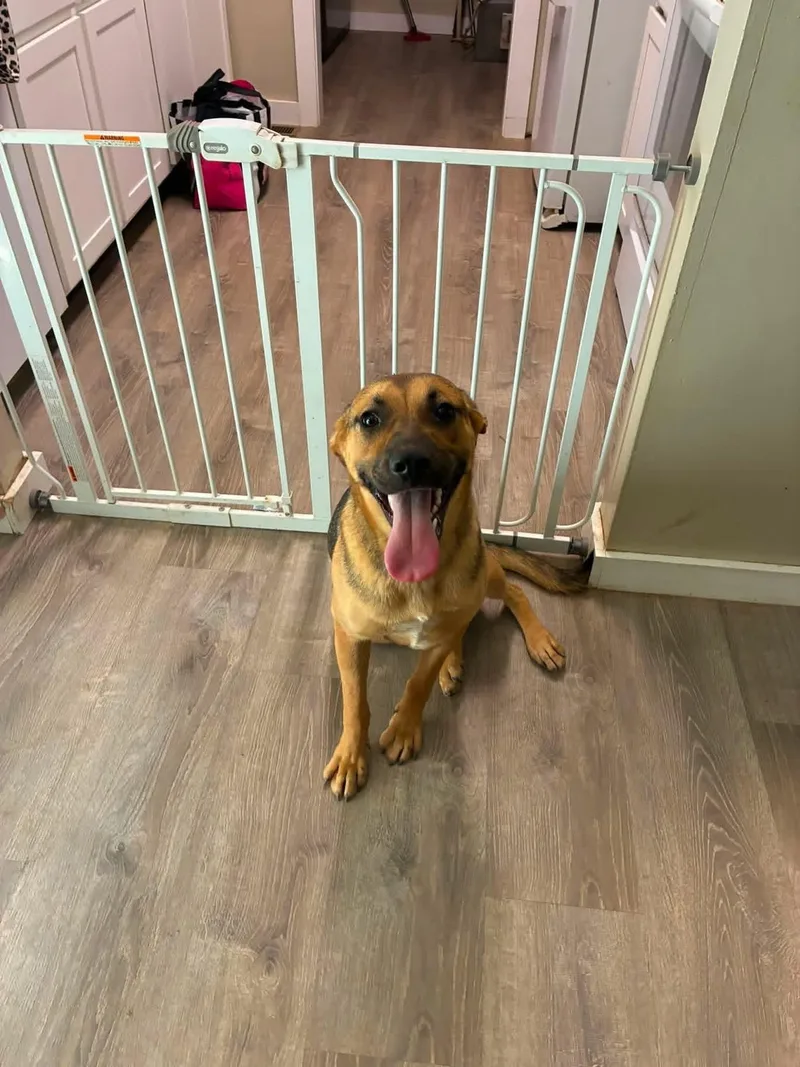
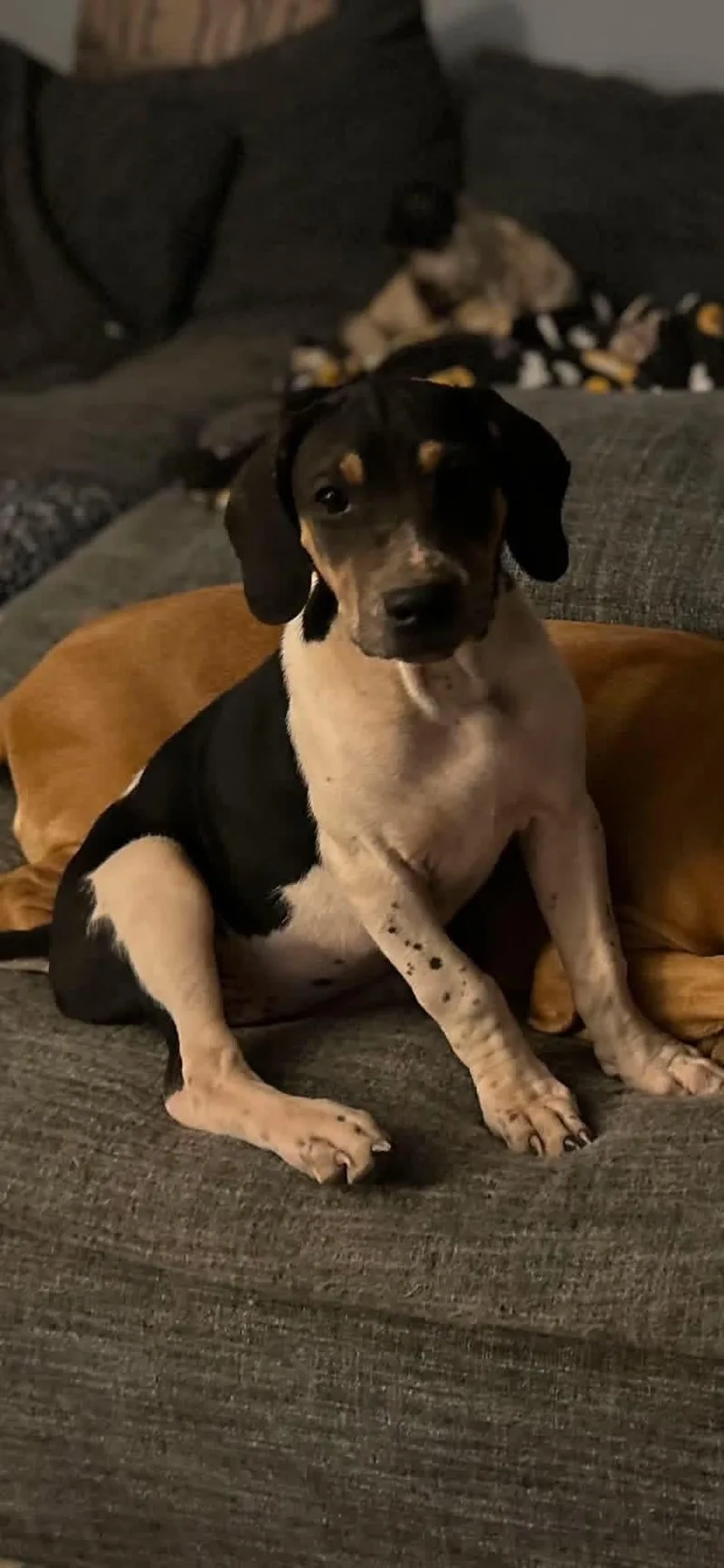
Standard Schnauzer Dogs for Adoption in Charleston, WV

Your guide to finding and caring for a Standard Schnauzer in Charleston

Standard Schnauzers handle Charleston's hills well, and a loop through Edgewood or South Hills makes a good daily workout. They're sturdy, alert dogs that like having a job, so pair the walk with a few training games. That watchful streak means they'll announce every passerby, which is worth knowing on a close-set street. Charleston requires dogs to be leashed when they leave your property, so a fenced yard helps for burning off extra energy.

553 Standard Schnauzers available in Charleston and nationwide

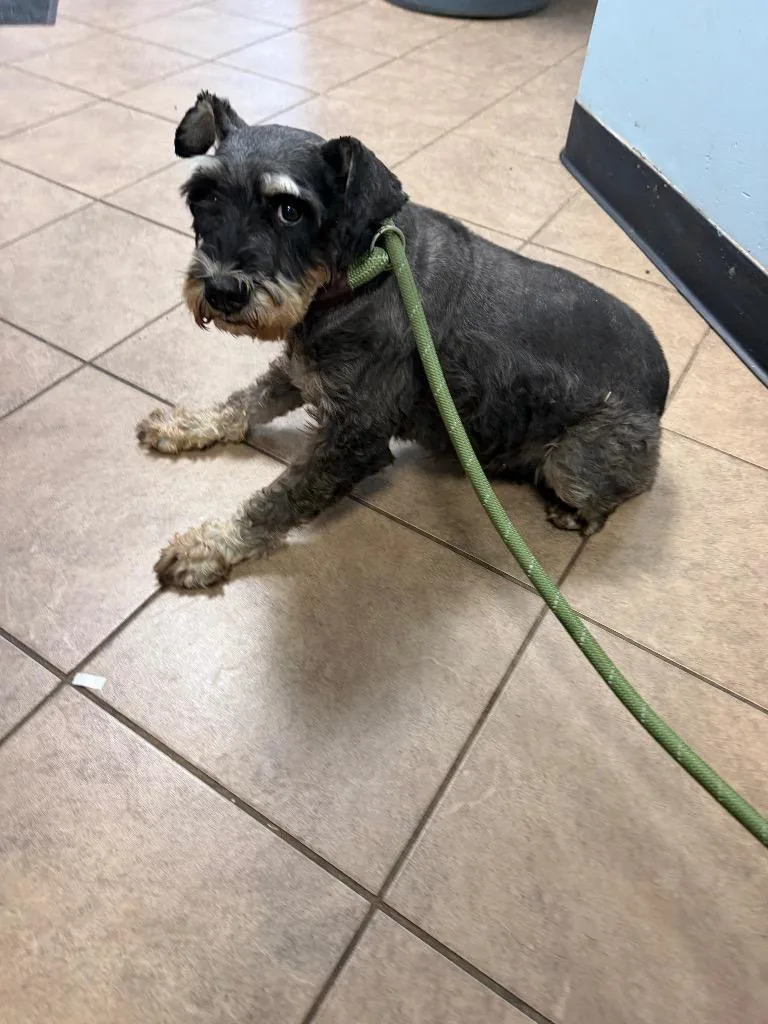
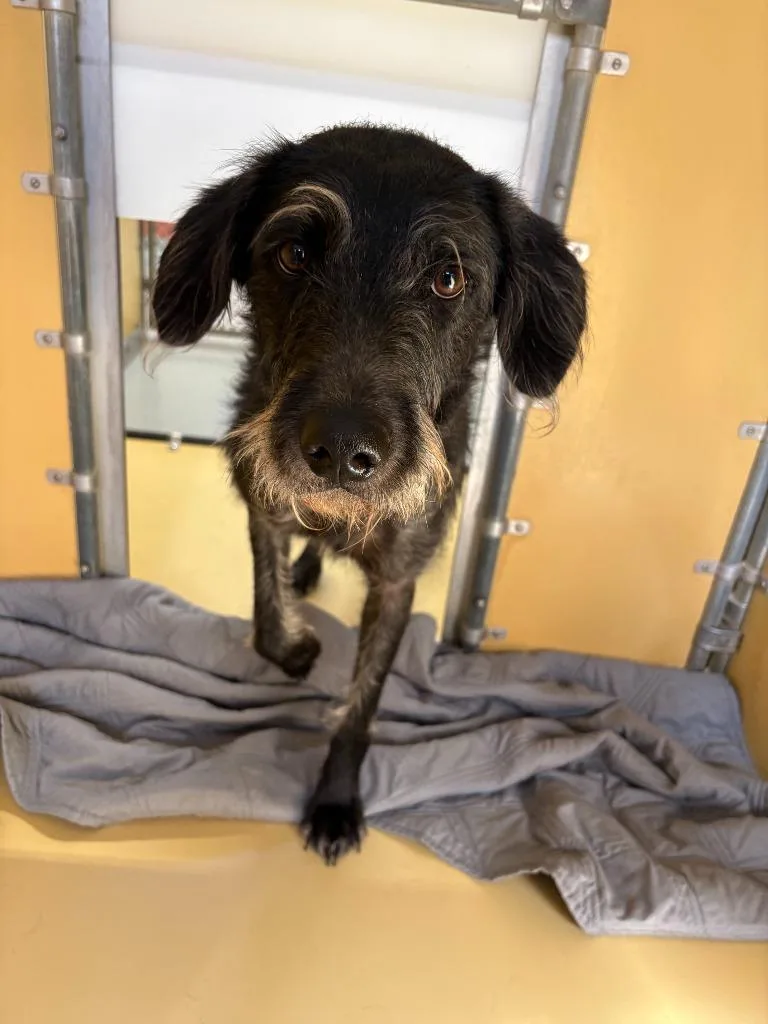
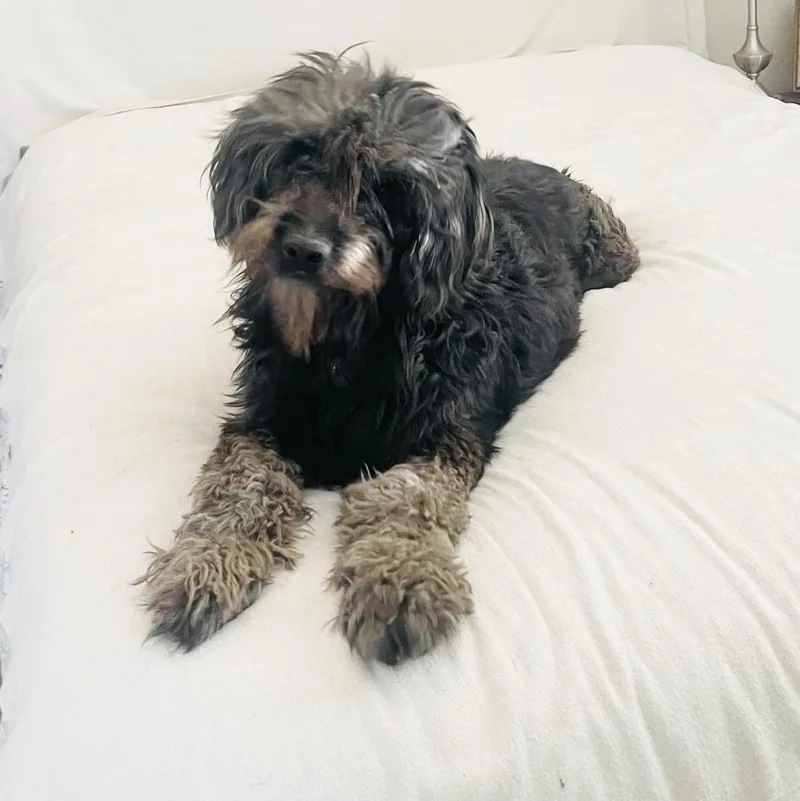
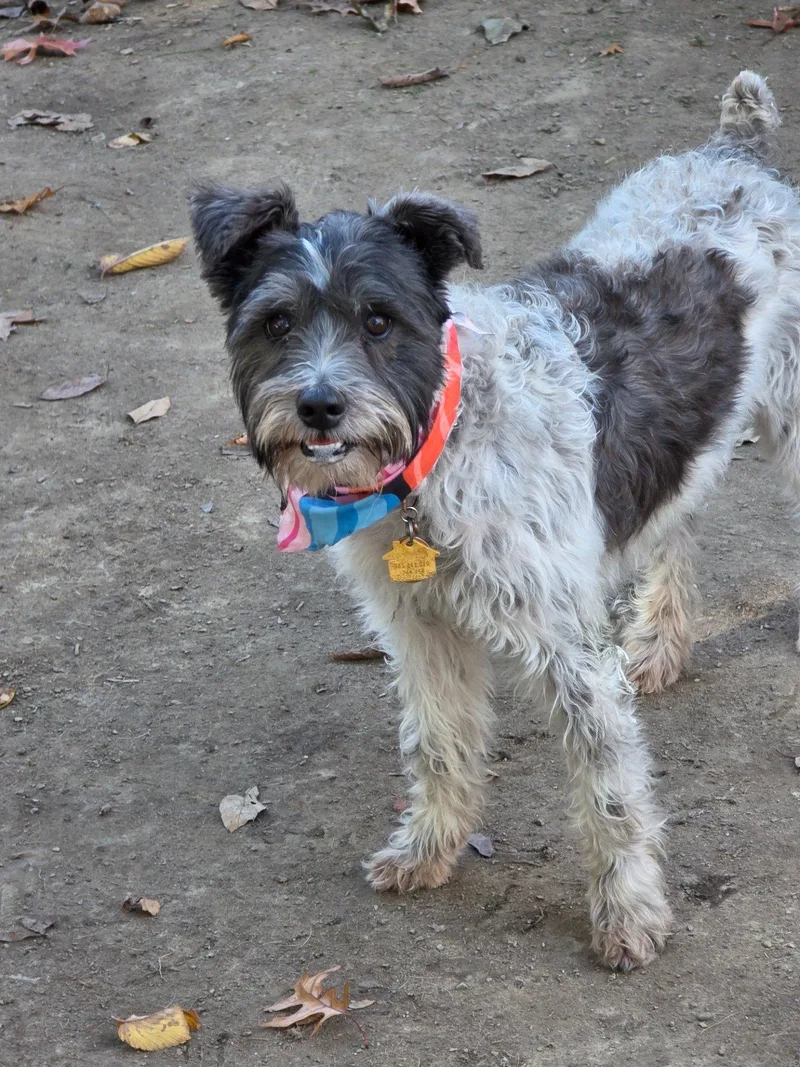
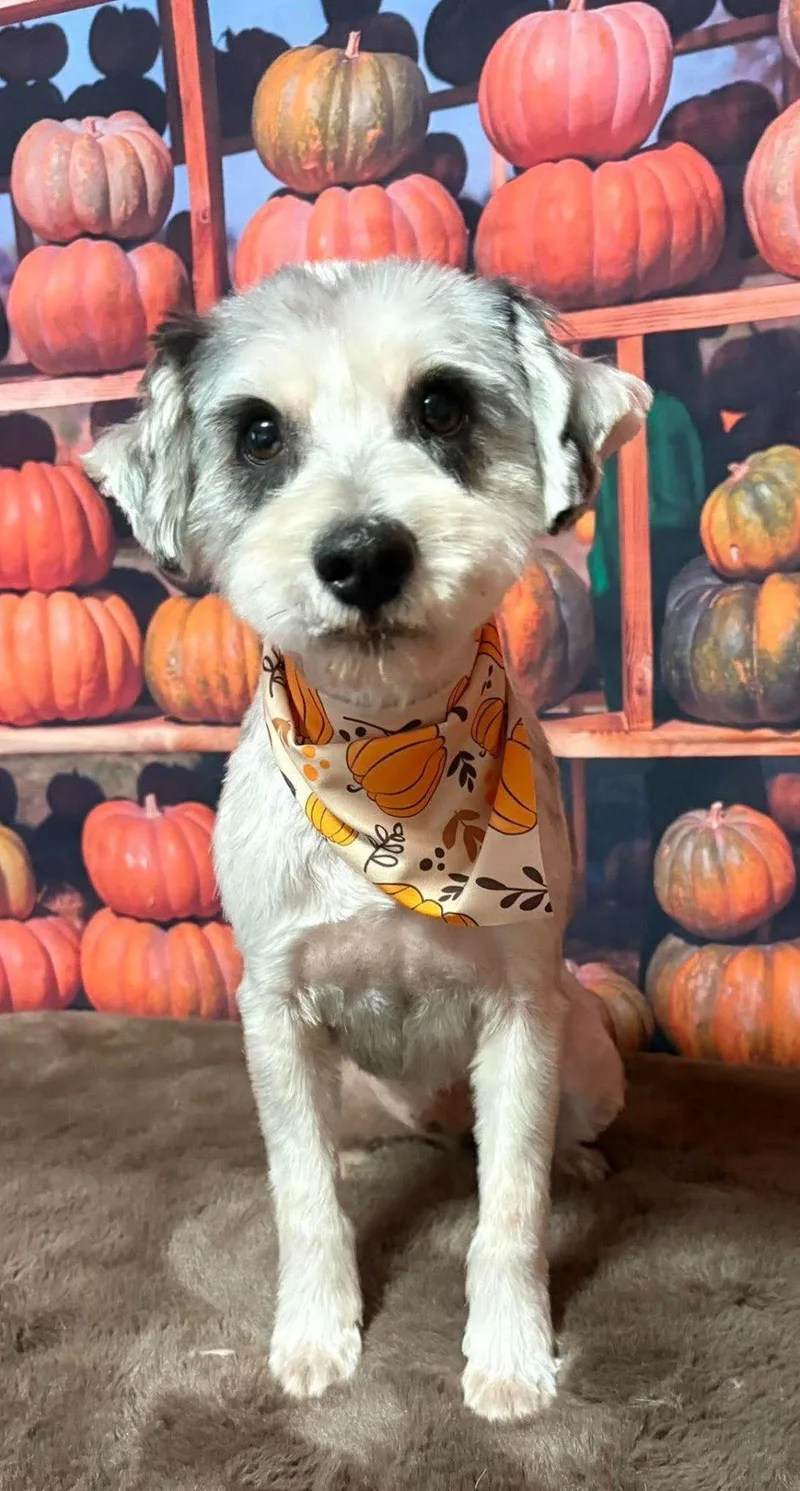
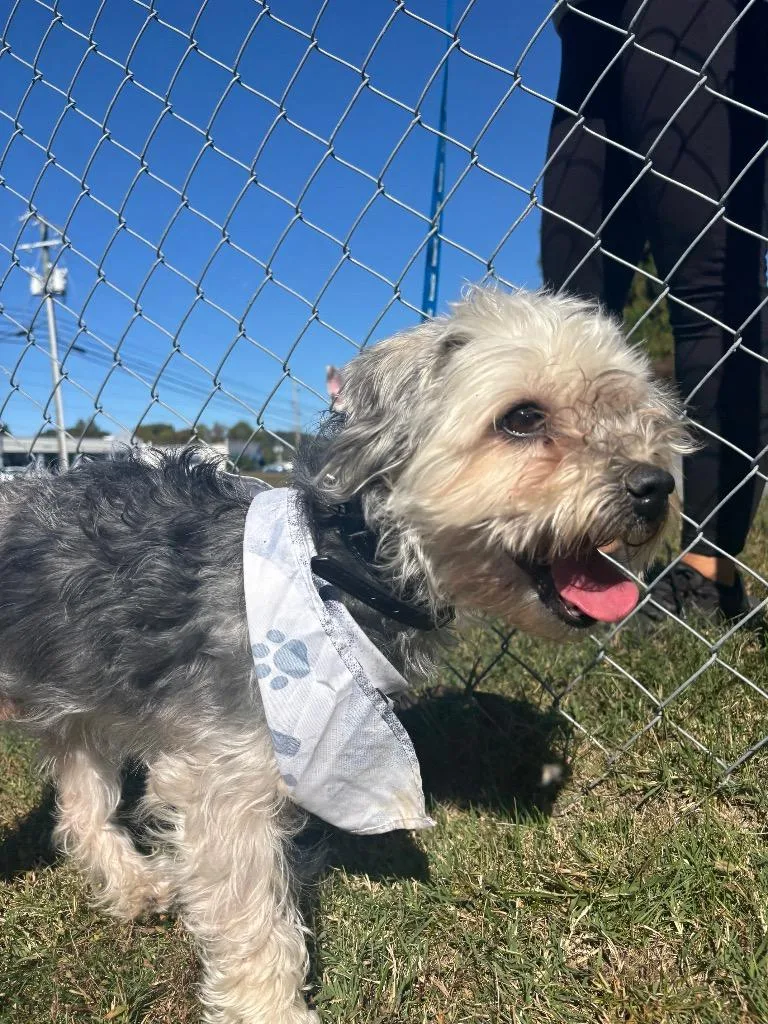
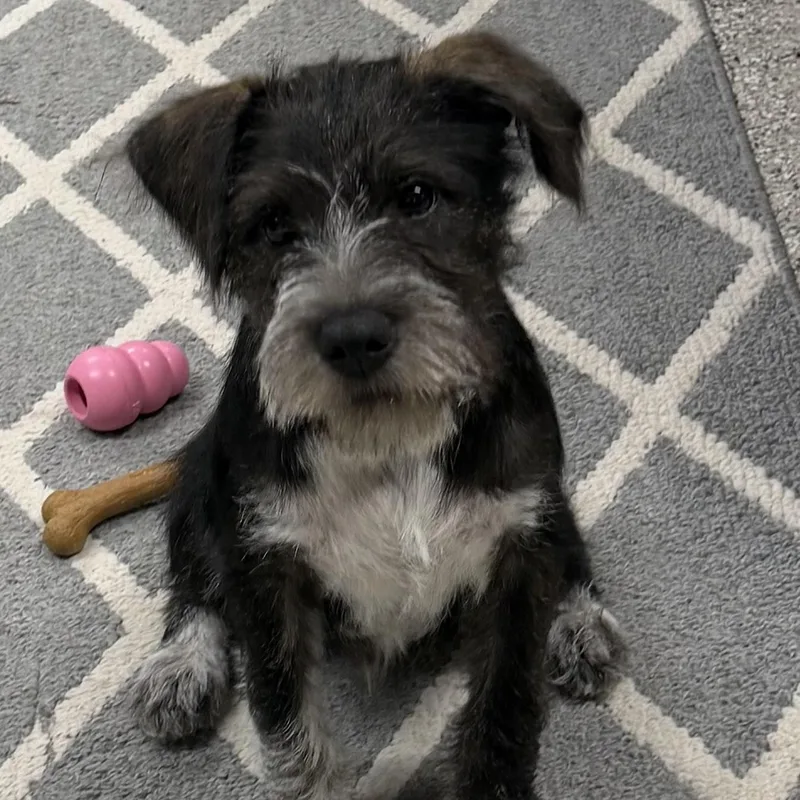
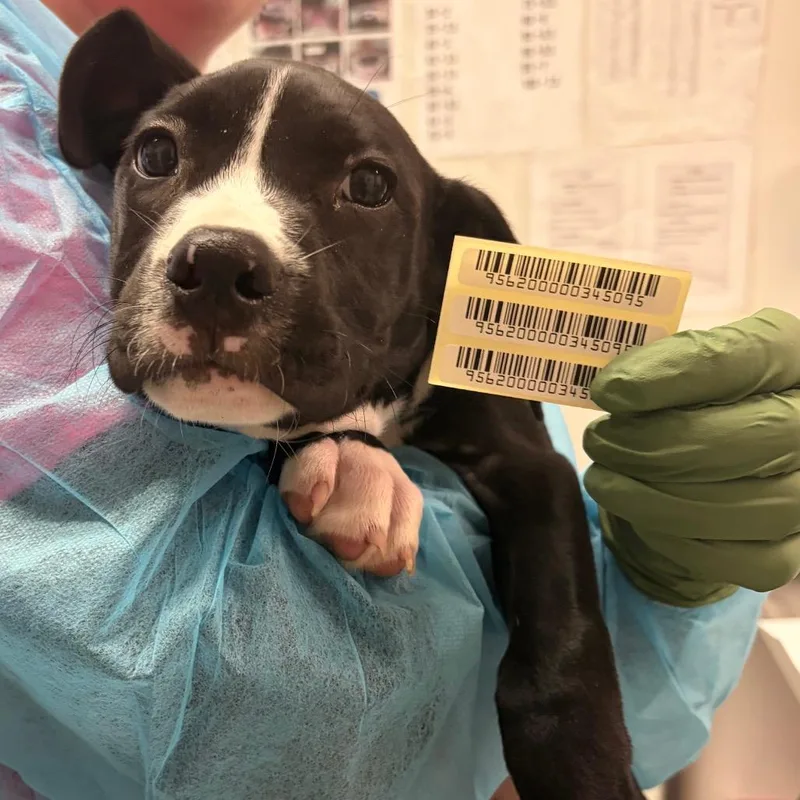
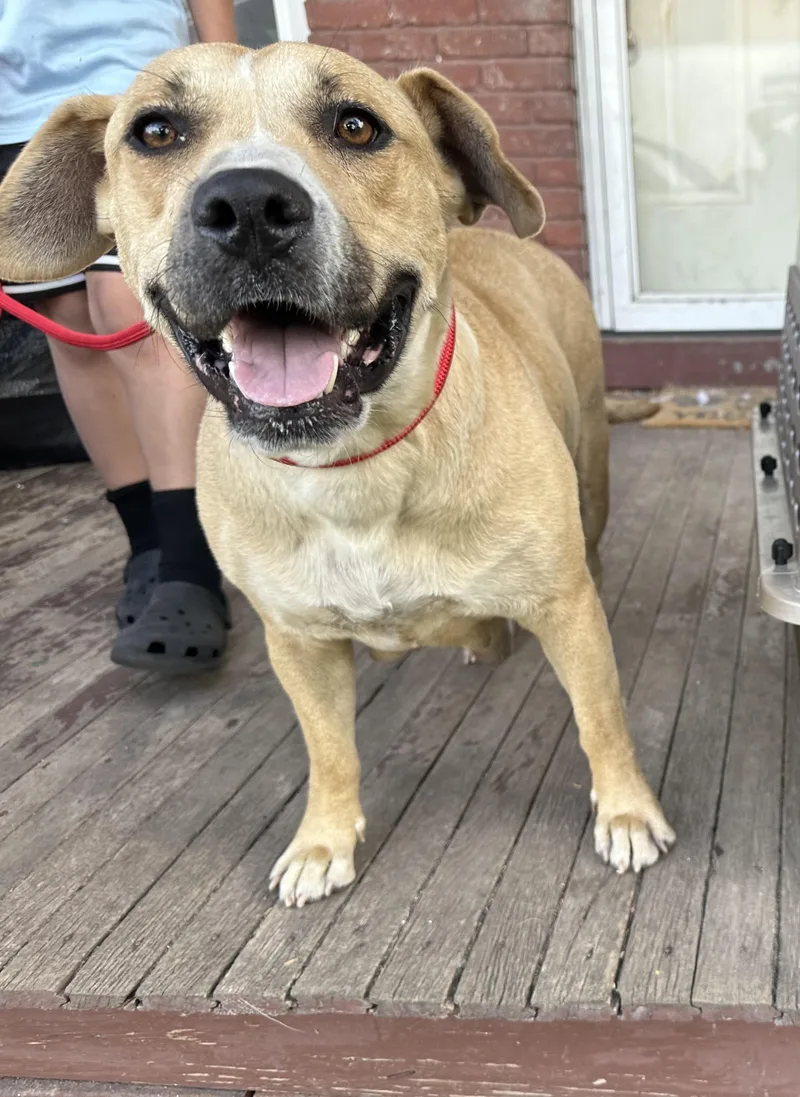
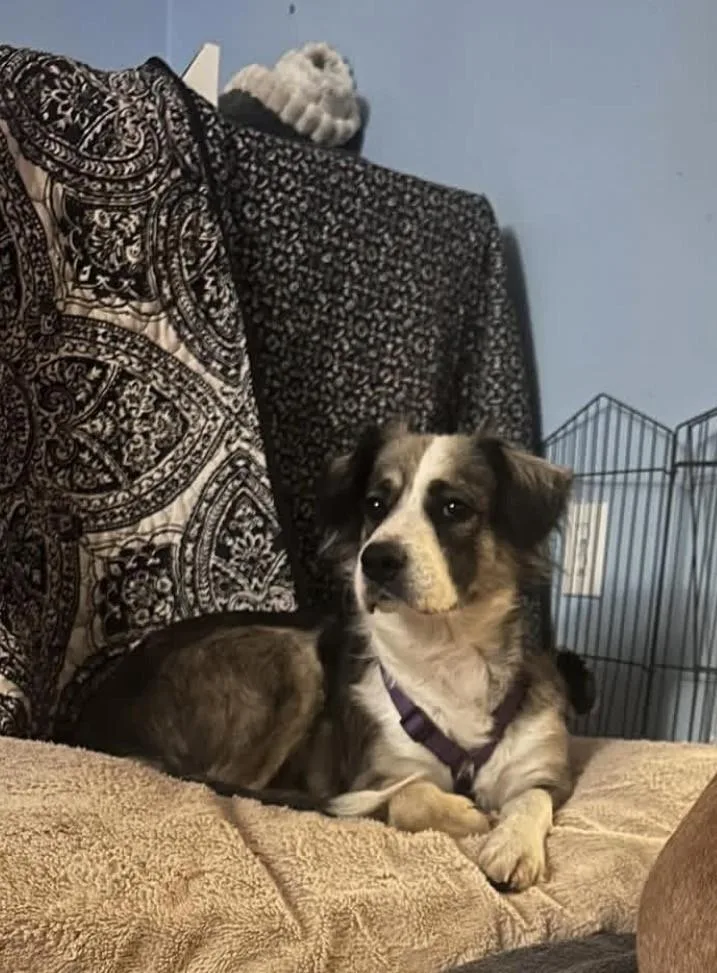
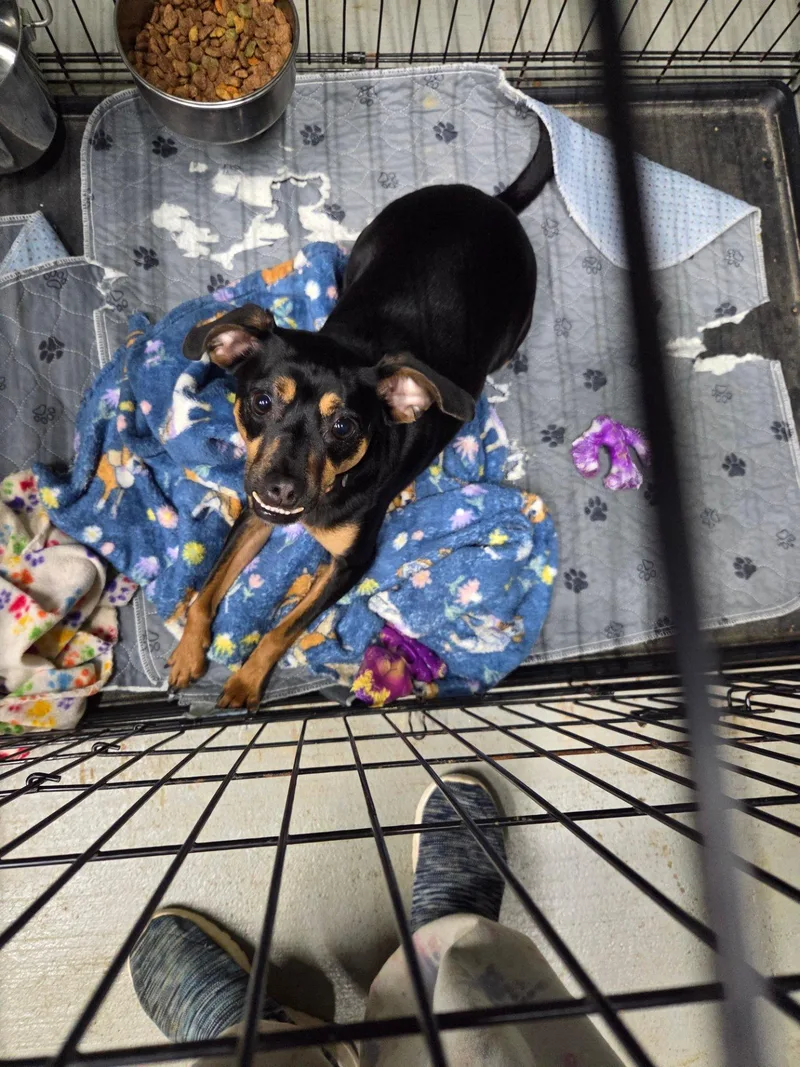
Meet a Standard Schnauzer who needs you

While we don't have enough dogs near Charleston, keep in mind that many rescues may offer transport.

Standard Schnauzers Available for Adoption Near Charleston

About the Standard Schnauzer breed

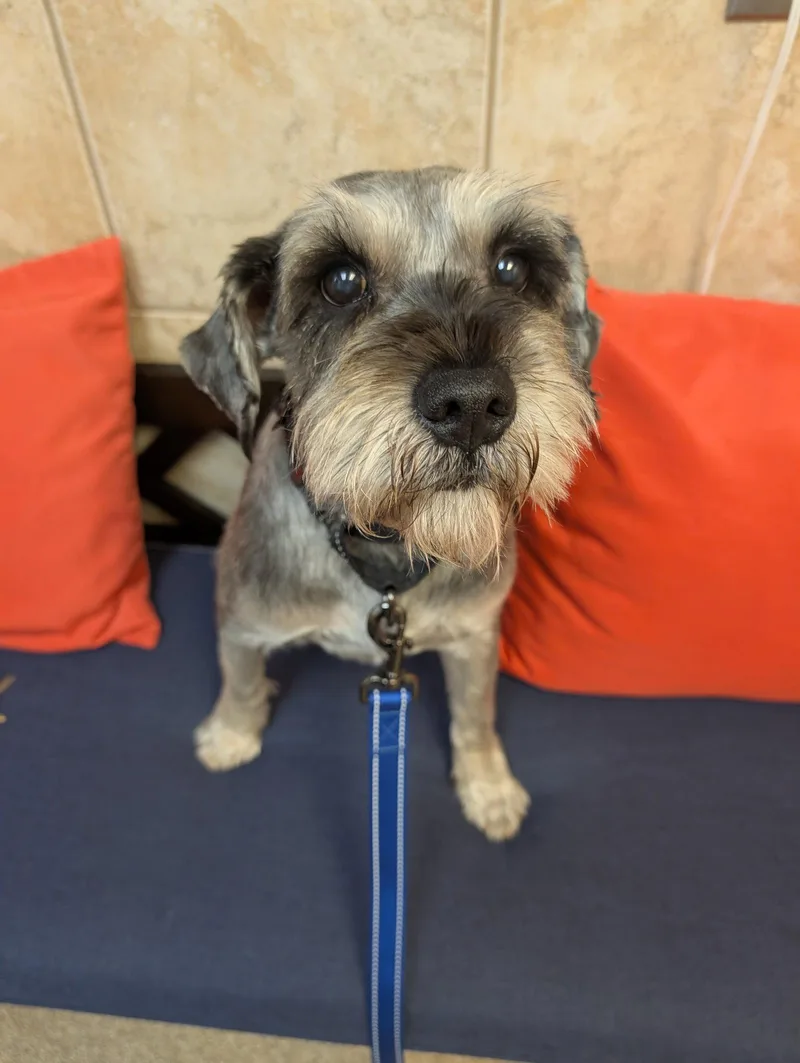
The Standard Schnauzer is the original of the three Schnauzer breeds, developed in southern Germany as a farm dog that caught rats, guarded the yard and traveled alongside carriages. Its name comes from the German word for snout, and the bristly beard, arched eyebrows and wiry pepper-and-salt or black coat give it a famously serious expression.

Many Standards are clever, loyal and spirited, with a playful side and a taste for mischief when they're bored. In Charleston, that energy suits people who enjoy hilly walks, weekend trail time and regular training sessions. The coat sheds little but needs frequent brushing and either clipping or hand-stripping. Dogs vary, so spend time with a particular dog before deciding.

Weight
30–50 lbs
Height
17–20 in
Lifespan
12–16 yrs
Temperament
Intelligent, Spirited, Protective
Group
Working
Shedding
Low

Owning a Standard Schnauzer in Charleston

Having a Standard Schnauzer in Charleston

Standard Schnauzers pair working-dog drive with a sturdy, medium frame. In Charleston, the big questions are whether you can supply daily exercise and mental work, keep up with coat care, and manage a watchful dog on hilly streets near wooded areas.

Temperament

Standard Schnauzers are typically bright, bold and devoted, often reserved with strangers and quick to sound an alert. That watchfulness can be handy where deer and the occasional black bear wander near Charleston yards, but it takes training to keep barking in check. Some chase small animals or challenge other dogs, and each dog differs.

Exercise Needs

Plan on an hour or more a day. Charleston's hilly streets give leashed walks a built-in workout, and Kanawha State Forest offers about 14 miles of foot trails where leashed dogs are welcome. Add scent games, obedience or puzzle toys for mental work, since a bored Schnauzer tends to invent its own projects.

Health Considerations

Standard Schnauzers are generally robust, though hip dysplasia, eye problems such as cataracts, and hypothyroidism are documented concerns. A veterinarian can check hips, eyes and weight at a first visit. With Charleston's wooded hillsides and trails, ask about flea and tick prevention, and keep weight in check to protect the joints.

Living Space

A Standard Schnauzer can adapt to an apartment if exercise and mental work are covered, though alert barking carries through thin walls. A house with a securely fenced yard is a comfortable fit, and since many Charleston lots slope, check that fencing is tight at the bottom. They do best indoors with their people.

What it costs to own a Standard Schnauzer in Charleston

ExpenseTypical costPer year
Food$35 to $70 per month$420 to $840
Pet insurance$45 to $85 per month$540 to $1,020
Routine vet care$225 to $450 per year$225 to $450
Other*$878 to $2,256 per year$878 to $2,256
Estimated yearly total (after year one)$2,063 to $4,566

Other costs are estimates and vary with size, age and health.

* The Charleston dog tag (about $3), professional grooming or hand-stripping every six to eight weeks, dental cleanings, flea, tick and heartworm prevention, and supplies like toys and bedding.

Adopt a Standard Schnauzer in Charleston.

Now that you know more, let’s find you a new best friend. These rescues and shelters below have dogs available in and near Charleston.

Rescues and Shelters in or near Charleston

A nonprofit humane association has cared for Charleston's animals since 1935, and its adoptions include spay/neuter, vaccines and microchipping. Here are the rescues & shelters in the Charleston area with dogs available for adoption, worth asking whether a Standard Schnauzer is coming in.

Frequently Asked Questions

Yes, Charleston has no known breed-specific rule, and its dangerous-dog rules are based on a dog's behavior. You'll need to keep your dog leashed or contained off your property, stay within the two-dog-per-home limit unless you get a city permit, vaccinate for rabies by six months, and buy a yearly dog tag.

Yes, the wiry outer coat and soft undercoat suit Charleston's cold, snowy winters, which bring lows near 28°F and about 31 inches of snow a year. Short-clipped dogs may want a jacket, and ice storms can knock out power, so keep your dog indoors and wipe road salt off paws.

Emma's Place in Cato Park is one of the city's dog parks, alongside Dunbar Street and North Charleston. Kanawha State Forest has about 14 miles of foot trails for leashed dogs, and Haddad Riverfront Park and Magic Island suit leashed walks downtown. Standard Schnauzers can be dog-selective, so watch how yours reacts in busy off-leash areas.

No, KRT buses don't allow pets, so a Standard Schnauzer can't ride along. Service animals are the exception under federal law. Charleston has no subway or light rail, so most owners drive to trailheads and parks, using a crash-tested crate or harness for the ride.

It can be, especially for active people who enjoy hilly walks and trail days at Kanawha State Forest and have time for training. Most Charleston households own their homes, which can make a fenced yard easier. A watchful Schnauzer is a poorer match for long days alone, and fireworks or wildlife like bears call for leashed, supervised yard time.

Plan on brushing a few times a week and a professional trim or hand-stripping every six to eight weeks. Charleston's muddy springs and snowy winters mean frequent beard and paw wipe-downs. Grooming is the biggest piece of the yearly Other costs shown above. Clipping softens the coat, and summer humidity makes a shorter trim more comfortable.

Sometimes, on patios. West Virginia has no state law on dogs in outdoor dining, so each restaurant sets its own policy, and several downtown Charleston patios welcome dogs. Confirm before you go, and expect dining rooms to be off-limits. Practice a calm settle on a mat first, since Standard Schnauzers tend to watch and bark at passersby.

A Standard Schnauzer is a medium-sized dog, standing about 17.5 to 19.5 inches at the shoulder. The AKC standard calls for males of 18.5 to 19.5 inches and females of 17.5 to 18.5 inches. They are square, sturdy and well-muscled, sitting between the smaller Miniature Schnauzer and the much larger Giant Schnauzer.

Most Standard Schnauzers weigh about 30 to 50 pounds, with males usually around 35 to 50 pounds and females around 30 to 45. They are muscular and solid for their height. The best guide is body condition: you should be able to feel the ribs under the wiry coat and see a defined waist from above.

Expect roughly $2,060 to $4,570 a year for a Standard Schnauzer in Charleston. That covers food at $35 to $70 a month, insurance at $45 to $85 a month, routine vet care at $225 to $450 a year, and other costs such as grooming at $878 to $2,256 a year.

Find Standard Schnauzers in Nearby Cities

Expand your search to find Standard Schnauzers available for adoption near Charleston.