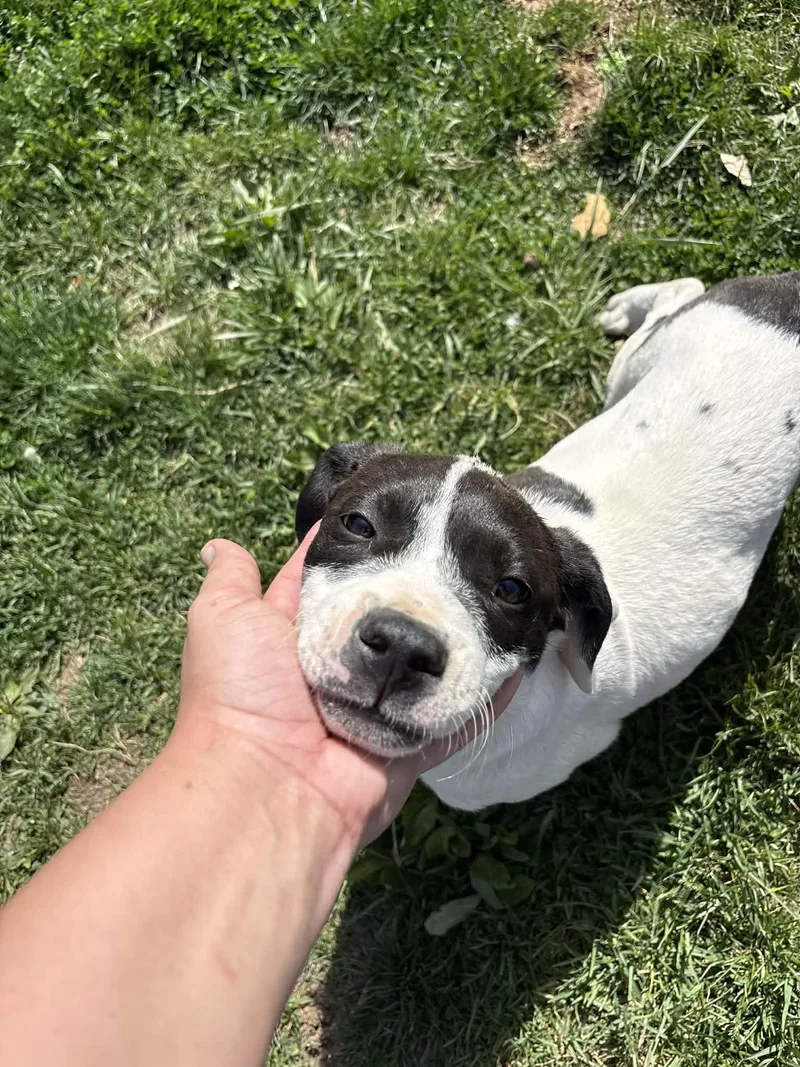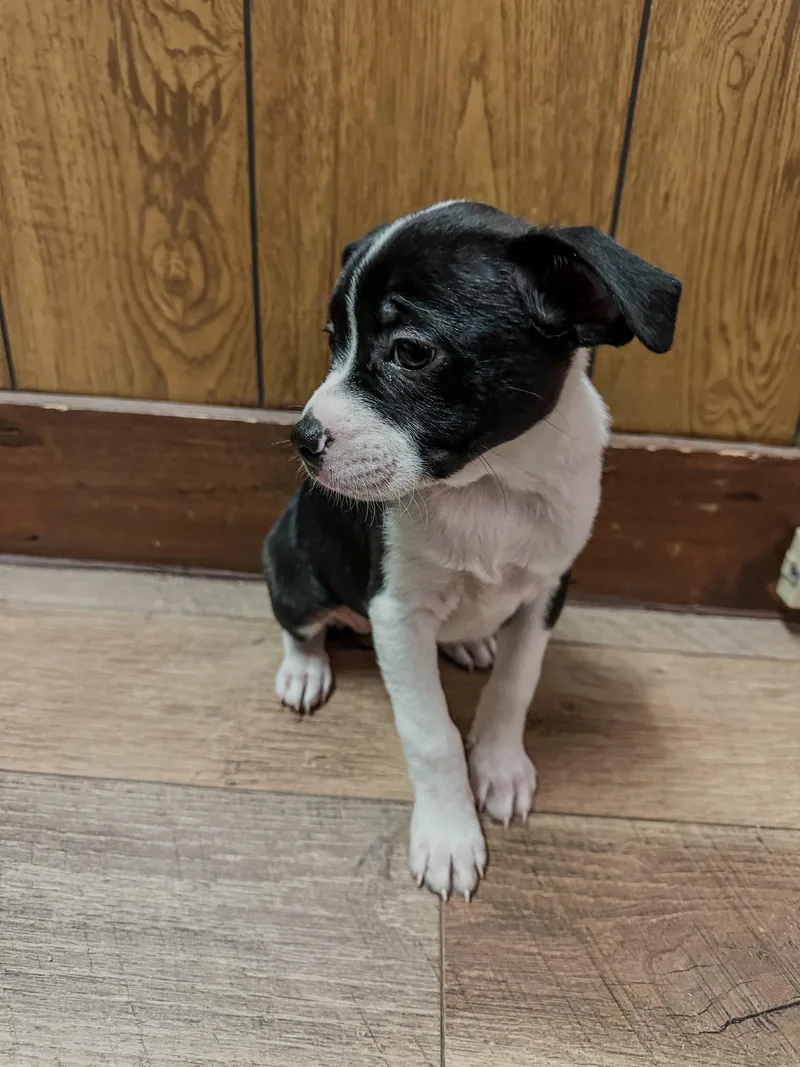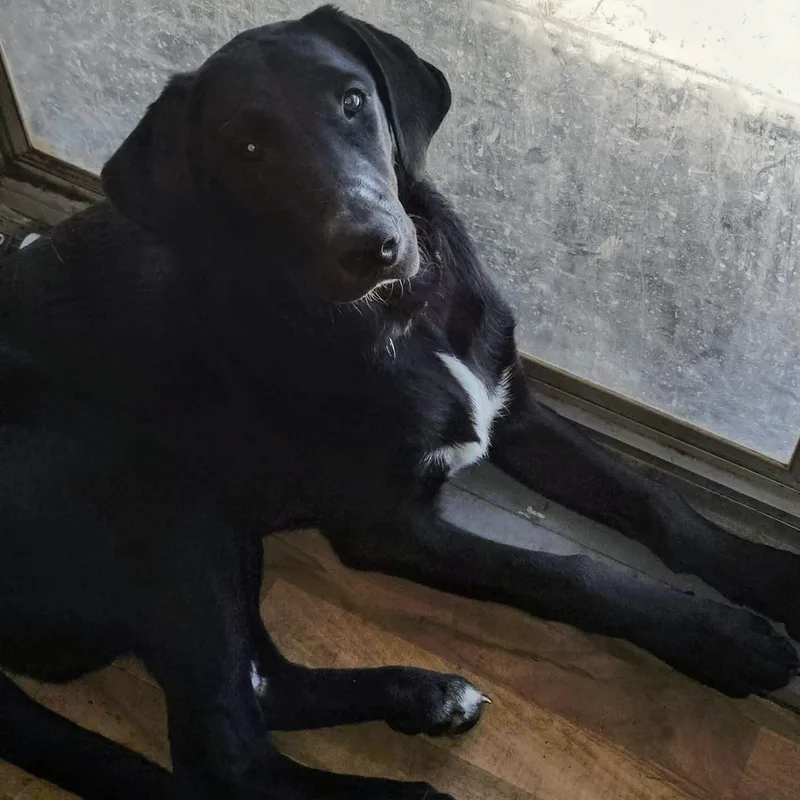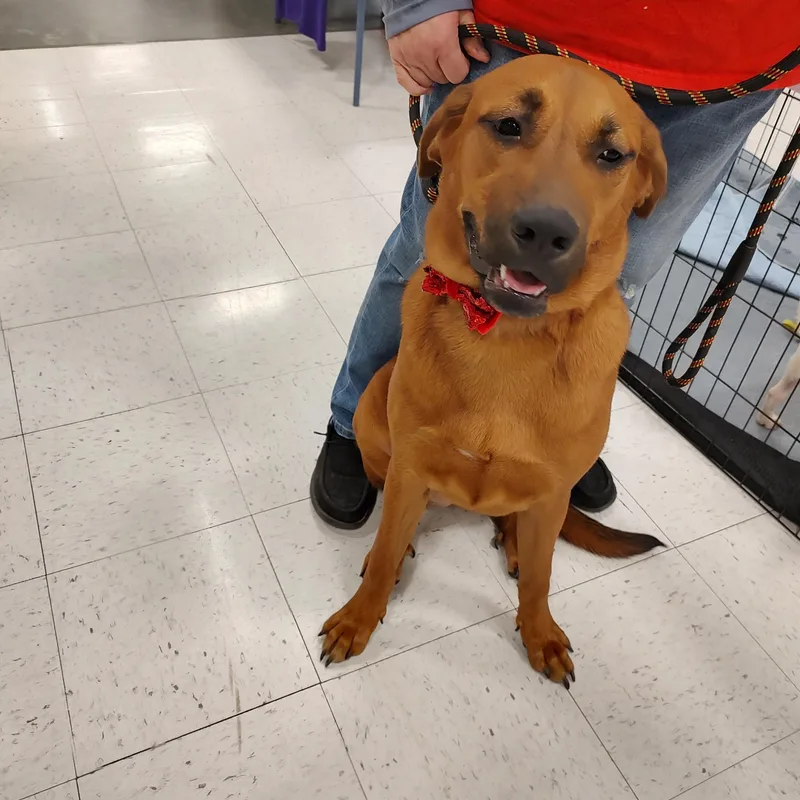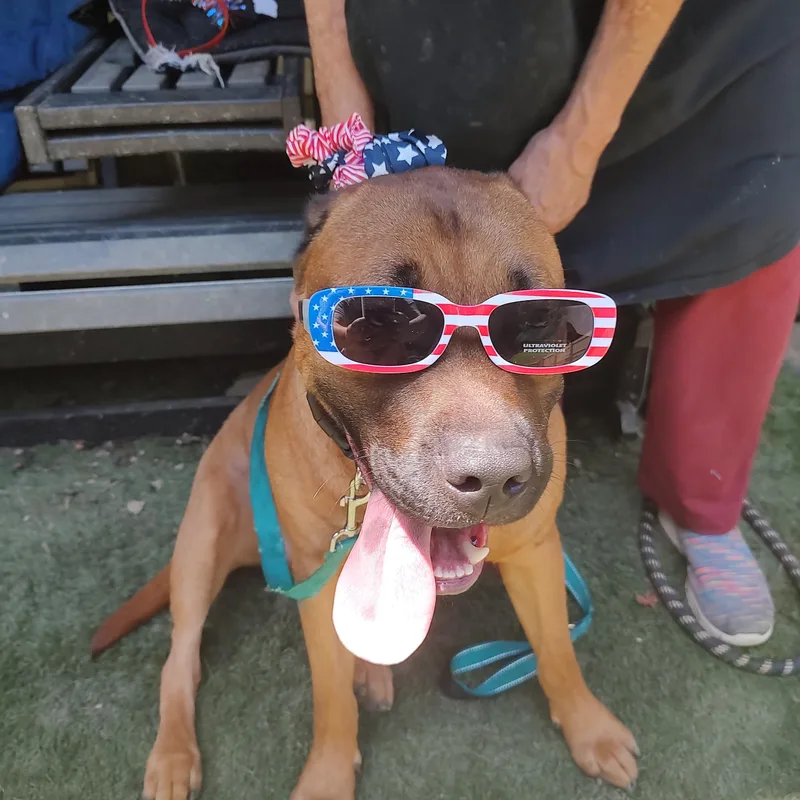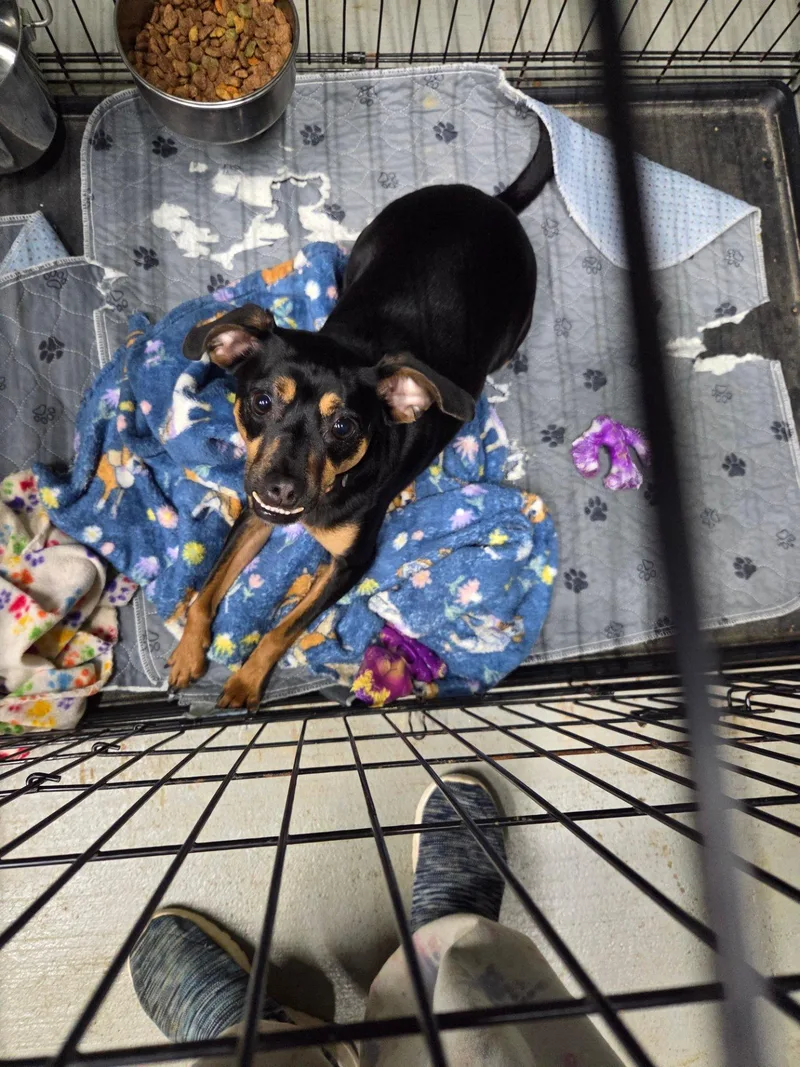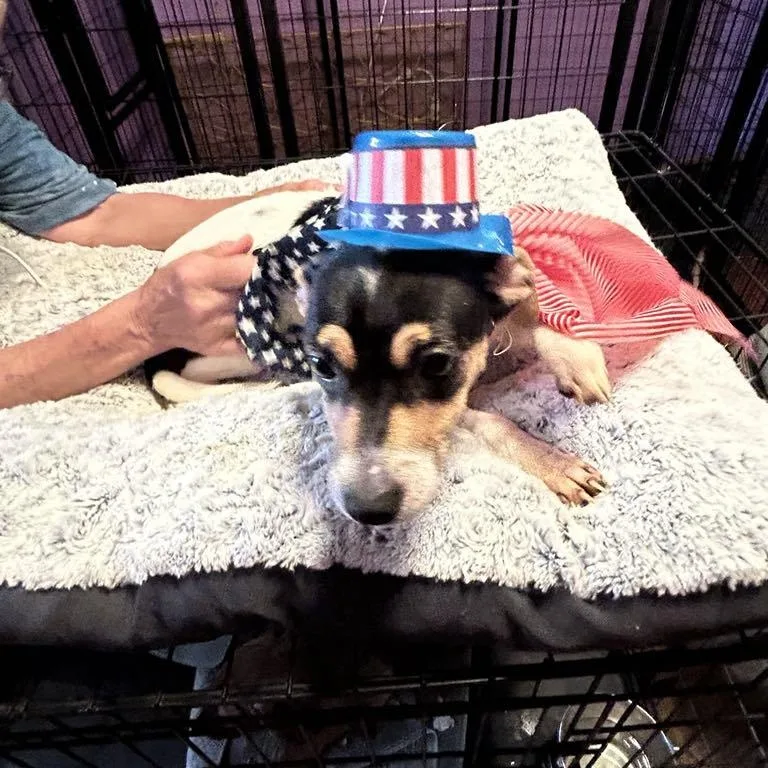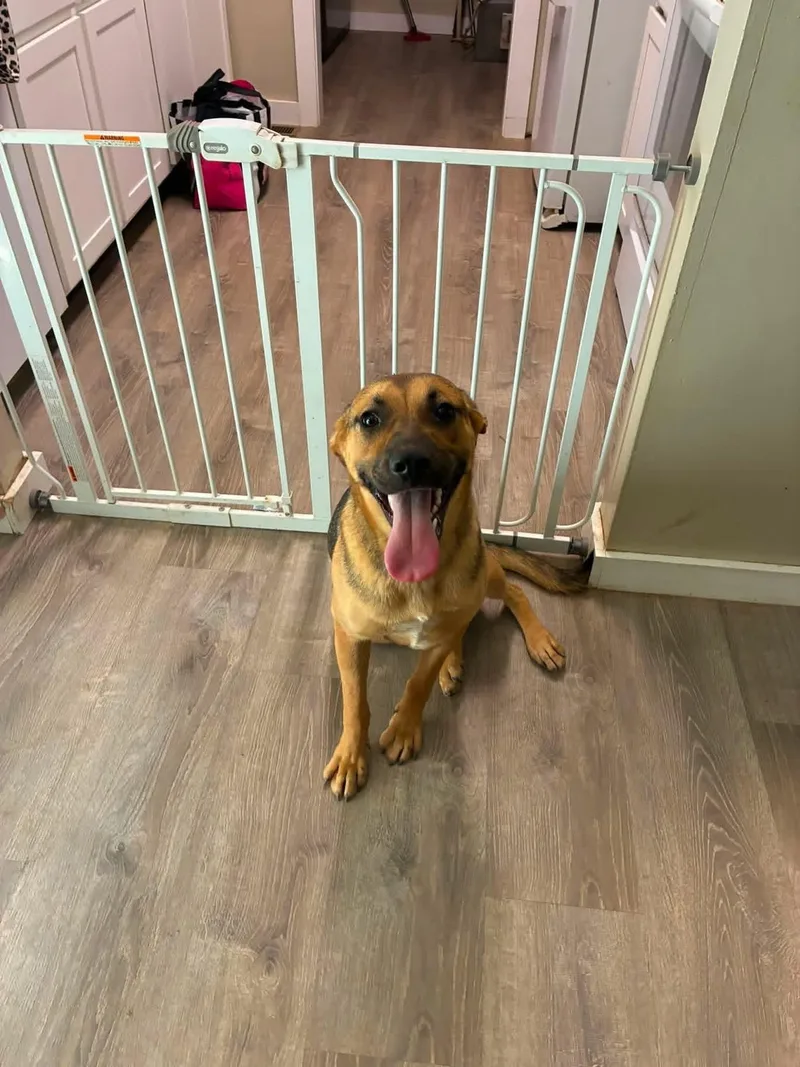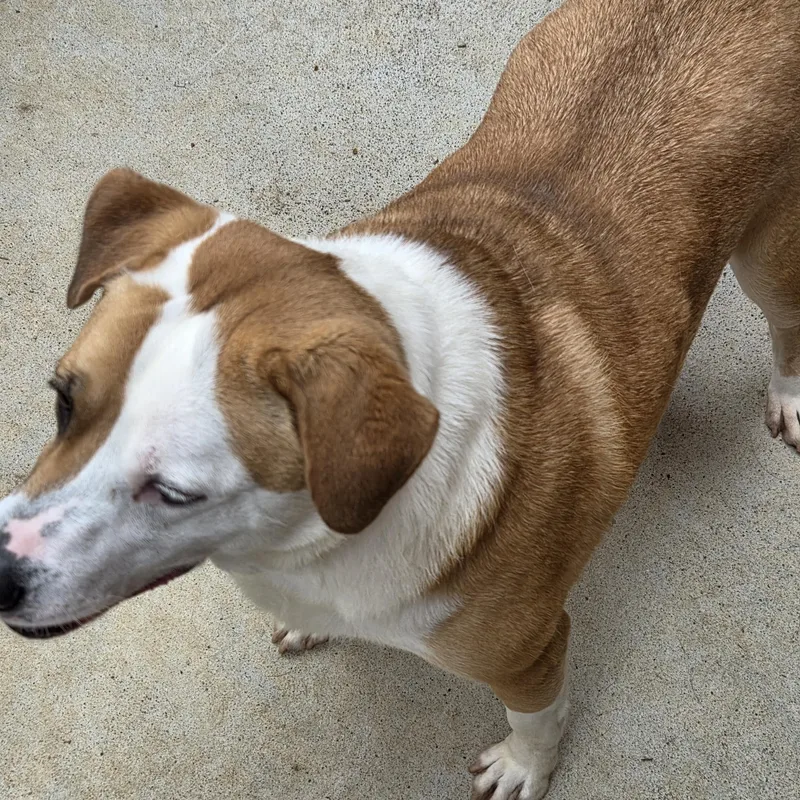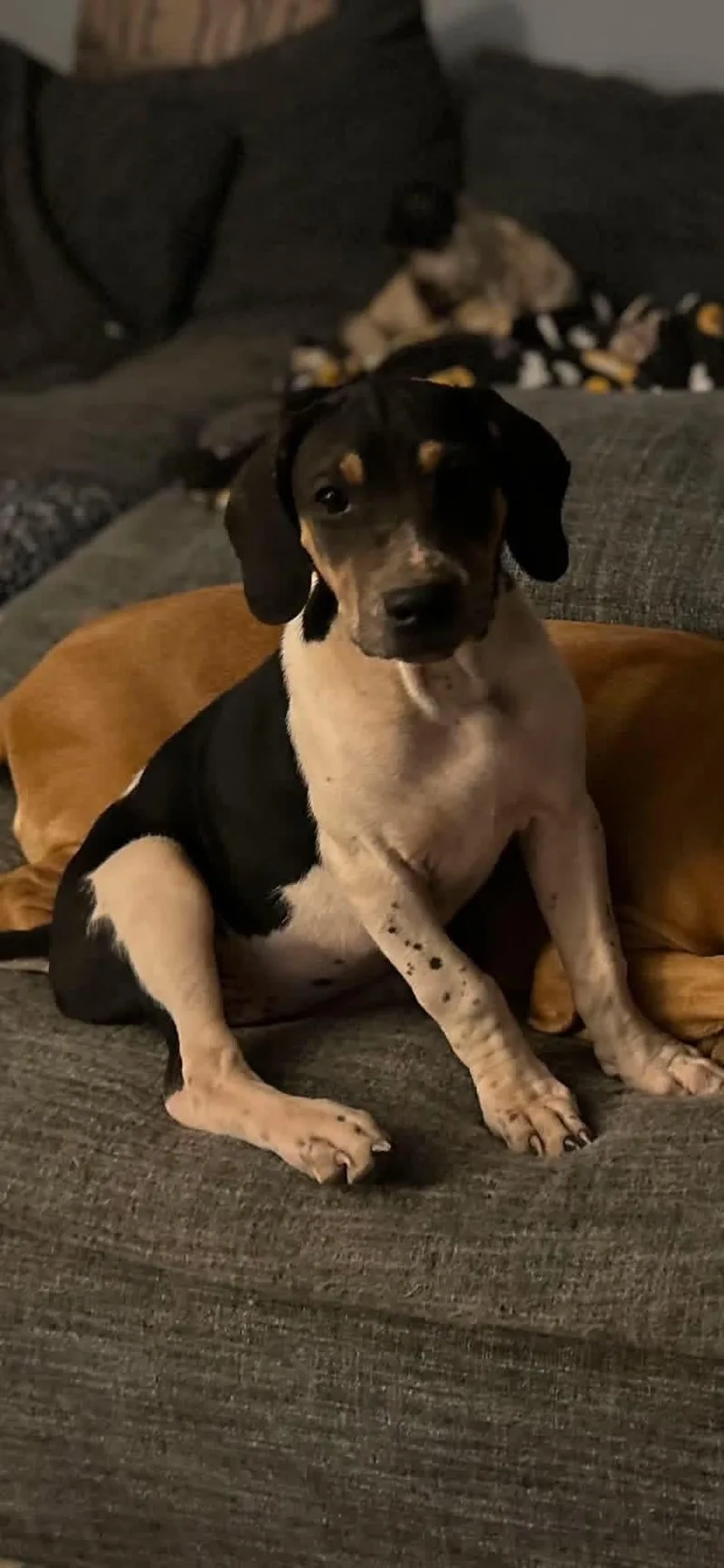
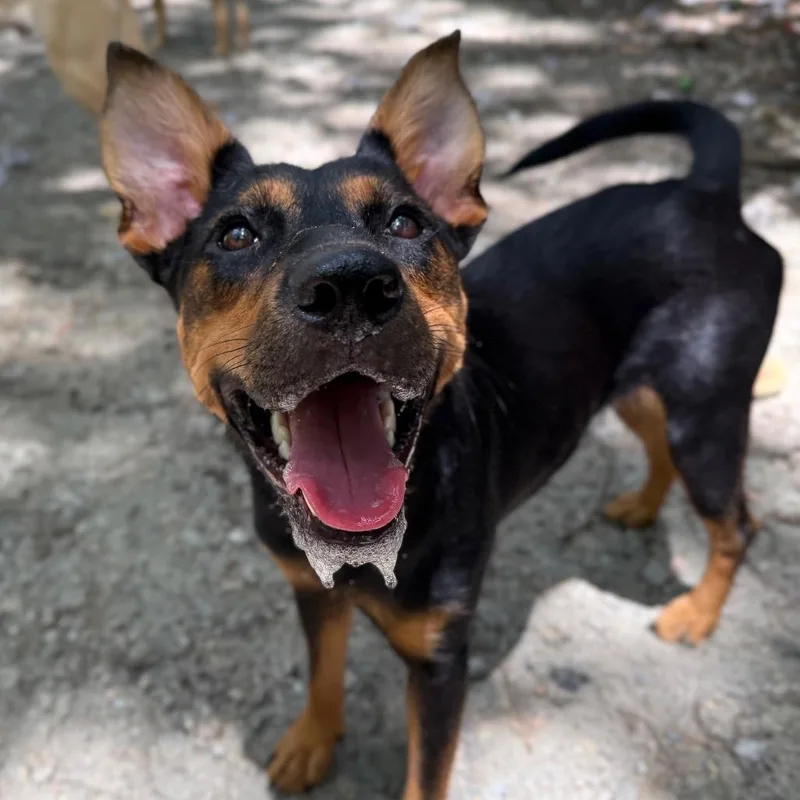
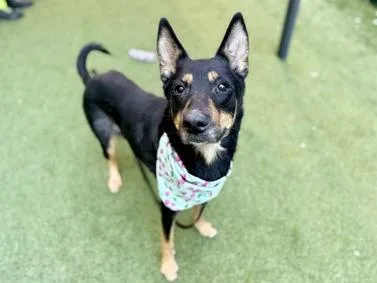
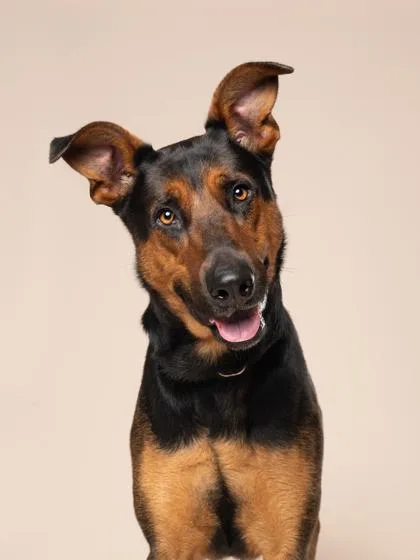
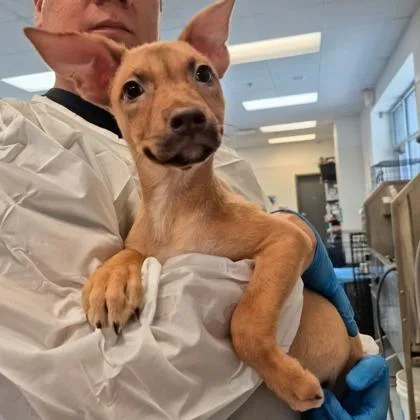
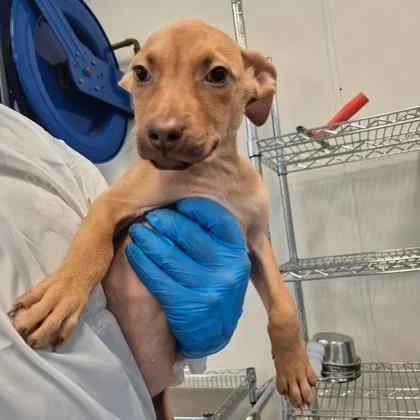
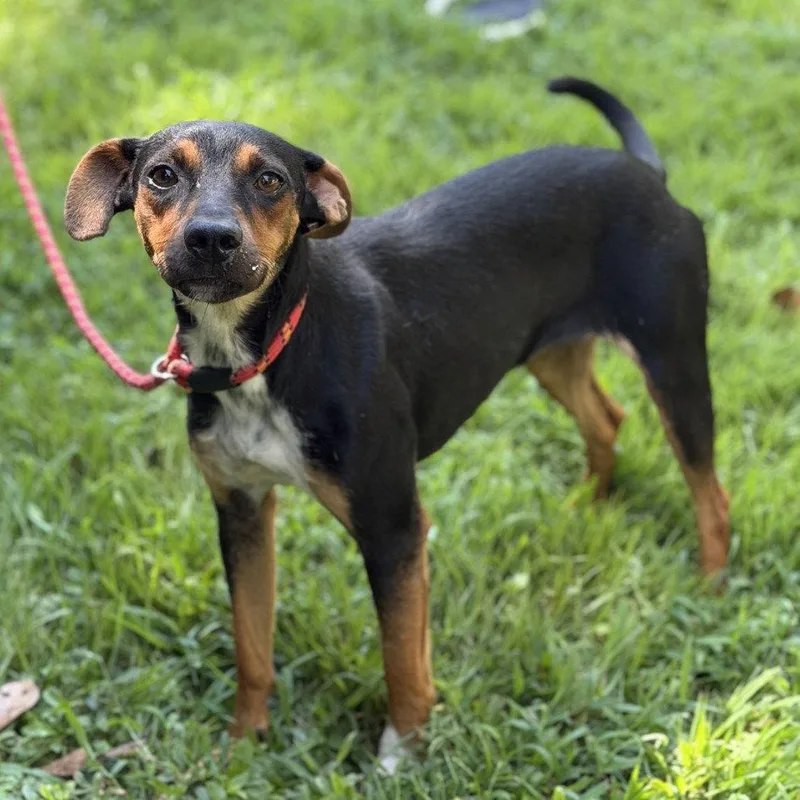
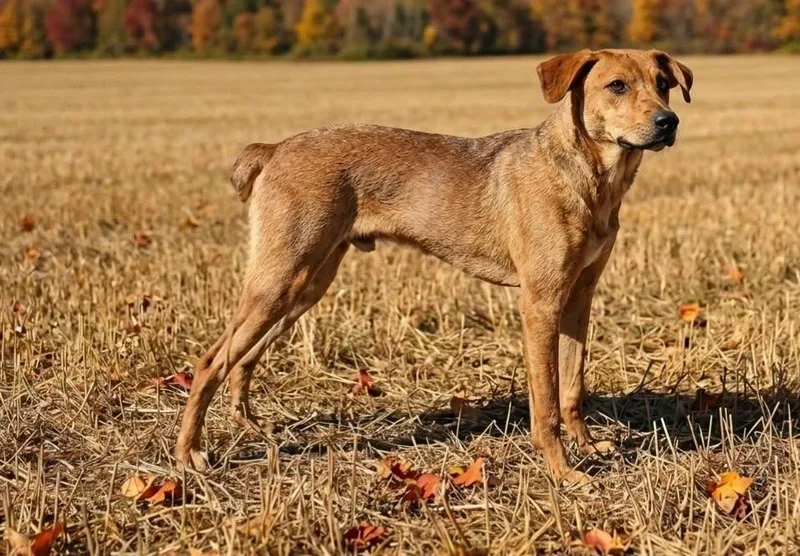
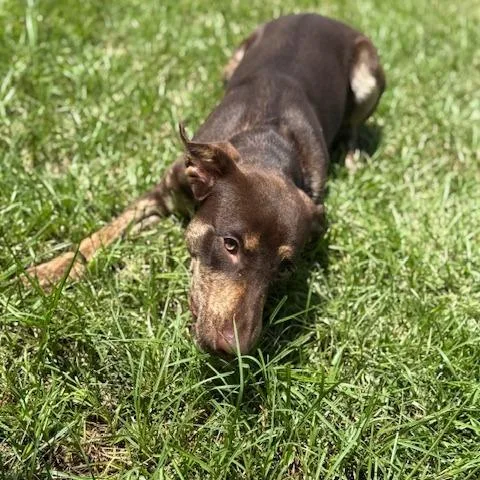
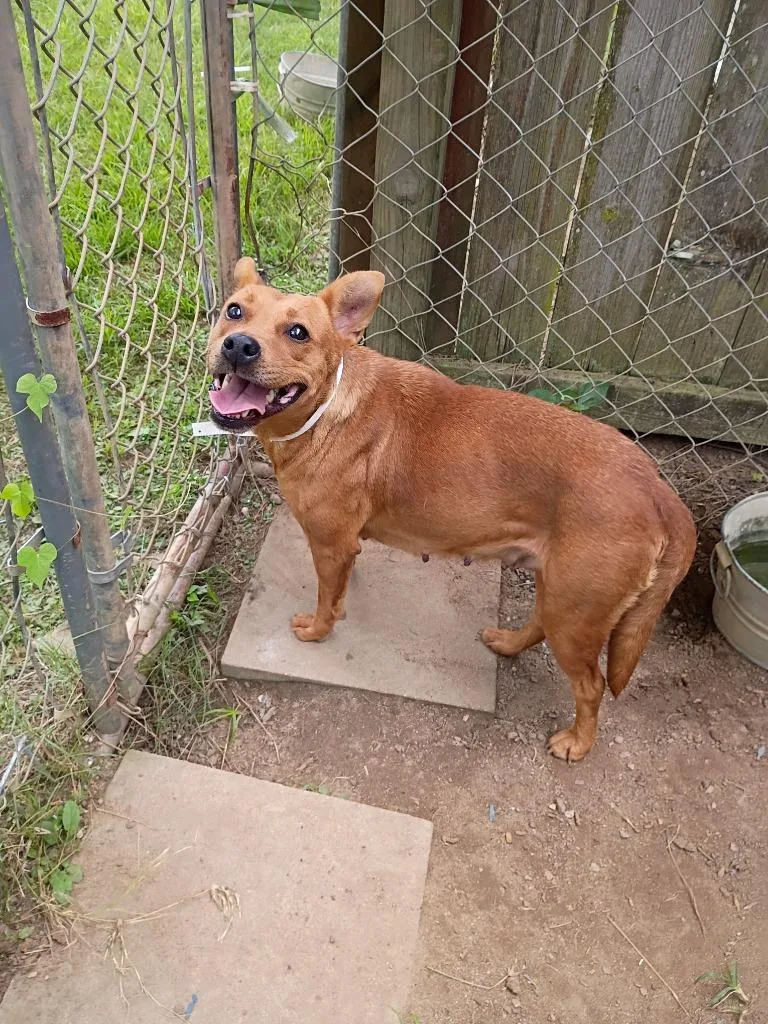
German Pinscher Dogs for Adoption in Charleston, WV

Your guide to finding and caring for a German Pinscher in Charleston

A German Pinscher suits the sloped streets of South Hills in Charleston, where every walk comes with a built-in climb. These lean, quick dogs like having a job, and a brisk loop past the older hillside homes gives them one. They're alert watchdogs, so expect some barking at passersby. Dogs vary, but most Pinschers chase small animals, and wooded hillside lots offer plenty of targets. Pair a sturdy leash with a game of fetch after dinner, and you've got a settled, loyal companion.

68 German Pinschers available in Charleston and nationwide

Give a German Pinscher a home

While we don't have enough dogs near Charleston, keep in mind that many rescues may offer transport.

German Pinschers Available for Adoption Near Charleston

About the German Pinscher breed

The German Pinscher is a medium-sized farm dog from Germany, kept to catch rats in stables and guard carriages. It's the smooth-coated counterpart of the Standard Schnauzer and helped give rise to the Doberman and the Miniature Pinscher. The breed nearly vanished after World War II and remains uncommon today.

Adults typically weigh 25 to 45 pounds and wear a short, glossy coat in red or black and rust over a square, muscular frame. Most are alert, quick-witted and devoted to their families, with a streak of stubbornness that calls for firm, kind training. In Charleston, that means plenty of walks, a secure yard or a good leash, and a coat that needs little more than weekly brushing.

Weight
25–45 lbs
Height
17–20 in
Lifespan
12–14 yrs
Temperament
Alert, Energetic, Intelligent, Protective
Group
Working
Shedding
Low to Moderate

Owning a German Pinscher in Charleston

Having a German Pinscher in Charleston

German Pinschers pair a ratter's quick reactions with a watchdog's vigilance and an easy-care coat. In Charleston, their energy, independence and prey drive shape how much exercise, training and yard security each dog needs.

Temperament

German Pinschers tend to be confident, curious and closely bonded to their families, and many stay wary of strangers until introduced. Plenty are playful at home but quick to test boundaries. Some are pushy with other dogs, and most chase small animals. Dogs vary, so consistent training and early socialization matter more than any breed label.
Exercise Needs

Most need a brisk daily walk plus time to run, play and use their brains. Charleston's hills add a built-in workout, and fetch, flirt-pole games or scent work cover the rest. Kanawha State Forest, just south of the city, allows leashed dogs on its foot trails. Keep a leash on, since prey drive can override recall.

Health Considerations

Hip dysplasia, cataracts and von Willebrand's disease, an inherited bleeding disorder, are documented in the breed. Because von Willebrand's affects clotting, a veterinarian should know a dog's status before any surgery. A vet can check the hips and eyes at regular checkups, and West Virginia requires rabies vaccination by six months of age.

Living Space

A German Pinscher can live in an apartment or a house when it gets enough daily exercise and attention. A fenced yard helps, but this agile breed can clear low fences, so steep hillside yards need secure fencing. The short coat offers little protection from cold, so this dog lives indoors and may want a sweater in winter.

What it costs to own a German Pinscher in Charleston

ExpenseTypical costPer year
Food$35 to $70 per month$420 to $840
Pet insurance$45 to $85 per month$540 to $1,020
Routine vet care$225 to $450 per year$225 to $450
Other*$428 to $1,156 per year$428 to $1,156
Estimated yearly total (after year one)$1,613 to $3,466

Other costs are estimates and vary with size, age and health.

* The Charleston dog tag, flea, tick and heartworm prevention, a dental cleaning allowance, toys and bedding, and occasional baths and brushing.

Adopt a German Pinscher in Charleston.

Now that you know more, let’s find you a new best friend. These rescues and shelters below have dogs available in and near Charleston.

Rescues and Shelters in or near Charleston

The rescues and shelters below care for Charleston-area dogs of every size, age and temperament. Here are the rescues & shelters in the Charleston area with dogs available for adoption, worth asking whether a German Pinscher is coming in.

Frequently Asked Questions

Yes, you can own a German Pinscher in Charleston. The city has no known breed-specific rules, and its dangerous-dog rules are based on a dog's behavior. Expect to keep your dog leashed or contained off your property, vaccinate for rabies by six months, buy a yearly dog tag, and stay within the two-dog household limit unless you get a city permit.

Yes, with some preparation. Charleston winters bring about 94 freezing nights and around 31 inches of snow a year, and a German Pinscher's short coat gives little insulation. Use a sweater, keep walks short on the coldest days, wipe ice melt off paws, and keep the dog indoors. Ice storms sometimes cause outages, so plan a warm indoor spot.

Emma's Place in Cato Park is a fenced dog park where a Pinscher can run off leash, and the city also lists dog parks on Dunbar Street, in the East End and in North Charleston. Kanawha State Forest has about 14 miles of foot trails for leashed dogs. Since most Pinschers chase squirrels, keep a leash on anywhere that isn't fenced.

Yes, a German Pinscher can live in an apartment if it gets daily exercise and mental work. Charleston has plenty of rentals, and landlords set their own pet policies, so get any size limit in writing. A dog that tops out around 45 pounds fits many weight limits, though each landlord differs. Hillside walks outside the door make the daily routine easy.

No, KRT buses don't allow pets, so a German Pinscher can't ride along. Service animals are a federal-law exception. Charleston has no subway or light rail. For vet visits or trips to a dog park, plan on a car or a walk, and pace the dog on the steeper hillside streets.

Sometimes outdoors, but not inside. West Virginia has no state law on dogs at outdoor dining, so each restaurant sets its own policy, and downtown Charleston has restaurants with dog-friendly patios. Check with the restaurant before you go. Pet dogs generally aren't allowed in dining rooms, so bring water, a mat and a Pinscher that stays calm around strangers.

A German Pinscher fits Charleston well for active people who are home often. Hilly walks, fenced dog parks and a short, easy coat all help, while snowy winters call for a sweater and hot July days for early walks. Prey drive and local wildlife like deer and bears mean leashes matter. It's a weaker match for people gone all day.

Very little. The short, smooth coat needs weekly brushing and an occasional bath, and Charleston's humid summers and muddy springs may mean an extra rinse. Winter doesn't change the routine, but wipe paws after ice melt. Most owners handle this at home, so grooming adds little to the yearly Other costs.

Yes, German Pinschers shed, but only lightly to moderately. Their short, smooth coat drops small hairs year-round, with slightly more during seasonal changes. Weekly brushing with a rubber curry or grooming mitt removes most loose hair and keeps the coat shiny. Compared with double-coated breeds, cleanup is easy, though short hairs can still cling to fabric.

Expect about $35 to $70 a month for food, $45 to $85 a month for optional pet insurance, and $225 to $450 a year for routine vet care. Other yearly costs, such as dental cleanings, parasite prevention, supplies and the dog tag, run about $428 to $1,156. The short coat keeps grooming costs low.