Schipperke Dogs for Adoption in Belington, WV

Your guide to finding and caring for a Schipperke in Belington

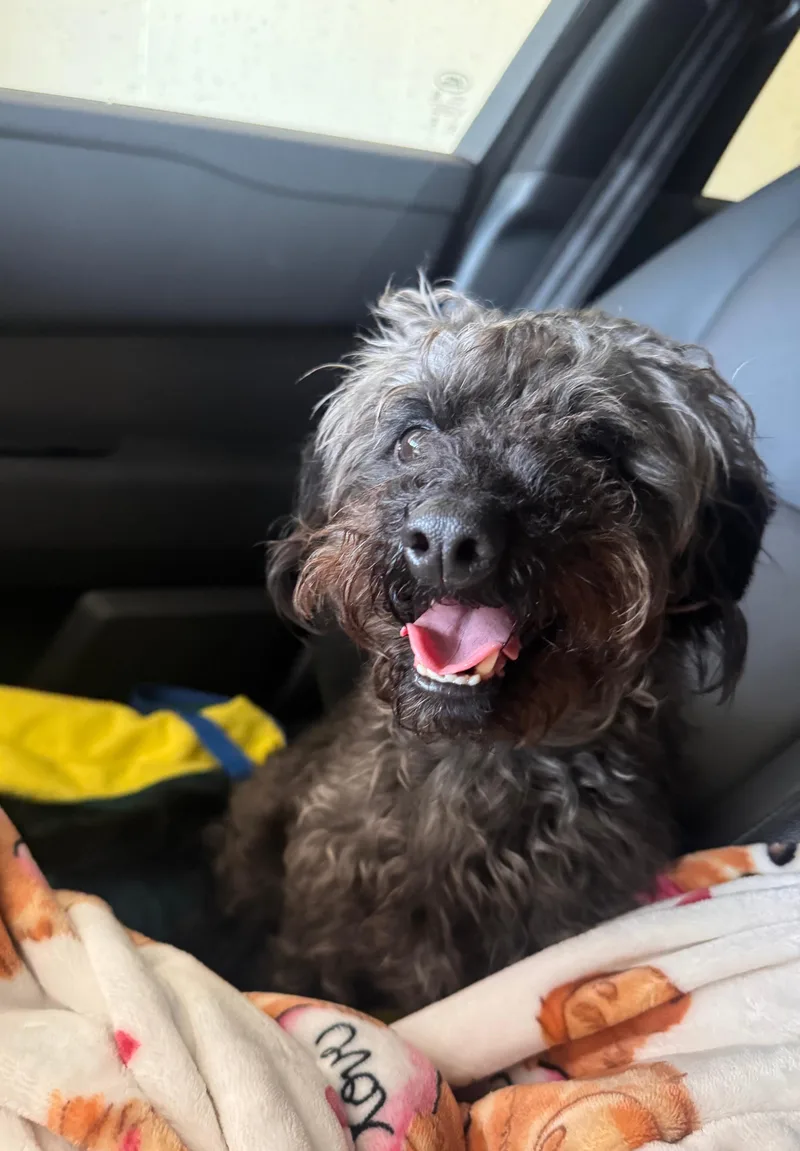
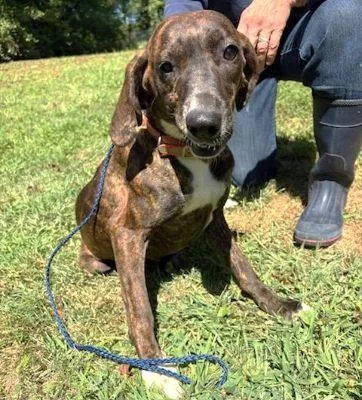
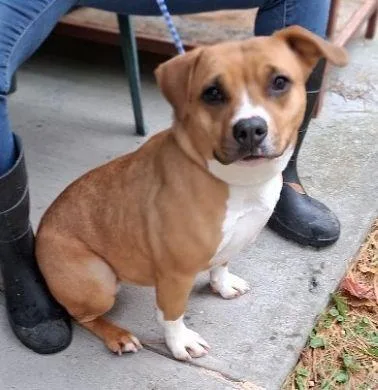
21 Schipperkes available in Belington and nationwide

Find your forever Schipperke

While we don't have enough dogs near Belington, keep in mind that many rescues may offer transport.

Schipperkes Available for Adoption Near Belington

About the Schipperke breed

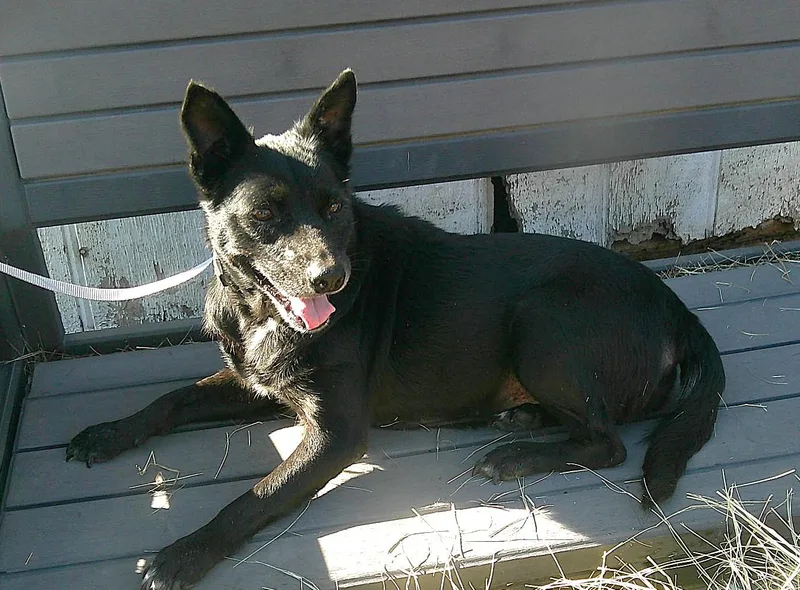
Small, black and usually tailless, the Schipperke looks like a tiny fox with a dramatic ruff around its neck. The breed comes from Flanders in Belgium, where it worked as a ratter and watchdog for tradespeople and is linked in folklore with canal barges, which gave it a name often read as 'little captain'. DNA places it among the spitz breeds, and its dense double coat, pricked ears and sloping topline reflect that ancestry.

Many Schipperkes are curious, confident and endlessly busy, earning the nickname 'little black devil'. They tend to be devoted to their families, suspicious of strangers and quick to bark an alarm. Adopters should expect a clever, sometimes stubborn dog with a strong urge to chase small animals, a knack for escaping and a twice-yearly coat blow that fills the house with fluff.

Weight
10–16 lbs
Height
10–13 in
Lifespan
13–15 yrs
Temperament
Curious, Alert, Confident, Lively
Group
Non-Sporting
Shedding
Moderate to High

Owning a Schipperke in Belington

Having a Schipperke in Belington

Schipperkes pack a large dog's watchfulness and a terrier-like hunting streak into a compact, low-maintenance body. Their curiosity, voice, independence and seasonal shedding define everyday life with one, so knowing those traits helps adopters prepare.

Temperament

Schipperkes tend to be bold, inquisitive and loyal, attaching closely to their household and staying wary of strangers. Many are vocal watchdogs. Their independence can read as stubbornness, and some are bossy with other dogs. Early socialization and consistent rules help, and an adult from a rescue may already have a well-understood personality.

Exercise Needs

Most Schipperkes need a couple of brisk daily walks plus play that lets them investigate and chase toys. They enjoy agility, scent games and trick training, which work their quick minds. Without enough activity they may bark, dig or look for ways out of the yard, so secure fencing and leashes are important.

Health Considerations

Schipperkes are often long-lived, but the breed can carry MPS IIIB, an inherited neurological disease with a DNA test. Legg-Calvé-Perthes disease, kneecap luxation, hypothyroidism and epilepsy are also reported. They gain weight readily, so measured meals help. A veterinarian can advise on testing, and regular checkups help.

Living Space

A Schipperke's small size suits apartments and houses alike, provided it gets daily exercise and something to do. Its alert barking may concern close neighbors. Yards need secure fencing because many are skilled escape artists. Expect clouds of shed undercoat during seasonal blows and a dog that wants to monitor every window.

What it costs to own a Schipperke

ExpenseTypical costPer year
Adoption fee$365, one time$365 in year one
Food$20 to $45 per month$240 to $540
Pet insurance$40 to $85 per month$480 to $1,020
Routine vet care$200 to $400 per year$200 to $400
Other*$490 to $1,290 per year$490 to $1,290
Estimated yearly total (after year one)$1,410 to $3,250
First-year total (with adoption fee)$1,775 to $3,615

Adoption fee is the fee on Schipperke listings in Belington on GetBuddy today. Other costs are national averages for Schipperkes; we don't have costs specific to Belington yet.

* Flea, tick and heartworm prevention, a dental cleaning allowance, a dog license, toys and supplies, and brushing and baths for a double coat that blows seasonally; license fees vary by city.

Adopt a Schipperke in Belington.

Now that you know more, let’s find you a new best friend. These rescues and shelters below currently have Schipperkes available.

Rescues in Belington with Schipperkes Available

Here are the rescues & shelters in the Belington area where you can find Schipperkes and other dogs available for adoption.

Frequently Asked Questions

A Schipperke is a small Belgian dog with a black, fox-like face, pricked ears and a thick double coat that forms a ruff around the neck. Most are tailless or have very short tails. Bred as ratters and watchdogs, Schipperkes tend to be curious, energetic, loyal and quick to bark at anything unusual.

Schipperke is usually pronounced SKIP-er-kee in English. In Flemish, the language of the breed's homeland, it sounds closer to SKHIP-er-kuh, with a throaty first sound. Both pronunciations refer to the same breed, and American breed clubs and judges generally use SKIP-er-kee. Some owners simply call them Schips for short.

Schipperkes are from Belgium, specifically the Flanders region around cities such as Brussels and Antwerp. They were popular in the seventeenth century with tradespeople, including shoemakers' guilds, and are associated with canal boats and barges. Genetic studies show they are related to spitz-type dogs such as the Pomeranian rather than to Belgian sheepdogs.

Yes, Schipperkes shed, and they can shed heavily during seasonal coat blows. Their dense double coat drops some hair year-round, then sheds the undercoat once or twice a year, often for several weeks. Brushing weekly, and daily during a blow, keeps loose hair manageable. Their coat does not mat easily and needs no trimming.

No, Schipperkes are not hypoallergenic. Their double coat sheds, especially during seasonal blows, and like all dogs they produce allergens in dander and saliva. People with mild allergies sometimes manage with frequent brushing and cleaning, but anyone with allergies should spend time with a specific Schipperke before committing to adoption.

Schipperkes are small dogs, usually 10 to 13 inches tall at the shoulder, with males around 11 to 13 inches and females 10 to 12 inches. They typically weigh 10 to 16 pounds. Their thick coat and sturdy, cobby build make them look solid for their size. Most reach adult size within their first year.

Schipperkes often live about 13 to 15 years, and many reach their mid or late teens with good care. As a small breed they tend to be long-lived, but inherited conditions such as MPS IIIB and orthopedic problems can occur. Keeping a Schipperke lean, active and up to date on vet visits supports a long life.

A Schipperke is a small, sturdy dog with a fox-like head, small dark eyes and tall, triangular ears. Its black double coat is short on the face but forms a full ruff around the neck and longer culottes on the back of the thighs. The back slopes down toward the rump, and most have no visible tail.

Yes, Schipperkes tend to bark a lot. They were bred as watchdogs and usually alert their families to visitors, noises and passing animals. Training a quiet cue, providing exercise and limiting views of busy streets can reduce excessive barking. Some Schipperkes are quieter, but adopters should expect a vocal companion.

We have 1 rescue with Schipperkes available: Lorraine's Legacy. You can see every rescue with Schipperkes available in the list above these questions, or scroll to the top to see the Schipperkes near Belington.

Explore Other Breeds in Belington

Looking for a different breed? Browse other dogs available for adoption in Belington.