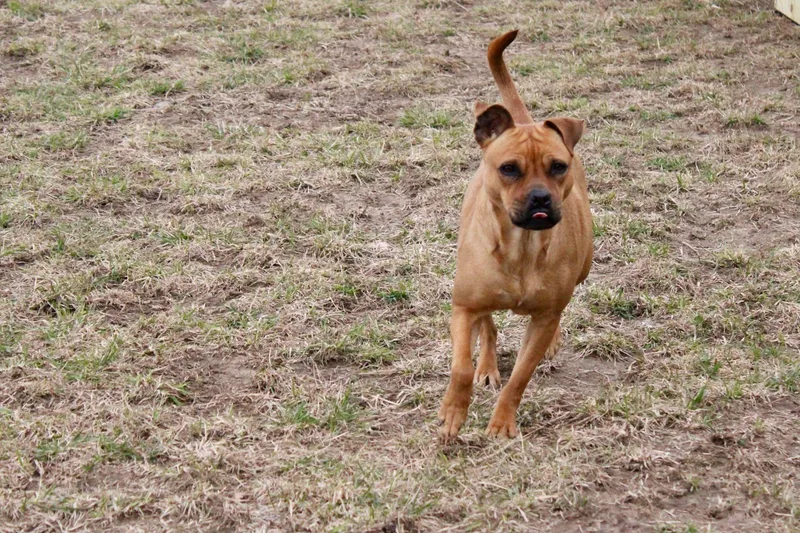
Labrador Retriever Dogs for Adoption in Waukesha, WI

Your guide to finding and caring for a Labrador Retriever in Waukesha

Labrador Retrievers and Waukesha's water access make an easy match. Minooka Park on Sunset Drive has a beach where dogs can swim and a 19-acre exercise area, which gives a Lab somewhere to burn off real energy. For everyday walks, the residential streets around East Broadway and Caples' Park make natural loops, since most city parks don't allow dogs. Expect a big, shedding dog who wants a daily job, and keep a towel by the door for wet paws.

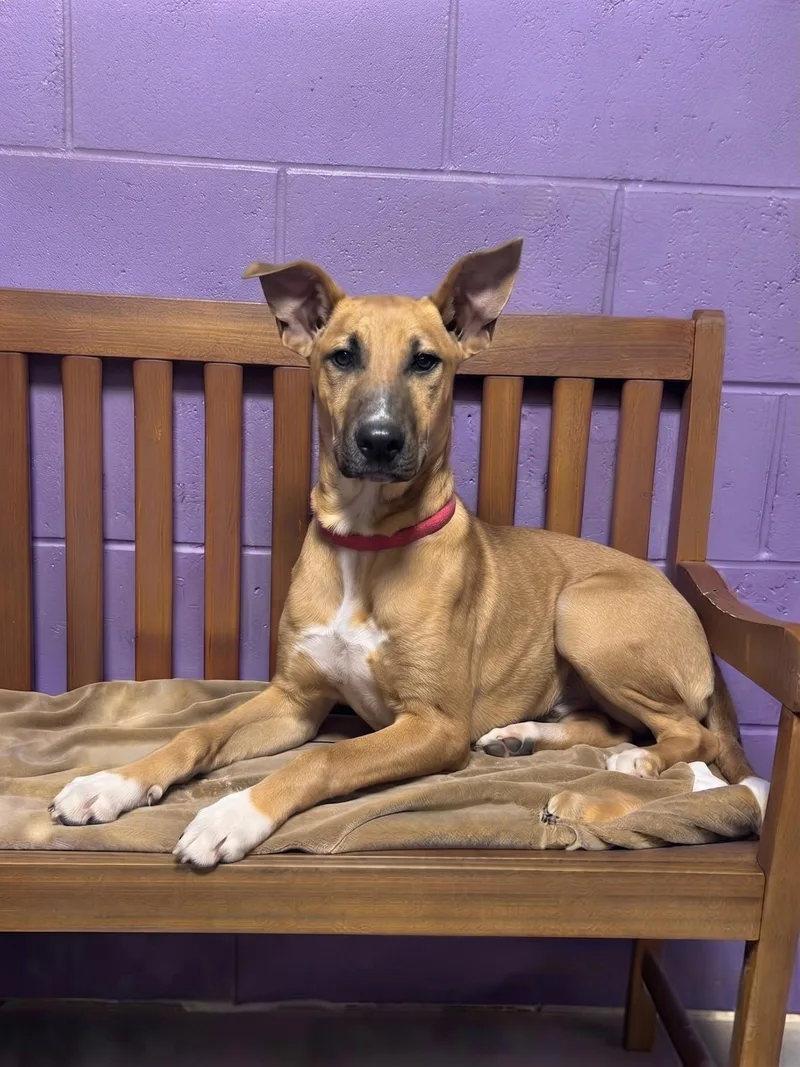
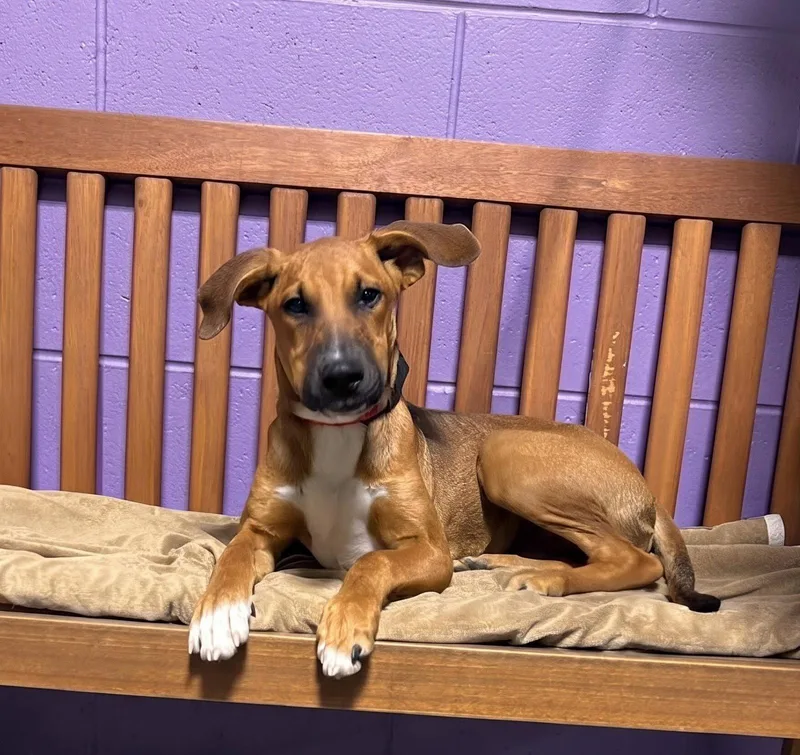
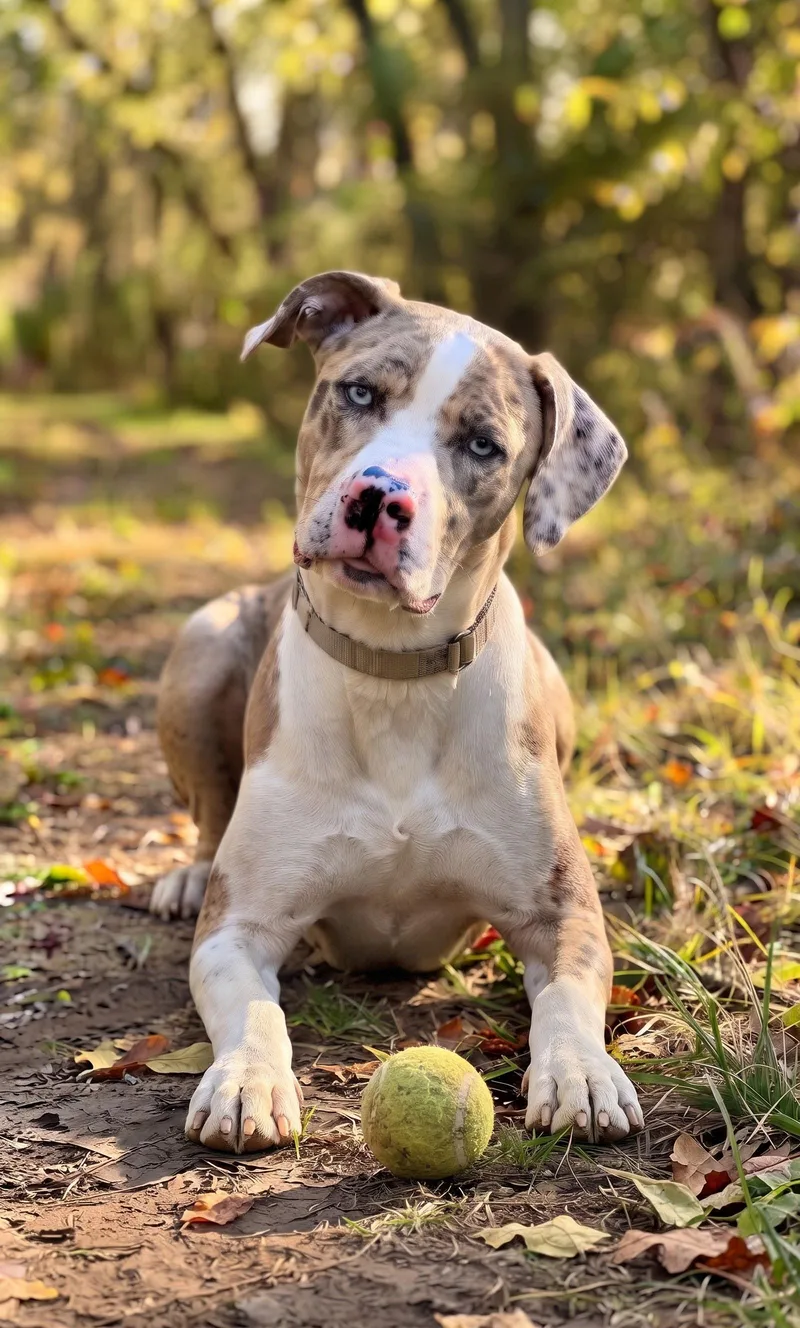
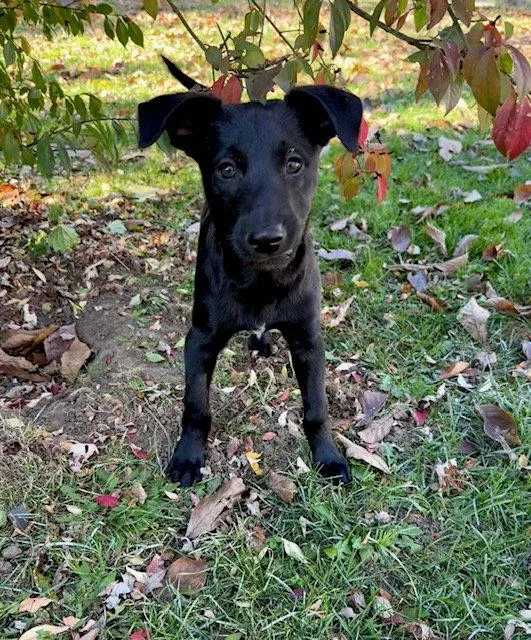
14915 Labrador Retrievers available in Waukesha and nationwide

Fall for a Labrador Retriever

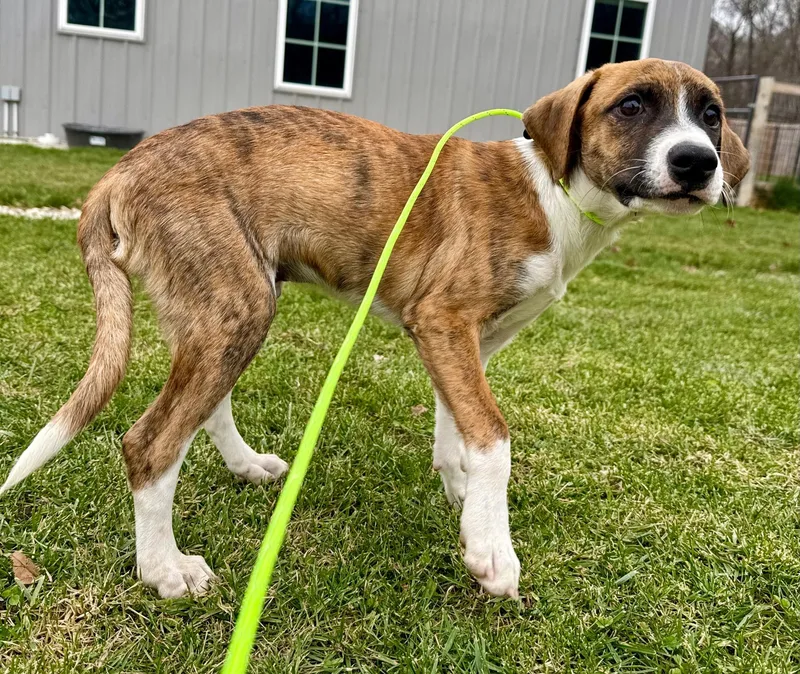
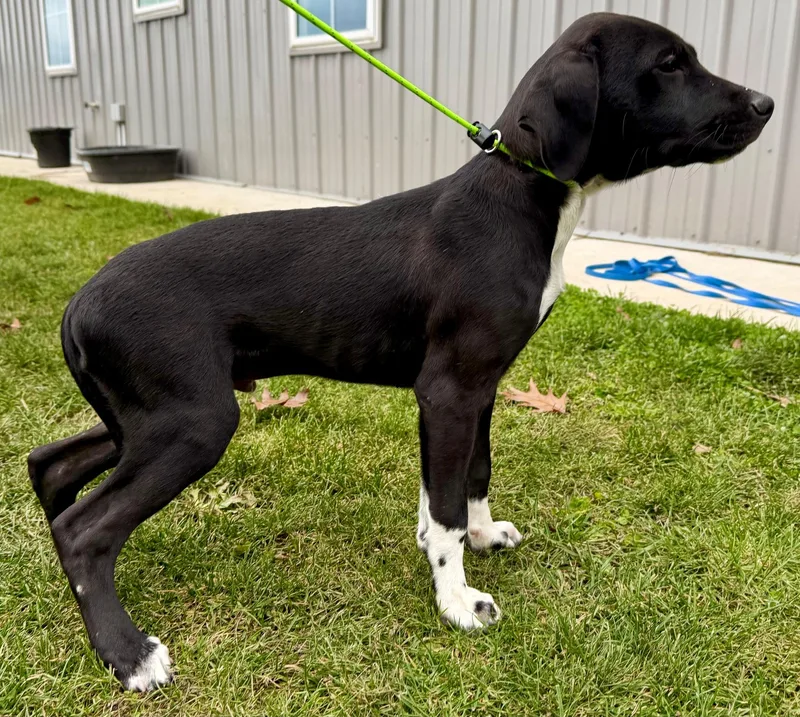
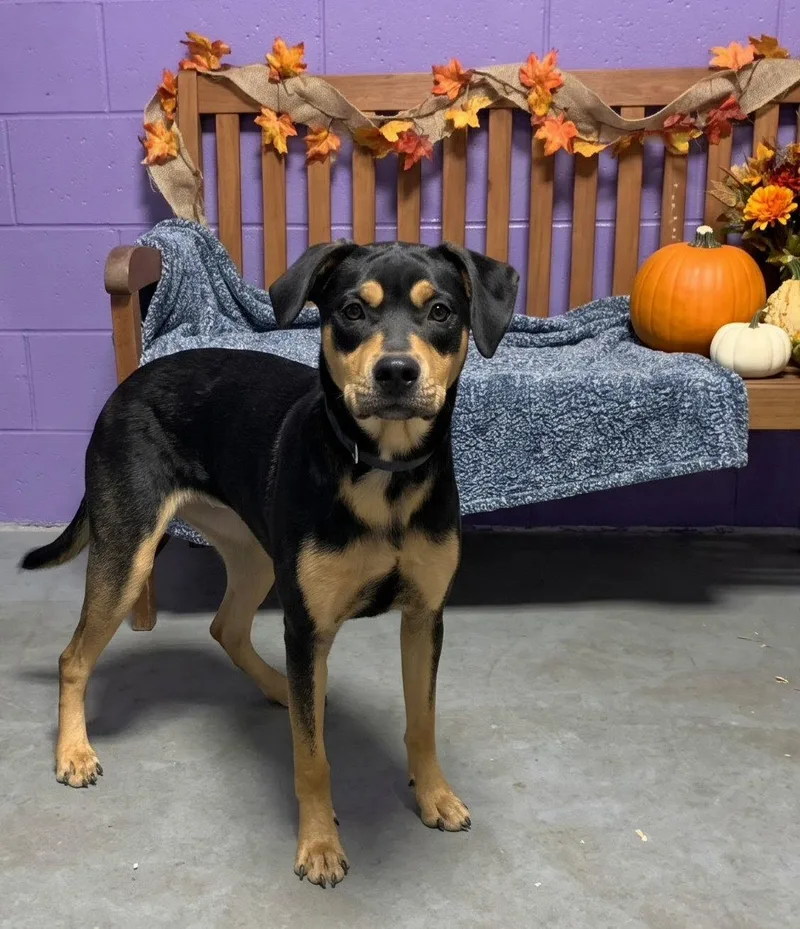
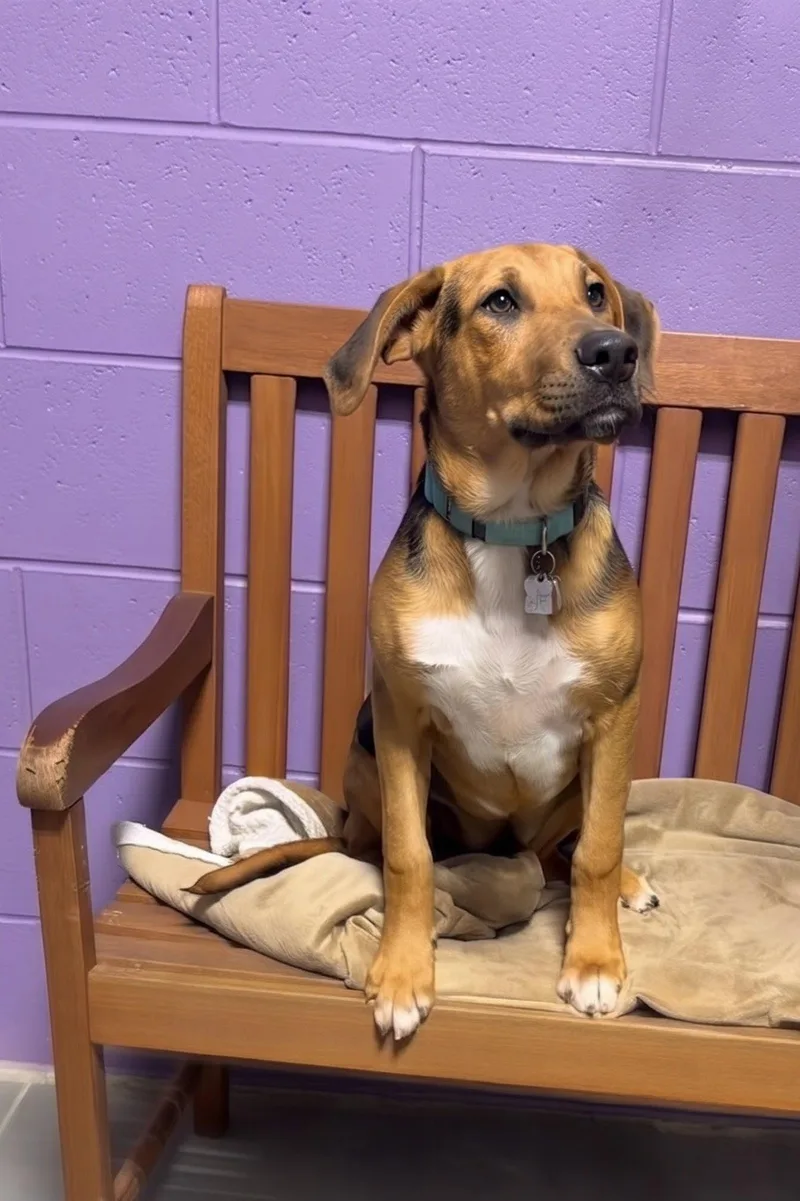
Labrador Retrievers Available for Adoption Near Waukesha

About the Labrador Retriever breed

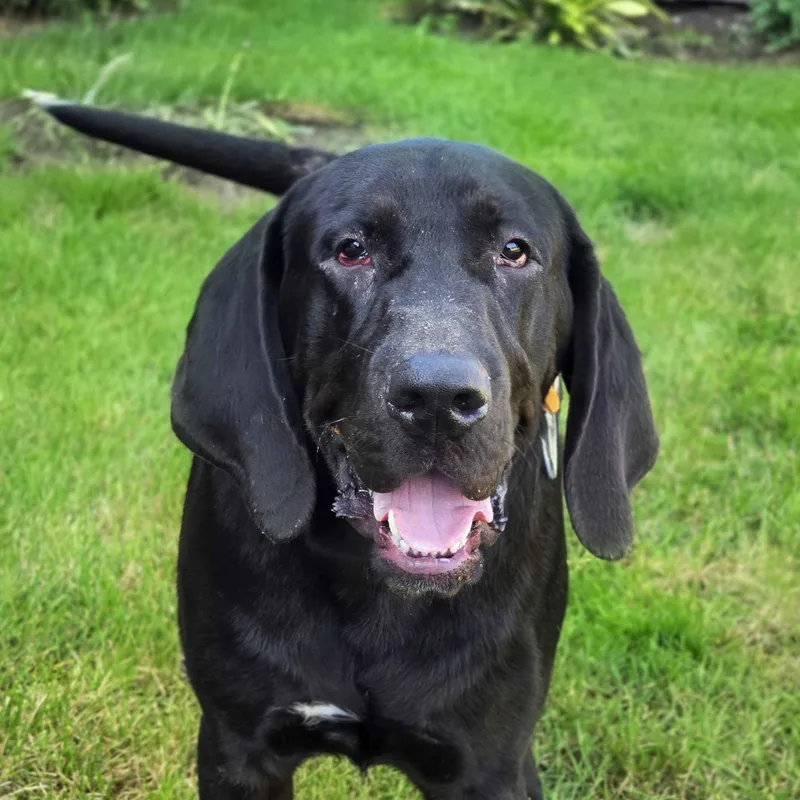
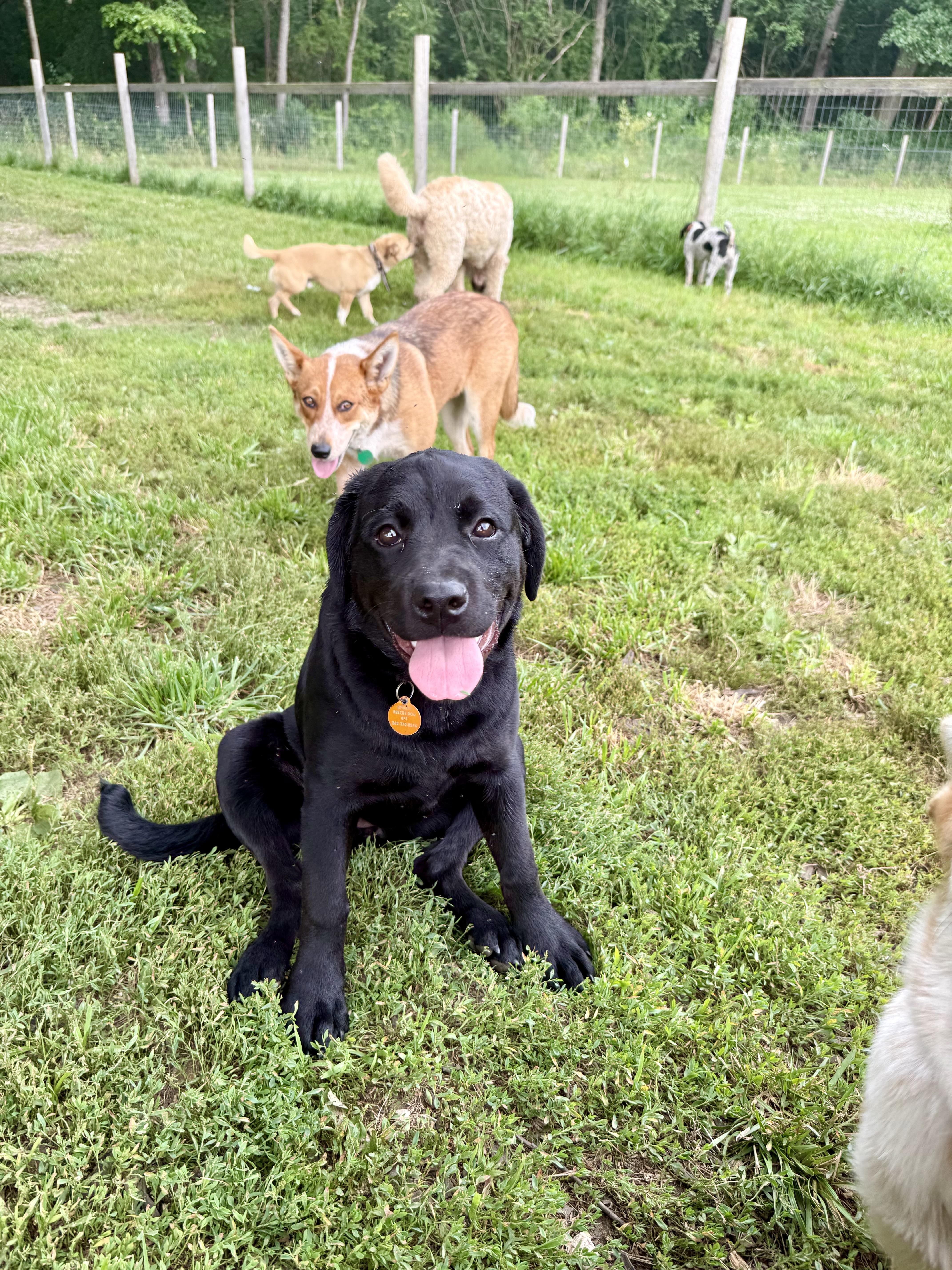
Labradors descend from the St. John's water dogs of Newfoundland, refined in Britain into gun dogs that retrieved game from land and water. The dense, water-resistant double coat, thick otter tail and webbed feet all trace back to that job. Colors are black, yellow and chocolate, and field-bred Labs tend to be leaner and higher-drive than show-bred ones.

In Waukesha, that coat earns its keep through winter and then comes out in handfuls each spring. Labs are sociable, eager to please and motivated by food, so reward-based training usually goes well, though adolescence can stay bouncy until two or three years old. Each Lab is different, so a dog's age, energy and history matter more than the breed label.

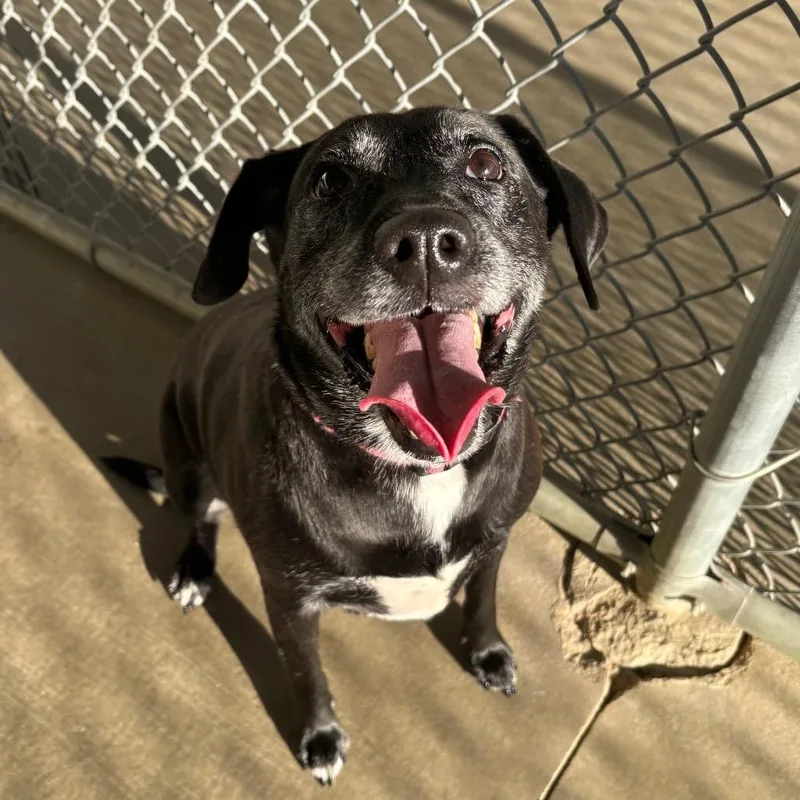
Weight
55–80 lbs
Height
21–25 in
Lifespan
10–14 yrs
Temperament
Friendly, Outgoing, Active
Group
Sporting
Shedding
Moderate to High

Owning a Labrador Retriever in Waukesha

Having a Labrador Retriever in Waukesha

Labs pair a people-loving outlook with a body built for hours of retrieving. In Waukesha, that means planning for daily exercise, a steady shedding routine and a few cold-weather adjustments, whatever a particular Lab's age and energy turn out to be.

Temperament

Many Labs are friendly with visitors, neighbors and other dogs, which helps in a city of houses and apartment buildings. Young Labs can be mouthy and bouncy, and few enjoy long stretches alone. Reward-based training works well. A dog's age, history and socialization shape behavior more than breed reputation does.

Exercise Needs

Most grown Labs need substantial daily exercise that mixes walks, fetch and swimming. Because most Waukesha city parks don't allow dogs, plan on neighborhood walks plus trips to Minooka Park for off-leash play and swimming, where a county vehicle permit is required. On icy days, retrieving games and short training sessions indoors fill the gap.

Health Considerations

Labs can develop hip and elbow dysplasia, cruciate ligament injuries, ear infections and skin allergies, and many gain weight easily. Winter makes portion control matter, because less exercise plus extra treats adds pounds that strain joints. A veterinarian can check hips, ears and weight at regular visits and discuss exercise-induced collapse in very active dogs.

Living Space

A Lab can live in an apartment, duplex or house if daily exercise happens reliably. A fenced yard makes winter potty breaks and play easier when sidewalks are icy. Expect a sweeping tail at coffee-table height, shed hair on everything, and a dog that does best indoors with its people.

What it costs to own a Labrador Retriever in Waukesha

ExpenseTypical costPer year
Adoption fee$600, one time$600 in year one
Food$55 to $110 per month$660 to $1,320
Pet insurance$65 to $130 per month$780 to $1,560
Routine vet care$250 to $500 per year$250 to $500
Other*$590 to $1,490 per year$590 to $1,490
Estimated yearly total (after year one)$2,280 to $4,870
First-year total (with adoption fee)$2,880 to $5,470

Adoption fee is the fee on Labrador Retriever listings in Waukesha on GetBuddy today. Other costs are estimates and vary with size, age and health.

* Flea, tick and heartworm prevention, a dental cleaning allowance, the Waukesha dog license, toys and bedding, and brushing and baths for heavy seasonal shedding.

Adopt a Labrador Retriever in Waukesha.

Now that you know more, let’s find you a new best friend. These rescues and shelters below currently have Labrador Retrievers available.

Rescues in Waukesha with Labrador Retrievers Available

Waukesha-area shelters and rescues list adoptable dogs here, and availability changes often, so the listings below are worth revisiting. Here are the rescues & shelters in the Waukesha area where you can find Labrador Retrievers and other dogs available for adoption.

Frequently Asked Questions

Yes, Waukesha has no known breed restrictions, so Labs are treated like any other dog. You'll need a yearly license after five months of age, a current rabies vaccination, and you must stay within the two-dog household limit. Wisconsin law also makes owners liable for damage their dogs cause, so leash and fence responsibly.

Yes, most healthy Labs handle Waukesha winters well thanks to their dense, water-resistant double coat. Nights drop to 0°F or below about 13 times a year, so shorten walks then and watch seniors for shivering. Wipe salt from paws, keep your Lab indoors rather than outside, and use indoor games when ice makes walking unsafe.

Minooka Park on Sunset Drive is the standout for Labs, with a 19-acre dog exercise area and a beach where dogs may swim. MacArthur Dog Run offers city off-leash time, and Rivers Crossing Park allows leashed dogs. Most other city parks ban dogs. County parks need a vehicle permit and limit handlers to three dogs.

Yes, a Lab can do well in a Waukesha apartment if daily exercise is dependable. Since many city parks are off-limits, plan on neighborhood walks and regular trips to a dog exercise area. In winter, add indoor play and training. Check building size limits and floor level, because a large dog on stairs adds up.

Sometimes, but only outdoors. Wisconsin's food code lets dogs into exterior outdoor dining areas, never inside, and requires a separate entrance so dogs don't pass through the restaurant. Dogs can't sit on chairs, and each restaurant decides whether to allow them. Bring water and a mat, and practice settling quietly under the table first.

Plan on brushing a couple of times a week, and daily during the heavy spring and fall sheds, when the double coat comes out in clumps. Baths every month or two are usually enough. In winter, wipe paws and bellies after salted sidewalks. Professional baths or deshedding sessions are occasional, and they're part of the yearly other costs on this page.

Most Labrador Retrievers live about 10 to 14 years. A large UK veterinary study found a median lifespan of 12 years, with chocolate Labs living about a year and a half less on average than black or yellow ones. Healthy weight, regular veterinary care and good dental and joint care all help, but no lifespan is guaranteed.

A Labrador Retriever is a large sporting dog originally developed to retrieve game birds for hunters, especially from water. Labs have a short, dense double coat, a thick otter-like tail and a broad head, and they come in black, yellow and chocolate. Many are friendly, food-motivated and eager to work, which makes them popular family, guide and service dogs.

We have 1 rescue with Labrador Retrievers available: Hooves and Paws of my Heart Rescue. You can see every rescue with Labrador Retrievers available in the list above these questions, or scroll to the top to see the Labrador Retrievers near Waukesha.

Expect roughly $55–$110 a month for food and $65–$130 a month for pet insurance. Routine vet care runs about $250–$500 a year, and other yearly costs such as parasite prevention, dental care, the license, supplies and grooming add roughly $590–$1,490. Adoption fees vary by pet, and the listings on this page show current ones.