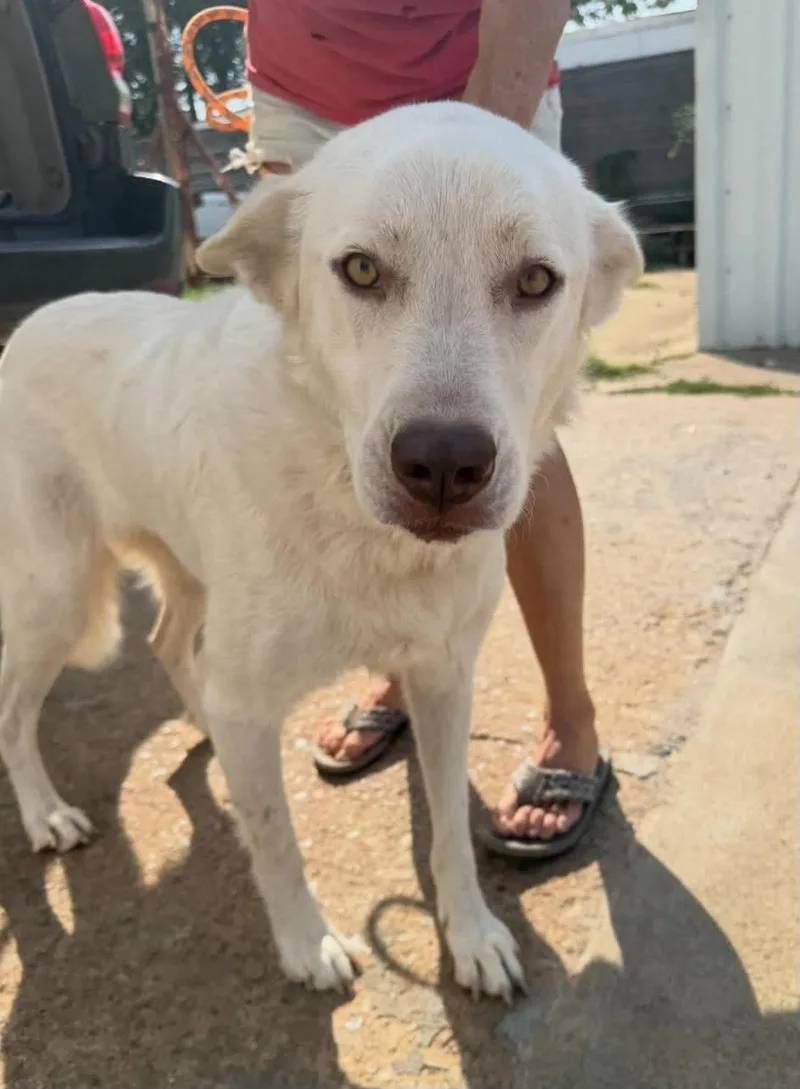
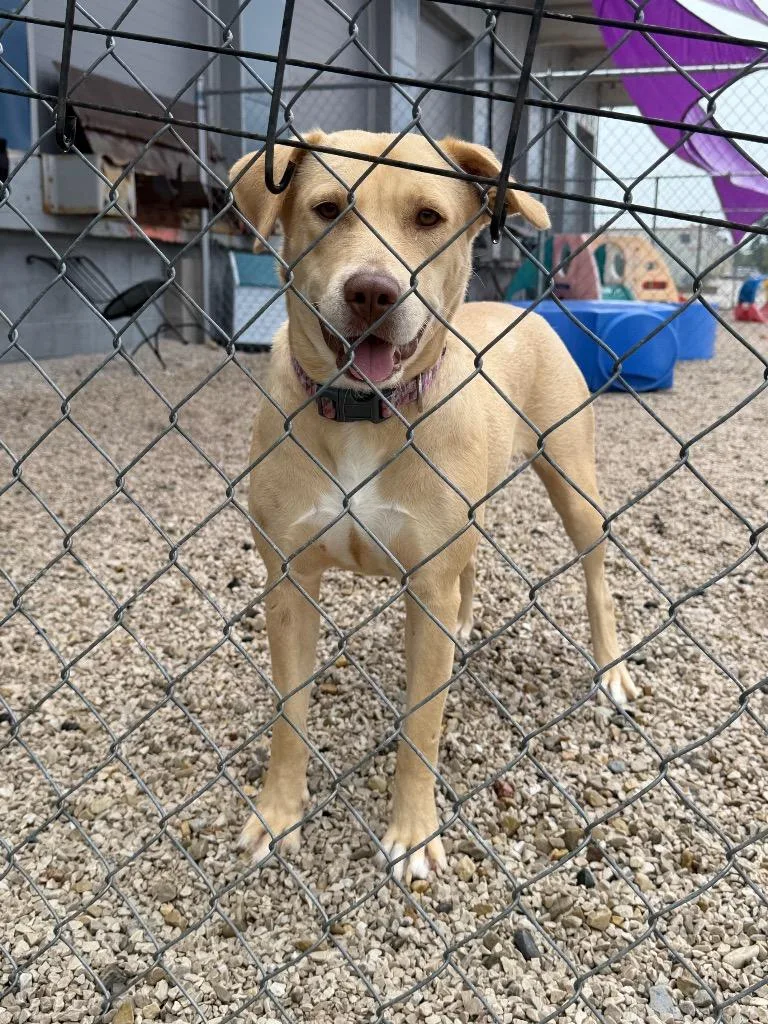
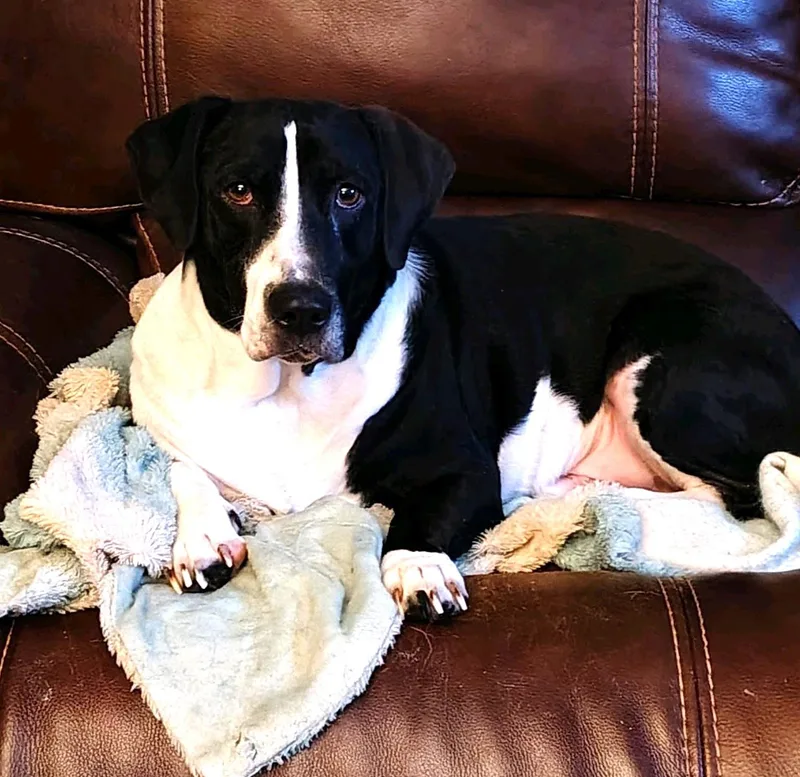
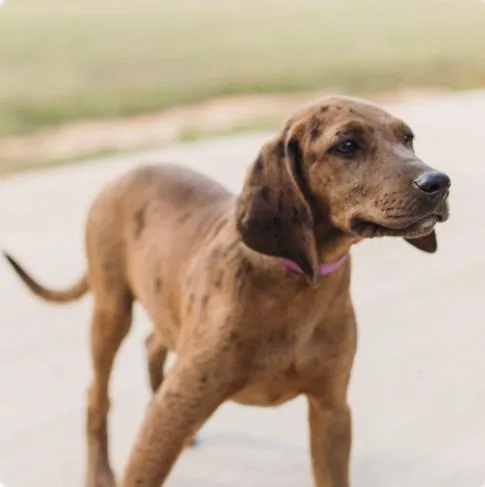
Dogue de Bordeaux Dogs for Adoption in Milwaukee, WI

Your guide to finding and caring for a Dogue de Bordeaux in Milwaukee

A Dogue de Bordeaux suits Milwaukee best with roomy indoor space and slow, steady walks. Around Washington Park, the large brick houses on Sherman Boulevard give a 100-pound dog room to sprawl, and the park's long paths are made for unhurried leash walks. Dogues are calm at home but heavy, drooly and watchful with strangers. They tend to suit people who are home a lot and like a quiet routine, like one slow loop of the park each evening.

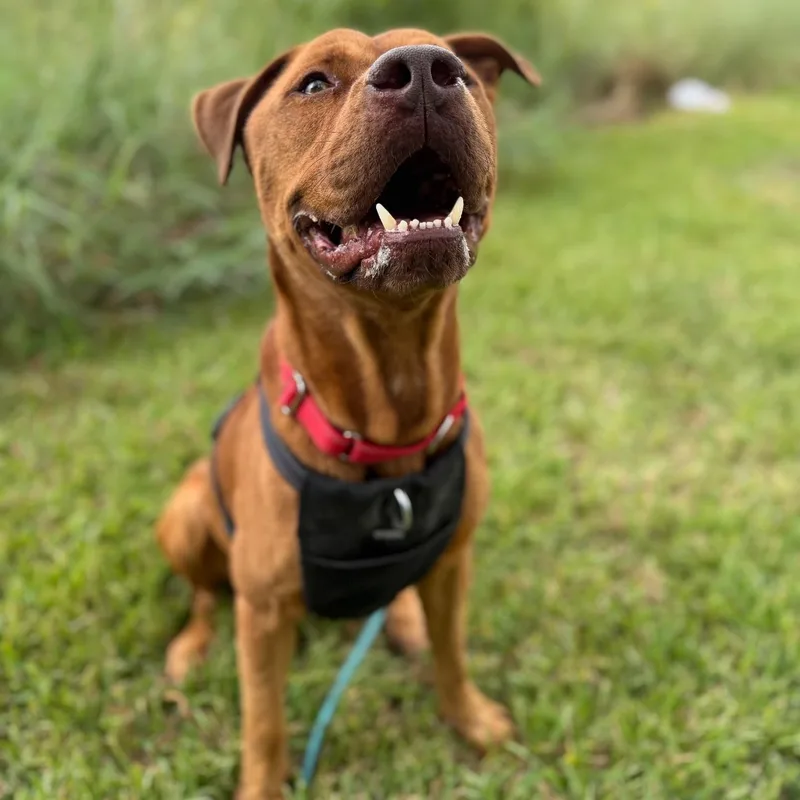
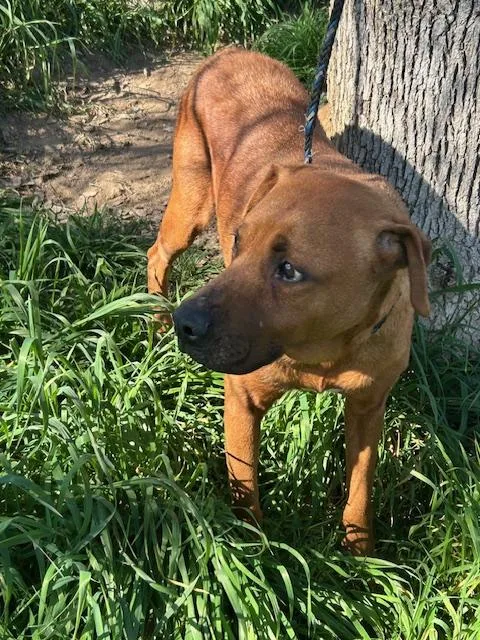
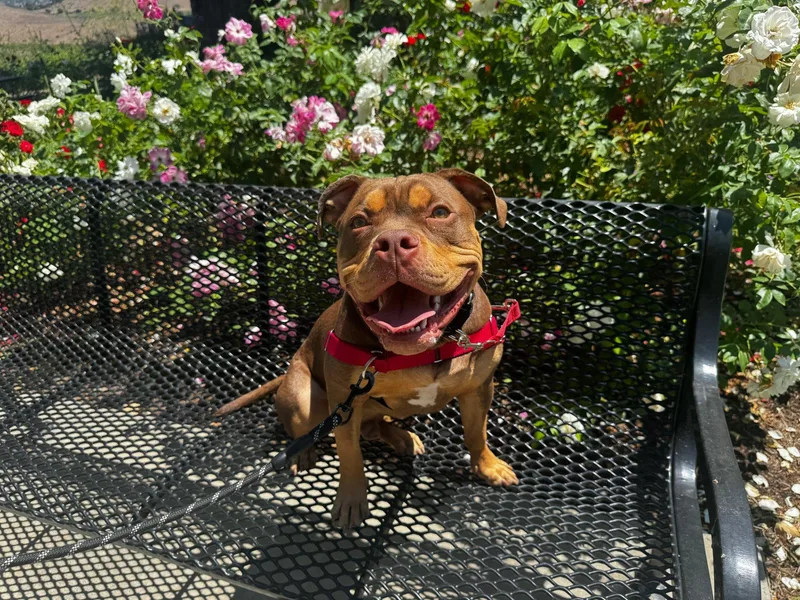
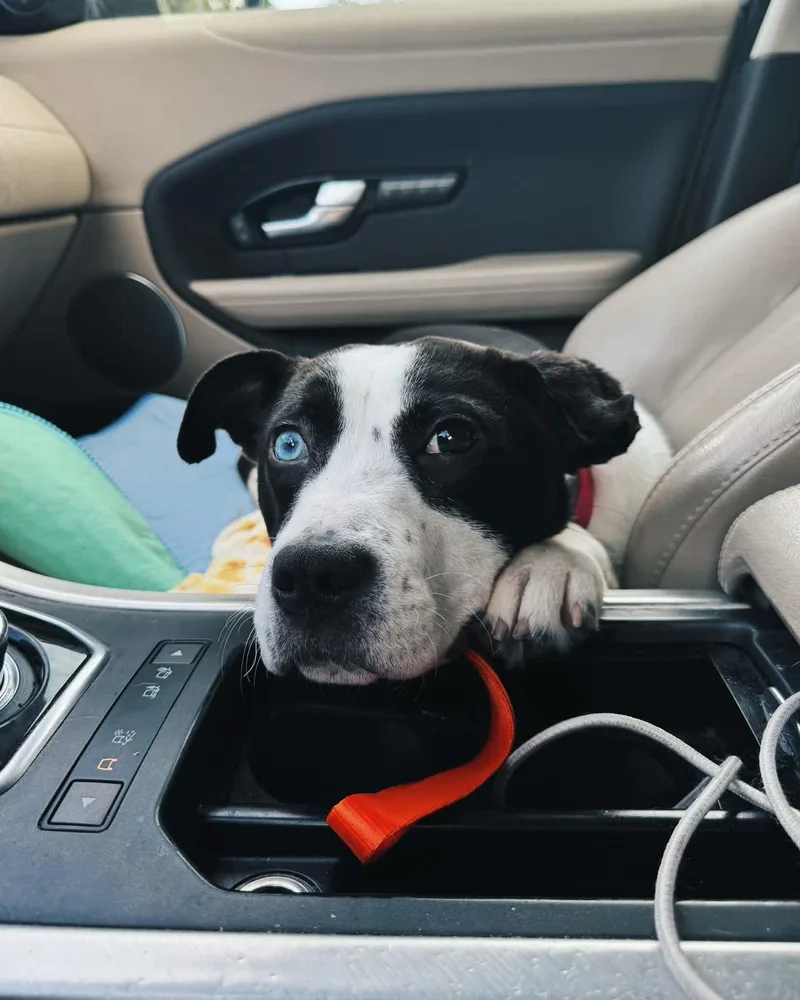
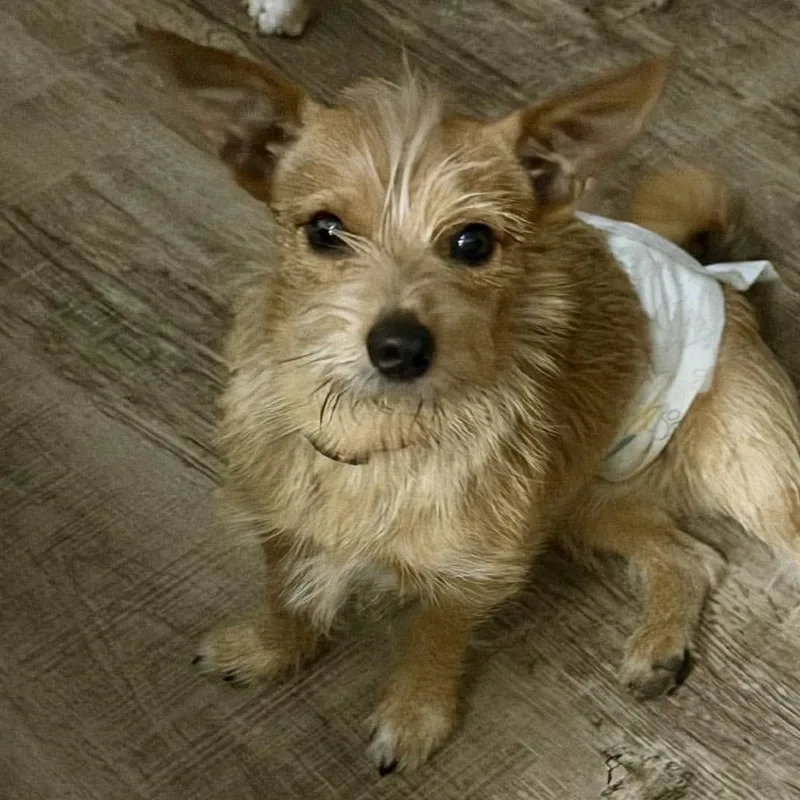
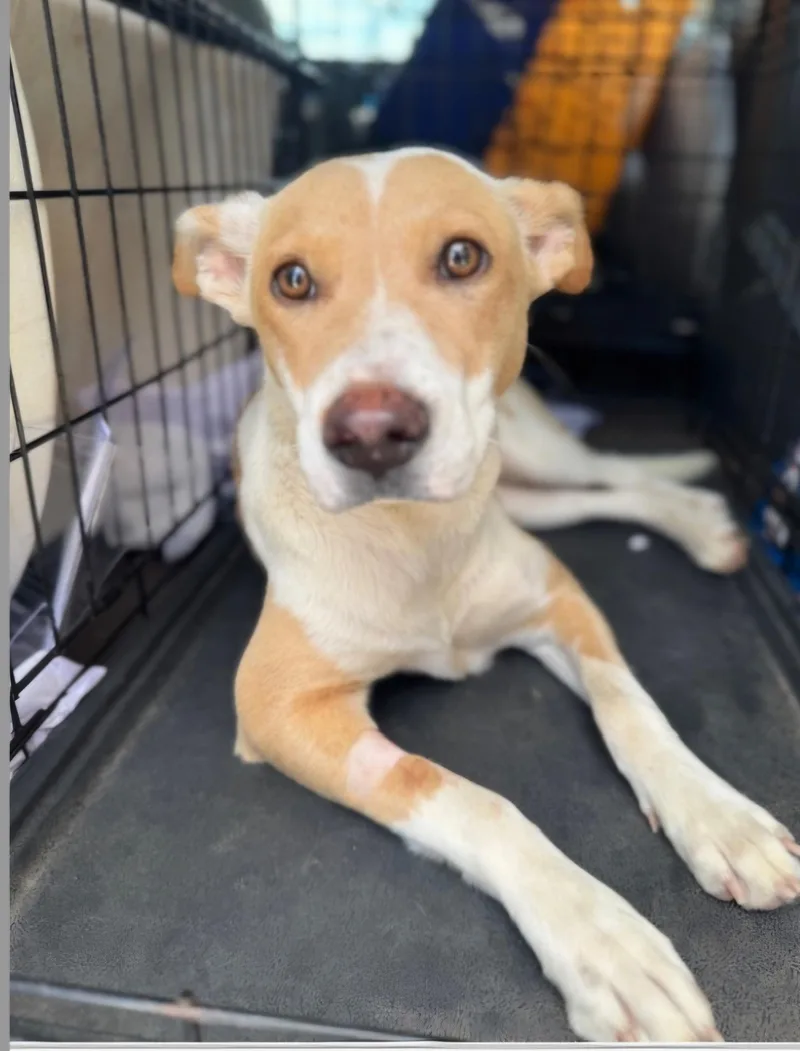
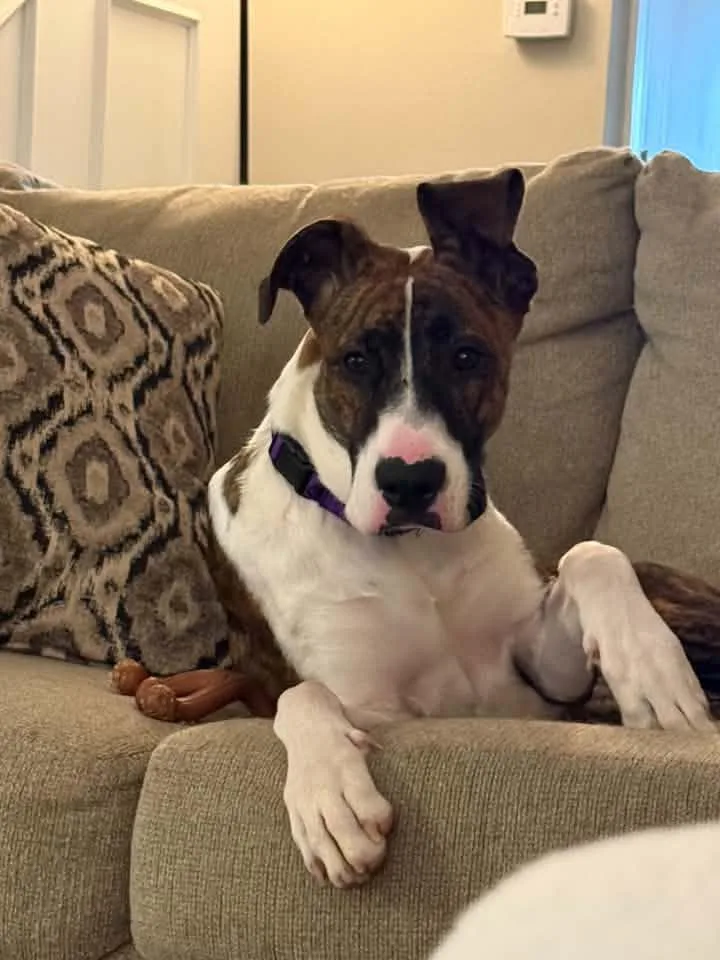
27 Dogue de Bordeaux available in Milwaukee and nationwide

Find your forever Dogue de Bordeaux

While we don't have enough dogs near Milwaukee, keep in mind that many rescues may offer transport.

Dogue de Bordeaux Available for Adoption Near Milwaukee

About the Dogue de Bordeaux breed

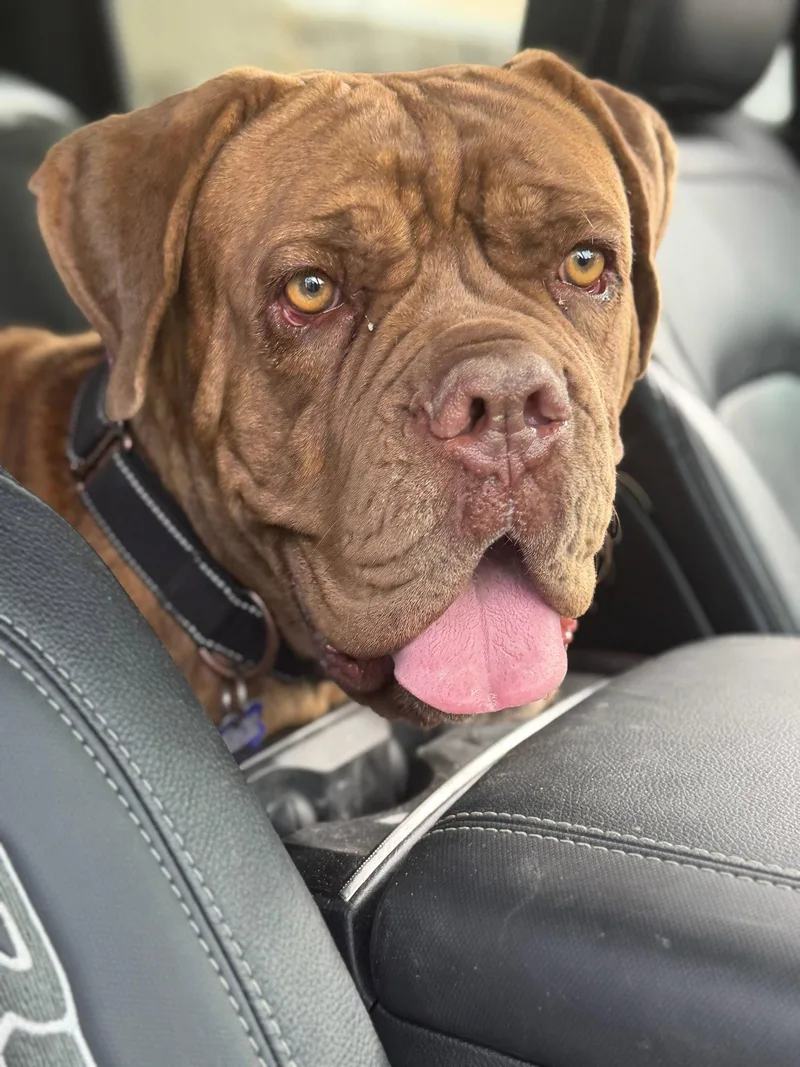
The Dogue de Bordeaux, also called the French Mastiff, is one of France's oldest breeds, long used around Bordeaux as an estate guardian and drover. Its numbers fell to a few hundred worldwide by the early 1980s, and many Americans first met the breed in the 1989 film Turner & Hooch. Adults weigh roughly 99 to 145 pounds, with a short fawn to mahogany coat, a wrinkled brow and a famously large head.

Many Dogues are calm, sensitive and devoted to their families, yet reserved with strangers and strong enough to need early, gentle, consistent training. In Milwaukee, that means planning for a heavy dog on stairs and sidewalks, plenty of drool, and careful routines in both cold and warm weather. Adopters should also be ready for a lifespan often under ten years and giant-dog expenses, though every dog varies.

Weight
99–145 lbs
Height
23–27 in
Lifespan
5–9 yrs
Temperament
Protective, Loyal, Calm, Devoted
Group
Working
Shedding
Moderate to High

Owning a Dogue de Bordeaux in Milwaukee

Having a Dogue de Bordeaux in Milwaukee

The Dogue de Bordeaux is gentle at home but strong, watchful and heavy. In Milwaukee, winter walks, warm-weather cooling, stairs and housing shape daily care more than exercise does, and its health risks and drool deserve planning before adoption.

Temperament

Dogues are typically affectionate and devoted, often leaning on their people for attention, but they can be wary of strangers and unfamiliar dogs. On busy Milwaukee sidewalks, that watchfulness calls for early socialization and calm, reward-based training. Harsh methods tend to backfire with this sensitive breed, and each dog's personality varies.

Exercise Needs

Adults usually need moderate exercise: a couple of unhurried walks, short play sessions and some puzzle work. Most county parks and the Oak Leaf Trail allow leashed dogs on a 6-foot leash, but not the beaches. Keep puppies to low-impact play until about 18 months, and walk in cool hours, since this short-faced breed overheats quickly.

Health Considerations

Serious risks include heart disease such as aortic stenosis, cancer, bloat, hip and elbow dysplasia, and breathing trouble tied to the short face. Skin folds need regular cleaning. Because the lifespan is often under ten years, book an early veterinary exam, ask the vet about heart and joint screening, and learn the signs of bloat.

Living Space

A Dogue can live in an apartment or a house if it has room to stretch out, easy access without many stairs and cooling in warm weather. Many Milwaukee homes are duplexes or upper flats, so think hard about the daily climb with a heavy dog. A fenced yard helps, and the dog should live indoors.

What it costs to own a Dogue de Bordeaux in Milwaukee

ExpenseTypical costPer year
Food$80 to $160 per month$960 to $1,920
Pet insurance$85 to $170 per month$1,020 to $2,040
Routine vet care$250 to $500 per year$250 to $500
Other*$588 to $1,675 per year$588 to $1,675
Estimated yearly total (after year one)$2,818 to $6,135

Other costs are estimates and vary with size, age and health.

* The $13 to $25 Milwaukee County dog license (altered or intact, with the online processing fee), giant-size flea, tick and heartworm prevention, a dental cleaning allowance, sturdy toys and bedding, basic coat care, and skin-fold care and joint supplements.

Adopt a Dogue de Bordeaux in Milwaukee.

Now that you know more, let’s find you a new best friend. These rescues and shelters below have dogs available in and near Milwaukee.

Rescues and Shelters in or near Milwaukee

Milwaukee's animal control shelter and private nonprofits care for thousands of homeless dogs and cats every year. Here are the rescues & shelters in the Milwaukee area with dogs available for adoption, worth asking whether a Dogue de Bordeaux is coming in.

Frequently Asked Questions

Yes, you can own a Dogue de Bordeaux in Milwaukee. The city removed its breed-specific dog rules in July 2026 and now judges dogs by behavior. You'll need a county license for dogs over five months, a current rabies vaccination and a registered microchip. Households are capped at four dogs, cats and rabbits combined, with no exceptions in apartments.

Yes, if the space is roomy, cool in summer and reachable without many stairs. Dogues are fairly calm indoors, but many Milwaukee rentals are older flats, so ground-floor or elevator access matters for a heavy dog. Landlords set their own pet terms, so confirm breed and weight limits first, and expect drool on floors and walls.

Yes, with care, but a short coat and giant body mean limited time outside. Keep walks brief when it's well below freezing, use a coat, and wipe paws after salt. Mastiff-type dogs are often described as tolerating only short stretches in freezing weather, and the dog should sleep indoors rather than be tethered or left outside.

Roverwest and the Downtown Dog Park are fully fenced, and Downtown has separate small- and large-dog areas, so they're good first picks. Bay View and Granville are also options, though Granville isn't fully fenced. A county permit is required and puppies under six months are excluded. The Oak Leaf Trail suits leashed walks.

Generally no. MCTS buses, including CONNECT 1, and The Hop streetcar allow only service animals or pets in a closed carrier that fits on the rider's lap. A Dogue de Bordeaux weighs far too much for any lap carrier, so unless it's a service animal, plan on walking or driving, including for vet visits.

Coat care is light, but skin folds need regular attention. Clean face wrinkles weekly or even daily and dry them well after wet winter walks. Brush with a rubber curry, since shedding is moderate to heavy year-round, and bathe about every four weeks. Most owners handle this at home, so it fits within the yearly Other budget.

Sometimes, but only on outdoor patios that choose to allow dogs. Wisconsin's food code permits dogs in outdoor dining areas only, never inside, and each restaurant decides. Dogs can't sit on chairs or tables, and water must come in single-use containers. Pick a shaded spot with room for a giant dog to lie down.

A Dogue de Bordeaux is not inherently dangerous, but it is a powerful guardian breed whose size and protective instincts demand responsible handling. Most are gentle and affectionate with their families. Poor socialization, rough training or weak containment raise the risk of problems with strangers or other dogs. Early training and an experienced owner make a big difference.

The Dogue de Bordeaux is not banned nationally in the United States, but some cities, landlords, homeowners associations and insurers restrict mastiff-type or large guardian breeds. A few jurisdictions abroad also place it on restricted-dog lists. Before adopting, check local ordinances, your lease and your homeowner's or renter's insurance policy to avoid surprises.

Budget roughly $2,800 to $6,100 a year for a Dogue in Milwaukee, covering food ($80–$160 a month), insurance ($85–$170 a month), routine vet care ($250–$500 a year) and other costs ($588–$1,675 a year). Giant size drives food and prevention costs, and emergencies such as bloat surgery aren't included.

Find Dogue de Bordeaux in Nearby Cities

Expand your search to find Dogue de Bordeaux available for adoption near Milwaukee.