

Basset Hound Dogs for Adoption in Seattle, WA

Your guide to finding and caring for a Basset Hound in Seattle

A Basset Hound is a good match for the flat, steady loop around Green Lake. Bassets walk slowly and sniff everything, which suits a 2.8-mile paved path where nobody's in a hurry. They'd also be fine in a Wedgwood bungalow or a Columbia City townhome, as long as the stairs are few. Seattle's hills are the catch, since those short legs and long backs don't love steep staircases. Expect a lot of sniffing, a loud bay, and a dog that's happiest on the couch afterward.

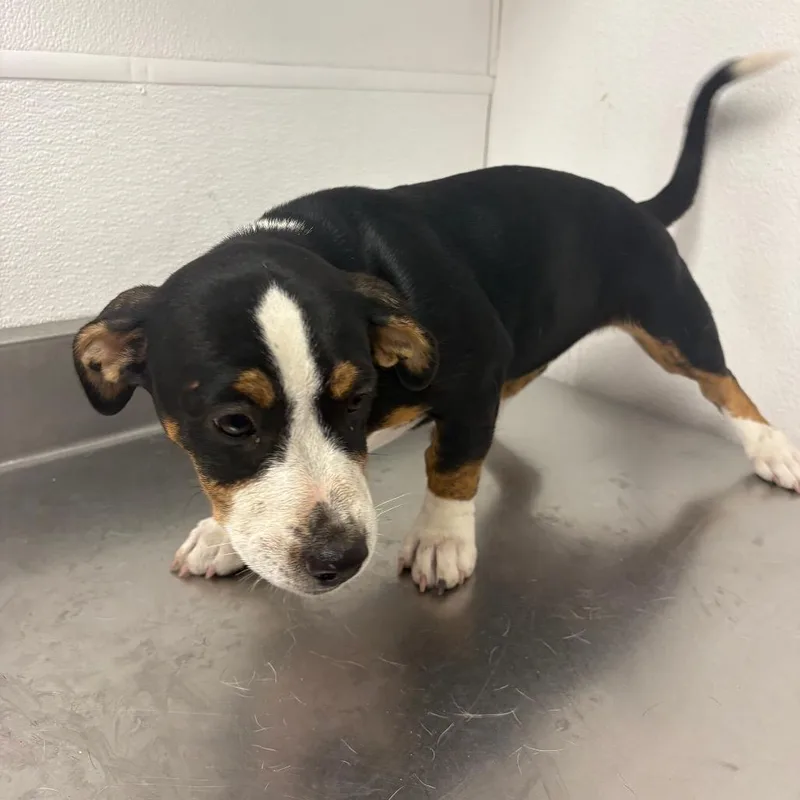
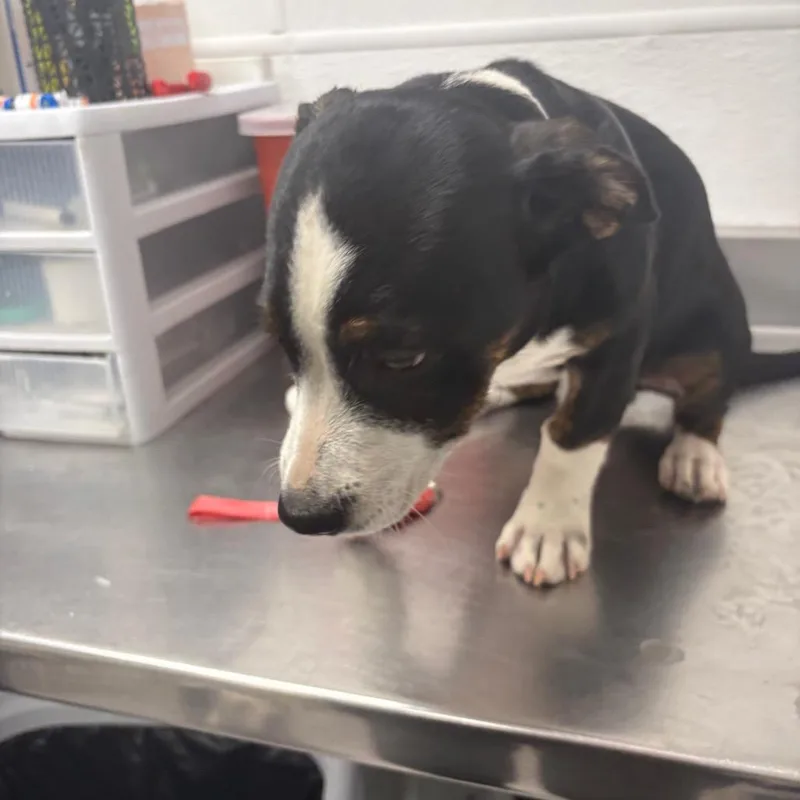
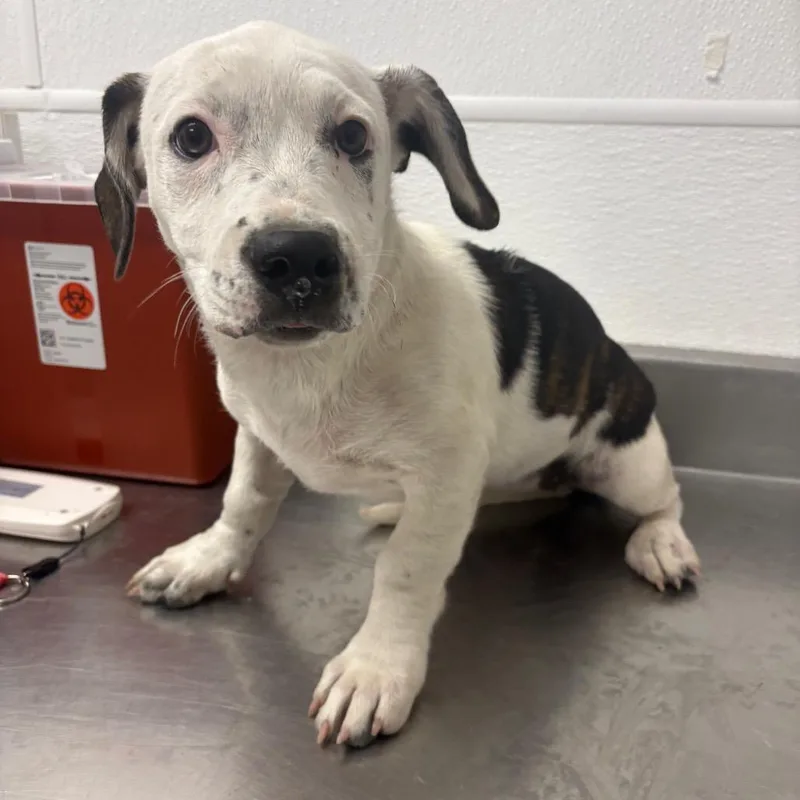
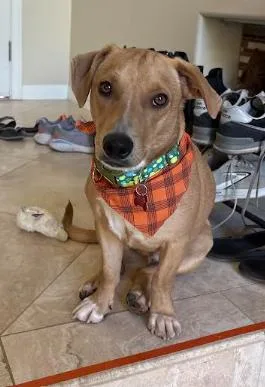
503 Basset Hounds available in Seattle and nationwide

A Basset Hound is ready for you

While we don't have enough dogs near Seattle, keep in mind that many rescues may offer transport.

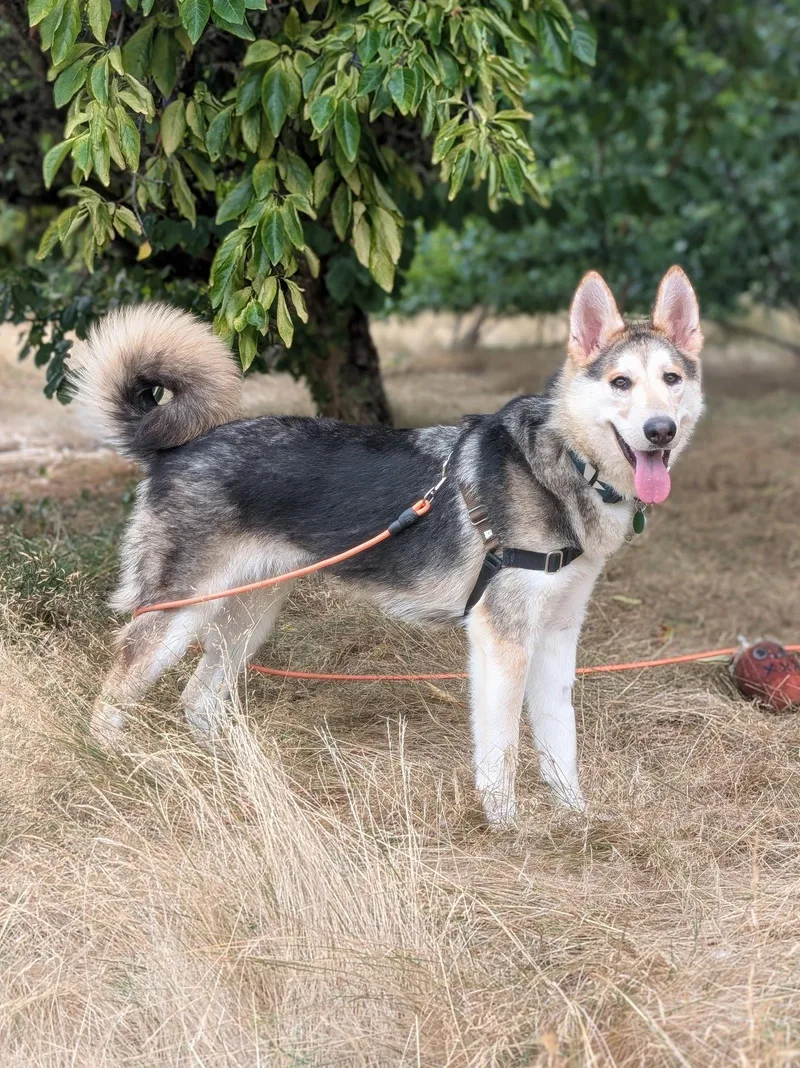
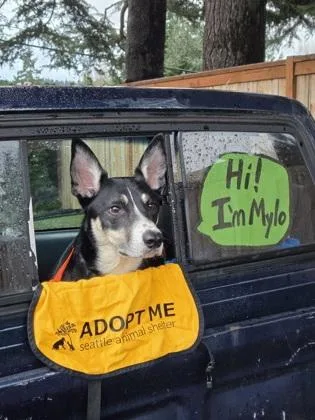
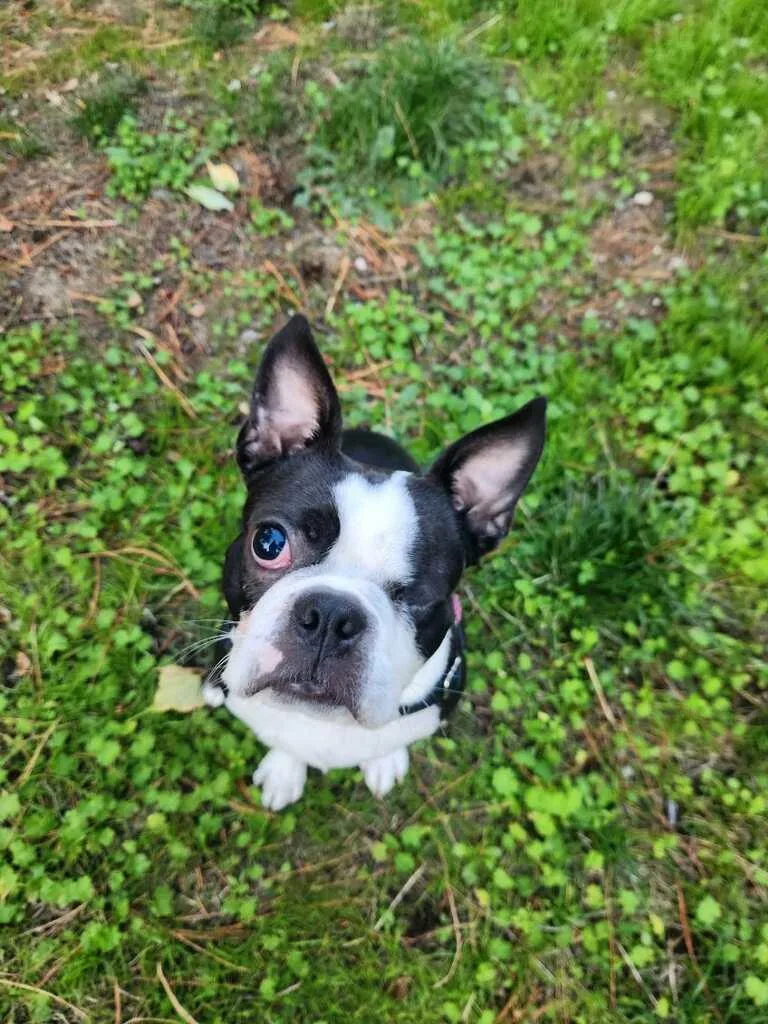
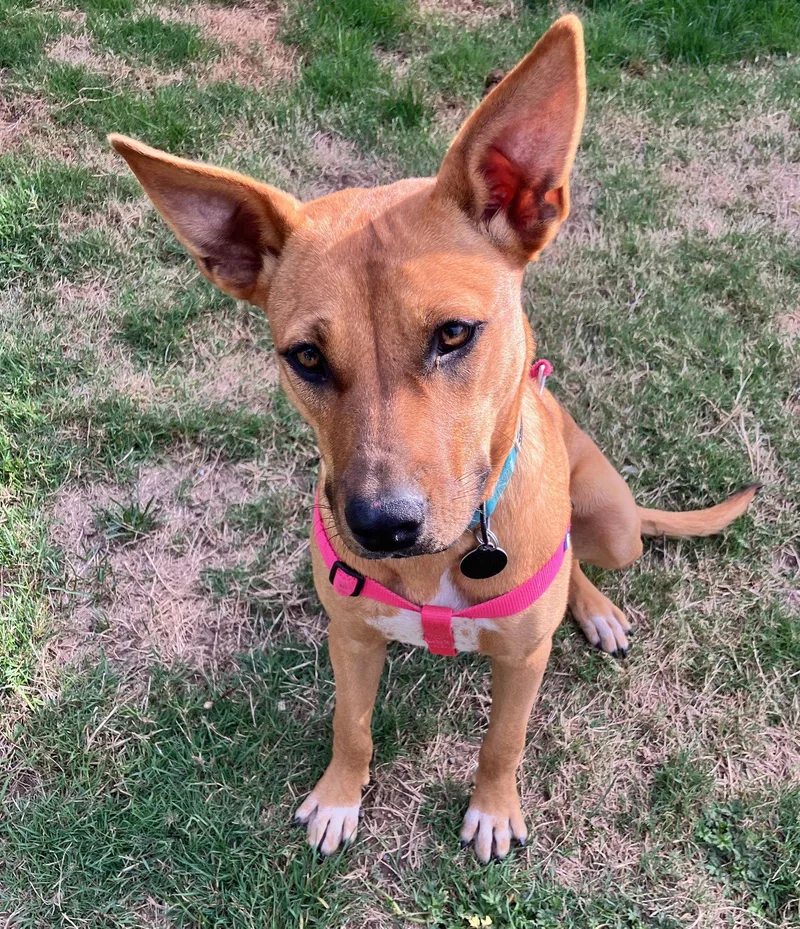
Basset Hounds Available for Adoption Near Seattle

About the Basset Hound breed

The Basset Hound began as a French hunting hound used to trail rabbits and hares on foot, and the heavier modern type was developed in Britain. The result is a long, low dog with velvety ears, loose wrinkled skin and a nose second only to the Bloodhound's. Most adults weigh 40 to 65 pounds despite standing only 11 to 15 inches tall.

Bassets are usually mellow, friendly and good with other dogs, with a stubborn streak and a bay that carries. In Seattle, that means a dog who'll happily stroll in drizzle but may ignore you once a scent catches its nose, so a leash matters. Watch portions, since extra weight strains the back, and plan on regular ear cleaning, especially through the damp months.

Weight
40–65 lbs
Height
11–15 in
Lifespan
10–13 yrs
Temperament
Easygoing, Friendly, Gentle, Vocal
Group
Hound
Shedding
Moderate

Owning a Basset Hound in Seattle

Having a Basset Hound in Seattle

Bassets pair a relaxed outlook with a nose that never really clocks out. In Seattle, that means unhurried neighborhood walks, damp-weather ear and paw care, and a home that goes easy on stairs. Each dog differs, but these are the areas to plan around.

Temperament

Bassets are typically gentle, sociable and happy to lounge near their people, and many enjoy other dogs. They can be stubborn when a scent grabs them, so short food-reward training sessions work best. Expect baying when bored or excited, which matters in closely packed apartment buildings and townhomes. Personality varies from dog to dog.
Exercise Needs

One or two steady walks a day, with time to sniff, usually do the job. Green Lake's paved loop and Magnuson Park's trails offer plenty of scent to follow, always leashed outside off-leash areas. Add scent games indoors on rainy days. Skip repeated stair climbing and jumping, and remember that steep streets, like those on Queen Anne, can tire a short-legged dog.

Health Considerations

Bassets are prone to ear infections, skin fold irritation, glaucoma, bloat, disc disease and joint problems. Seattle's damp months make ear cleaning and thorough drying a regular habit. Keep the dog lean to protect the back, and watch for sudden eye redness or a swollen belly. A veterinarian can check eyes, ears and joints at wellness visits.

Living Space

Bassets can do well in a Seattle apartment or house if walks are regular. Ground-floor units or elevator buildings spare that long back from stairs, which helps in a hilly city. Baying carries through shared walls, so plan for exercise and enrichment. In a house, a secure fence helps, since a Basset follows its nose.

What it costs to own a Basset Hound in Seattle

ExpenseTypical costPer year
Food$35 to $70 per month$420 to $840
Pet insurance$55 to $100 per month$660 to $1,200
Routine vet care$225 to $450 per year$225 to $450
Other*$520 to $1,345 per year$520 to $1,345
Estimated yearly total (after year one)$1,825 to $3,835

Other costs are estimates and vary with size, age and health.

* The $45 Seattle license for a spayed or neutered dog, flea, tick and heartworm prevention, a dental cleaning allowance, toys and bedding, basic coat care, and ear and skin fold cleaning supplies.

Adopt a Basset Hound in Seattle.

Now that you know more, let’s find you a new best friend. These rescues and shelters below have dogs available in and near Seattle.

Frequently Asked Questions

Yes, Basset Hounds can ride King County Metro buses. Small dogs ride free on a lap, but at 40 to 65 pounds a Basset usually sits on the floor with a fare paid, at the driver's discretion. Sound Transit is piloting leashed dogs on Link through spring 2027, so treat that as temporary. The Water Taxi takes leashed or crated dogs.

Yes, Seattle winters are cool, damp and rarely frozen, with highs near 48. A Basset's short coat benefits from a jacket and a towel-dry after walks, plus ear drying to head off infections. Snow is infrequent but can make hilly streets slick, so keep indoor exercise ideas ready and wipe paws free of ice-melt.

Green Lake's 2.8-mile paved loop fits a Basset's steady pace, and Magnuson Park adds trails plus an off-leash area with lake access. Seward Park's 2.4-mile shoreline path is another leashed option. Dogs aren't allowed on city park beaches or the Wolf Tree trail at Discovery Park, and a sniffing Basset needs a leash.

Yes. Seattle has no breed bans, and Washington law limits them statewide. You'll need a city dog license ($45 for a spayed or neutered dog), a rabies vaccination, and a leash off your property. Households can keep up to three dogs and cats combined on a typical lot, so count any other pets.

Yes, if the building suits a long-backed dog. Look for a ground floor or elevator, since stairs strain a Basset's back, and plan for baying through shared walls. Landlords may still charge pet rent or limit the number of pets, so read the lease carefully before adopting.

Often, yes, for people who enjoy unhurried walks and don't mind wet weather. The mild climate suits a Basset better than heat would, and paved paths work well for sniffing. Be ready for hills, towel-drying, ear care and a loud bay. Dogs vary, so notice how each Basset handles stairs and noise.

Sometimes, on patios. Washington's food code lets dogs join outdoor dining only when the restaurant has a health-department-approved plan, and indoor dining rooms generally don't allow pet dogs. Keep your Basset leashed, off chairs and tables, and out of the indoor area. Access is never guaranteed, so don't count on it.

Very little coat care: a weekly brush with a rubber mitt handles moderate year-round shedding. Seattle's damp weather makes ear cleaning, skin fold wiping and thorough drying the real routine, plus regular nail trims. Professional grooming is rarely a big expense, which fits the $520 to $1,345 yearly Other costs.

Basset Hounds are medium-sized dogs that stay short, standing no more than about 15 inches at the shoulder while weighing roughly 40 to 65 pounds. They are heavy-boned for their height, with long bodies and deep chests, so they feel much bigger than they look. Males usually sit at the upper end, and a lean adult rescue may weigh less.

Expect roughly $1,825 to $3,835 a year for a Basset in Seattle. That covers food at $35 to $70 a month, insurance at $55 to $100 a month, routine vet care at $225 to $450 a year, and other costs at $520 to $1,345 a year. Adoption fees vary by listing.