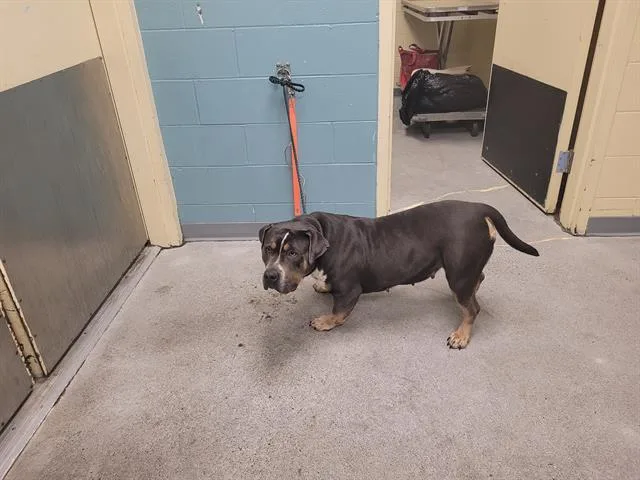
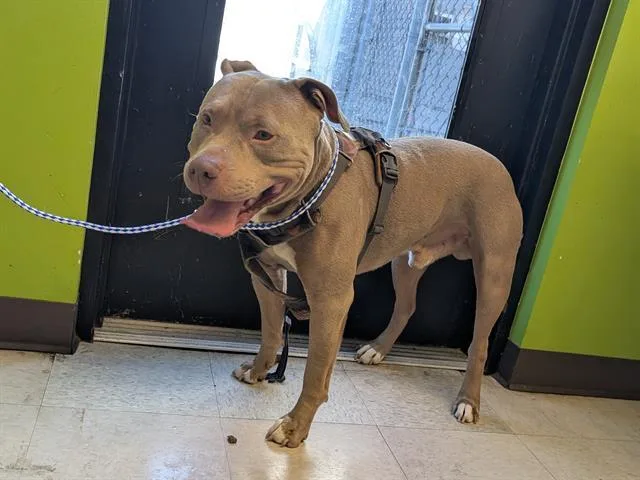
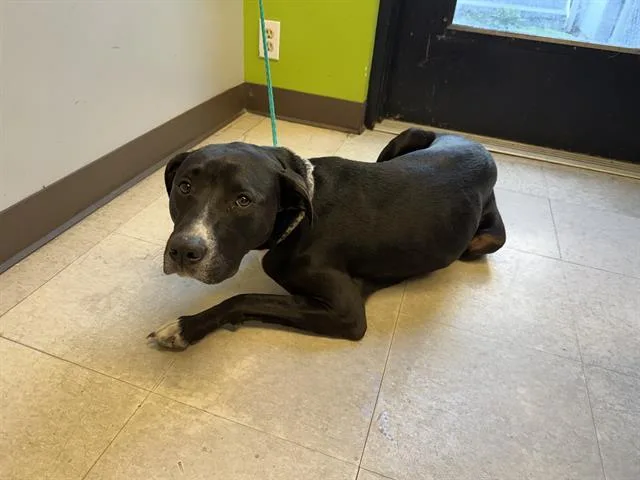
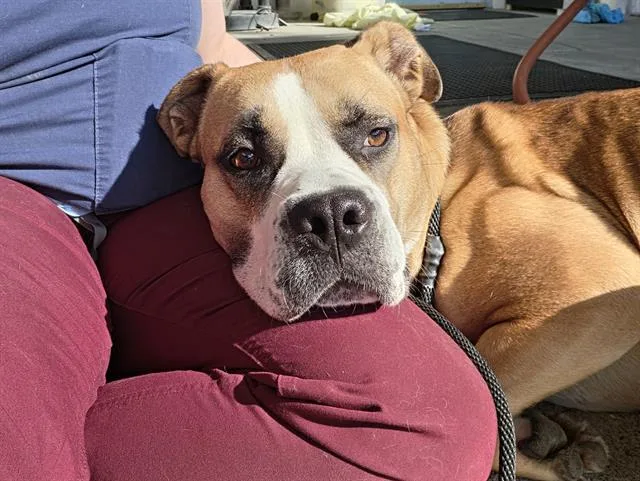
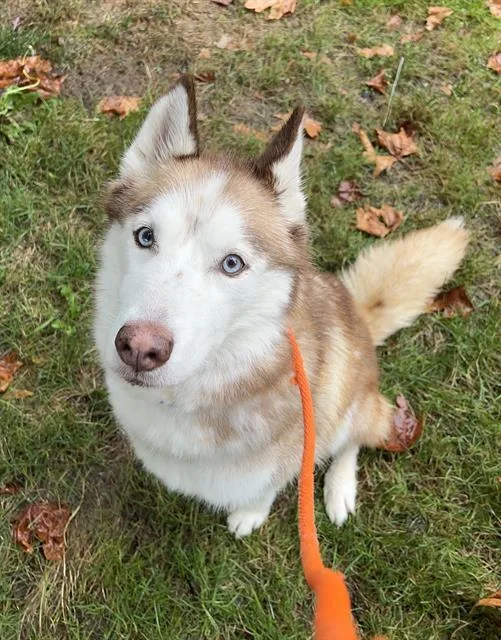
Pit Bull Terrier Dogs for Adoption in Kent, WA

Your guide to finding and caring for a Pit Bull Terrier in Kent

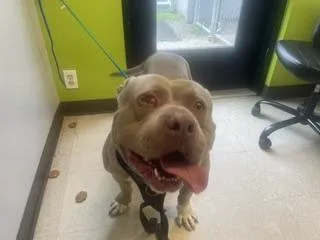
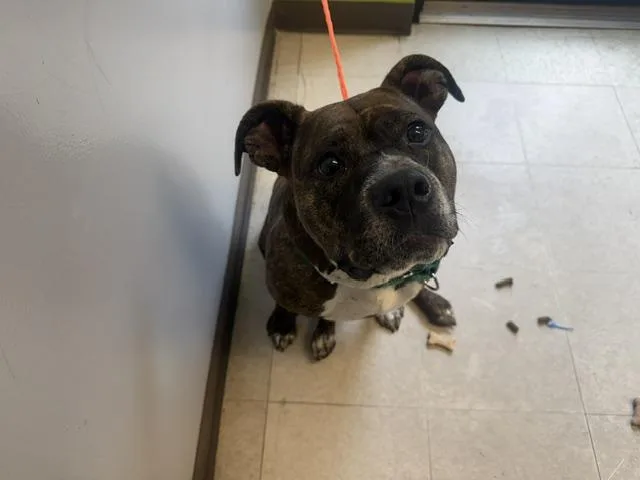
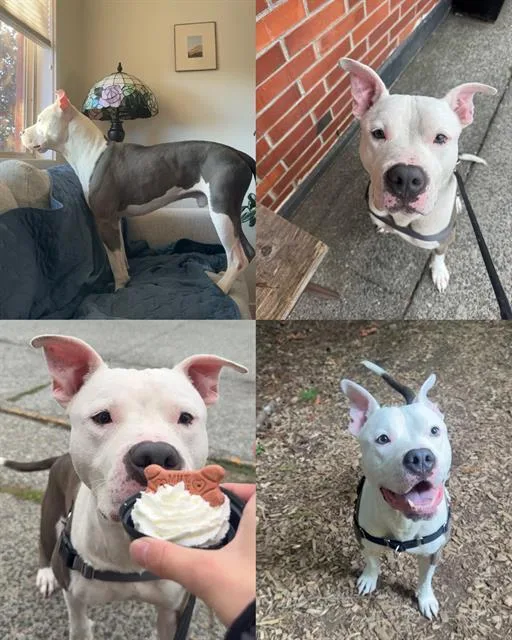
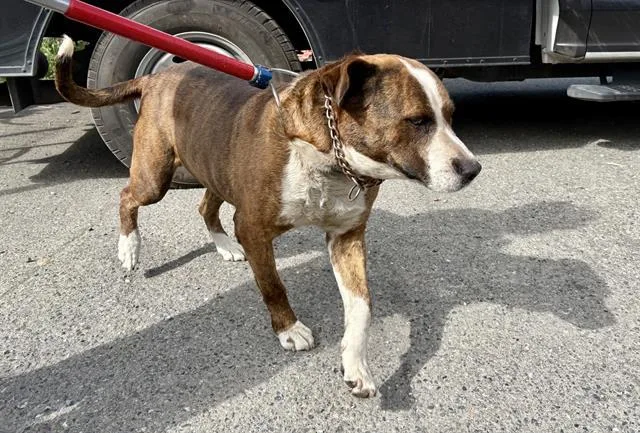
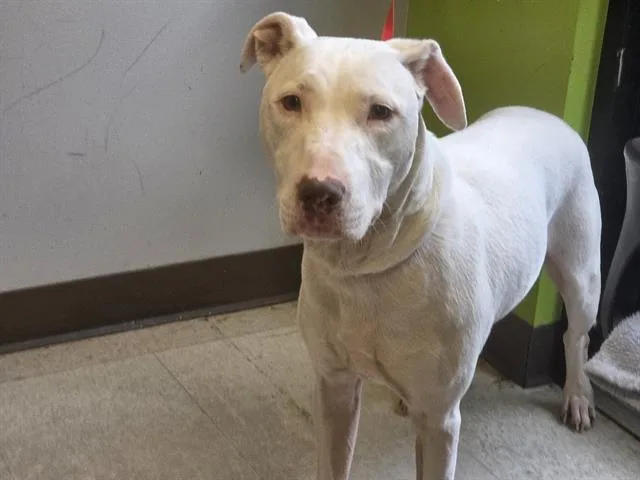
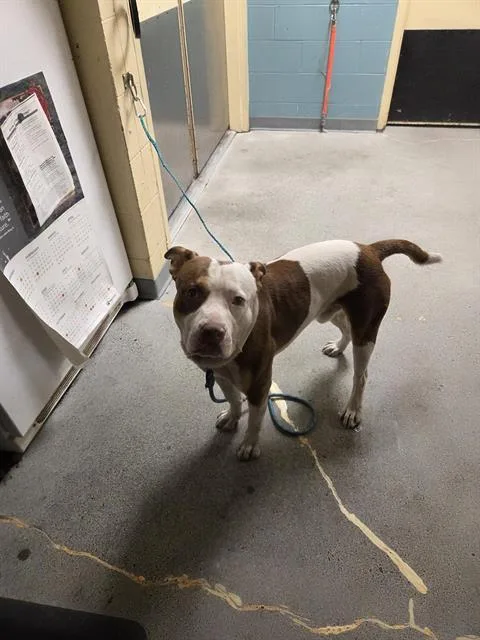
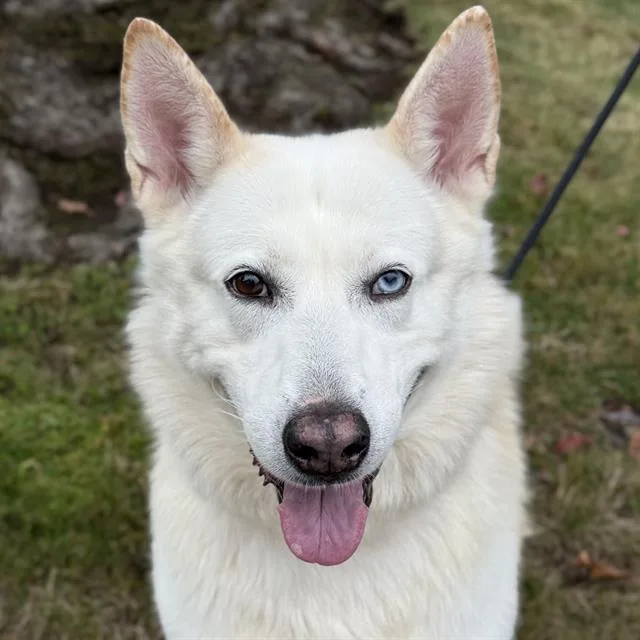
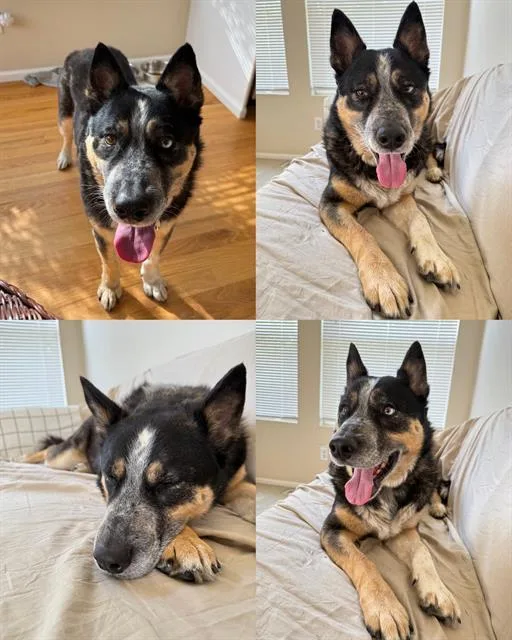
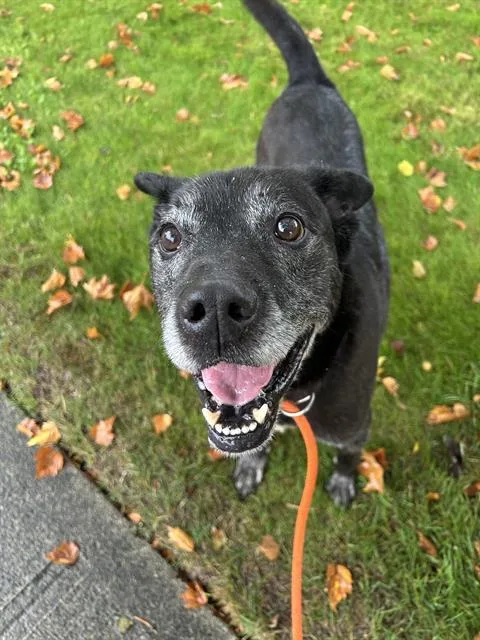
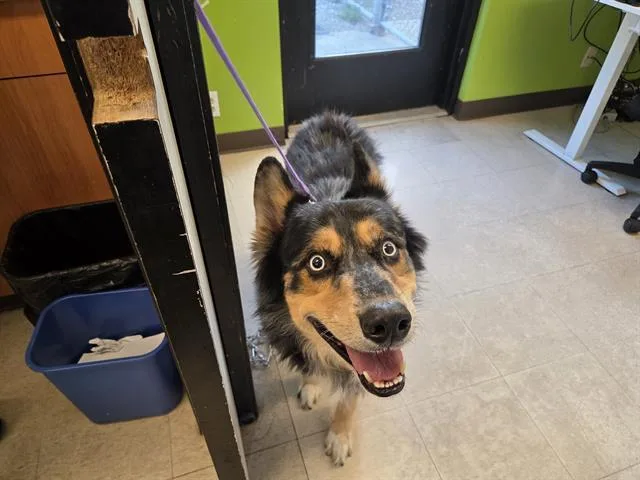
12 Pit Bull Terriers available for adoption in Kent

Meet your next Pit Bull Terrier

Pit Bull Terriers Available for Adoption in Kent

About the Pit Bull Terrier breed

Pit Bull Terrier is more often a type than a single breed. In US shelters the label usually covers the American Pit Bull Terrier, recognized by the United Kennel Club, along with the American Staffordshire Terrier, the Staffordshire Bull Terrier, American Bullies and the many mixed dogs that share their broad heads and muscular bodies. All trace back to nineteenth-century British bull-and-terrier dogs, and DNA studies show shelter breed labels for these dogs are often wrong.

Most dogs adopters meet under this label are medium-sized, short-coated, strong and athletic, and many are enthusiastic, affectionate and eager to please with their people. Their strength means training, socialization and good management matter, and some are selective about other dogs. Because pit bull–type dogs are among the most common in shelters, adopters have many adult dogs to choose from whose individual temperament is already known.


Weight
30–65 lbs
Height
17–21 in
Lifespan
12–14 yrs
Temperament
Affectionate, Energetic, Loyal, Confident
Group
Terrier
Shedding
Moderate

Owning a Pit Bull Terrier in Kent

Having a Pit Bull Terrier in Kent

Dogs labeled Pit Bull Terrier tend to pair a strong, athletic body with an exuberant, people-focused personality. Their energy, strength, sensitivity to other dogs and the extra responsibility that comes with owning a powerful dog are the traits that matter most when choosing one.

Temperament

Many pit bull–type dogs are affectionate, playful and eager to please with people, often seeking constant closeness. Some are selective or intolerant with other dogs, and strong prey drive appears in some dogs. Their strength means early training and careful introductions matter. Breed labels predict little, so focus on a specific dog's history and behavior evaluation.

Exercise Needs

Most pit bull–type dogs need about an hour of daily activity, such as brisk walks, fetch, flirt-pole play, hiking or tug with rules. Training sessions, scent games and puzzle feeders tire their minds as well. Under-exercised dogs often become destructive or overexcited. Avoid strenuous exercise in heat, since short-coated, muscular dogs can overheat.

Health Considerations

Skin allergies are among the most common issues in pit bull–type dogs, along with hip dysplasia, cruciate ligament tears, hypothyroidism and some cancers, including skin tumors. Obesity worsens joint problems. Watch for itchy skin or lumps, keep the dog lean, and schedule regular veterinary checkups with prompt attention to new growths.

Living Space

A pit bull–type dog can live well in an apartment or house when daily exercise and training are reliable. Before adopting, check lease rules, homeowner insurance and local ordinances, since some restrict these dogs. A securely fenced yard helps but does not replace walks. Most want to live indoors with their people and hate isolation.

What it costs to own a Pit Bull Terrier

ExpenseTypical costPer year
Food$35 to $70 per month$420 to $840
Pet insurance$45 to $85 per month$540 to $1,020
Routine vet care$225 to $450 per year$225 to $450
Other*$440 to $1,190 per year$440 to $1,190
Estimated yearly total (after year one)$1,625 to $3,500

Other costs are national averages for Pit Bull Terriers; we don't have costs specific to Kent yet.

* Flea, tick and heartworm prevention, a dental cleaning allowance, a dog license, durable toys and bedding, and light home grooming; costs vary with the individual dog's size and coat.

Adopt a Pit Bull Terrier in Kent.

Now that you know more, let’s find you a new best friend. These rescues and shelters below currently have Pit Bull Terriers available.

Rescues in Kent with Pit Bull Terriers Available

Here are the rescues & shelters in the Kent area where you can find Pit Bull Terriers and other dogs available for adoption.

Frequently Asked Questions

Pit bulls are not inherently dangerous, but they are strong dogs that can cause serious injuries if they bite, so responsible ownership matters. Veterinary organizations say breed alone is a poor predictor of bites, while some hospital studies link pit bull–type dogs to more severe injuries. An individual dog's history, socialization, training and management matter most.

Pit bulls were originally bred in nineteenth-century Britain from bulldogs and terriers for blood sports such as bull baiting and dog fighting, practices now illegal. Immigrants brought them to America, where they also worked as farm dogs, catch dogs and family companions. That fighting history explains why some show dog aggression, though most are affectionate with people.

Pit bulls are not aggressive toward people by nature, and the UKC standard calls aggression toward humans uncharacteristic of the American Pit Bull Terrier. However, many show some level of selectivity or aggression toward other dogs, a legacy of their history. Genetics, socialization, training and experiences all shape behavior, so evaluate each dog individually.

Most pit bull–type dogs are medium-sized, standing about 17 to 21 inches at the shoulder and weighing about 30 to 65 pounds. Males are usually larger and blockier than females. Because the label covers several breeds and many mixes, some shelter dogs are smaller and some bully mixes are considerably heavier than this range.

A Pit Bull Terrier usually means an American Pit Bull Terrier, a medium-sized, muscular terrier recognized by the United Kennel Club, or more loosely any dog of the pit bull type. That broader group includes American Staffordshire Terriers, Staffordshire Bull Terriers, American Bullies and mixes. They are known for strength, athleticism and strong attachment to people.

There is little breed-specific data on what pit bulls usually die from, but like most dogs, older pit bulls commonly die from cancer and age-related organ or mobility decline. Bully breeds appear prone to certain cancers, including mast cell skin tumors, and accidents or injuries also play a role in younger dogs. Regular checkups help catch problems early.

Pit bulls typically live about 12 to 14 years, and many reach their mid-teens with good care. Lifespan varies with genetics, weight and access to veterinary care. Keeping a pit bull lean, active and up to date on preventive care, and checking any new lumps promptly, helps them stay healthy into their senior years.

Yes, pit bulls can be service dogs. Under US law, a service dog is defined by its training to perform specific tasks for a person with a disability, not by its breed. Many pit bull–type dogs work as service, therapy and detection dogs thanks to their focus and eagerness to please. Temperament and trainability of the individual matter.

A pit bull–type dog usually has a broad, wedge-shaped head, strong jaws, a muscular, athletic body and a short, smooth, glossy coat. Ears may be natural, half-pricked or cropped, and the tail is medium length and tapering. Coats come in almost any color, including brindle, blue, fawn, black, red and white, often with white markings.

We have 1 rescue with Pit Bull Terriers available: Regional Animal Services of King County (RASKC) (WA). You can see every rescue with Pit Bull Terriers available in the list above these questions, or scroll to the top to see the Pit Bull Terriers in Kent.