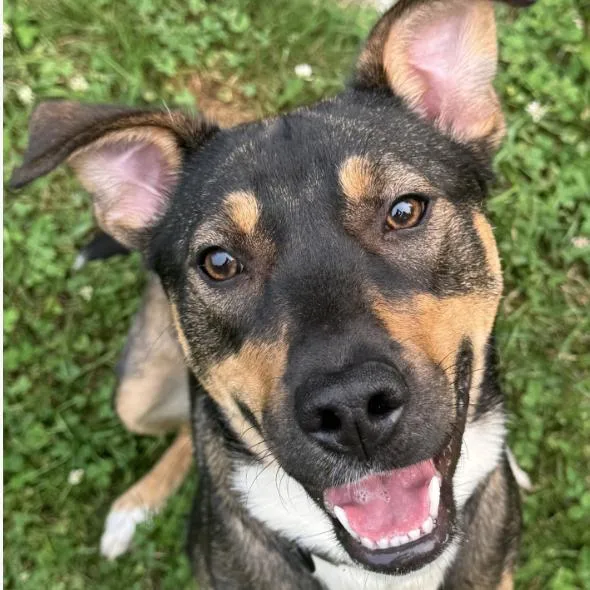
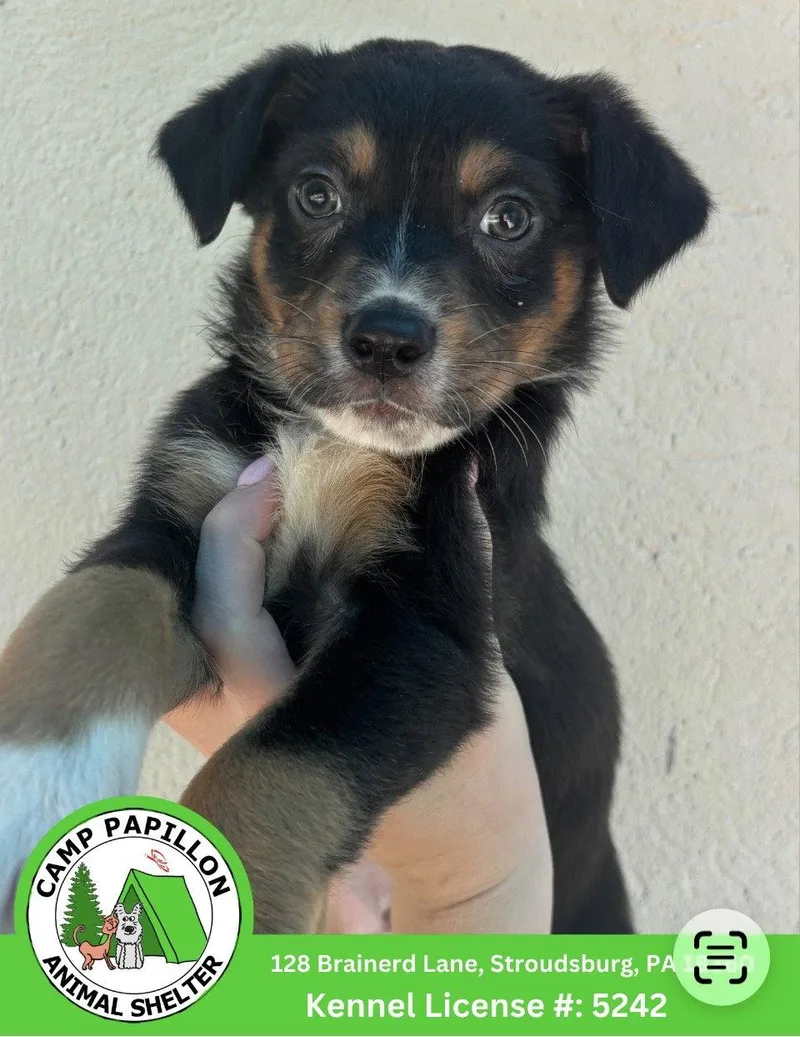
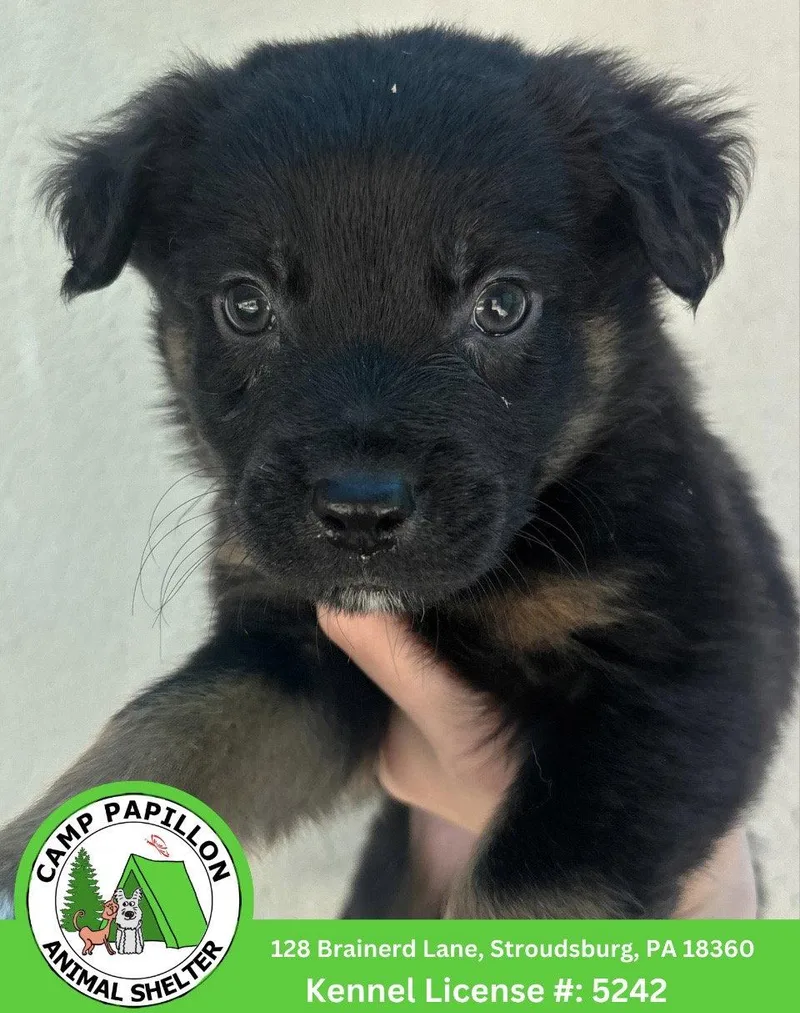
Bernese Mountain Dogs for Adoption in Burlington, VT

Your guide to finding and caring for a Bernese Mountain Dog in Burlington

Bernese Mountain Dogs are a natural fit for Burlington's snowy winters. A Berner can plod along the bike path through the New North End or loop Leddy Park on a January morning without complaint, and the older houses with big yards in the Hill Section give a dog this size room to stretch out. The tradeoffs are just as concrete: hair on every surface, and a 100-pound dog to steady on icy sidewalks.

131 Bernese Mountain Dogs available in Burlington and nationwide

Adopt a Bernese Mountain Dog today

While we don't have enough dogs near Burlington, keep in mind that many rescues may offer transport.

Bernese Mountain Dogs Available for Adoption Near Burlington

About the Bernese Mountain Dog breed

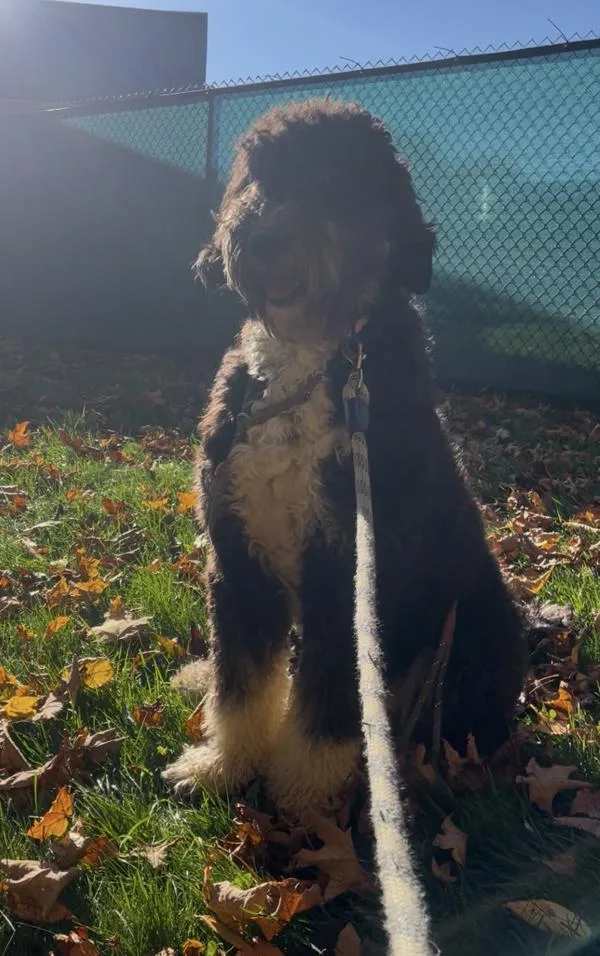
Bernese Mountain Dogs come from the farms of Switzerland's canton of Bern, where they pulled milk carts, drove cattle and guarded the farmyard. They're the only long-coated Swiss mountain dog, with a black coat, rust markings and a white blaze and chest cross. Most weigh between 70 and 115 pounds.

Berners are usually gentle, affectionate and eager to please, though some are reserved with strangers. The thick coat sheds heavily year-round, so regular brushing is part of the deal. The breed is also short-lived, often seven to ten years, largely because of cancer. Early leash training matters, since a Berner that pulls is hard to hold on a slick street. Every dog's personality varies, so get to know the dog in front of you.

Weight
70–115 lbs
Height
23–28 in
Lifespan
7–10 yrs
Temperament
Gentle, Affectionate, Calm
Group
Working
Shedding
High

Owning a Bernese Mountain Dog in Burlington

Having a Bernese Mountain Dog in Burlington

Berners pair a soft, people-focused nature with the strength of a draft dog. In Burlington, the cold-loving coat is an advantage in winter, while size, heavy shedding and health risks shape daily care and housing choices more than the climate does.

Temperament

Berners tend to be gentle, patient and devoted to their families, and many get along with respectful children and other dogs. Some are shy or aloof with strangers, so slow introductions help on a busy Church Street sidewalk or in a shared apartment hallway. Each dog is different, so watch how the dog you meet handles new people.

Exercise Needs

Most Berners need one or two good walks a day plus some play, and they enjoy cool-weather outings. In Burlington that can mean the bike path or a snowy loop through a neighborhood park, always leashed outside off-leash areas. Training and scent games add mental work. Keep puppies off long runs and repeated jumping while their joints develop.

Health Considerations

Berners have high cancer rates, especially histiocytic sarcoma, plus hip and elbow dysplasia, kidney disease and bloat. Keeping a Berner lean protects its joints, and regular checkups catch problems early. Chittenden County has a heavy tick population, so ask a veterinarian about tick prevention and Lyme screening, especially after woods and field walks.

Living Space

A Berner does best with room to stretch out and ideally a secure yard, like the larger lots in the New North End or Hill Section. Apartments can work with an elevator or manageable stairs, daily walks and tolerance for shedding. Berners prefer living indoors with their people, even in the dead of winter.

What it costs to own a Bernese Mountain Dog in Burlington

ExpenseTypical costPer year
Food$80 to $160 per month$960 to $1,920
Pet insurance$85 to $170 per month$1,020 to $2,040
Routine vet care$250 to $500 per year$250 to $500
Other*$690 to $1,890 per year$690 to $1,890
Estimated yearly total (after year one)$2,920 to $6,350

Other costs are estimates and vary with size, age and health.

* The Burlington dog license (about $27 a year for a spayed or neutered dog), flea, tick and heartworm prevention, a dental cleaning allowance, toys and large bedding, coat care for heavy shedding, and joint supplements.

Adopt a Bernese Mountain Dog in Burlington.

Now that you know more, let’s find you a new best friend.

Frequently Asked Questions

Yes. Burlington's animal rules contain no known breed-specific restrictions, and dangerous-dog decisions are based on a dog's behavior rather than its breed. Dogs over six months need an annual license and proof of rabies vaccination, and they must be leashed outside off-leash areas. Renters should confirm their landlord's size limits, since many buildings cap a dog's weight.

Starr Farm Dog Park and the fenced Waterfront Dog Park are the main off-leash spots, and Texaco Beach is also designated off-leash. The leashed bike path is good for steady walks in cool weather. Berners tire quickly in warmth, so go early in summer. Dogs aren't allowed on the sand at Oakledge, Leddy or North Beach.

Mostly no. Green Mountain Transit buses allow animals only in a closed, secured carrier, and a Berner is far too big for one. Service animals are the exception. For a Berner, plan on a car, or walk and use the bike path for most trips around town.

Mostly yes. Winters bring about 87 inches of snow and many nights below freezing, which suits a Berner's thick coat, and summers rarely top 90°F. Heat is still the weak spot, so walk early on warm days and give shade and water. Keep dogs out of lake water with algae blooms.

For active households, often yes. Berners enjoy cold weather, bike-path walks and a family that's home a lot. The tougher parts are heavy shedding, a rental market where a giant dog limits choices, and the cost of a large dog. Plan for steady walks, grooming and a cool spot indoors.

Sometimes, on patios. Outdoor dining policies are set by each restaurant and are often seasonal, and dogs generally aren't allowed inside dining rooms. Leashed dogs are a common sight on Church Street. A Berner takes up a lot of floor, so choose quieter times and bring a mat.

Plan on brushing one to two times a week, and more often during spring and fall shedding. In winter, wipe or rinse paws after salted sidewalks and comb out snowballs from leg feathering. Coat care is counted in the yearly Other costs of $690 to $1,890, so budget for a brush, a deshedding tool and occasional baths.

A Bernese Mountain Dog is a large to giant Swiss working breed originally used on farms to pull carts, drive cattle and guard property. It has a long, tricolored coat of black, rust and white and a sturdy, powerful build. Berners are known for their gentle, affectionate nature, though their lifespan is shorter than many breeds.

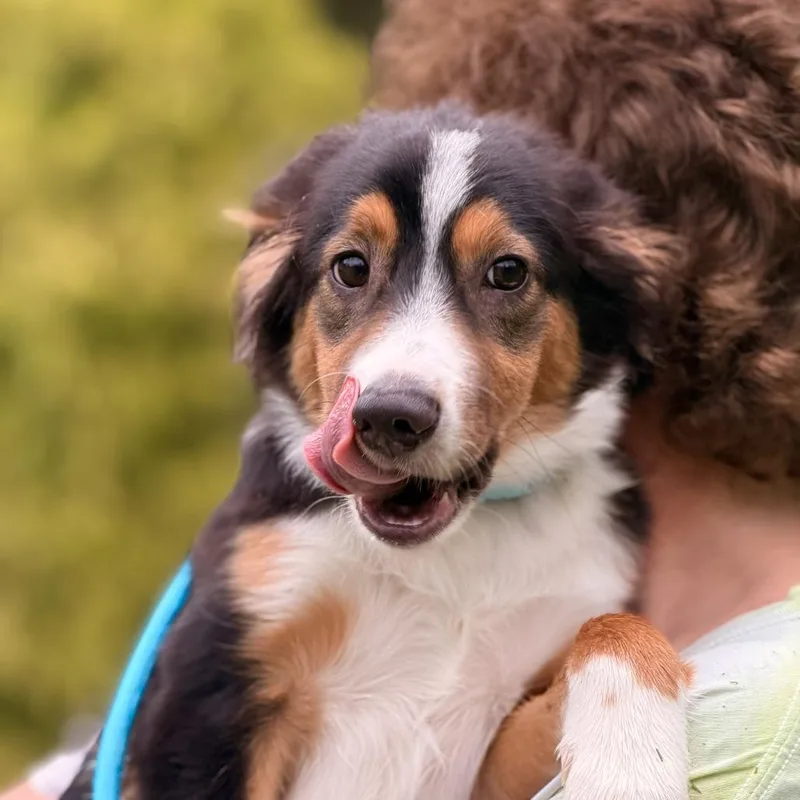
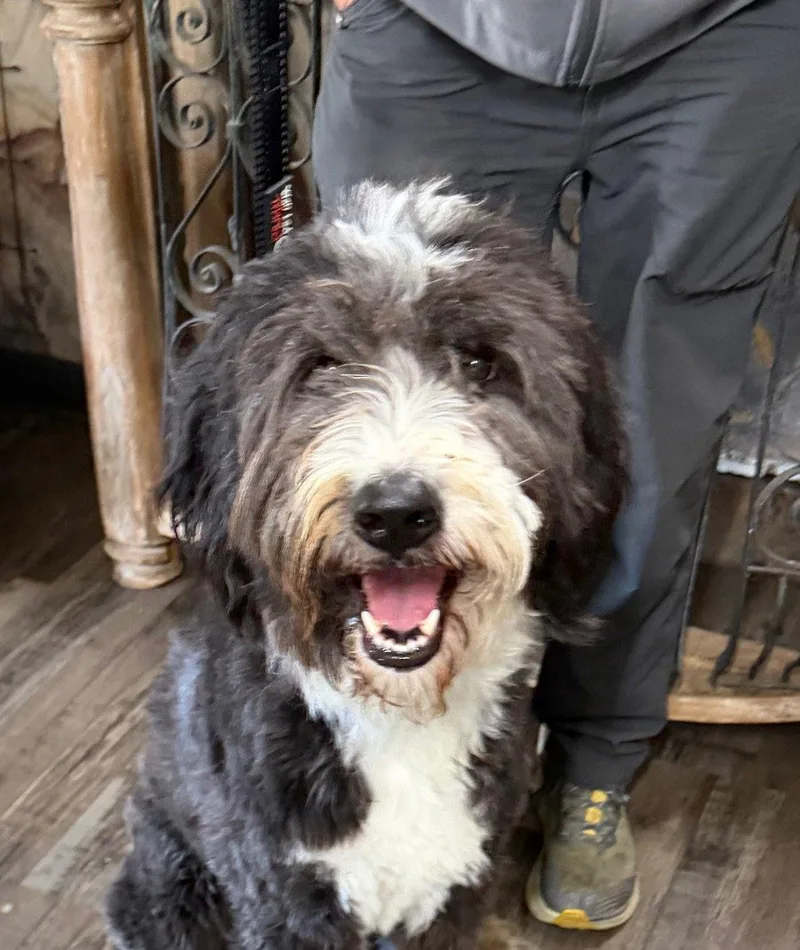
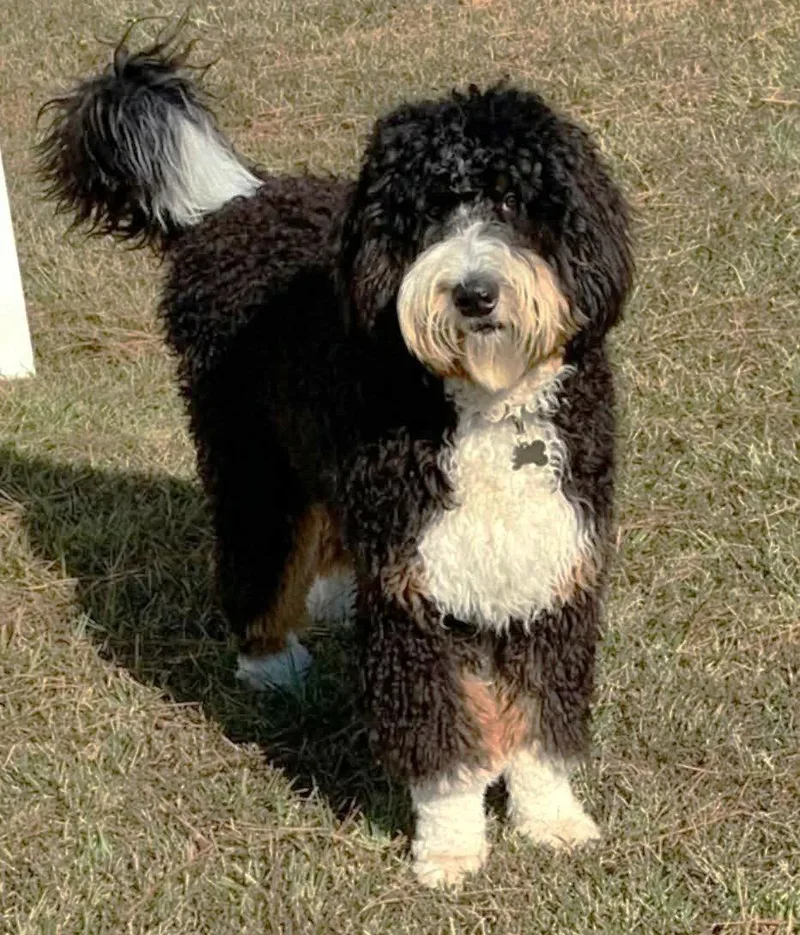
A Bernese Mountain Dog has a thick, moderately long coat that is jet black with rich rust markings over the eyes, on the cheeks, chest and legs, and white on the face, chest, feet and tail tip. The white chest marking often forms an inverted cross. They have a broad head, dark brown eyes and triangular drop ears.

Plan on roughly $2,900 to $6,350 a year for a Berner, covering food, insurance, routine vet care and other costs like prevention, dental care and coat care. Food and insurance are the biggest pieces, and costs run higher for a larger or older dog. Adoption fees vary by listing and aren't included.