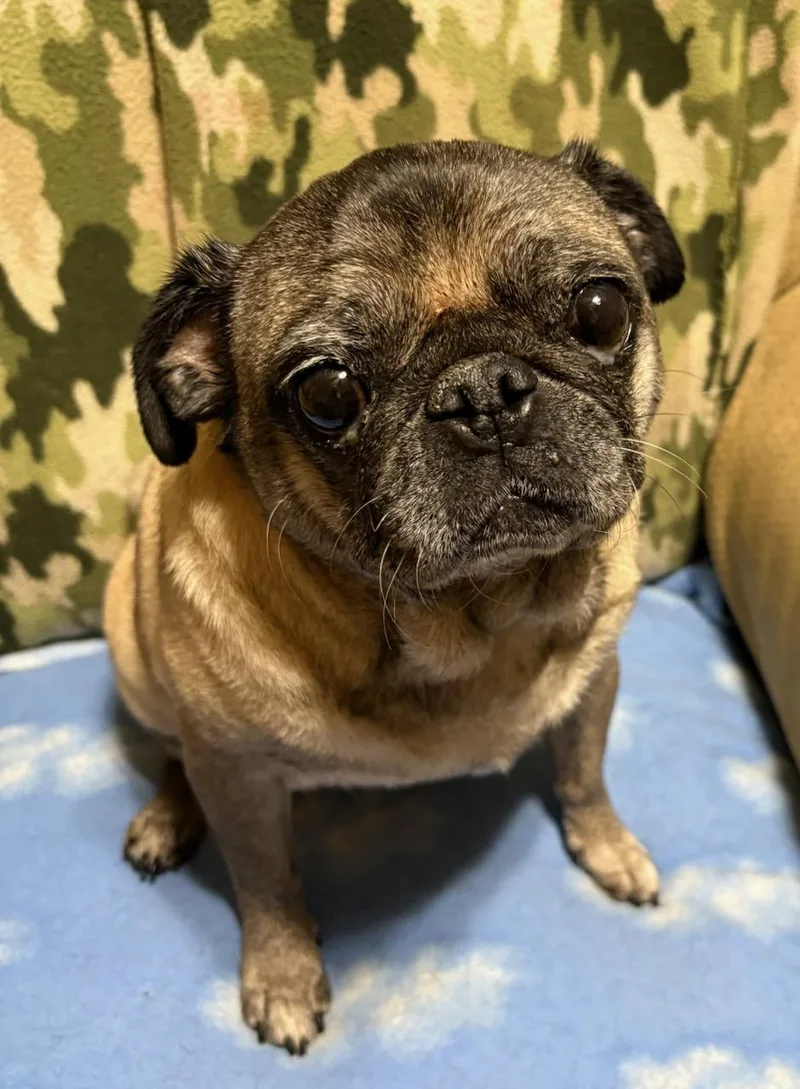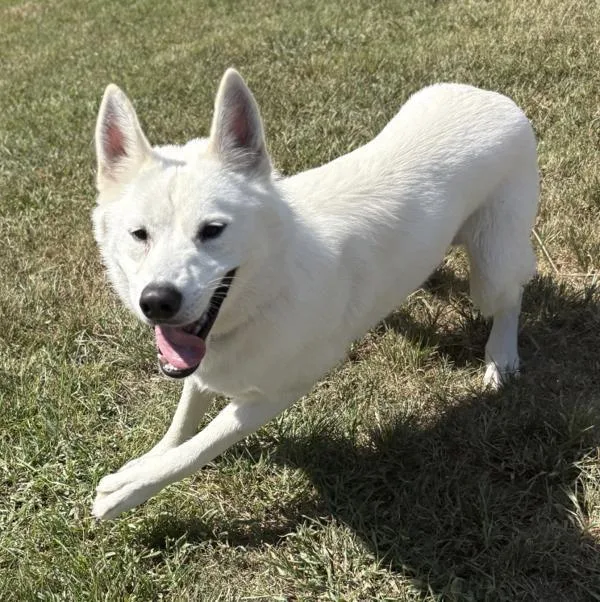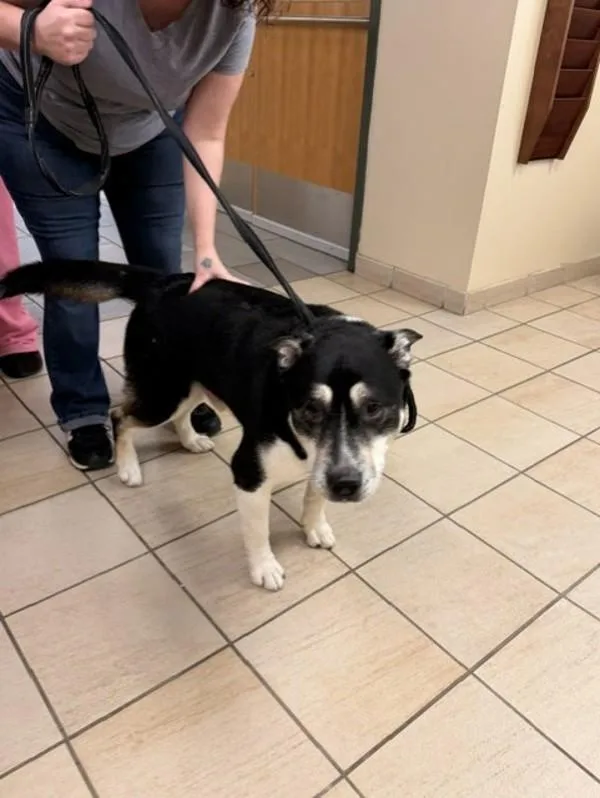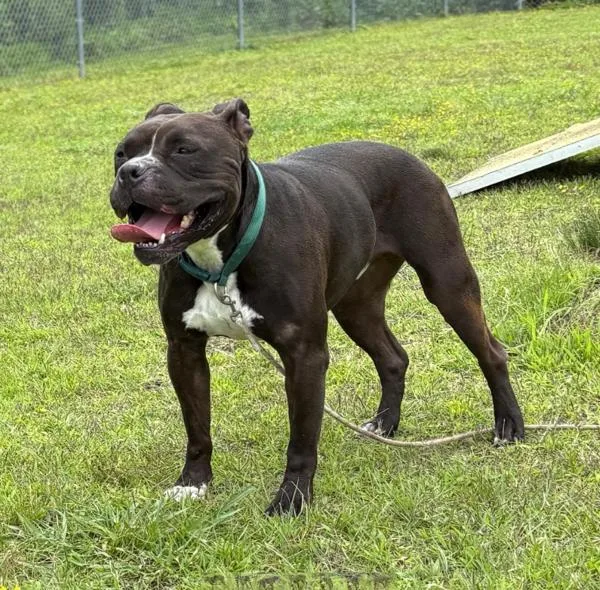







German Pinscher Dogs for Adoption in Virginia Beach, VA

Your guide to finding and caring for a German Pinscher in Virginia Beach

A German Pinscher fits Virginia Beach if you can give it a real workout every day. Laps up the hill at Mount Trashmore, a fetch session in a fenced Green Run yard or a trail walk at Pleasure House Point all burn off the energy this breed carries. It's compact enough for a Kempsville townhouse, but it's also alert, so expect it to announce every passing jogger. Smart and watchful, it does best with owners who like training as much as walking.

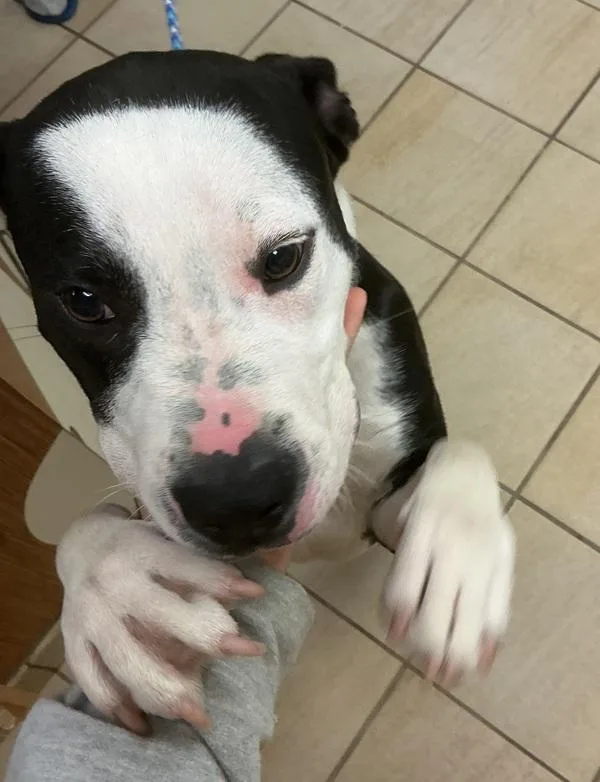
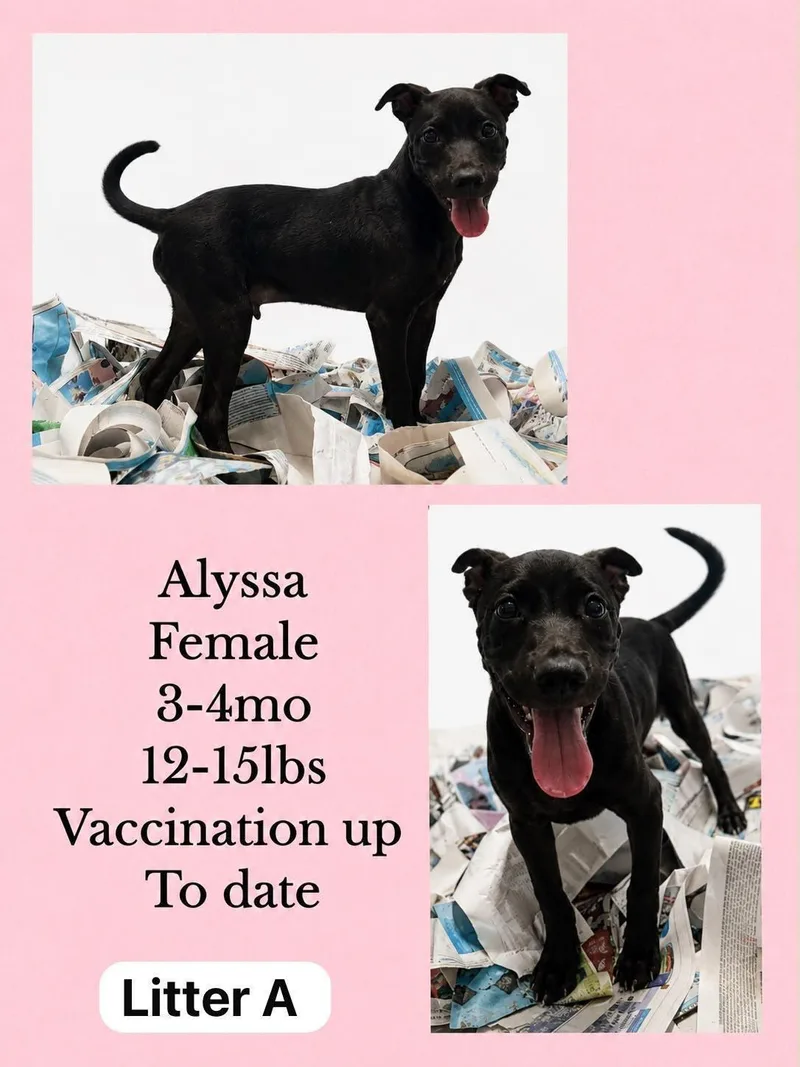
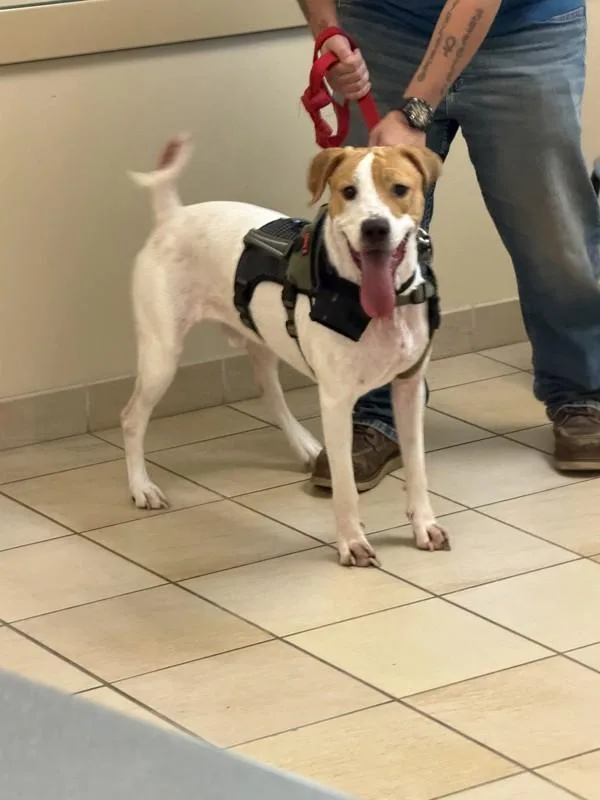
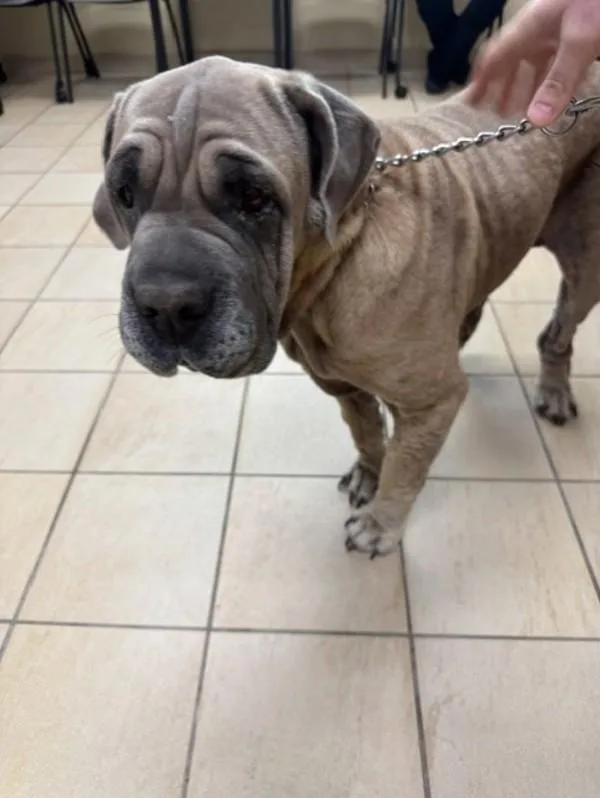
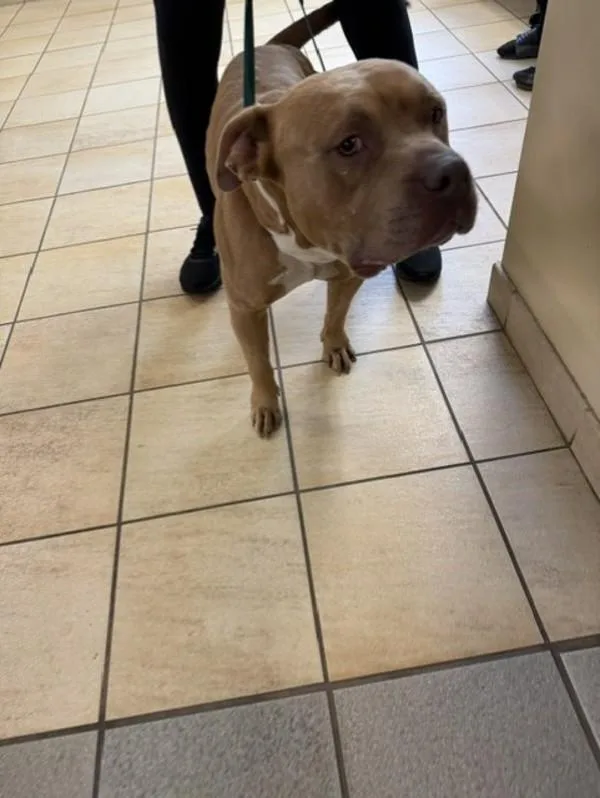
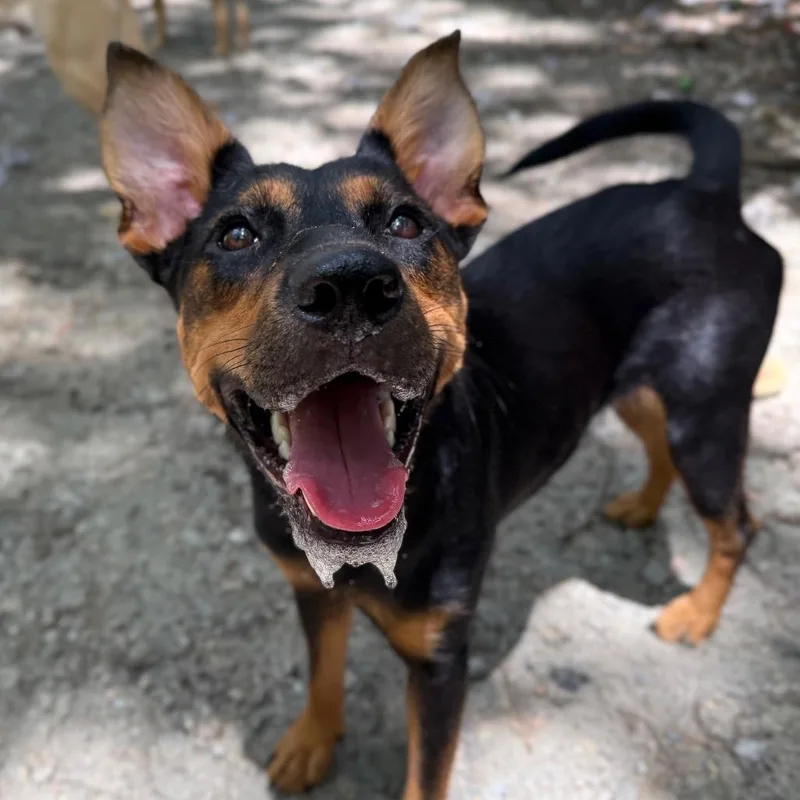
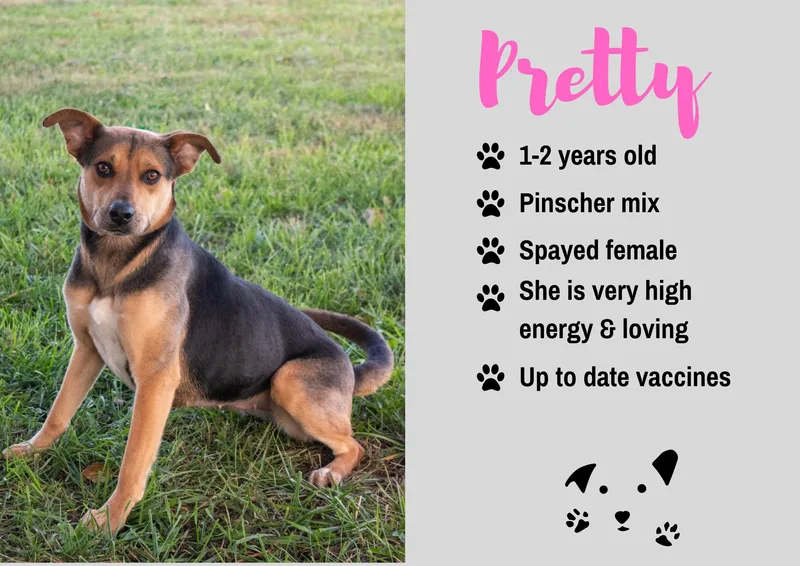
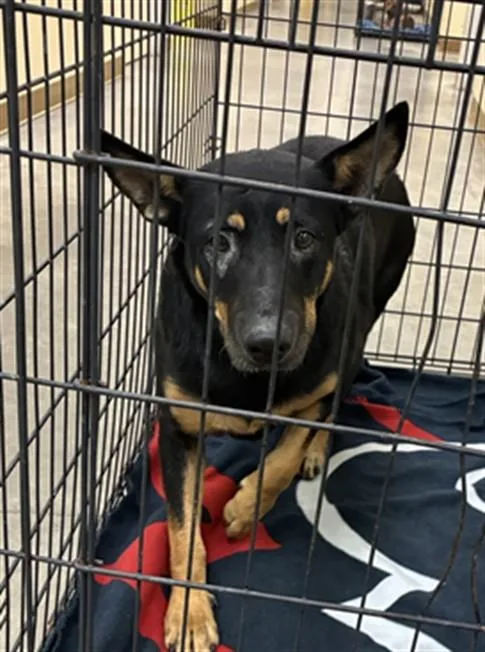
68 German Pinschers available in Virginia Beach and nationwide

Give a German Pinscher a home

While we don't have enough dogs near Virginia Beach, keep in mind that many rescues may offer transport.

German Pinschers Available for Adoption Near Virginia Beach

About the German Pinscher breed

The German Pinscher is a medium-sized, square-built dog of 25 to 45 pounds with a short, glossy coat in red or black and rust. It began as a German stable dog that caught rats and guarded carriages, and it is the smooth-coated counterpart of the Standard Schnauzer. The breed nearly disappeared after World War II and is still uncommon today.

Most German Pinschers are alert, quick and closely bonded to their people, and many stay watchful around strangers. Their ratting past means a strong prey drive, so squirrels and cats in a Virginia Beach neighborhood can be tempting targets. Dogs vary, but most do best with daily exercise, consistent training and plenty of company. The sleek coat keeps grooming simple.

Weight
25–45 lbs
Height
17–20 in
Lifespan
12–14 yrs
Temperament
Alert, Energetic, Intelligent, Protective
Group
Working
Shedding
Low to Moderate

Owning a German Pinscher in Virginia Beach

Having a German Pinscher in Virginia Beach

Expect a sharp, athletic dog with a short coat and plenty of drive. In Virginia Beach, that means planning for daily exercise, a secure fence or a leash, and humid summers, along with a few breed-related health checks.

Temperament

German Pinschers tend to be confident, curious and devoted to their families, with a watchful streak around strangers. In Virginia Beach, that can mean loud reactions to joggers, delivery drivers and neighbors passing a townhouse door. Early socialization and calm, consistent training help, though each dog's personality varies. Some are pushy with other dogs.
Exercise Needs

Plan on a brisk walk or two every day, plus time to run and think. Fenced dog parks such as Bayville Farms or Salem Woods allow safe play, and Mount Trashmore's paths and hill add variety on a leash. Flirt-pole games and scent work help on rainy days. Prey drive can override recall, so leash up outside fenced areas.

Health Considerations

Hip dysplasia, cataracts and von Willebrand's disease, an inherited bleeding disorder, are documented in the breed. A veterinarian should know a dog's clotting status before any surgery and can check the hips and eyes at regular visits. With Virginia Beach's long warm season, keep heartworm, flea and tick prevention on schedule.

Living Space

A German Pinscher can live happily in a Virginia Beach apartment, townhouse or house when its exercise needs are met. This agile breed can clear low fences, so a yard needs tall, solid fencing and supervision. Its thin coat gives little protection from cold, so it should live indoors with the family.

What it costs to own a German Pinscher in Virginia Beach

ExpenseTypical costPer year
Food$35 to $70 per month$420 to $840
Pet insurance$45 to $85 per month$540 to $1,020
Routine vet care$225 to $450 per year$225 to $450
Other*$432 to $1,160 per year$432 to $1,160
Estimated yearly total (after year one)$1,617 to $3,470

Other costs are estimates and vary with size, age and health.

* The Virginia Beach dog license ($7 to $10 a year), flea, tick and heartworm prevention, a dental cleaning allowance, toys and bedding, and occasional baths and brushing.

Adopt a German Pinscher in Virginia Beach.

Now that you know more, let’s find you a new best friend. These rescues and shelters below have dogs available in and near Virginia Beach.

Rescues and Shelters in or near Virginia Beach

Virginia Beach has a public city shelter and a nonprofit SPCA, both placing dogs of every age and size. Here are the rescues & shelters in the Virginia Beach area with dogs available for adoption, worth asking whether a German Pinscher is coming in.

Frequently Asked Questions

Yes. There's no known breed-specific rule for German Pinschers in Virginia Beach, and Virginia law bars a dog from being found dangerous solely because of its breed. Once the dog is four months old you'll need a city license and a rabies vaccination, and a leash in public. Landlords and insurers may set their own breed limits, so review your lease.

Often yes. A German Pinscher is medium-sized and does fine in an apartment when it gets daily walks and mental work. Its watchful nature can mean barking at hallway noise, and Virginia Beach can cite owners for nuisance barking, so teach quiet habits early. Fenced dog parks give apartment dwellers a safe place to run.

Salem Woods and Woodstock parks have fenced dog areas, though dogs need a current city license and rabies vaccination. For leashed trail time, Pleasure House Point and First Landing State Park, with about 20 miles of trails, work well. Skip Back Bay National Wildlife Refuge, which doesn't allow pets.

Yes, with sensible care. Summers here bring about a month of 90-degree days and humid nights near 70°F, so a short coat helps but doesn't prevent overheating. Exercise at dawn or after sunset, offer water often, and avoid hot sand and pavement. Keep the dog indoors during the afternoon heat.

Only in limited cases. Hampton Roads Transit buses and the VB Wave trolley allow animals in small cages that don't need a separate seat, which a 25 to 45 pound German Pinscher won't fit. Service animals are welcome. Light rail runs only in Norfolk and also admits only service animals.

Sometimes, on open-air patios. Virginia rules let restaurants admit dogs outdoors if the patio has its own entrance and posted signs, but each restaurant decides. Dogs must stay leashed and off furniture, and indoor dining rooms are off limits. Practice a calm settle first, since this alert breed may react to passersby.

Very little. Brush weekly with a rubber mitt to lift loose hair and bathe only when the dog is dirty. After beach trips, rinse off salt and sand, and check pads on hot days. Occasional baths and brushing fit within the Other costs range, so professional grooming is rarely needed.

It can be, for active owners. Trails, fenced dog parks and off-season beach walks give this energetic breed outlets, and its easy coat suits the humid summers. Plan for leashed outings, a secure fence and a hurricane-season evacuation plan. It's a harder match for households away most of the day.

Yes, German Pinschers shed, but only lightly to moderately. Their short, smooth coat drops small hairs year-round, with slightly more during seasonal changes. Weekly brushing with a rubber curry or grooming mitt removes most loose hair and keeps the coat shiny. Compared with double-coated breeds, cleanup is easy, though short hairs can still cling to fabric.

Plan on roughly $1,600 to $3,500 a year for a German Pinscher, covering food, pet insurance, routine vet care and other costs. Food runs $35 to $70 a month and insurance $45 to $85. Routine vet care is $225 to $450 a year, and other costs run $432 to $1,160. Emergencies and illness cost extra.