




English Setter Dogs for Adoption in Virginia Beach, VA

Your guide to finding and caring for an English Setter in Virginia Beach

English Setters fit Virginia Beach best when they have room to run, like the suburban streets of Kempsville or the green-belt land around Green Run. They're gentle and sociable with neighbors, but that nose will follow every bird along a lake or creek. A setter needs real exercise daily, and humid July afternoons mean walking early. Off-season, a supervised run on the Oceanfront sand is a treat, as long as the dog comes when called.

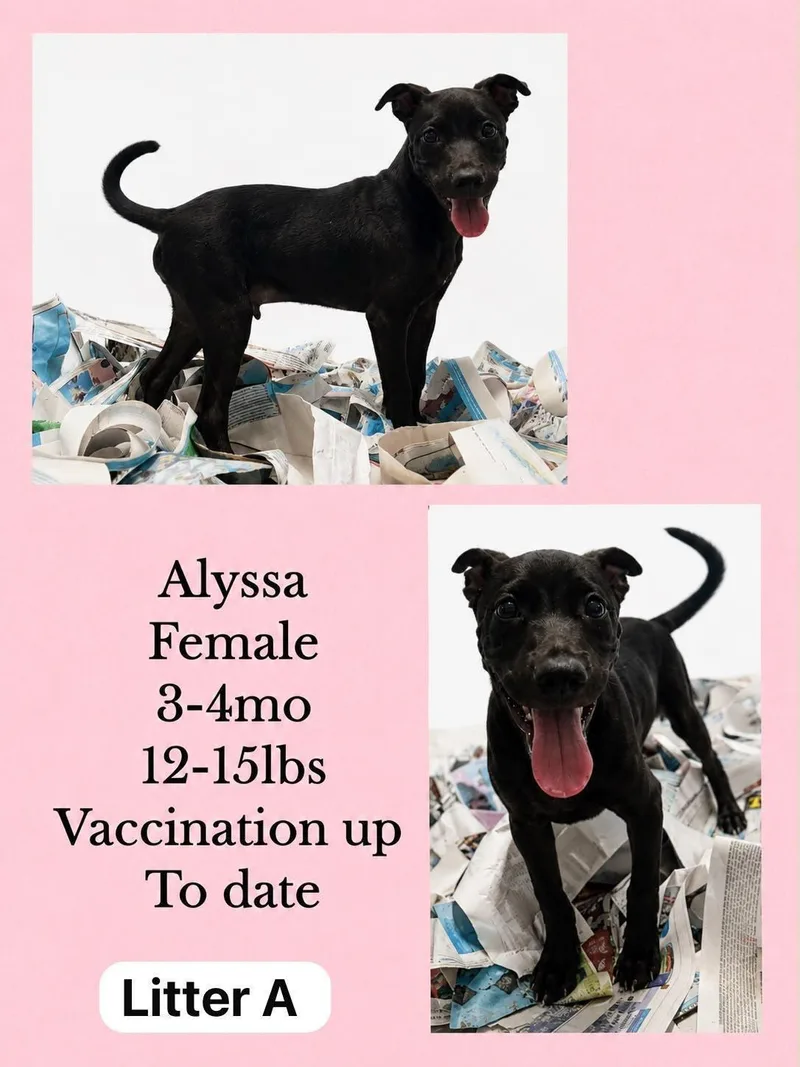
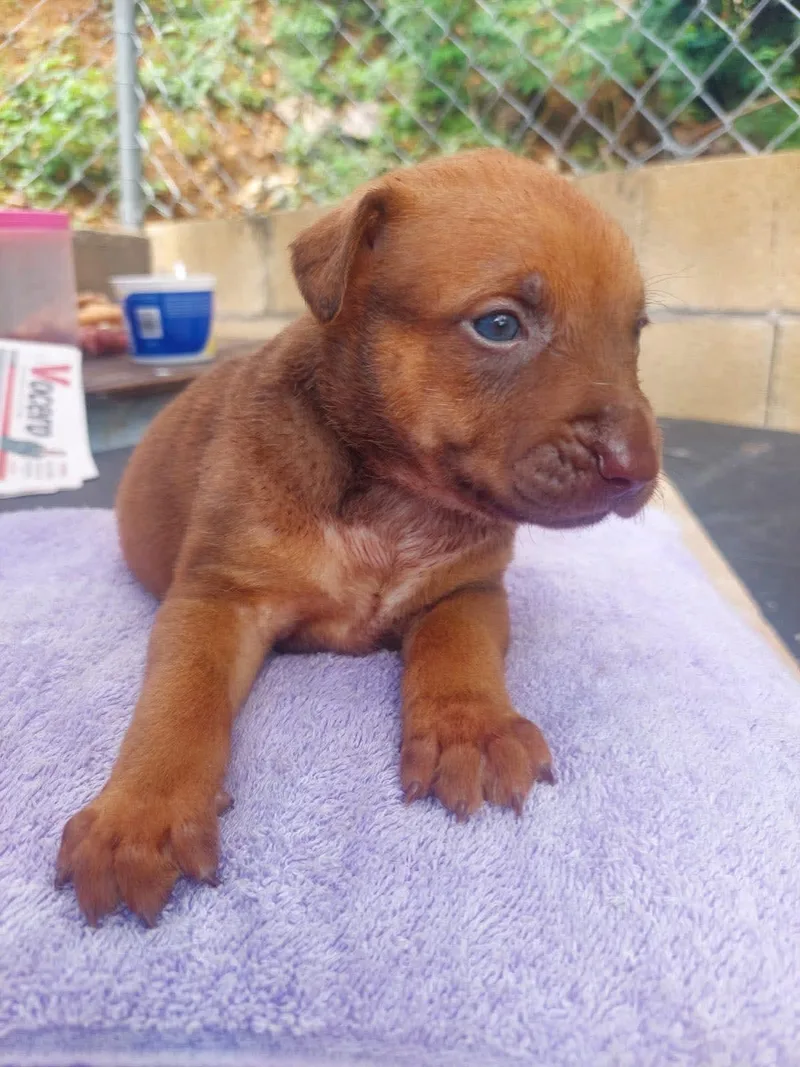
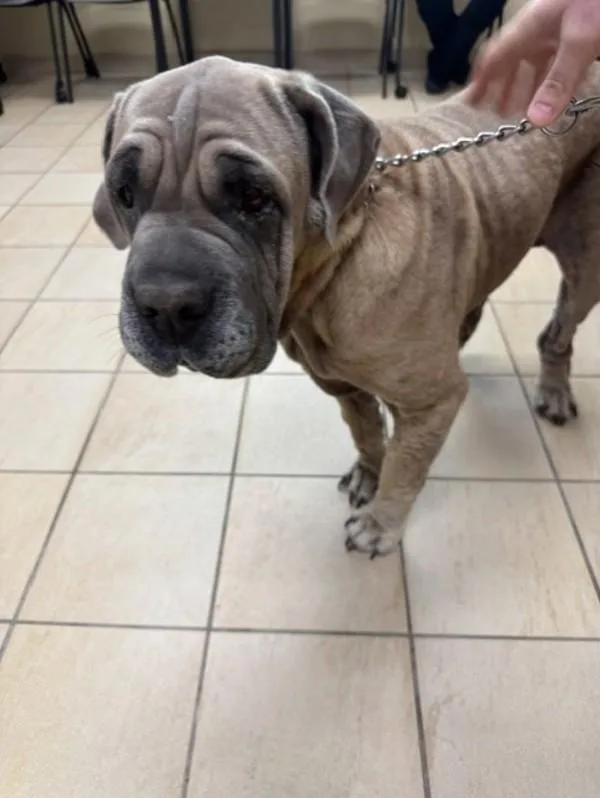
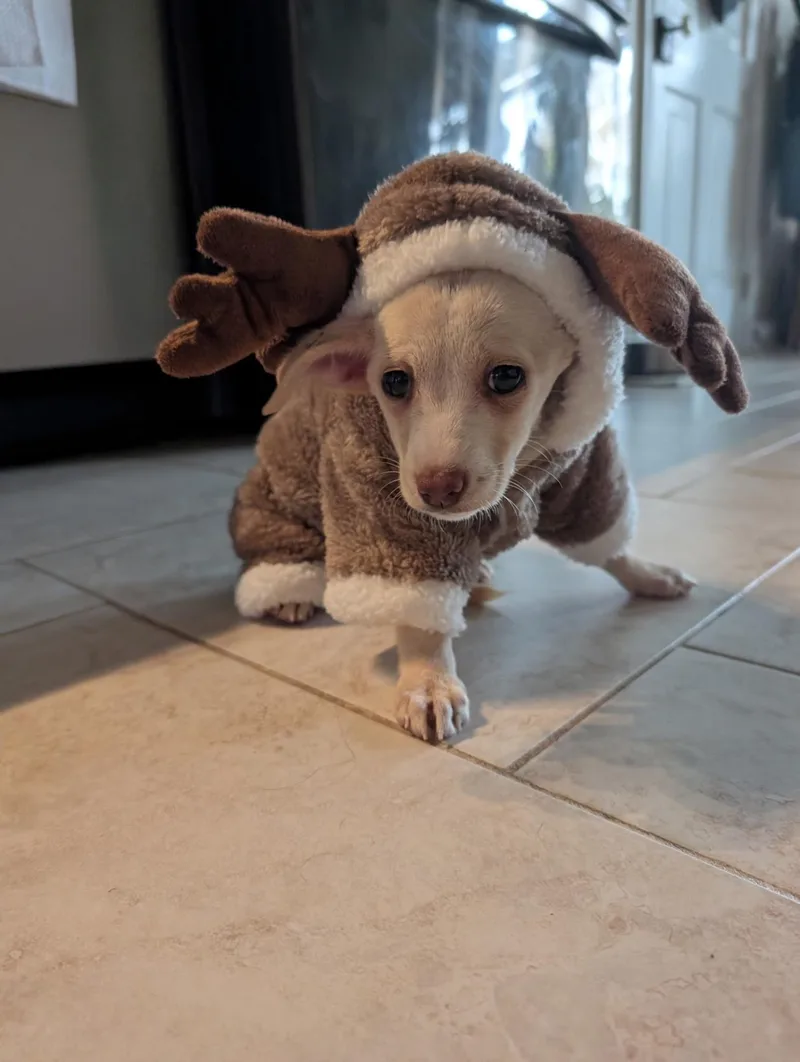
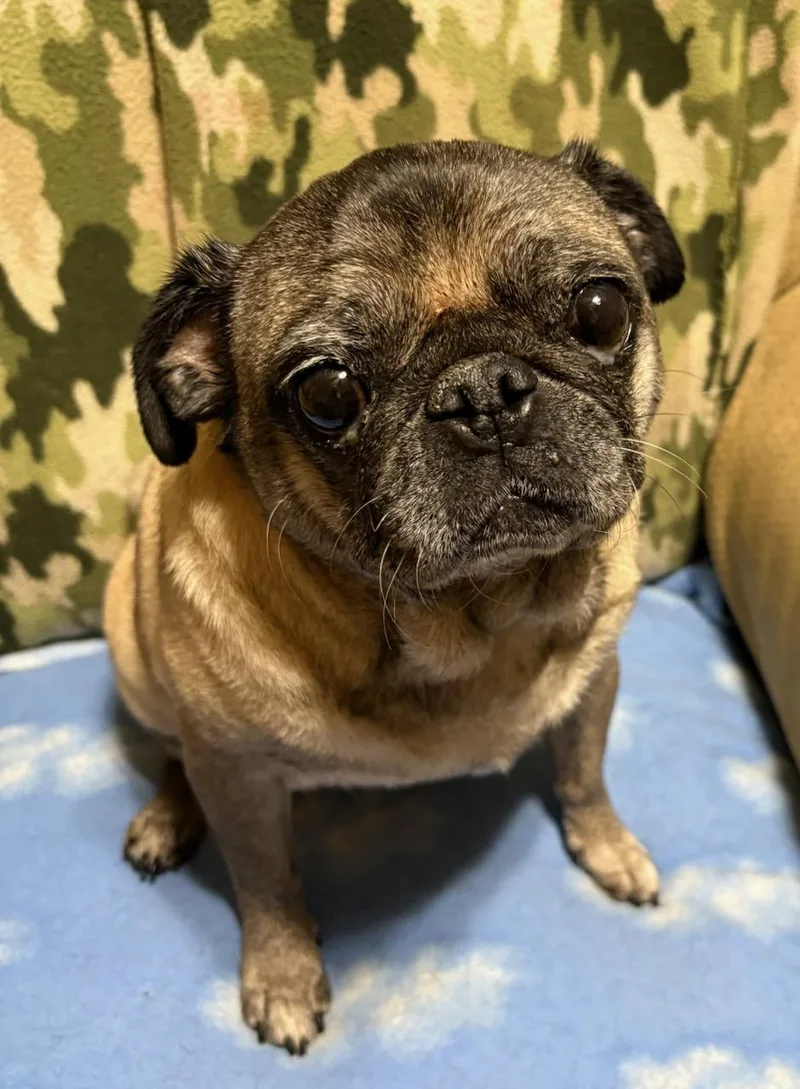
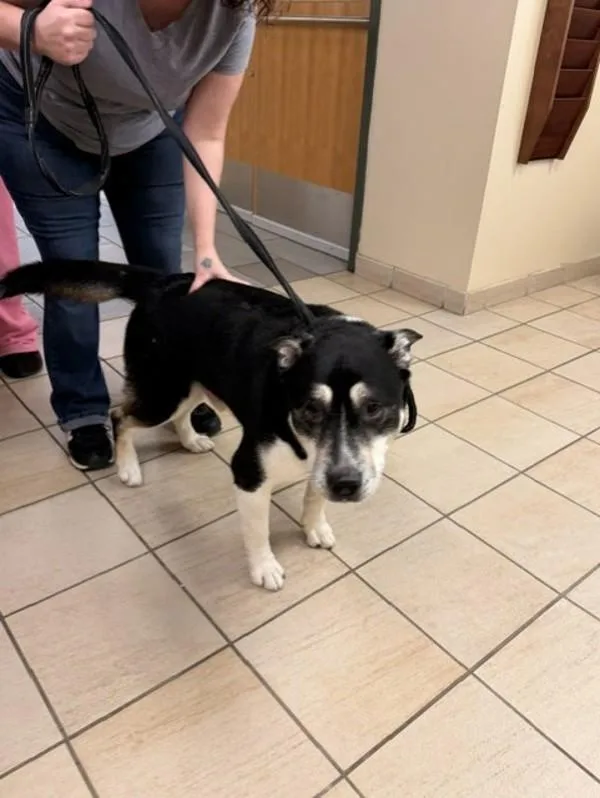
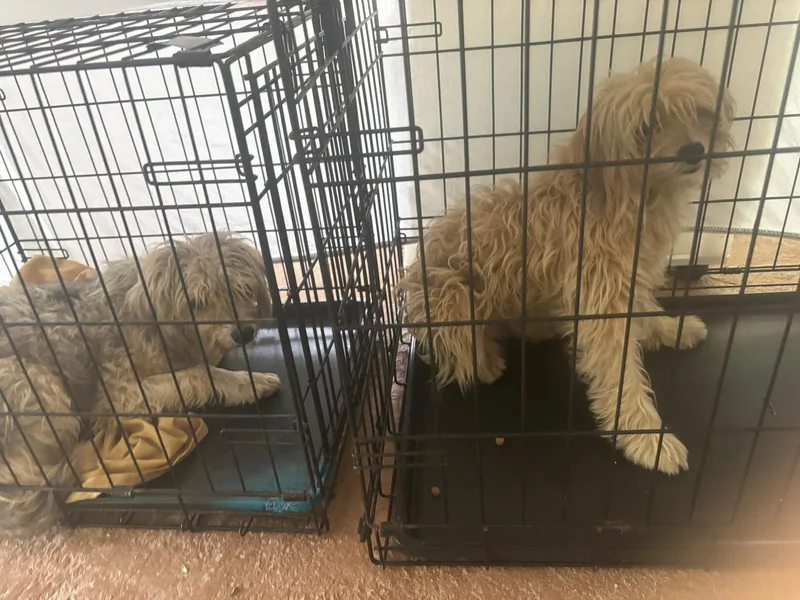
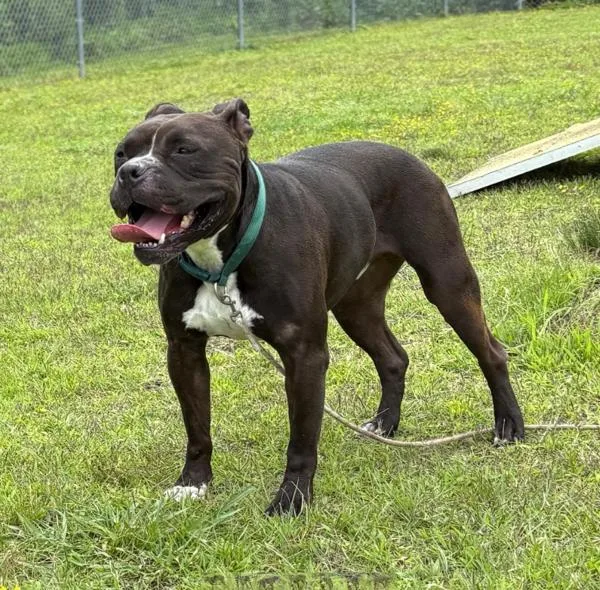
51 English Setters available in Virginia Beach and nationwide

Bring home an English Setter

While we don't have enough dogs near Virginia Beach, keep in mind that many rescues may offer transport.

English Setters Available for Adoption Near Virginia Beach

About the English Setter breed

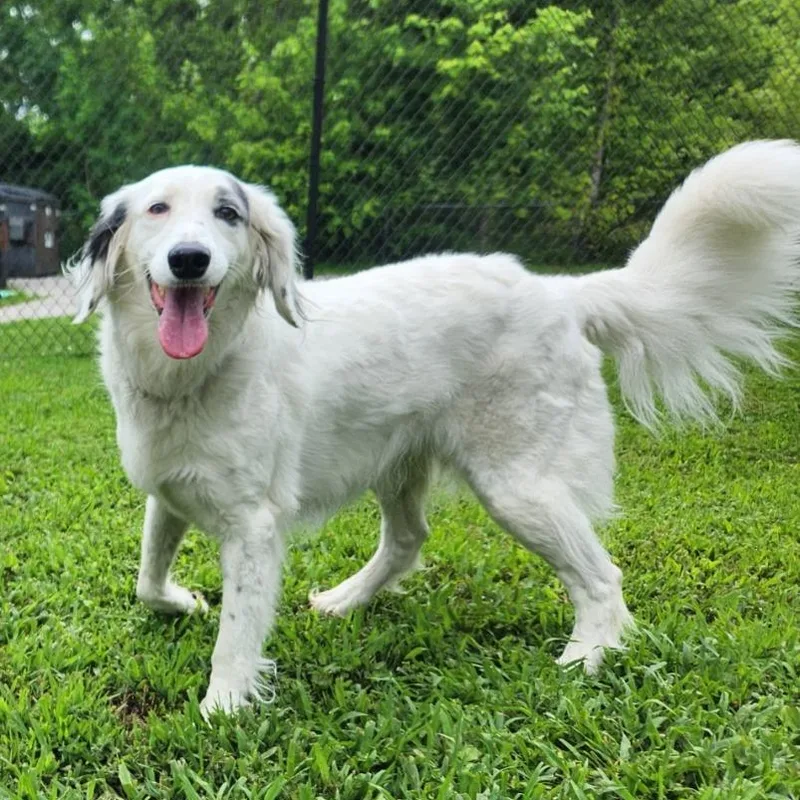
English Setters were developed on English country estates roughly four centuries ago to find game birds by scent and freeze, or "set," until the hunter arrived. The long, silky coat is flecked in a pattern called belton, in blue, orange, lemon, liver or tricolor, with feathering on the ears, chest, legs and tail.

Setters vary quite a bit: larger, heavier-coated dogs sit at one end and smaller, leaner, more driven field-type dogs at the other, with adults weighing anywhere from about 45 to 80 pounds. Most are sweet and sociable at home, but they stay puppyish for two or three years. In Virginia Beach, that means planning for sandy, salty, humid walks and a coat that picks up burrs and needs regular brushing.

Weight
45–80 lbs
Height
23–27 in
Lifespan
10–13 yrs
Temperament
Gentle, Friendly, Energetic
Group
Sporting
Shedding
Moderate

Owning an English Setter in Virginia Beach

Having an English Setter in Virginia Beach

English Setters are soft-hearted bird dogs with plenty of stamina, so daily exercise and a safe place to run matter more than square footage. Coastal humidity, wildlife near the water and storm season add a few local considerations.

Temperament

Many English Setters are gentle, affectionate and friendly with visitors and other dogs, which helps on busy sidewalks and at dog parks. They can be sensitive and a little stubborn, so patient, positive training works best. Strong bird interest means waterfowl along the Lynnhaven River and local lakes can pull them off course. Each dog's personality varies.

Exercise Needs

Plan on vigorous daily exercise: long leashed walks, jogging, or a run in a securely fenced area. Fenced dog parks give a setter room to stretch, and off-season sand can work for a dog with reliable recall. Young setters should skip long, high-impact runs until about two years old while their joints mature.

Health Considerations

English Setters can be prone to hip and elbow dysplasia, hypothyroidism, congenital deafness and bloat, a sudden stomach emergency. Their long ears need regular checks, especially after swimming or on humid days. A veterinarian can test hearing and screen joints, and can recommend tick and heartworm prevention suited to the humid coast.

Living Space

A house with a securely fenced yard suits an English Setter best, while a high-rise at Town Center would need dependable daily outings elsewhere. Indoors, most setters are calm and want to be near their people. Expect shed hair, feathered legs that collect burrs and a tail that sweeps coffee tables.

What it costs to own an English Setter in Virginia Beach

ExpenseTypical costPer year
Food$55 to $110 per month$660 to $1,320
Pet insurance$65 to $130 per month$780 to $1,560
Routine vet care$250 to $500 per year$250 to $500
Other*$932 to $2,360 per year$932 to $2,360
Estimated yearly total (after year one)$2,622 to $5,740

Other costs are estimates and vary with size, age and health.

* The Virginia Beach dog license, flea, tick and heartworm prevention, dental cleanings, toys and bedding, and regular professional trims for the long feathered coat.

Adopt an English Setter in Virginia Beach.

Now that you know more, let’s find you a new best friend. These rescues and shelters below have dogs available in and near Virginia Beach.

Rescues and Shelters in or near Virginia Beach

Virginia Beach has a busy shelter and rescue community, and the groups below list the dogs they currently have. Here are the rescues & shelters in the Virginia Beach area with dogs available for adoption, worth asking whether an English Setter is coming in.

Frequently Asked Questions

Yes. Virginia Beach has no known breed-specific rules, and Virginia law bars a dog from being found dangerous solely because of its breed. Dogs must be licensed and vaccinated against rabies by four months and leashed in public. Tethering is capped at one hour in any 24 hours, so plan on a fenced yard or indoor time rather than a chain.

Marshview Park and Bayville Farms Park have fenced off-leash areas where a setter can run; users need a current city dog license and rabies vaccination. For leashed walks, Pleasure House Point Natural Area has trails along the Lynnhaven River, and Lake Lawson/Lake Smith has over 1.5 miles of soft trails. Keep a setter leashed near water, where birds tempt it.

Yes, with care. Virginia Beach has about a month of 90°F days a year, mostly in July and August, and humidity limits midday exercise more than the temperature does. Walk at dawn or after sunset, offer shade and fresh water, and never leave a setter in a parked car. Heavy panting, drooling or lagging behind means it's time to cool down.

Plan to brush at least weekly, and more often in humid weather when feathering tangles behind the ears and on the legs. After beach days, rinse off salt and sand and check ears and paws. Skip close shaving, which changes coat texture and removes sun protection. Professional trims are counted in the Other line of the cost table.

Generally no. HRT buses and the VB Wave trolley allow animals only in small cages that don't need a separate seat, which rules out a 45- to 80-pound setter unless it's a service animal. Virginia Beach has no subway, and the Tide light rail in Norfolk accepts only service animals, so plan on driving.

Sometimes, on outdoor patios only. Virginia rules let restaurants admit dogs to open-air patios with a separate entrance and posted signs, but it's each restaurant's choice, and dogs aren't allowed in dining rooms. Keep your setter leashed and off chairs and benches, and practice settling first, since a long tail can sweep a table.

Yes, English Setters shed a moderate amount year-round, with somewhat heavier seasonal shedding. Their long, silky coat and feathering release hair onto floors and furniture and also pick up burrs and tangles. Brushing at least once a week, plus a bath every month or so, keeps shedding manageable and helps prevent uncomfortable mats from forming.

English Setters often make lovely family dogs for active households. Many are affectionate, gentle and tolerant, and they usually get along well with visitors and other dogs. Their exuberance can bowl over small children, and they need daily running time and company. Families who are home often and enjoy outdoor activity tend to be the best match.

English Setters typically live about 10 to 13 years, and the AKC lists an average of around 12. Lifespan varies with genetics, weight and overall care. Keeping a setter lean, protecting young joints from overuse, recognizing the signs of bloat and keeping up regular veterinary checkups all help give an individual dog the best chance at a long life.

Expect roughly $2,600 to $5,700 a year for an English Setter in Virginia Beach, depending on food, insurance, routine vet care and extras. Professional coat trims and dental cleanings drive the higher end. Large-breed risks such as hip dysplasia and bloat make insurance and an emergency fund worth considering.