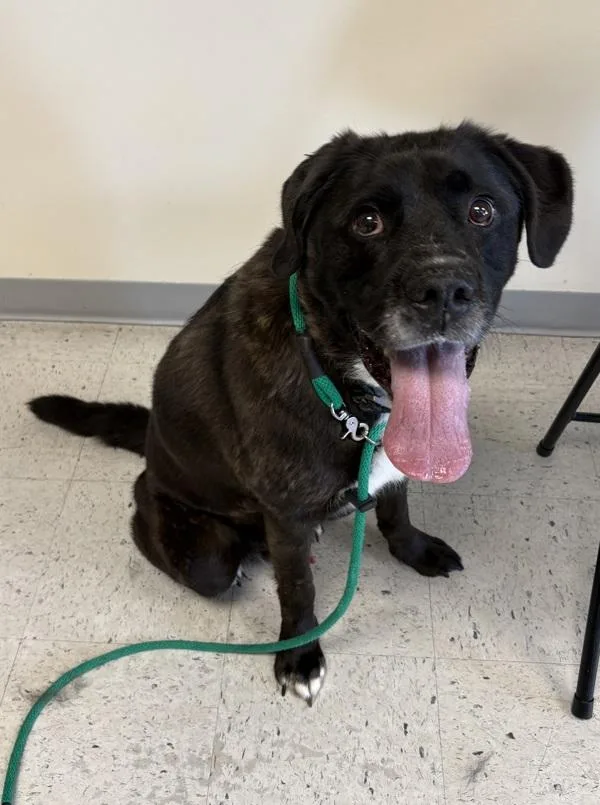
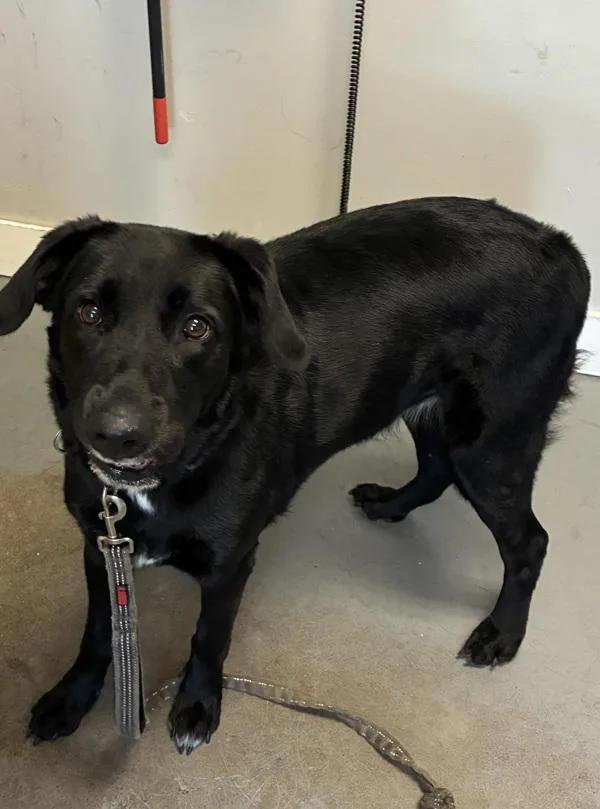
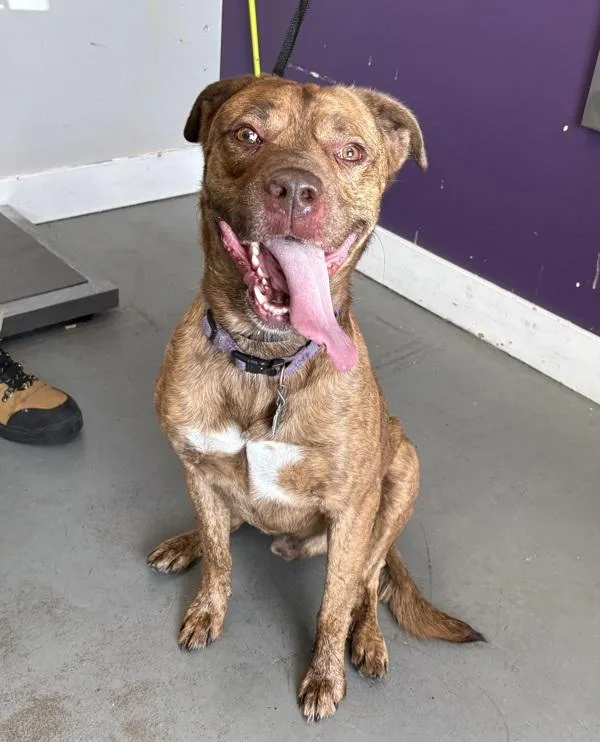
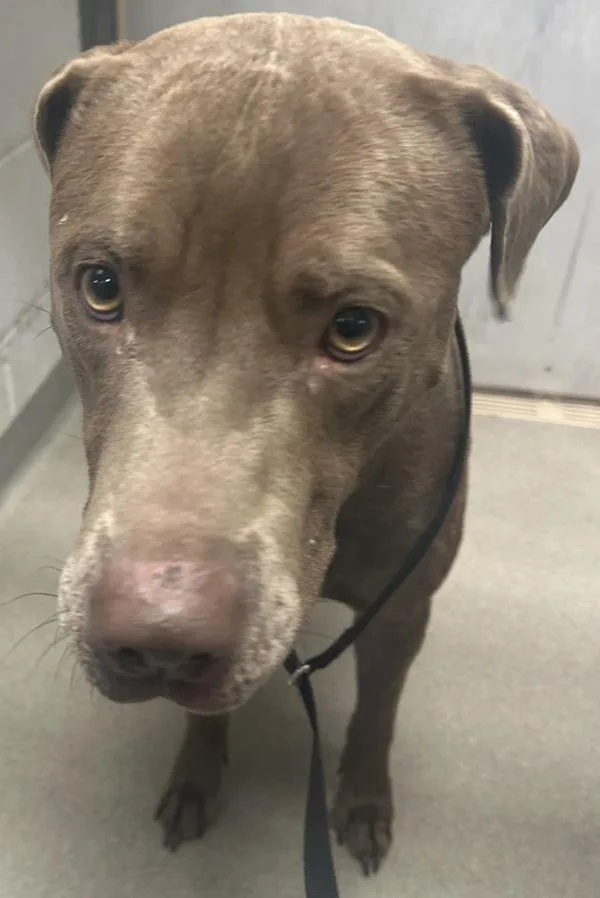
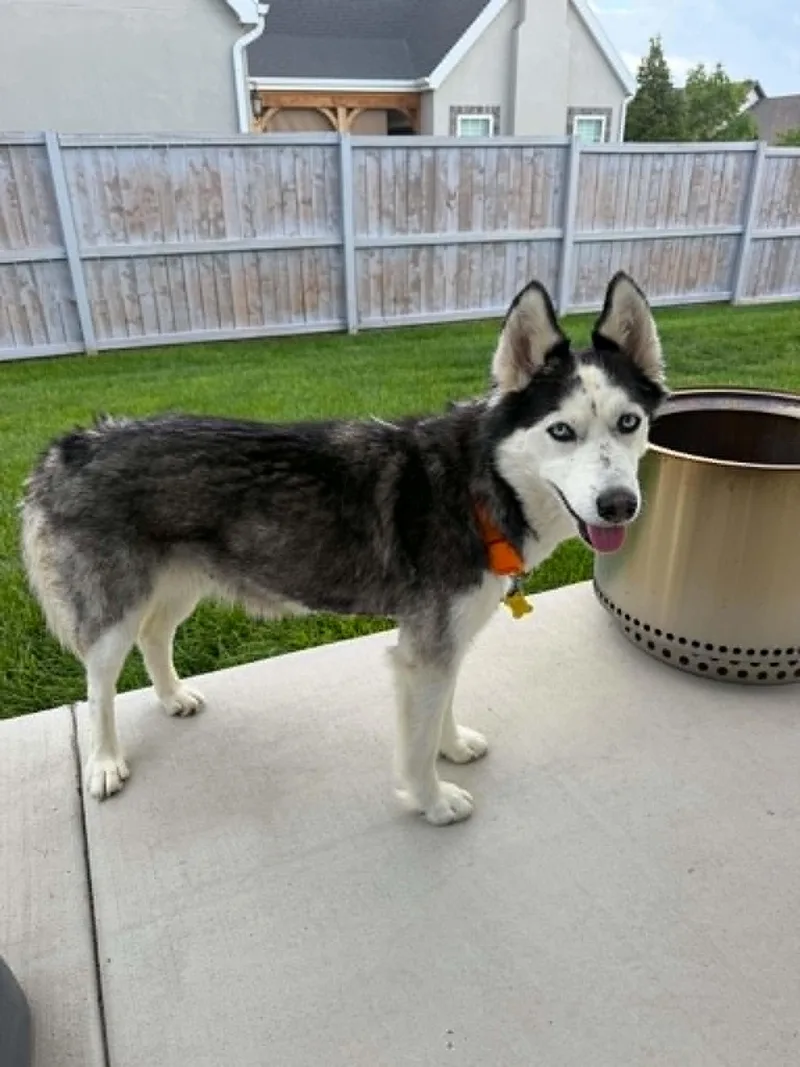
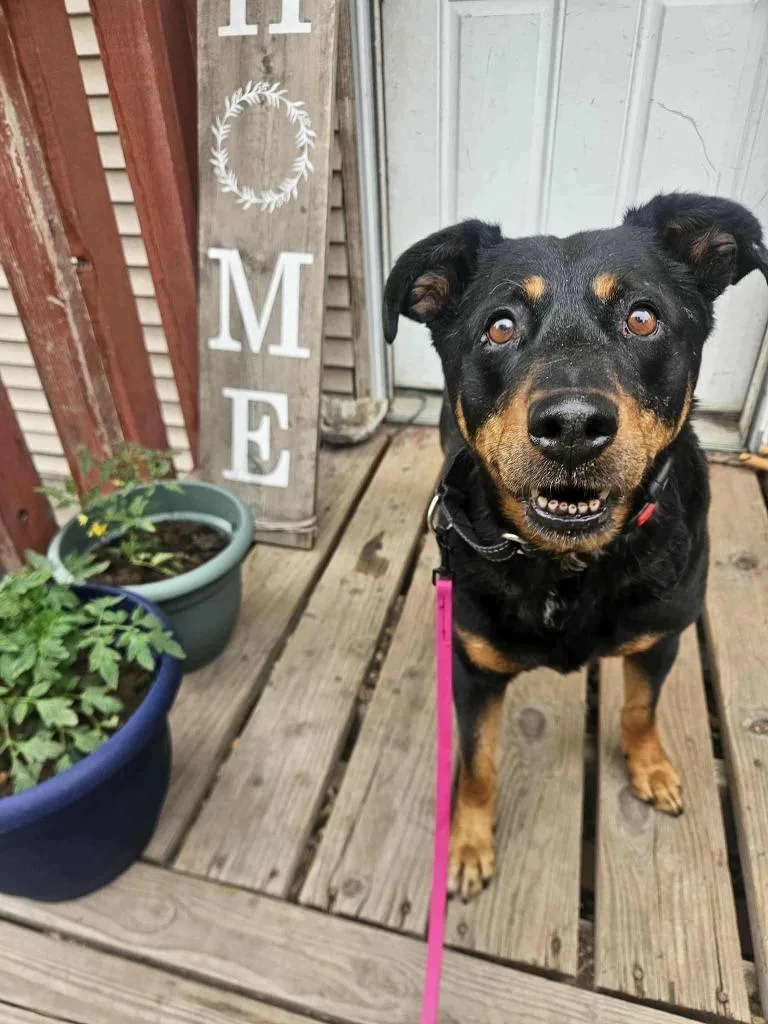
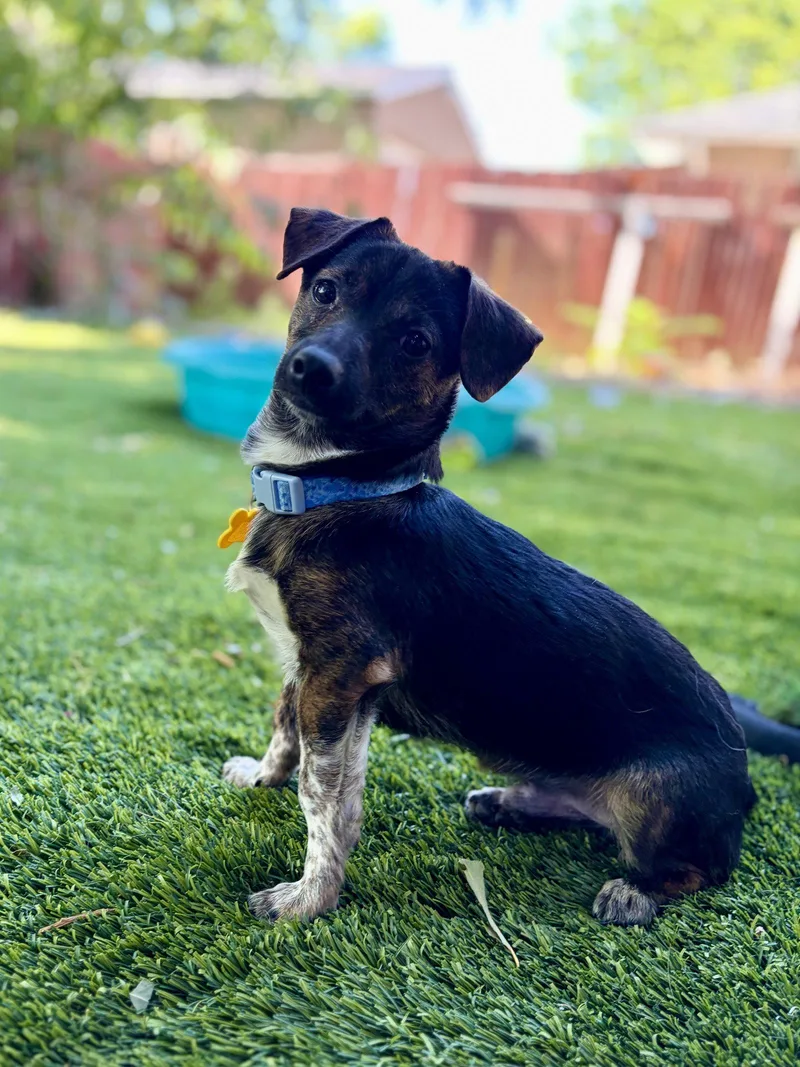
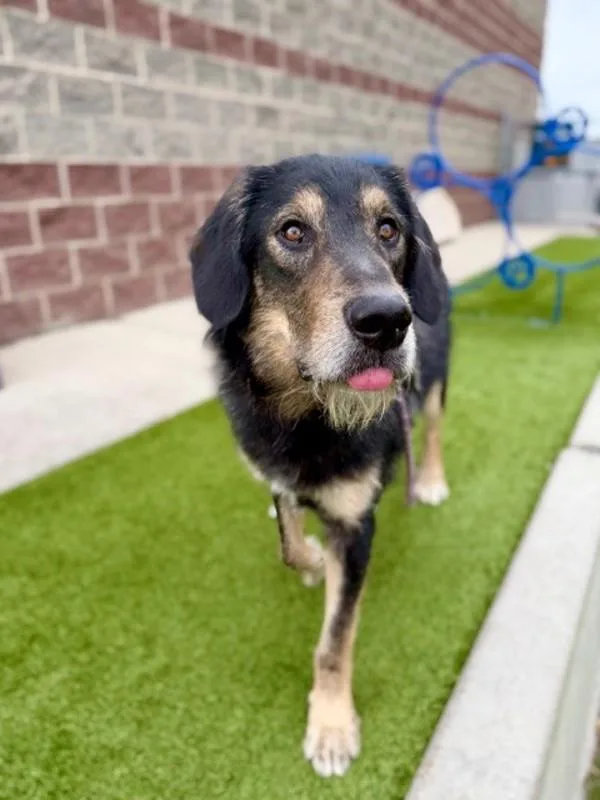
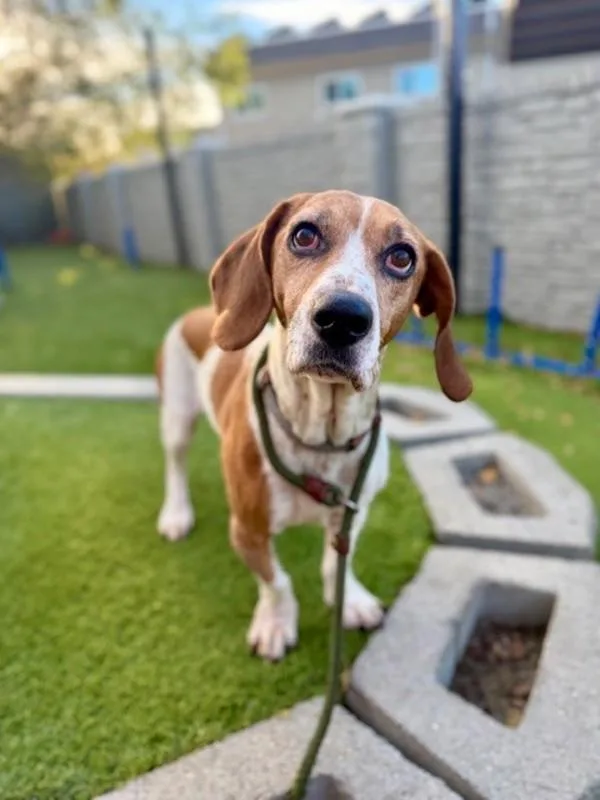
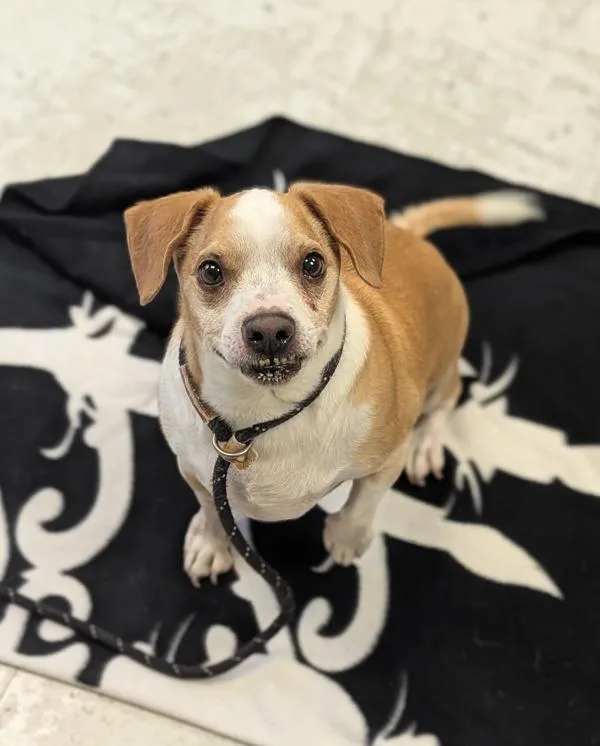
Curly-Coated Retriever Dogs for Adoption in Salt Lake City, UT

Your guide to finding and caring for a Curly-Coated Retriever in SLC

A Curly-Coated Retriever suits Salt Lake City best when its people are outdoors every day. Curlies are tall, tireless dogs that need real miles, and a Glendale or Rose Park home puts the Jordan River Parkway close by. They can be reserved with strangers, so a quiet residential street often suits them better than a packed sidewalk. They're rare, so it's worth watching the listings on this page. Plan on a long loop before work and another after.

15109 dogs similar to Curly-Coated Retriever available in Salt Lake City and nationwide

Bring home a Curly-Coated Retriever

Curly-Coated Retrievers and Similar Breeds Available for Adoption Near Salt Lake City

About the Curly-Coated Retriever breed

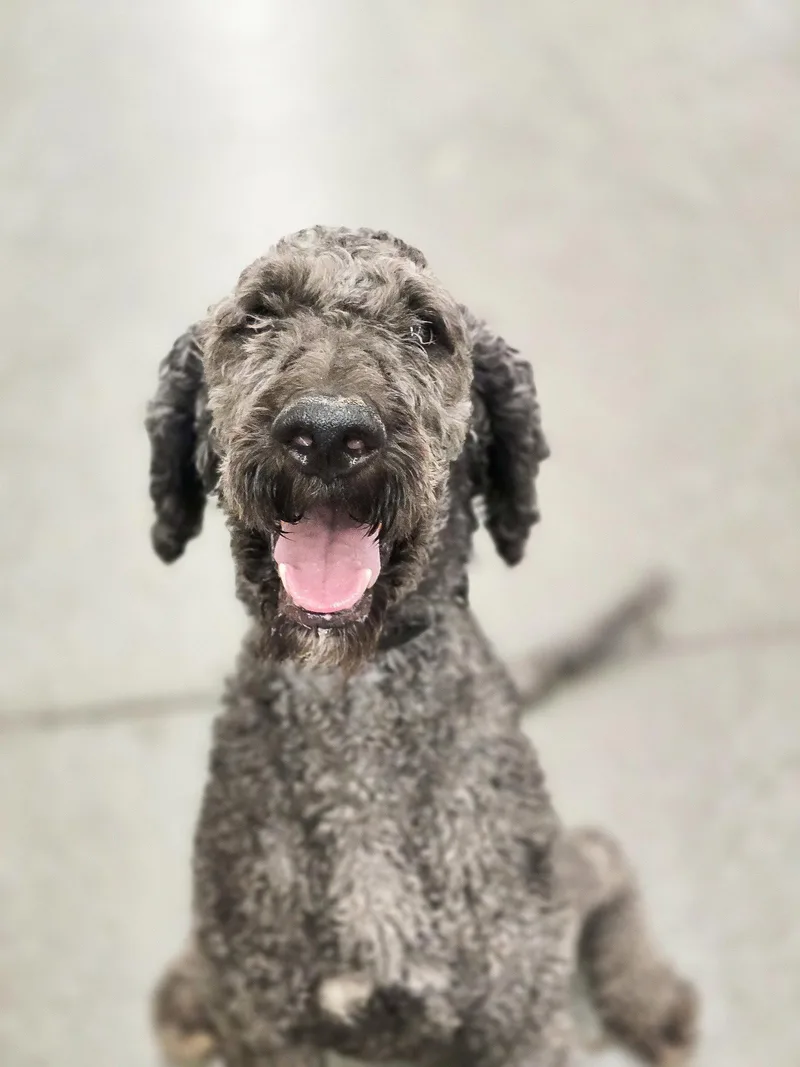
The Curly-Coated Retriever is one of the oldest retriever breeds, developed in England as a durable gundog for waterfowl and upland birds. It's the tallest of the retrievers, usually 23 to 27 inches and 60 to 95 pounds, with a coat of tight, crisp curls over a smooth face and front legs. Black and liver are the usual colors.

Many Curlies are more reserved with strangers and more independent than Labs or Goldens, and they often stay playful for two or three years. In Salt Lake City, that means a dog that enjoys trails and cold snaps but needs steady training, daily exercise and a household that's home often. The coat sheds lightly most of the year, with heavier seasonal sheds, and does better with dampening and finger-combing than brushing.

Weight
60–95 lbs
Height
23–27 in
Lifespan
10–12 yrs
Temperament
Confident, Intelligent, Independent
Group
Sporting
Shedding
Low to Moderate

Owning a Curly-Coated Retriever in Salt Lake City

Having a Curly-Coated Retriever in SLC

Curlies pair retriever stamina with a more self-directed streak. In SLC, the big questions are whether you can supply daily exercise year-round, enjoy a slow-maturing dog, and manage a curly coat through dry summers and snowy winters.

Temperament

Curlies are usually devoted to their families and politely reserved with strangers, which can help on busy SLC sidewalks but calls for early, upbeat socialization. They're smart and sometimes independent, so short, varied training sessions with rewards work better than repetition. Personalities vary, and many dogs stay puppyish for years.

Exercise Needs

Plan on an hour or more of vigorous activity daily, plus mental work. In SLC that can mean leashed loops at Liberty Park, off-leash time in the city's dog areas, or walks along the Jordan River Parkway. Scent games and training classes fill the gap on snowy or smoggy days.

Health Considerations

Curlies can face hip and elbow dysplasia, exercise-induced collapse, glycogen storage disease, an inherited eye disease, heart problems and coat loss. Bloat is a risk in deep-chested dogs, so avoid hard exercise right after meals. A veterinarian can check hips, eyes and heart and explain screening options.

Living Space

A Curly usually does best with a securely fenced yard, though SLC apartment life can work when daily outings are reliable. Space matters less than routine. A big dog with an active tail needs floor space indoors, and Curlies want to live inside with the family rather than in a kennel.

What it costs to own a Curly-Coated Retriever in Salt Lake City

ExpenseTypical costPer year
Food$55 to $110 per month$660 to $1,320
Pet insurance$65 to $130 per month$780 to $1,560
Routine vet care$250 to $500 per year$250 to $500
Other*$500 to $1,300 per year$500 to $1,300
Estimated yearly total (after year one)$2,190 to $4,680

Other costs are estimates and vary with size, age and health.

* The Salt Lake City dog license ($25 if spayed or neutered, $50 if not), flea, tick and heartworm prevention, a dental cleaning allowance, toys and bedding, and light coat care with occasional trims.

Adopt a Curly-Coated Retriever in Salt Lake City.

Now that you know more, let’s find you a new best friend. These rescues and shelters below have dogs available in and near Salt Lake City.

Rescues and Shelters in or near Salt Lake City

Salt Lake City's shelters and rescues list large, active dogs, and the listings below change as new pets arrive. Here are the rescues & shelters in the SLC area with dogs available for adoption, worth asking whether a Curly-Coated Retriever is coming in.

Frequently Asked Questions

A Curly-Coated Retriever fits SLC if you're active year-round. The city offers off-leash parks, foothill trails and a dry climate that suits a water-shedding coat, though summer heat and winter smog limit some days. Curlies need daily exercise, steady training and company, so a household that's away all day may find it hard.

Yes. Utah law bars cities from adopting breed-specific rules, so Curlies face no breed restrictions in Salt Lake City. You'll need a dog license by five months of age or within 30 days of moving in, with proof of rabies vaccination. Licenses cost less for spayed or neutered dogs, and landlords may still set their own limits.

Off-leash areas such as Fairmont Park in Sugar House, Rotary Glen Park and Jordan Park give a Curly room to run, and Liberty Park offers leashed loops. Foothills trails require a leash because of coyotes and cougars. Dogs are banned in Big and Little Cottonwood, Parleys and upper City Creek canyons, which are drinking-water watersheds.

Yes, with care. Summer highs near 90°F and occasional 100°F days are tough on a dense, dark coat, but dry air and cool mornings help. Exercise at dawn or after sunset, bring water, avoid hot pavement, and never leave the dog in a car. Heavy panting, thick drool or stumbling can signal heatstroke.

Yes, if the building accepts large dogs and you can provide long daily outings. A Curly is big, with a tail that sweeps low tables, and under-exercised dogs often turn destructive. Before signing, read the lease for weight limits and pet fees, and look for a ground-floor unit near a park.

Usually not. UTA buses, TRAX trains and FrontRunner allow pets only when they're securely contained in a cage, kennel, carrier or container, and staff can't help carry them. A 60- to 95-pound Curly won't fit in one, so plan on driving or walking unless the dog is a service animal.

Only to patios approved by the county Health Department, which display an Approved Dog Patio sticker. The dog must stay leashed, wear a current license and rabies tag, and enter from outside rather than through the dining room. Water is fine, but no food or treats. Indoor dining is off limits except for service dogs.

Less than many curly breeds, but not none. Skip the brush, which frizzes the coat; dampen it and work through the curls with your fingers, and expect heavier seasonal sheds. Towel-dry spring mud and rinse winter ice-melt off the legs. Occasional trims fit within the grooming allowance in the cost table's Other line.

Yes, Curly-Coated Retrievers shed, but usually less than most retrievers for much of the year. Many have one or two heavier seasonal sheds when the curls loosen and drop hair, and intact females may shed more after a heat cycle. Owners generally avoid brushing, which frizzes the curls, and instead dampen the coat and work loose hair out by hand.

Expect roughly $55–$110 a month for food and $65–$130 for insurance, plus $250–$500 a year for routine vet care and $500–$1,300 a year for other costs like prevention, dental care and the license. That adds up to about $2,200–$4,700 a year, before emergencies or boarding.