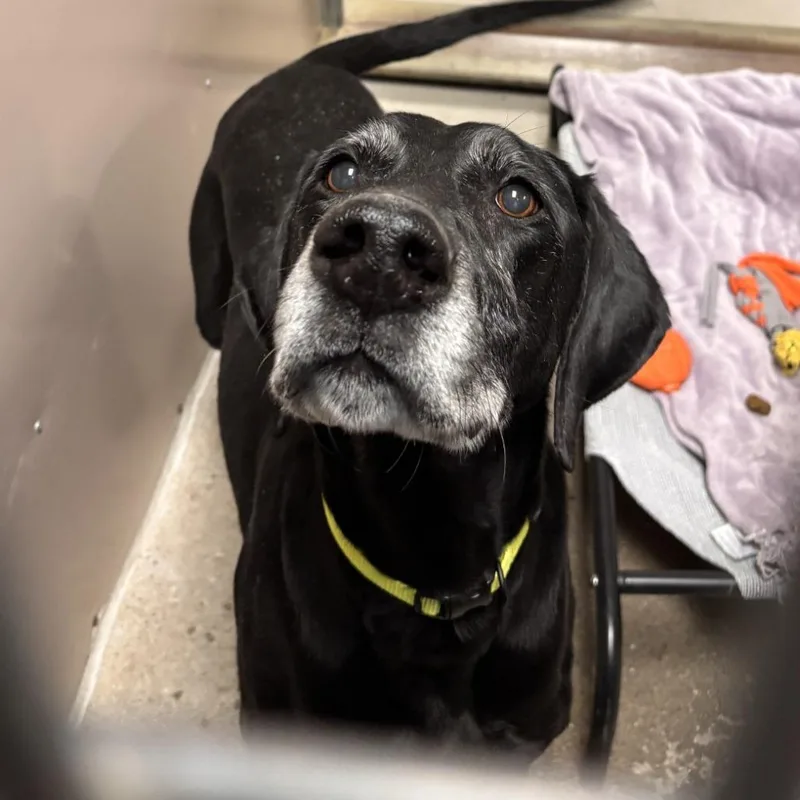
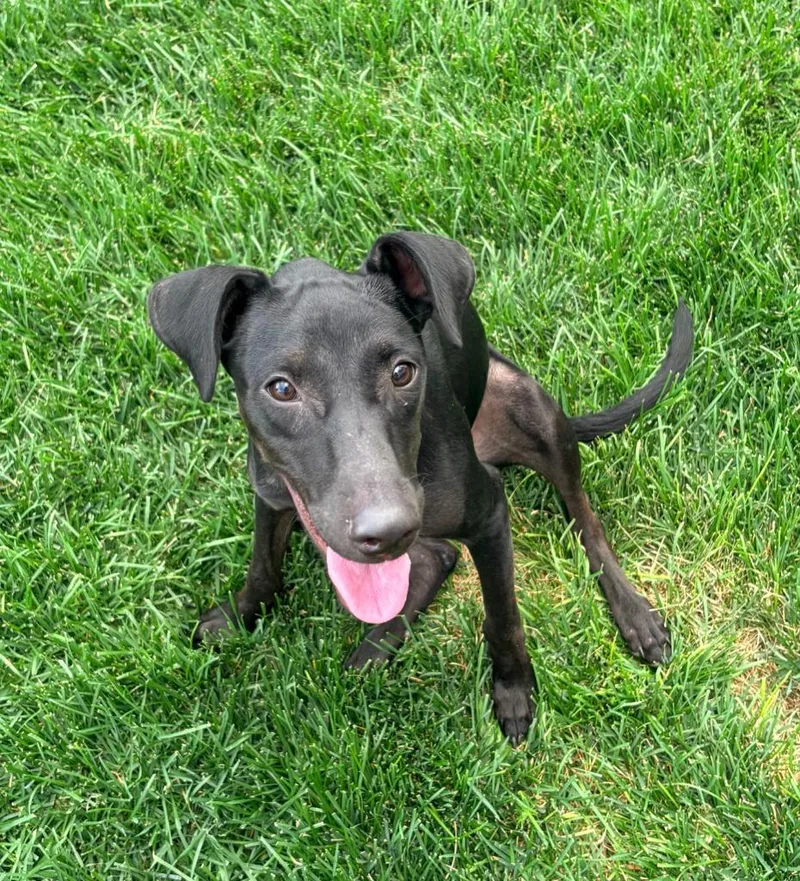
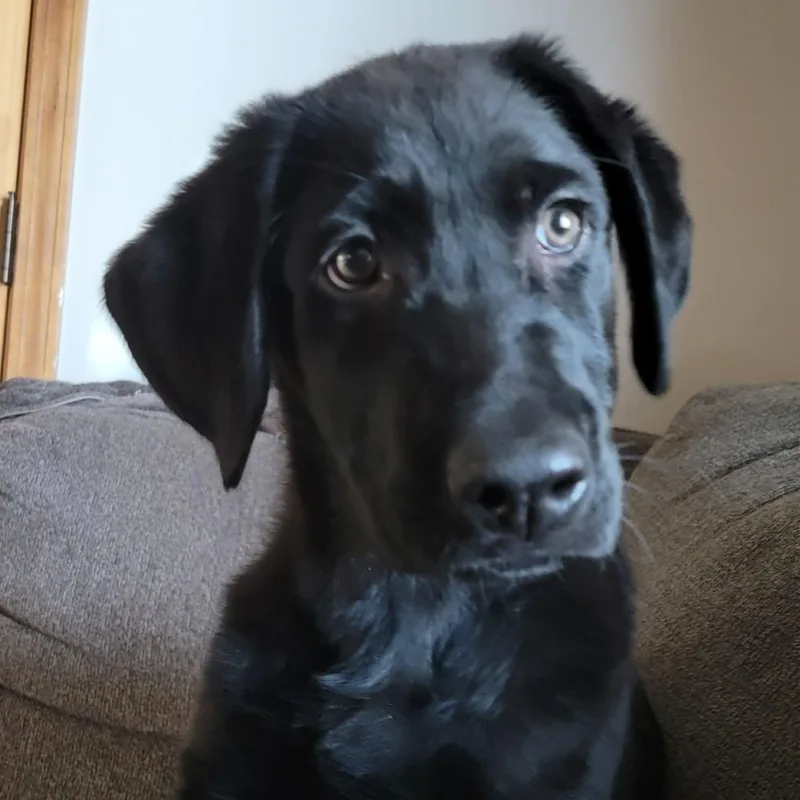
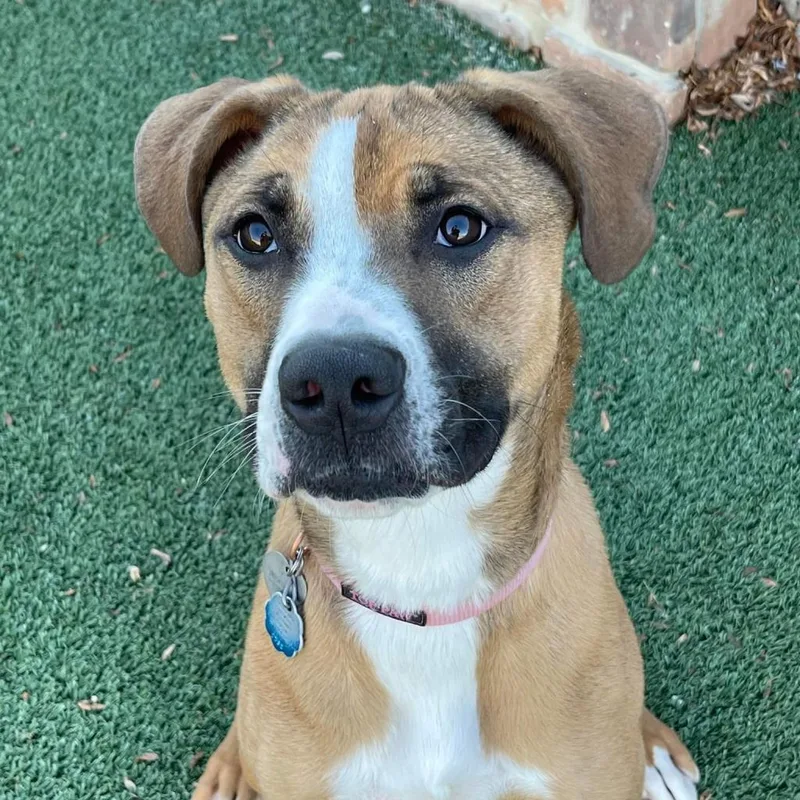
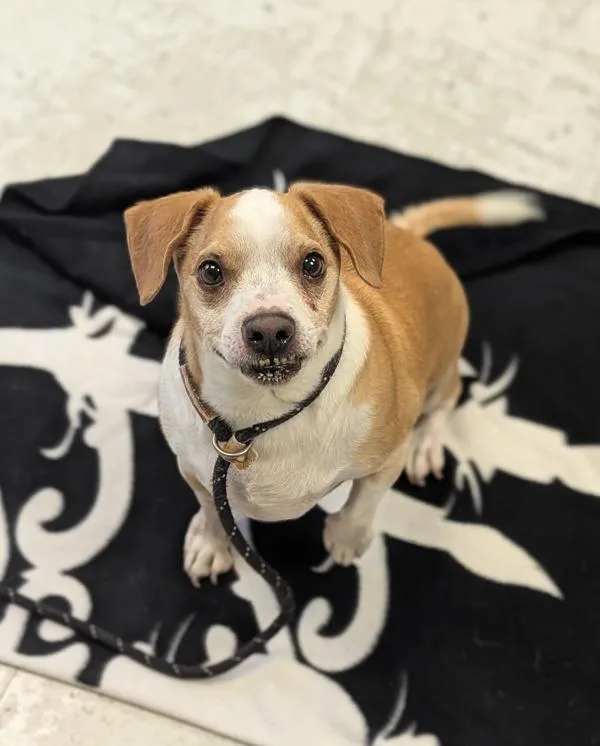
Black Labrador Retriever Dogs for Adoption in Salt Lake City, UT

Your guide to finding and caring for a Black Labrador Retriever in SLC

Black Labs suit the west side of Salt Lake City, where the Jordan River Parkway runs past Rose Park and Glendale. It's an easy place to build a daily walk or fetch routine, and Rose Park's mid-century houses on larger lots give a Lab room to roam between outings. Labs want company and a job, so they do best with people who are home a fair amount. Their dark coats soak up July sun, so save the longest outings for early morning.

3060 Black Labrador Retrievers available in Salt Lake City and nationwide

Find your Black Labrador Retriever

Black Labrador Retrievers Available for Adoption Near Salt Lake City

About the Black Labrador Retriever breed

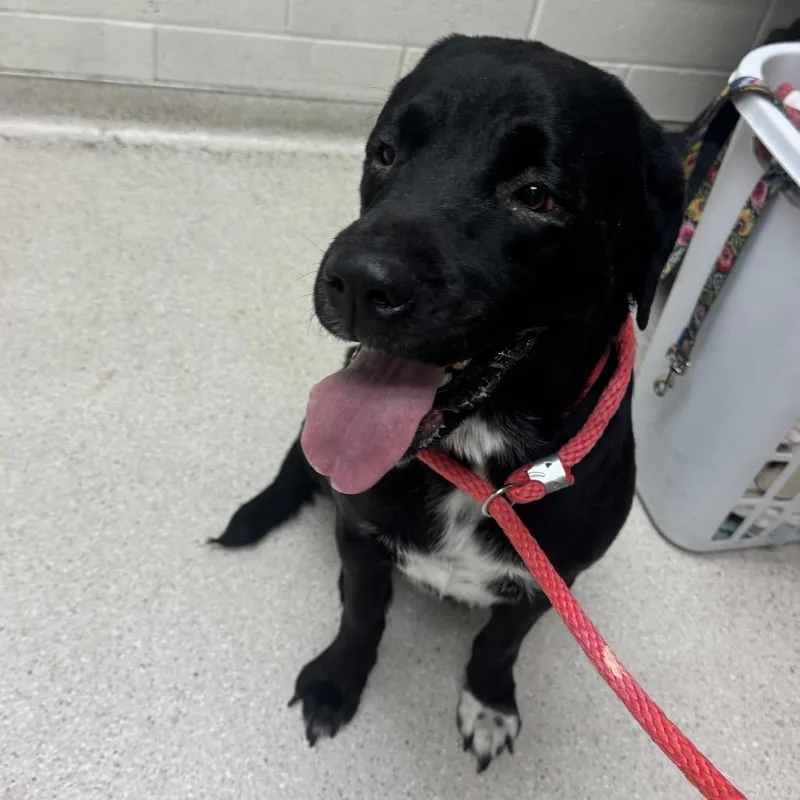
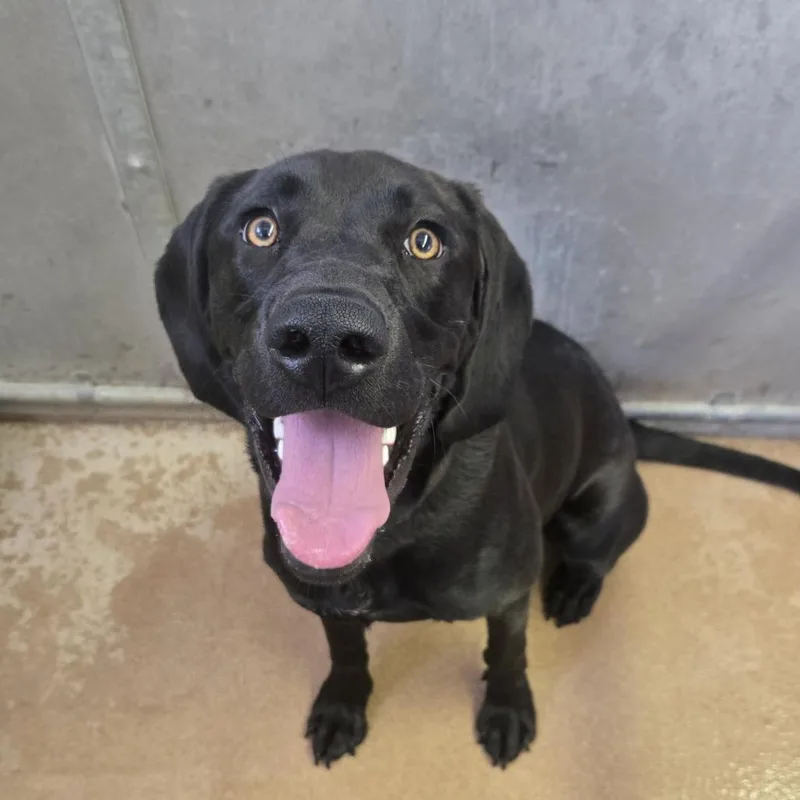
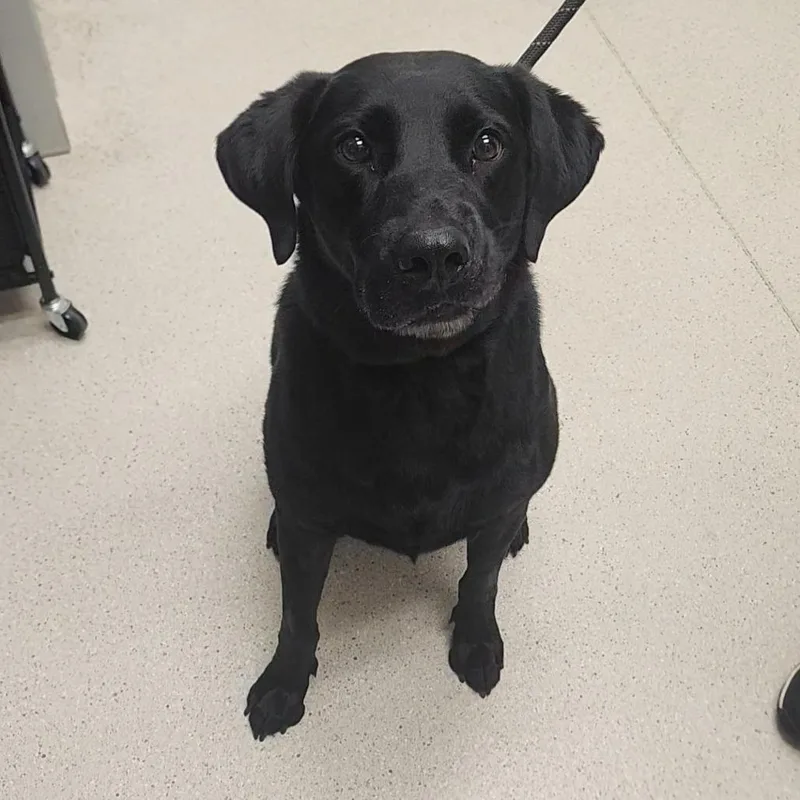
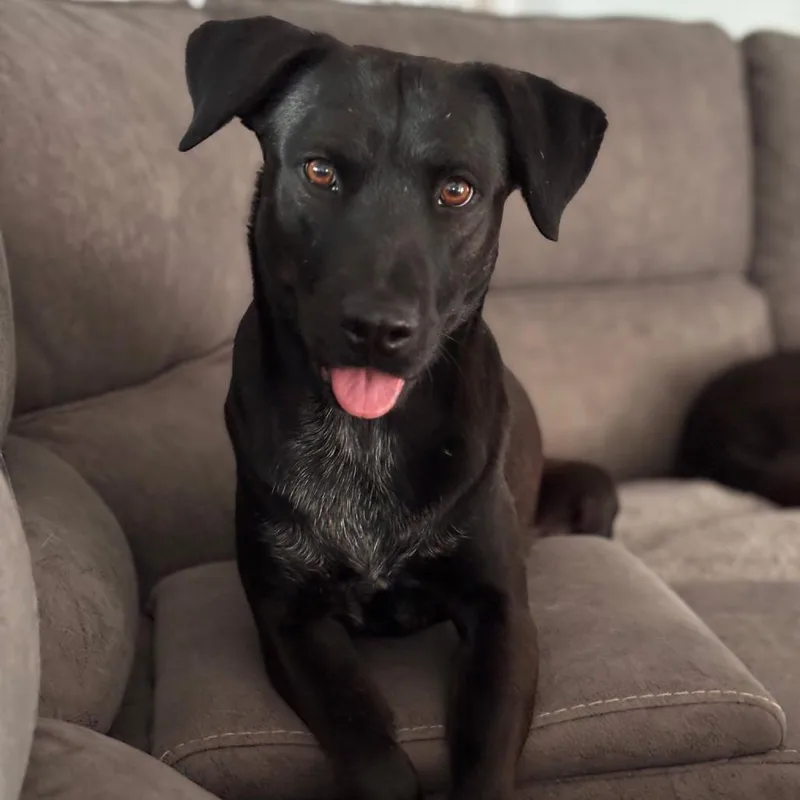
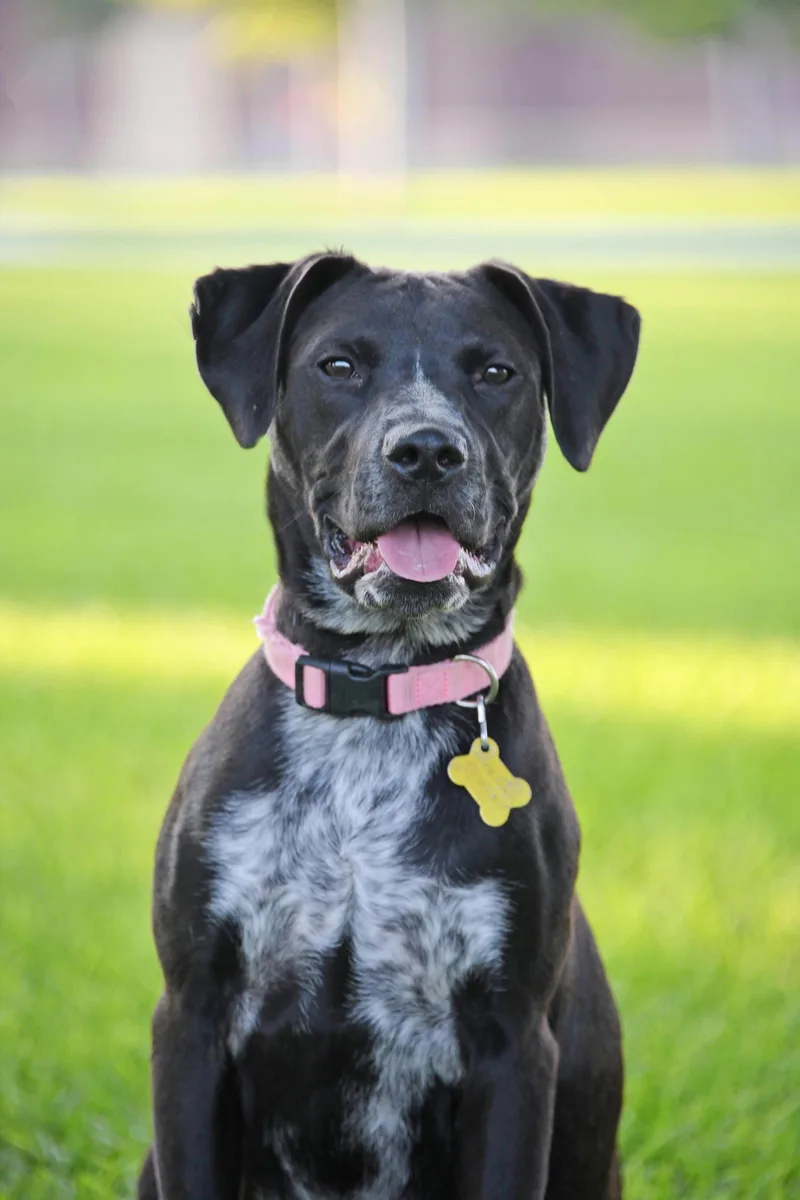
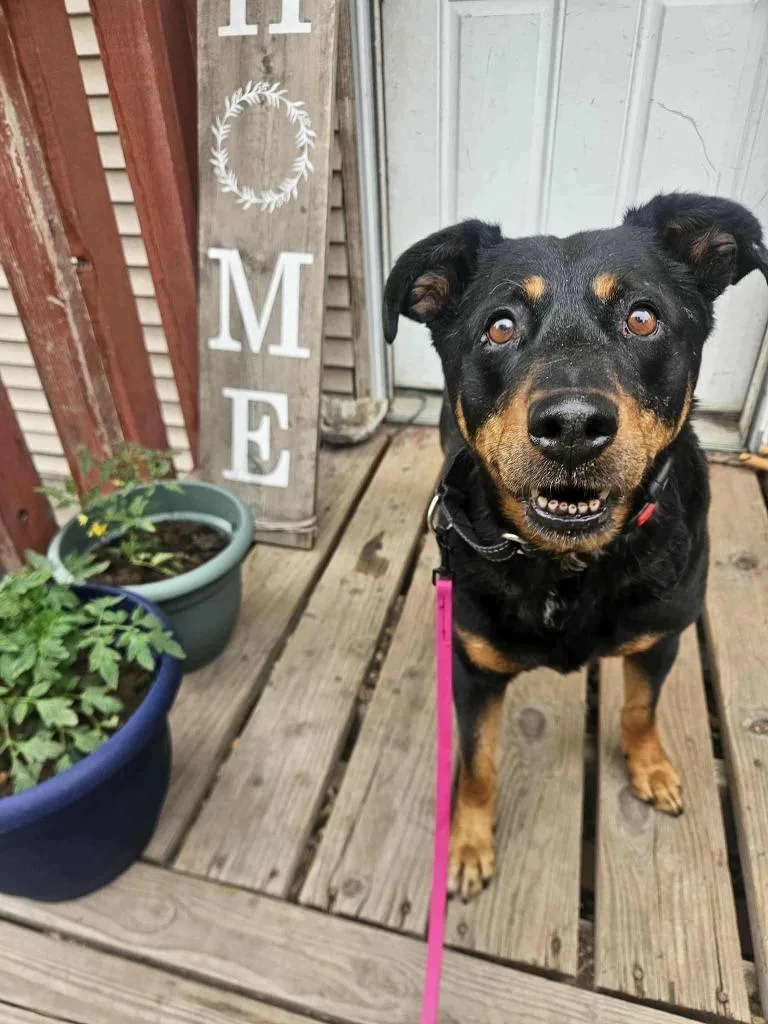
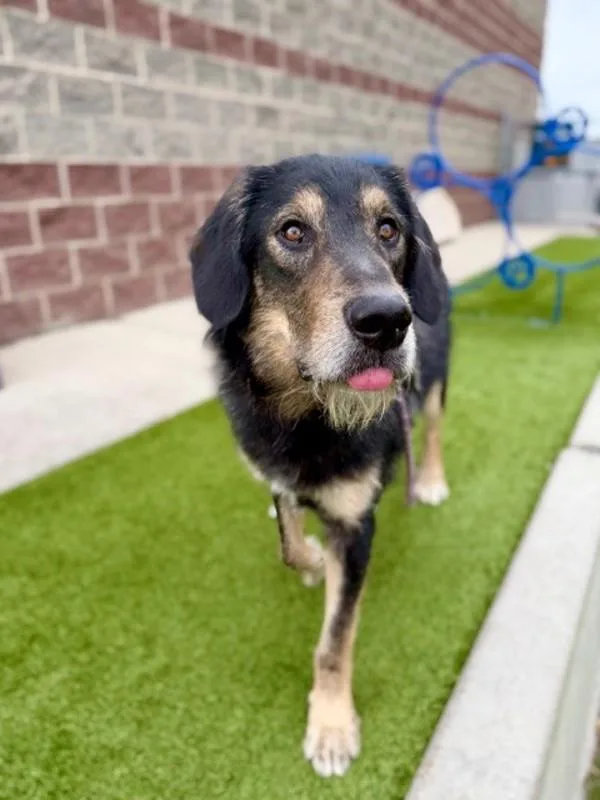
A black Lab is a Labrador Retriever in the breed's original coat color, not a separate breed. Labs descend from Newfoundland's St. John's water dogs and were refined in Britain as gun dogs, which explains the dense water-resistant double coat, otter tail and love of fetch. Adults typically weigh 55 to 80 pounds, and a small white chest spot is normal.

Color doesn't set personality. Black Labs are usually friendly, food-motivated and eager to please, though field-bred dogs tend to be leaner and more driven than show-bred ones. In SLC, that energy pairs well with leashed Foothills trails and the city's off-leash parks, as long as training is consistent. Expect a slow-maturing, bouncy adolescence, careful portions and plenty of brushing when the coat sheds.

Weight
55–80 lbs
Height
21–25 in
Lifespan
10–14 yrs
Temperament
Friendly, Outgoing, Active
Group
Sporting
Shedding
Moderate to High

Owning a Black Labrador Retriever in Salt Lake City

Having a Black Labrador Retriever in SLC

Black Labs bring steady stamina, a big appetite and heavy seasonal shedding. In Salt Lake City, hot summers, snowy winters and smoggy winter days shape when and where a Lab can exercise, so match the dog's age and energy to your routine.

Temperament

Most black Labs are outgoing and affectionate with family, visitors and other dogs, and many are patient with respectful children. Young dogs can be mouthy and boisterous. Their love of treats makes reward-based training work well, which helps on busy sidewalks and in crowded parks. A dog's history and socialization say more than coat color.

Exercise Needs

A grown Lab typically needs an hour or more of vigorous activity daily: brisk walks, running, fetch or scent games. Off-leash areas such as Rosewood Park or Rotary Glen suit fetch, while Foothills trails require a leash and staying on trail. Seniors still benefit from gentler daily outings.

Health Considerations

Labs can face hip and elbow dysplasia, cruciate ligament tears, exercise-induced collapse, eye disease, ear infections and skin allergies. Obesity is common, so measure meals and keep weigh-ins regular. A veterinarian can check hips and elbows. On poor-air winter days, keep walks short and play indoors.

Living Space

A black Lab can live in an apartment or a house when daily exercise is covered. A fenced yard helps but doesn't replace walks. Expect shed hair and a sweeping tail. In the Avenues, steep streets and older apartment buildings mean hills and stairs are part of the routine. Provide shade and water in summer.

What it costs to own a Black Labrador Retriever in Salt Lake City

ExpenseTypical costPer year
Adoption fee$200, one time$200 in year one
Food$55 to $110 per month$660 to $1,320
Pet insurance$65 to $130 per month$780 to $1,560
Routine vet care$250 to $500 per year$250 to $500
Other*$600 to $1,475 per year$600 to $1,475
Estimated yearly total (after year one)$2,290 to $4,855
First-year total (with adoption fee)$2,490 to $5,055

Adoption fee is the fee on Black Labrador Retriever listings in Salt Lake City on GetBuddy today. Other costs are estimates and vary with size, age and health.

* Flea, tick and heartworm prevention, a dental cleaning allowance, the $25 Salt Lake County license for a spayed or neutered dog, toys and bedding, and brushing and baths for heavy seasonal shedding.

Adopt a Black Labrador Retriever in Salt Lake City.

Now that you know more, let’s find you a new best friend. These rescues and shelters below currently have Black Labrador Retrievers available.

Frequently Asked Questions

SLC has 11 city off-leash areas, including Rosewood Park in Rose Park, Jordan Park in Glendale, Fairmont Park in Sugar House and Rotary Glen on the East Bench. Liberty Park and the Foothills trails require a leash. Dogs aren't allowed in City Creek above the water treatment plant or in Parleys, Big Cottonwood and Little Cottonwood canyons, which are drinking-water watersheds.

Yes, if the dog gets daily exercise. A Black Labrador Retriever can live in an apartment in Salt Lake City, but plan on an hour or more of activity and mental work every day. Many households here rent, so confirm any size or weight limits for a 55-to-80-pound dog before you apply.

Yes, with precautions. Summers are dry, with normal July highs in the mid-90s and occasional 100°F stretches, and a black coat absorbs extra heat. Walk at dawn or after sunset, when nights cool off, carry water, test pavement with your hand, and never leave a dog in a parked car.

Yes. Utah bans breed-specific rules statewide, so Salt Lake City can't restrict Labs. Dogs must be licensed by five months of age, with proof of rabies vaccination, and the license costs less for spayed or neutered dogs. The city doesn't cap licensed dogs, though leases may, and dogs must stay leashed outside marked off-leash areas.

Only as service animals. UTA allows pets on its buses, TRAX trains and FrontRunner only when securely contained in a cage, kennel, carrier or container, and staff won't carry it for you. A 55-to-80-pound Lab won't fit in one, so plan on walking or driving. Service animals ride at your feet or on your lap.

Only on patios the county Health Department has approved, so look for the Approved Dog Patio sticker. Dogs must be leashed and wear a collar with a current license and rabies tag. They can have water but no food or treats, and they can't pass through the dining room. Practice settling first, since Labs love snacks.

Brush a Lab's short double coat weekly, and daily during the heavy sheds that often come in spring and fall. Baths every month or two are plenty, since SLC's dry air and cold winters can dry out skin. Budget a modest amount for occasional professional baths during shedding season.

It can be for active people who are home a fair amount. Many Labs enjoy snow, parks and trails, and the double coat handles cold well. The tradeoffs are July heat on a dark coat, smoggy winter days that push play indoors, and leash-only Foothills trails. Plan around those and daily exercise becomes easy.

We have 2 rescues with Black Labrador Retrievers available: Second Chance for Homeless Pets and Community Animal Welfare Society (CAWS). You can see every rescue with Black Labrador Retrievers available in the list above these questions, or scroll to the top to see the Black Labrador Retrievers near Salt Lake City.

Expect roughly $2,300 to $4,850 a year for a black Lab in Salt Lake City. That covers food at $55 to $110 a month, insurance at $65 to $130 a month, routine vet care at $250 to $500 a year, and other costs at $600 to $1,475 a year.

Find Black Labrador Retrievers in Nearby Cities

Expand your search to find Black Labrador Retrievers available for adoption near Salt Lake City.