Blue Lacy Dogs for Adoption in Boerne, TX

Your guide to finding and caring for a Blue Lacy in Boerne

35 Blue Lacies available in Boerne and nationwide

Find your Blue Lacy

While we don't have enough dogs near Boerne, keep in mind that many rescues may offer transport.

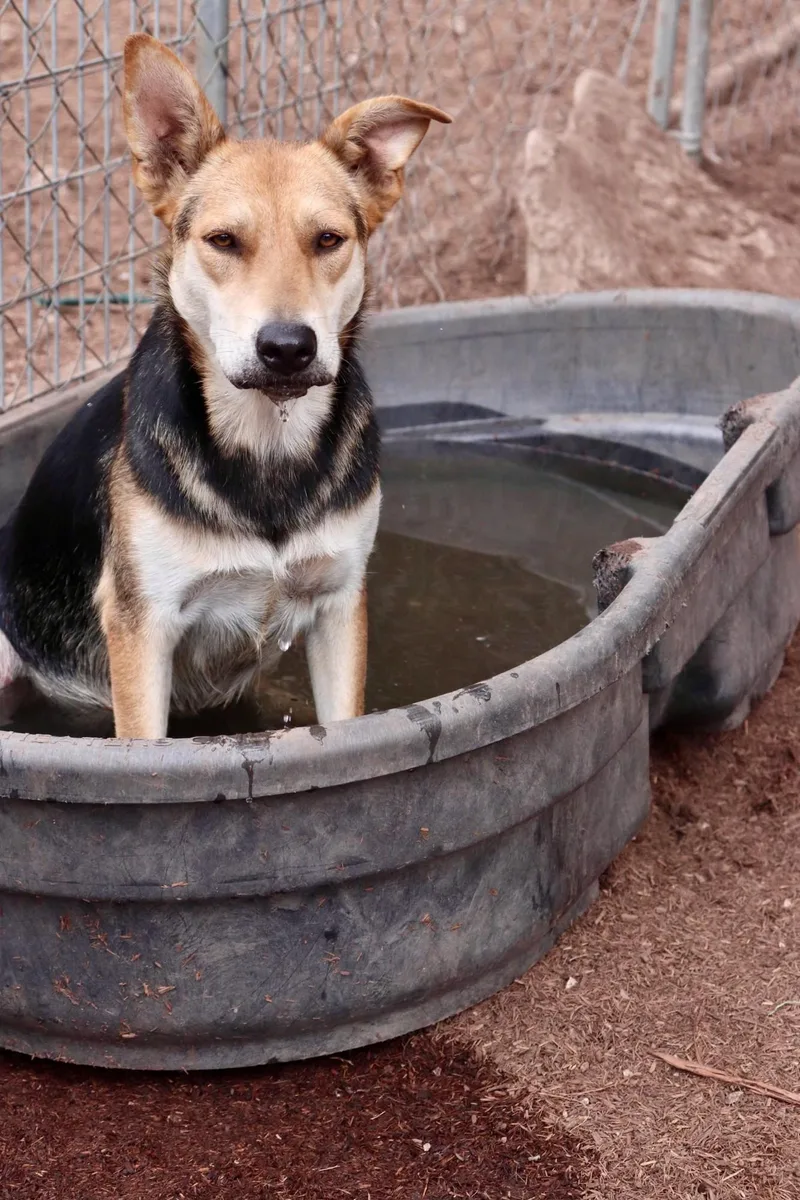
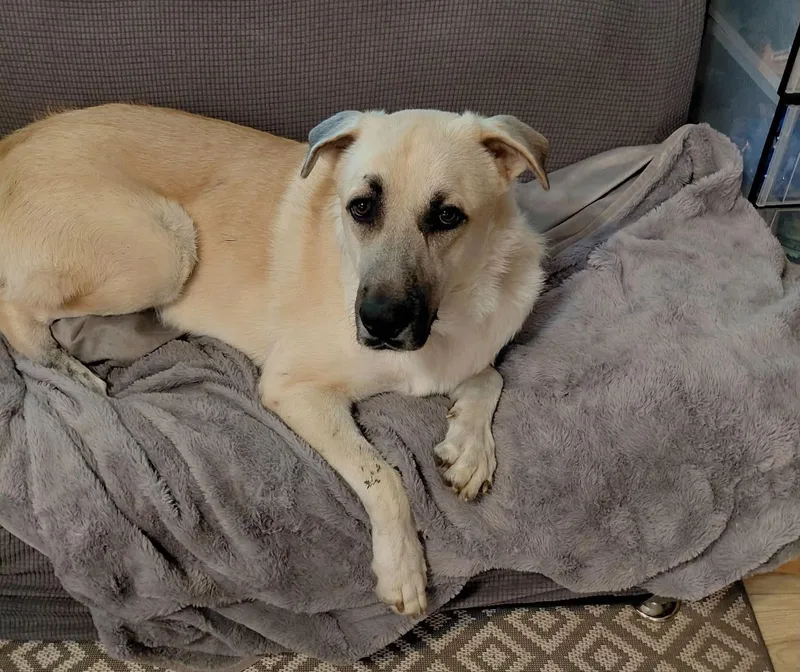
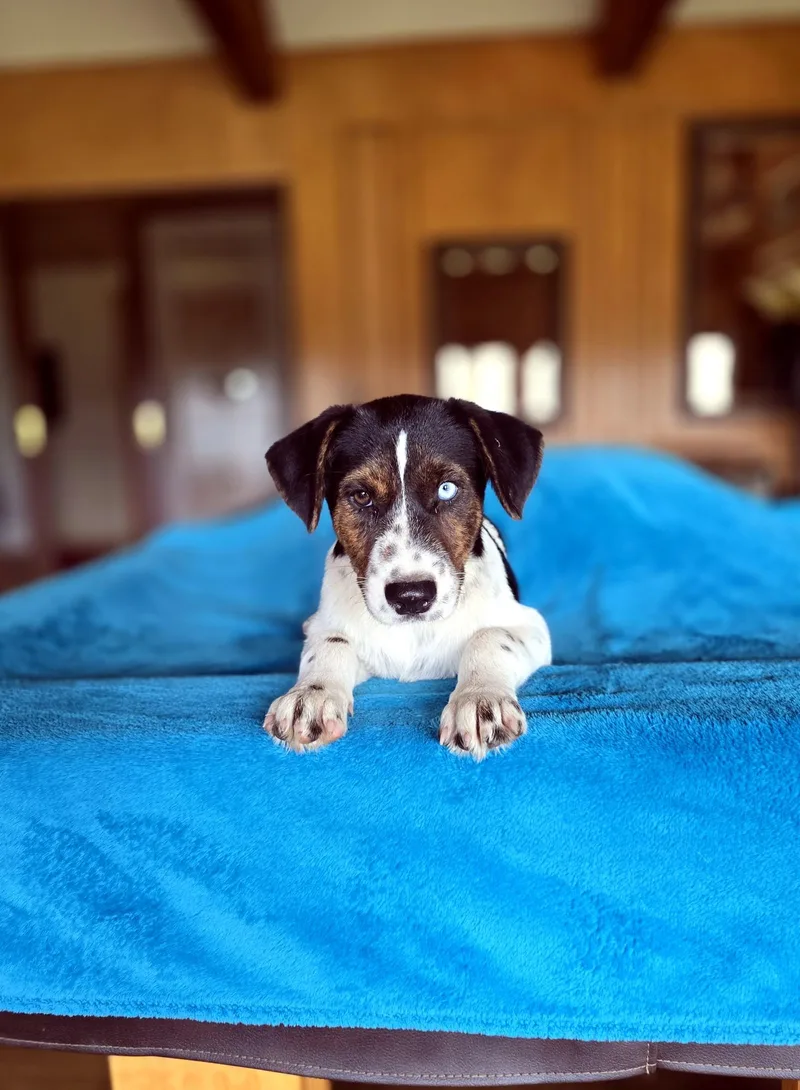
Blue Lacies Available for Adoption Near Boerne

About the Blue Lacy breed

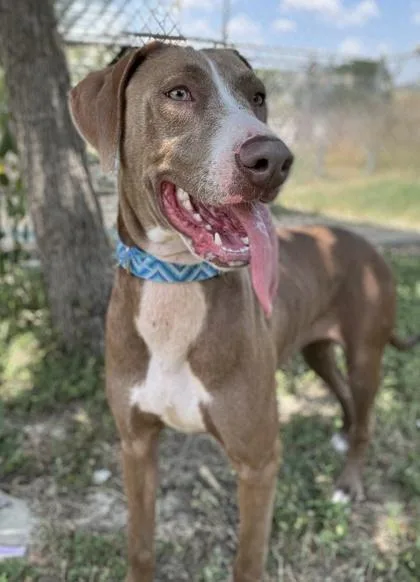
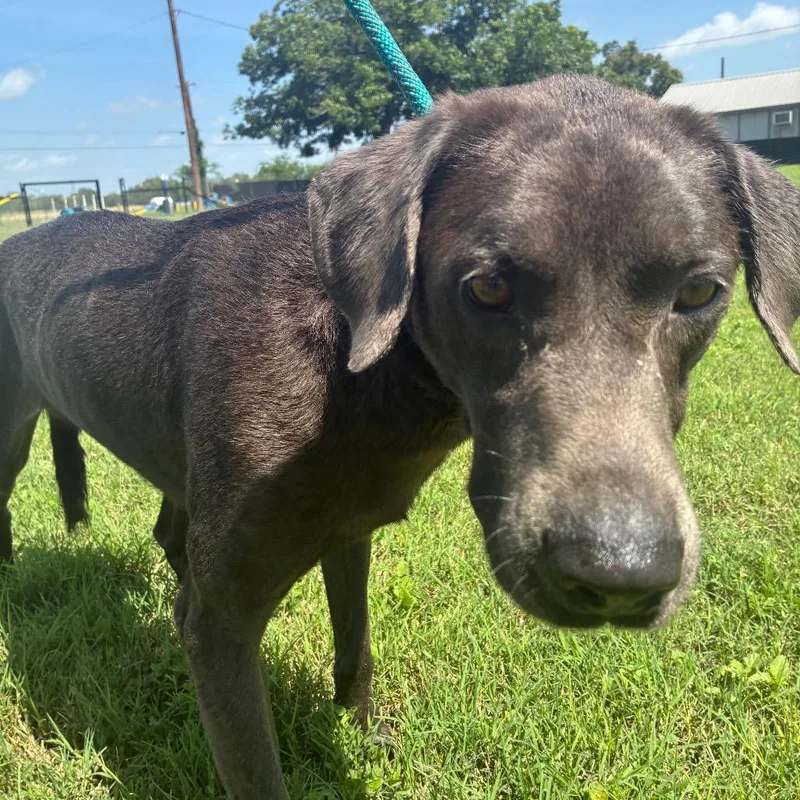
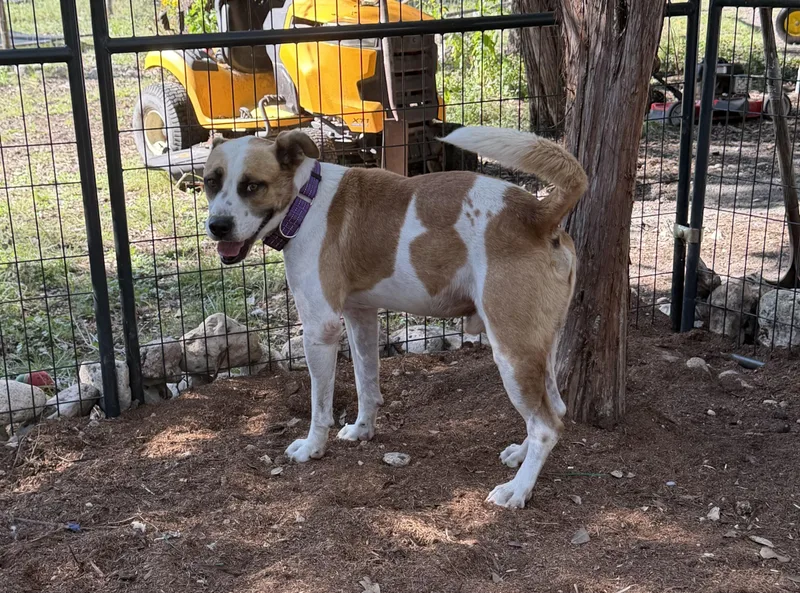
Texas ranch work produced the Blue Lacy. The Lacy brothers, who moved from Kentucky to Burnet County in 1858, are credited with developing a quick, versatile dog that could drive livestock, trail wounded game and bay feral hogs, reportedly blending greyhound and scenthound ancestry. In 2005 the Texas Legislature named it the state dog breed. Lacys are lean, athletic and medium-sized, with a short, tight coat in blue gray, red or tricolor and striking amber or yellow eyes.

These dogs are intense, alert and quick to learn, and many bond closely with their people. They were bred to work all day, so a Lacy without a job can turn restless, noisy or destructive. Adopters who enjoy running, hiking, scent games or dog sports, and who can manage a strong chase instinct around small animals, tend to get the best from this driven working dog.

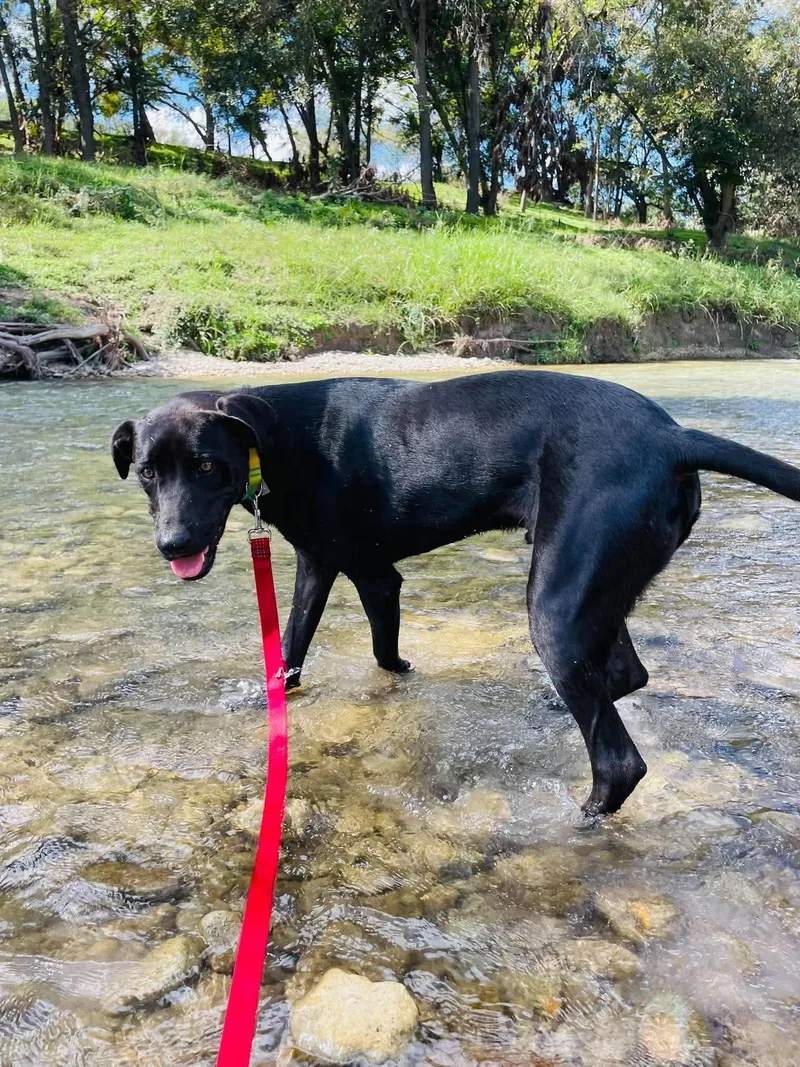
Weight
25–50 lbs
Height
18–21 in
Lifespan
12–16 yrs
Temperament
Energetic, Intelligent, Alert, Loyal
Group
Hound
Shedding
Low to Moderate

Owning a Blue Lacy in Boerne

Having a Blue Lacy in Boerne

A Blue Lacy combines a sleek, easy-care coat with the drive of a dog bred to work Texas ranches. Understanding its energy, sharp mind, chase instinct and close bond with its people helps adopters judge whether a particular Lacy matches their pace of life.

Temperament

Lacys are typically devoted and responsive with their families, and many are reserved but not unfriendly with strangers. Their intensity and speed can overwhelm small children, and a strong prey drive means cats and small pets need careful, supervised introductions. They are sensitive to harsh handling. Early, positive socialization and an individual dog's history matter most.

Exercise Needs

Expect a Blue Lacy to need at least an hour or two of vigorous activity every day, such as running, long hikes, fetch or herding and scent work. Training sessions and puzzle feeders help tire the mind. Without enough outlets, many invent their own jobs. Keep them leashed or securely fenced, since they may chase game.

Health Considerations

The Blue Lacy is generally considered a hardy breed, though formal health data are limited. Some blue dogs develop color dilution alopecia, a hair-thinning skin condition, and skin or food allergies are reported. Ask about medical history, keep up with parasite prevention for an active outdoor dog, and see a veterinarian about patchy hair or itching.

Living Space

A Lacy does best with a securely fenced yard and an active household, though an apartment can work for a dedicated runner or hiker who exercises the dog daily. Its short coat handles heat better than cold, so a jacket helps in winter. It should live indoors with family rather than spend long hours alone outside.

What it costs to own a Blue Lacy

ExpenseTypical costPer year
Food$35 to $70 per month$420 to $840
Pet insurance$45 to $85 per month$540 to $1,020
Routine vet care$225 to $450 per year$225 to $450
Other*$440 to $1,190 per year$440 to $1,190
Estimated yearly total (after year one)$1,625 to $3,500

Other costs are national averages for Blue Lacies; we don't have costs specific to Boerne yet.

* Flea, tick and heartworm prevention, a dental cleaning allowance, a dog license, durable toys and bedding, and minimal home grooming for a short coat; license fees vary by city.

Adopt a Blue Lacy in Boerne.

Now that you know more, let’s find you a new best friend. These rescues and shelters below currently have Blue Lacies available.

Rescues in Boerne with Blue Lacies Available

Here are the rescues & shelters in the Boerne area where you can find Blue Lacies and other dogs available for adoption.

Frequently Asked Questions

Yes, the Blue Lacy is the official state dog breed of Texas. The Texas Legislature designated it in 2005 through House Concurrent Resolution 108, honoring a breed developed by the Lacy brothers in Burnet County in the 1800s. The recognition celebrates its role as a versatile ranch dog used for herding, trailing and hunting hogs.

A Blue Lacy is a lean, medium-sized working dog developed in Texas in the nineteenth century for ranch work, including driving livestock, trailing game and baying hogs. It has a short, smooth coat that comes in blue, red or tricolor despite the name. Lacys are fast, intelligent and intense, and they need plenty of exercise and mental work.

Blue Lacy dogs shed, but only lightly to moderately, thanks to their short, tight single-layer coat. A weekly rub with a rubber curry brush or grooming mitt removes loose hair and keeps the coat glossy. Seasonal shedding may increase briefly. Bald or thinning patches, especially in blue dogs, are not normal shedding and should be checked by a veterinarian.

Blue Lacys are not typically aggressive toward people, but they are intense, alert dogs that may be wary of strangers and quick to chase animals. Poor socialization, boredom or frustration can lead to reactive behavior. Early positive exposure to people and places, plenty of exercise and reward-based training help a Lacy stay steady and confident in everyday situations.

Blue Lacys can be good family dogs for active households that give them daily exercise, training and a role in family life. They are often loyal and affectionate with their people. Their speed and energy can knock over small children, and they may chase cats or small pets, so they suit families with older kids and time to invest.

Blue Lacy dogs commonly live about 12 to 16 years, according to breed summaries, though formal lifespan studies are lacking. Their lean build and active lifestyle may help them stay fit into later years. Routine veterinary care, a healthy weight, dental care and safe exercise habits all support a long life for an individual Lacy.

Blue Lacy dogs are used as all-around ranch dogs, especially for trailing wounded deer, baying and catching feral hogs, treeing game and moving cattle or goats. Many hunters still work them on hogs in Texas and nearby states. Most adopted Lacys become companions, where scent work, herding, agility or running give that working drive a healthy outlet.

A Blue Lacy is a slim, muscular, medium-sized dog about 18 to 21 inches tall with a deep chest and tucked waist. Its short, sleek coat is blue gray, red or tricolor, and its eyes are often a striking amber or yellow. It has a moderately long muzzle, folded ears set high and a long, tapering tail.

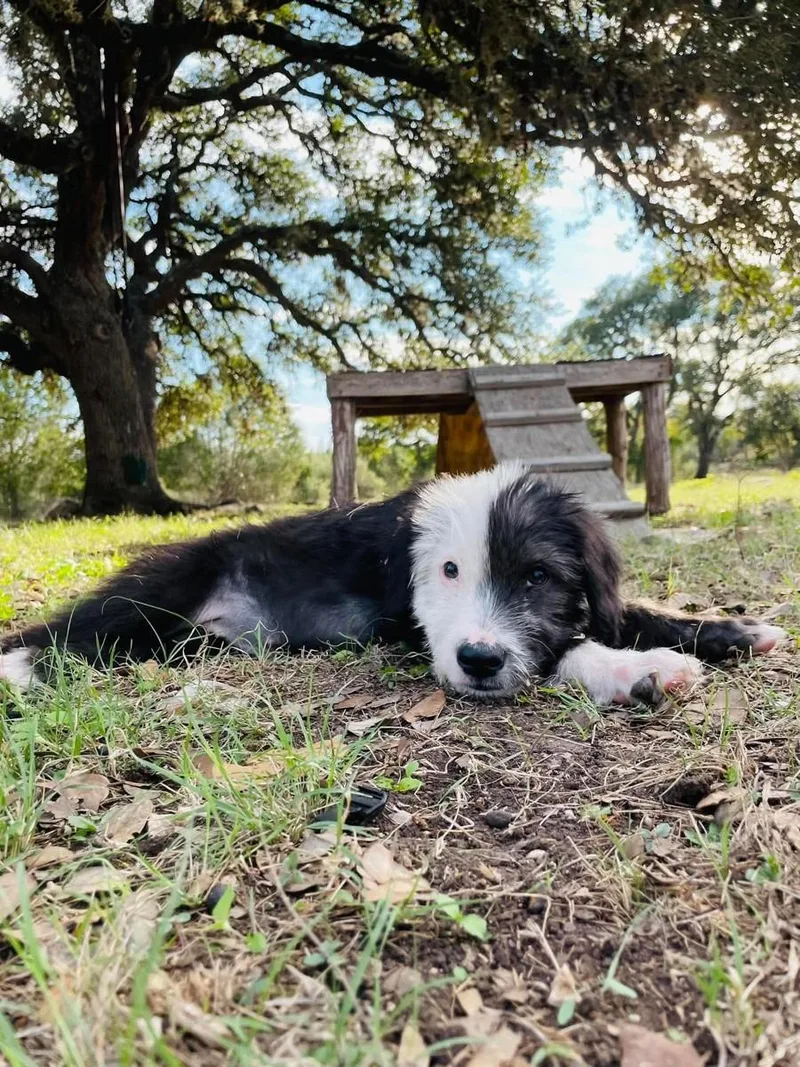
Train a Blue Lacy puppy with short, frequent sessions built on food and play rewards, since these sensitive dogs shut down with harsh corrections. Begin with name response, recall, crate comfort and leash skills, then add impulse control around moving animals. Socialize gently with people and places, and channel energy into fetch, scent games and puppy classes.

We have 1 rescue with Blue Lacies available: Hay Dude Equine Rescue. You can see every rescue with Blue Lacies available in the list above these questions, or scroll to the top to see the Blue Lacies near Boerne.

Find Blue Lacies in Nearby Cities

Expand your search to find Blue Lacies available for adoption near Boerne.