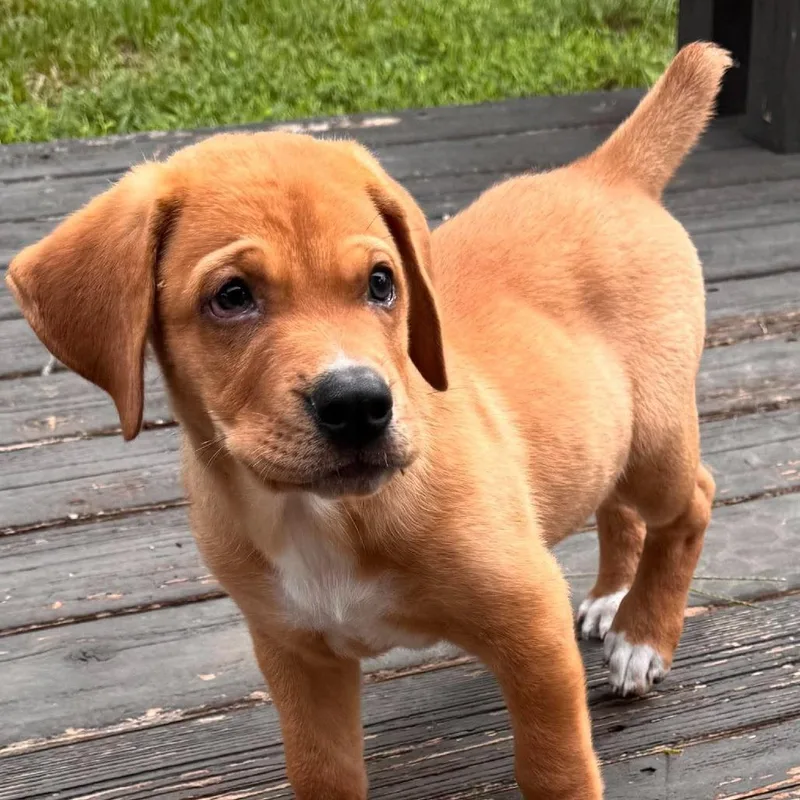
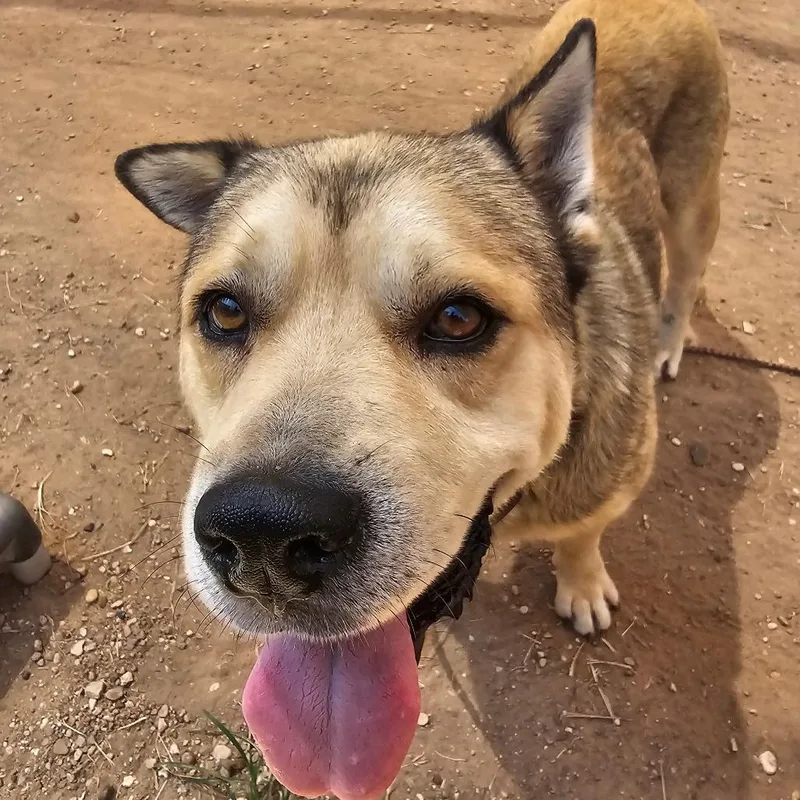
Nova Scotia Duck Tolling Retriever Dogs for Adoption in Austin, TX

Your guide to finding and caring for a Nova Scotia Duck Tolling Retriever in Austin

A Toller in Austin needs a real outlet for its retrieving drive, and Walnut Creek Metro Park is a good place to start. The park's 185-acre off-leash area and wooded trails give a fetch-obsessed dog room to run, and Allandale's big lots and mature trees make an easy place to settle in afterward. Tollers are smaller than most retrievers, so a bungalow or mid-sized apartment can work. They do want a job, whether that's fetch, swimming or training games.

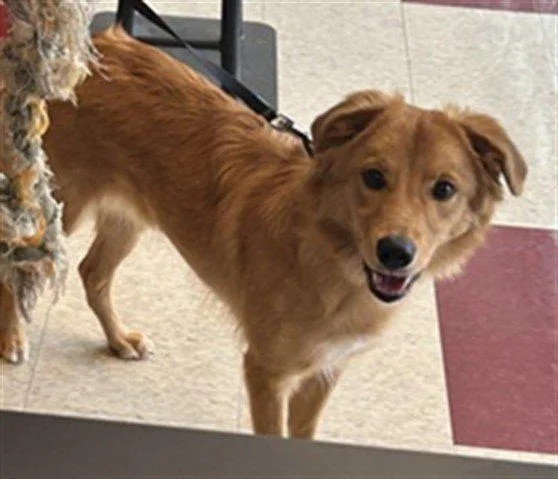
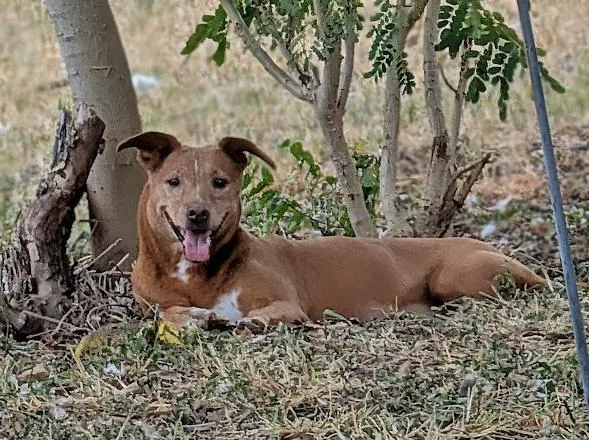
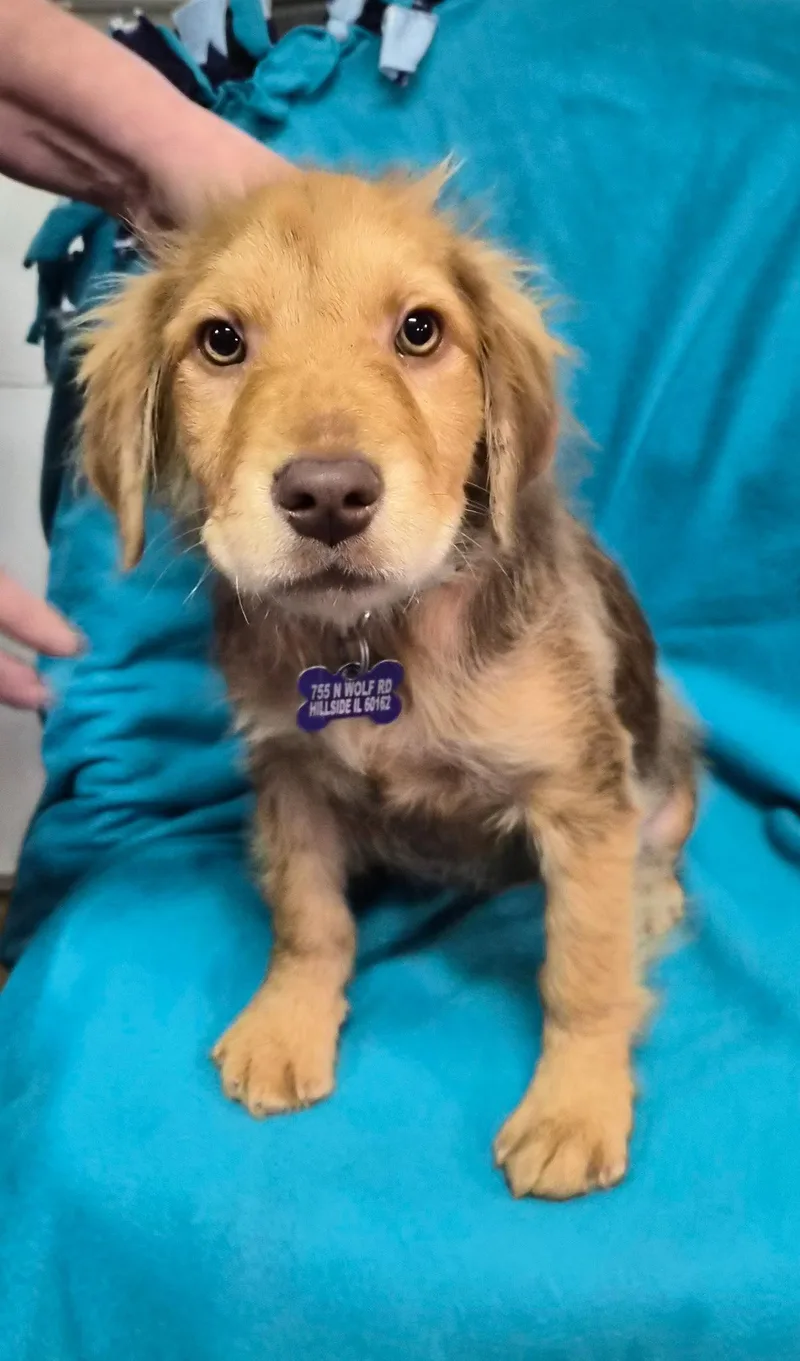
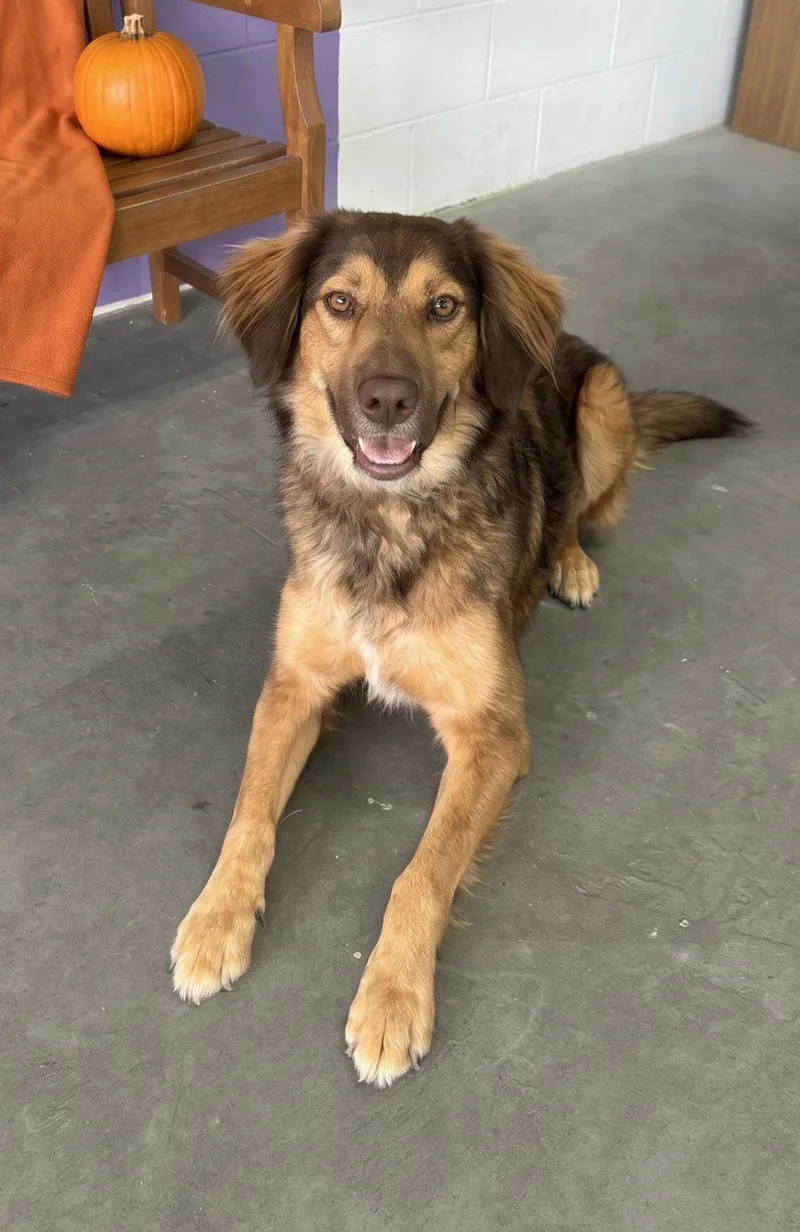
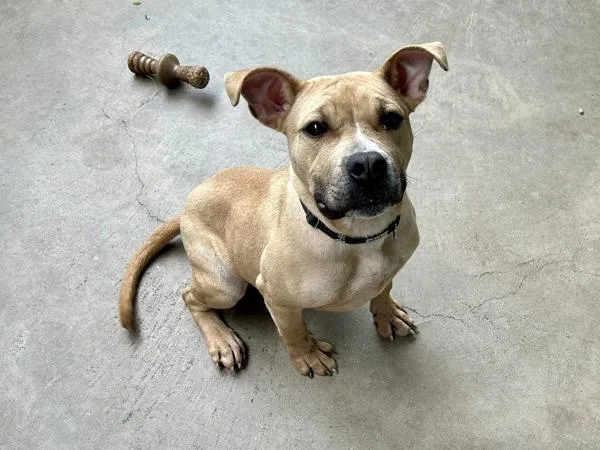
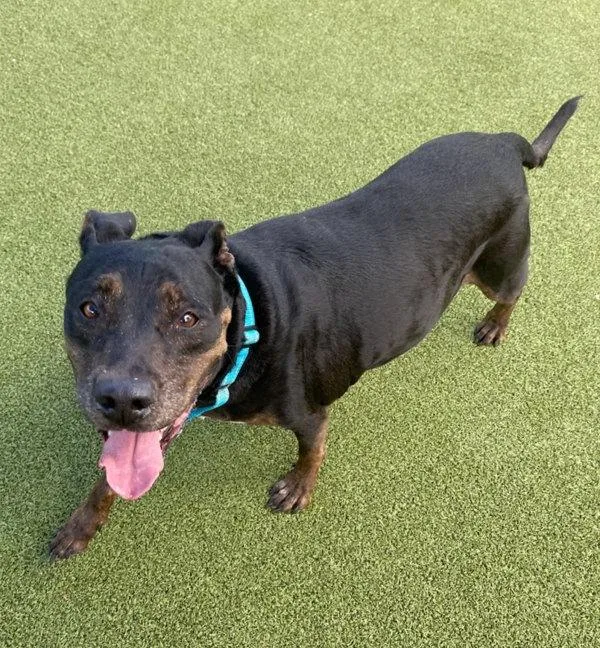
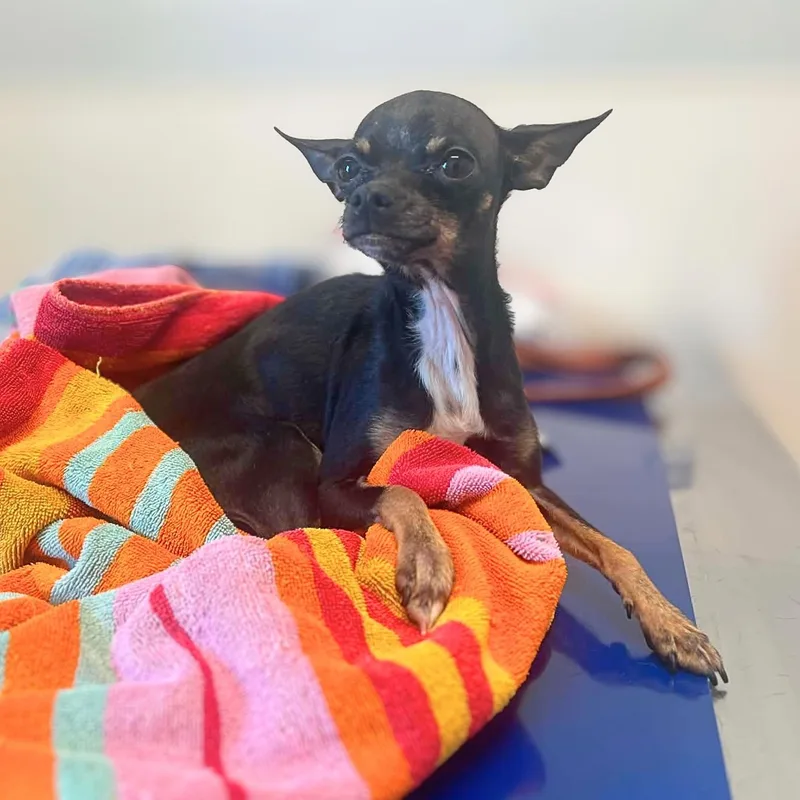
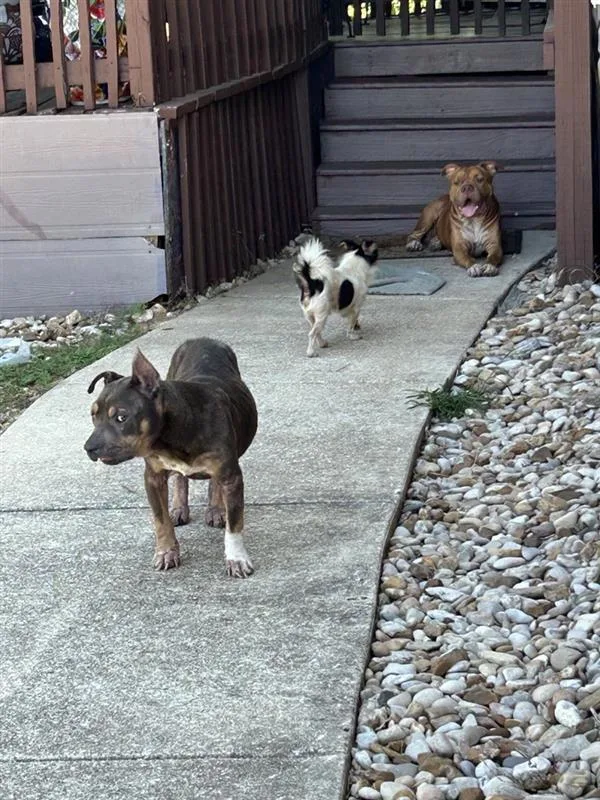
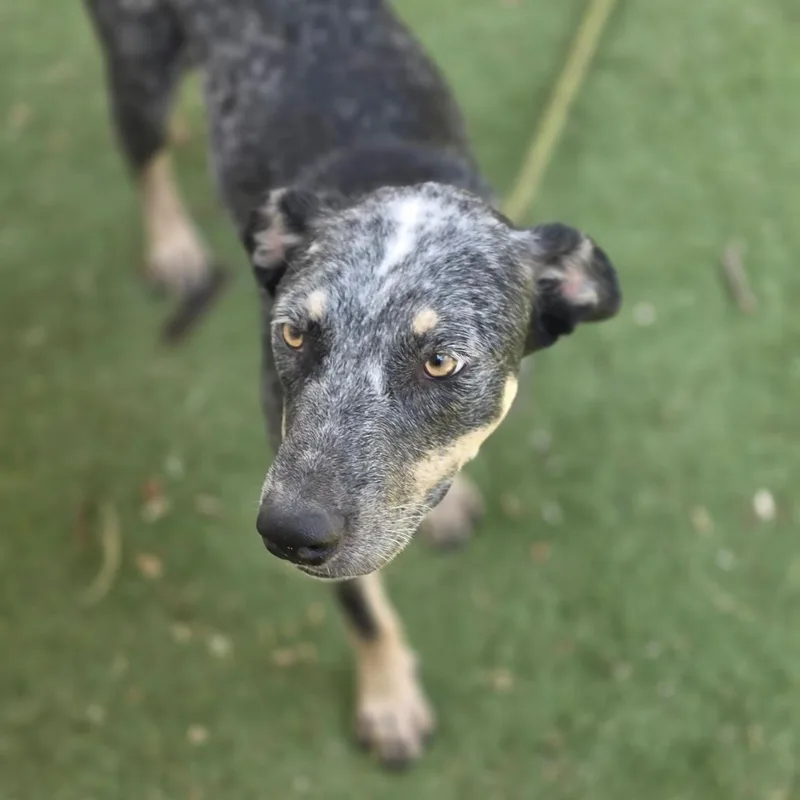
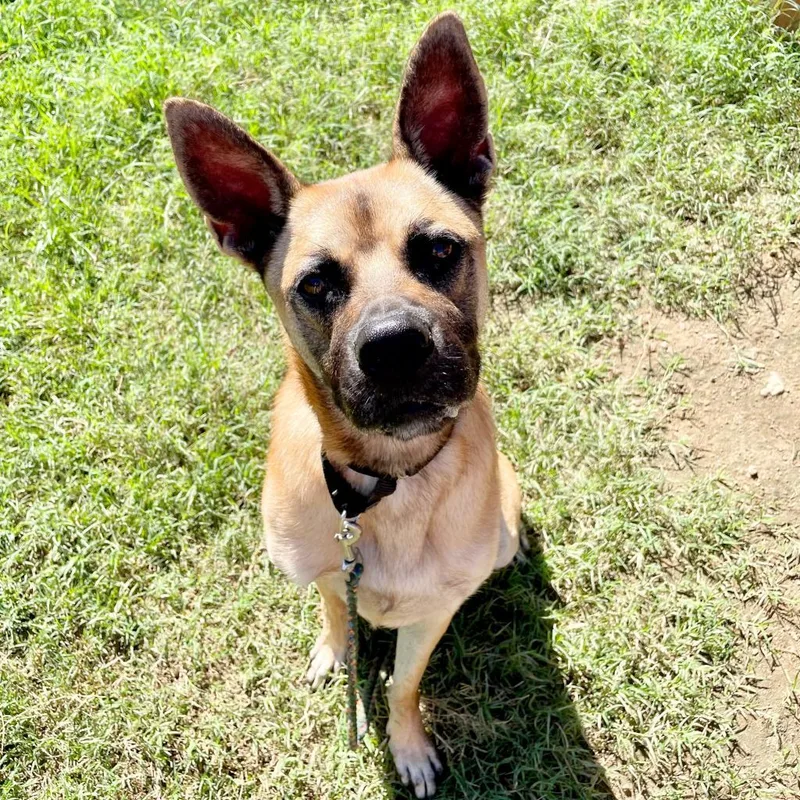
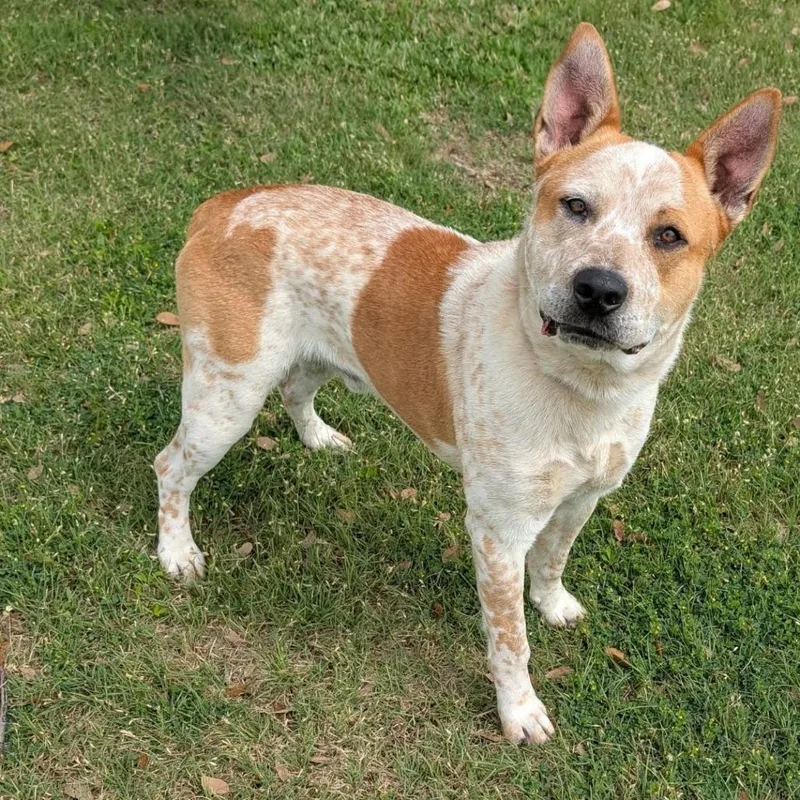
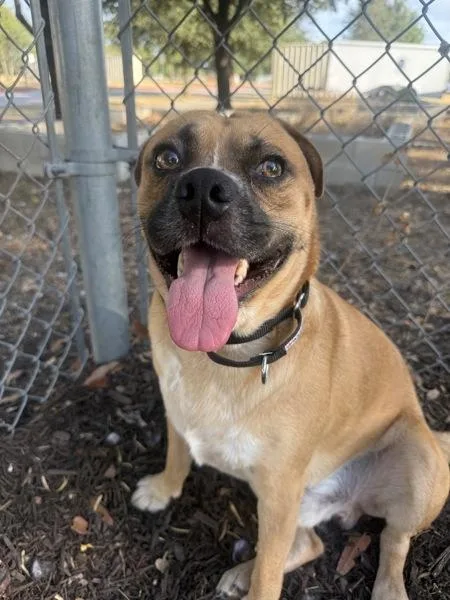
13 Nova Scotia Duck Tolling Retrievers available in Austin and nationwide

Your Toller is waiting

While we don't have enough dogs near Austin, keep in mind that many rescues may offer transport.

Nova Scotia Duck Tolling Retrievers Available for Adoption Near Austin

About the Nova Scotia Duck Tolling Retriever breed

The Nova Scotia Duck Tolling Retriever is the smallest of the retrievers. It was developed in Yarmouth County, Nova Scotia, to lure ducks toward shore by romping along the water's edge, then retrieve the birds from cold water. Most weigh 35 to 50 pounds and wear a water-repellent red double coat, usually with white on the chest, feet or tail tip.

In Austin, that history shows up in daily life. Tollers are bright, playful and happiest with a task, and many love water, so a swim-and-fetch routine suits them, though lake days need some care. Most are affectionate at home and a bit reserved with strangers, and they're known for a high-pitched scream when excited. Expect red hair around the house, and plan on training and exercise every day. Dogs vary, so spend time with the dog you're considering.

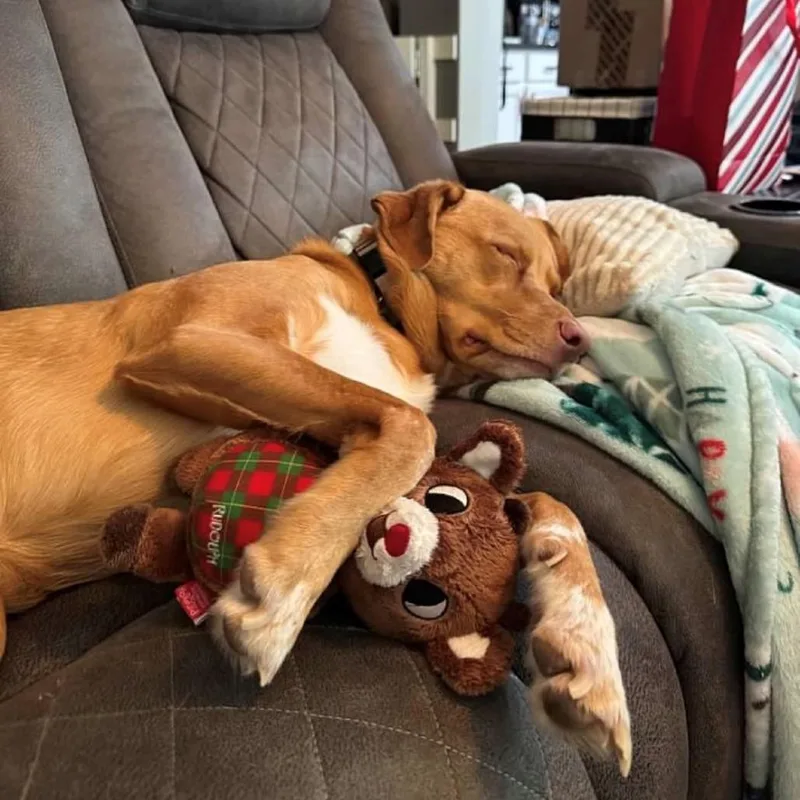
Weight
35–50 lbs
Height
17–21 in
Lifespan
12–14 yrs
Temperament
Energetic, Intelligent, Playful, Alert
Group
Sporting
Shedding
Moderate to High

Owning a Nova Scotia Duck Tolling Retriever in Austin

Having a Nova Scotia Duck Tolling Retriever in Austin

Tollers combine retriever drive with working-dog stamina in a medium, weatherproof body. In Austin, managing heat, finding safe places to swim and tolerating a vocal dog matter as much as square footage. Shedding and a few breed-linked health conditions are worth knowing before you adopt.

Temperament

Many Tollers are playful, alert and devoted to their families, with a reserved streak around strangers. Their excited scream can carry through apartment walls, so think about neighbors in a dense area like The Domain. Each dog differs, so watch how the dog you meet handles new people and noise.

Exercise Needs

Plan on vigorous activity every day, plus training that keeps the mind busy. Austin's off-leash areas, such as Walnut Creek and Zilker, suit fetch, but the big ones are unfenced, so a reliable recall matters. Barton Creek Greenbelt requires a leash of 6 feet or shorter. In summer, save hard exercise for early morning or evening.

Health Considerations

Tollers are prone to autoimmune conditions such as hypothyroidism and Addison's disease, plus progressive retinal atrophy. Have a veterinarian check the eyes and hips soon after adoption. In Austin, year-round heartworm, flea and tick prevention is routine, and a dog that seems unwell after being near a lake needs a veterinarian right away because of toxic algae.

Living Space

Austin's mix of bungalows, duplexes and apartments can all work for a Toller whose owner commits to long daily outings. A fenced yard makes life easier, and it's needed here because a dog can't be left tied out alone. Expect red hair on floors and furniture, and a voice your neighbors may hear.

What it costs to own a Nova Scotia Duck Tolling Retriever in Austin

ExpenseTypical costPer year
Adoption fee$189, one time$189 in year one
Food$35 to $70 per month$420 to $840
Pet insurance$55 to $100 per month$660 to $1,200
Routine vet care$225 to $450 per year$225 to $450
Other*$540 to $1,390 per year$540 to $1,390
Estimated yearly total (after year one)$1,845 to $3,880
First-year total (with adoption fee)$2,034 to $4,069

Adoption fee is the fee on Nova Scotia Duck Tolling Retriever listings in Austin on GetBuddy today. Other costs are estimates and vary with size, age and health.

* Flea, tick and heartworm prevention, a dental cleaning allowance, a dog license, toys, bedding and retrieving gear, and regular brushing for a double coat.

Adopt a Nova Scotia Duck Tolling Retriever in Austin.

Now that you know more, let’s find you a new best friend. These rescues and shelters below currently have Nova Scotia Duck Tolling Retrievers available.

Rescues in Austin with Nova Scotia Duck Tolling Retrievers Available

These Austin shelters and rescues list dogs of all ages, sizes and breed mixes, and their listings change often. Here are the rescues & shelters in the Austin area where you can find Nova Scotia Duck Tolling Retrievers and other dogs available for adoption.

Frequently Asked Questions

Yes, with care, but heat is the biggest challenge for a Toller's double coat. Austin sees about 123 days a year at 90°F or higher, so exercise at dawn or after dark, keep paws off hot pavement, provide shade and cold water, and keep the dog indoors in the afternoon. Heavy panting or vomiting means cool the dog and call a veterinarian.

A Toller can burn energy at Emma Long Metro Park, Onion Creek Greenbelt or Shoal Creek Greenbelt, all with unfenced off-leash areas, so reliable recall matters. Barton Creek Greenbelt has trails but requires a leash of 6 feet or shorter. Leash the dog to and from off-leash areas, and keep it in sight and under control.

Yes, a Toller can live in an Austin apartment if its exercise needs are met every day. The breed is medium-sized, but its excited scream and need for hard exercise can strain shared walls and patience. Plan long daily outings, fetch sessions and puzzle toys, and check a building's weight limits and pet fees before applying.

Yes, nothing in Austin restricts owning a Toller, and Texas law bars breed-specific dangerous-dog rules. You will need to microchip and register the dog at four months or older, keep rabies vaccination current, leash it outside designated off-leash areas, and never leave it tied outside alone.

No, pets can't ride CapMetro unless they're service animals, and that includes small dogs in carriers. The rule covers buses, MetroRapid and the MetroRail Red Line. Plan Toller outings by car, bike trailer or on foot, and keep walks short and shaded when the weather is hot.

Yes, but only at patios that post a sign allowing dogs. Texas law lets restaurants permit leashed dogs in outdoor dining areas, as long as the dog enters directly from outside, never goes indoors and stays off seats and tables. Bring water, and practice settling at home first, since Tollers can get excited around food and people.

Plan on brushing a few times a week, and more often when the double coat sheds heavily. Don't shave it for summer, because the coat helps insulate against heat. Rinse and dry the coat after any lake or creek swim to remove algae. Home brushing keeps grooming costs within the Other line in the cost table.

A Toller is the common nickname for the Nova Scotia Duck Tolling Retriever, a medium-sized sporting dog from Nova Scotia, Canada. It is the smallest retriever, with a red, water-repellent double coat and usually some white markings. Tollers are energetic, smart and playful, bred both to lure ducks toward hunters and to retrieve them from water.

We have 1 rescue with Nova Scotia Duck Tolling Retrievers available: Austin Pets Alive!. You can see every rescue with Nova Scotia Duck Tolling Retrievers available in the list above these questions, or scroll to the top to see the Nova Scotia Duck Tolling Retrievers near Austin.

Budget about $35 to $70 a month for food, $55 to $100 a month for insurance, $225 to $450 a year for routine vet care, and $540 to $1,390 a year for other costs such as prevention, dental care, supplies and brushing. That adds up to roughly $1,845 to $3,880 a year, before any emergencies.