Basenji Dogs for Adoption in Austin, TX

Your guide to finding and caring for a Basenji in Austin

Basenjis fit Austin's apartments and bungalows well because they're small and famously quiet. In Crestview or Hyde Park, a 20-to-26-pound Basenji can be happy as long as it gets a hard run every day somewhere secure. That takes planning here, since most of Austin's off-leash areas are unfenced fields, and a chase-driven hound shouldn't be loose in them. A fenced yard or one of the small fenced dog parks makes the routine much easier.

170 Basenjis available in Austin and nationwide

Fall for a Basenji

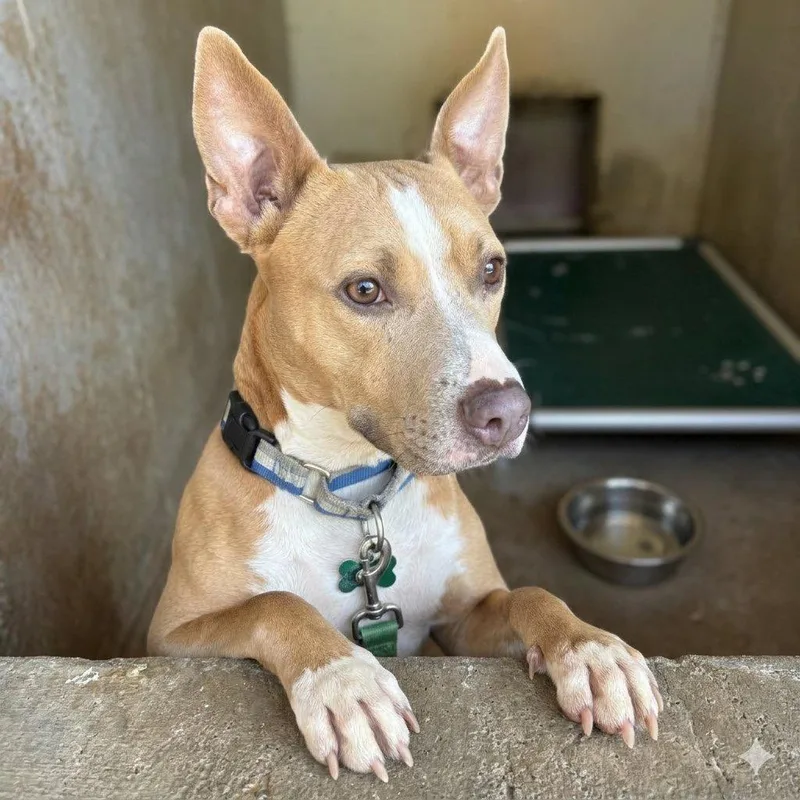
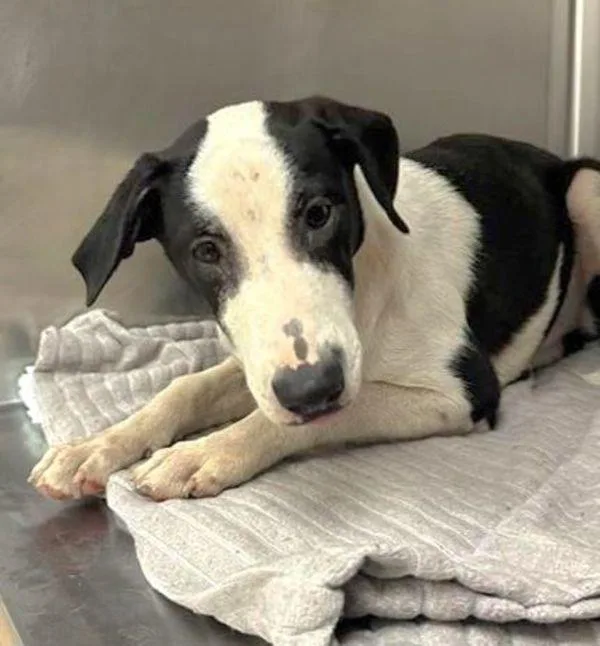
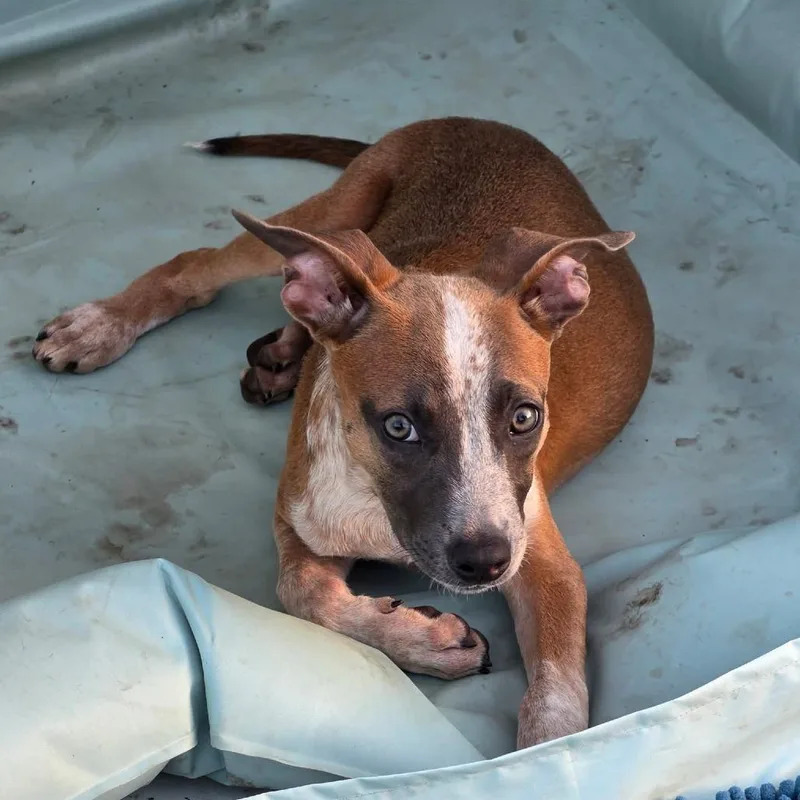
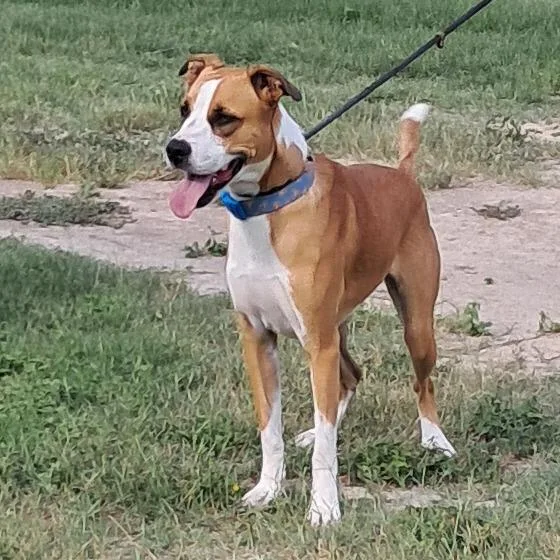
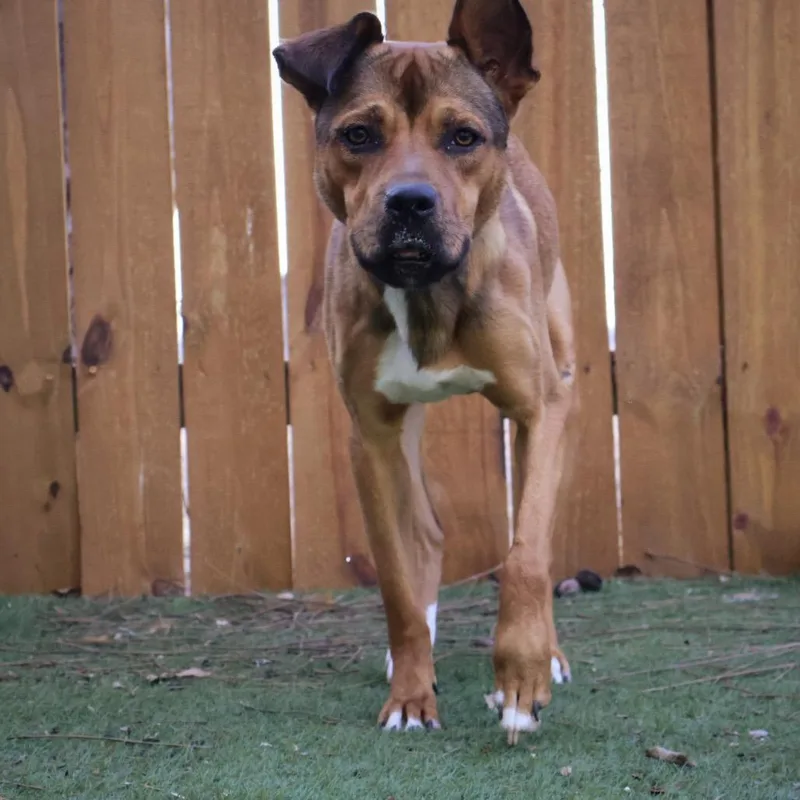
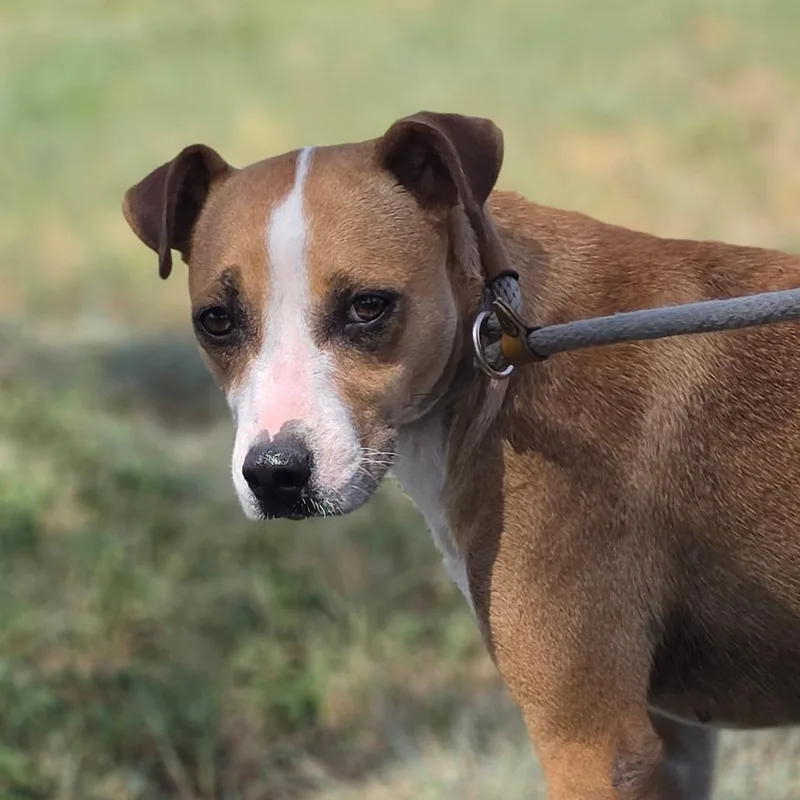
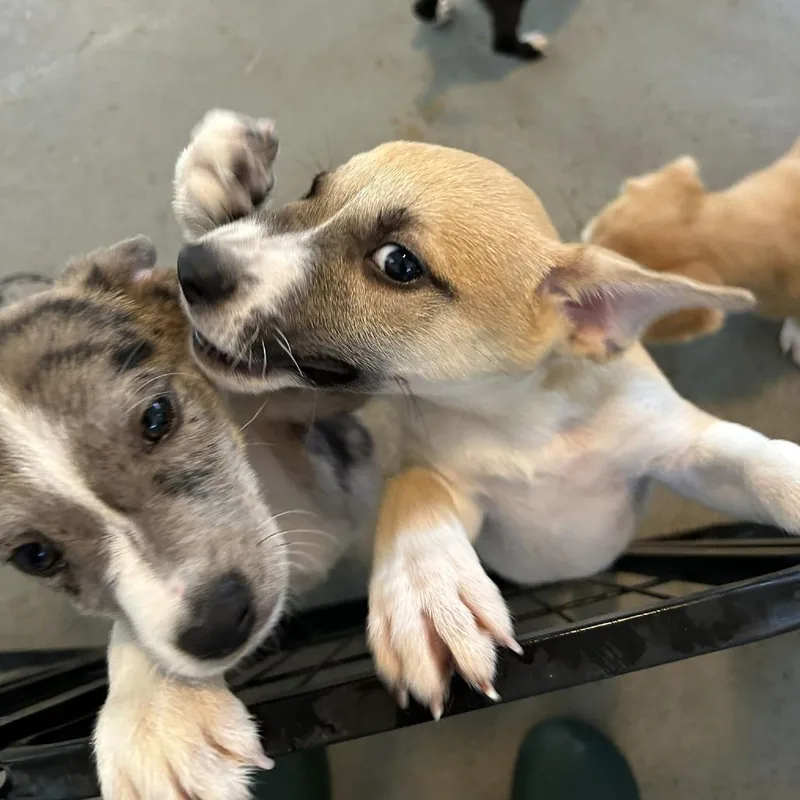
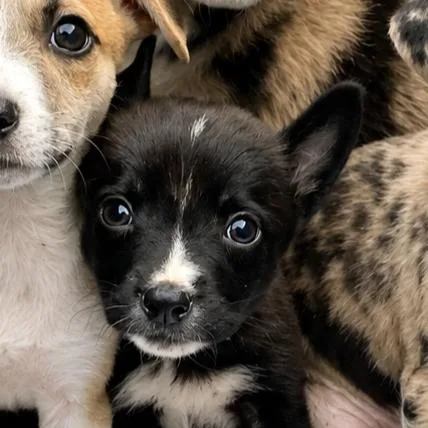
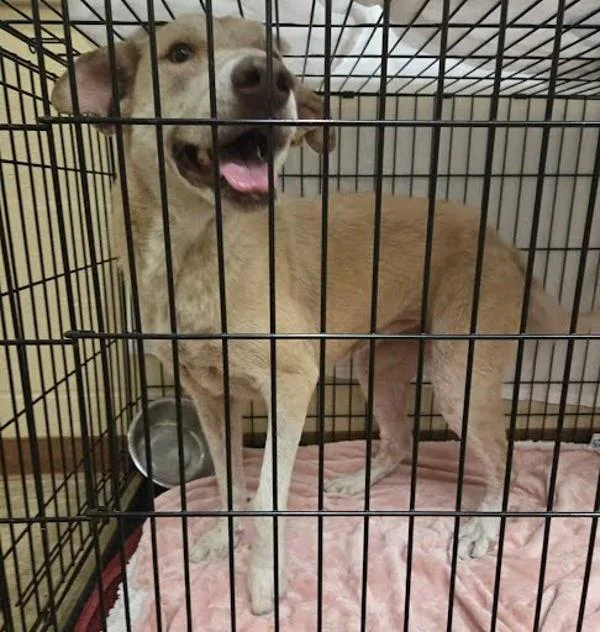
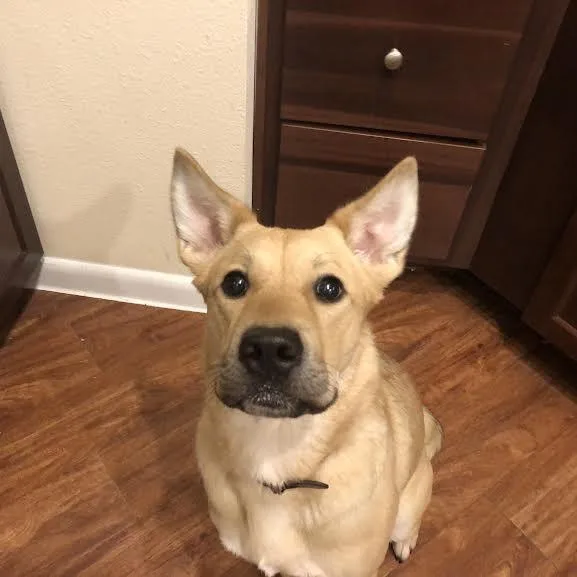
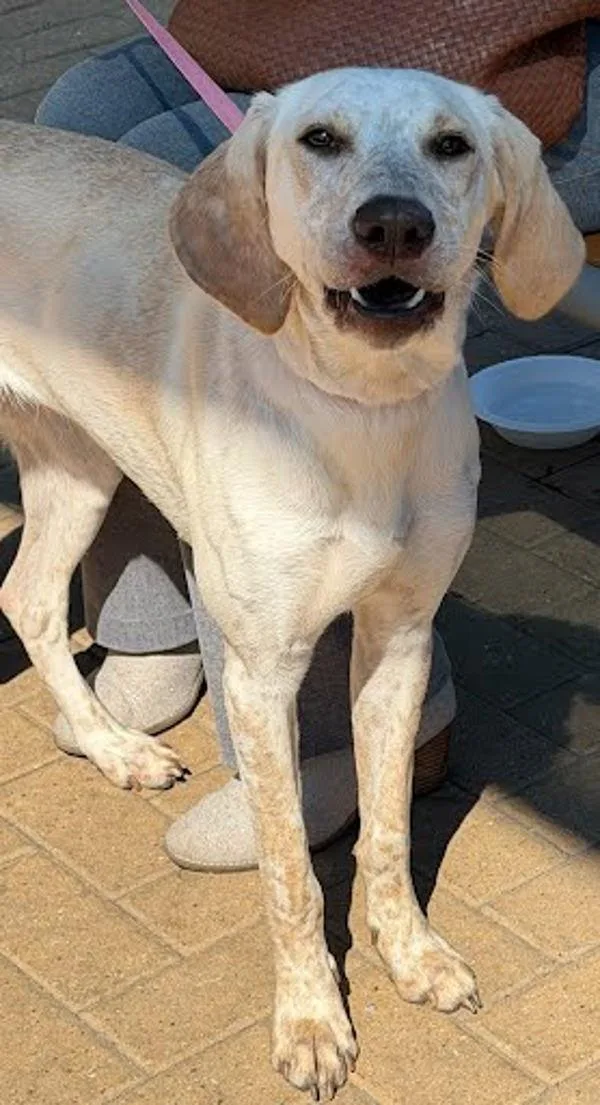
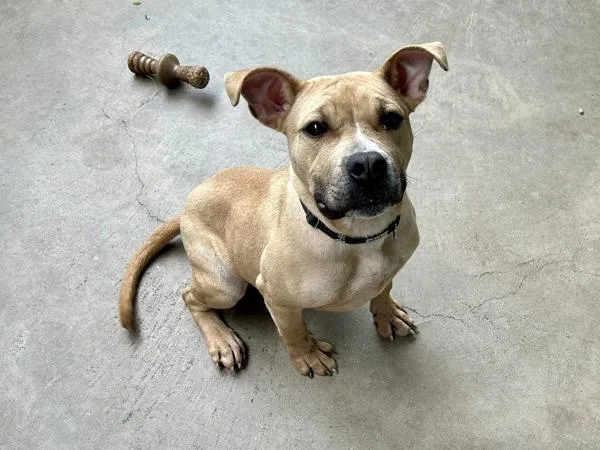
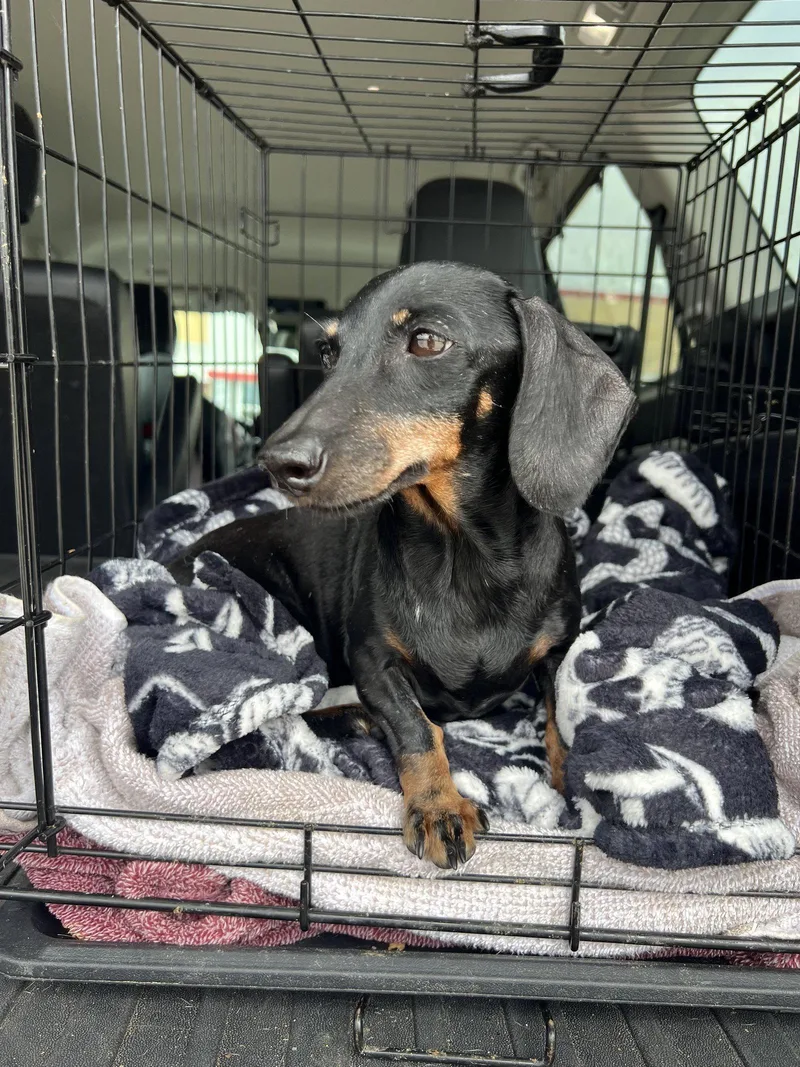
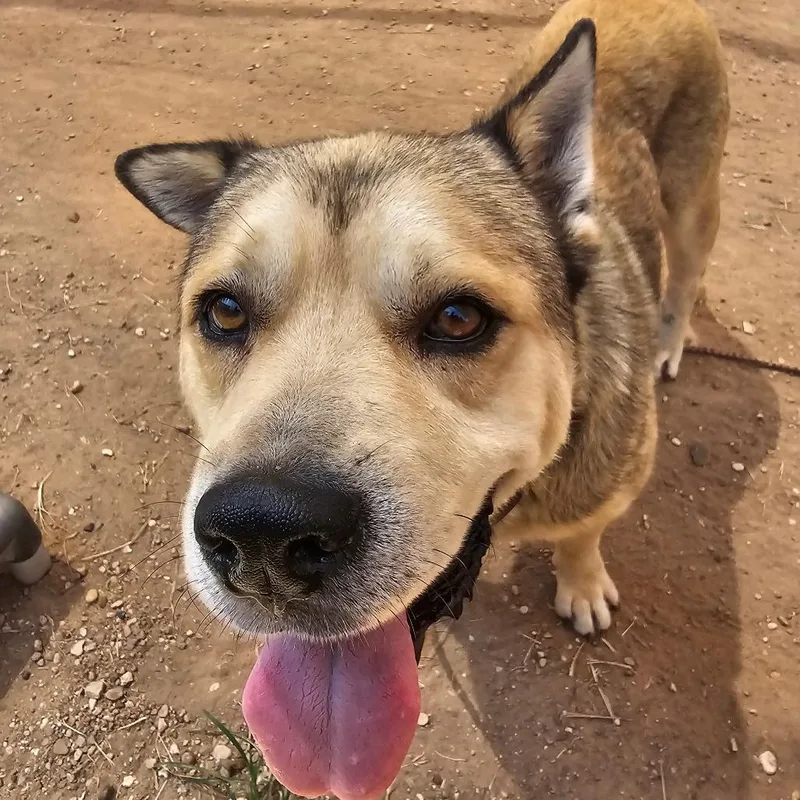
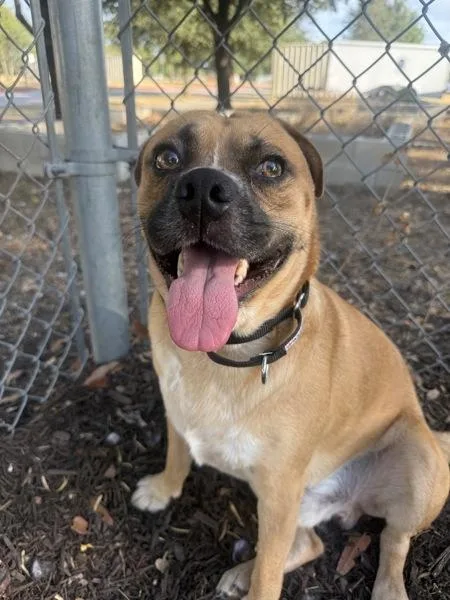
Basenjis Available for Adoption Near Austin

About the Basenji breed

The Basenji is an ancient hunting breed from the Congo basin of Central Africa, where village hunters relied on it to find small game and drive it into nets. Instead of barking, it yodels and makes a sound called a baroo. The coat is short and fine, in chestnut red, black, tricolor or brindle with white feet, and the wrinkled forehead and tightly curled tail give it a distinctive look. Basenjis groom themselves much like cats and have little odor.

Many are affectionate with their families but independent, reserved with strangers and strongly driven to chase. They're clever escape artists and enthusiastic chewers, so in Austin expect to check fences, gates and doors often and to supervise a small dog outdoors, since coyotes live in the city. Dogs of any breed vary, so a Basenji's own personality matters more than the label.

Weight
20–26 lbs
Height
15–18 in
Lifespan
12–15 yrs
Temperament
Independent, Intelligent, Alert, Affectionate
Group
Hound
Shedding
Low

Owning a Basenji in Austin

Having a Basenji in Austin

Quiet but far from calm, the Basenji pairs a catlike streak of independence with a hunter's speed. In Austin, the biggest daily questions are where it can run safely, how it handles the heat, and whether the household has patience for a clever, strong-willed dog.

Temperament

Basenjis are usually affectionate with their families, alert, and reserved with strangers. They think for themselves, so training takes patience and good rewards. Strong prey drive means small pets need careful supervision. Busy patios and crowded trails can overwhelm a wary dog, so slow, calm introductions help. Each dog's history and personality differ.

Exercise Needs

Plan on a brisk daily run or long walk plus mental work such as puzzle toys and scent games. Because Basenjis chase, keep them leashed or in a fenced space. Most of Austin's off-leash areas are unfenced, so a small fenced bark park or yard is the safer outlet. From May through September, skip midday exercise.

Health Considerations

Basenjis can inherit Fanconi syndrome, a kidney disorder, along with progressive retinal atrophy, pyruvate kinase deficiency anemia and hypothyroidism. DNA tests exist for some of these, and a veterinarian can suggest periodic urine screening and checkups to catch problems early. In Austin, year-round parasite prevention matters, and a vet should see any dog that seems sick after lake or creek contact.

Living Space

A Basenji can do well in an Austin apartment or bungalow if daily exercise is covered, and its quiet nature helps with close neighbors, though it may yodel. Security matters more than square footage: it climbs fences, slips through gaps and chews, so check yard fencing and gates, and keep it indoors during storms.

What it costs to own a Basenji in Austin

ExpenseTypical costPer year
Adoption fee$25 to $189, one time$25 to $189 in year one
Food$20 to $45 per month$240 to $540
Pet insurance$40 to $85 per month$480 to $1,020
Routine vet care$200 to $400 per year$200 to $400
Other*$390 to $1,090 per year$390 to $1,090
Estimated yearly total (after year one)$1,310 to $3,050
First-year total (with adoption fee)$1,335 to $3,239

Adoption fee is the range of fees on Basenji listings in Austin on GetBuddy today. Other costs are estimates and vary with size, age and health.

* Flea, tick and heartworm prevention, a yearly dental cleaning, durable chew toys and bedding, and minimal grooming for a short coat.

Adopt a Basenji in Austin.

Now that you know more, let’s find you a new best friend. These rescues and shelters below currently have Basenjis available.

Frequently Asked Questions

Austin's climate suits Basenjis fairly well with some care. The short coat handles mild winters, but summers are long and hot, with about 123 days a year at or above 90°F. Exercise at dawn or after dark and keep the dog off hot pavement. Many Basenjis dislike rain and cold, so a sweater and indoor comfort help.

No, CapMetro doesn't allow pets on its buses, MetroRapid or MetroRail unless they're service animals, and that includes small dogs in carriers. A Basenji's size doesn't change the rule. Plan dog trips by car, bike trailer or on foot, and use a secure harness or crate in the car, since Basenjis are skilled escape artists.

Fenced spots like West Austin Neighborhood Park, Riverside Shores and Triangle Commons are the safest places for a Basenji to run, since larger off-leash areas such as Zilker and Walnut Creek Metro Park are unfenced. Barton Creek Greenbelt requires a leash of 6 feet or shorter, and the Butler Trail around Lady Bird Lake is leashed walking only.

Yes, Austin has no breed-specific rules, and Texas law limits cities to dangerous-dog rules that don't target a breed. You'll need rabies vaccination and a registered microchip by four months of age, plus a leash outside designated off-leash areas. Dogs can't be tethered unattended, so a securely fenced yard or time indoors is the way to go.

It can be, if the household is ready for heat, secure exercise and a strong-willed hound. Austin's fenced bark parks and its tolerance of quiet apartment dogs help, while summer heat, flash-flood storms and mostly unfenced off-leash fields take planning. People who are home often and enjoy patient, creative training tend to do best.

Only to outdoor patios that choose to allow dogs. Texas law lets a restaurant admit dogs to outdoor dining areas if it posts a sign, and the dog must enter directly from outside, stay leashed and stay off seats and tables. Dogs never go indoors. A reserved Basenji may do better at a quiet, off-peak table.

Very little. A weekly brush with a soft brush handles loose hair, baths are only occasionally needed because Basenjis keep themselves clean, and nails and teeth need regular care. In Austin, rinse paws after hot walks and rinse the coat after any lake or creek contact. Grooming costs are small and sit within the Other line of the cost table.

A Basenji is a small, ancient hunting dog from Central Africa, famous for not barking. It belongs to the AKC Hound Group and was recognized in 1943. Basenjis are lean and elegant, with a wrinkled forehead, upright ears and a tightly curled tail. They tend to be clever, independent, clean and energetic, with a strong instinct to chase.

We have 3 rescues with Basenjis available: God's Dogs Rescue, Austin Pets Alive! and Austin Animal Center. You can see every rescue with Basenjis available in the list above these questions, or scroll to the top to see the Basenjis near Austin.

Expect roughly $20–$45 a month for food, $40–$85 for insurance, $200–$400 a year for routine vet care, and $390–$1,090 a year for other costs. That works out to about $1,310–$3,050 a year, with insurance the biggest variable and grooming costs very low.

Find Basenjis in Nearby Cities

Expand your search to find Basenjis available for adoption near Austin.