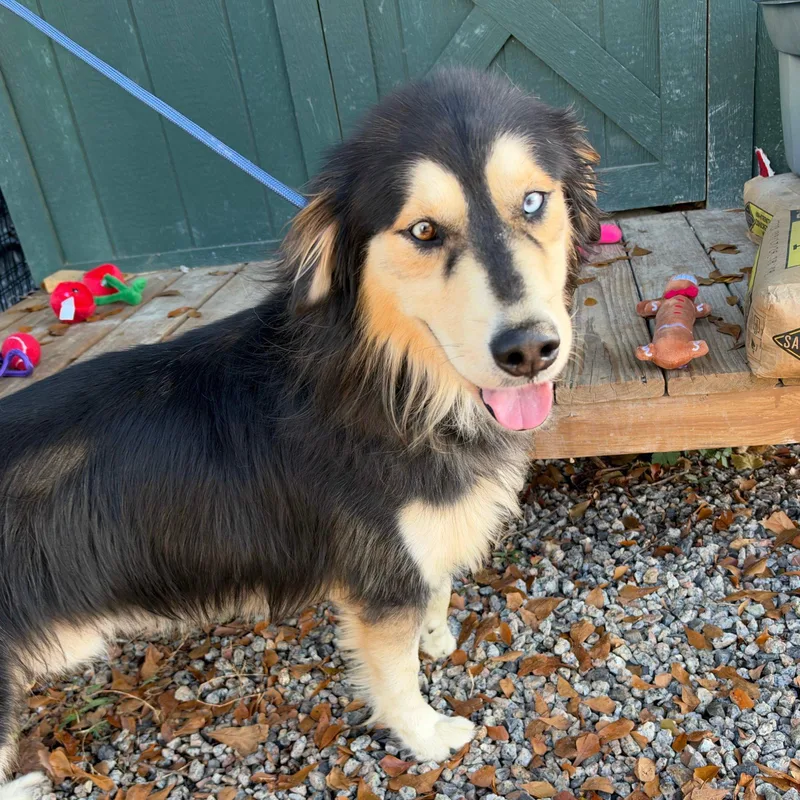
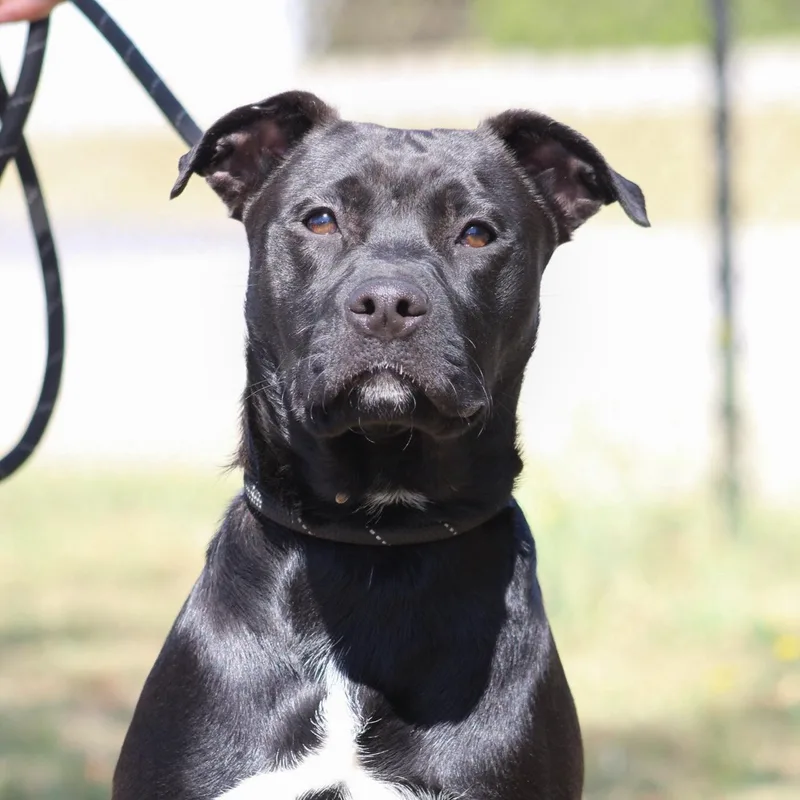
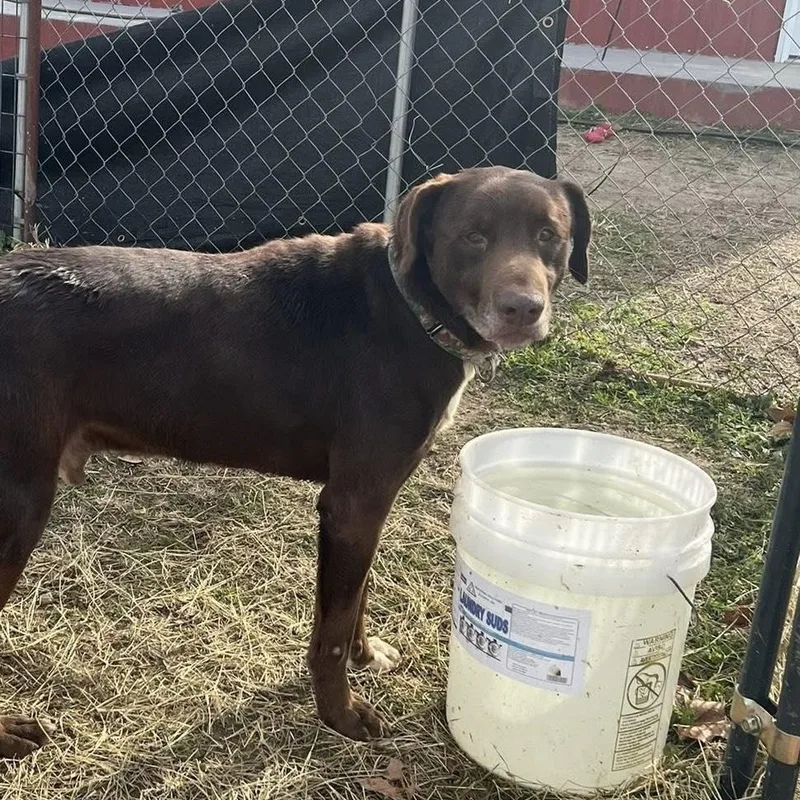
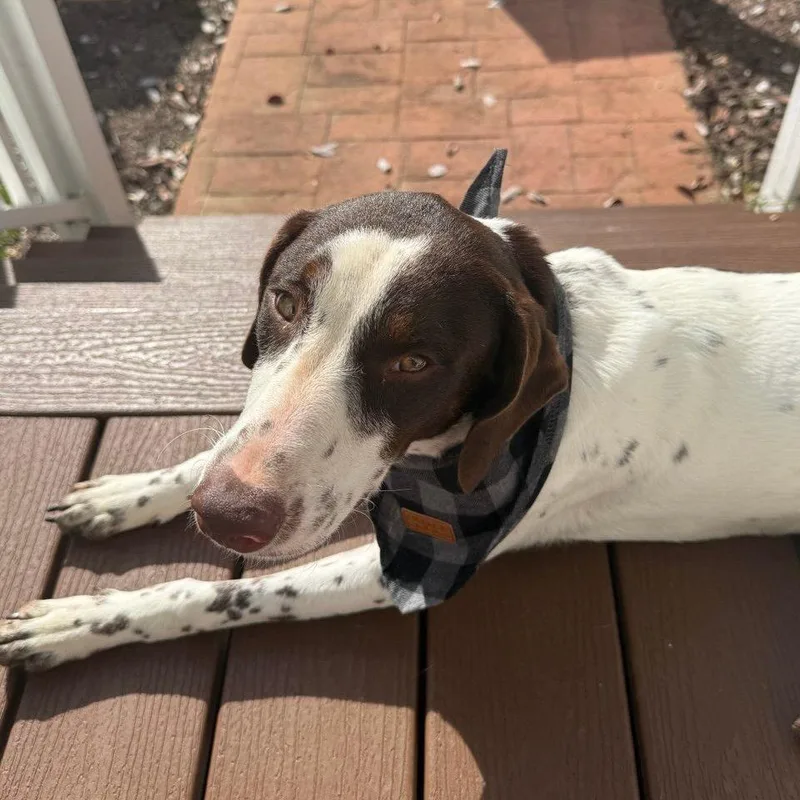
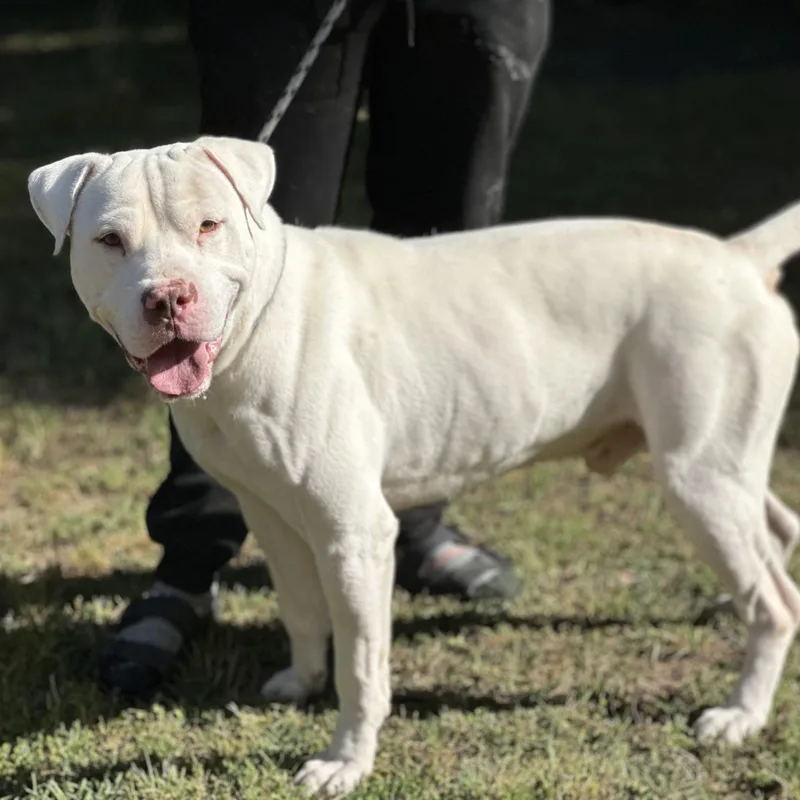
Saint Bernard dog

Saint Bernard Dogs for Adoption in Columbia, SC

Your guide to finding and caring for a Saint Bernard in Columbia

A Saint Bernard fits Columbia best when the house stays cool. Calm streets like Shandon's older blocks or the bungalows of Hollywood–Rose Hill make for easy morning strolls, which is most of the exercise a Saint needs. They're gentle and love company, but at 120 to 180 pounds they take real room, so a small rental is a tight squeeze. Adopting one here means planning around the long, humid summer, with walks at dawn and afternoons indoors.

207 Saint Bernards available in Columbia and nationwide

Give a Saint Bernard a home

While we don't have enough dogs near Columbia, keep in mind that many rescues may offer transport.

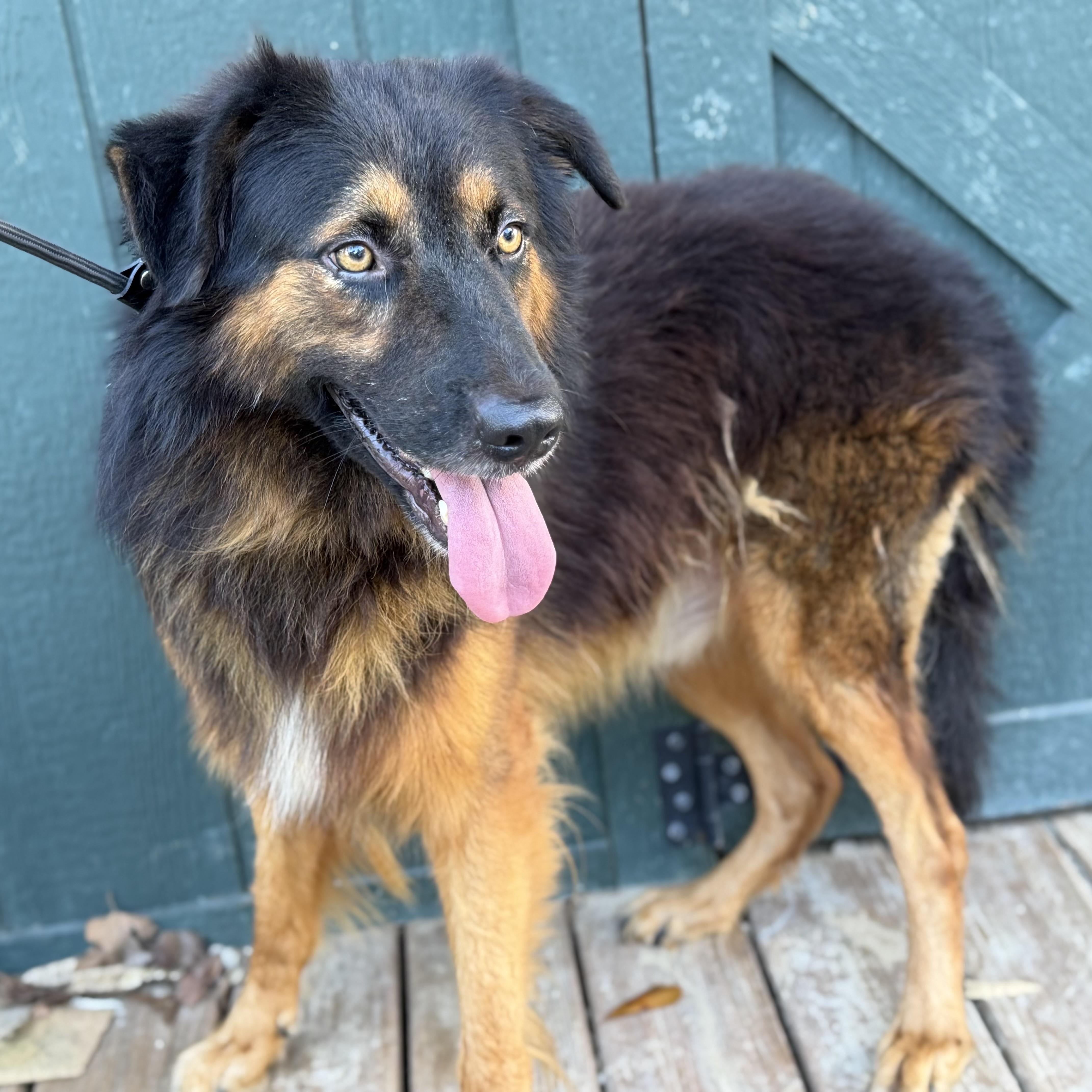
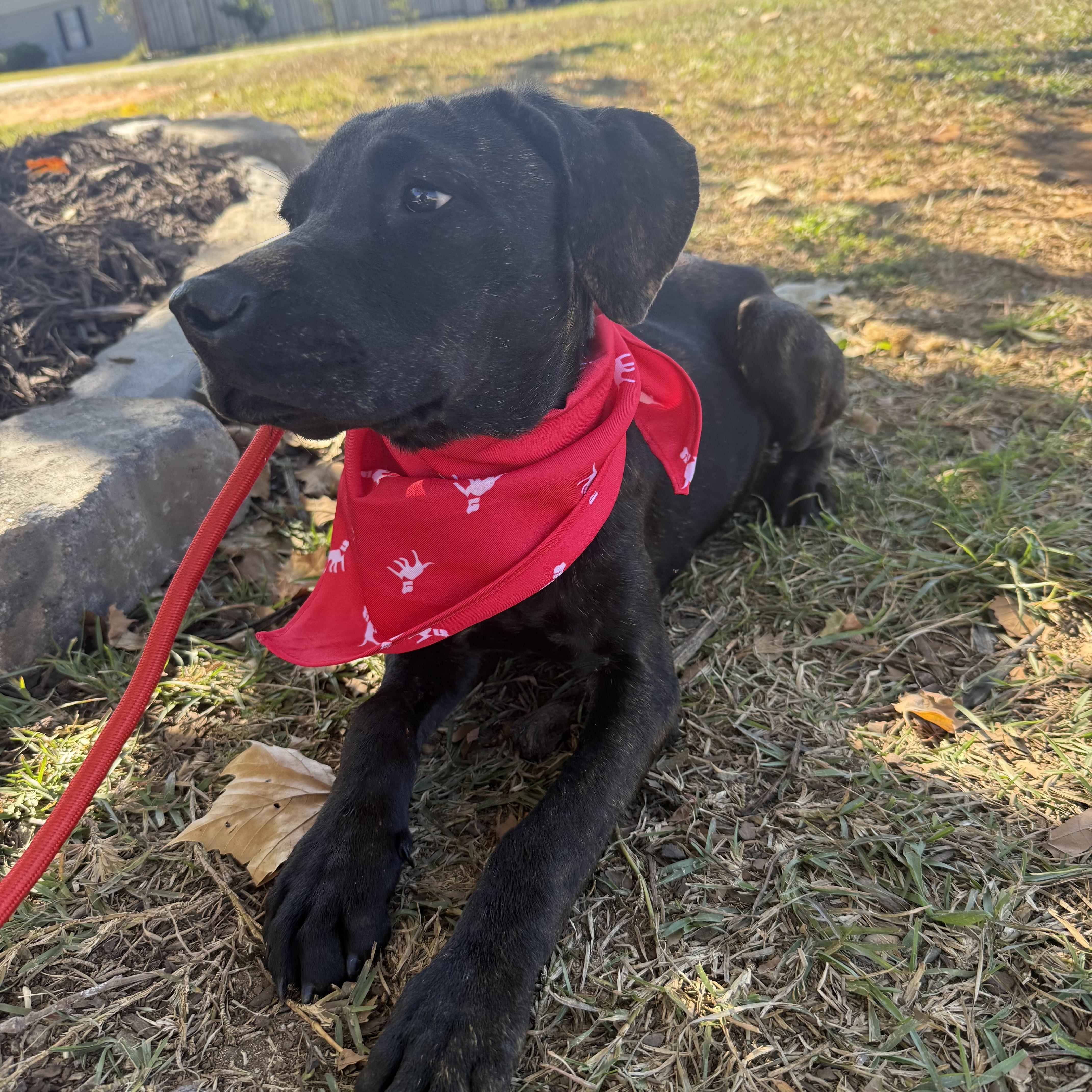
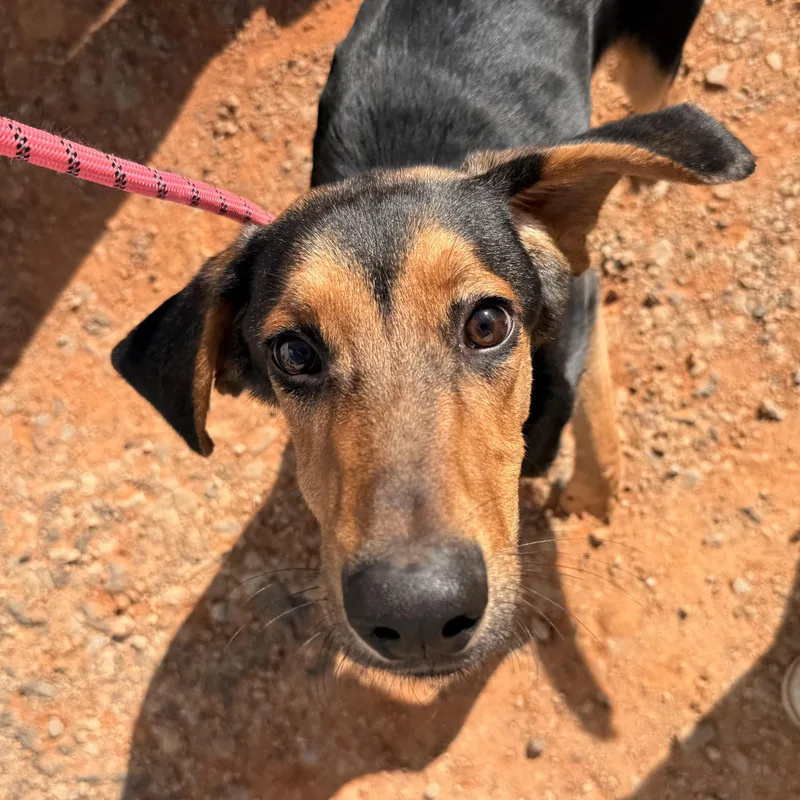
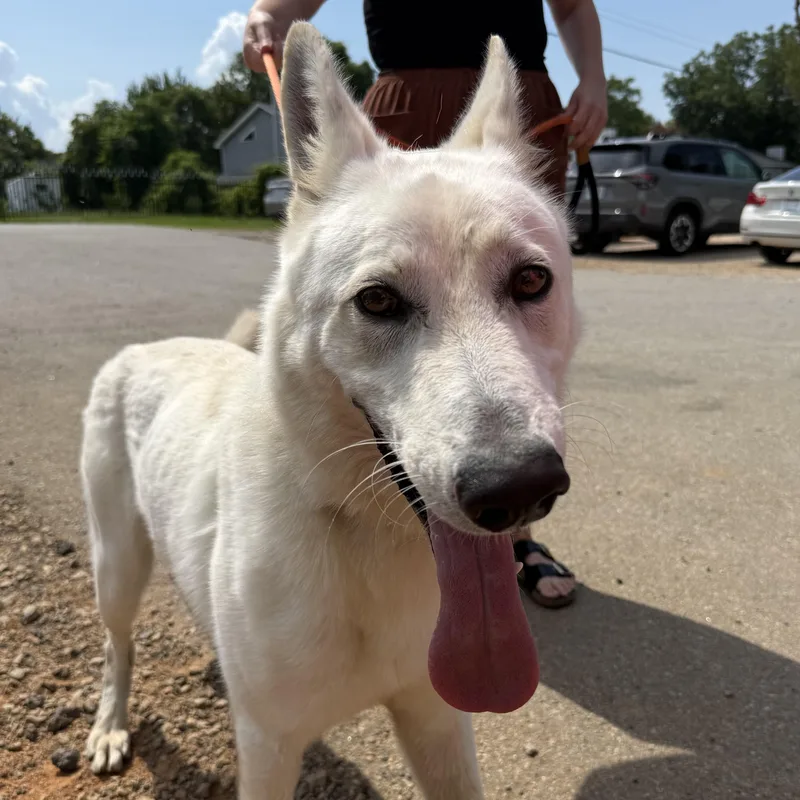
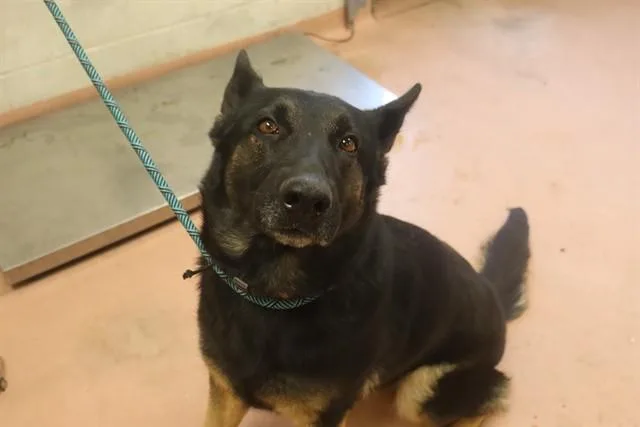
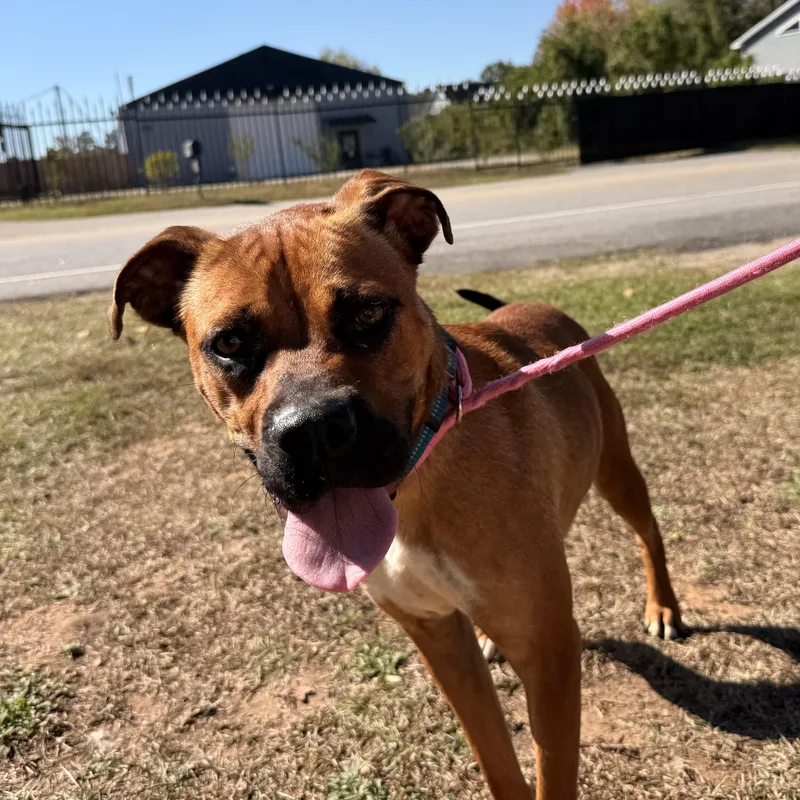
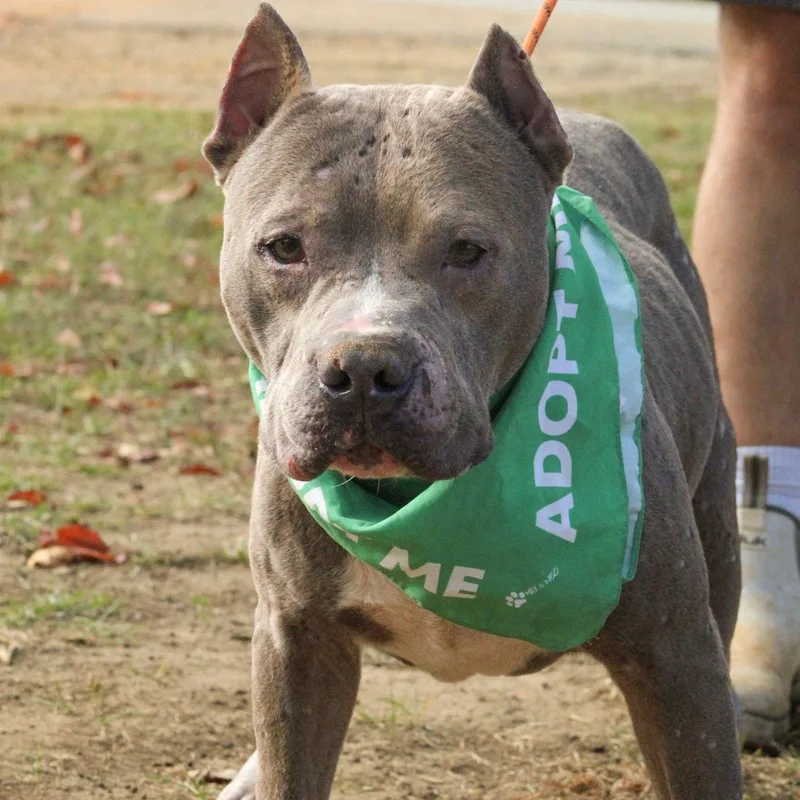
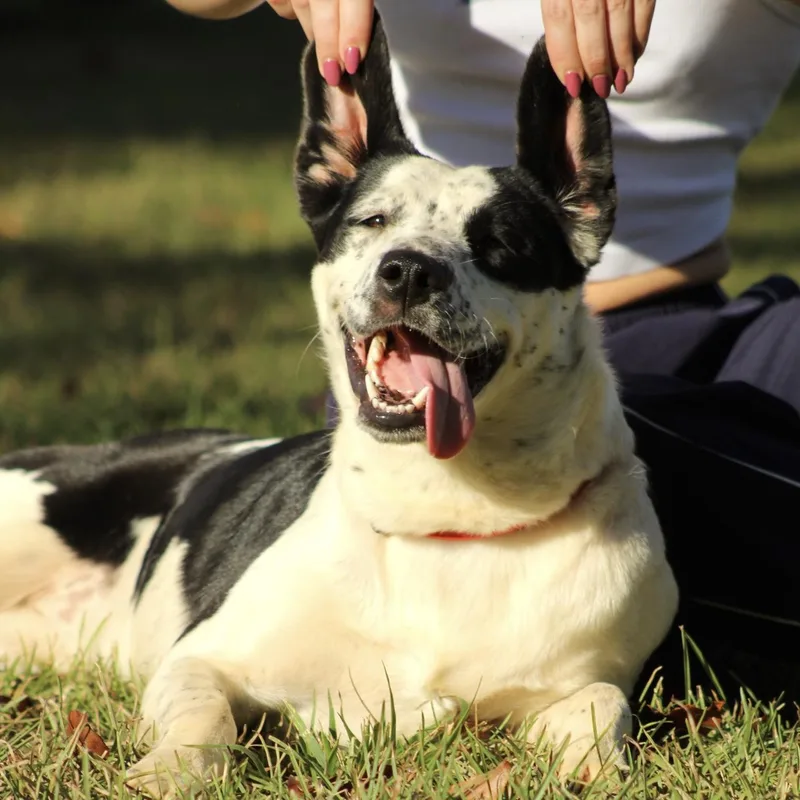
Saint Bernards Available for Adoption Near Columbia

About the Saint Bernard breed

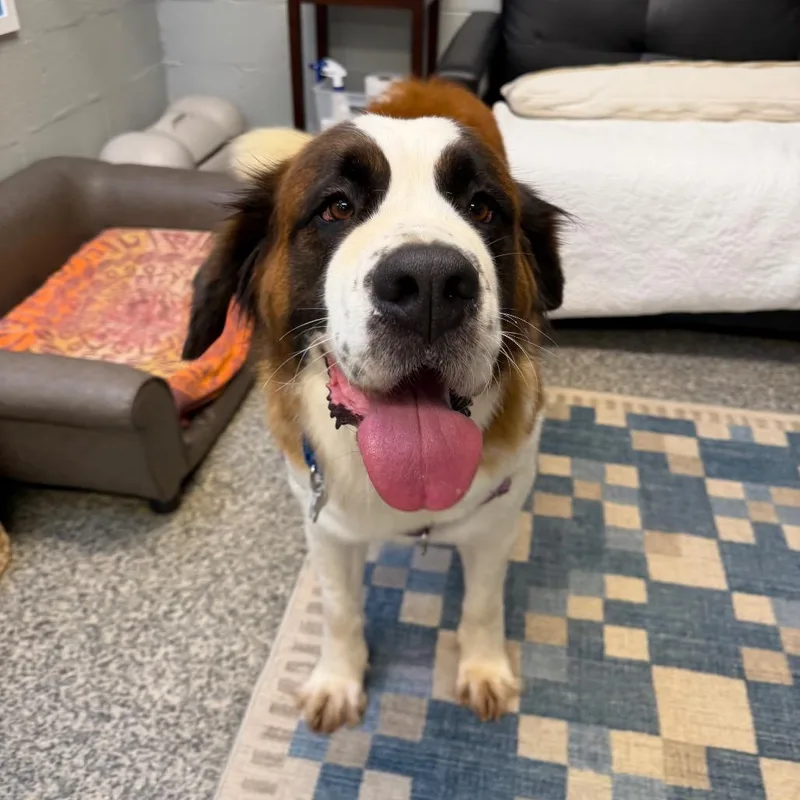
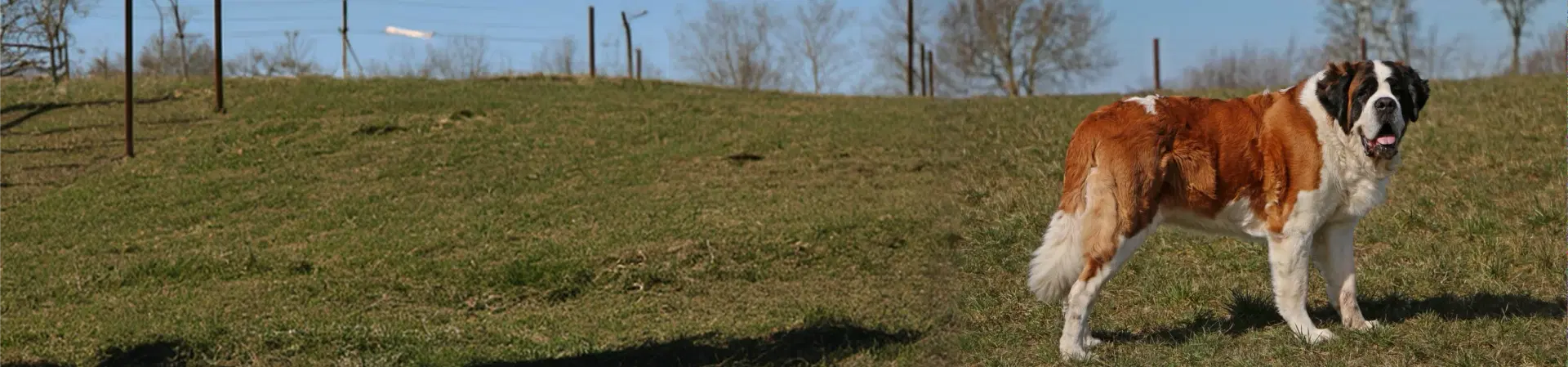
Saint Bernards come from the Great St Bernard Hospice, high on an Alpine pass between Switzerland and Italy, where monks kept them from the late 1600s to find travelers lost in snow and fog. Today's giant, massive-headed Saint comes in shorthaired and longhaired coats, always white with red or brindle markings.

Saints are known as calm, patient and kind, and many are gentle with children. They also shed heavily, drool freely and can weigh as much as a grown adult, so early training matters. Their giant-breed health risks and shorter lifespan, often 8 to 10 years, mean adopters should budget for food, joint care and vet visits. Each dog is different, so judge the Saint in front of you rather than the reputation.

Weight
120–180 lbs
Height
26–30 in
Lifespan
8–10 yrs
Temperament
Gentle, Patient, Calm, Friendly
Group
Working
Shedding
Moderate to High

Owning a Saint Bernard in Columbia

Having a Saint Bernard in Columbia

In Columbia, a Saint Bernard's gentle nature comes with a giant's practical demands: solid training, heat-conscious exercise, regular joint and heart care, and a home with enough cool room to stretch out.

Temperament

Saints tend to be calm, patient and affectionate, and many are especially gentle with children. They're usually friendly rather than protective, though a deep bark and big frame get noticed. On busy Columbia sidewalks, leash manners matter, since even a friendly Saint can pull a person off balance. Early training helps, and every dog differs.

Exercise Needs

Plan on steady walks and relaxed play rather than runs. In Columbia that means early mornings in summer and longer outings in cooler months. Sesquicentennial State Park and Harbison State Forest both have trails for leashed dogs. Puppies should skip long, forced exercise while their joints develop.

Health Considerations

Saints are prone to hip and elbow dysplasia, cruciate ligament injuries, bone cancer, dilated cardiomyopathy and bloat, a stomach emergency in deep-chested giants. Eyelid problems also turn up. Keeping a Saint lean protects the joints. In Columbia's summers, watch for heavy panting and drooling, and have a vet check anything unusual.

Living Space

A Saint does best with room to move, cool indoor space and easy access outdoors. A calm adult can adapt to an apartment with enough walks, but stairs, slippery floors and small cars get hard with a giant dog. Air conditioning is a must in Columbia's summers, and Saints should live indoors with the family.

What it costs to own a Saint Bernard in Columbia

ExpenseTypical costPer year
Food$80 to $160 per month$960 to $1,920
Pet insurance$85 to $170 per month$1,020 to $2,040
Routine vet care$250 to $500 per year$250 to $500
Other*$680 to $1,890 per year$680 to $1,890
Estimated yearly total (after year one)$2,910 to $6,350

Other costs are estimates and vary with size, age and health.

* A Columbia dog license, which costs just a few dollars for a sterilized dog, flea, tick and heartworm prevention, dental cleanings, large bedding and toys, brushing and baths, and joint supplements.

Saint Bernard dog

Adopt a Saint Bernard in Columbia.

Now that you know more, let’s find you a new best friend. These rescues and shelters below currently have Saint Bernards available.

Rescues in Columbia with Saint Bernards Available

Here are the Columbia-area shelters and rescues that list dogs of all sizes, with new pets added as they arrive. Here are the rescues & shelters in the Columbia area where you can find Saint Bernards and other dogs available for adoption.

Frequently Asked Questions

Yes, with planning. Columbia has about 81 days a year at 90°F or higher, and a Saint Bernard overheats quickly. Walk at dawn, keep the dog indoors with air conditioning through the afternoon, offer constant water and shade, and never leave the dog in a parked car. Winters are mild, so cold is rarely the issue.

Yes. Columbia's dog rules focus on behavior rather than breed, and state law says a dog isn't dangerous solely because of its breed. Expect a yearly city license with rabies proof, a rabies tag on the collar, and a leash off your property. Landlords may set their own weight limits, so read your lease.

Columbia has three city-designated dog parks: Page Ellington Park, Finlay Park and Emily Douglas Park. For leashed walks, the Saluda Riverwalk and Harbison State Forest work well. Sesquicentennial State Park has a fenced dog park that needs a yearly or daily permit. Early mornings are best for a Saint in warm months.

Not unless the dog is a service animal. The COMET, Columbia's bus system, allows non-service animals only if they weigh 30 pounds or less and travel in a carrier, and a Saint Bernard weighs 120 to 180 pounds. Plan on a car with room for a giant dog, and keep trips short in summer heat.

Often, yes, if the lease allows it. A calm adult Saint can adapt to an apartment with enough walks, and Columbia has a large rental market, so many owners manage it. Weight limits are the main hurdle, and the unit needs reliable air conditioning, since summer heat is hard on a Saint. Ground-floor units spare the dog from stairs.

Sometimes, on patios only. South Carolina lets restaurants choose to allow dogs in outdoor table-service areas, and each place decides and must post a sign. Dogs can't enter the building. A Saint Bernard needs shade, water and room under the table, so summer midday patios are a poor fit.

Plan on brushing a few times a week, and daily during heavy seasonal shedding. Humid summers make drool and skin folds a concern, so wipe the face and folds and dry the coat well after baths. Brushing and baths are counted in the yearly Other costs shown on this page.

Saint Bernards were kept by monks at the Great St Bernard Hospice in the Swiss Alps to help find and rescue travelers lost in snow and fog on the dangerous mountain pass. They also guarded the hospice and served as companions. Elsewhere in Switzerland, similar dogs worked on farms as watchdogs and draft dogs, pulling carts and guarding property.

We have 1 rescue with Saint Bernards available: Final Victory Animal Rescue. You can see every rescue with Saint Bernards available in the list above these questions, or scroll to the top to see the Saint Bernards near Columbia.

A Saint Bernard in Columbia typically costs about $2,900 to $6,350 a year. Food runs $80 to $160 a month and insurance $85 to $170 a month. Routine vet care is $250 to $500 a year, and other costs such as prevention, grooming and joint supplements add $680 to $1,890. Emergencies and illness cost extra.