English Setter Dogs for Adoption in Charleston, SC

Your guide to finding and caring for an English Setter in Charleston

English Setters suit the roomier parts of Charleston, like West Ashley, where a fenced yard and the Greenway are close by. They're gentle and sociable at home, but they need real running room every day. Lenevar Park's off-leash area and leashed walks along the Greenway cover part of that. Summer mornings matter most, since a feathered coat and Charleston's muggy air don't mix at noon. A setter in a fenced Johns Island or James Island yard is a happy dog.

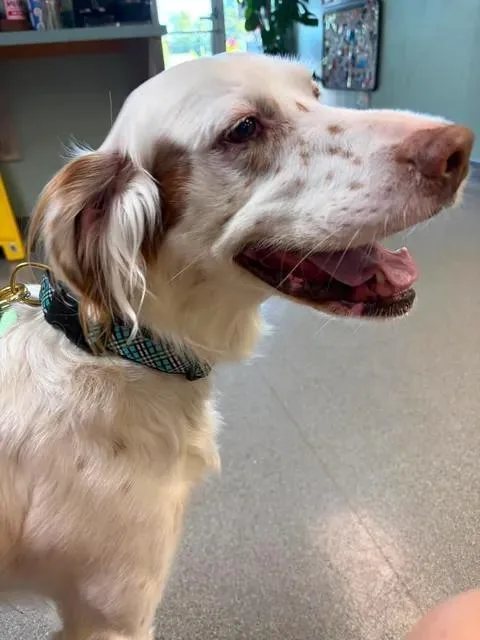
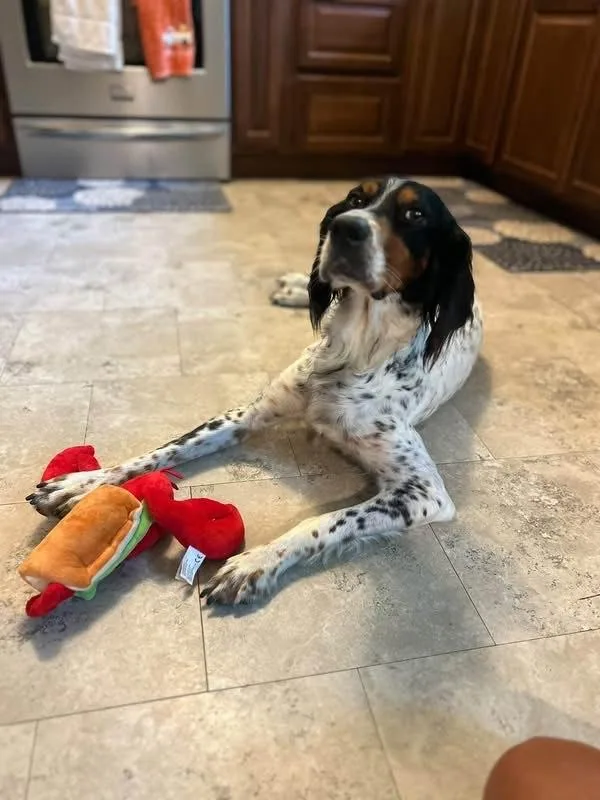
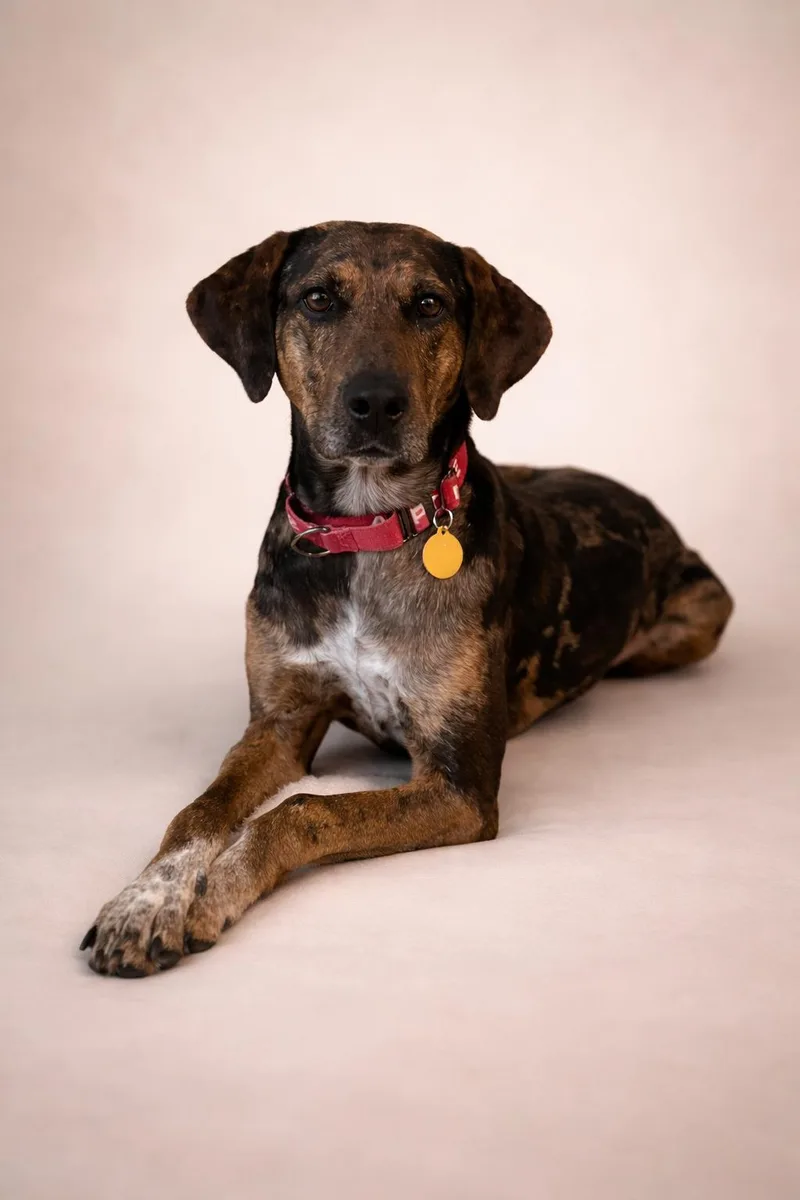
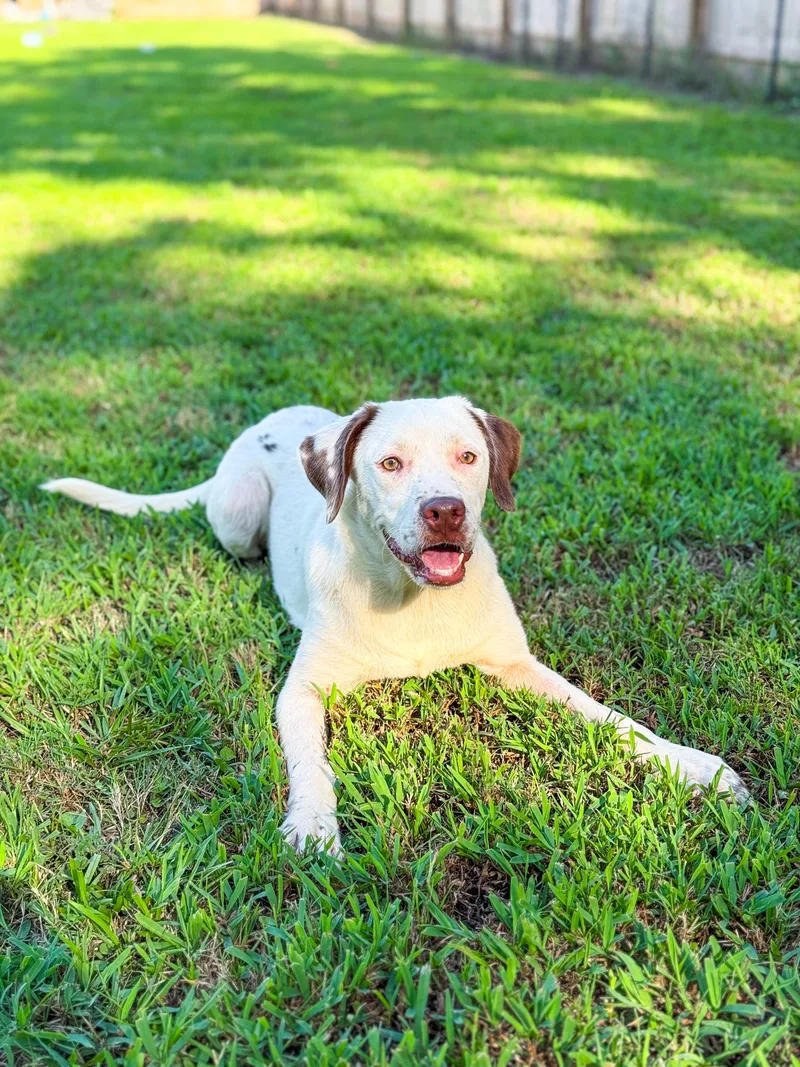
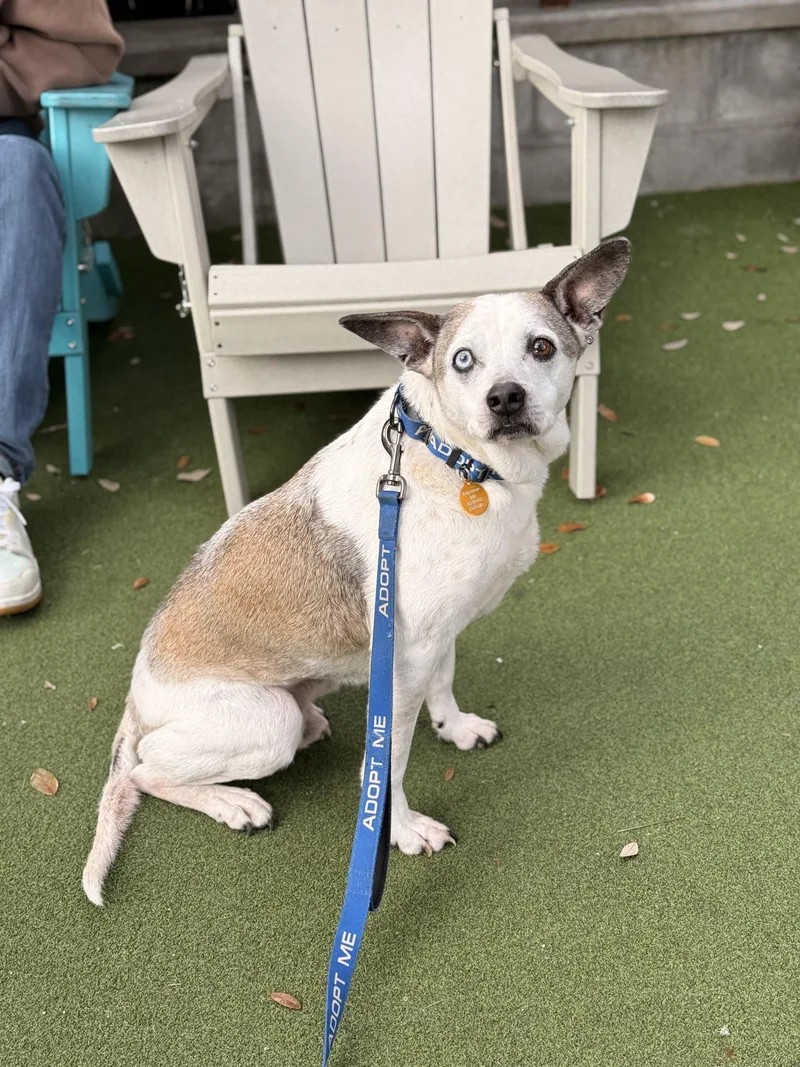
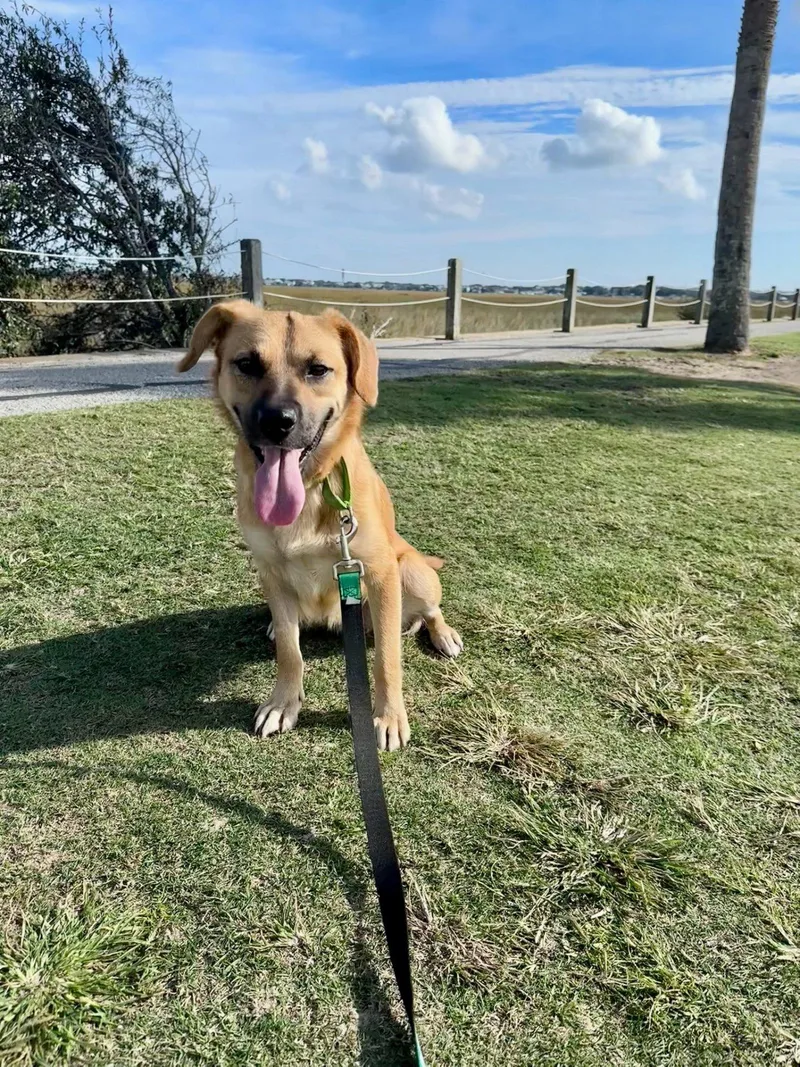
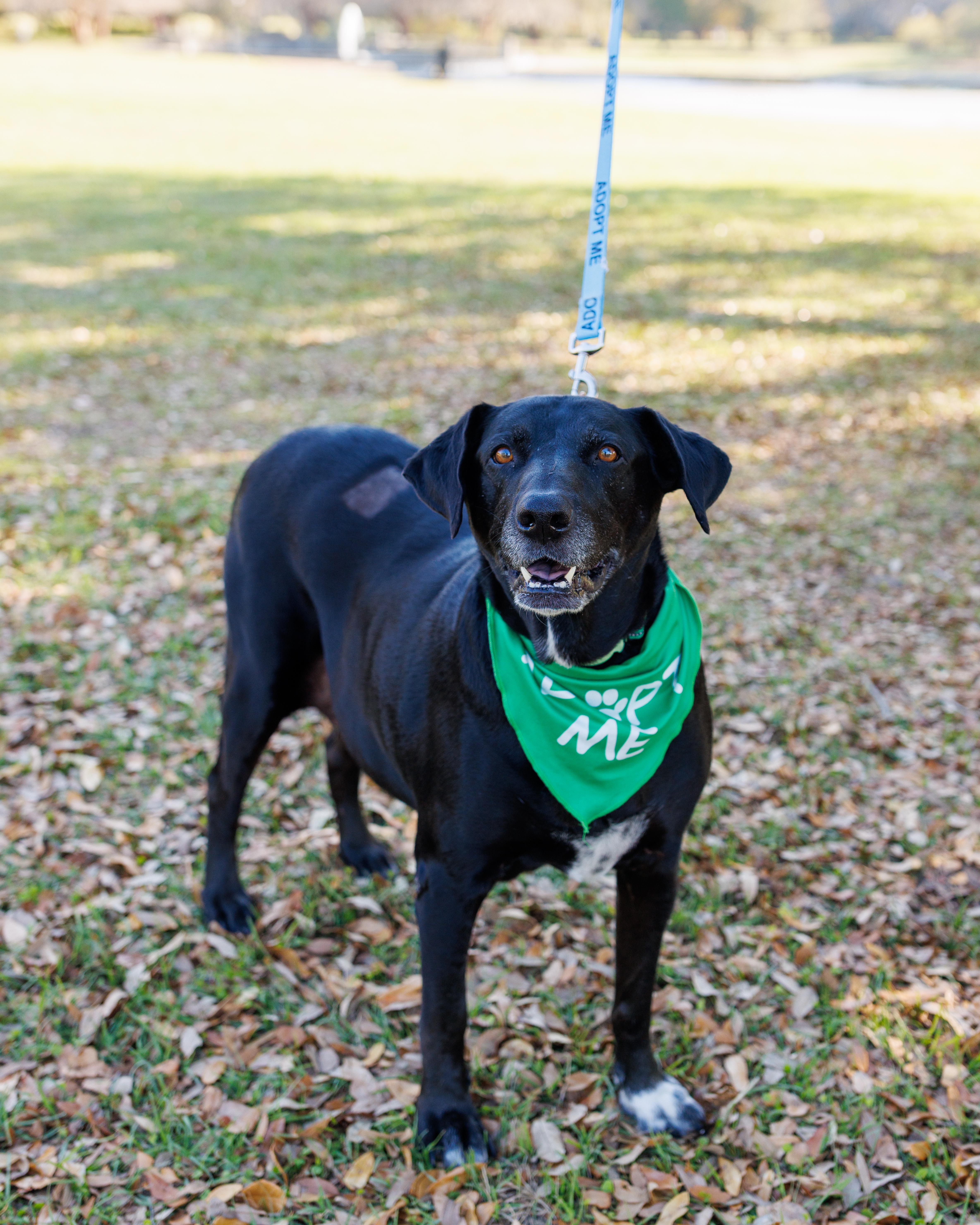
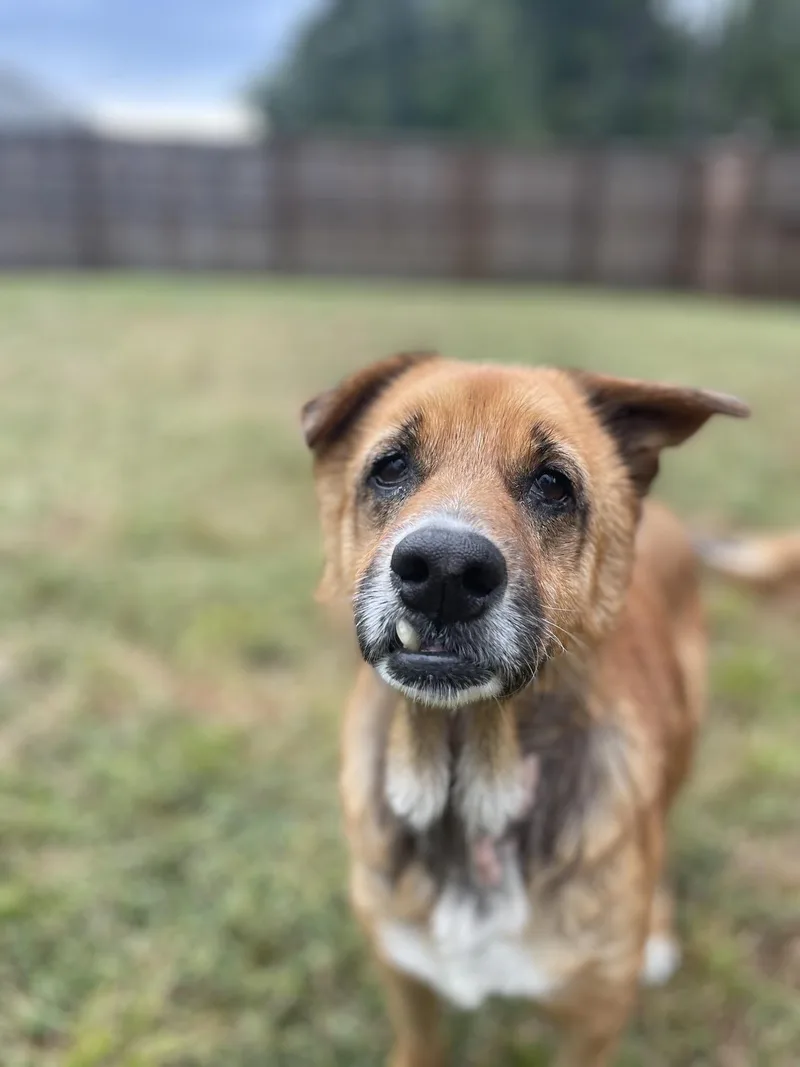
51 English Setters available in Charleston and nationwide

Bring home an English Setter

While we don't have enough dogs near Charleston, keep in mind that many rescues may offer transport.

English Setters Available for Adoption Near Charleston

About the English Setter breed

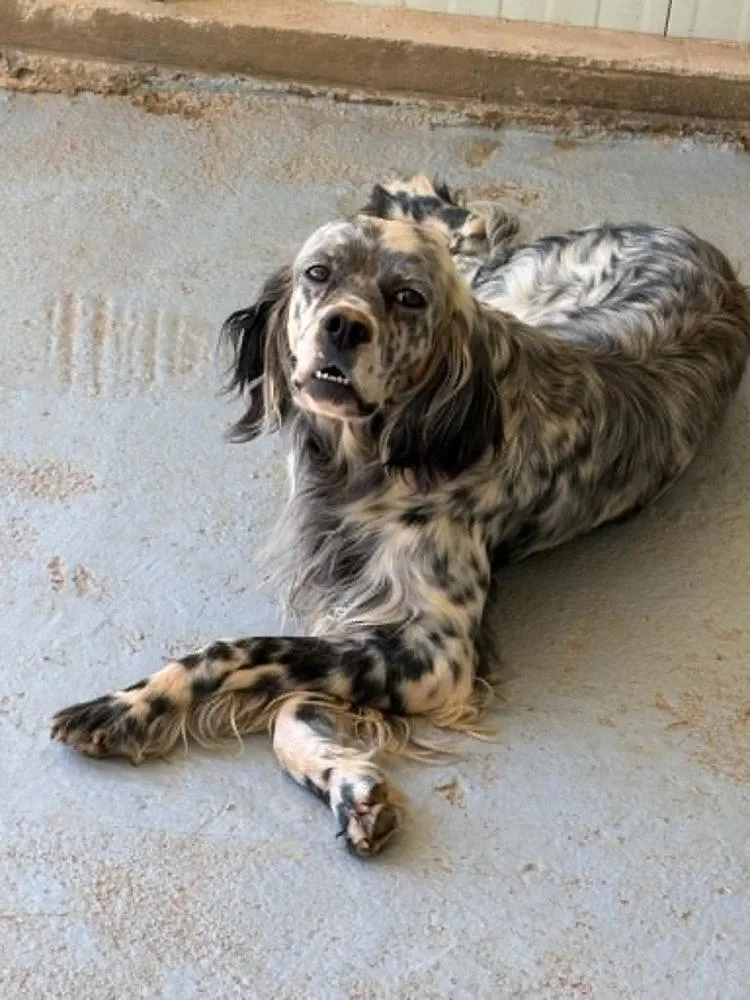
English Setters were developed on English country estates roughly four centuries ago to range ahead of hunters, find game birds by scent and freeze, or "set," until the hunter arrived. The long, silky coat is flecked in a pattern called belton, found in blue, orange, lemon, liver or tricolor. Larger, heavier-coated setters and smaller, leaner field-type setters can look and act quite differently.

In Charleston, that coat is worth thinking about. Feathering on the ears, legs and tail picks up burrs, marsh mud and floodwater, so plan on weekly brushing and regular trims. Setters are sweet and sociable indoors, but many stay boisterous for two or three years and need patient, positive training. Each dog differs, so get to know a setter's own personality rather than assuming the breed label tells you everything.

Weight
45–80 lbs
Height
23–27 in
Lifespan
10–13 yrs
Temperament
Gentle, Friendly, Energetic
Group
Sporting
Shedding
Moderate

Owning an English Setter in Charleston

Having an English Setter in Charleston

Setters pair a soft, people-loving nature with a bird dog's stamina and nose. In Charleston, daily running room, a coat that copes with humidity and a securely fenced space matter most when judging whether a particular setter fits your home.

Temperament

English Setters are usually gentle, affectionate and friendly with visitors and other dogs, which helps on busy Charleston sidewalks and at dog parks. Many stay puppyish for years, and they can be sensitive and a little stubborn, so patient, reward-based training works best. Strong bird interest means scent-driven distractions near marshes and ponds. Temperament varies from dog to dog.

Exercise Needs

Plan on vigorous daily exercise: running in a securely fenced area, or long leashed walks. In Charleston, fenced city dog runs such as Ackerman Park in West Ashley or Governor's Park on Daniel Island are safer than unfenced off-leash areas for a scent-driven setter. Keep young setters to free play rather than long, high-impact runs until about two years old.

Health Considerations

Setters can be affected by hip and elbow dysplasia, congenital deafness, hypothyroidism and bloat, a sudden stomach emergency. Long ears trap moisture, and Charleston's humidity makes regular ear checks more important. Have a veterinarian test hearing and screen joints, and keep up flea, tick and heartworm prevention through the long, warm season.

Living Space

A house with a securely fenced yard suits most setters, and West Ashley, James Island and Johns Island have plenty of them. Apartments can work for committed owners who supply daily running time elsewhere. Indoors, most setters are calm and want to be near their people. Expect shed hair, burr-collecting feathers and a tail at table height.

What it costs to own an English Setter in Charleston

ExpenseTypical costPer year
Food$55 to $110 per month$660 to $1,320
Pet insurance$65 to $130 per month$780 to $1,560
Routine vet care$250 to $500 per year$250 to $500
Other*$940 to $2,390 per year$940 to $2,390
Estimated yearly total (after year one)$2,630 to $5,770

Other costs are estimates and vary with size, age and health.

* A dog license, flea, tick and heartworm prevention, a dental cleaning allowance, toys and bedding, and regular professional trims for the long feathered coat.

Adopt an English Setter in Charleston.

Now that you know more, let’s find you a new best friend. These rescues and shelters below have dogs available in and near Charleston.

Rescues and Shelters in or near Charleston

Charleston's shelters and rescues work year-round to find homes for dogs of every size, including sporting breeds like setters. Here are the rescues & shelters in the Charleston area with dogs available for adoption, worth asking whether an English Setter is coming in.

Frequently Asked Questions

Yes. No known breed-specific rule applies to English Setters in Charleston, and state law says breed alone doesn't make a dog dangerous. You'll need a rabies tag, a city license, and a microchip or ID collar for dogs over four months old. Keep your setter on a leash no longer than 16 feet outside off-leash areas, and pick up waste.

Charleston has seven fenced dog parks, including Ackerman Park in West Ashley and Governor's Park on Daniel Island, which suit a setter's bird drive better than unfenced off-leash areas. James Island County Park has a swimming lake in its dog park, and Hampton Park has a one-mile leashed loop. Fenced runs require licensed, vaccinated dogs and allow two dogs per person.

They can, with care. Downtown nights stay around 76°F in July and August, so a feathered setter needs early or late walks, shade, water and air conditioning. Inland neighborhoods can feel hotter by day. Skip midday outings from June through September, and treat heavy panting, drooling or weakness as reasons for prompt veterinary attention.

It can be, if you have running room and can manage summer heat. Setters are friendly and do well with Charleston's mild winters, parks and fenced yards in West Ashley or on the islands. Humid summers, floodwater on downtown streets and fireworks noise around July 4 take planning. A setter left alone all day in a small rental is a harder fit.

Plan on brushing at least weekly, with extra attention to the feathering after humid, muddy or flooded-street walks, since damp coat tangles and holds burrs. Check the ears regularly in the humidity. Professional trims are part of the Other cost of $940 to $2,390 a year, which also covers prevention and dental care. Avoid shaving, which changes coat texture.

Possibly, but don't count on it. CARTA, which runs Charleston's buses and the free DASH downtown shuttle, states that service animals are always accommodated, but it has no known pet policy. Check CARTA's current pet rules before riding. A large English Setter can also be hard to manage on a crowded bus, so plan on driving or walking.

Sometimes, at outdoor tables only. South Carolina lets restaurants allow dogs on outdoor patios with table service, but each restaurant decides, and dogs can't enter the building or sit on seats or tables. Bring a setter that settles calmly, keep it leashed and bring water. Service animals are exempt from these limits.

Yes, English Setters shed a moderate amount year-round, with somewhat heavier seasonal shedding. Their long, silky coat and feathering release hair onto floors and furniture and also pick up burrs and tangles. Brushing at least once a week, plus a bath every month or so, keeps shedding manageable and helps prevent uncomfortable mats from forming.

English Setters often make lovely family dogs for active households. Many are affectionate, gentle and tolerant, and they usually get along well with visitors and other dogs. Their exuberance can bowl over small children, and they need daily running time and company. Families who are home often and enjoy outdoor activity tend to be the best match.

Expect roughly $2,600 to $5,800 a year for an English Setter in Charleston, covering food, insurance, routine vet care and other costs. Food runs $55 to $110 a month and insurance $65 to $130. Routine care is $250 to $500 a year, and grooming, prevention and dental care add $940 to $2,390.