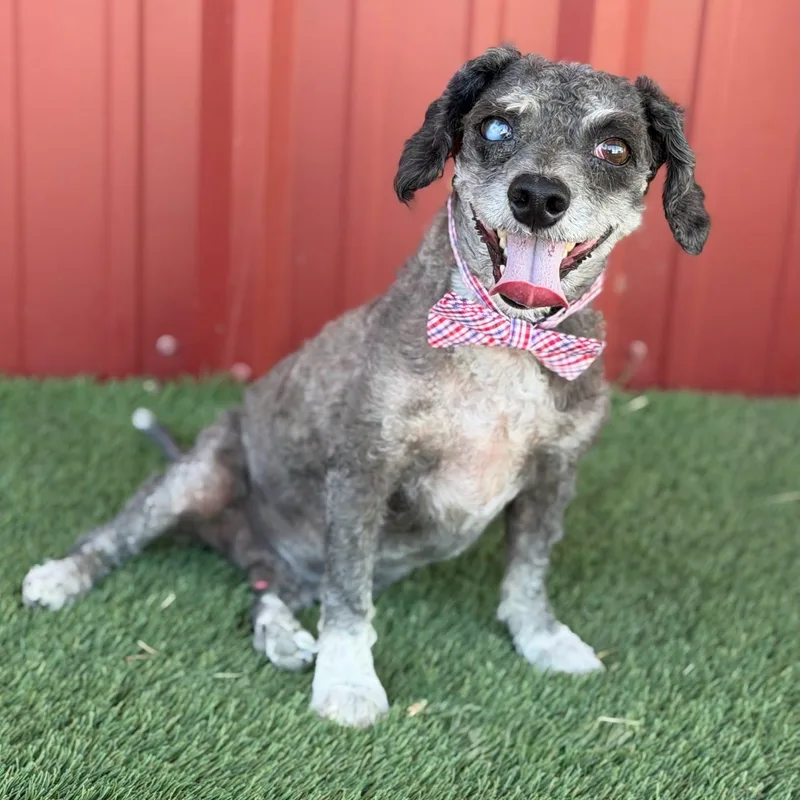
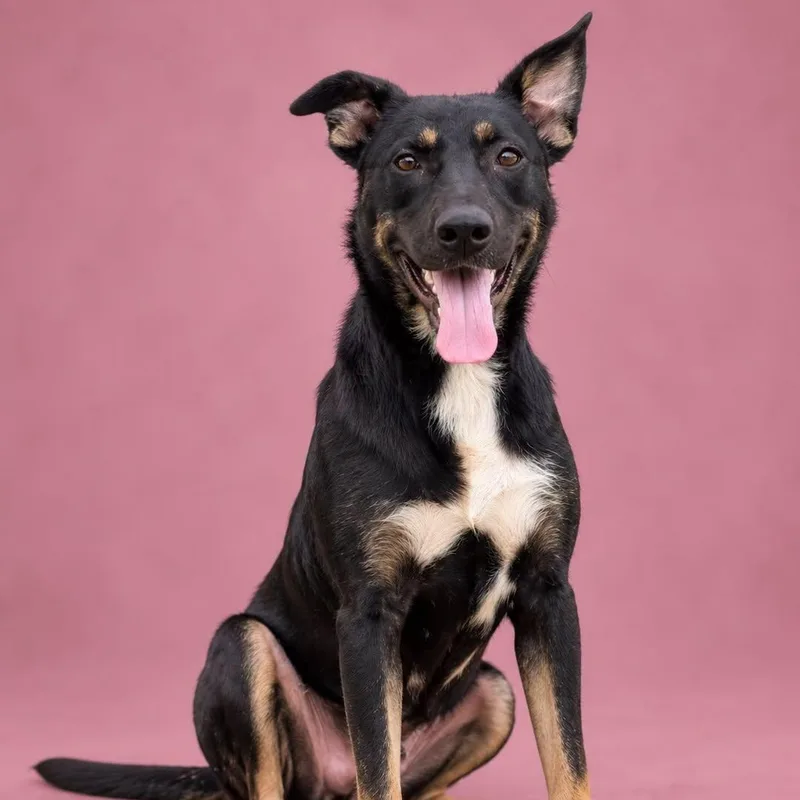
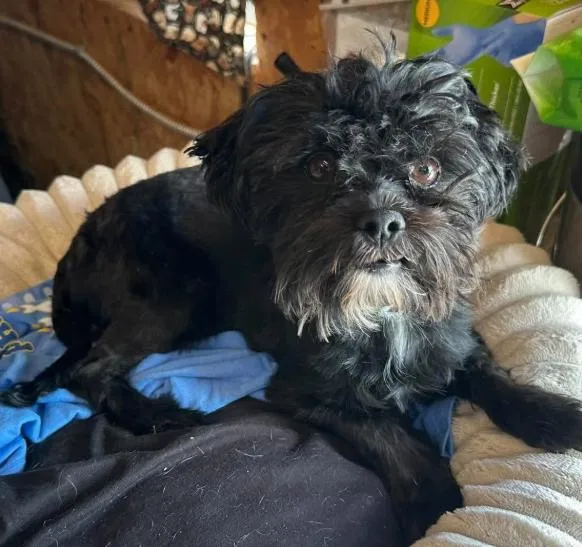
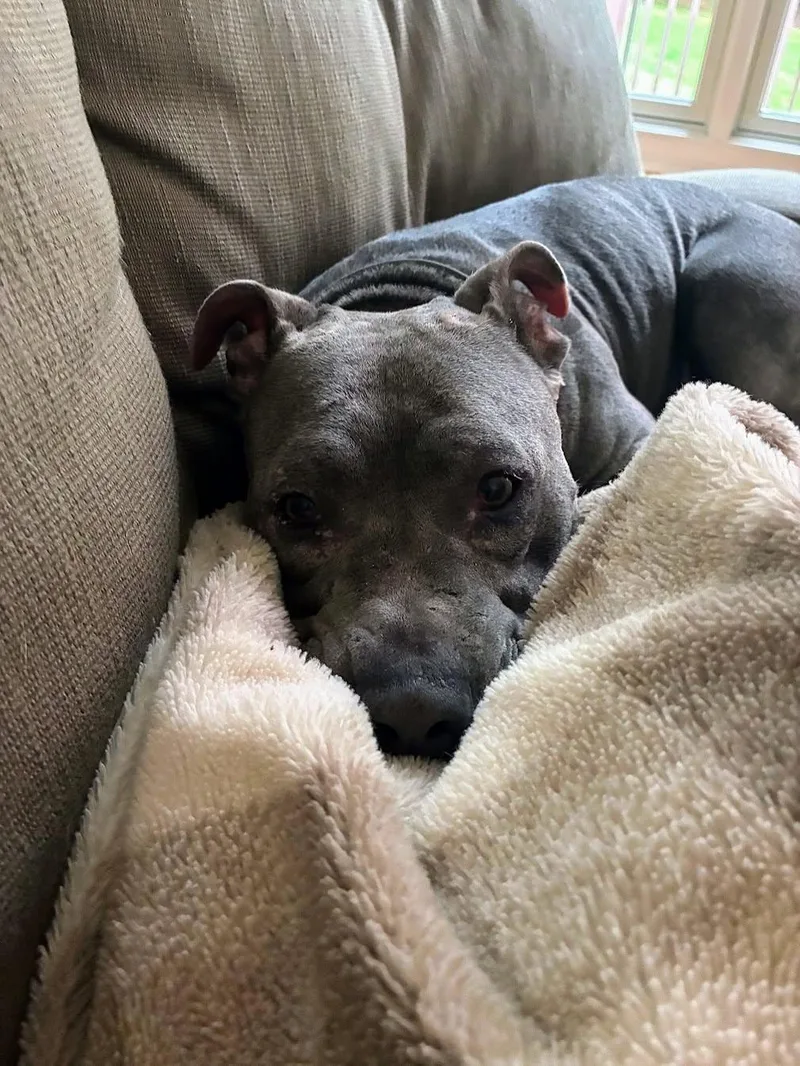
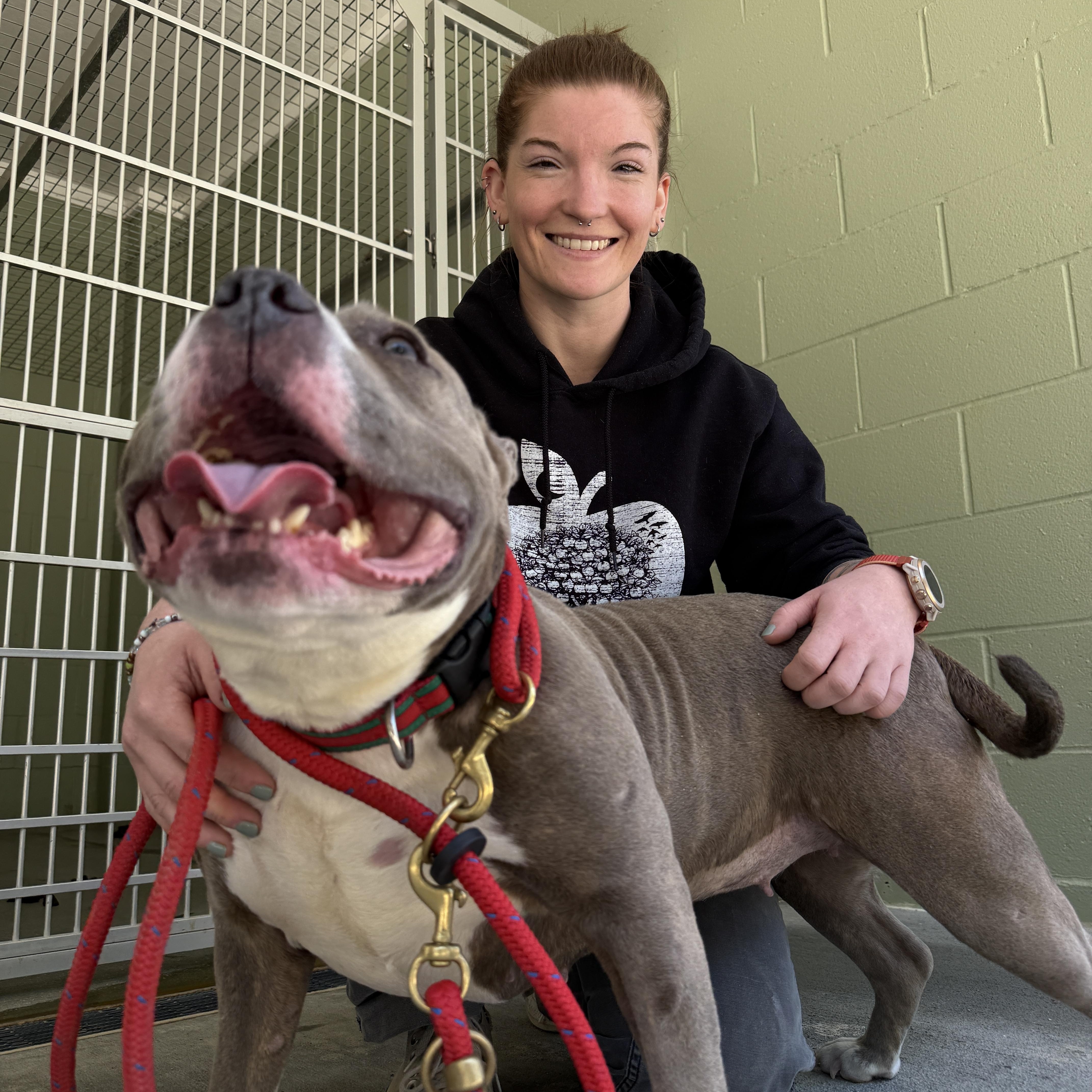
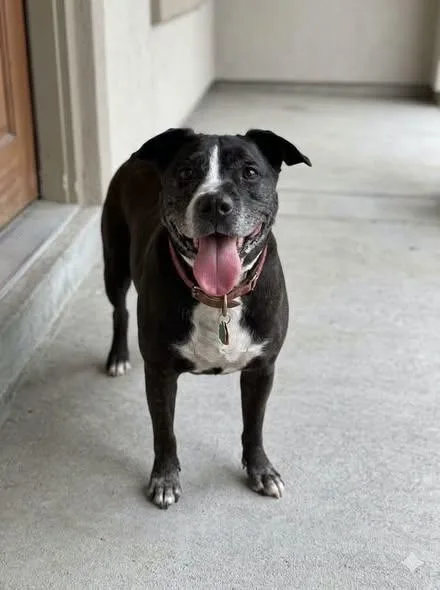
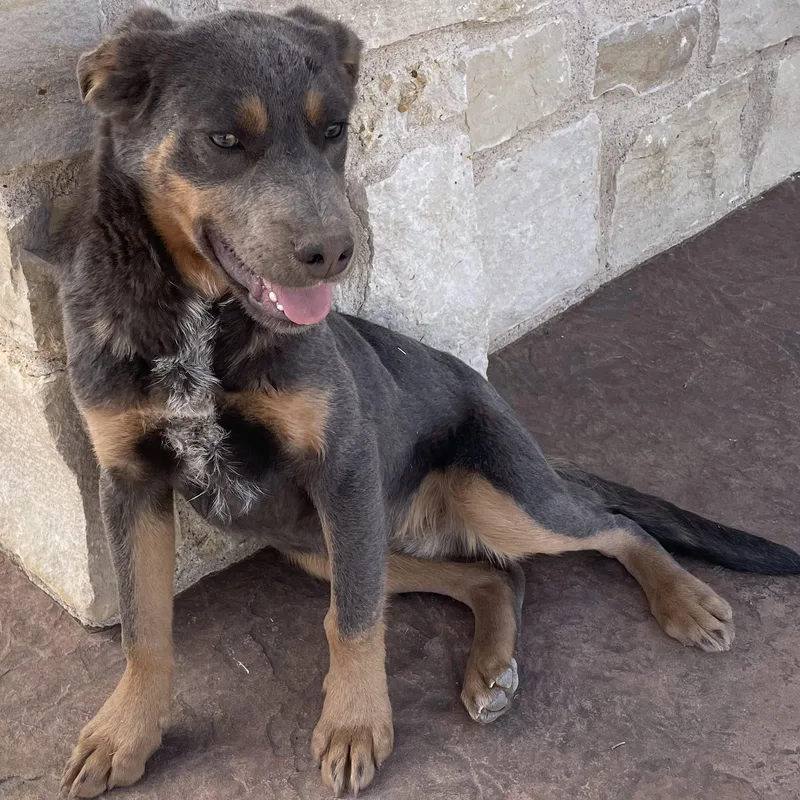
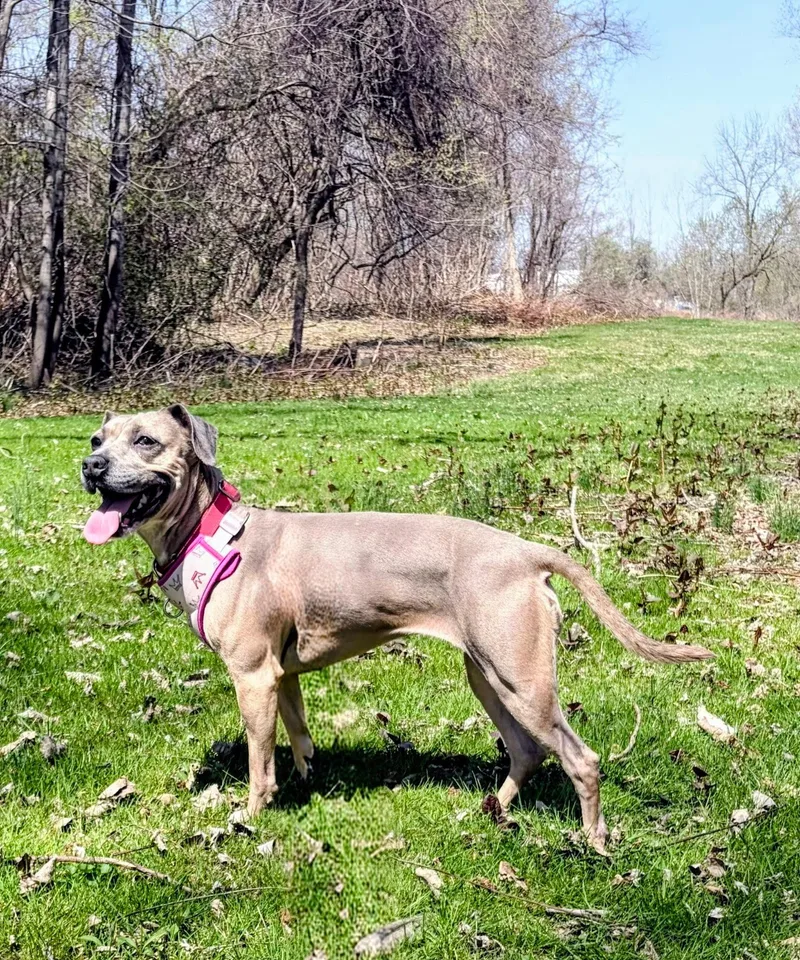
Labrador Retriever Dogs for Adoption in Cranston, RI

Your guide to finding and caring for a Labrador Retriever in Cranston

Labrador Retrievers fit Cranston best when a leashed trail is close by. Western Cranston's Knight Farm and the Pawtuxet River paths both allow leashed dogs, and they're good places to wear out a Lab. Garden City's winding streets make easy evening loops, and Edgewood's older grid of sidewalks works for a quick morning walk. A Lab wants a real outing every day, so it helps to know your route before you bring one home.

15032 Labrador Retrievers available in Cranston and nationwide

Fall for a Labrador Retriever

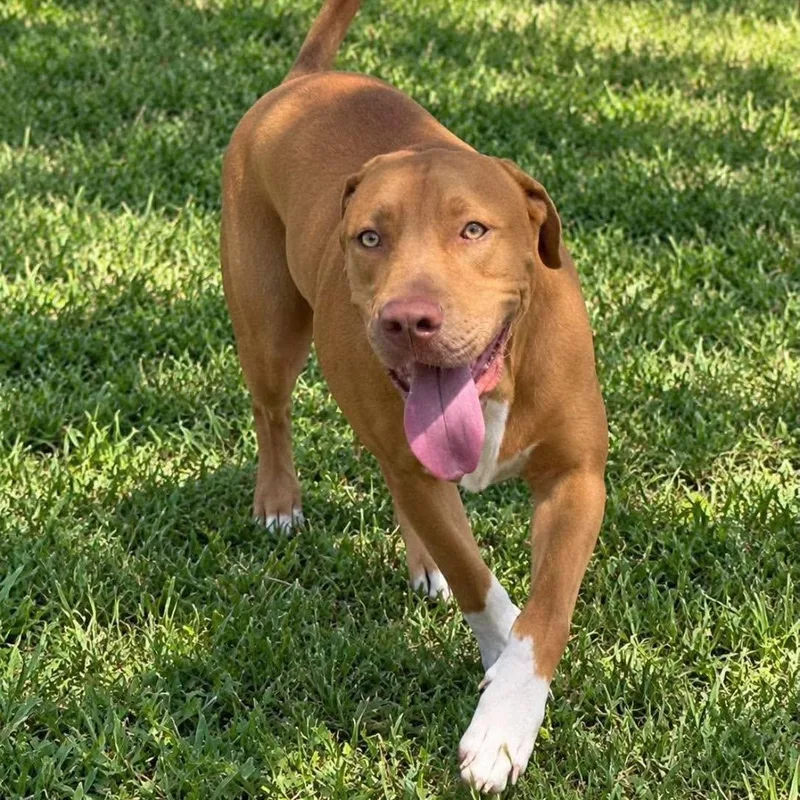
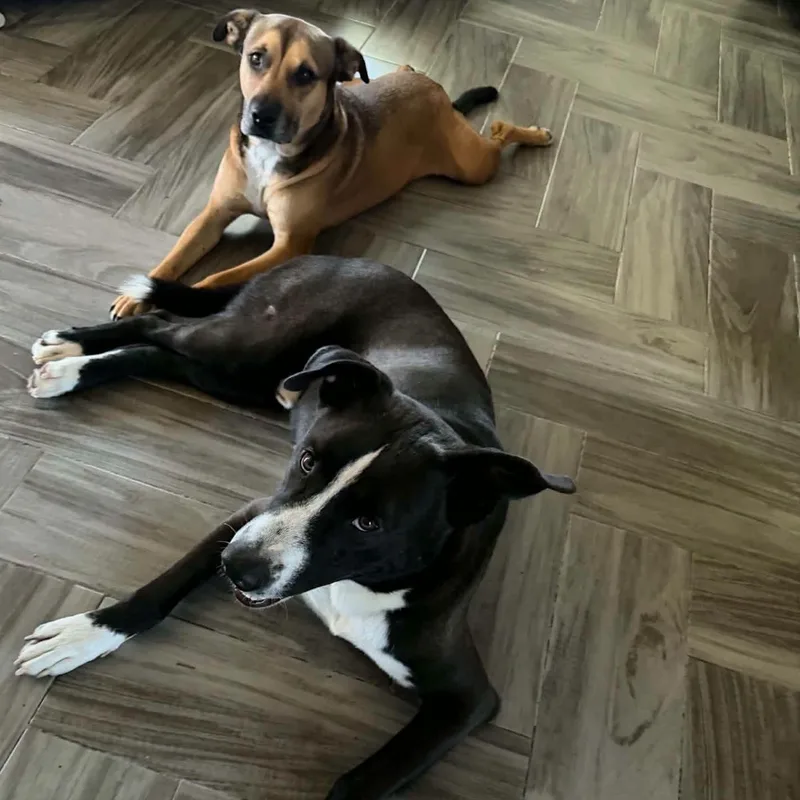
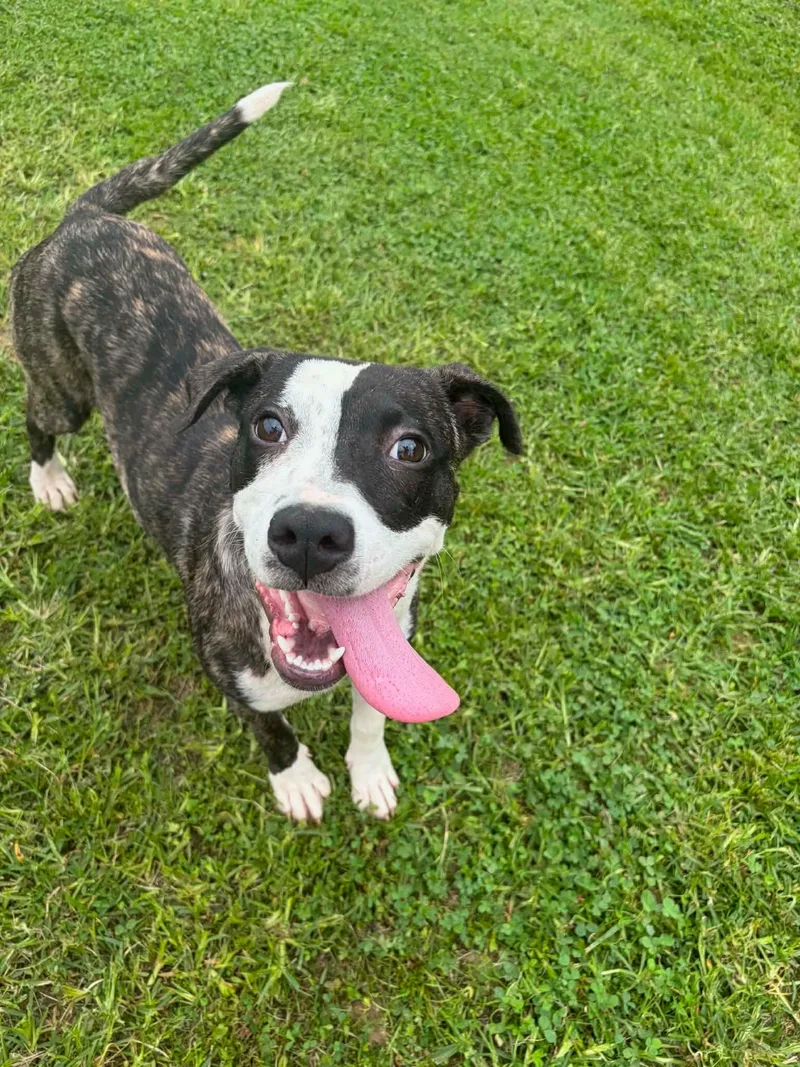
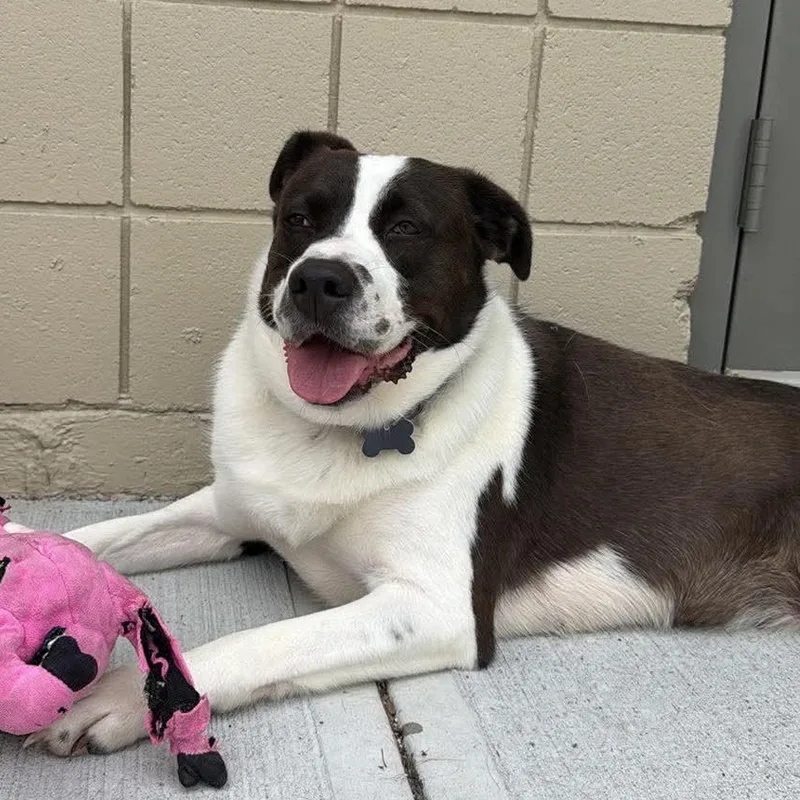
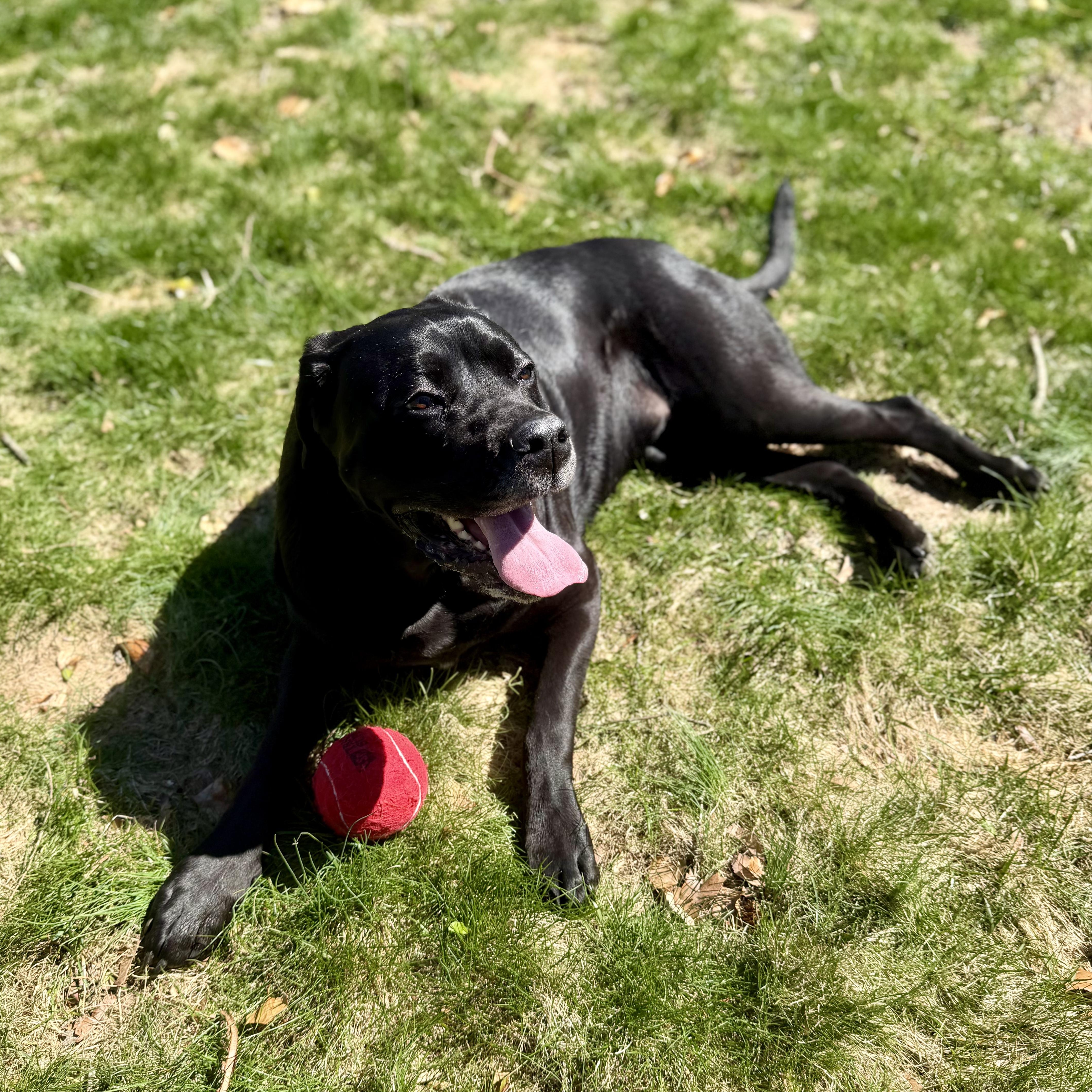
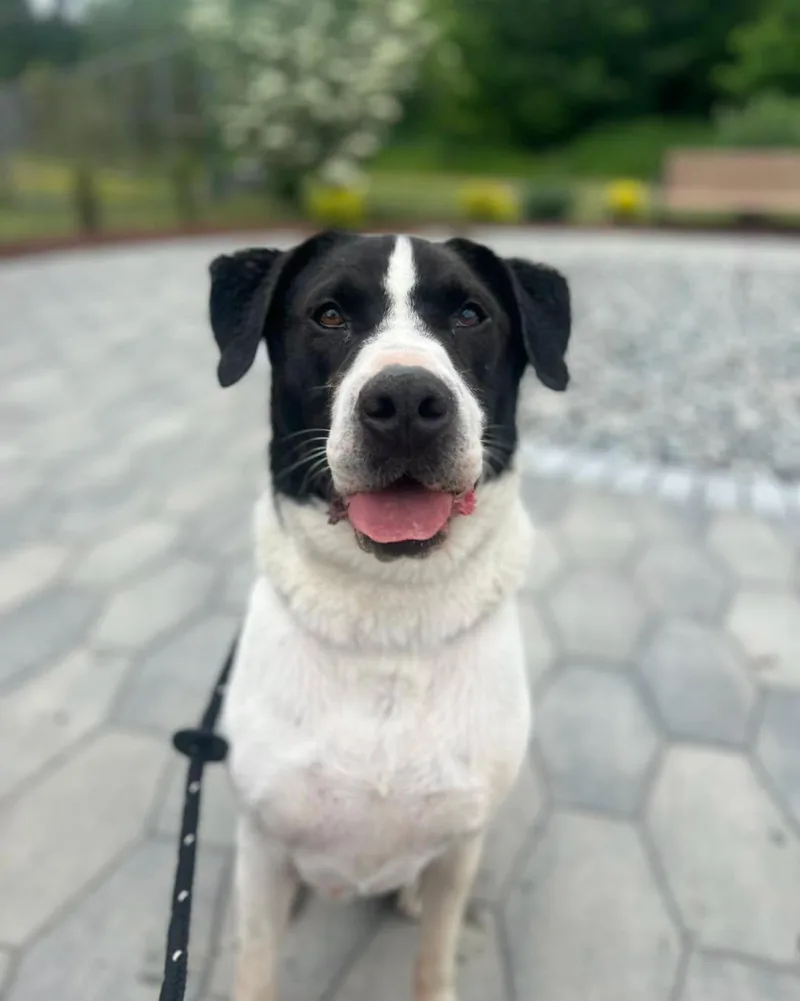
Labrador Retrievers Available for Adoption Near Cranston

About the Labrador Retriever breed

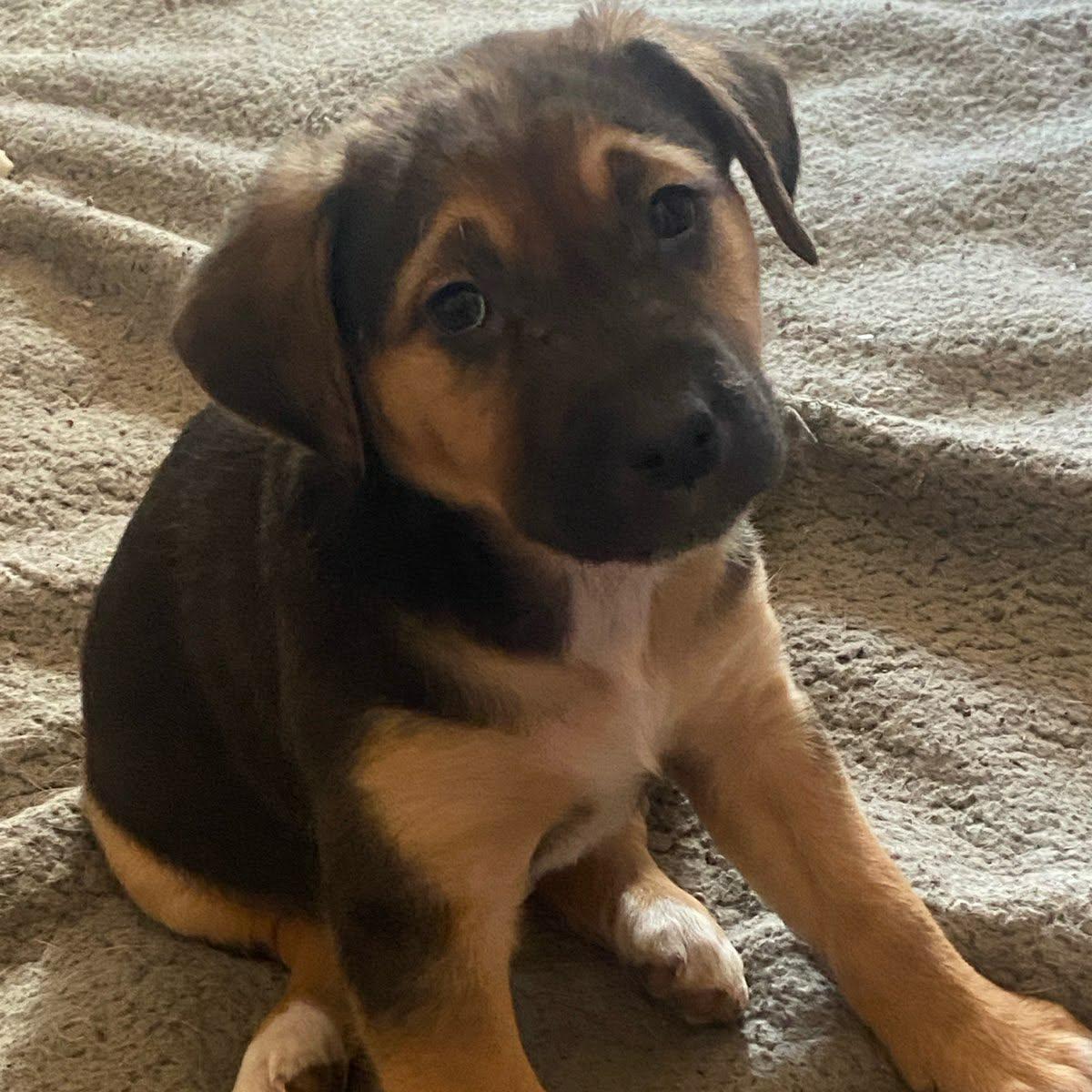
Labrador Retrievers trace back to Newfoundland's St. John's water dogs, which were refined in Britain into gun dogs that retrieved from land and water. The thick otter tail, webbed feet and dense, water-shedding double coat all come from that job. Labs come in black, yellow and chocolate, and field-bred dogs tend to be leaner and more driven than show-bred ones.

In Cranston, that coat copes well with New England winters, but it also means plenty of shed hair on the couch, especially in spring and fall. Most Labs are friendly and eager to please, and they do best with daily exercise, steady training and measured meals, since many are very food-motivated. Expect a bouncy adolescence that can last two or three years, and remember that each Lab's personality varies.

Weight
55–80 lbs
Height
21–25 in
Lifespan
10–14 yrs
Temperament
Friendly, Outgoing, Active
Group
Sporting
Shedding
Moderate to High

Owning a Labrador Retriever in Cranston

Having a Labrador Retriever in Cranston

Labs are sociable, athletic and built for outdoor work, which suits Cranston's trails and four distinct seasons. Their needs center on daily activity, weight control and coat care, though energy and health vary with each dog's age and background.

Temperament

Most Labs are friendly toward neighbors, visitors and other dogs, which helps on busy Cranston sidewalks. Many are gentle with respectful children, but young dogs can be mouthy and bouncy. Reward-based training usually works well. A dog's age, history and socialization shape behavior more than breed does.

Exercise Needs

Plan on a brisk walk or active play session at least once a day, and more for younger or field-bred dogs. Leashed trails at Knight Farm and along the Pawtuxet River give a Lab room to explore. Fetch, scent games and short training sessions add mental work on rainy days.

Health Considerations

Labs can face hip and elbow dysplasia, cruciate ligament injuries, ear infections, skin allergies and obesity. Winter slows many dogs down, so watch portions and weight. After walks in tall grass or woods, check for ticks, and ask your veterinarian about prevention and joint screening.

Living Space

Cranston's mix of single-family streets in Edgewood and Garden City and its apartment buildings can work for a Lab when daily exercise is reliable. A fenced yard helps, but routine matters more. Expect a big tail, shed hair and a dog that prefers living indoors with its people.

What it costs to own a Labrador Retriever in Cranston

ExpenseTypical costPer year
Adoption fee$300, one time$300 in year one
Food$55 to $110 per month$660 to $1,320
Pet insurance$65 to $130 per month$780 to $1,560
Routine vet care$250 to $500 per year$250 to $500
Other*$588 to $1,463 per year$588 to $1,463
Estimated yearly total (after year one)$2,278 to $4,843
First-year total (with adoption fee)$2,578 to $5,143

Adoption fee is the fee on Labrador Retriever listings in Cranston on GetBuddy today. Other costs are estimates and vary with size, age and health.

* The $13 Cranston dog license, flea, tick and heartworm prevention, a dental cleaning allowance, toys and bedding, and brushing and baths for seasonal shedding.

Adopt a Labrador Retriever in Cranston.

Now that you know more, let’s find you a new best friend. These rescues and shelters below currently have Labrador Retrievers available.

Rescues in Cranston with Labrador Retrievers Available

Cranston's animal shelter and nearby rescues work to match dogs of every size and breed with adopters. Here are the rescues & shelters in the Cranston area where you can find Labrador Retrievers and other dogs available for adoption.

Frequently Asked Questions

Yes, you can own a Labrador Retriever in Cranston. Rhode Island prohibits breed-specific local rules, so Labs face no special restrictions. You'll need a $13 city license once your dog is over six months old, and households are limited to two dogs without special approval. Keep your Lab leashed whenever you're off your property.

Knight Farm in western Cranston and the trails along the Pawtuxet River are the city's sanctioned spots for leashed dogs, with room for a Lab to sniff and stretch out. Ball fields, playgrounds and school grounds don't allow dogs. Keep your Lab on a leash, since walking off leash along the river isn't allowed.

Yes, if daily exercise is dependable. Apartment buildings sit alongside single-family streets in places like Garden City, and a Lab can do well in either when it gets long walks or active play every day. Read the lease for weight limits before applying, since a Lab can weigh 55 to 80 pounds.

Yes, most Labs handle Cranston winters well thanks to a dense, water-resistant double coat. Expect freezing nights and snow, so rinse salt from paws, towel off after wet walks and shorten outings in bitter cold. Seniors and thin dogs may need extra care, and state law limits keeping dogs outside in dangerous weather.

Plan on brushing a couple of times a week, and daily during the heavy shedding that follows Cranston's seasonal changes in spring and fall. Baths are only needed when your Lab is dirty, and a paw rinse helps after salted winter sidewalks. Nail trims and ear checks round out a routine most owners handle at home.

Sometimes, on patios. Rhode Island law lets restaurants allow leashed dogs on outdoor patios at the owner's option, so it's up to each restaurant. Dogs can't pass through indoor space, and pet dogs aren't allowed inside Cranston stores or dining rooms. Keep your Lab leashed at your table and never leave it unattended.

No, not on RIPTA buses, which serve Cranston. RIPTA permits only service animals, and the city has no subway or rail station. A Lab usually needs a car or a good walking route for errands and outings, so plan your daily routine around that before you adopt.

Most Labrador Retrievers live about 10 to 14 years. A large UK veterinary study found a median lifespan of 12 years, with chocolate Labs living about a year and a half less on average than black or yellow ones. Healthy weight, regular veterinary care and good dental and joint care all help, but no lifespan is guaranteed.

We have 2 rescues with Labrador Retrievers available: Cranston Animal Shelter and East Greenwich Animal Protection League. You can see every rescue with Labrador Retrievers available in the list above these questions, or scroll to the top to see the Labrador Retrievers near Cranston.

Expect roughly $2,300 to $4,800 a year for a Lab in Cranston. Food runs $55 to $110 a month and insurance $65 to $130 a month. Routine vet care is $250 to $500 a year, and other costs add $588 to $1,463. The adoption fee is separate and varies by listing.