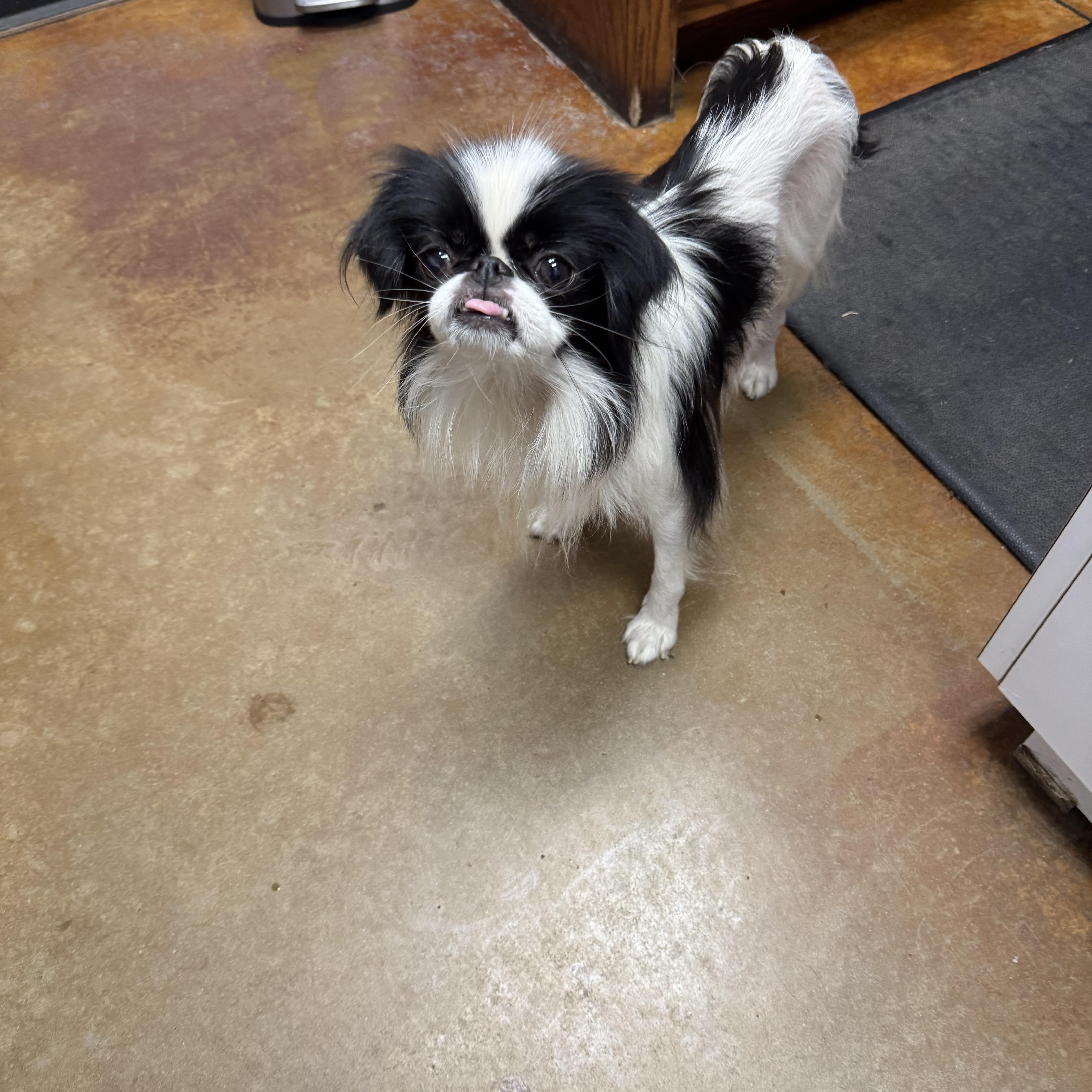
Japanese Chin Dogs for Adoption in West Chester, PA

Your guide to finding and caring for a Japanese Chin in West Chester

10 Japanese Chins available in West Chester and nationwide

Fall for a Japanese Chin

While we don't have enough dogs near West Chester, keep in mind that many rescues may offer transport.

Japanese Chins Available for Adoption Near West Chester

About the Japanese Chin breed

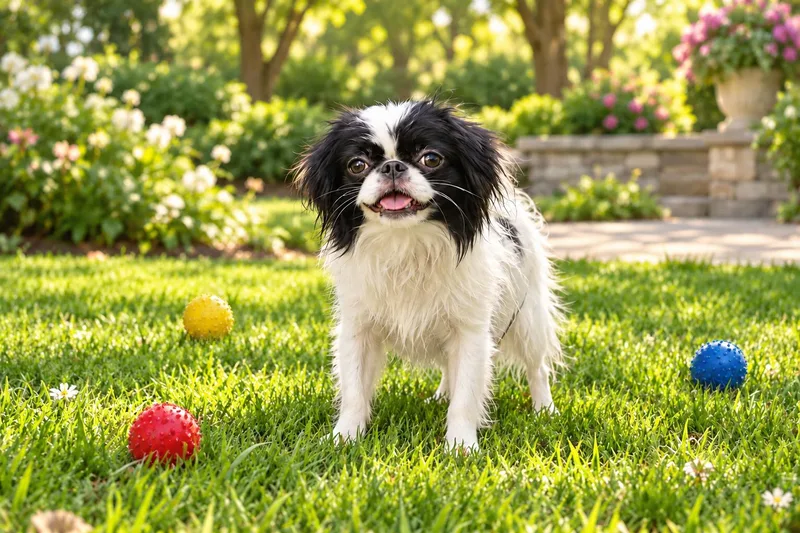
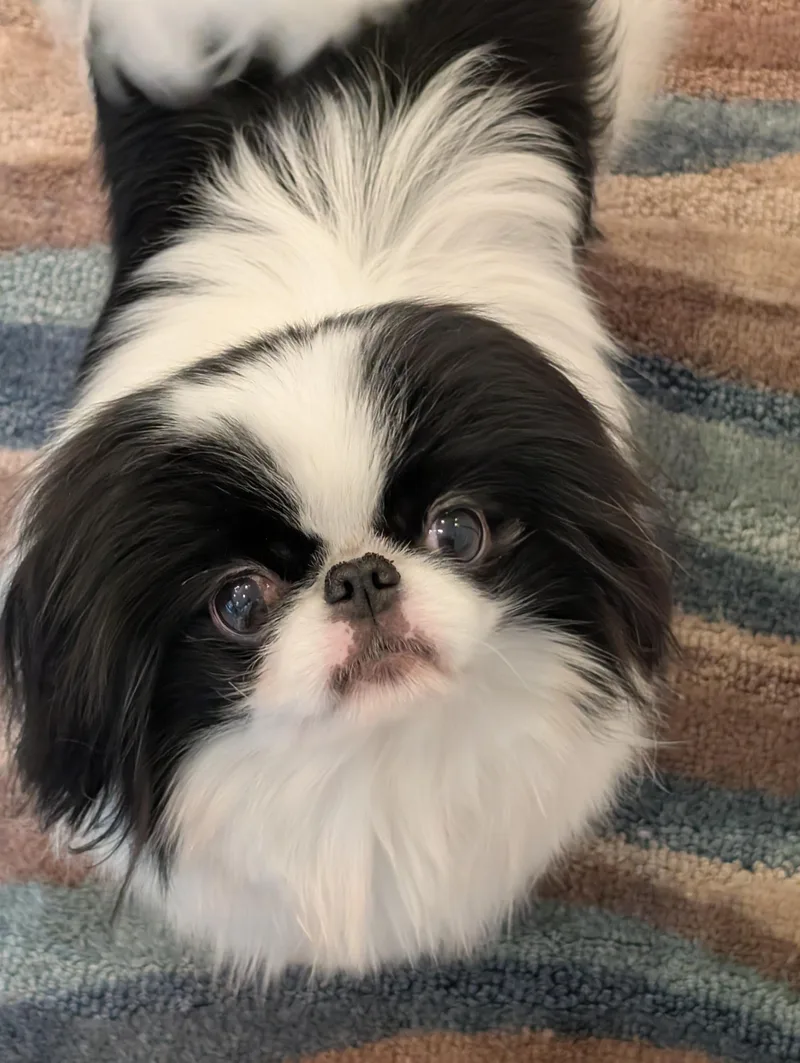
Few toy breeds have a longer history as pure companions than the Japanese Chin. Its ancestors most likely came from China and were kept for centuries by Japan's nobility before traders and diplomats carried the breed to Europe and America. The Chin is small and light-boned, with a large round head, wide-set dark eyes, a very short muzzle and a silky single coat in black and white, red and white, or tricolor.

Many Chins are often described as cat-like: tidy, graceful, fond of high perches and inclined to observe before joining in. They tend to be affectionate and generally quiet with family, sometimes reserved with strangers. Their flat face makes them sensitive to heat and strenuous exercise, and their small size means they need gentle handling, so they usually fit calm households and adult-focused homes best.


Weight
7–11 lbs
Height
8–11 in
Lifespan
10–14 yrs
Temperament
Charming, Affectionate, Quiet
Group
Toy
Shedding
Moderate

Owning a Japanese Chin in West Chester

Having a Japanese Chin in West Chester

A Japanese Chin's appeal usually rests on a gentle, amusing personality packed into a dog that needs little space. Its short face, delicate frame and sensitive nature also shape daily care, so understanding these traits helps adopters plan for comfort, safety and health.

Temperament

Chins tend to be affectionate, playful in short bursts and attentive to their people's moods. Many are polite but reserved with strangers and dislike rough handling or chaotic homes. Some can be stubborn or anxious when left alone for long periods. A shelter Chin's history and socialization will tell you more than breed reputation does.

Exercise Needs

Most Chins are content with short daily walks and indoor play, and many enjoy chasing toys across a rug or performing a happy spin. Mental stimulation through gentle training and puzzle toys matters too. Because of their flat faces, exercise should stay light in hot or humid weather, with plenty of shade and water.

Health Considerations

Japanese Chins can be affected by luxating kneecaps, cataracts, early-onset heart murmurs and breathing difficulty linked to their short muzzles. Crowded teeth make dental disease common, so regular dental care matters. Heat stroke is a real risk. Have a veterinarian check an adopted Chin's heart and teeth, and keep regular veterinary checkups throughout life.

Living Space

A Japanese Chin can live comfortably in an apartment or a house because it needs little room to stay active. Air conditioning in warm months matters more than square footage. Steps or ramps help protect knees around furniture, and homes with very young children or large, boisterous dogs need careful supervision to prevent injuries.

What it costs to own a Japanese Chin

ExpenseTypical costPer year
Adoption fee$500, one time$500 in year one
Food$15 to $35 per month$180 to $420
Pet insurance$35 to $70 per month$420 to $840
Routine vet care$200 to $400 per year$200 to $400
Other*$490 to $1,240 per year$490 to $1,240
Estimated yearly total (after year one)$1,290 to $2,900
First-year total (with adoption fee)$1,790 to $3,400

Adoption fee is the fee on Japanese Chin listings in West Chester on GetBuddy today. Other costs are national averages for Japanese Chins; we don't have costs specific to West Chester yet.

* Flea, tick and heartworm prevention, a larger dental cleaning allowance for a toy breed prone to dental disease, a dog license, toys and bedding, and at-home brushing; license fees vary by city.

Adopt a Japanese Chin in West Chester.

Now that you know more, let’s find you a new best friend. These rescues and shelters below currently have Japanese Chins available.

Rescues in West Chester with Japanese Chins Available

Here are the rescues & shelters in the West Chester area where you can find Japanese Chins and other dogs available for adoption.

Frequently Asked Questions

Yes, Japanese Chins shed, though usually less than double-coated breeds. Their silky single coat drops hair steadily, with heavier shedding seasonally and after hormonal changes, especially in unspayed females. Brushing once or twice a week keeps loose hair from matting behind the ears and on the feathering. A dull or thinning coat is worth mentioning to your veterinarian.

A Japanese Chin is a small toy companion dog with a large round head, wide-set dark eyes, a short muzzle and a silky, feathered coat. The breed was kept for centuries by Japanese nobility as a lap dog. Many Chins are affectionate, quiet and cat-like in their habits, and they suit calm homes that can protect them from heat.

Japanese Chins typically live about 10 to 14 years, and the breed club notes that some reach 15 or older. A 2024 UK study estimated their life expectancy at around 12.5 years. Good dental care, lean body weight, protection from heat and early attention to heart murmurs all help a Chin stay healthy longer.

No, Japanese Chins are not hypoallergenic. They shed less than many double-coated dogs, but they still produce allergens in dander, saliva and urine, which is what triggers most reactions. Some people with mild allergies cope with frequent brushing, bathing and air filtration, but spending time with a specific Chin before adopting is the best test.

A Japanese Chin is a small, square, light-boned dog with a broad round head, large dark eyes set wide apart and a very short, upturned muzzle. Its ears are feathered and hang in a V shape, and a plumed tail curls over the back. The long, silky coat stands slightly away from the body, often with a thick mane-like ruff.

Grooming a Japanese Chin is fairly simple: brush the coat once or twice a week with a pin brush and comb, paying attention to the feathering behind the ears and legs where tangles form. Bathe as needed, trim nails regularly and tidy the hair between the foot pads. Daily or frequent tooth brushing matters, and wipe the eye area to prevent staining.

Yes, Japanese Chins are generally smart, observant dogs that learn household routines quickly and often read their owners' moods well. Their intelligence comes with an independent streak, so they may choose not to follow a command they find dull. Short, upbeat training sessions with treats and praise tend to work best, while harsh corrections often make a sensitive Chin withdraw.

No, Japanese Chins usually do not bark a lot. The breed is known as one of the quieter toy dogs, and many bark mainly to announce visitors or unusual sounds. Individual dogs vary, and boredom, anxiety or lack of exercise can increase barking. Some Chins also make soft grumbles, snorts or yodel-like sounds that are normal for the breed.

Japanese Chins stay small, typically standing about 8 to 11 inches at the shoulder and weighing around 7 to 11 pounds as adults. The breed club notes that healthy Japanese Chins can range from roughly 4 to 15 pounds. Their abundant coat makes them look bigger than they are, so gently feeling the body gives a better sense of size and condition.

We have 1 rescue with Japanese Chins available: Angels Retreat. You can see every rescue with Japanese Chins available in the list above these questions, or scroll to the top to see the Japanese Chins near West Chester.