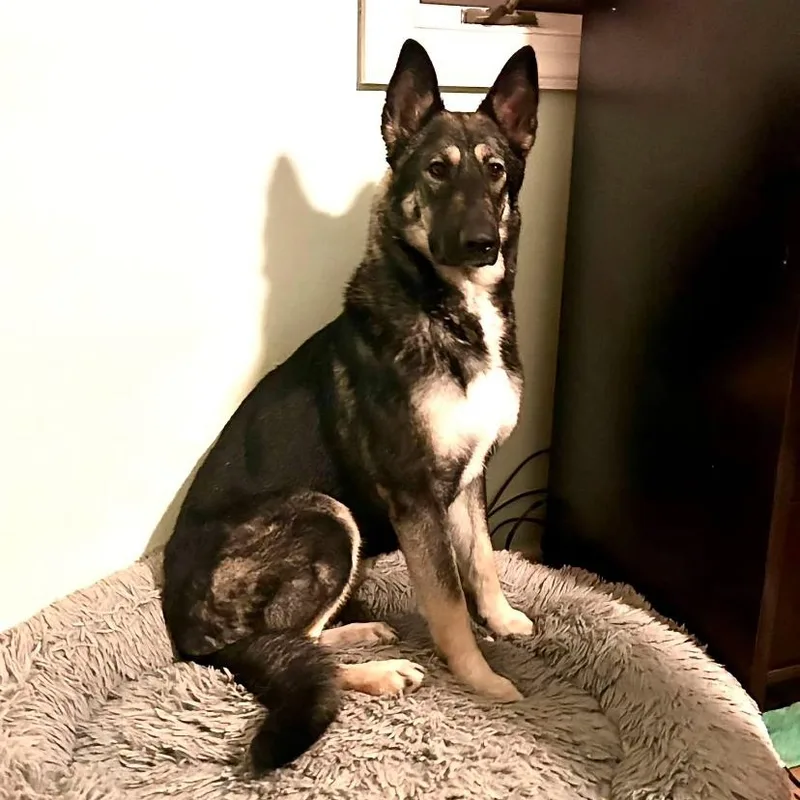
Hamiltonstovare Dogs for Adoption in Philadelphia, PA

Your guide to finding and caring for a Hamiltonstovare in Philly

A Hamiltonstovare needs a long, leashed walk every day, and Philly has the trails for it. This Swedish scent hound has the stamina for Forbidden Drive in the Wissahickon, a short trip from Mount Airy or Roxborough. Its baying carries, though, and rowhouses share walls, so a bored dog can become the whole block's problem. Most are friendly and even-tempered, and the short coat takes little grooming. Plan on a dog that follows its nose past every stoop.

5101 dogs similar to Hamiltonstovare available in Philadelphia and nationwide

Say hello to your Hamiltonstovare

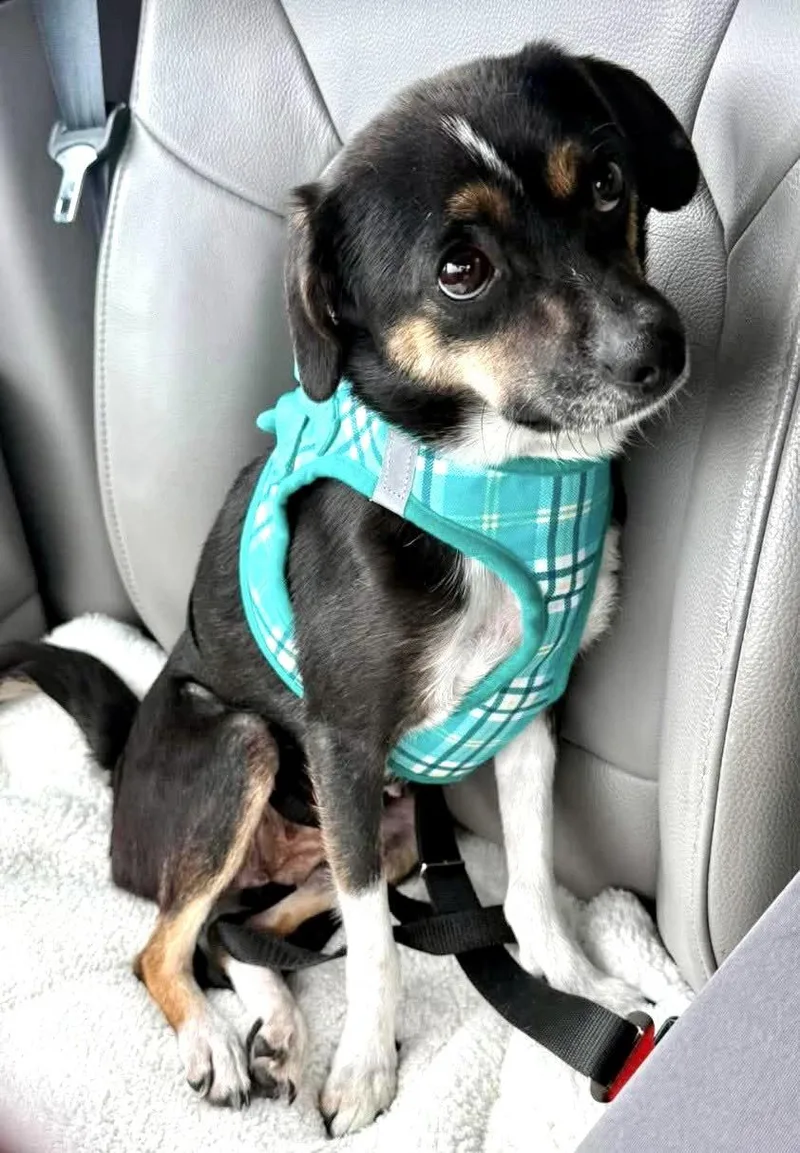
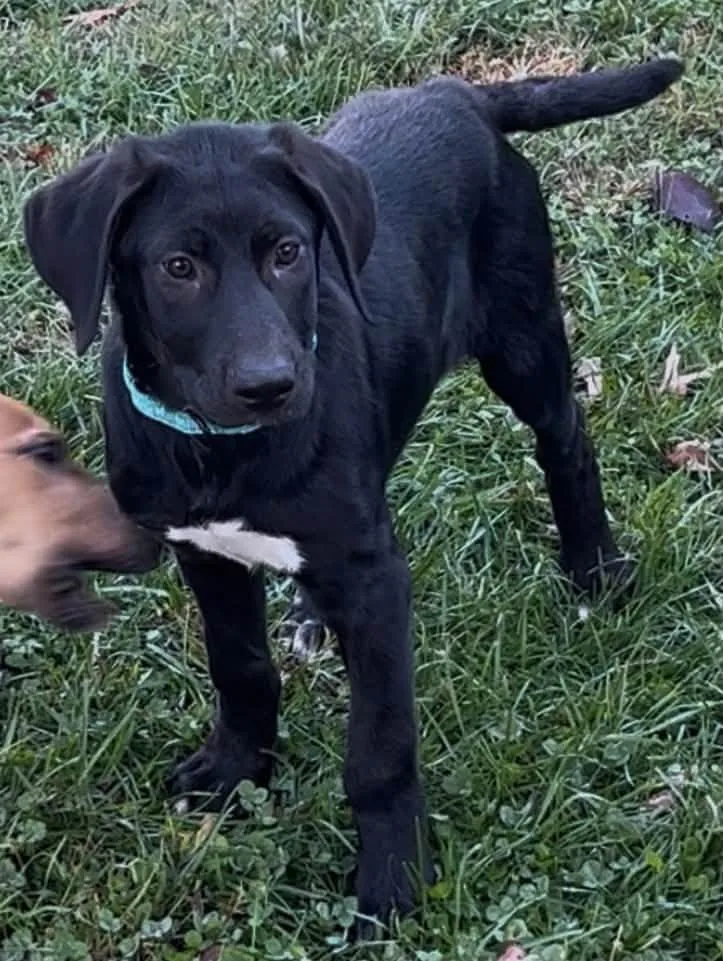
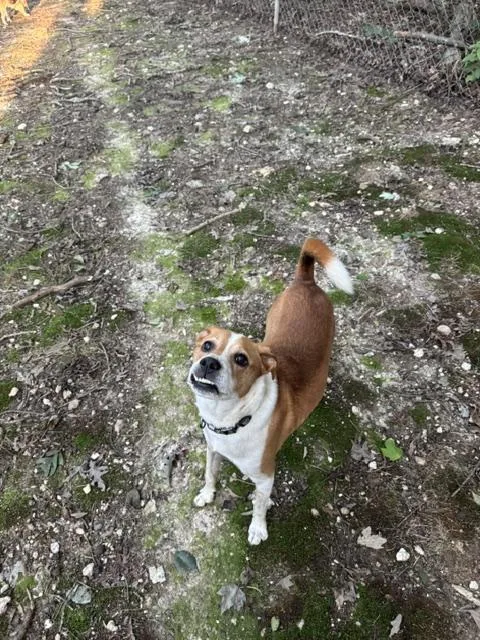
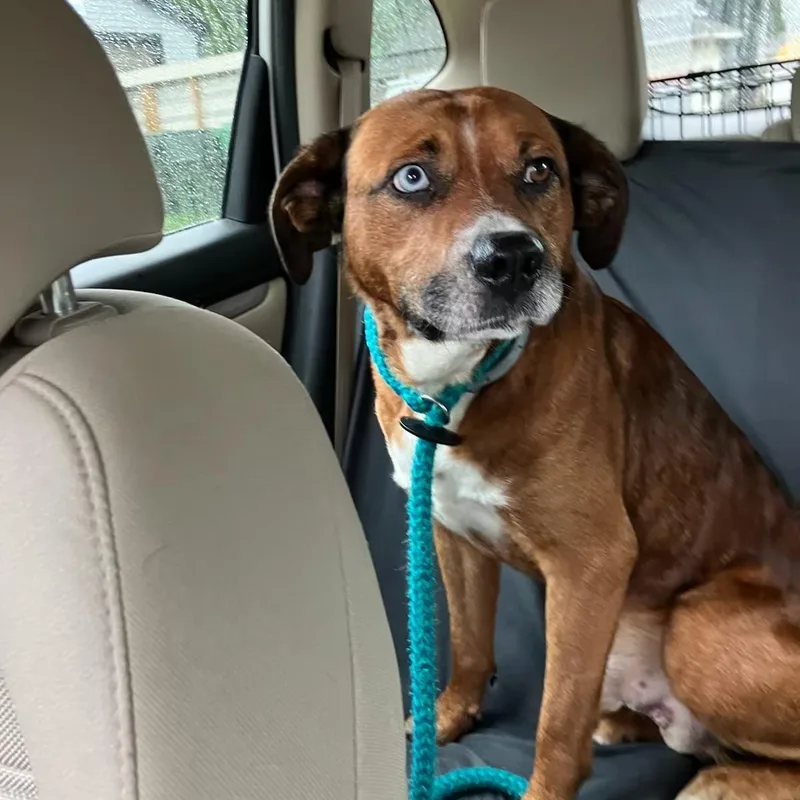
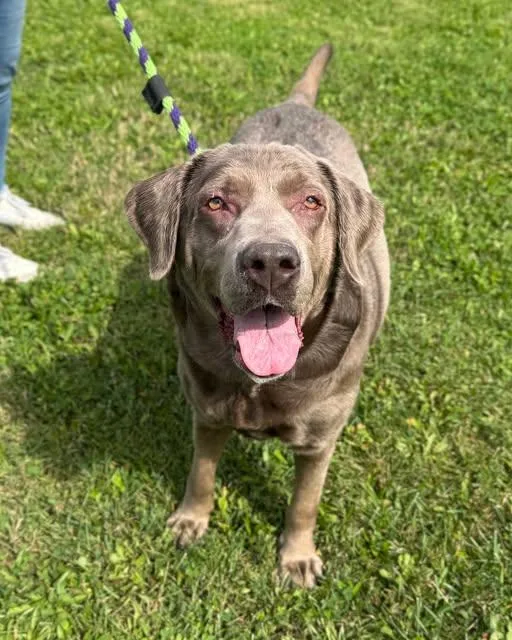
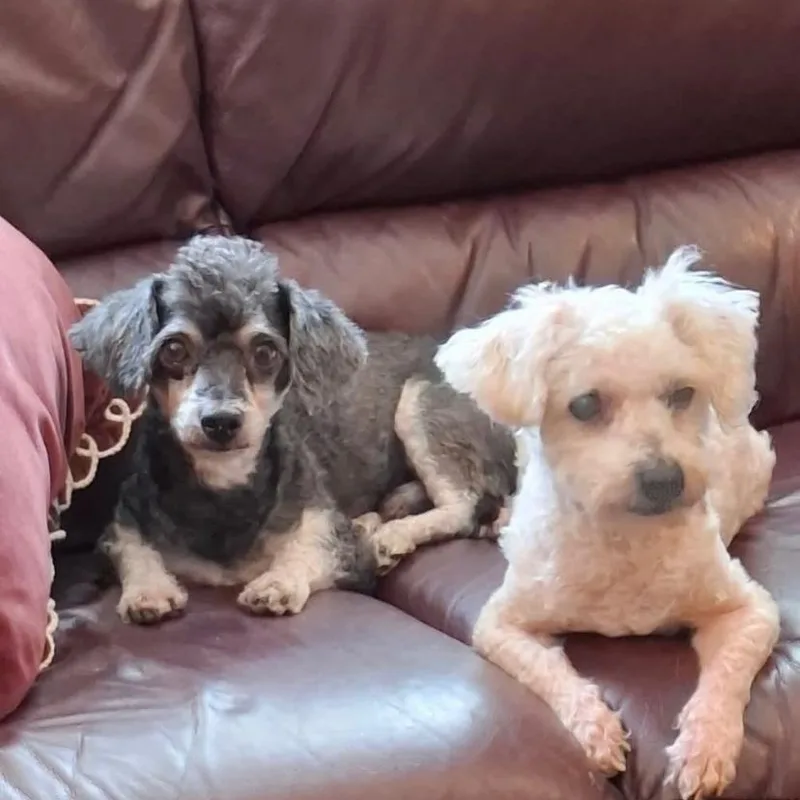
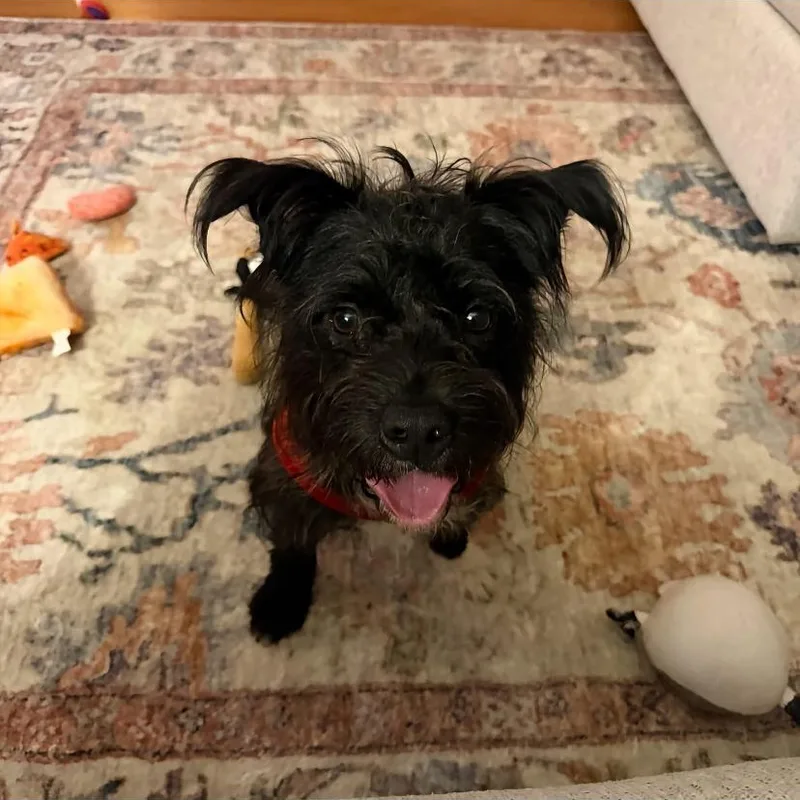
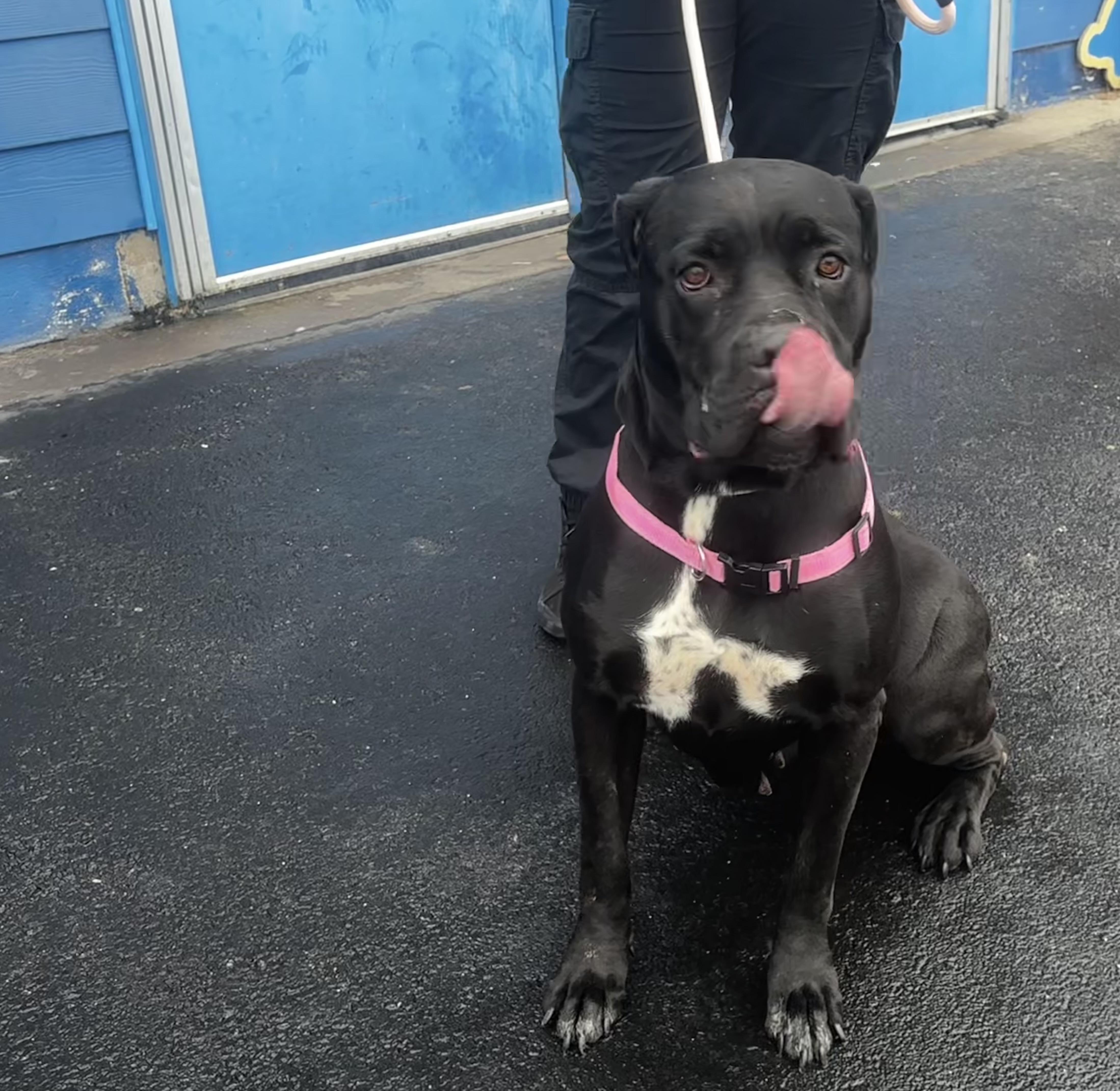
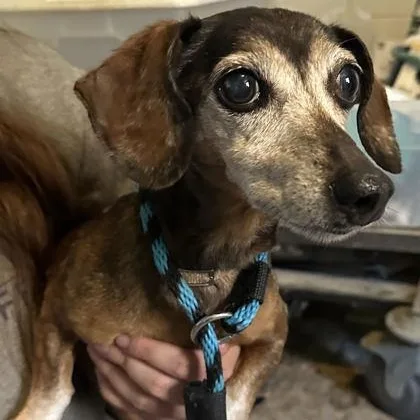
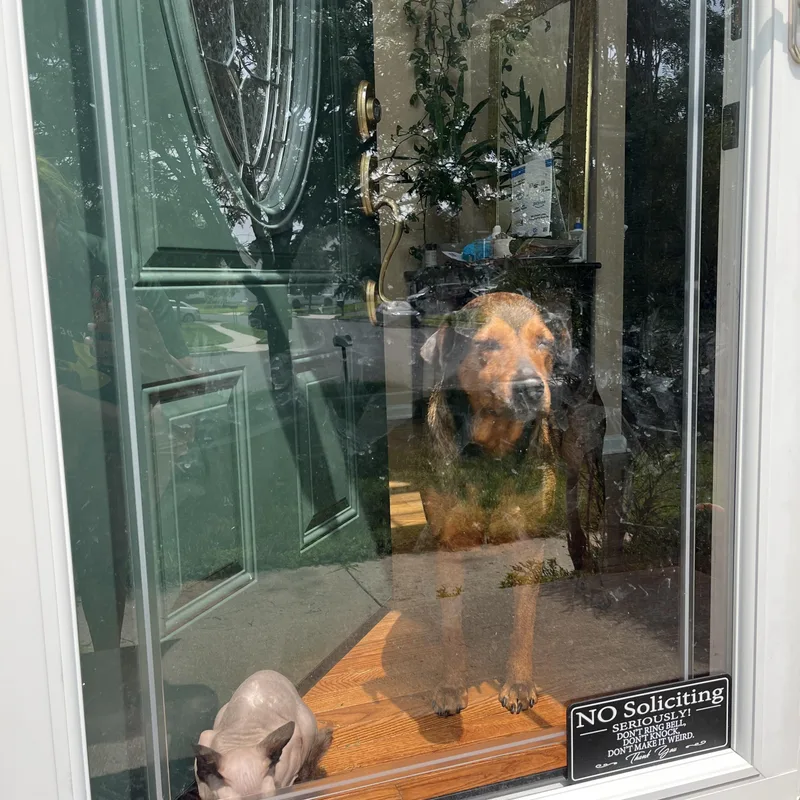
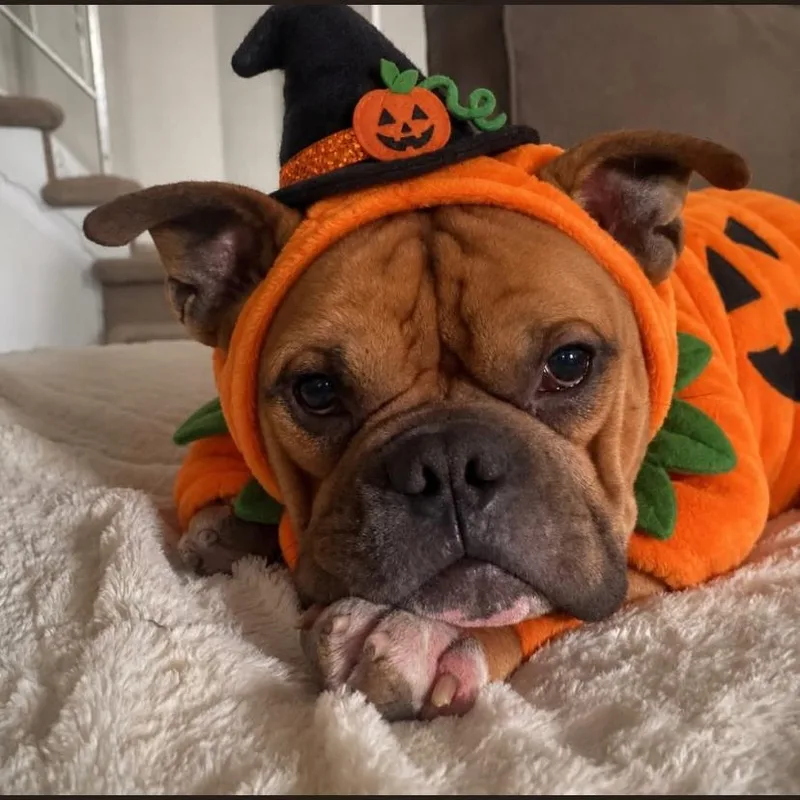
Hamiltonstovares and Similar Breeds Available for Adoption Near Philadelphia

About the Hamiltonstovare breed

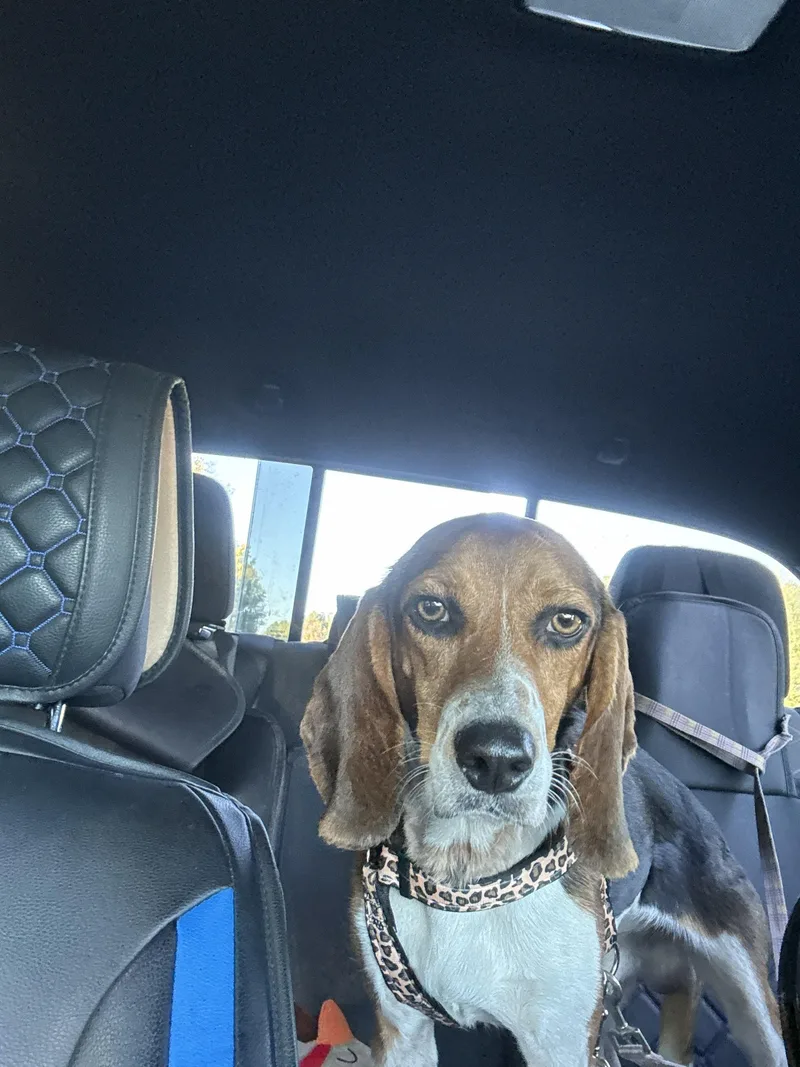
The Hamiltonstovare is a Swedish scent hound, created by Count Adolf Hamilton, founder of the Swedish Kennel Club, and first shown in 1886. It was developed to trail hare and fox alone rather than in a pack, and it gives tongue on the trail so hunters can follow. It's a medium-sized, athletic dog, usually 50 to 60 pounds, with a close-lying tricolor coat of black, tan and white.

At home, many Hamiltonstovares are friendly and even-tempered, but the nose usually wins. In Philly, that means a six-foot leash on every walk, since a fresh scent can override recall in an instant, plus patient training. The breed is rare in the US, so watch the listings on this page, and consider similar hound breeds, if you'd like one. Dogs vary, so judge the dog in front of you.

Weight
50–60 lbs
Height
19–24 in
Lifespan
10–13 yrs
Temperament
Friendly, Energetic, Independent
Group
Hound
Shedding
Moderate

Owning a Hamiltonstovare in Philadelphia

Having a Hamiltonstovare in Philly

Stamina, a loud voice and a strong nose define this breed more than its size does. In Philly, that means daily trail time, a secure leash and a plan for neighbors on the other side of a shared wall.

Temperament

Hamiltonstovares tend to be friendly, even-tempered dogs that enjoy their families and often get along with other dogs. They can be stubborn and easily distracted, so short, rewarding training sessions work best. Small pets may trigger chasing. On busy Philly sidewalks, expect a dog more interested in smells than in strangers.

Exercise Needs

Plan on substantial daily exercise: long walks, jogging once mature, or hiking. Philly's Wissahickon trails and Forbidden Drive suit a leashed hound, and so does Kelly Drive along the Schuylkill. Off leash is allowed only in the city's fenced dog runs, which is where a nose-led dog is safest anyway. Scent games tire the mind too.

Health Considerations

Hamiltonstovares are generally sturdy, though limited data exist outside Scandinavia. Hip dysplasia occurs in the breed, and drop ears need regular checks for infection. Philly's wooded parks have Lyme-carrying ticks, so daily tick checks and a veterinarian-recommended preventive matter for a dog that sniffs through brush. Keep the dog lean to protect its joints.

Living Space

A rowhouse with a small yard can work if it's securely fenced, and an apartment suits an adult that gets long daily outings. The catch is sound: baying carries through party walls, so boredom and long days alone can cause trouble. The short coat handles cool weather, but this dog should live indoors.

What it costs to own a Hamiltonstovare in Philadelphia

ExpenseTypical costPer year
Food$35 to $70 per month$420 to $840
Pet insurance$45 to $85 per month$540 to $1,020
Routine vet care$225 to $450 per year$225 to $450
Other*$440 to $1,190 per year$440 to $1,190
Estimated yearly total (after year one)$1,625 to $3,500

Other costs are estimates and vary with size, age and health.

* The Philadelphia dog license ($16 spayed or neutered, $40 unaltered), flea, tick and heartworm prevention, a dental cleaning, supplies, and occasional grooming.

Adopt a Hamiltonstovare in Philadelphia.

Now that you know more, let’s find you a new best friend. These rescues and shelters below have dogs available in and near Philadelphia.

Rescues and Shelters in or near Philadelphia

Philly has a busy network of shelters and rescues, and the dogs listed here change often. Here are the rescues & shelters in the Philly area with dogs available for adoption, worth asking whether a Hamiltonstovare is coming in.

Frequently Asked Questions

Yes, Philadelphia has no breed bans, and Pennsylvania law bars local ordinances from limiting specific breeds. You'll need a dog license by four months old, within 30 days of getting the dog, at $16 a year if spayed or neutered or $40 if not, plus a rabies vaccination. Landlords can still set their own breed or size rules in leases.

It can, if the dog is an adult that gets long daily walks and isn't left alone for long stretches. The bigger issue is sound: a bored hound's baying carries through shared walls. Check lease weight limits, since this breed weighs 50 to 60 pounds. A securely fenced yard is easier, but exercise matters more than square footage.

The Wissahickon's Forbidden Drive, a car-free gravel road, gives a leashed hound a long, flat walk full of scents, and Kelly Drive follows the Schuylkill past Boathouse Row. For off-leash time, Pretzel Park in Manayunk is one of about eight fenced dog runs. Keep to the six-foot leash elsewhere, and check for ticks afterward.

Almost certainly not. SEPTA allows pets only in a standard, sturdy carrier that doesn't obstruct and isn't disruptive, and that rule applies across the subway, buses, trolleys and Regional Rail. A 50-to-60-pound Hamiltonstovare won't fit in a standard carrier, so only a service animal could ride. Plan on walks or car trips instead.

Yes, with care. Philly sees about 30 days a year at 90°F or higher, most of them in July, so walk at dawn or after dark and keep the dog inside on hot afternoons. Hot pavement can burn paws. During a Code Red heat declaration, dogs kept outdoors must have shade, and a parked car is never safe.

Sometimes, on patios. Some Philly restaurants and beer gardens welcome dogs outside at their own discretion, while only service animals are allowed indoors. A hound that bays or follows scents may struggle at a crowded table, so practice settling on a mat first and choose quiet, off-peak times.

Very little. The short, close-lying coat needs a weekly brush, a bit more in spring and fall, and occasional baths. After Philly's muddy, tick-prone trail walks, check the coat and dry the drop ears. Grooming costs fit within the $440 to $1,190 yearly Other budget, which also covers the license, prevention and dental care.

It can be for active people who are home often and can offer long leashed walks, trail time in the Wissahickon and a plan for neighbors if the dog bays. It's a poorer fit for long workdays away or anyone wanting an off-leash companion. Dogs vary, so judge the dog's own energy and noise level.

Yes, Hamiltonstovares shed, though their short, close-lying coat makes care easy. Expect a moderate amount of hair year-round, with heavier shedding when the coat changes with the seasons. A weekly once-over with a rubber curry brush or hound glove removes most loose hair. They are not hypoallergenic, so people with dog allergies should spend time with one before adopting.

Expect roughly $1,625 to $3,500 a year in all. That covers food at $35 to $70 a month, insurance at $45 to $85 a month, routine vet care at $225 to $450 a year, and $440 to $1,190 a year for other costs like the license, prevention and dental care. Emergency care isn't included.