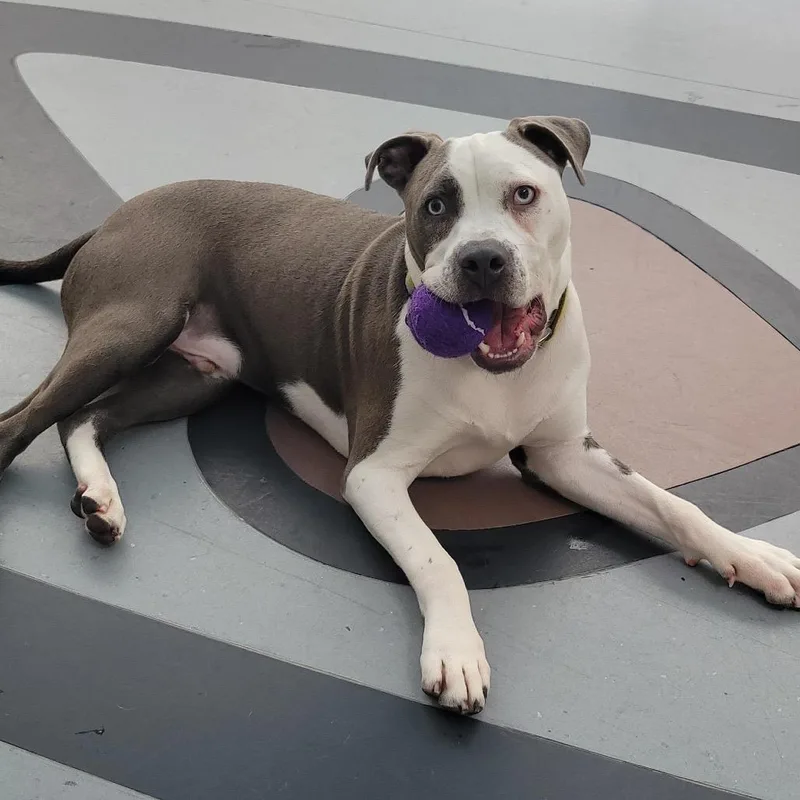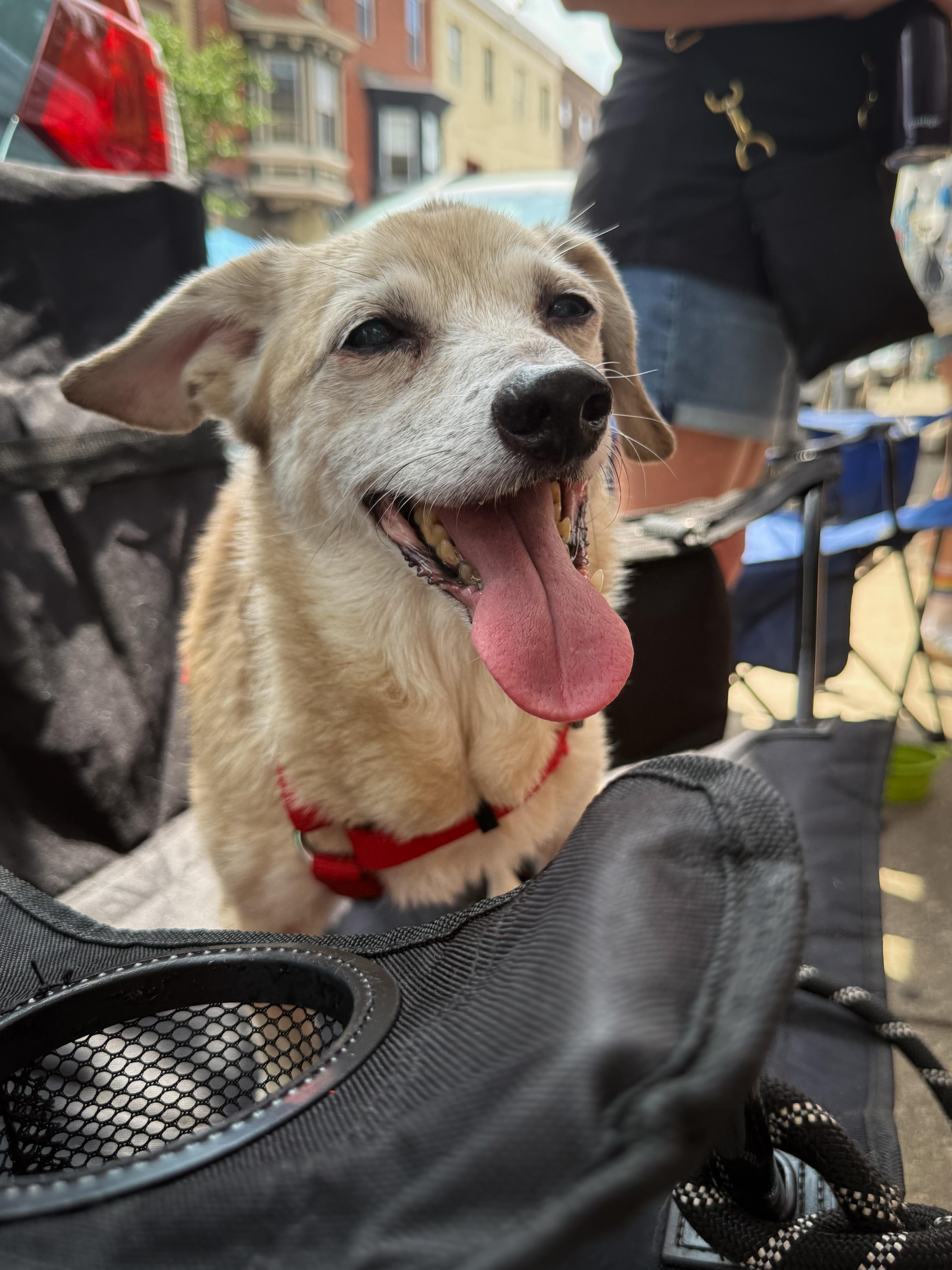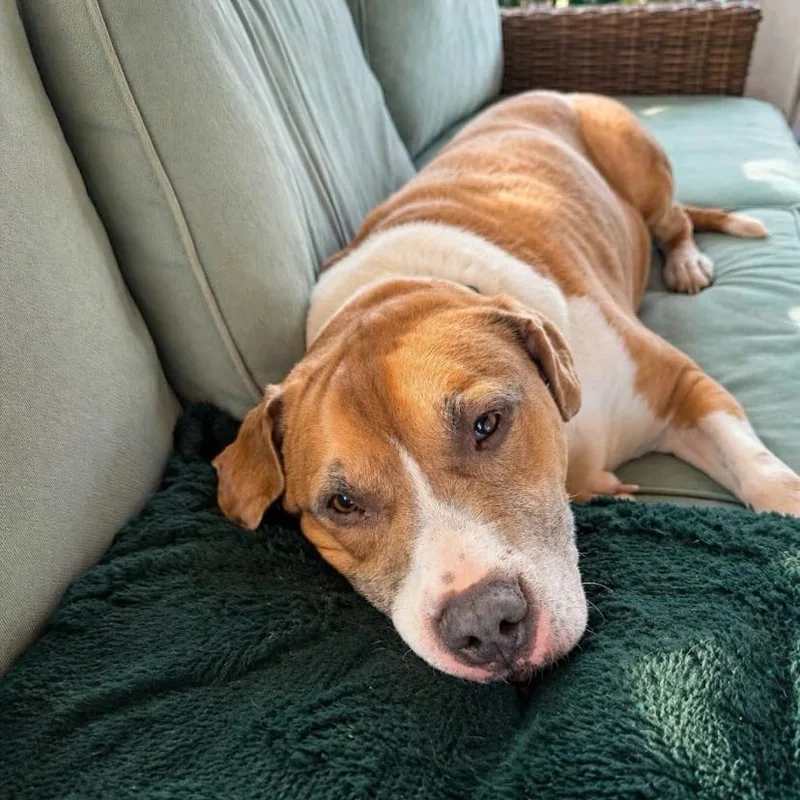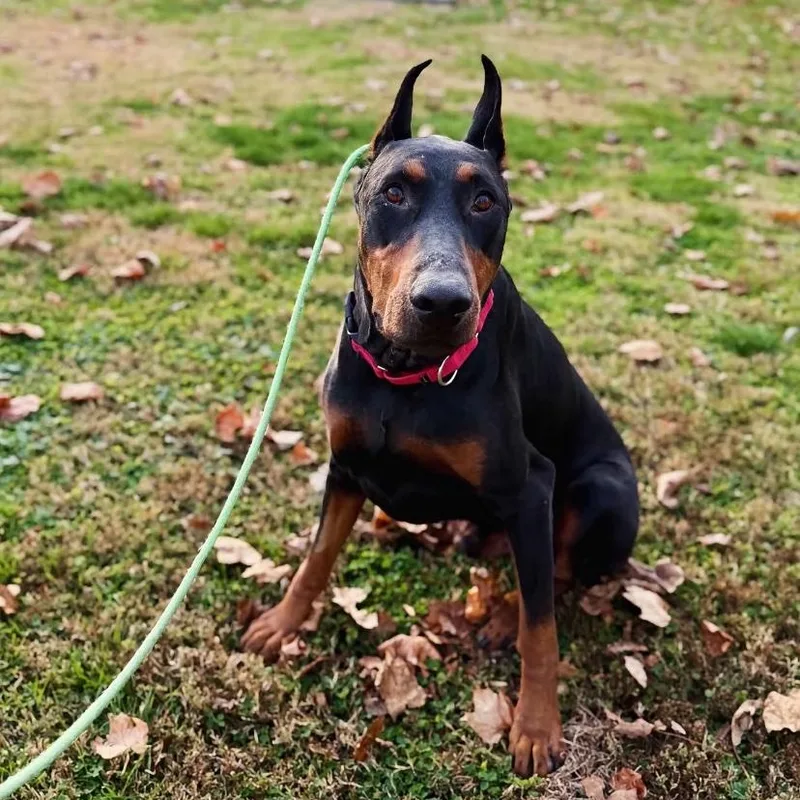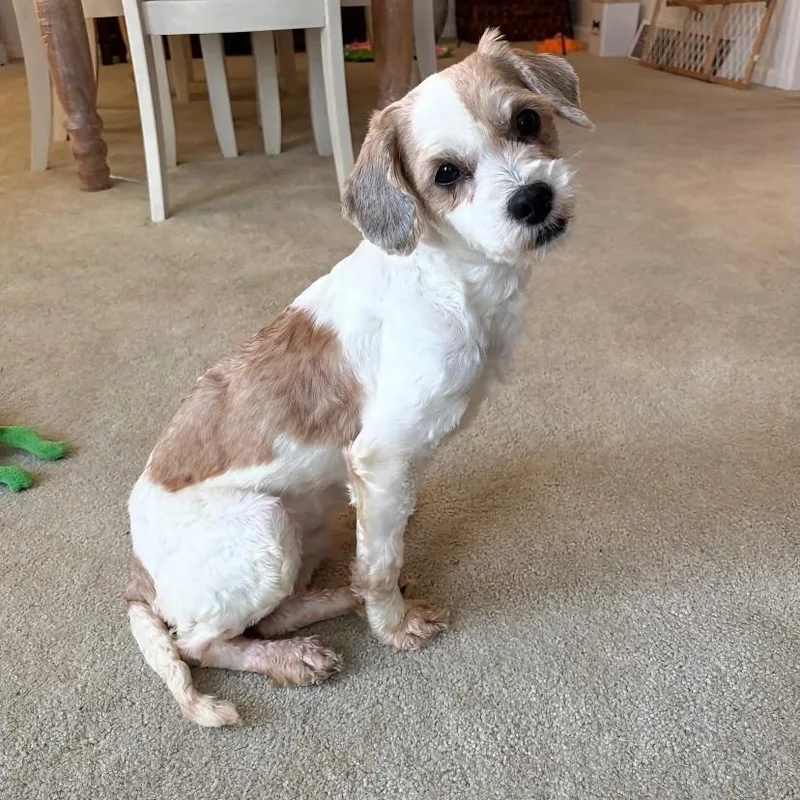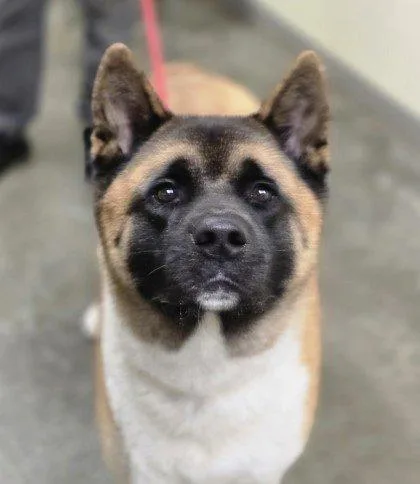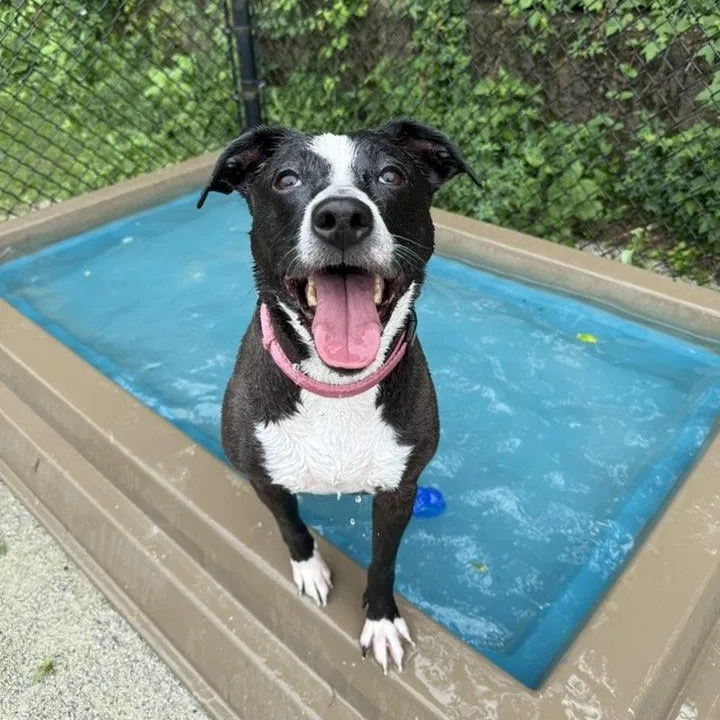

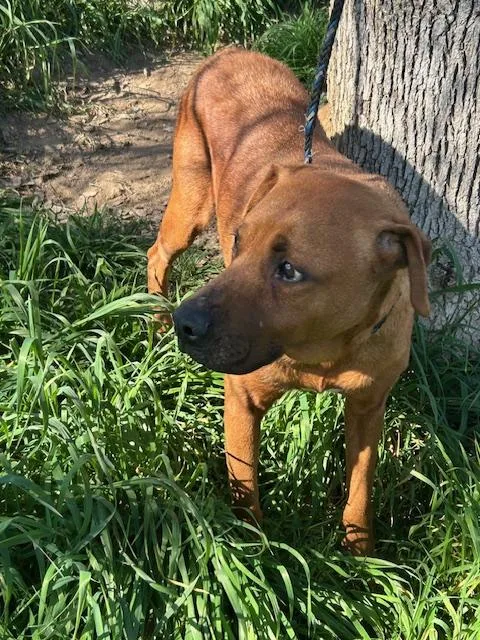
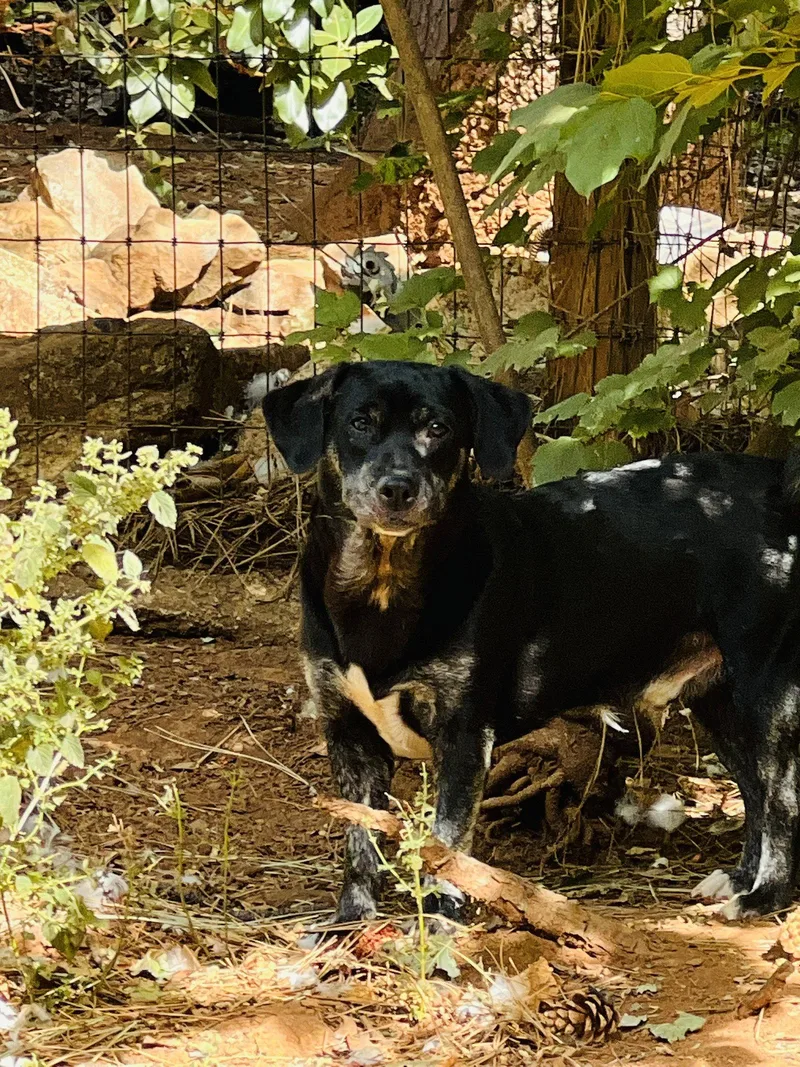
Dogue de Bordeaux Dogs for Adoption in Philadelphia, PA

Your guide to finding and caring for a Dogue de Bordeaux in Philly

A Dogue de Bordeaux can do well in Philly, but rowhouse stairs and summer heat decide how well. Most homes here are rowhouses with narrow staircases and small or no yards, which is a real adjustment for a dog that can top 100 pounds. A slow loop along Kelly Drive or the flat gravel of Forbidden Drive suits a Dogue's moderate pace. Look for a ground-floor layout if you can, and plan on air conditioning from June through September.

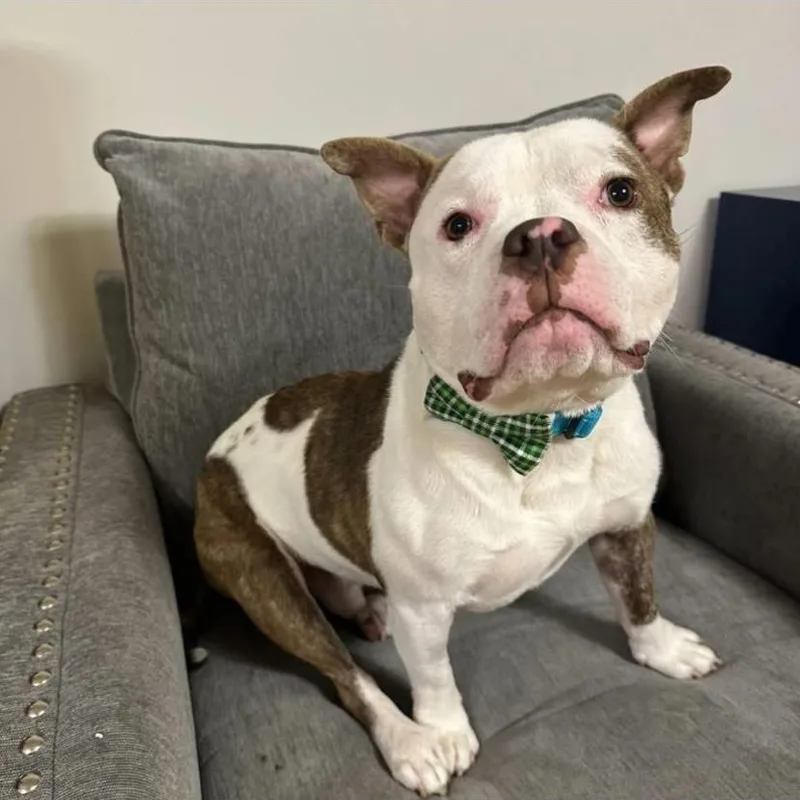
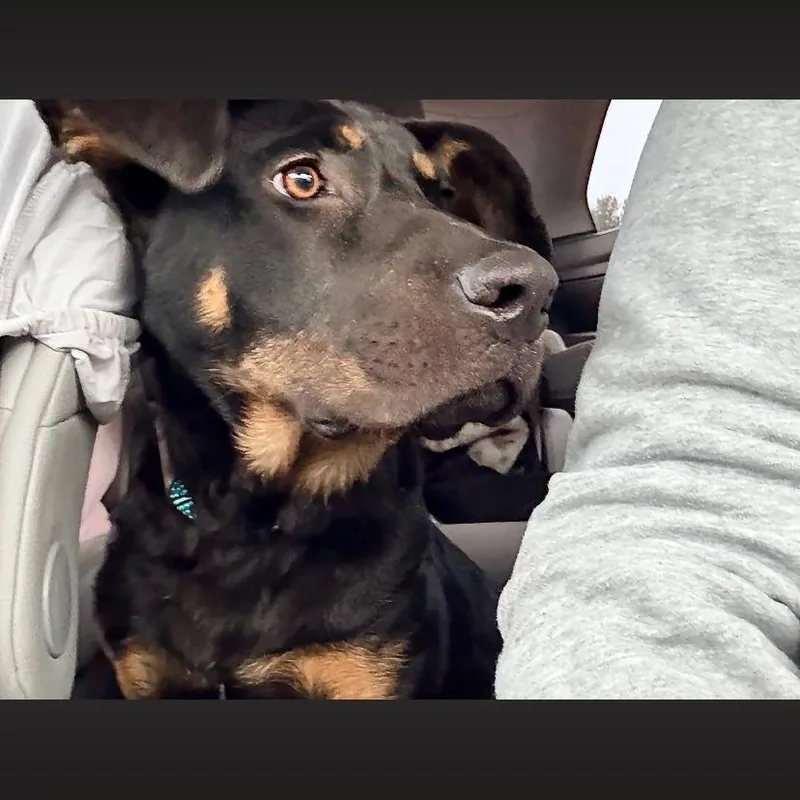
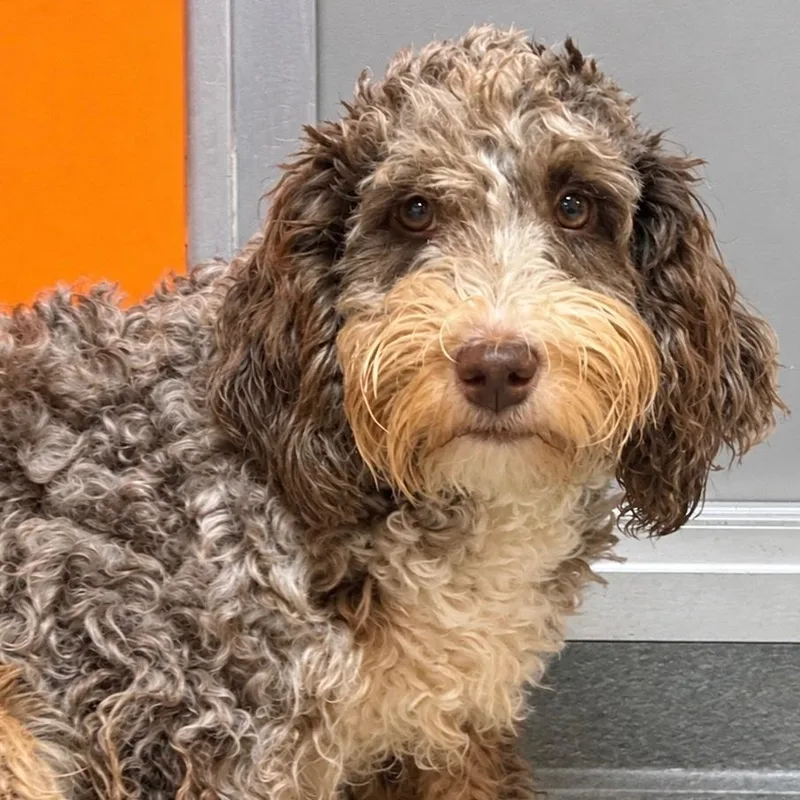
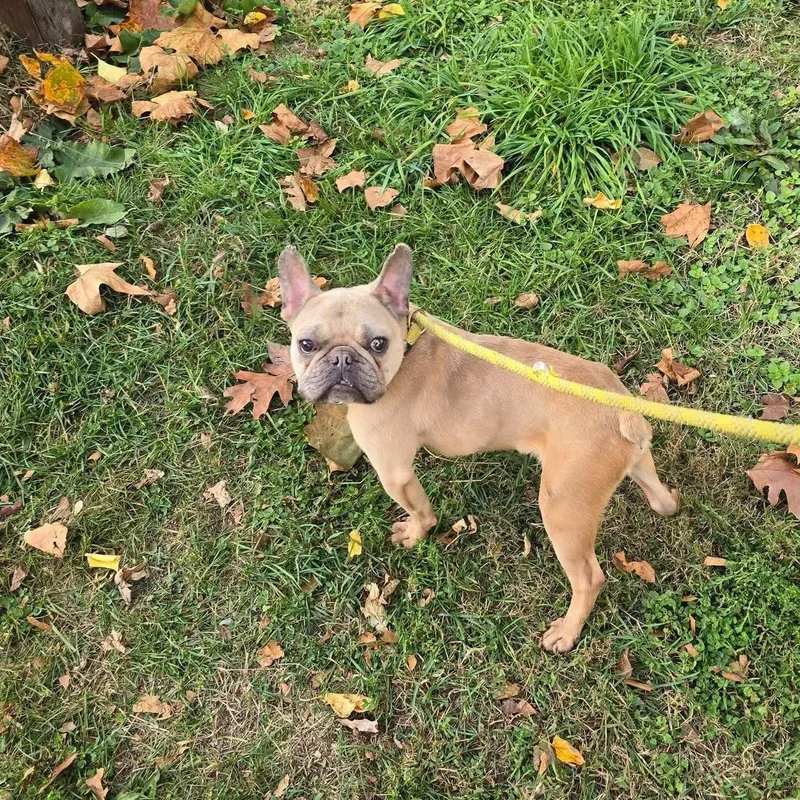
27 Dogue de Bordeaux available in Philadelphia and nationwide

Find your forever Dogue de Bordeaux

While we don't have enough dogs near Philadelphia, keep in mind that many rescues may offer transport.

Dogue de Bordeaux Available for Adoption Near Philadelphia

About the Dogue de Bordeaux breed

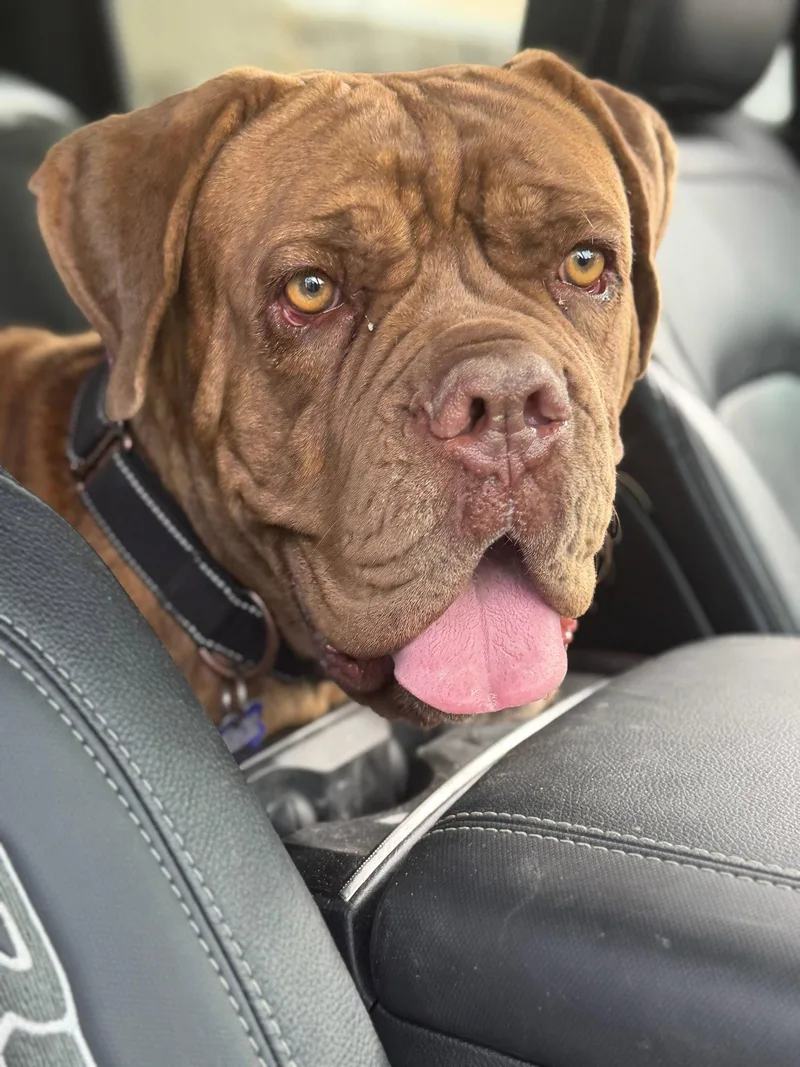
Often called the French Mastiff, the Dogue de Bordeaux is one of France's oldest breeds, long used around Bordeaux as an estate guardian, drover and butcher's dog. Its numbers fell to a few hundred worldwide by the early 1980s, and many Americans first met one in the film Turner & Hooch. Adults weigh roughly 99 to 145 pounds, with a short fawn to mahogany coat, loose wrinkled skin and an enormous head.

Many Dogues are calm, sensitive and devoted at home, yet watchful with strangers and strong enough to need early, gentle, consistent training. In Philly, that means managing a big dog on narrow sidewalks and rowhouse stoops. Plan for heavy drooling, year-round shedding, giant-dog expenses and a lifespan that is often under ten years.

Weight
99–145 lbs
Height
23–27 in
Lifespan
5–9 yrs
Temperament
Protective, Loyal, Calm, Devoted
Group
Working
Shedding
Moderate to High

Owning a Dogue de Bordeaux in Philadelphia

Having a Dogue de Bordeaux in Philly

A Dogue pairs a gentle home personality with a guardian's strength. In Philly, its size, drool, heat sensitivity and health risks shape daily life more than its moderate exercise needs do.

Temperament

Dogues are usually affectionate and calm with their people, but watchful with strangers and sometimes wary of unfamiliar dogs. Busy Philly sidewalks and shared rowhouse stoops make early socialization and reward-based training important, since harsh methods backfire with this sensitive breed. Temperament varies, so judge each dog by how it actually behaves, not by breed alone.
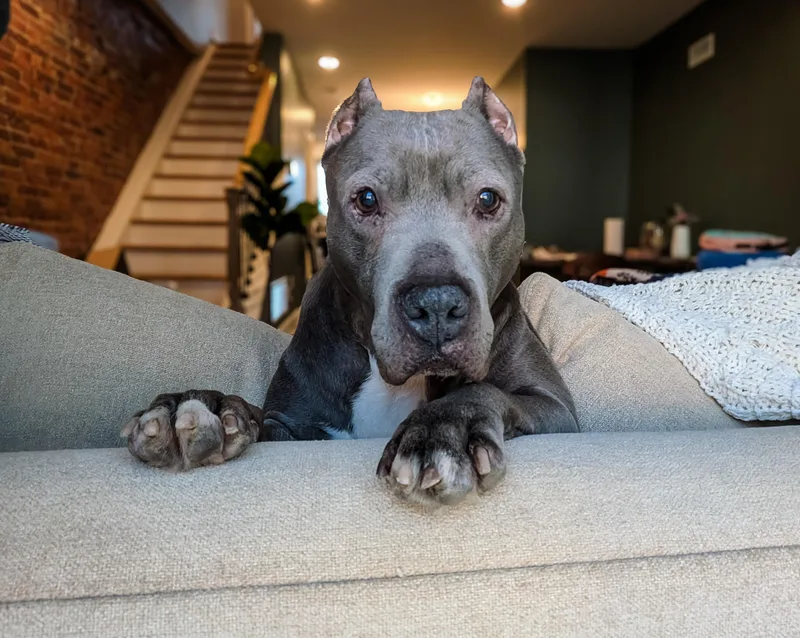
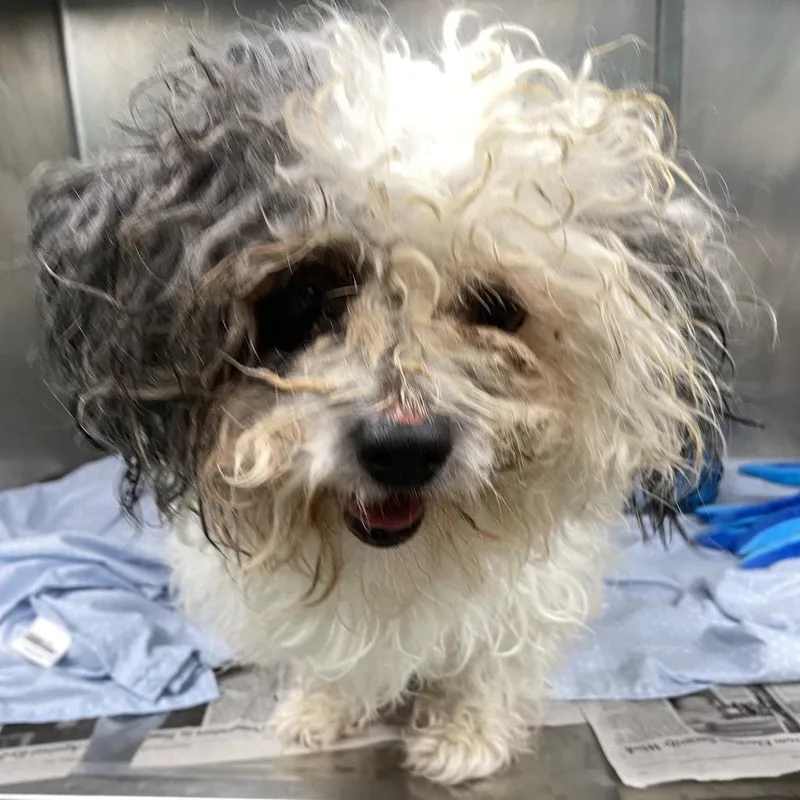
Exercise Needs

Adults need moderate exercise: a couple of daily walks plus some play or training. Kelly Drive's paved trail and Forbidden Drive's flat gravel suit a steady pace, always on a leash of six feet or less. Walk early or late in summer, and keep puppies to low-impact activity until about 18 months.

Health Considerations

Heart disease, cancer, bloat, hip and elbow dysplasia and short-face breathing trouble are the main concerns, and skin folds need regular cleaning. Ticks are active in Philly's wooded parks, so check your dog after trail walks and use veterinarian-recommended prevention. A veterinarian can check the heart and joints early.

Living Space

A Dogue can live in a rowhouse or apartment if it has room to stretch out and reliable air conditioning. Narrow rowhouse stairs are the hardest part for a heavy dog, especially a puppy or a senior, so a ground-floor or low-step layout helps. A small yard is fine, since most exercise happens on walks.

What it costs to own a Dogue de Bordeaux in Philadelphia

ExpenseTypical costPer year
Food$80 to $160 per month$960 to $1,920
Pet insurance$85 to $170 per month$1,020 to $2,040
Routine vet care$250 to $500 per year$250 to $500
Other*$590 to $1,690 per year$590 to $1,690
Estimated yearly total (after year one)$2,820 to $6,150

Other costs are estimates and vary with size, age and health.

* The $16 Philadelphia dog license for a spayed or neutered dog ($40 if unaltered), giant-size flea, tick and heartworm prevention, a dental cleaning allowance, sturdy toys and bedding, basic coat care, and skin-fold care and joint supplements.

Adopt a Dogue de Bordeaux in Philadelphia.

Now that you know more, let’s find you a new best friend. These rescues and shelters below have dogs available in and near Philadelphia.

Rescues and Shelters in or near Philadelphia

Philadelphia has a large animal-welfare community, and the rescues and shelters listed here keep adoptable dogs of every size. Here are the rescues & shelters in the Philly area with dogs available for adoption, worth asking whether a Dogue de Bordeaux is coming in.

Frequently Asked Questions

Almost certainly not. SEPTA allows pets only in a standard, sturdy carrier that doesn't obstruct anyone, and a Dogue weighing 99 to 145 pounds won't fit in one. Only service animals ride leashed. Plan on walking or driving instead, and keep errands within walking distance of home.

Yes, with care. Philly has about 30 days a year at 90°F or higher, and this short-faced breed overheats fast. Keep the dog in air conditioning, walk at dawn or after dark, avoid hot pavement, and provide water. During a Code Red, outdoor dogs must have shade or face fines of $500 or more.

Flat routes suit a Dogue best: Kelly Drive's paved Schuylkill River Trail and Forbidden Drive's gravel in Wissahickon Valley Park. Pennypack Park has soft trails. All require a leash of six feet or less. About eight volunteer-run dog runs offer off-leash space, including Columbus Square and Pretzel Park. Check for ticks afterward.

Yes. Pennsylvania law bars local rules that limit a specific breed, so Philadelphia has no breed ban. You'll need a rabies vaccination and a city license by four months old, within 30 days of adopting. A landlord can still set breed or size limits in a lease, so confirm yours first.

Yes, if the building and lease allow a dog this size. Many landlords set weight or breed limits, so get approval in writing. Choose a ground-floor or few-stair layout, since heavy dogs struggle on narrow rowhouse stairs, and make sure the air conditioning is dependable for the long humid summers.

It can be, for someone who's home often and has air conditioning and a manageable layout. Leashed walks along the river or in the Wissahickon suit the breed's moderate needs, but narrow sidewalks, crowds and other dogs call for good leash manners and early socialization. Weigh the hot summers and giant-dog costs honestly.

Sometimes, on patios. Some Philly restaurants and beer gardens welcome dogs outside at their own discretion, while only service animals are allowed indoors. A Dogue takes up a lot of floor space and drools, so bring a mat and water, and skip crowded patios on hot days.

Grooming is light: brush weekly with a rubber curry to handle year-round shedding, bathe about every four weeks, and clean face wrinkles weekly or even daily. Philly's humid summers make skin folds prone to irritation, so dry them well. Basic coat care fits within the yearly Other costs, and a professional groomer is rarely essential.

A Dogue de Bordeaux is not inherently dangerous, but it is a powerful guardian breed whose size and protective instincts demand responsible handling. Most are gentle and affectionate with their families. Poor socialization, rough training or weak containment raise the risk of problems with strangers or other dogs. Early training and an experienced owner make a big difference.

Expect roughly $2,800 to $6,200 a year for a Dogue in Philly. Food runs $80 to $160 a month and insurance $85 to $170, while routine vet care is $250 to $500 and other costs add $590 to $1,690 a year. Emergencies, bloat surgery or heart care can cost far more.

Find Dogue de Bordeaux in Nearby Cities

Expand your search to find Dogue de Bordeaux available for adoption near Philadelphia.