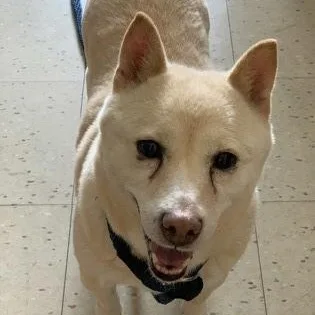
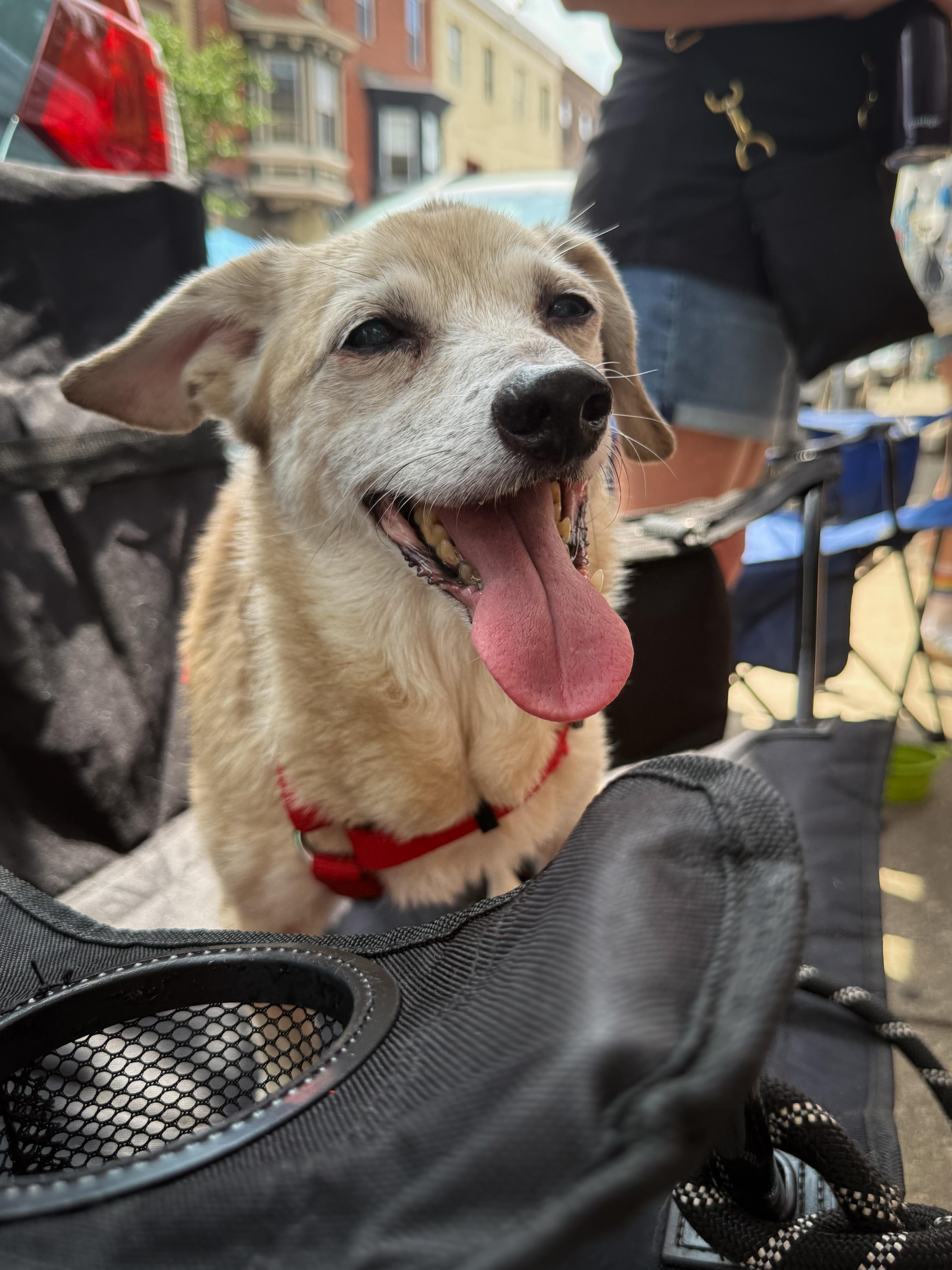
Basenji Dogs for Adoption in Philadelphia, PA

Your guide to finding and caring for a Basenji in Philly

A Basenji suits a Philly rowhouse block better than you'd expect, because it rarely barks. That counts for a lot when you share a party wall in Fishtown or Queen Village. What a Basenji won't do is sit still: this small hound needs a brisk daily run, and a fenced spot like the dog run at Black, Coyle & McBride Playground gives it room to sprint once you've checked the fence. Expect yodels, the occasional baroo and a clever escape artist testing every gate and stoop door.

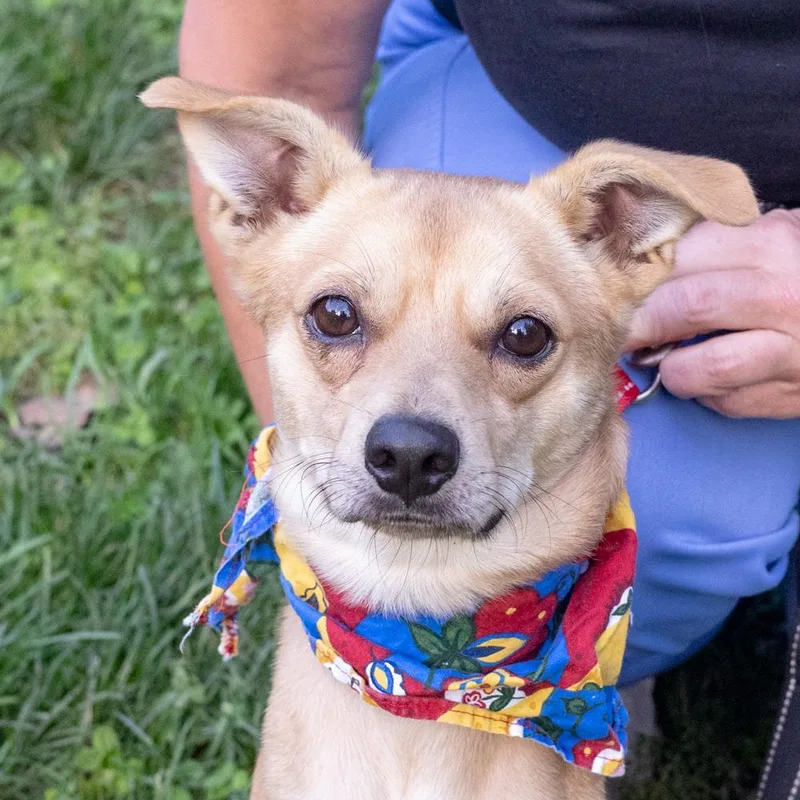
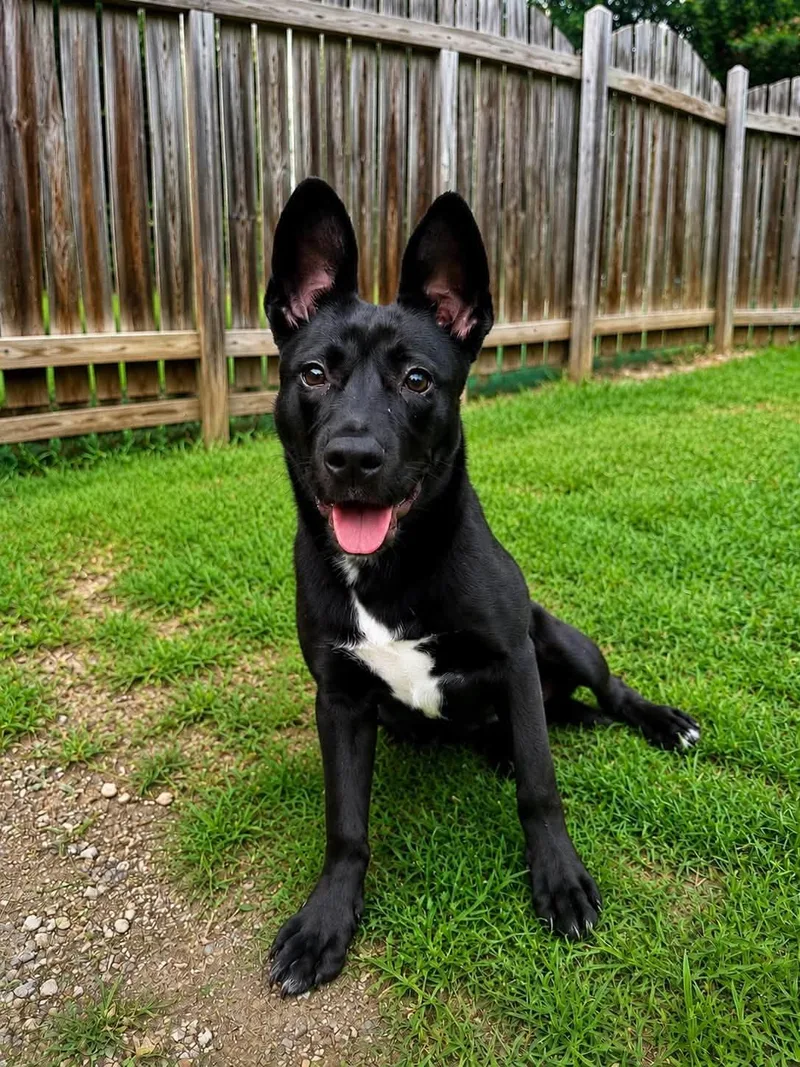
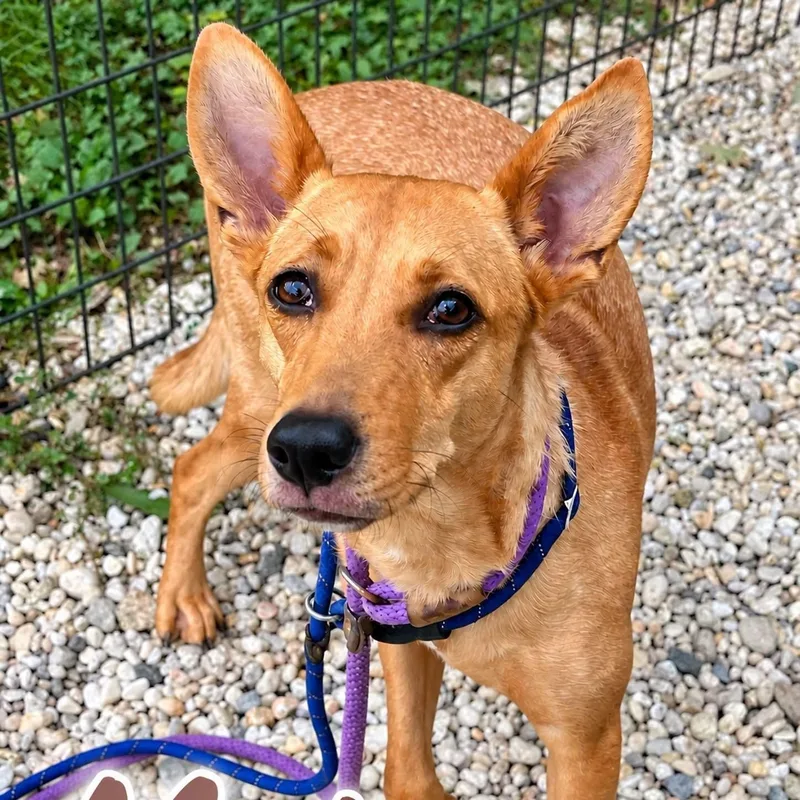
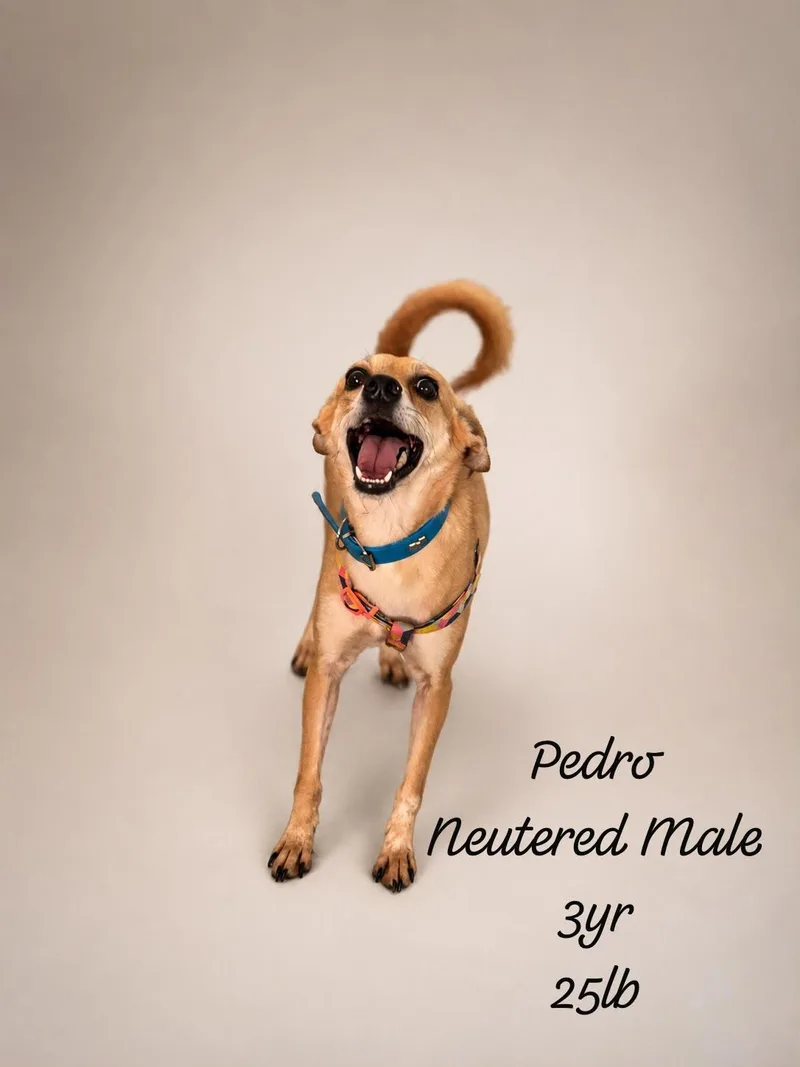
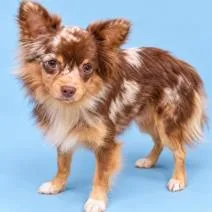
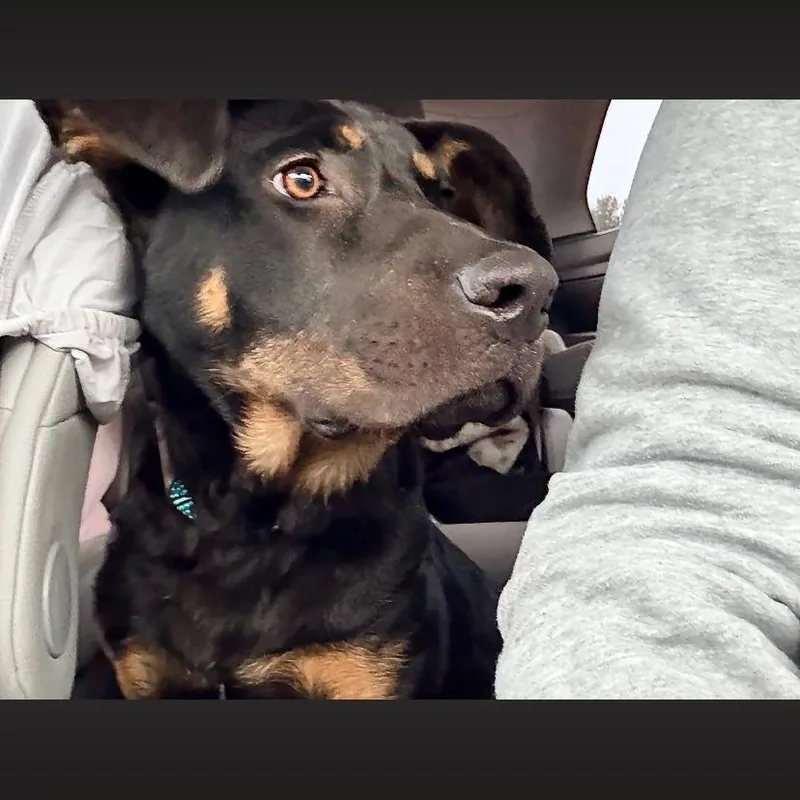
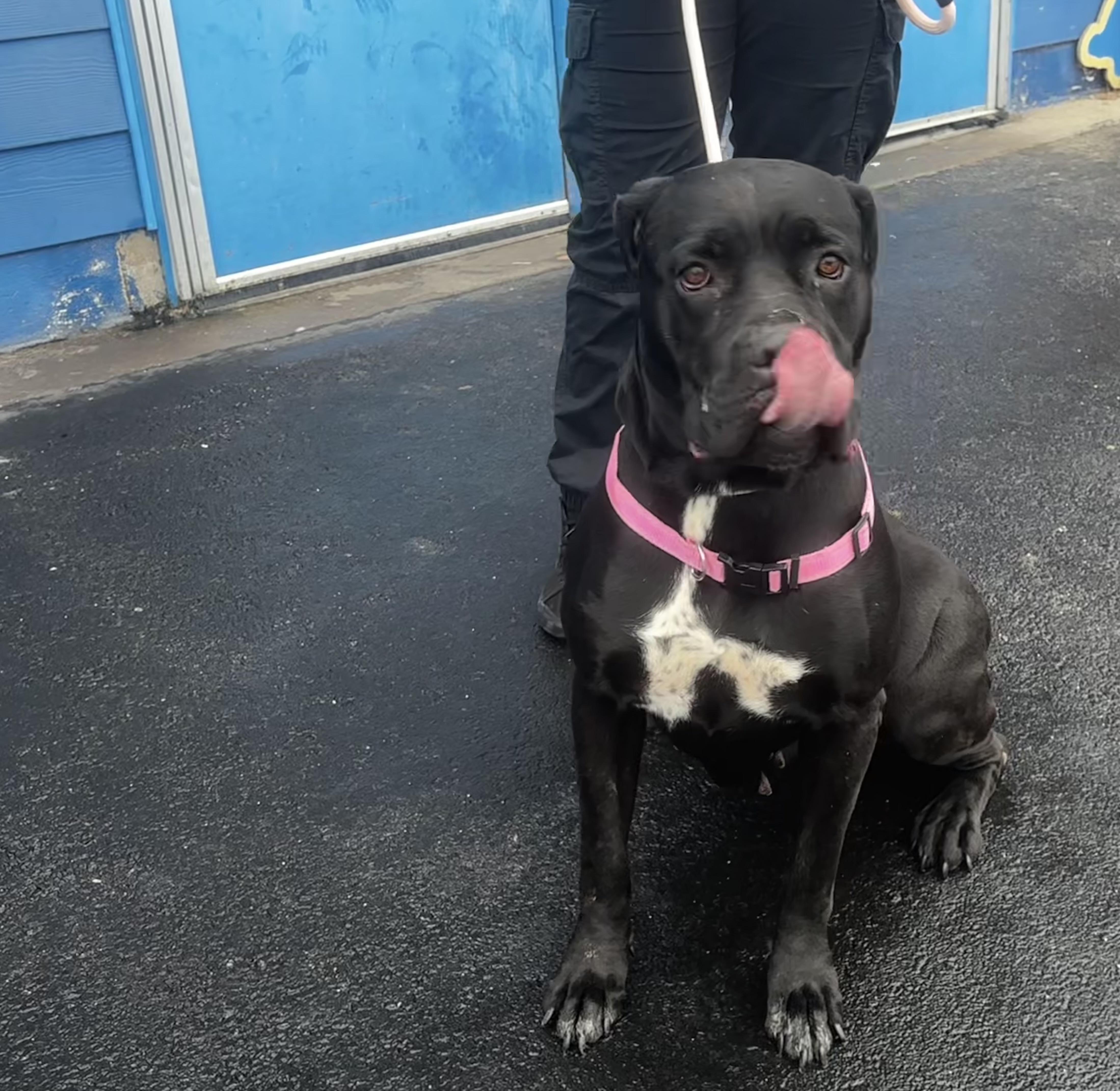
155 Basenjis available in Philadelphia and nationwide

Fall for a Basenji

While we don't have enough dogs near Philadelphia, keep in mind that many rescues may offer transport.

Basenjis Available for Adoption Near Philadelphia

About the Basenji breed

The Basenji is a small hunting hound from Central Africa's Congo basin, where village hunters used its speed and sharp nose to find small game and drive it into nets. It stands about 15 to 18 inches tall and weighs roughly 20 to 26 pounds, with a short, fine coat, a wrinkled forehead, upright ears and a tightly curled tail. Basenjis groom themselves much like cats, shed little and have little odor.

Many are affectionate with their families but independent, reserved with strangers and strongly driven to chase. They're clever, which also means they get bored, chew and work out how to open gates. On narrow city sidewalks full of squirrels, that chase instinct is the main thing to plan around: a well-fitted harness, a secure leash and patient, creative training. Dogs vary, so each Basenji's own habits matter more than the breed label.

Weight
20–26 lbs
Height
15–18 in
Lifespan
12–15 yrs
Temperament
Independent, Intelligent, Alert, Affectionate
Group
Hound
Shedding
Low

Owning a Basenji in Philadelphia

Having a Basenji in Philly

Basenjis pair a catlike independence with a hunter's drive and an unusual voice. In Philly, those traits show up as quiet rowhouse living, careful leash handling near busy streets and parks, and a steady need for daily exercise and mental work.

Temperament

Basenjis tend to be affectionate with their families, alert and often reserved with strangers. They think for themselves, so training takes patience and good rewards. Strong prey drive can make squirrels, cats and other small pets risky, and some Basenjis prefer to be the only dog. Their yodels and baroos are quieter than barking, but they aren't silent.

Exercise Needs

Plan on a brisk daily walk plus a real chance to run. In Philly, that usually means a fenced dog run such as Pretzel Park in Manayunk or Columbus Square in South Philly, once you've confirmed the fence is secure, or leashed trail time on Forbidden Drive. Keep leashes at six feet or shorter, and add puzzle toys or scent games for the brain.

Health Considerations

Basenjis are often long-lived but can inherit Fanconi syndrome, a kidney disorder, along with progressive retinal atrophy, pyruvate kinase deficiency and hypothyroidism. A veterinarian can discuss DNA tests and periodic urine screening. In Philly, check for ticks daily after wooded parks, since Lyme-carrying blacklegged ticks have been found at 29 of 41 sampled City sites.

Living Space

A Basenji fits a Philly rowhouse or apartment if its exercise is covered, and its lack of barking helps with shared walls. Security matters more than square footage: Basenjis climb, squeeze through gaps and chew. Check stoop doors, gates and small backyard fences, and expect a dog that dislikes cold and rain to want a warm spot indoors.

What it costs to own a Basenji in Philadelphia

ExpenseTypical costPer year
Food$20 to $45 per month$240 to $540
Pet insurance$40 to $85 per month$480 to $1,020
Routine vet care$200 to $400 per year$200 to $400
Other*$390 to $1,090 per year$390 to $1,090
Estimated yearly total (after year one)$1,310 to $3,050

Other costs are estimates and vary with size, age and health.

* The Philadelphia dog license ($16 a year for a spayed or neutered dog, $40 if unaltered), flea, tick and heartworm prevention, a dental cleaning allowance, durable chew toys and bedding, and minimal grooming.

Adopt a Basenji in Philadelphia.

Now that you know more, let’s find you a new best friend. These rescues and shelters below have dogs available in and near Philadelphia.

Rescues and Shelters in or near Philadelphia

Philly has a large rescue community, including the city's animal care and control shelter and several nonprofit organizations. Here are the rescues & shelters in the Philly area with dogs available for adoption, worth asking whether a Basenji is coming in.

Frequently Asked Questions

Yes, you can own a Basenji in Philadelphia, and Pennsylvania law bars local rules that ban or limit specific breeds. You'll need a City dog license within 30 days of adoption or moving here, plus a current rabies vaccine. Outside fenced dog runs, keep your Basenji on a leash no longer than six feet.

Fenced dog runs such as Pretzel Park in Manayunk, Columbus Square in South Philly and Schuylkill River Park in Center City give a Basenji safe off-leash space, as long as the fence holds. For longer outings, Forbidden Drive in the Wissahickon, Pennypack Park and Kelly Drive are leashed-only. Stay on trails, since ticks and coyotes are around.

Basenjis can manage a Philly winter with some help, but most dislike cold and rain. Their short, fine coat gives little insulation, so use a coat or sweater, keep walks short on the coldest days and wipe paws after salted sidewalks. Keep your Basenji indoors, especially during a Code Blue, when dogs need proper shelter or to come inside.

Only in a carrier. SEPTA allows pets, including on the Broad Street Line and Market-Frankford Line, only in a standard, sturdy carrier that doesn't obstruct others, and the animal can't be disruptive. A Basenji is small but sturdy, so you'll need a roomy carrier and a calm dog. Service animals ride leashed instead.

Yes, a Basenji can live in a Philly apartment or a rowhouse unit, and its lack of barking helps through shared walls, though it may still yodel. Exercise and security matter more than square footage: plan a daily run, use a crate or gated area when you're out, and secure windows, stoop doors and any shared yard gate.

Very little. A Basenji's short, fine coat sheds lightly and the dog cleans itself much like a cat, so a weekly brush and an occasional bath usually do it. Philly's humid summers and tick season make a quick coat check after walks worthwhile. Professional grooming isn't needed, so the roughly $390 to $1,090 yearly Other cost goes mostly to prevention, dental care and supplies.

Possibly on a patio, but it's up to each restaurant. Some restaurants and beer gardens welcome dogs outdoors while others don't, and only service animals go indoors. Bring a leash, a mat and water, and keep your Basenji close. Its chase drive and reserve with strangers can make a crowded patio tricky.

A Basenji is a small, ancient hunting dog from Central Africa, famous for not barking. It belongs to the AKC Hound Group and was recognized in 1943. Basenjis are lean and elegant, with a wrinkled forehead, upright ears and a tightly curled tail. They tend to be clever, independent, clean and energetic, with a strong instinct to chase.

A Basenji looks like a small, athletic dog with a short, fine coat, upright pointed ears, a wrinkled forehead and a tail curled tightly over its back. Common colors are chestnut red, black, tricolor and brindle, always with white feet, chest and tail tip. It moves with a quick, springy trot often compared to a trotting racehorse.

A Basenji typically costs about $1,300 to $3,050 a year in Philly, counting food at $20 to $45 a month, insurance at $40 to $85 a month, routine vet care at $200 to $400 a year and other costs at $390 to $1,090 a year. Insurance runs higher than for many small dogs because of inherited conditions. Emergencies and illness aren't included.