Australian Cattle Dog / Blue Heelers for Adoption in Philadelphia, PA

Your guide to finding and caring for an Australian Cattle Dog / Blue Heeler in Philly

A Blue Heeler fits Philly best when its person actually likes being outdoors. Roxborough and East Falls sit along the edge of Wissahickon Valley Park, where a Heeler can burn energy on Forbidden Drive and the rocky trails above the creek. At home, rowhouse blocks mean shared walls and small yards, so a watchful dog that barks at the stoop needs steady training. Pack a sturdy six-foot leash, since the park doesn't allow off-leash dogs.

4089 Australian Cattle Dog / Blue Heelers available in Philadelphia and nationwide

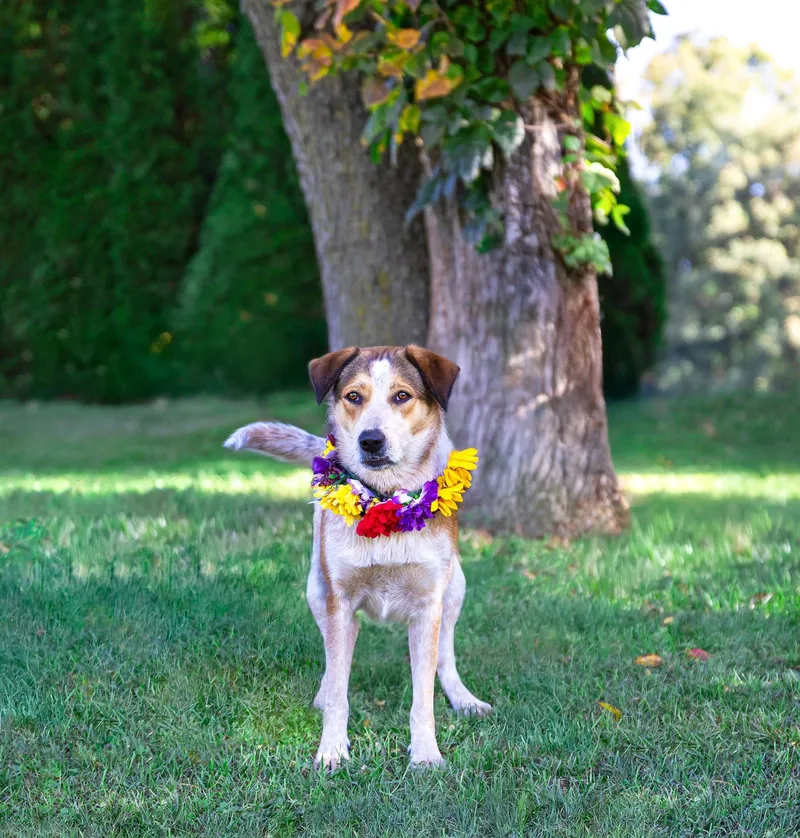
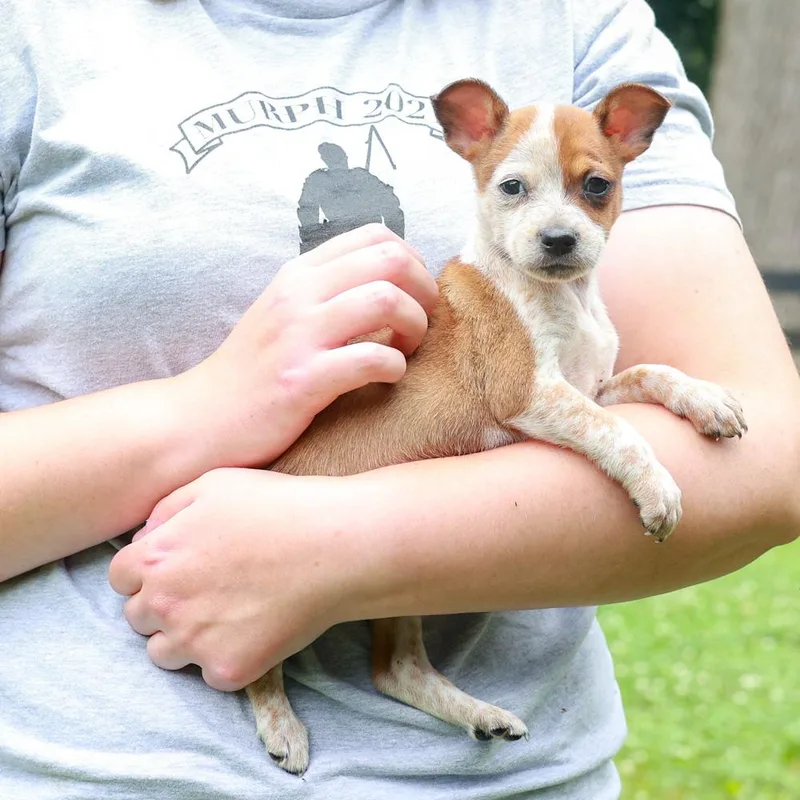
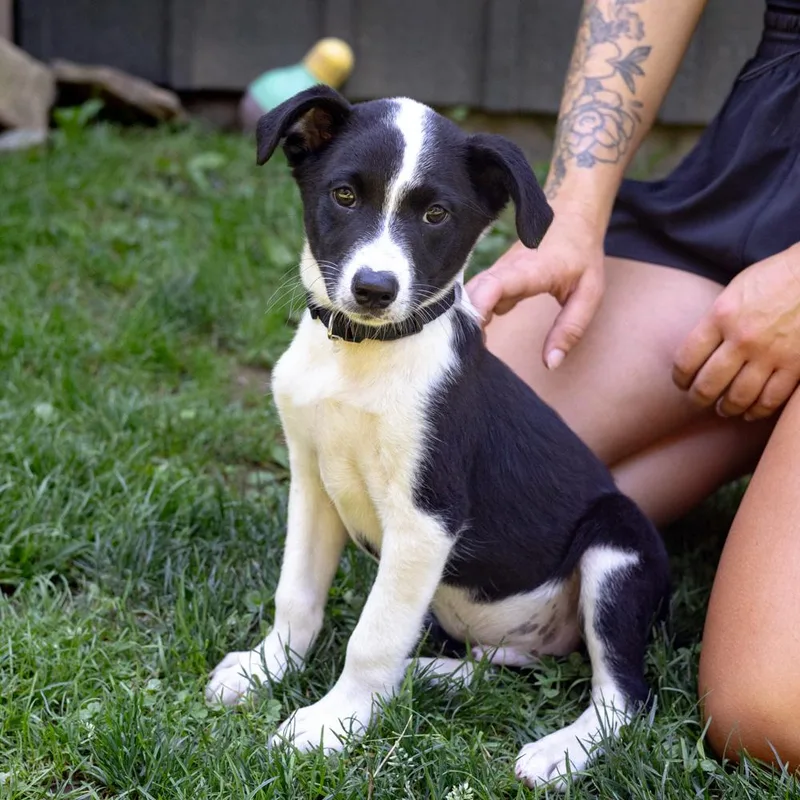
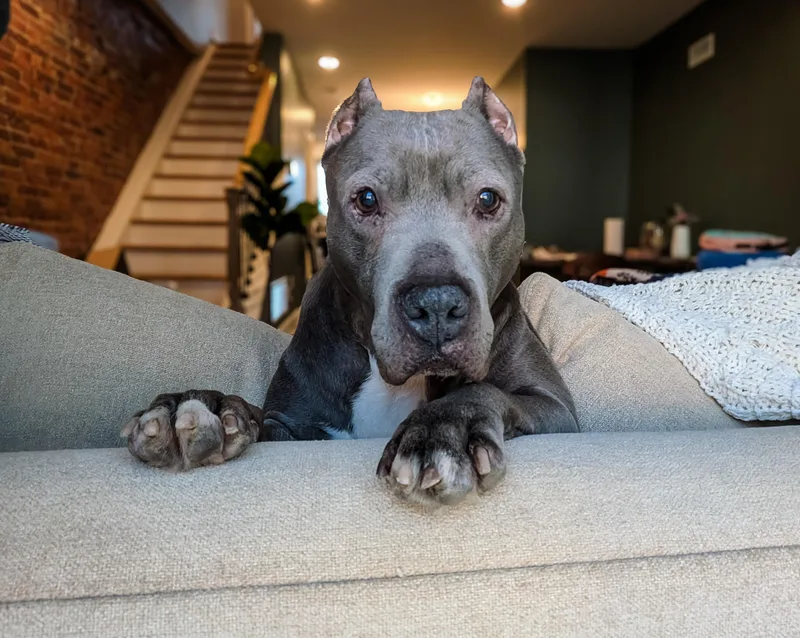
Say hello to your Blue Heeler

Australian Cattle Dog / Blue Heelers Available for Adoption Near Philadelphia

About the Australian Cattle Dog / Blue Heeler breed

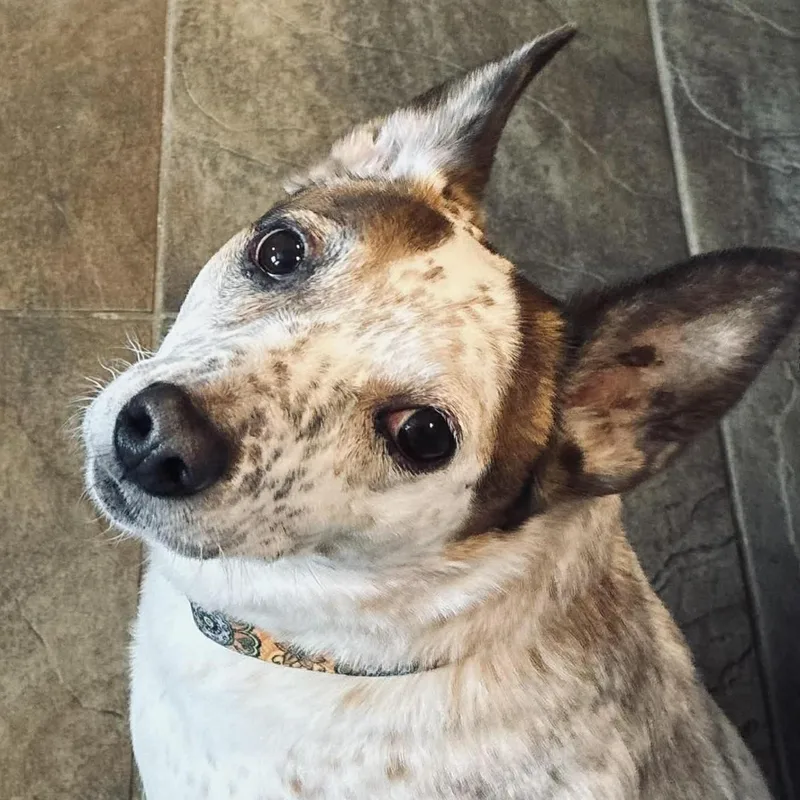
Australian Cattle Dogs, also called Blue Heelers or Queensland Heelers, were developed in nineteenth-century Australia to drive cattle over long distances in heat and dust. Settlers crossed collie-type herding dogs with dingoes to create a tough, quiet worker that nips at heels to move stock. The result is a compact, muscular dog of about 35 to 50 pounds with a weatherproof double coat in blue or red speckle.

Heelers tend to be loyal, alert and clever, often bonding closely with one person and staying wary of strangers. Their stamina and urge to chase and herd can show up as nipping at children, bikes or other pets. In Philly, that means plenty of leashed outings and mental work, but dogs vary, and many make devoted, hardy companions with long lifespans.

Weight
35–50 lbs
Height
17–20 in
Lifespan
12–16 yrs
Temperament
Energetic, Intelligent, Loyal, Alert
Group
Herding
Shedding
Moderate

Owning an Australian Cattle Dog / Blue Heeler in Philadelphia

Having an Australian Cattle Dog / Blue Heeler in Philly

A Heeler's stamina and sharp mind matter more than its medium size. In Philly, the best match is a household that can give daily structured exercise, training and company, whether that's a rowhouse with a small yard or a Northwest home near the Wissahickon.

Temperament

Heelers are often loyal, alert and confident, bonding tightly with one person while staying reserved with visitors. That watchfulness can mean barking at stoop traffic or sidewalk passersby on a dense rowhouse block. Herding instincts may bring nipping and chasing, so consistent reward-based training and early socialization help. Each dog's drive varies.

Exercise Needs

Most Heelers need vigorous daily exercise plus mental work. In Philly, that can mean long leashed walks along Kelly Drive and the Schuylkill River Trail, or hikes in the Wissahickon and Pennypack. Fetch, training games and puzzle toys fill the gaps. A quick lap around the block rarely satisfies a young Heeler.

Health Considerations

Heelers are often long-lived, but documented concerns include congenital deafness, progressive retinal atrophy, lens luxation and hip and elbow dysplasia. A veterinarian can check hearing, eyes and joints and discuss screening. In Philly, check for ticks daily after wooded park walks, since blacklegged ticks have turned up at most City sites sampled.

Living Space

Heelers do best with outlets for their energy, and yard size matters less than daily activity. Philly's rowhouses often have small or no back yards and narrow stairs, so plan for walks and play away from home. Apartment life can work for committed owners, though shared walls make early barking training worthwhile.

What it costs to own an Australian Cattle Dog / Blue Heeler in Philadelphia

ExpenseTypical costPer year
Food$35 to $70 per month$420 to $840
Pet insurance$55 to $100 per month$660 to $1,200
Routine vet care$225 to $450 per year$225 to $450
Other*$440 to $1,190 per year$440 to $1,190
Estimated yearly total (after year one)$1,745 to $3,680

Other costs are estimates and vary with size, age and health.

* The $16 Philadelphia dog license for a spayed or neutered dog ($40 if unaltered), dental cleanings, flea, tick and heartworm prevention, durable toys and bedding, and light grooming.

Adopt an Australian Cattle Dog / Blue Heeler in Philadelphia.

Now that you know more, let’s find you a new best friend. These rescues and shelters below have dogs available in and near Philadelphia.

Rescues and Shelters in or near Philadelphia

Philly has a large, busy animal rescue community, with shelters and rescue groups placing dogs of every size and age. Here are the rescues & shelters in the Philly area with dogs available for adoption, worth asking whether an Australian Cattle Dog / Blue Heeler is coming in.

Frequently Asked Questions

Yes, a Blue Heeler can fit Philly life if you can provide daily exercise and training. The city's big leashed parks and river trails give a Heeler room to work, while rowhouse blocks call for calm manners at the door and on busy sidewalks. Households that are out all day or prefer quiet evenings may find a Heeler's energy and alertness hard to manage.

Yes, with some planning. Philly summers are hot and humid, so walk early or late, choose shaded paths and carry water. Hot pavement can burn paws, so test it with your hand. A Heeler's drive to keep going can hide overheating, so watch for heavy panting and rest. Never leave a dog in a parked car.

Wissahickon Valley Park's Forbidden Drive and trails, Kelly Drive along the Schuylkill River Trail, and Pennypack Park all work for leashed Heeler hikes and runs. Dogs must stay on a six-foot leash outside the volunteer-run dog runs, such as Pretzel Park in Manayunk. Stay on marked trails and check your dog for ticks afterward.

Yes, if you can meet its exercise needs. A Heeler's size isn't the issue; its energy and alertness are. Shared walls in converted rowhouses and apartment buildings carry barking, so practice quiet manners and plan a long daily walk plus puzzle games. Read the lease for breed or weight limits, since landlords set their own.

Yes. Pennsylvania law bars local breed-specific rules, so Philadelphia has no breed ban affecting Blue Heelers. You must license a dog by four months old, within 30 days of getting one, and keep rabies vaccination current. Landlords can still set their own breed rules in leases, so confirm yours before you adopt.

Only in a carrier. SEPTA allows pets on its property only in sturdy, nonobstructive carriers, and the animal can't be disruptive. A Blue Heeler usually weighs 35 to 50 pounds, which is too big for most carriers, so plan on walks or a car. Service animals are the exception and ride leashed.

Very little. A Heeler's short, weatherproof coat needs a weekly brush, and more often during heavy shedding in spring and fall. Baths are only occasionally needed. After wooded walks, run your hands over the coat to check for ticks. Light home grooming keeps grooming costs small.

Sometimes, on patios. Some Philly restaurants and beer gardens welcome dogs outdoors at their own discretion, but only service animals are allowed indoors. Pick a quiet spot, bring a mat and practice settling first, since a watchful Heeler may bark at passersby or nip at moving feet.

Blue Heelers typically live about 12 to 16 years, and a recent UK study put the breed's average life expectancy at about 14 years, longer than many purebreds. A famous Australian Cattle Dog named Bluey reportedly lived over 29 years, though such records are hard to verify. Staying lean and active and getting regular checkups support a long life.

Expect roughly $35–$70 a month for food, $55–$100 a month for pet insurance, $225–$450 a year for routine vet care, and $440–$1,190 a year for other costs such as the license, parasite prevention, dental care and supplies. A Heeler's short coat keeps grooming costs low, though every dog differs.