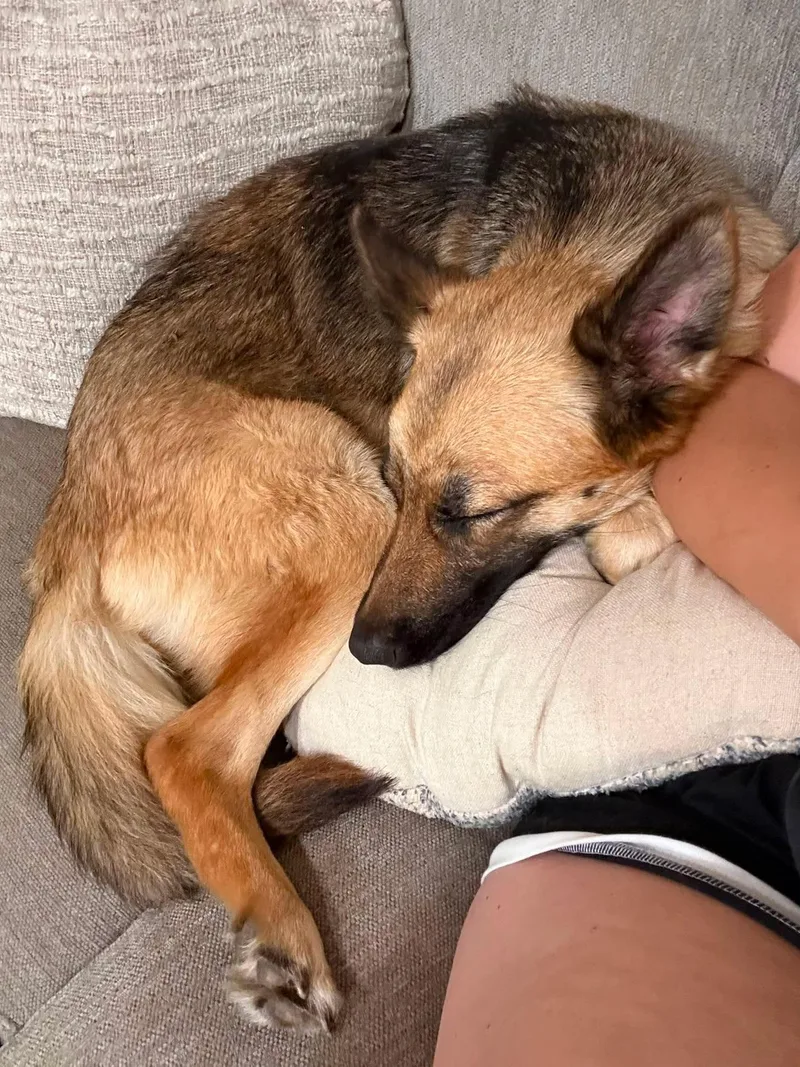
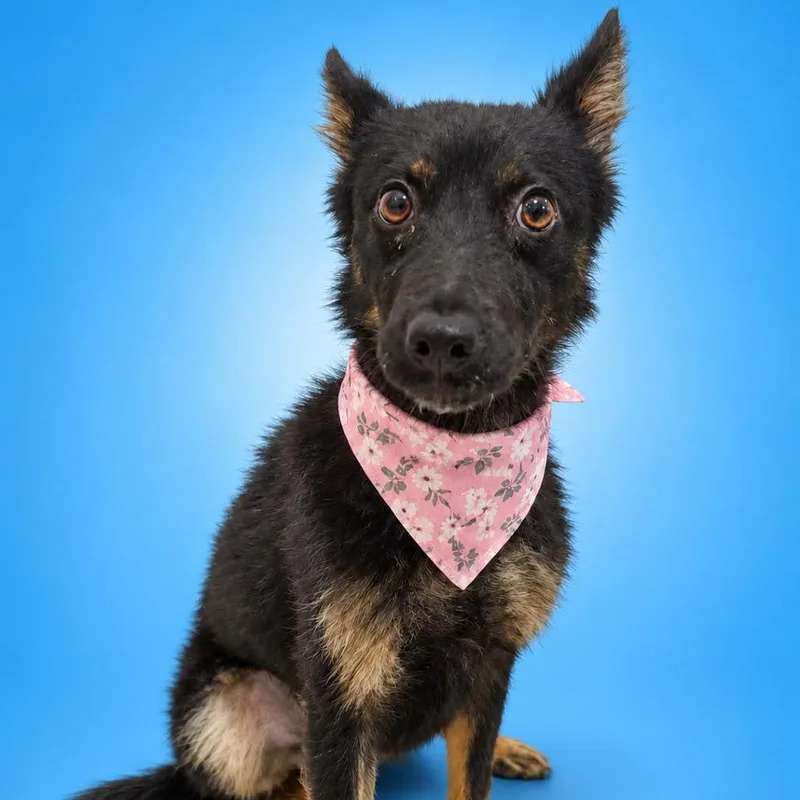
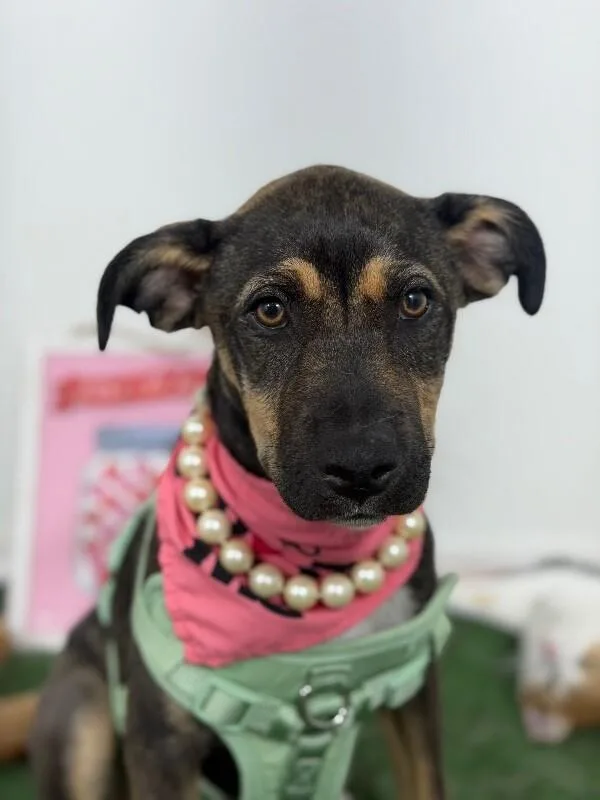
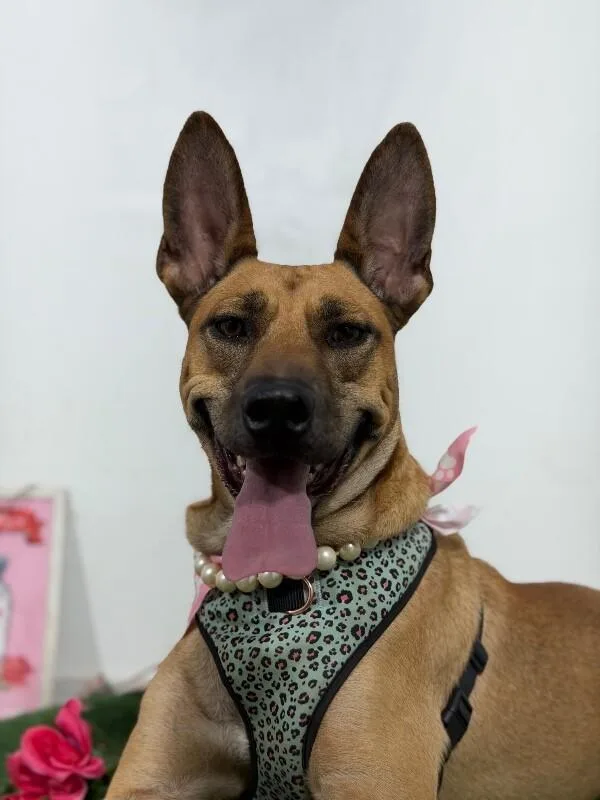
German Pinscher Dogs for Adoption in Portland, OR

Your guide to finding and caring for a German Pinscher in Portland

German Pinschers suit Portland best with owners who'll walk every day, rain or not. A trim, short-coated dog like this can burn off energy in the fenced dog area at Normandale Park in the morning, then curl up in a Montavilla bungalow by afternoon. They're alert and a little stubborn, so training is part of the routine. It's an uncommon breed, so don't count on finding one quickly.

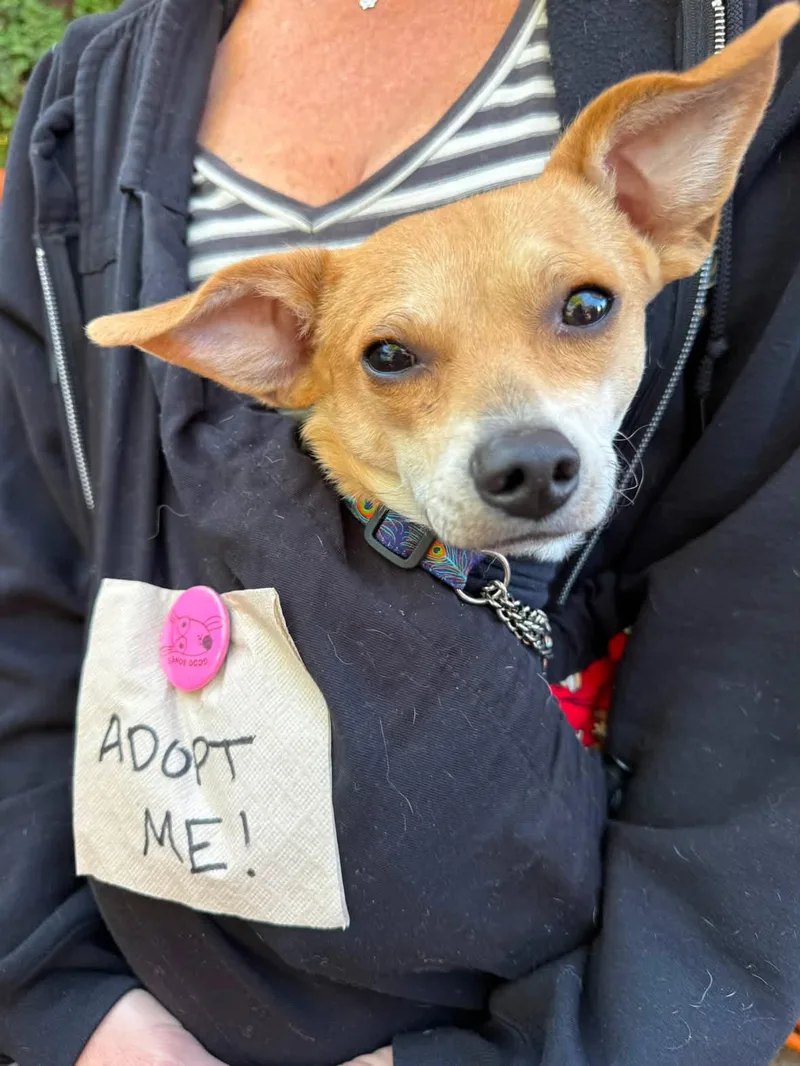
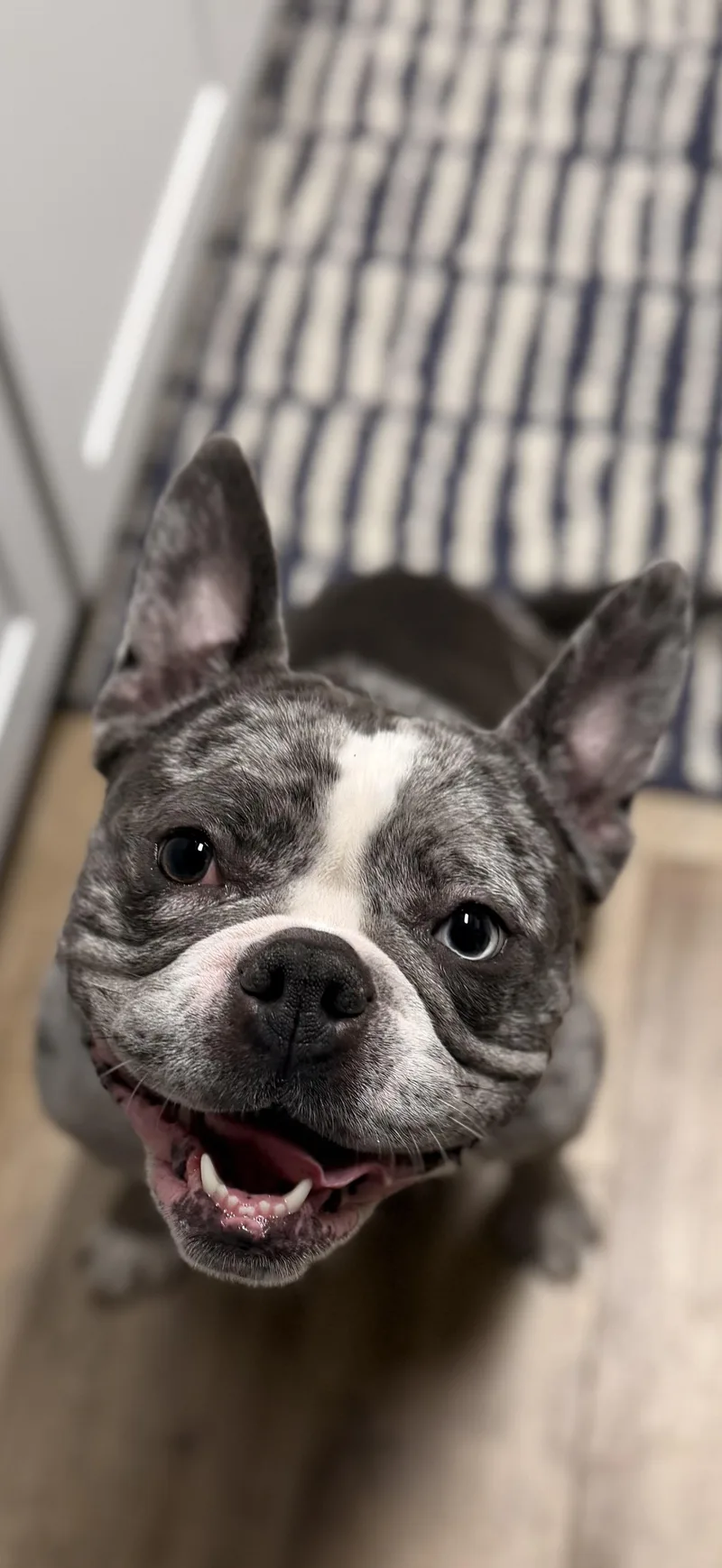
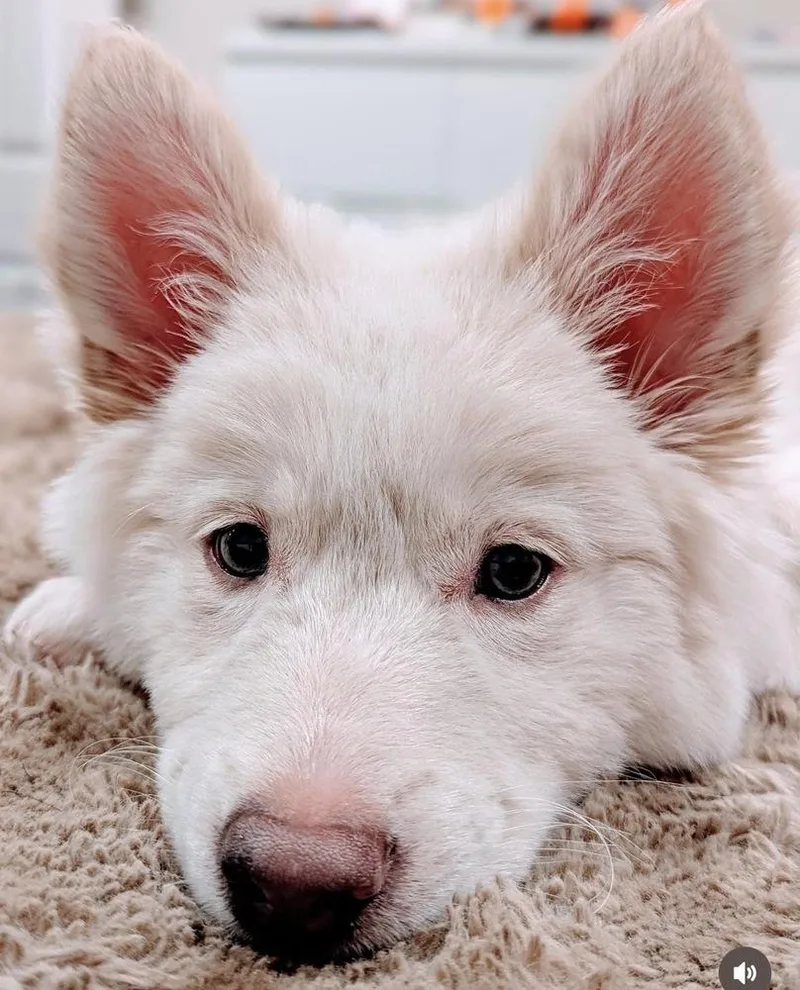
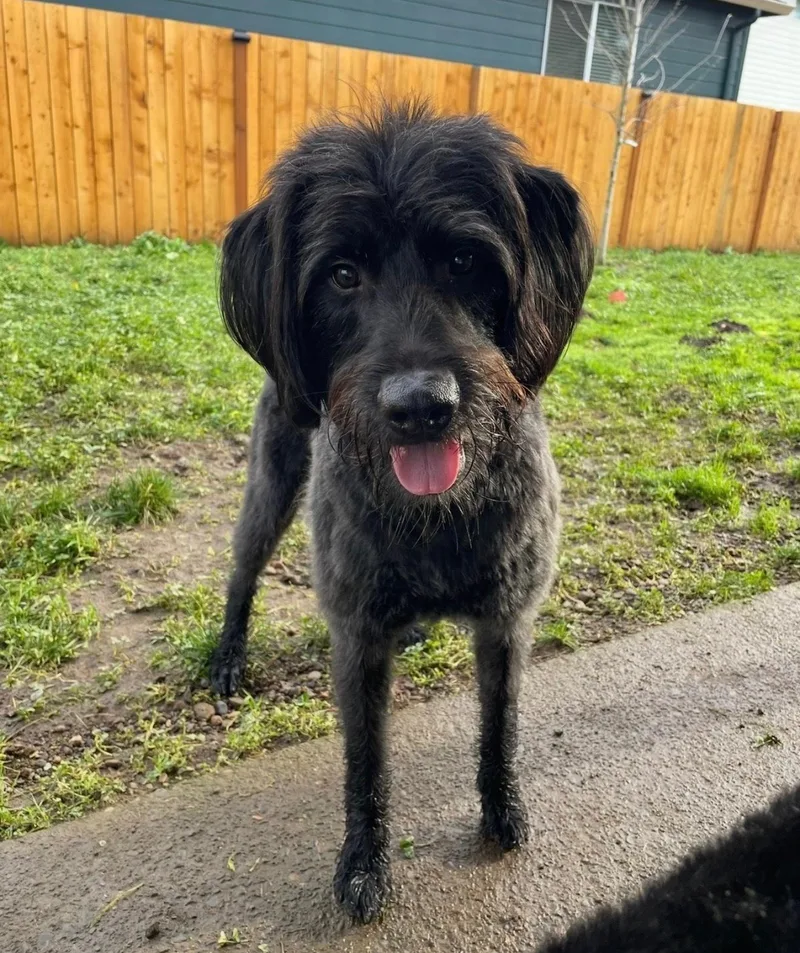
68 German Pinschers available in Portland and nationwide

Give a German Pinscher a home

While we don't have enough dogs near Portland, keep in mind that many rescues may offer transport.

German Pinschers Available for Adoption Near Portland

About the German Pinscher breed

The German Pinscher is a medium-sized farm dog from Germany, originally kept in stables to catch rats and guard carriages. It's the smooth-coated cousin of the Standard Schnauzer, and it nearly disappeared after World War II. Today it's still uncommon, with a short glossy coat in red or black and rust over a square, muscular frame of roughly 25 to 45 pounds.

Many German Pinschers are alert, quick-witted and devoted to their people, and they tend to be watchful with strangers. They're energetic and determined, and a strong prey drive means squirrels and cats can test their manners. In Portland, that means a daily routine of walks and mental work, plus a plan for towel-drying muddy paws during the long wet season. Dogs vary, so spend time with the dog you're considering.


Weight
25–45 lbs
Height
17–20 in
Lifespan
12–14 yrs
Temperament
Alert, Energetic, Intelligent, Protective
Group
Working
Shedding
Low to Moderate

Owning a German Pinscher in Portland

Having a German Pinscher in Portland

German Pinschers are quick, watchful dogs with easy-care coats and plenty of drive. In Portland, the rainy months and the mix of apartments and bungalow neighborhoods shape how you exercise and house one. Needs vary from dog to dog.

Temperament

Many German Pinschers are confident, curious and closely bonded to their families, and they can be reserved with strangers. On Portland's busy sidewalks, calm exposure to people, dogs and bikes helps them settle. Some push boundaries or chase small animals, so consistent, kind training matters. Each dog's personality differs.

Exercise Needs

Plan on a brisk daily walk plus time to run and think. Portland's fenced off-leash areas, such as Normandale Park, suit fetch and flirt-pole games, while leashed walks work elsewhere. Rain is routine here, so keep indoor options like scent games and training sessions. Prey drive can beat recall, so stay leashed outside fences.

Health Considerations

Hip dysplasia, cataracts and von Willebrand's disease, an inherited bleeding disorder, are documented in the breed. A veterinarian can check hips and eyes and discuss clotting before any surgery. Regular checkups help catch problems early, and drying paws and coat after wet Portland walks keeps muddy-season messes manageable.

Living Space

A German Pinscher can fit a downtown apartment or a bungalow with a yard, provided exercise is steady. Fences should be tall, since this agile breed can jump or climb low ones. The short coat gives little warmth, so it lives indoors with the family and may want a sweater in winter.

What it costs to own a German Pinscher in Portland

ExpenseTypical costPer year
Food$35 to $70 per month$420 to $840
Pet insurance$45 to $85 per month$540 to $1,020
Routine vet care$225 to $450 per year$225 to $450
Other*$440 to $1,190 per year$440 to $1,190
Estimated yearly total (after year one)$1,625 to $3,500

Other costs are estimates and vary with size, age and health.

* The $27 Multnomah County license for a spayed or neutered dog, flea, tick and heartworm prevention, a dental cleaning allowance, toys and bedding, and occasional baths and brushing.

Adopt a German Pinscher in Portland.

Now that you know more, let’s find you a new best friend. These rescues and shelters below have dogs available in and near Portland.

Frequently Asked Questions

Yes. Portland and Multnomah County regulate dogs by behavior, not breed, so no known rule targets German Pinschers. You'll need a county license, which requires a current rabies vaccination, and a leash no longer than eight feet in public. Some landlords and insurers have their own breed lists, so read lease and policy terms.

Yes, if its exercise needs are met. A German Pinscher is medium-sized with a low-maintenance coat, and many do fine in Portland apartments with daily walks, play and mental work. Noise matters: continuous barking for ten minutes can draw a county infraction, so train for quiet and avoid long stretches alone.

Try the fenced off-leash areas at Normandale Park, Wallace Park or Gabriel Park for fetch, and Forest Park for leashed hikes on its 80-plus miles of trails. Mt. Tabor has an unfenced off-leash area. Because prey drive can beat recall, a fenced area is the safer pick. Elsewhere in parks, keep dogs on a leash of eight feet or less.

Yes, with some gear. Portland winters are wet and typically 38 to 48°F, and a German Pinscher's short coat offers little insulation, so a waterproof coat or sweater helps. Dry them after walks, and keep an indoor potty spot and a warm room ready in case a rare ice storm knocks out power.

Only in a secure, enclosed carrier on TriMet MAX trains, buses and the Portland Streetcar; service animals are exempt. Most adult German Pinschers, at roughly 25 to 45 pounds, are too big for a carrier, so plan on walking or driving for most outings with your dog.

Not much. Brush weekly to lift loose hair, and bathe only when muddy, which happens often between October and April. Wiping paws and towel-drying after walks covers most days. Grooming is a small part of the yearly Other costs of $440 to $1,190, since most owners do it at home.

Sometimes, on patios only. Oregon lets restaurants designate outdoor seating for leashed dogs if they've filed a plan, so it's up to each restaurant. Dogs stay off chairs and tables and never go inside. A well-socialized German Pinscher that settles under the table will do best, since passersby can set off a watchful one.

Yes, German Pinschers shed, but only lightly to moderately. Their short, smooth coat drops small hairs year-round, with slightly more during seasonal changes. Weekly brushing with a rubber curry or grooming mitt removes most loose hair and keeps the coat shiny. Compared with double-coated breeds, cleanup is easy, though short hairs can still cling to fabric.

German Pinschers are not aggressive by nature, and the breed standard penalizes unprovoked attacks. They are fearless, protective and wary of strangers, though, and some can be pushy or reactive with other dogs. Good socialization from an early age, steady training and enough exercise make a big difference. An adopted adult's history is the best guide to its behavior.

Expect food at $35 to $70 a month and insurance at $45 to $85 a month. Routine vet care runs $225 to $450 a year, and other costs such as prevention, dental care, the license and supplies add $440 to $1,190 a year. The short coat keeps grooming costs low.