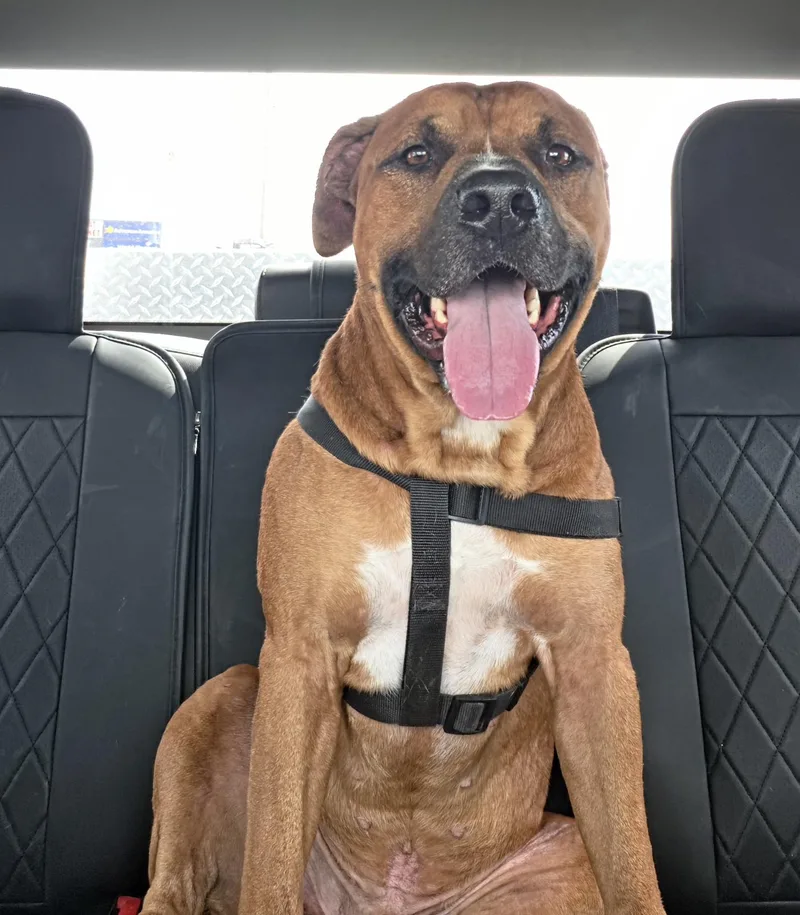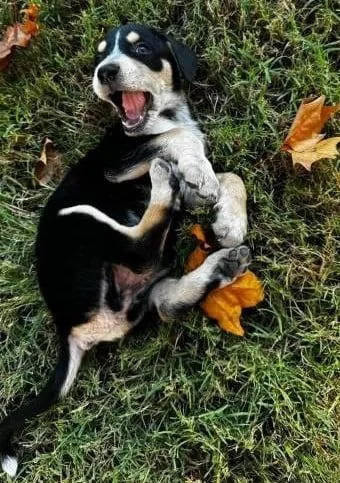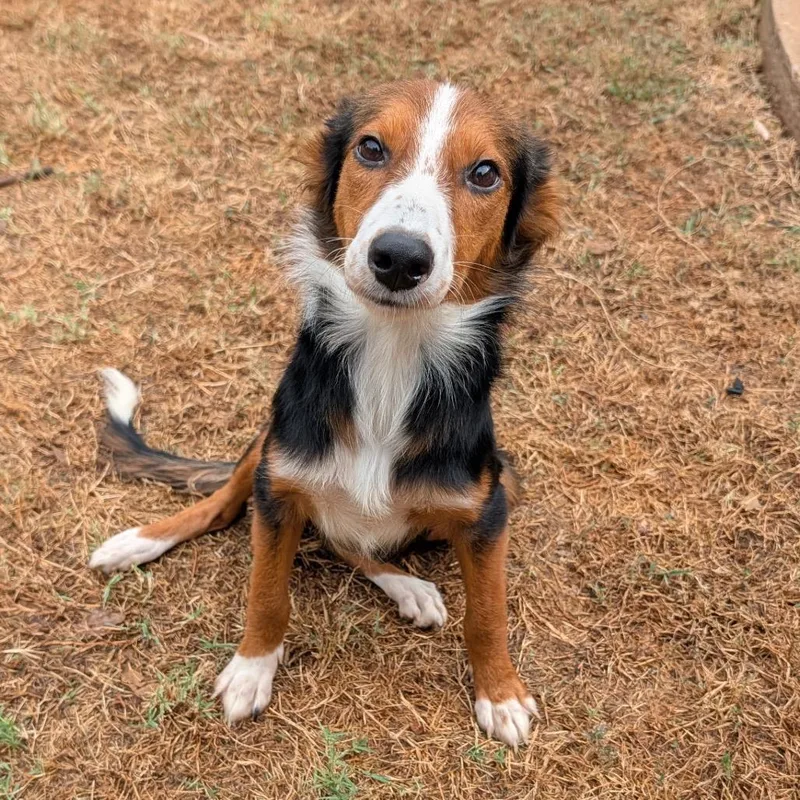
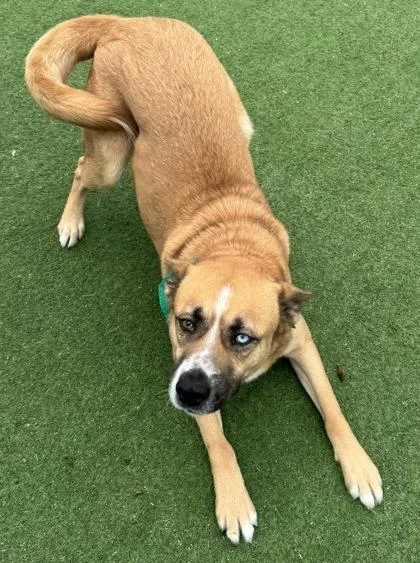
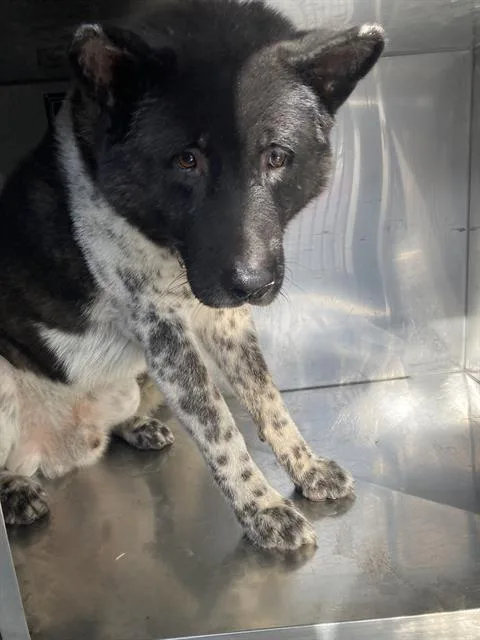
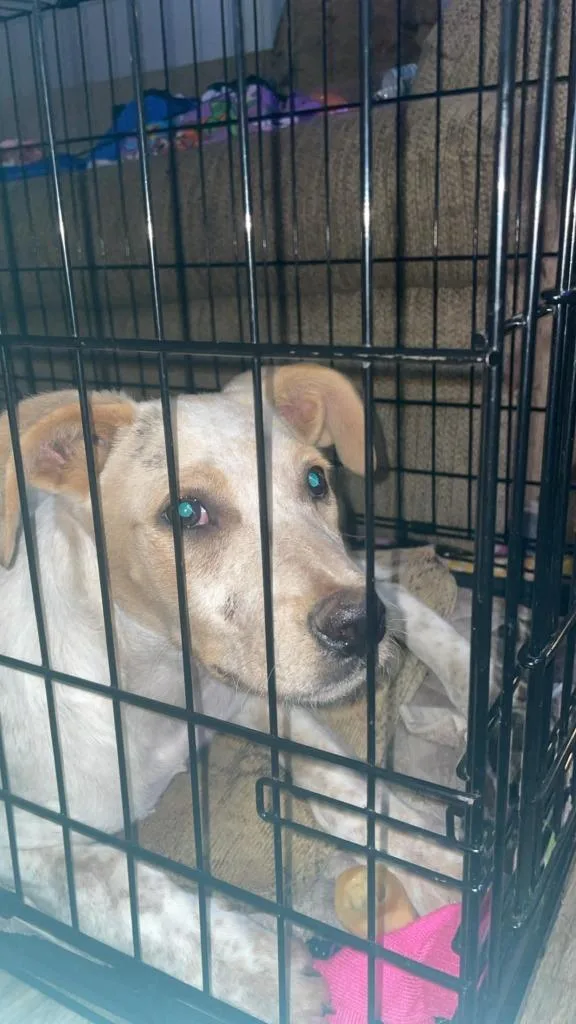


Akita dog

Akita Dogs for Adoption in Oklahoma City, OK

Your guide to finding and caring for an Akita in OKC

An Akita suits OKC best on a quiet street near a leashed trail, like the Overholser Trail by Lake Overholser. That 3.2-mile path gives a big, reserved dog a steady walk without the crowds of a dog park, which most Akitas don't enjoy anyway. At home they're calm, devoted and watchful, with a heavy coat that handles a cold snap better than an August afternoon. If you're thinking of adopting an Akita here, plan on leashed routines and a secure yard.

466 Akitas available in Oklahoma City and nationwide

Your Akita is waiting

While we don't have enough dogs near Oklahoma City, keep in mind that many rescues may offer transport.

Akitas Available for Adoption Near Oklahoma City

About the Akita breed

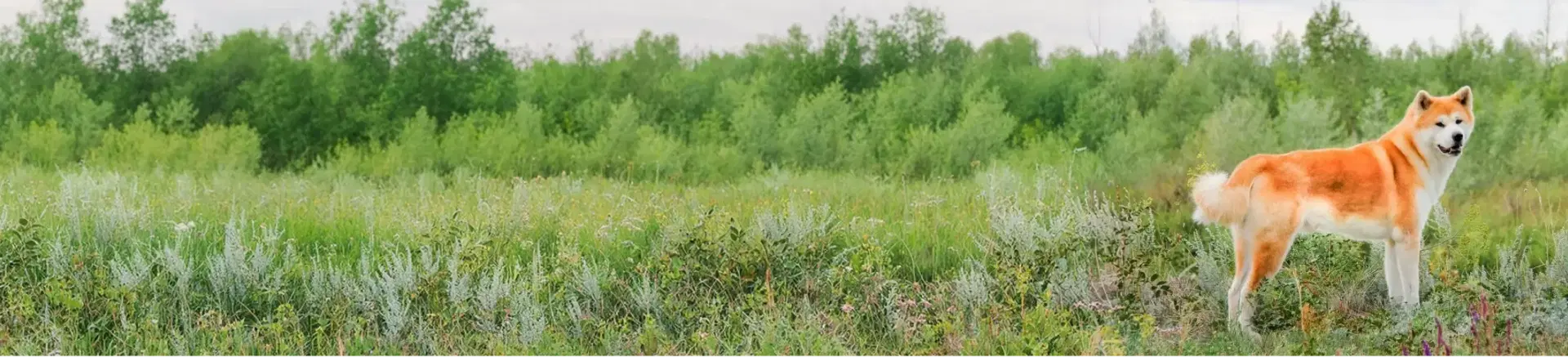
The Akita is a Japanese mountain breed whose ancestors hunted bear and boar in the snowy north before guarding estates. The American type is the heavier one, with a broad head, small upright ears, a plush double coat and a tail curled over the back. Males can reach 130 pounds, while females often run 70 to 100.

Akitas are typically loyal to their own people, dignified and quiet, though many are aloof with strangers and may not accept other dogs, especially of the same sex. In OKC, that means thoughtful introductions, steady training and a plan for the coat, which blows out heavily about twice a year. Each Akita differs, so look at how the dog behaves rather than the breed label alone.

Weight
70–130 lbs
Height
24–28 in
Lifespan
10–14 yrs
Temperament
Loyal, Dignified, Protective, Independent
Group
Working
Shedding
High

Owning an Akita in Oklahoma City

Having an Akita in OKC

Akitas bring quiet loyalty in a large, powerful body. In OKC, the match often comes down to how well your routine handles a heavy coat, big temperature swings and a dog that prefers its own household over a crowd.

Temperament

Many Akitas are affectionate and calm with family but reserved with strangers, and some dislike other dogs, especially of the same sex. That can make OKC's busy trailheads and lake paths a leashed, keep-your-distance experience. They're smart but independent, so reward-based, consistent training and early socialization help, though neither guarantees ease with every visitor.
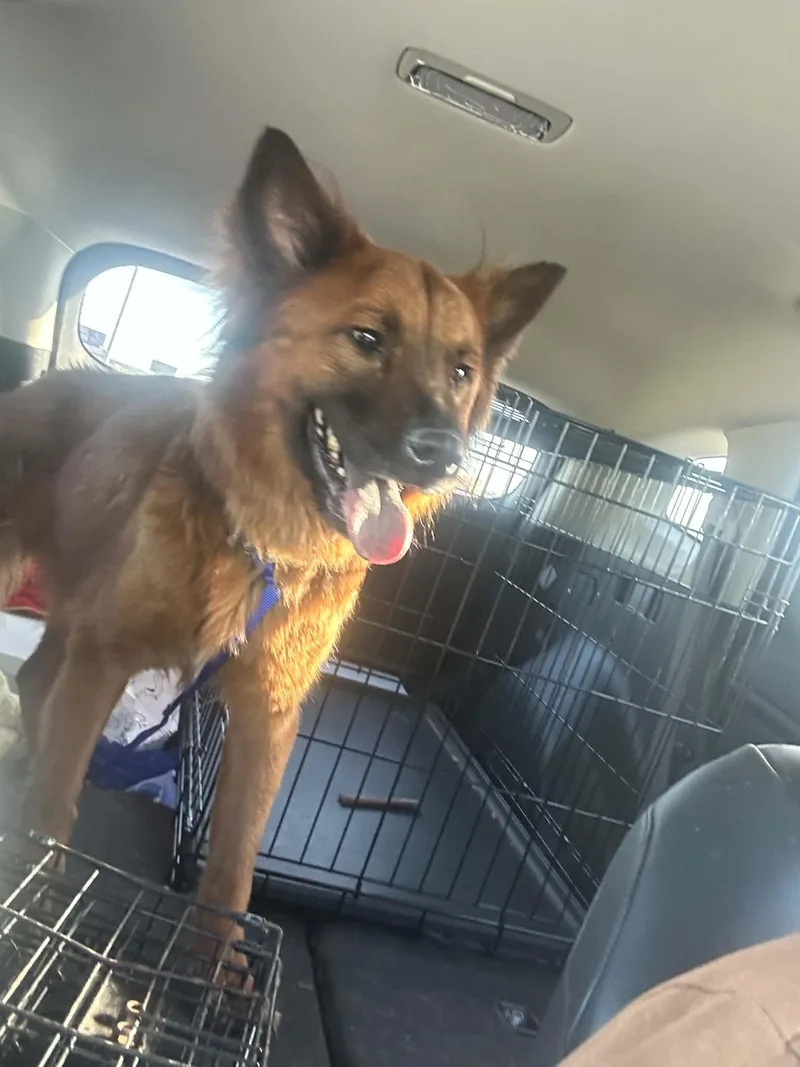
Exercise Needs

Plan on moderate daily exercise: brisk leashed walks, plenty of sniffing time and play in a secure yard. OKC trails require leashes, and the city lakes don't allow dog swimming, so Akitas get their activity on the path rather than in the water. Skip dog parks for most Akitas, and keep puppy exercise gentle.

Health Considerations

Akitas can develop hip dysplasia, hypothyroidism, bloat and several immune-related conditions, plus eye problems like glaucoma. Their blood naturally holds more potassium, which can confuse lab results, so make sure your veterinarian knows the breed. Heartworm, flea and tick prevention are part of routine care in Oklahoma, and regular checkups catch problems early.

Living Space

An Akita can live in a house or an apartment if it gets daily exercise and calm handling. In OKC, a house with a secure yard is the easier fit, since busy hallways and elevators are harder for a large dog that's wary of strangers. Expect heavy shedding and plenty of vacuuming.

What it costs to own an Akita in Oklahoma City

ExpenseTypical costPer year
Food$55 to $110 per month$660 to $1,320
Pet insurance$65 to $130 per month$780 to $1,560
Routine vet care$250 to $500 per year$250 to $500
Other*$575 to $1,450 per year$575 to $1,450
Estimated yearly total (after year one)$2,265 to $4,830

Other costs are estimates and vary with size, age and health.

* Flea, tick and heartworm prevention, a dental cleaning allowance, toys and bedding, and brushing and baths for heavy seasonal coat blowouts.

Adopt an Akita in Oklahoma City.

Now that you know more, let’s find you a new best friend. These rescues and shelters below have dogs available in and near Oklahoma City.

Frequently Asked Questions

An Akita can be a good fit in OKC for adopters with a quiet routine, a secure yard or calm building, and time for leashed walks. Long summer heat and winter ice storms mean more indoor time at the extremes, and many Akitas are wary of strangers and other dogs, so the household should match the dog's temperament.

Yes. Akitas were built for snow, and OKC winters, with highs near 51°F and lows near 29°F, are comfortable for most. The catch is local law: below 32°F you can't leave a dog outdoors alone for more than 30 minutes, and an unheated doghouse counts. Ice storms can also cause power outages, so have an indoor plan.

Leashed trails suit most Akitas best. The 9.8-mile Bert Cooper Trails loop at Lake Hefner and the 13 miles of Oklahoma River Trails both require leashes, and dogs can't swim or wade in the city lakes. PAW Park (membership required) and Scissortail Park have off-leash areas, but many Akitas don't tolerate unfamiliar dogs.

Yes, with a landlord who allows large dogs, daily walks and a quiet building. Oklahoma sets no cap on pet deposits, so get terms in writing, and remember the four-dog limit per household. Busy hallways and elevators can stress a reserved Akita, so a ground-floor unit or low-traffic building helps.

EMBARK buses and the OKC Streetcar welcome trained service animals, but emotional support animals don't count as service animals under its policy. Check EMBARK's current rules before bringing a pet. A 70-to-130-pound Akita that's wary of strangers would also find crowded vehicles stressful, so car trips are usually easier.

Sometimes, on patios. Oklahoma health rules let restaurants allow dogs in outdoor dining areas that meet certain conditions, but it's each restaurant's choice, and dogs stay leashed under city rules. Indoor dining rooms are off-limits except for service animals. Many Akitas are uneasy with strangers, so pick a quiet corner and practice first.

Plan on brushing a few times a week, and daily during the heavy coat blowouts that come about twice a year, often as spring warms and fall cools. With OKC's hot summers, avoid shaving the double coat; regular brushing helps airflow instead. Professional baths and brushing fit within the roughly $575 to $1,450 yearly "Other" costs.

An Akita is a large, powerful spitz-type dog from northern Japan, known for its plush double coat, upright ears and tail curled over the back. In the United States, the Akita is the heavier American type, while the lighter Japanese Akita Inu is now registered separately. Many Akitas are devoted to their family, reserved with strangers and selective about other dogs.

An Akita is a big, heavy-boned dog with a broad, bear-like head, small deep-set eyes and thick triangular ears that stand upright. Its dense double coat is about two inches long, and its full tail curls over the back. American-type Akitas come in almost any color, including white, brindle and pinto, often with a dark mask.

Expect roughly $2,265 to $4,830 a year for an Akita in OKC. That covers about $55 to $110 a month for food, $65 to $130 a month for pet insurance, $250 to $500 for routine vet care, and $575 to $1,450 for other costs such as prevention, dental care and coat grooming.