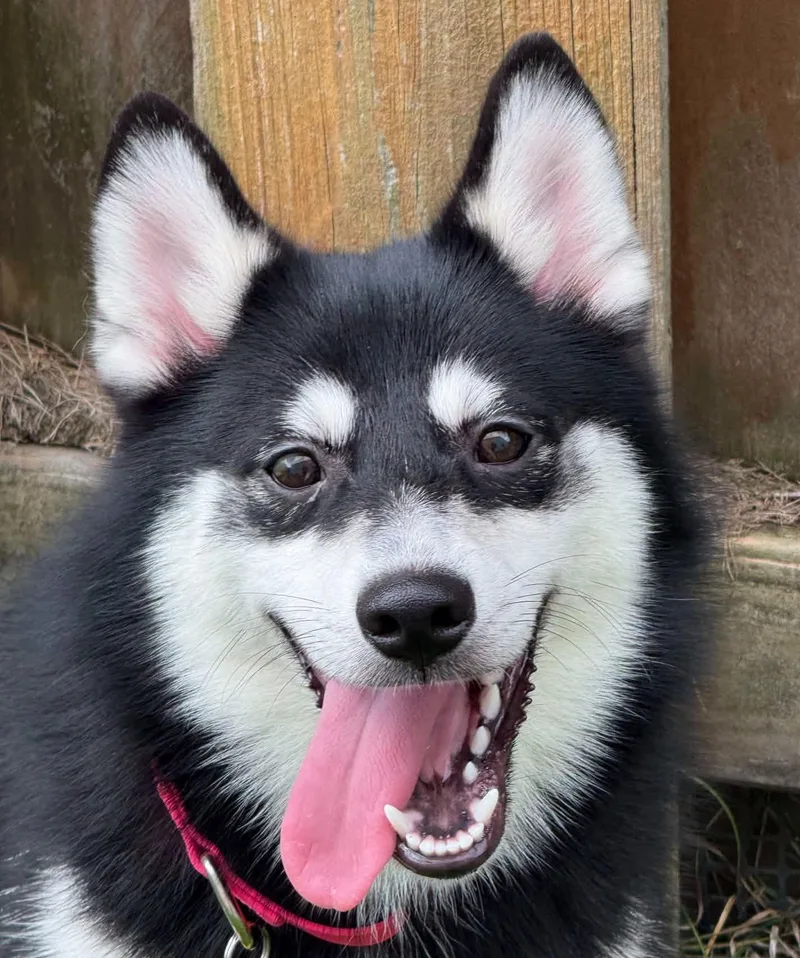
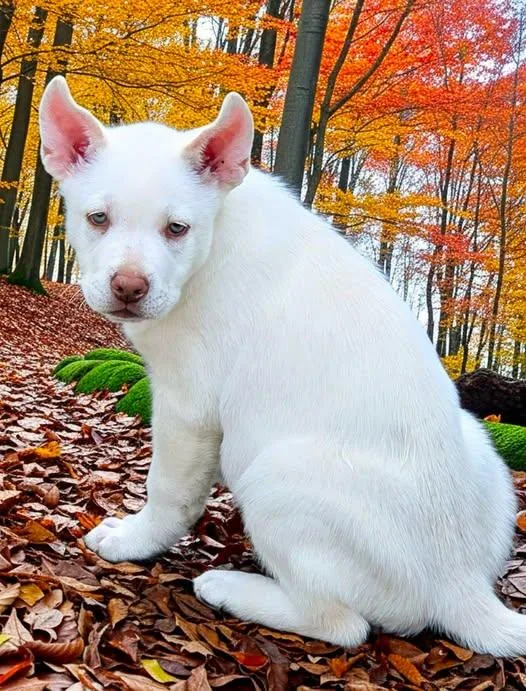
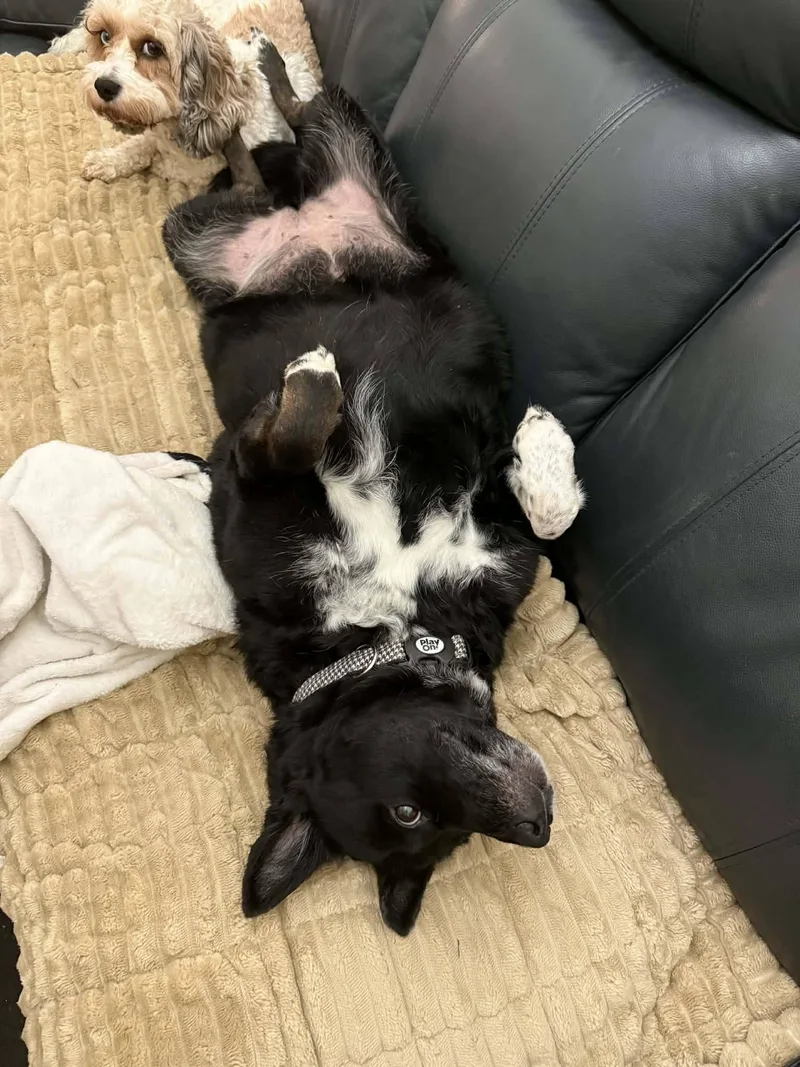
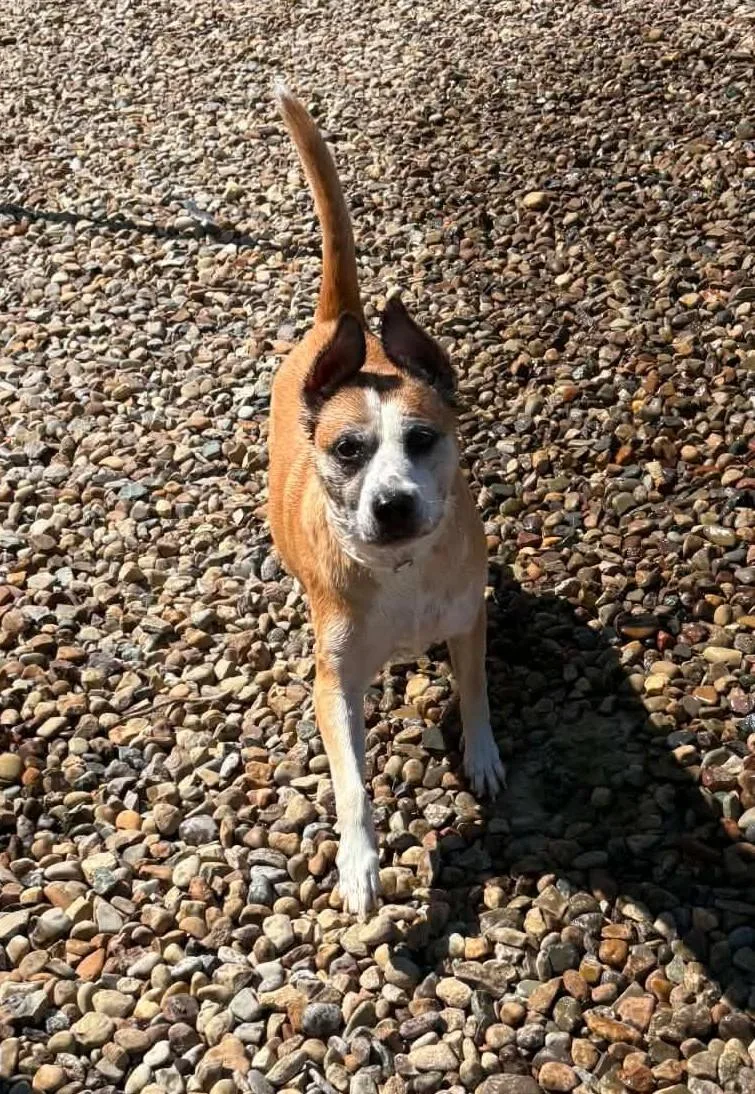
Silky Terrier Dogs for Adoption in North Olmsted, OH

Your guide to finding and caring for a Silky Terrier in North Olmsted

29 Silky Terriers available in North Olmsted and nationwide

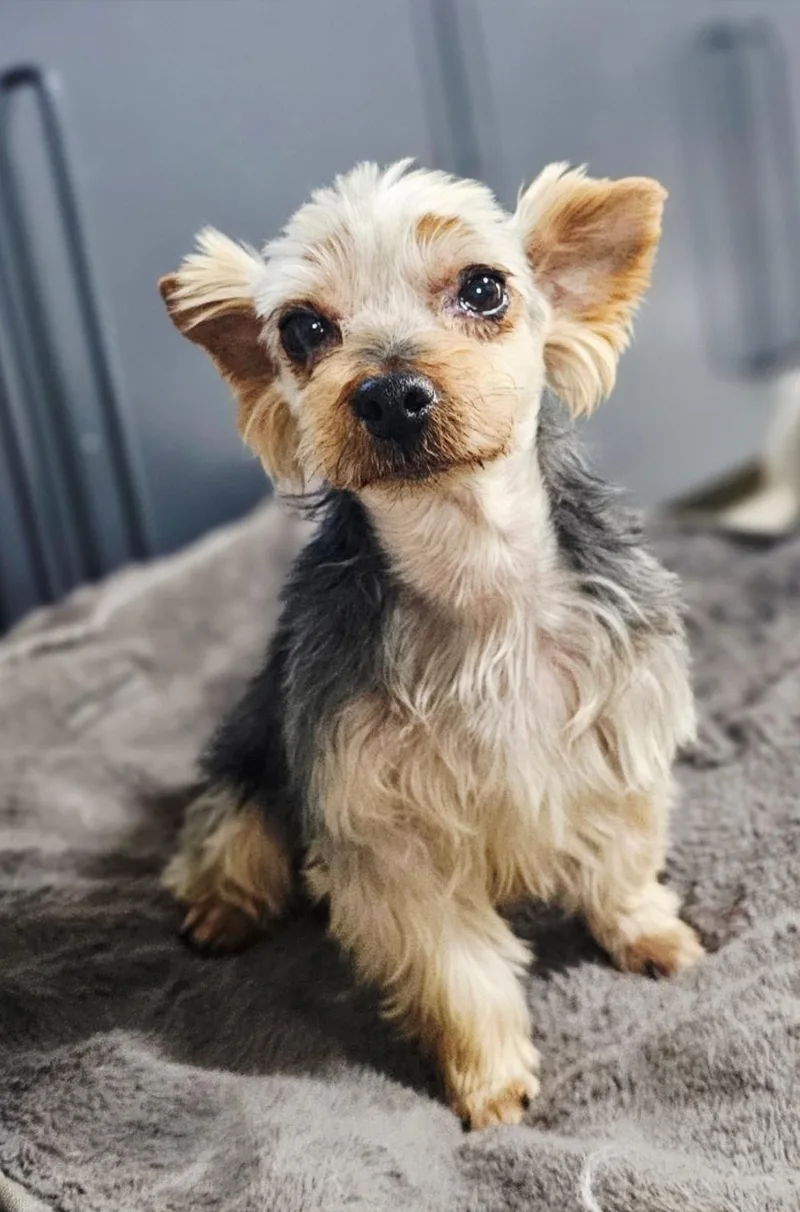
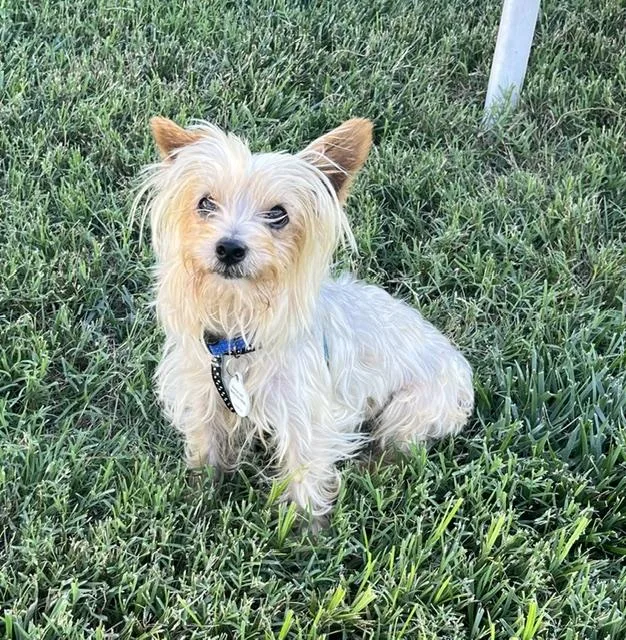
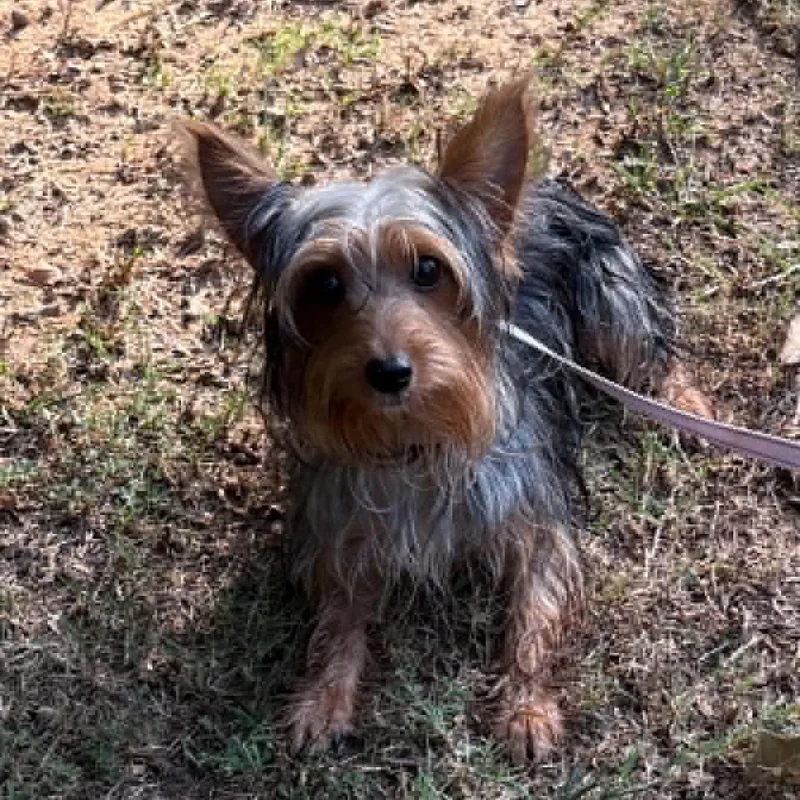
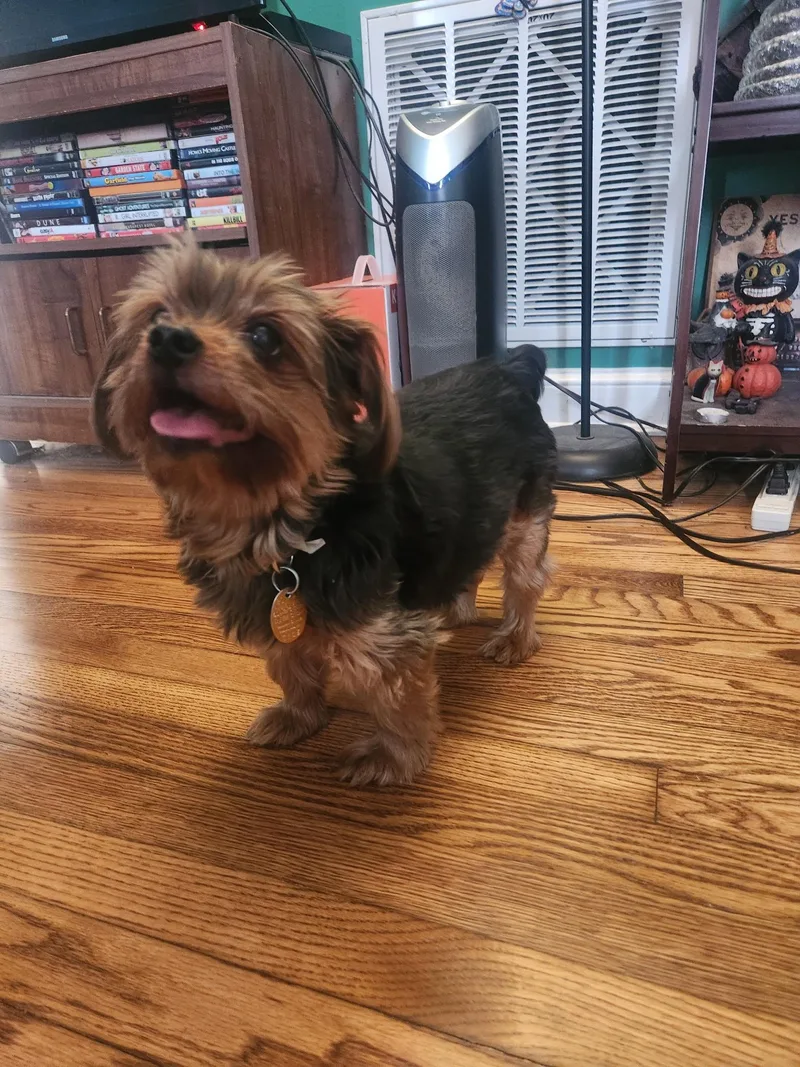
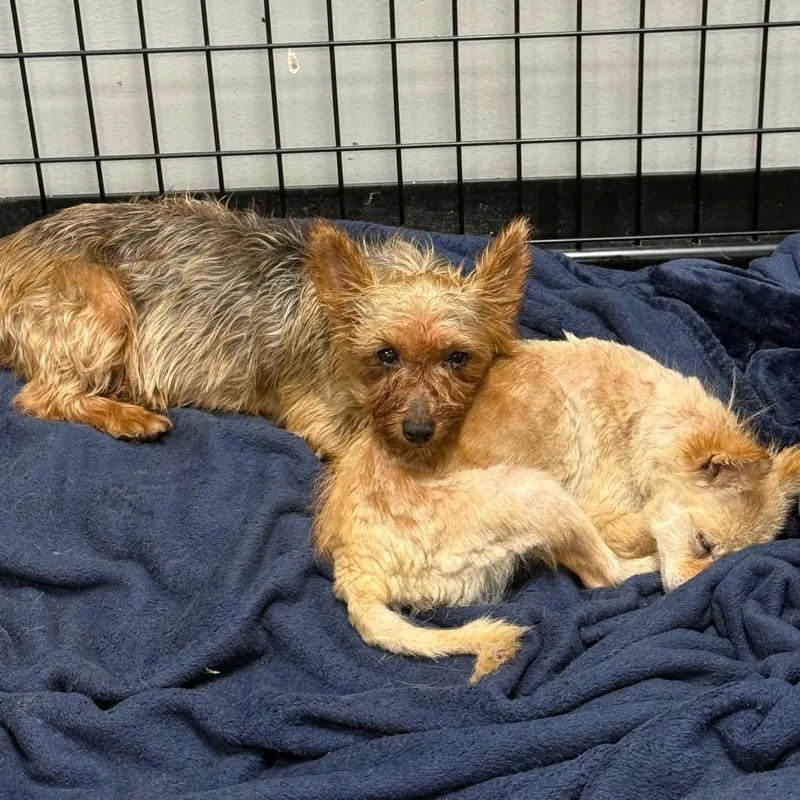
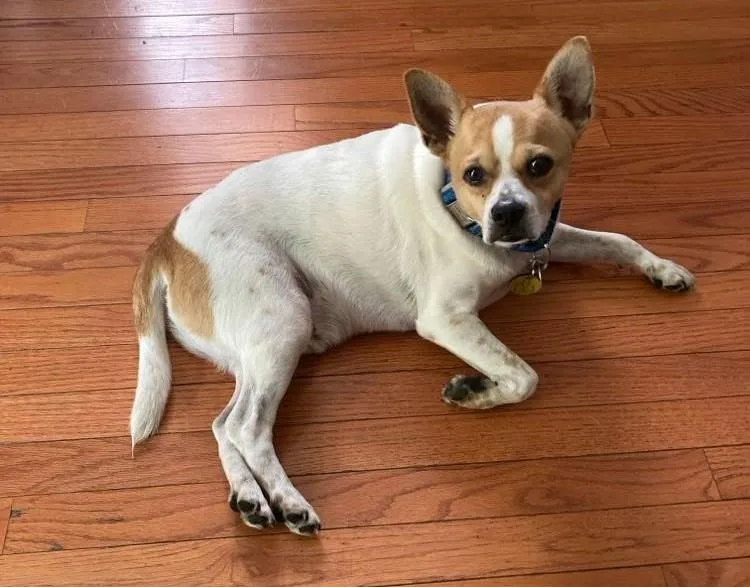
Meet a Silky Terrier who needs you

While we don't have enough dogs near North Olmsted, keep in mind that many rescues may offer transport.

Silky Terriers Available for Adoption Near North Olmsted

About the Silky Terrier breed

Developed in Sydney, Australia, around the turn of the twentieth century from crosses of Yorkshire Terriers and Australian Terriers, the Silky Terrier is a toy-sized dog with a genuine terrier's spirit. It stands about 9 to 10 inches tall, slightly longer than it is tall, with a wedge-shaped head, small upright ears and a long, glossy blue-and-tan coat parted down the back. It is a little larger and sturdier than its Yorkie cousin.

Many Silkies are alert, curious and affectionate, with more independence and bark than people expect from a lap-sized dog. They were bred with enough substance to hunt household rodents, so chasing and digging come naturally. Adopters should plan for regular brushing or professional trims, patient reward-based training, daily walks and play, and careful dental care, along with a harness rather than a collar.

Weight
8–12 lbs
Height
9–10 in
Lifespan
12–15 yrs
Temperament
Alert, Spirited, Friendly
Group
Toy
Shedding
Low

Owning a Silky Terrier in North Olmsted

Having a Silky Terrier in North Olmsted

A Silky Terrier pairs a toy dog's portable size with a terrier's confidence, curiosity and voice. Its low-shedding coat needs steady upkeep, and its busy, independent streak shapes how training, exercise and home life with a Silky actually go.

Temperament

Silky Terriers are often lively, friendly with their people and quick to sound the alarm at visitors or noises. Many are more independent and stubborn than typical lap dogs, and some chase cats or small pets. Gentle handling matters around young children because of their size. An adopted Silky's history and socialization predict more than breed labels.

Exercise Needs

Despite their size, most Silkies want more than a stroll around the block. Daily walks, play sessions and chances to explore or sniff keep them content, while short training sessions, puzzle toys and games like hide-and-seek satisfy their sharp terrier mind. Off-leash time is safest in fenced areas, since many will chase small animals.

Health Considerations

Silky Terriers can be affected by kneecap dislocation, Legg-Calvé-Perthes disease of the hip, tracheal collapse and epilepsy, and like many toy breeds they are prone to dental disease. Using a harness reduces pressure on the windpipe. Daily tooth brushing and regular veterinary checkups help.

Living Space

A Silky can be comfortable in an apartment or a house when it gets daily exercise and attention. Its small size suits compact homes, but its alert barking may need training where walls are shared. Secure fencing and supervision matter, since Silkies dig and chase. They are indoor companions and dislike being left out of family life.

What it costs to own a Silky Terrier

ExpenseTypical costPer year
Food$15 to $35 per month$180 to $420
Pet insurance$30 to $60 per month$360 to $720
Routine vet care$200 to $400 per year$200 to $400
Other*$940 to $2,340 per year$940 to $2,340
Estimated yearly total (after year one)$1,680 to $3,880

Other costs are national averages for Silky Terriers; we don't have costs specific to North Olmsted yet.

* Professional trims every 6 to 8 weeks for the long silky coat, a larger dental allowance for a toy breed, flea, tick and heartworm prevention, a dog license, and toys and bedding; license fees vary by city.

Adopt a Silky Terrier in North Olmsted.

Now that you know more, let’s find you a new best friend. These rescues and shelters below currently have Silky Terriers available.

Rescues in North Olmsted with Silky Terriers Available

Here are the rescues & shelters in the North Olmsted area where you can find Silky Terriers and other dogs available for adoption.

Frequently Asked Questions

A Silky Terrier is a small toy-group terrier from Australia, developed by crossing Yorkshire Terriers and Australian Terriers. It stands about 9 to 10 inches tall, weighs roughly 8 to 12 pounds and has a long, glossy blue-and-tan coat. Silkies are alert, lively and affectionate, with more independence and terrier drive than many lap dogs.

Silky Terriers typically live about 12 to 15 years, and many reach their mid-teens with good care. A UK study found an average life expectancy of about 13 years. Good dental care, a healthy weight, safe handling to protect small joints, and regular veterinary visits all help a Silky live a long, comfortable life.

There is little breed-specific research on what Silky Terriers usually die from. Like other small dogs that live into their teens, older Silkies often face heart disease, kidney disease and cancer. Breed-related problems such as epilepsy or tracheal collapse can also affect quality of life. Regular senior checkups help catch age-related illness early.

A Silky Terrier stays small, standing about 9 to 10 inches at the shoulder. Most adults weigh around 8 to 12 pounds. Their bodies are slightly longer than they are tall, with fine but sturdy bones. Silkies are a bit larger and heavier than Yorkshire Terriers, though individual size varies within the breed.

To groom a Silky Terrier, brush the slightly dampened coat with a pin brush and metal comb two or three times a week to prevent tangles. Part the hair down the back from head to tail. Trim stray hair on the ears, feet and around the rear, and keep nails short. Many owners also book a professional trim every six to eight weeks.

A Silky Terrier looks like a small, lightly built terrier with a wedge-shaped head, small V-shaped upright ears and dark almond eyes. Its straight, glossy coat is blue and tan, parted down the back, with a silver or fawn topknot. The coat hangs below the body but shouldn't reach the floor, and the tail is carried upright.

Train a Silky Terrier with short, upbeat sessions using treats, praise and play. Silkies are smart but independent, so harsh corrections tend to backfire. Start with name recognition, recall and leash manners, and practice in many settings. Consistency from everyone in the household helps, and puppy or basic obedience classes give good structure.

Silky Terriers shed very little. Their single coat of fine, silky hair lacks a dense undercoat, so you won't see much hair around the house. Loose hairs tend to tangle in the coat instead, which is why regular brushing matters. Any sudden increase in shedding or bald patches is worth discussing with a veterinarian.

Silky Terriers usually have small litters, typically around three to five puppies, though litter size varies with age, health and genetics. Toy breeds generally have fewer puppies than large breeds. Pregnancy carries extra health risks for small dogs, so most adopted Silkies are already spayed or neutered, and shelters encourage it for pets.

We have 1 rescue with Silky Terriers available: The Rescue Inn. You can see every rescue with Silky Terriers available in the list above these questions, or scroll to the top to see the Silky Terriers near North Olmsted.