Appenzell Mountain Dogs for Adoption in Columbus, OH

Your guide to finding and caring for an Appenzell Mountain Dog in Columbus

An Appenzell Mountain Dog suits Columbus best with a fenced yard and a trail close by. The Hilltop's quarter-acre lots and the Camp Chase Trail are a natural match for a medium herding dog that wants a job and a long daily run. These dogs are alert and vocal, so a little distance from the neighbors helps. The breed is rare in the U.S., so watch the listings on this page and save a search.

207 dogs similar to Appenzell Mountain Dog available in Columbus and nationwide

Your Appenzell Mountain Dog is waiting

While we don't have enough dogs near Columbus, keep in mind that many rescues may offer transport.

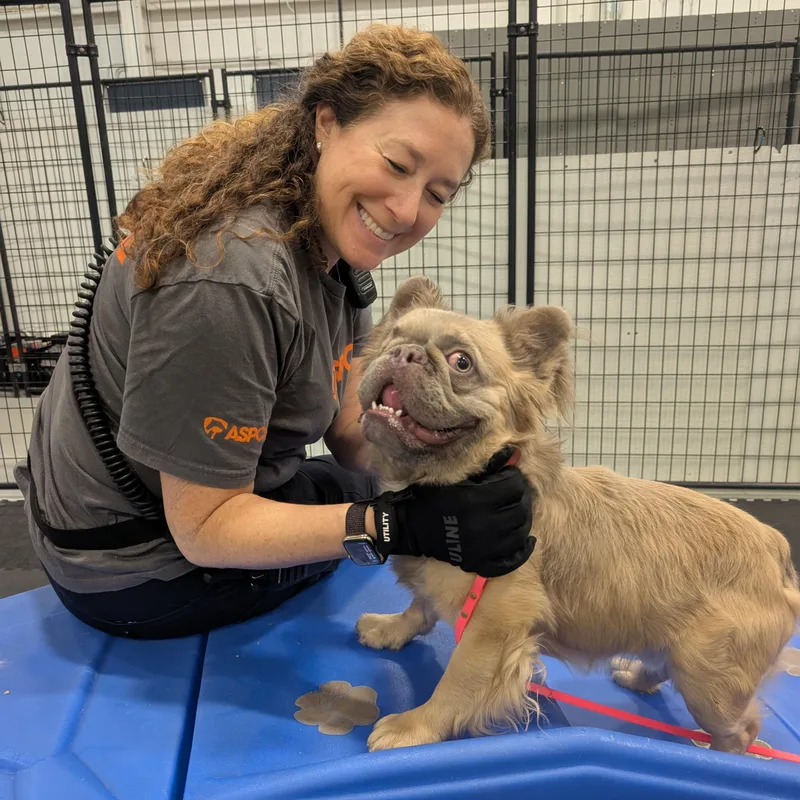
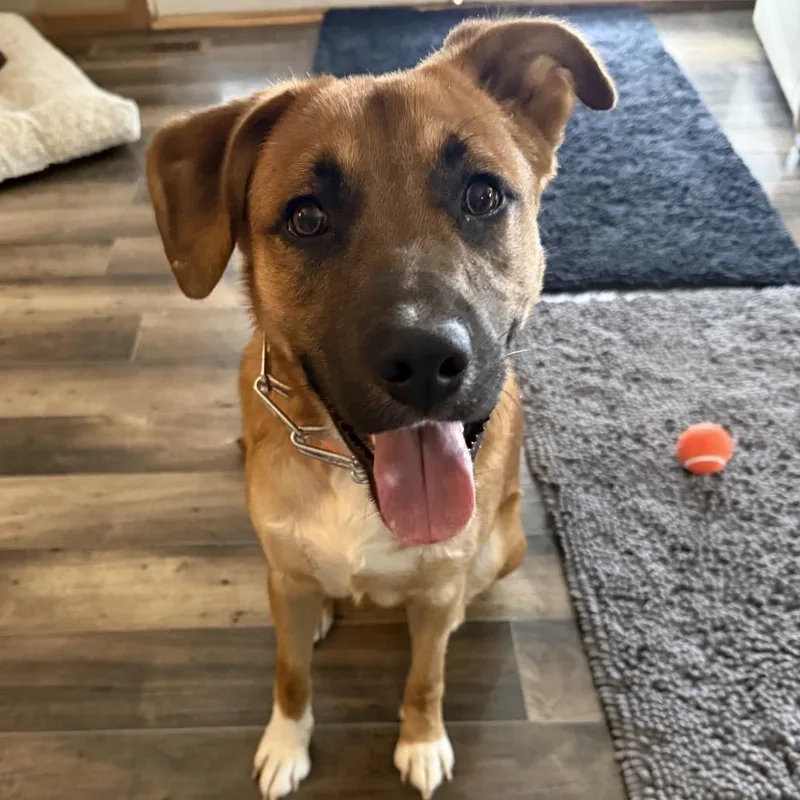
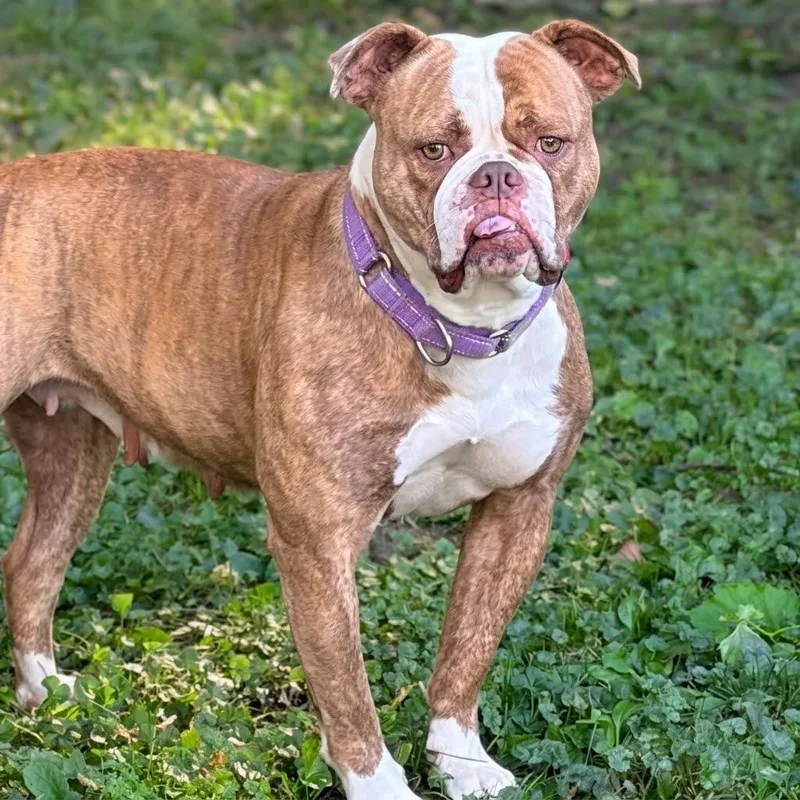
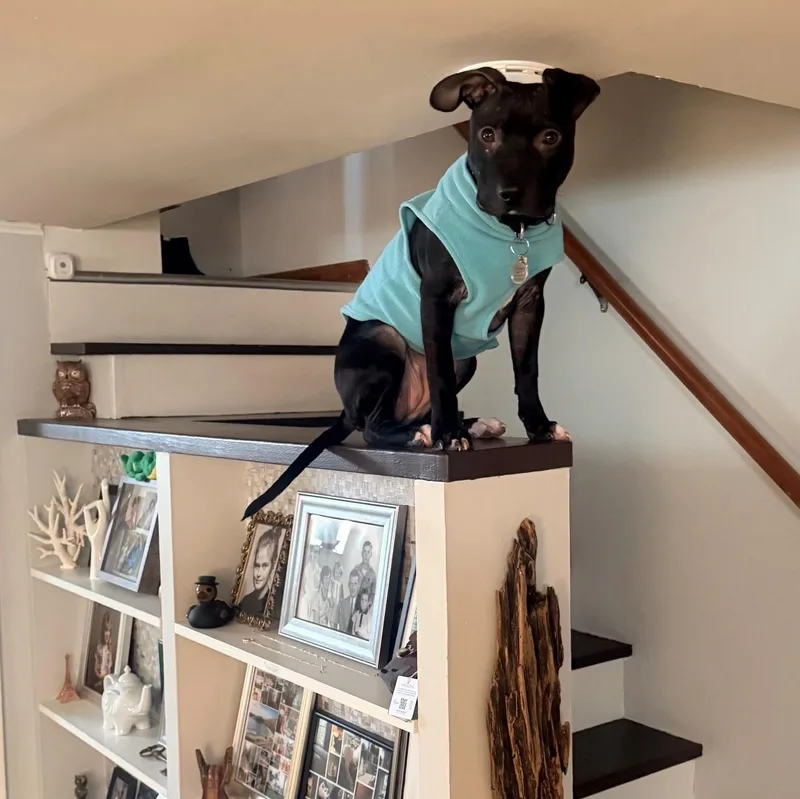
Appenzell Mountain Dogs and Similar Breeds Available for Adoption Near Columbus

About the Appenzell Mountain Dog breed

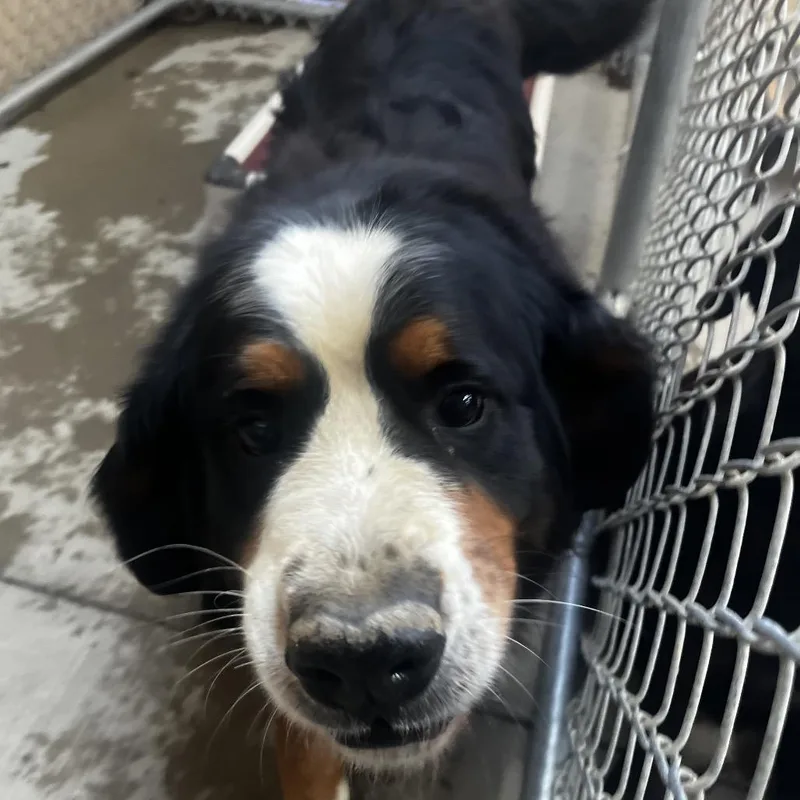
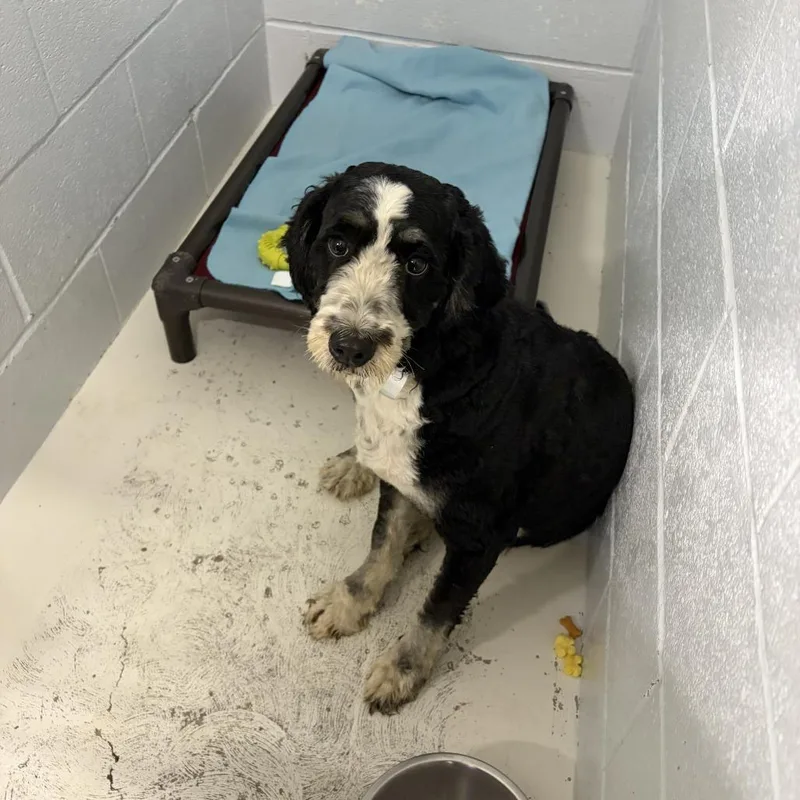
The Appenzell Mountain Dog, called the Appenzeller Sennenhund in Switzerland, is one of four tricolor Swiss mountain breeds. It comes from the Appenzell region in the country's northeast, where it drove cattle, guarded farms and sometimes pulled carts. Medium-sized at roughly 48 to 70 pounds, it has a short, dense double coat in black or brown with white and rust markings, and a tail that curls over its back.

Appenzellers tend to be lively, alert and reserved with strangers, and devoted to their own people. Bred to work all day, they usually need daily exercise, training and something to do. In Columbus that means planning for yard time and trail miles, and for a coat that sheds seasonally. Dogs vary, so meet each one with an open mind.

Weight
48–70 lbs
Height
19–22 in
Lifespan
12–15 yrs
Temperament
Lively, Alert, Energetic, Confident
Group
Herding
Shedding
Moderate

Owning an Appenzell Mountain Dog in Columbus

Having an Appenzell Mountain Dog in Columbus

Think of the Appenzeller as a medium-sized working dog with plenty of stamina. In Columbus, its needs line up with yard space, trail access and a steady routine, plus a plan for icy winter sidewalks and humid summer afternoons.

Temperament

Appenzellers are often lively, confident and watchful, quick to bark at anything unusual and wary of strangers. Herding instincts can show up as chasing or nipping at children or pets. In Columbus neighborhoods with close neighbors, early socialization and reward-based training help a young dog learn when to settle. Each dog differs.

Exercise Needs

Expect to give this working breed vigorous daily exercise: long walks, runs, hikes or agility. Columbus has the Olentangy and Alum Creek greenways and Metro Parks pet trails, where a leash of 6 feet or less is required. Add training and scent games, since a bored Appenzeller may turn noisy or destructive.

Health Considerations

Health data are limited because the breed is rare, but hip and elbow dysplasia and some eye conditions have been reported. Keep the dog lean and have a veterinarian check the joints and eyes at regular visits. In Columbus winters, wipe road salt from paws after walks to prevent irritation.

Living Space

A securely fenced yard suits an Appenzeller best, which fits single-family areas of Columbus such as the Hilltop and Northland. Apartment life is possible with reliable daily exercise, but the breed's readiness to bark can strain things with neighbors through shared walls. It prefers living indoors with its family.

What it costs to own an Appenzell Mountain Dog in Columbus

ExpenseTypical costPer year
Food$35 to $70 per month$420 to $840
Pet insurance$45 to $85 per month$540 to $1,020
Routine vet care$225 to $450 per year$225 to $450
Other*$543 to $1,385 per year$543 to $1,385
Estimated yearly total (after year one)$1,728 to $3,695

Other costs are estimates and vary with size, age and health.

* The Franklin County dog license, flea, tick and heartworm prevention, a dental cleaning allowance, toys and bedding, and brushing for a seasonally shedding double coat.

Adopt an Appenzell Mountain Dog in Columbus.

Now that you know more, let’s find you a new best friend. These rescues and shelters below have dogs available in and near Columbus.

Frequently Asked Questions

It can be, for active households with a fenced yard and time for daily exercise. Columbus offers greenways, Metro Parks pet trails and off-leash dog parks, and a double-coated dog copes with the cold. The breed's watchful, vocal nature suits houses better than tight apartment buildings. Dogs vary, so judge each one on its own behavior and energy.

Usually, yes. The dense double coat copes with Columbus winters, though ice, road salt and snow call for care. Wipe paws after walks and shorten outings in harsh wind chill, like the December 2022 flash freeze that dropped to -7°F. Dogs shouldn't be left outside during cold snaps; the city bans tethering in cold advisories.

Whetstone Park in Clintonville connects to the Olentangy Trail for long leashed walks, and Scioto Audubon has a turf dog park beside the greenway. Battelle Darby Creek Metro Park has pet trails and lakes where dogs may swim. Metro Parks require a leash of 6 feet or less, so build reliable recall before any off-leash time.

Yes. Columbus has no breed ban, and Ohio's dangerous-dog rules are based on a dog's behavior, not its breed. Budget for the yearly county license, about $18 for a spayed or neutered dog, and keep rabies vaccination current. If you're moving to a suburb, look up that suburb's pet rules, since they can differ.

It's possible but demanding. This herding breed is alert and quick to bark, so thin walls can cause friction, and it needs a long, vigorous outing every day plus training. Ground-floor units near greenways like the Olentangy or Alum Creek trails work best. Get pet policies and fees in writing, since Ohio has no separate pet-fee law.

Only in a small carrier. COTA runs buses with no rail, and pets can ride only inside a cage or case that fits on your lap, which rules out a 48-to-70-pound Appenzeller. Service animals are welcome on a leash. Plan on car trips, or walk to nearby greenways and parks.

Sometimes, on patios only. Ohio law lets restaurants choose to allow dogs in outdoor dining areas if patrons keep them under control, but each restaurant decides, and pet dogs aren't allowed indoors. Bring a leash and a mat. A watchful Appenzeller may bark at passersby, so practice settling in quieter spots first.

Not much, but regularly. The short double coat needs brushing weekly, and more often during heavy sheds in spring and fall. Baths are only occasional, though paws need a wipe after salty winter walks. Yearly grooming of roughly $100 to $300 falls under the Other line in the cost table.

Plan on roughly $1,700 to $3,700 a year for an Appenzeller in Columbus, covering food, pet insurance, routine vet care and other yearly costs. Food runs about $35 to $70 a month and insurance $45 to $85. Emergencies, boarding and training classes cost extra.