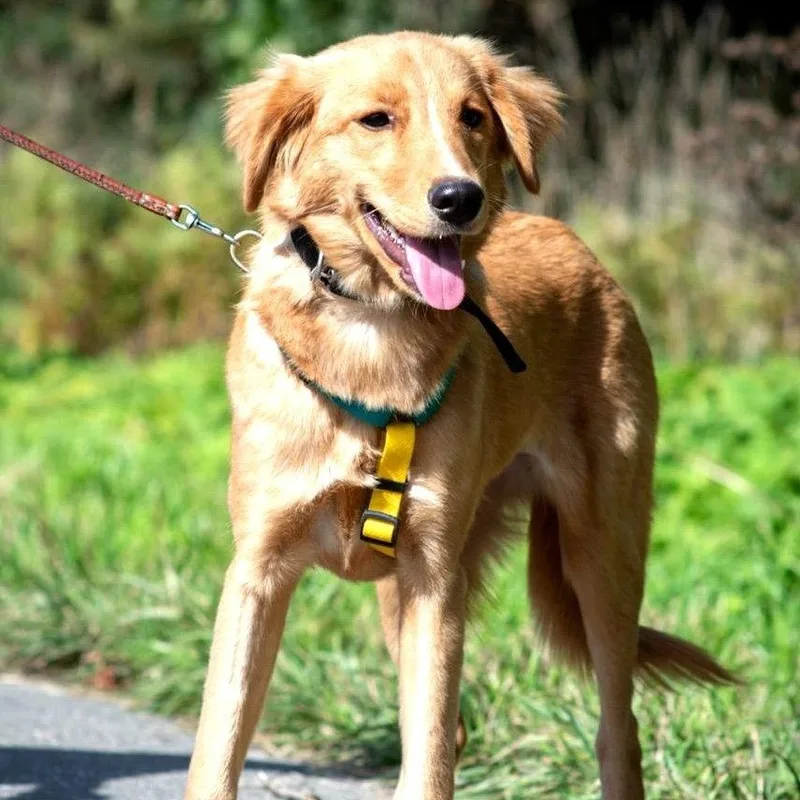
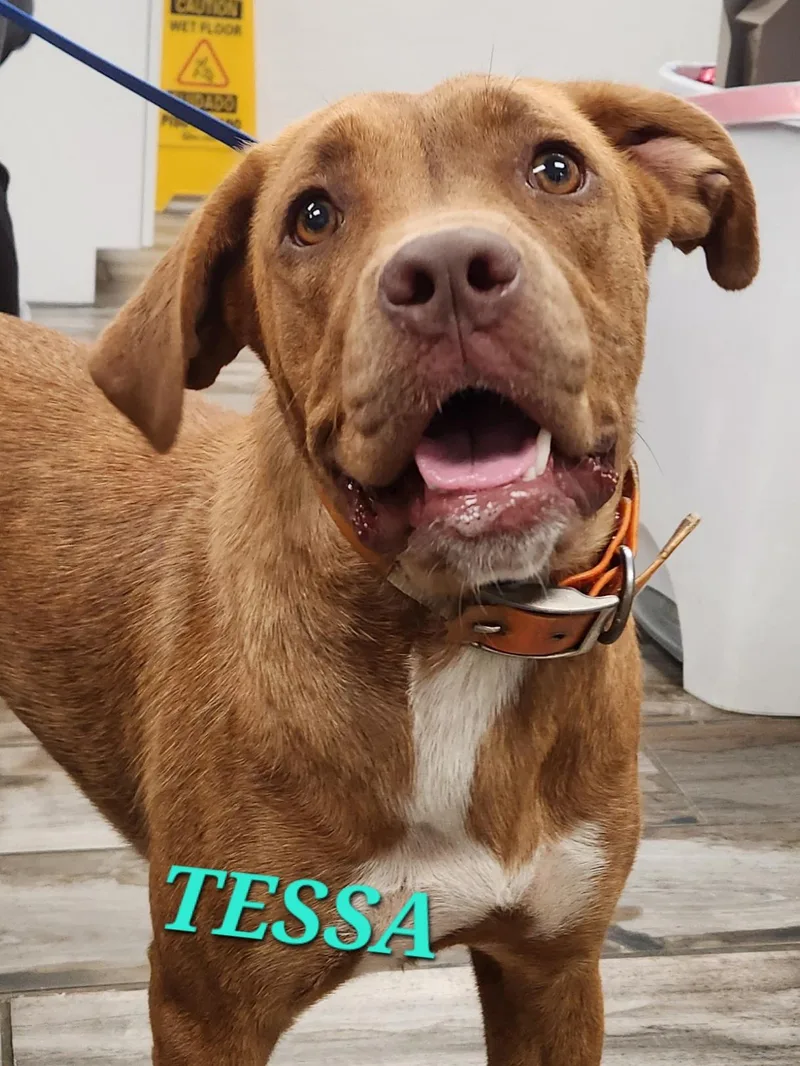
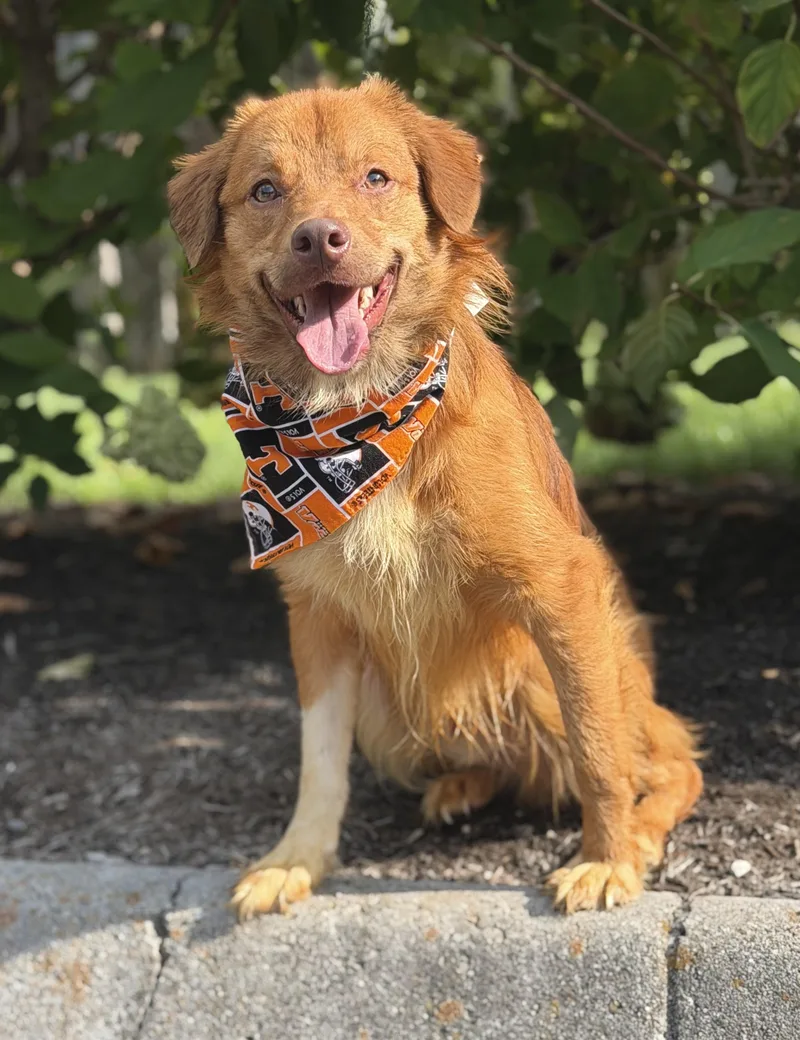
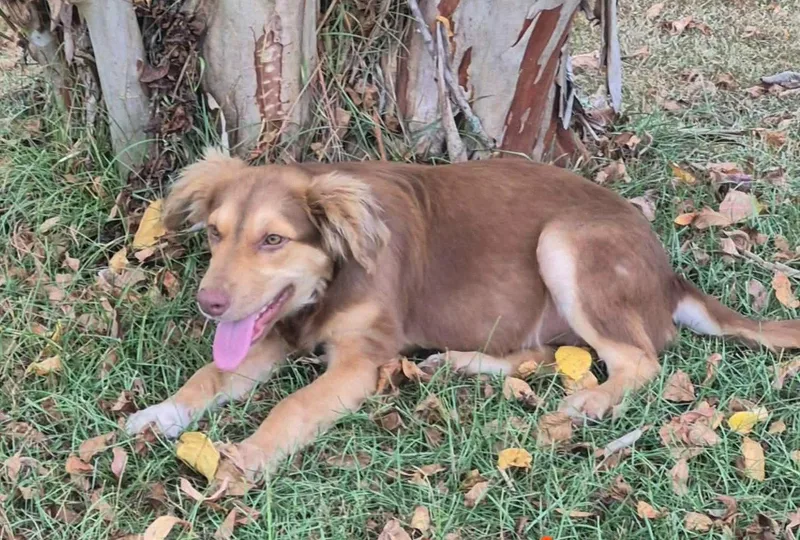

Nova Scotia Duck Tolling Retriever Dogs for Adoption in New York, NY

Your guide to finding and caring for a Nova Scotia Duck Tolling Retriever in NYC

A Nova Scotia Duck Tolling Retriever suits NYC best when fetch is part of the morning routine. Prospect Park's Long Meadow is one spot where dogs can run off leash before 9 a.m., and Tollers will happily sprint after a ball there until you call it. They're medium-sized, so a Brooklyn or Queens apartment can work with firm daily outings. They're also loud when excited, and that famous scream carries through thin walls and hallways.

17 Nova Scotia Duck Tolling Retrievers available in New York and nationwide

Your Toller is waiting

While we don't have enough dogs near New York, keep in mind that many rescues may offer transport.

Nova Scotia Duck Tolling Retrievers Available for Adoption Near New York

About the Nova Scotia Duck Tolling Retriever breed

The Nova Scotia Duck Tolling Retriever is the smallest retriever, a red, water-loving working dog with a feathered tail and a double coat that sheds the most in spring and fall. Most weigh 35 to 50 pounds and stand 17 to 21 inches tall, which is easy to manage in a walk-up or an elevator building.

What takes planning is the mind inside that compact body. Tollers are quick, driven and happiest with a job, whether that's fetch, swimming, trick training or a dog sport. In a city, that means building structure into the day: a long outing, a retrieving game and some training. Dogs vary, and some are calmer than others, but most Tollers want more than a stroll.

Weight
35–50 lbs
Height
17–21 in
Lifespan
12–14 yrs
Temperament
Energetic, Intelligent, Playful, Alert
Group
Sporting
Shedding
Moderate to High

Owning a Nova Scotia Duck Tolling Retriever in New York

Having a Nova Scotia Duck Tolling Retriever in NYC

Tollers bring a retriever's drive and a working dog's stamina in a medium, weatherproof frame. In NYC, how much daily exercise you can give, how your building handles noise and how you feel about red hair on the sofa matter most.

Temperament

Many Tollers are playful, affectionate and tuned in to their people, though some are reserved with strangers. Crowded sidewalks and busy elevators can be a lot for a cautious dog, so gradual exposure helps. Excited Tollers can let out a piercing scream, which matters in a shared building. Every dog differs, so watch each one's behavior.

Exercise Needs

Plan on vigorous exercise every day: fetch, running, hiking or swimming where it's allowed, plus training to keep that sharp mind busy. In NYC, that often means early or late off-leash hours in a big park or a dog run, since leashes are required elsewhere. Without enough outlets, many Tollers get noisy or destructive.

Health Considerations

Tollers are prone to autoimmune conditions such as hypothyroidism and Addison's disease, and to progressive retinal atrophy and other eye problems. Many live healthy lives. A vet can check the eyes and hips and run thyroid screening, and it's worth knowing the signs: lethargy, appetite changes, stiffness or vision changes. City dogs also need year-round parasite prevention.

Living Space

A Toller can live in an NYC apartment if its exercise needs are met, since the dog's activity matters more than square footage. Think about neighbors: the scream and alert barking can draw complaints. Red hair collects quickly, so a good vacuum helps. Smaller walk-ups are easier than long elevator waits with an excited dog.

What it costs to own a Nova Scotia Duck Tolling Retriever in New York

ExpenseTypical costPer year
Adoption fee$575, one time$575 in year one
Food$35 to $70 per month$420 to $840
Pet insurance$55 to $100 per month$660 to $1,200
Routine vet care$225 to $450 per year$225 to $450
Other*$534 to $1,384 per year$534 to $1,384
Estimated yearly total (after year one)$1,839 to $3,874
First-year total (with adoption fee)$2,414 to $4,449

Adoption fee is the fee on Nova Scotia Duck Tolling Retriever listings in New York on GetBuddy today. Other costs are estimates and vary with size, age and health.

* The NYC dog license ($8.50 a year if spayed or neutered, $34 if not), flea, tick and heartworm prevention, a dental cleaning allowance, toys, bedding and retrieving gear, and regular brushing for a double coat.

Adopt a Nova Scotia Duck Tolling Retriever in New York.

Now that you know more, let’s find you a new best friend. These rescues and shelters below currently have Nova Scotia Duck Tolling Retrievers available.

Rescues in New York with Nova Scotia Duck Tolling Retrievers Available

New York's shelters and rescues list dogs of every size and age, from puppies to seniors, across the five boroughs. Here are the rescues & shelters in the NYC area where you can find Nova Scotia Duck Tolling Retrievers and other dogs available for adoption.

Frequently Asked Questions

Only if the dog fits in a bag or container, since NYC subway and bus rules require pets to be enclosed and carried without annoying other riders. Most Tollers weigh 35 to 50 pounds, so they're too big, unless they're service animals. Metro-North lets leashed dogs ride, and NYC Ferry allows short-leashed, well-behaved dogs.

Yes, a Toller's water-repellent double coat copes well with NYC winters, which bring about 67 freezing nights and roughly 30 inches of snow a year in Central Park. The main concern is salted sidewalks: wipe paws after each walk, because ice-melt can make dogs sick. Dry the coat after wet snow to prevent mats.

Prospect Park's Long Meadow, Nethermead and Peninsula allow off-leash play during courtesy hours, and Central Park does from 6 to 9 a.m. and 9 p.m. to 1 a.m. in specified areas. For a fenced option, try Hunters Point South Park or McCarren Park dog runs. Outside those times, leashes are limited to six feet.

Yes, NYC has no breed-specific ownership rules, and state law bars breed-specific dog regulations. You'll need a city license, $8.50 a year if spayed or neutered or $34 if not, with the tag on the collar. NYCHA public housing caps dogs at 25 pounds, so most Tollers wouldn't qualify there.

Yes, if the dog gets vigorous daily exercise and training, since a medium-sized Toller doesn't need a big home. Noise is the real issue: NYC can act on barking heard for 10 straight minutes in the daytime or 5 at night, and excited Tollers can scream. Practice quiet routines early and exercise before leaving.

Only to outdoor dining areas, and only where the restaurant chooses to allow dogs. Your Toller must be leashed or in a carrier, within arm's length, and kept on the ground out of aisles. Restaurants can limit dogs by size or breed, and only service dogs are allowed indoors.

Plan on brushing the double coat about weekly, and every day or two during heavy shedding in spring and fall. NYC's salted winter sidewalks mean wiping paws after walks, and wet seasons call for drying the coat to avoid mats. Occasional professional grooming and supplies fall within the Other costs listed above.

A Toller is the common nickname for the Nova Scotia Duck Tolling Retriever, a medium-sized sporting dog from Nova Scotia, Canada. It is the smallest retriever, with a red, water-repellent double coat and usually some white markings. Tollers are energetic, smart and playful, bred both to lure ducks toward hunters and to retrieve them from water.

We have 1 rescue with Nova Scotia Duck Tolling Retrievers available: Miracles for Satos Rescue. You can see every rescue with Nova Scotia Duck Tolling Retrievers available in the list above these questions, or scroll to the top to see the Nova Scotia Duck Tolling Retrievers near New York.

Expect roughly $1,840 to $3,870 a year for a Toller in NYC. That covers food at about $420 to $840, insurance at about $660 to $1,200, routine vet care at $225 to $450, and other costs such as parasite prevention, dental care, grooming supplies and the license at about $534 to $1,384.

Find Nova Scotia Duck Tolling Retrievers in Nearby Cities

Expand your search to find Nova Scotia Duck Tolling Retrievers available for adoption near New York.