








English Setter Dogs for Adoption in New York, NY

Your guide to finding and caring for an English Setter in NYC

English Setters can do well in NYC if mornings start with real running room, like Prospect Park's Long Meadow in Brooklyn. They're gentle and sociable, so elevators, stoops and busy sidewalks rarely bother them, but most need a hard run nearly every day. Off-leash hours before 9 a.m. are when that happens. Setters like company, so they suit people who work from home or can get back midday. A Queens walk-up near Forest Park works as well as a brownstone.

51 English Setters available in New York and nationwide

Bring home an English Setter

While we don't have enough dogs near New York, keep in mind that many rescues may offer transport.

English Setters Available for Adoption Near New York

About the English Setter breed

English Setters were developed on English country estates roughly four centuries ago to range ahead of hunters, find game birds by scent and freeze, or set, until the hunter caught up. The long, silky coat is flecked in a pattern called belton, in blue, orange, lemon, liver or tricolor, with feathering on the ears, chest, legs and tail.

Show-type setters tend to be larger and heavier-coated, while field-type dogs are often smaller and leaner, so two setters can differ a lot. In a city full of pigeons and squirrels, that bird-chasing instinct is why a leash or a fenced run matters. Many are mellow indoors, though some stay puppyish for two or three years.

Weight
45–80 lbs
Height
23–27 in
Lifespan
10–13 yrs
Temperament
Gentle, Friendly, Energetic
Group
Sporting
Shedding
Moderate

Owning an English Setter in New York

Having an English Setter in NYC

Soft-hearted, people-loving and built for stamina, English Setters pair a calm indoor manner with real athletic needs. In NYC, the main questions are where the daily running happens, who's home during the day, and how the long coat handles salt and summer heat.

Temperament

English Setters are typically gentle, affectionate and friendly with people and other dogs, which helps on crowded sidewalks and in elevators. Many stay boisterous for years and can be sensitive, so patient, positive training works best. Strong bird interest means pigeons and squirrels may pull hard on the leash. Temperament varies from dog to dog.
Exercise Needs

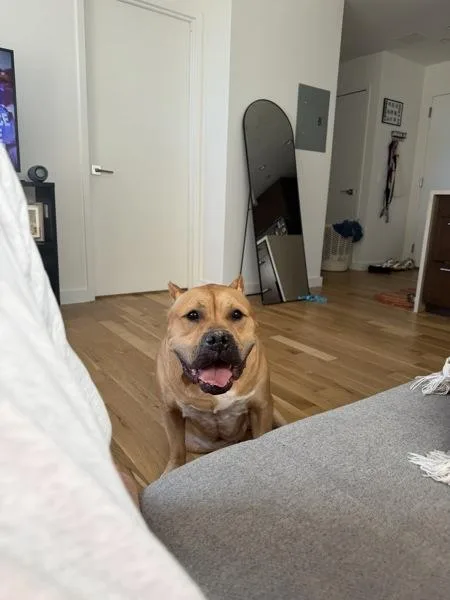
Plan on a vigorous daily run or a long, brisk walk, with more for field-type dogs. In NYC that usually means a fenced dog run or off-leash courtesy hours, since bird drive makes unfenced sprinting risky. Young setters do better with free play than long, high-impact runs until about two years old, when their joints mature.

Health Considerations

Setters can face hip and elbow dysplasia, hypothyroidism, congenital deafness and bloat, a sudden stomach emergency. Deafness matters near city traffic, so have a veterinarian test a setter's hearing. Long ears need regular checks for infection, and routine veterinary care helps catch joint and thyroid problems early.

Living Space

Most NYC homes have no yard, so an English Setter's fit depends on daily running time outside. Indoors, many settle calmly and want to be near their people. A large dog needs floor space for a bed and a sweeping tail, and several flights of stairs add up for a big dog every day.

What it costs to own an English Setter in New York

ExpenseTypical costPer year
Food$55 to $110 per month$660 to $1,320
Pet insurance$65 to $130 per month$780 to $1,560
Routine vet care$250 to $500 per year$250 to $500
Other*$934 to $2,359 per year$934 to $2,359
Estimated yearly total (after year one)$2,624 to $5,739

Other costs are estimates and vary with size, age and health.

* The $8.50 NYC dog license for a spayed or neutered dog, flea, tick and heartworm prevention, a dental cleaning allowance, toys and bedding, and professional trims for the long feathered coat.

Adopt an English Setter in New York.

Now that you know more, let’s find you a new best friend. These rescues and shelters below have dogs available in and near New York.

Rescues and Shelters in or near New York

NYC's shelters and rescues care for dogs of every size and age, and those listed here post their adoptable dogs. Here are the rescues & shelters in the NYC area with dogs available for adoption, worth asking whether an English Setter is coming in.

Frequently Asked Questions

Yes, NYC has no breed-specific ownership rules, because New York State law bars cities from regulating dogs by breed. Every dog does need a city license worn on its collar and a current rabies vaccination. Rules can still come from your building: NYCHA public housing caps dogs at 25 lb, which is below a typical English Setter, and private leases may set their own limits.

Generally no. On the subway and buses, pets must be in a bag or container and carried without bothering other riders, and a full-grown setter is far too big for one. Service animals are exempt. Metro-North lets a leashed dog ride, NYC Ferry allows short-leashed, well-behaved dogs, and the Staten Island Ferry requires pets to be caged or muzzled.

Yes, most English Setters handle NYC winters well, since the long coat insulates them. The bigger issue is the city's salted sidewalks and snow clumping in leg feathering and between the toes. Dry the dog thoroughly after walks, shorten outings in extreme cold, and use scent games or retrieving indoors on icy days to burn off energy.

Prospect Park's Long Meadow, Riverside Park and Central Park all have off-leash courtesy hours in designated areas, and Forest Park in Queens and Van Cortlandt Park in the Bronx have fenced dog runs. Central Park's Conservancy advises leashing even during courtesy hours because of coyotes. Dogs aren't allowed in playgrounds, and a setter chasing birds is safest in a fenced run.

Yes, if the daily running happens outside the apartment. Setters are often calm indoors but dislike long stretches alone, and a lonely dog may bark. NYC's noise code can apply when barking is easily heard for 10 straight minutes in the daytime or 5 at night. Practice short departures, and keep up exercise so the dog settles.

It can be, for people who can give a setter a long run most days and spend plenty of time at home. Their friendliness suits dog runs and crowded streets. Expect a slow-maturing, sometimes bouncy dog for two or three years, plus shed hair and burrs from park outings. A job with long days away is a harder match.

Only to outdoor dining areas, and only where the restaurant chooses to allow dogs. The dog must stay leashed within arm's reach, or in a carrier, and on the ground. Restaurants can set limits on dog size or breed, so a large setter may be turned away. No pet dogs are allowed indoors; only service dogs are.

Plan on brushing at least weekly, and more often after muddy spring and fall park days. In winter, wipe paws and feathering after each salted walk. In summer, a trim rather than a shave helps with heat. Professional trims for the long coat are counted in the Other line of the cost table.

Yes, English Setters shed a moderate amount year-round, with somewhat heavier seasonal shedding. Their long, silky coat and feathering release hair onto floors and furniture and also pick up burrs and tangles. Brushing at least once a week, plus a bath every month or so, keeps shedding manageable and helps prevent uncomfortable mats from forming.

Plan on roughly $2,600 to $5,700 a year for an English Setter in NYC, covering food, insurance, routine vet care and other costs. Food and insurance are monthly bills, while grooming for the long coat drives most of the Other line. The city dog license is $8.50 a year for a spayed or neutered dog.