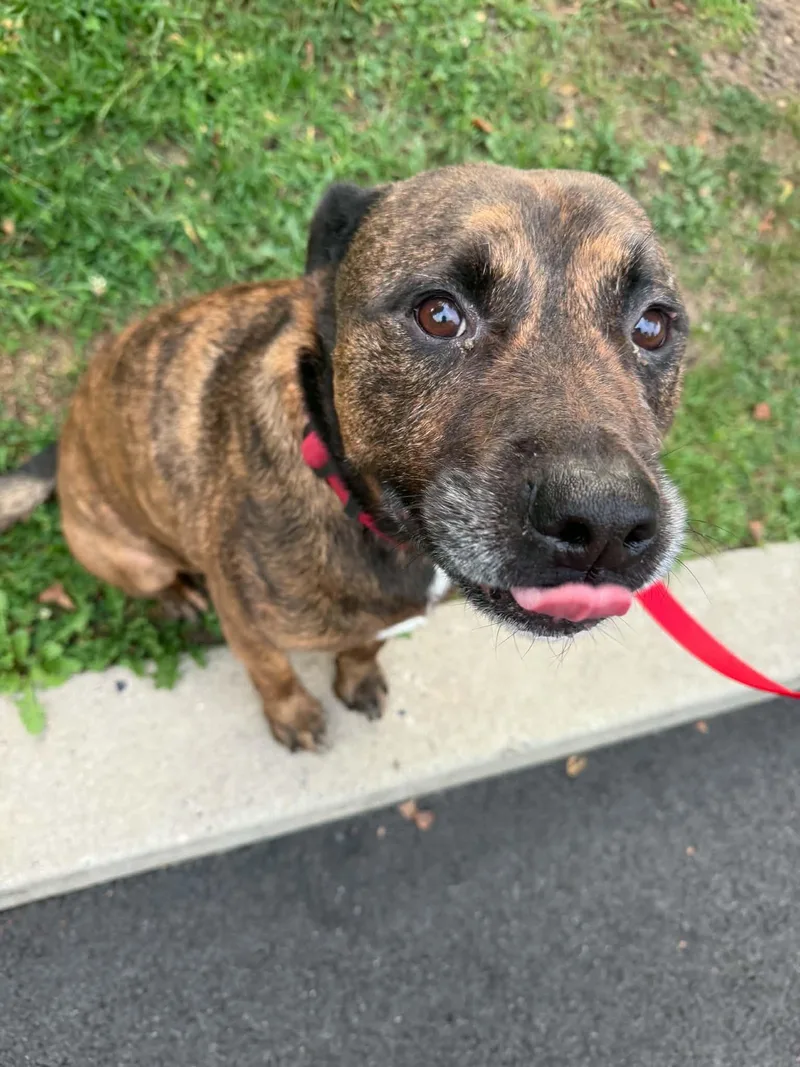
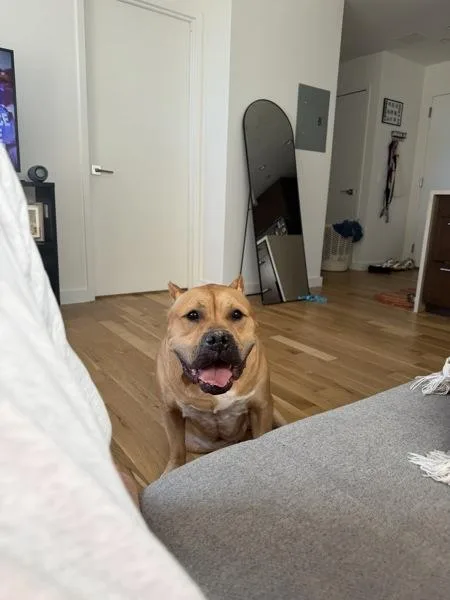
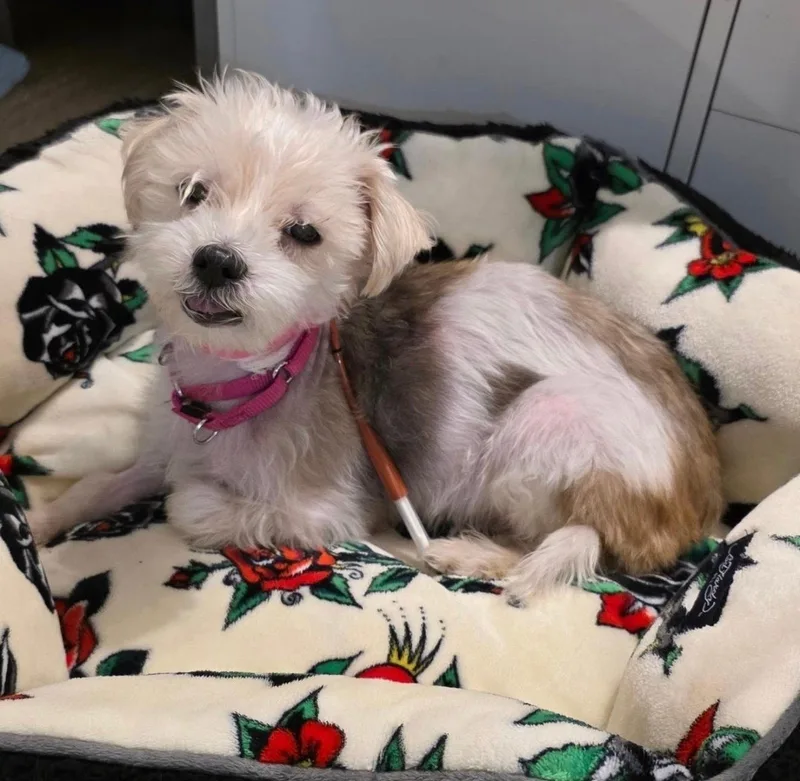
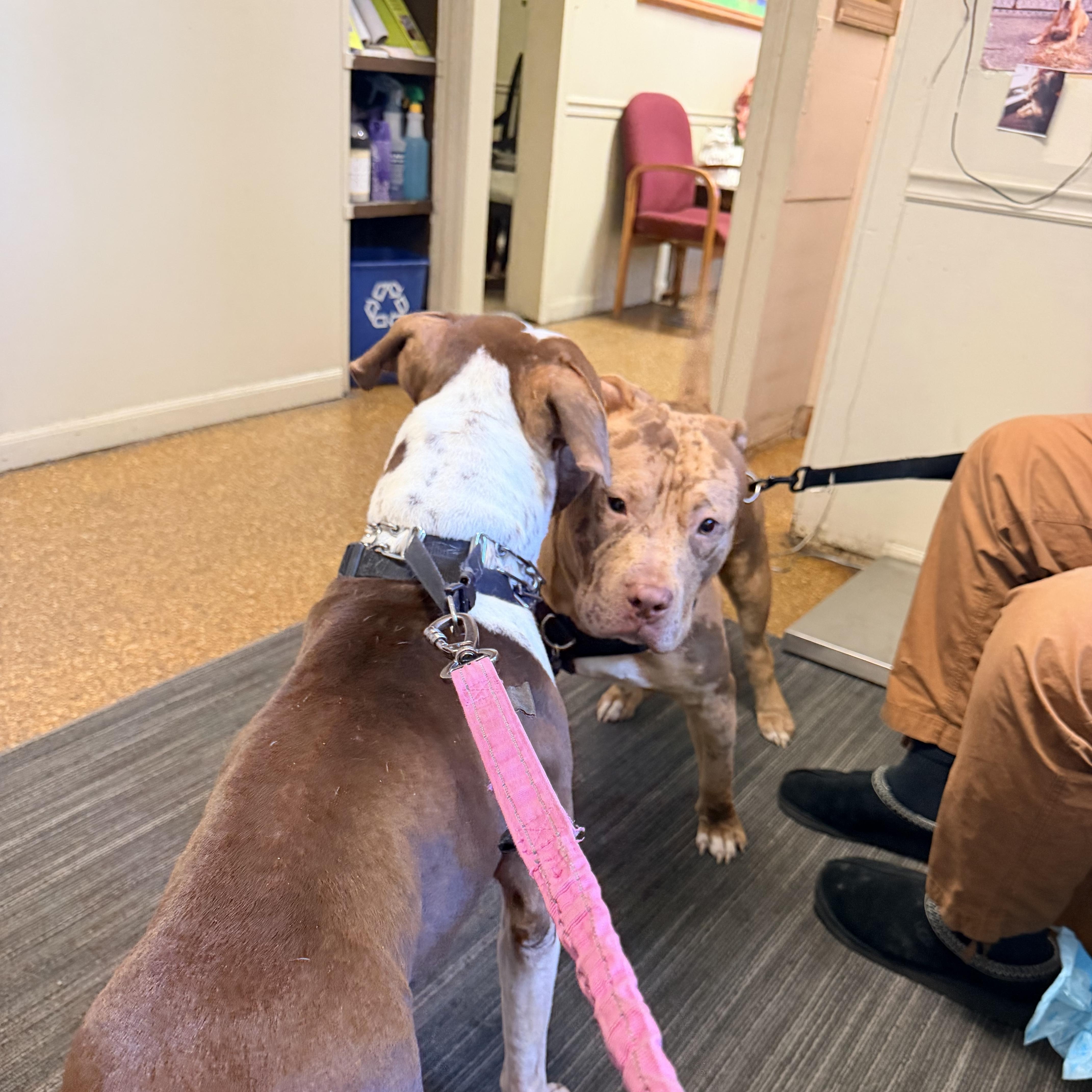
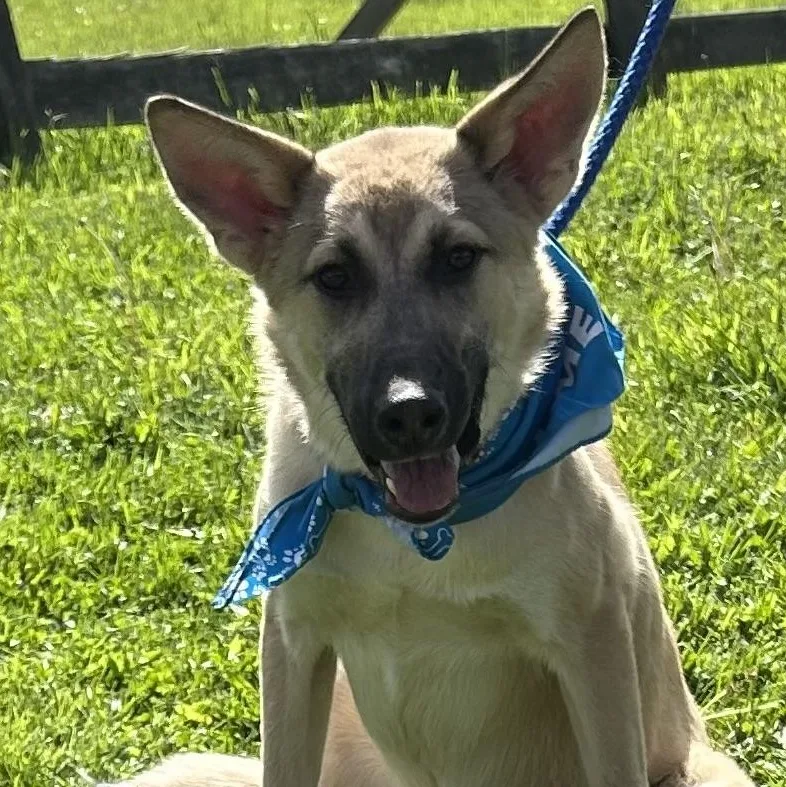
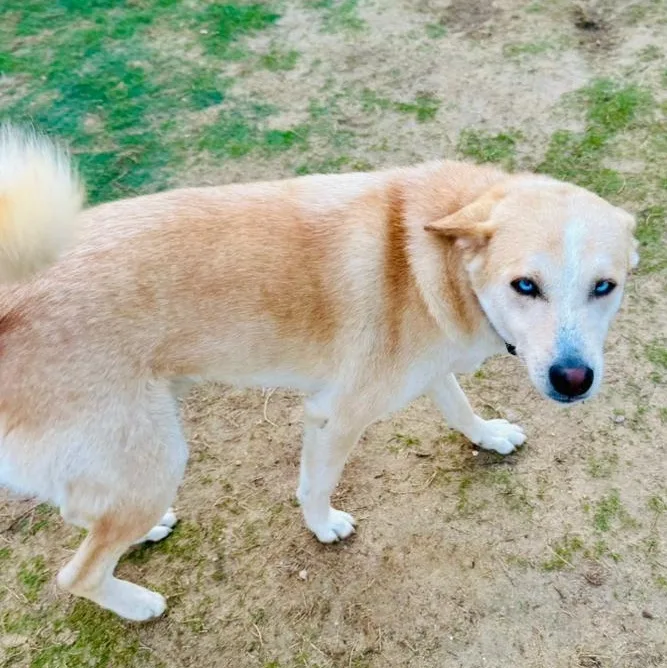
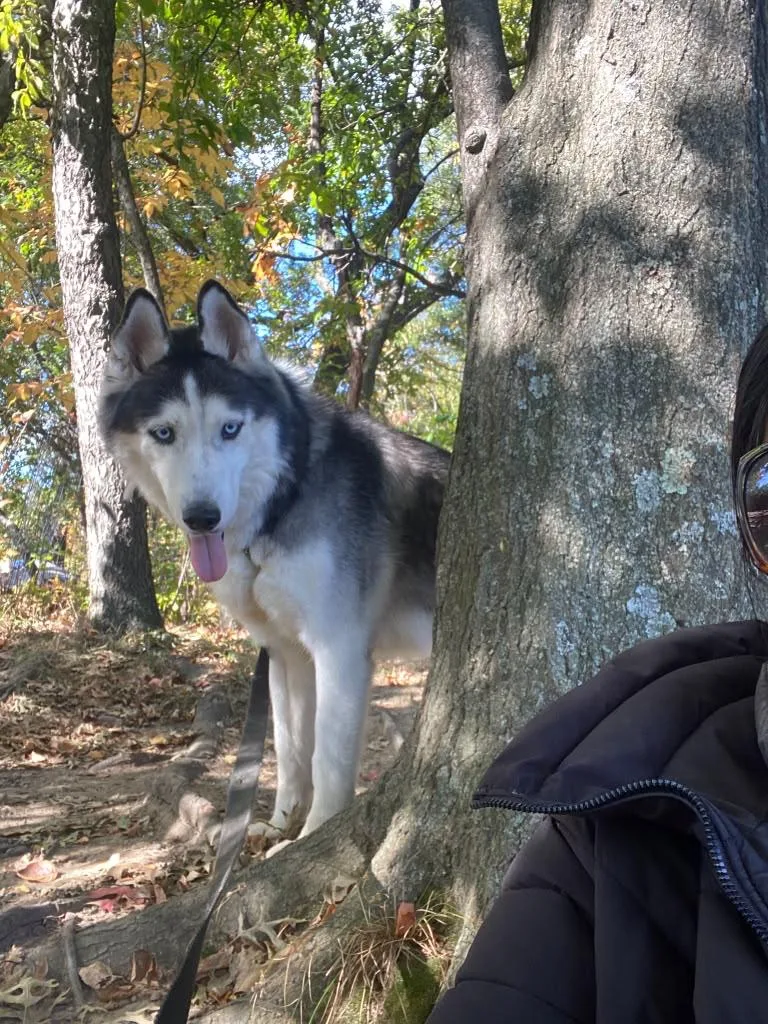
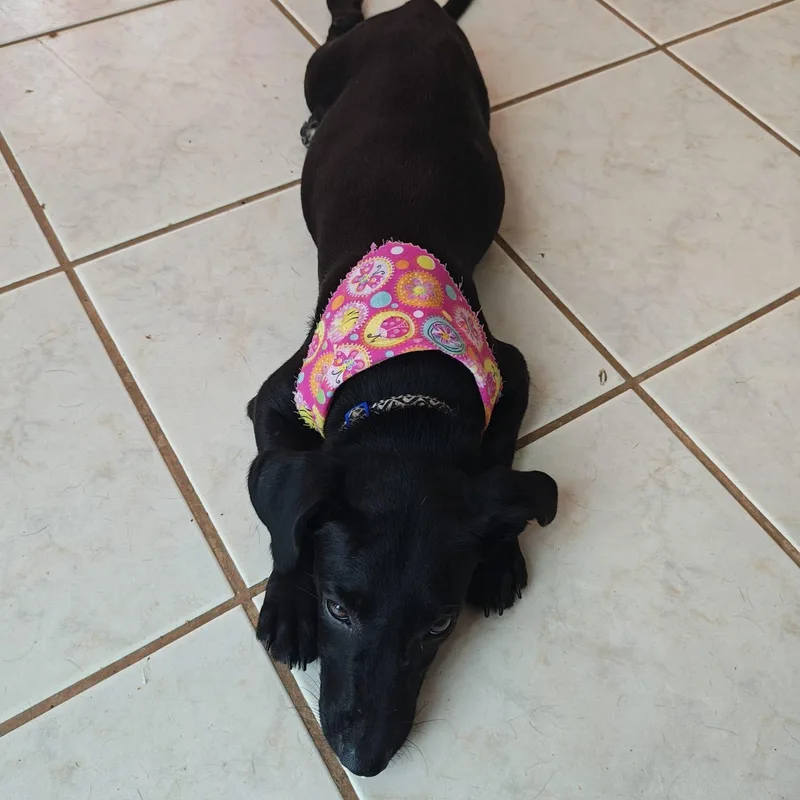
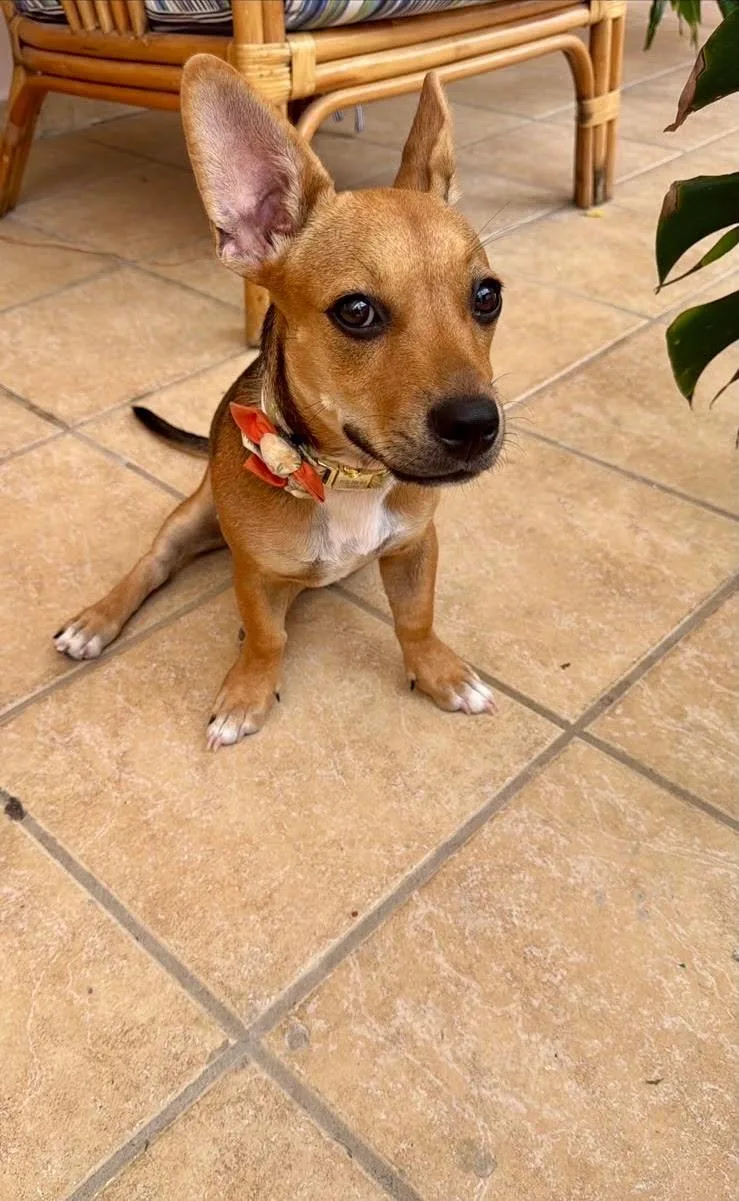
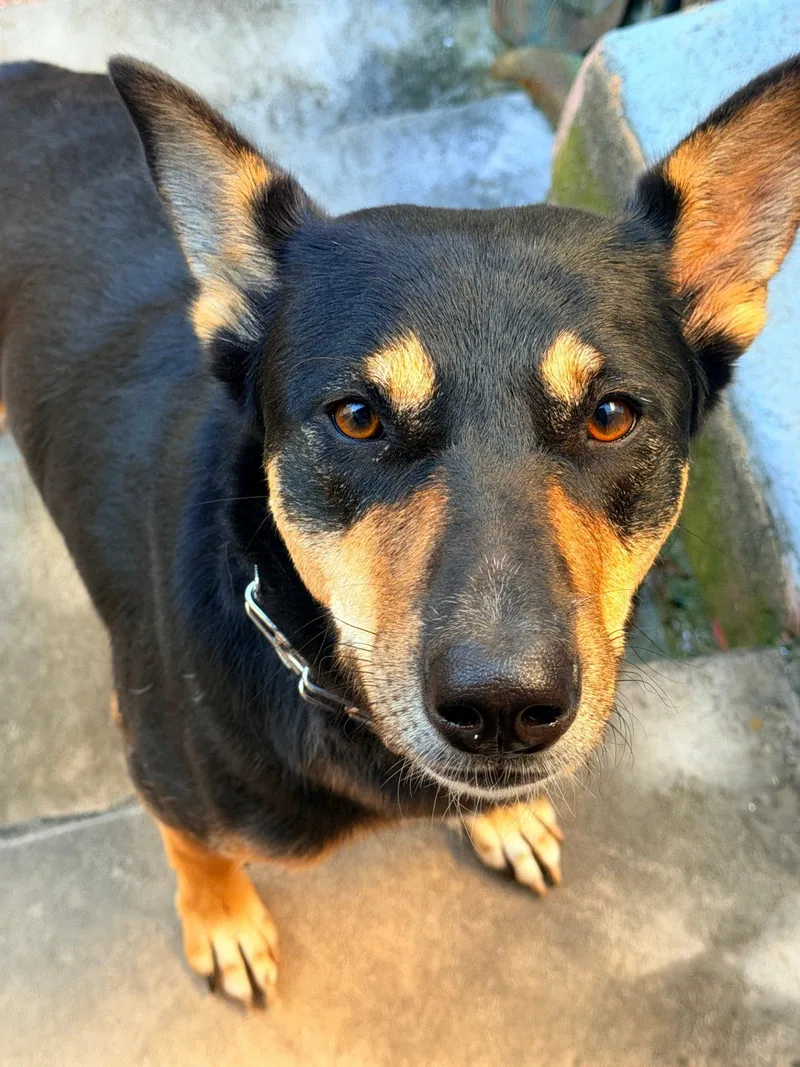
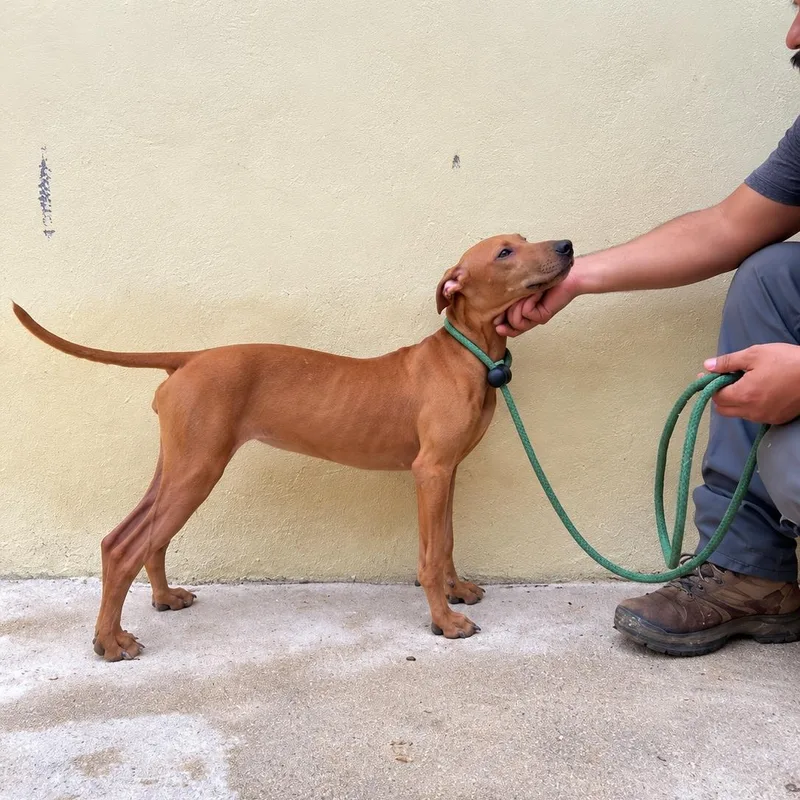
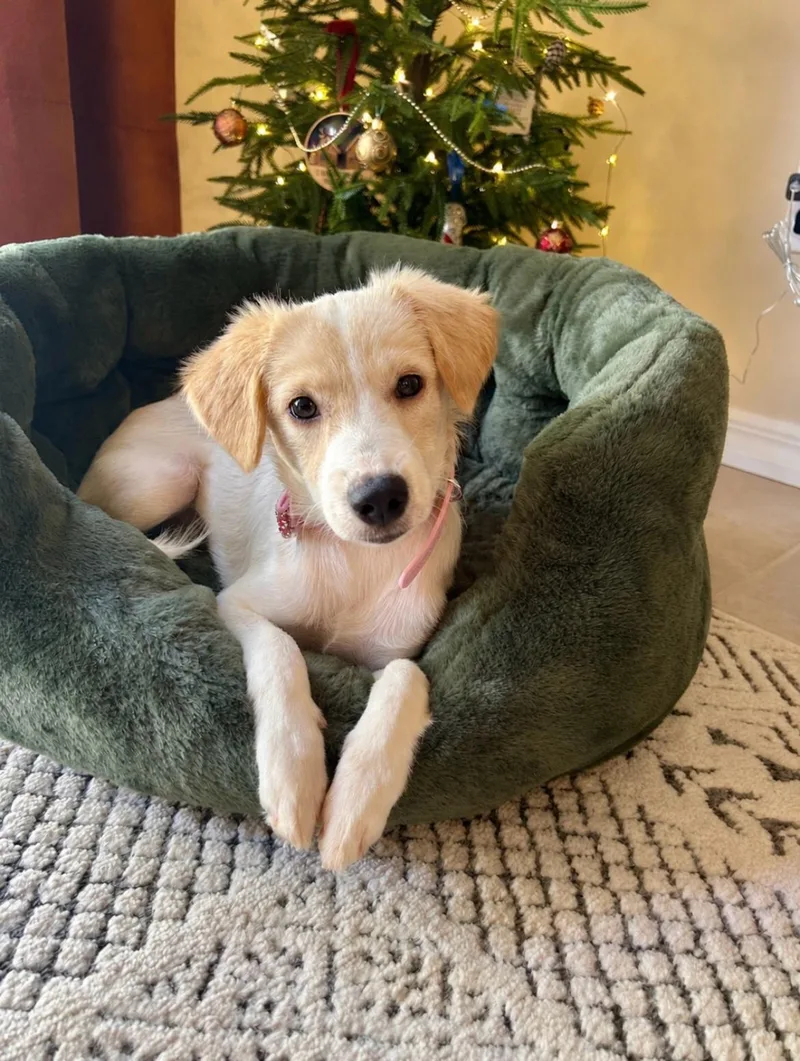
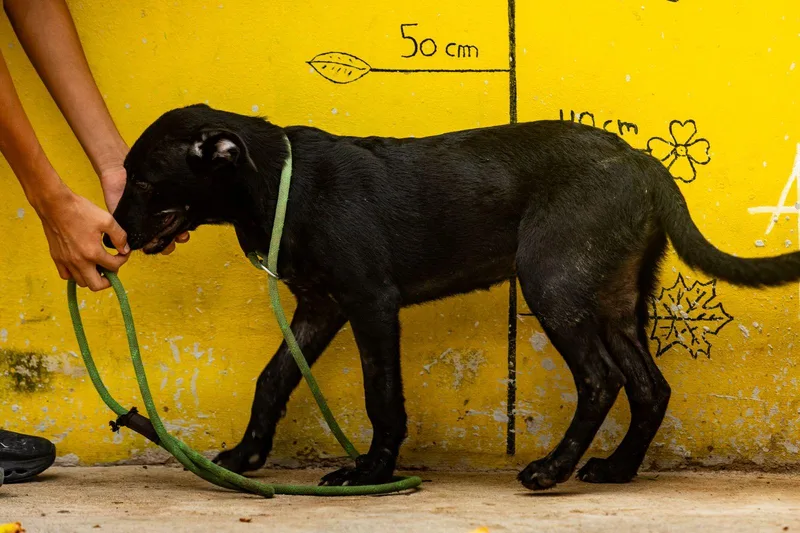
Catahoula Leopard Dogs for Adoption in New York, NY

Your guide to finding and caring for a Catahoula Leopard Dog in NYC

Catahoulas are working dogs, and in NYC that means building the day around park hours. A morning run on Prospect Park's Long Meadow before 9 a.m., or a loop through Pelham Bay Park in the Bronx, suits their stamina far better than a few laps around the block. They're loyal and watchful, so crowded sidewalks and shared elevators take patient practice. If you're thinking of adopting one in NYC, you'll want to be active and ready for a dog that notices everything.

1454 Catahoula Leopard Dogs available in New York and nationwide

Give a Catahoula Leopard Dog a home

Catahoula Leopard Dogs Available for Adoption Near New York

About the Catahoula Leopard Dog breed

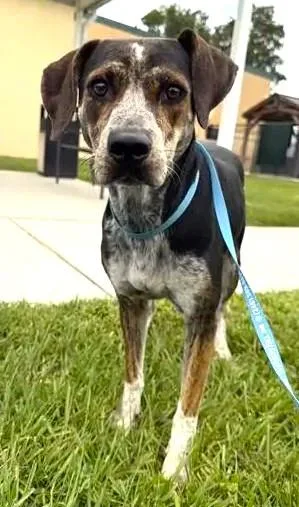
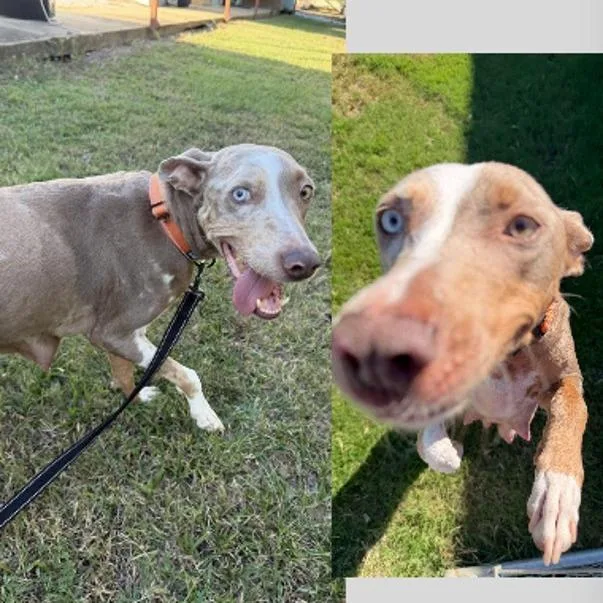
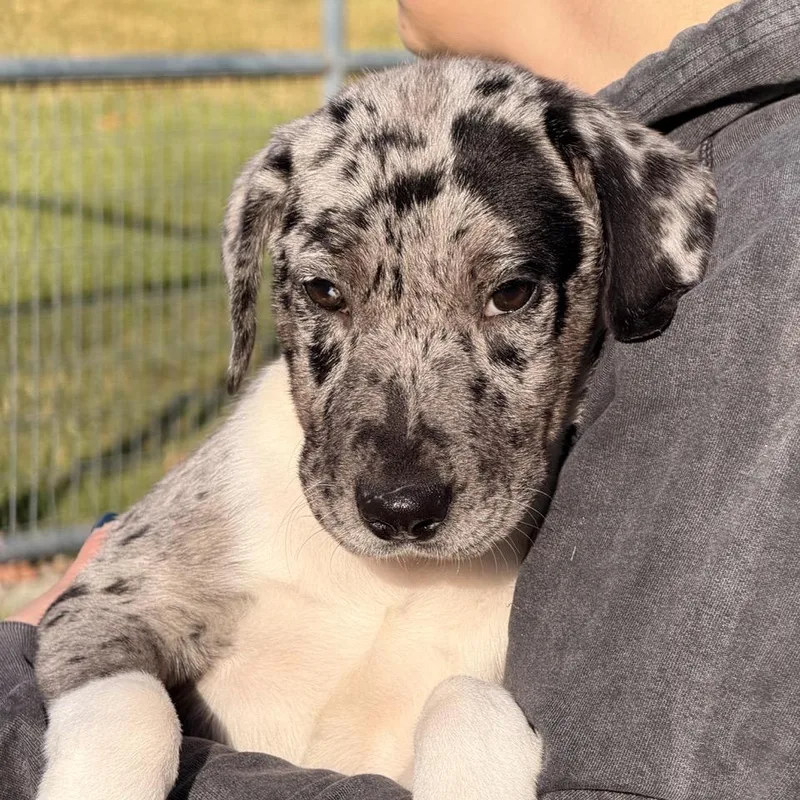
The Catahoula Leopard Dog comes from Louisiana, where it was developed to find and hold feral hogs and to gather semi-wild cattle. Ability mattered more than looks, so size and build vary widely. Many have a merle "leopard" coat and light or mismatched eyes, though brindle and solid colors are common too.

Catahoulas tend to be intelligent, independent and loyal, with a protective streak and some wariness of strangers. In a dense city that wariness can show up on stoops, in hallways and at dog runs, so early socialization and steady, reward-based training matter. Some are selective with other dogs. Many shelter dogs labeled Catahoula are mixes, so each dog's own personality and needs count for more than the label.

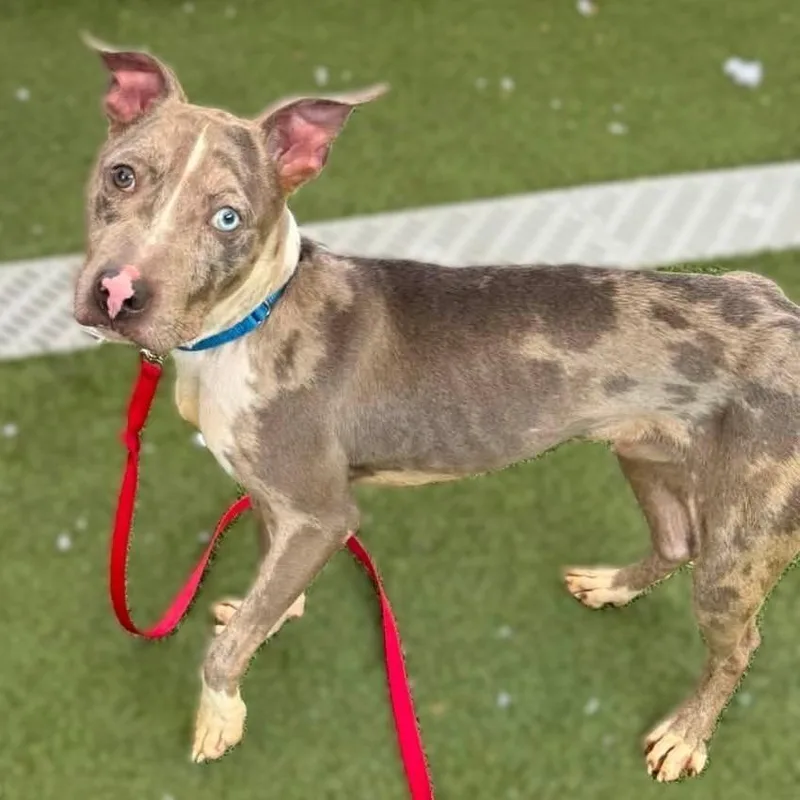
Weight
50–95 lbs
Height
20–26 in
Lifespan
10–14 yrs
Temperament
Energetic, Independent, Protective
Group
Herding
Shedding
Moderate

Owning a Catahoula Leopard Dog in New York

Having a Catahoula Leopard Dog in NYC

A Catahoula's stamina and problem-solving drive most of life in NYC: the exercise it needs, the space it takes up and the training it deserves. Merle coloring also brings some health risks worth knowing before you adopt.

Temperament

Catahoulas are often devoted to their own people and reserved with strangers, which shows up in a city of shared hallways and busy sidewalks. Many are confident and quick to make their own decisions, and some are picky about other dogs. Practice calm greetings on leash and reward relaxed behavior around crowds. Every dog varies.

Exercise Needs

Catahoulas need substantial daily exercise: long runs, brisk walks, fetch and mental work like scent games or puzzle feeders. In NYC, leash rules apply in parks outside courtesy hours, so early-morning and late-evening off-leash time in designated areas is valuable. Without enough activity, many Catahoulas dig, chew, bark or try to escape.

Health Considerations

Deafness is a known risk in Catahoulas, especially heavily white or double-merle dogs, which can also have eye defects. Hip dysplasia occurs too. Have a veterinarian check hearing, eyes and hips after adoption, and keep up regular checkups. New York State requires rabies vaccination, and you should carry proof of it in public.

Living Space

Most Catahoulas do best with a securely fenced yard, which few NYC homes offer. An apartment can work only with very reliable, vigorous daily exercise and attention to hallway noise and visitors, since these dogs are watchful and may bark at sounds. A large, athletic dog also needs floor space and a quiet spot to settle.

What it costs to own a Catahoula Leopard Dog in New York

ExpenseTypical costPer year
Adoption fee$575, one time$575 in year one
Food$55 to $110 per month$660 to $1,320
Pet insurance$55 to $110 per month$660 to $1,320
Routine vet care$250 to $500 per year$250 to $500
Other*$484 to $1,284 per year$484 to $1,284
Estimated yearly total (after year one)$2,054 to $4,424
First-year total (with adoption fee)$2,629 to $4,999

Adoption fee is the fee on Catahoula Leopard Dog listings in New York on GetBuddy today. Other costs are estimates and vary with size, age and health.

* The $8.50 to $34 NYC dog license, flea, tick and heartworm prevention, a dental cleaning allowance, toys and bedding, and basic at-home brushing.

Adopt a Catahoula Leopard Dog in New York.

Now that you know more, let’s find you a new best friend. These rescues and shelters below currently have Catahoula Leopard Dogs available.

Frequently Asked Questions

Usually not, because pets on the subway and buses must be enclosed in a bag or container, and most Catahoulas are far too big for one. Service animals are exempt. A leashed dog can ride Metro-North, and NYC Ferry allows quiet, well-behaved dogs on a short leash, so those are options for longer trips.

Yes, with planning. A Catahoula's short coat gives limited warmth, so use a coat on long walks and keep the dog inside when it's very cold. Winter cuts into outdoor time, so swap some runs for indoor scent games, puzzle feeders and training, since this breed gets restless without a job. Wipe paws after every walk to remove ice-melt.

Fenced dog runs are the safest bet for a quick, athletic Catahoula. Try McCarren Park in Brooklyn, Hunters Point South in Queens, Tompkins Square Park in Manhattan or Canine Court in the Bronx's Van Cortlandt Park. Courtesy-hour areas in big parks are unfenced, and coyotes have been seen in Central Park, so keep the dog in sight and rely on a solid recall.

It can, but only with very reliable, vigorous daily exercise, which is a real commitment in a city apartment. Plan on long morning and evening outings plus mental work. Barking at hallway sounds is a risk, and the city's noise code can act on barking heard for 10 straight minutes between 7 a.m. and 10 p.m., or 5 minutes overnight.

Yes, NYC has no breed-specific ownership rules, since state law bars them. The limits come from housing: NYCHA public housing caps dogs at 25 pounds, which most Catahoulas exceed, and private landlords, co-ops and condos may write their own pet rules into leases or bylaws. Read the pet terms in any lease before you commit.

Only to outdoor tables, and only if the restaurant chooses to allow dogs. The dog must enter directly from outside, stay on the ground and be leashed or carried within arm's length. Only service dogs are allowed indoors. Restaurants can also limit dog size or breed, so a large Catahoula may be turned away.

Very little. The short coat needs a weekly brushing, more during heavier shedding, plus an occasional bath, and professional grooming is optional. In winter, wipe paws after salted walks. In summer, regular brushing helps remove loose hair. Check nails, ears and eyes as part of your routine, since merle dogs can have eye or hearing issues.

It can be for an active adopter who can give hours of daily exercise and training, ideally near dog runs and courtesy-hour parks. It's a harder fit for long days away or a small apartment with little outdoor time, since a bored, watchful Catahoula may bark or dig. Each dog differs, so use the listings on this page to compare ages and energy levels.

We have 1 rescue with Catahoula Leopard Dogs available: Miracles for Satos Rescue. You can see every rescue with Catahoula Leopard Dogs available in the list above these questions, or scroll to the top to see the Catahoula Leopard Dogs near New York.

Expect food of about $55 to $110 a month and insurance of $55 to $110 a month for a Catahoula. Routine vet care runs $250 to $500 a year, and other yearly costs such as parasite prevention, a dental cleaning and supplies add roughly $484 to $1,284. Get local quotes for boarding and dog walking, which vary by provider.